Durazzo
Two thousand four hundred years ago, Greek settlers from Corfu and Corinth chose this stretch of coast to found Epidamnos, and eve...
Updated 8 July 2026
Durazzo
This season · July · Summer
What to do in Durazzo now
The story
The story of Durazzo
From Greek origins to Roman Dyrrachium
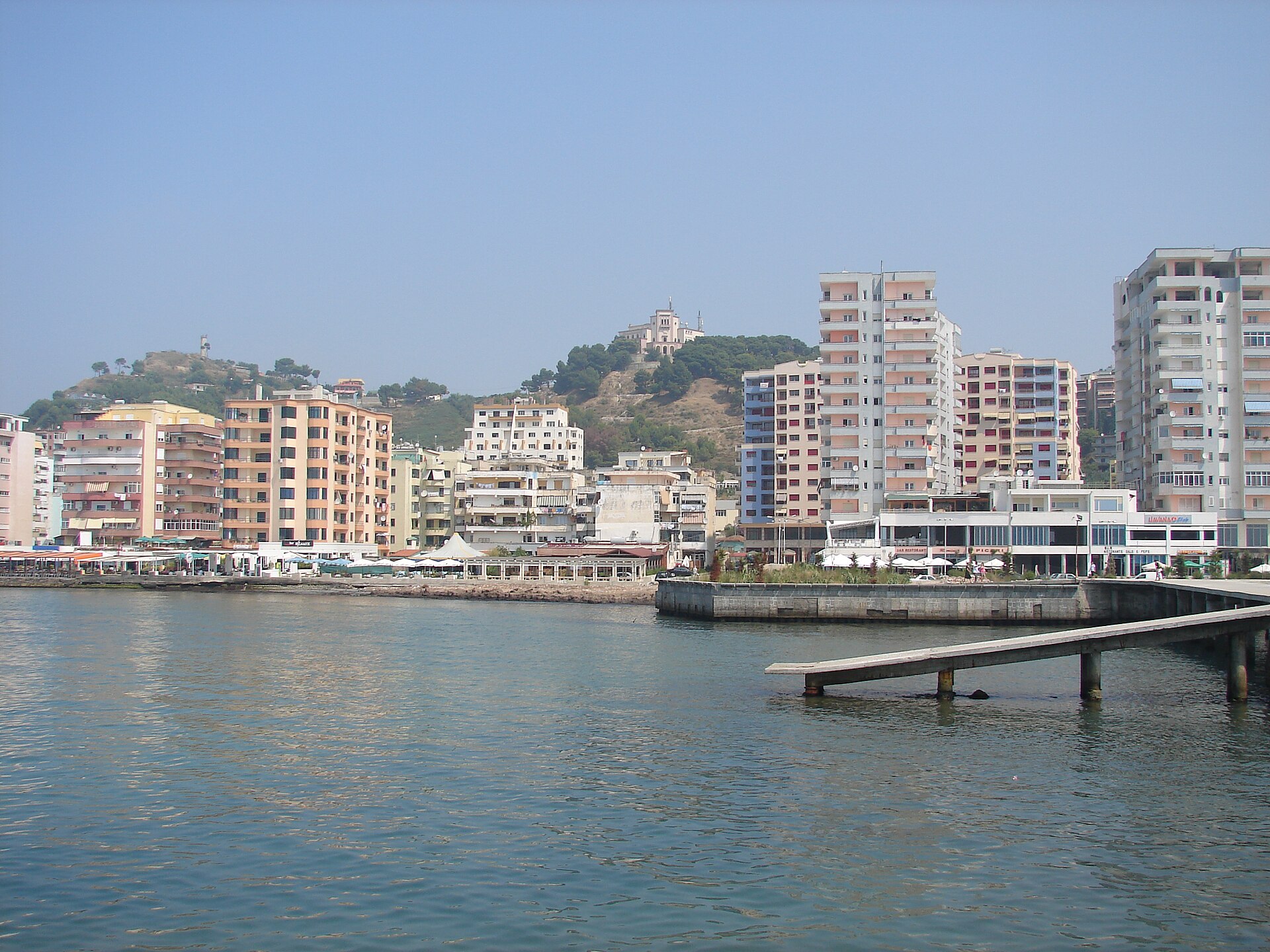
The founding of Epidamnos, around 627 BC, is credited to Greek settlers from Corcyra (Corfu) and Corinth, drawn by a sheltered bay and an easily defensible headland. The name changed to Dyrrachium when Rome, after the Illyrian Wars of the 3rd century BC, made it the western bridgehead of the Via Egnatia, the artery that in a few weeks' march led all the way to Byzantium. From this port sailed Cicero into exile and Julius Caesar to war against Pompey, who here suffered one of his rare defeats in 48 BC. Under Rome the city reached a population and wealth that is hard to imagine today while strolling among the low houses of the centre, but which resurfaces every time a building excavation is interrupted to bring mosaics and baths to light.
Byzantium, Venice and the arrival of the Ottomans
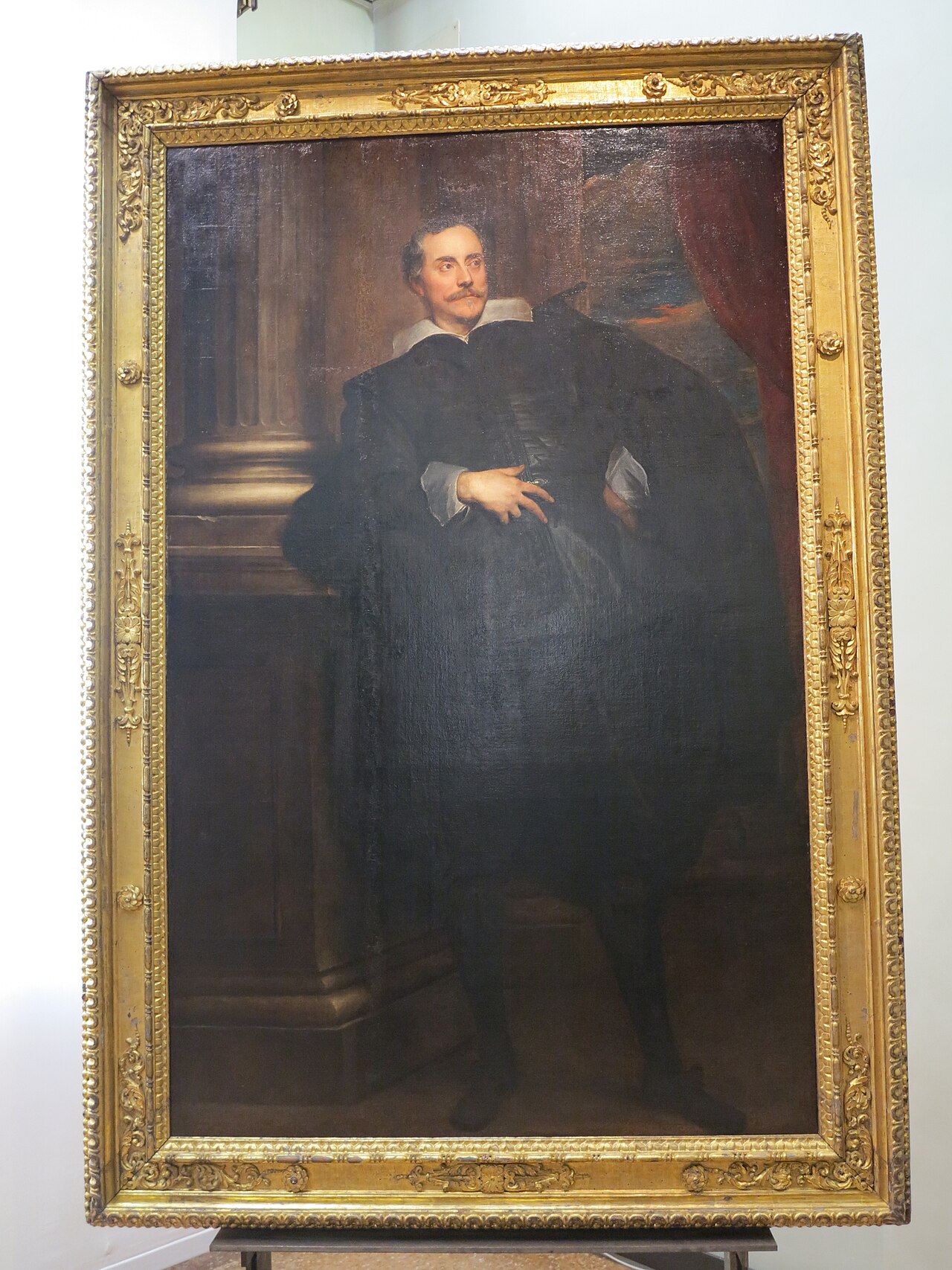
With the division of the Roman Empire, Durrës passed to Byzantium and became one of its western strongholds, so much so that it was besieged more than once by Robert Guiscard's Normans and by the Bulgarians. In the 14th century the city fell under the control of the Republic of Venice, which reinforced its walls and built the defensive tower still visible today on the seafront. The arrival of the Ottomans in 1501 opened four centuries of Turkish rule, during which the city nonetheless kept its role as a trading port toward Italy. It was precisely in the hinterland of this province, on the fortress of Krujë, that in the 15th century George Kastrioti Skanderbeg led the Albanian resistance against the Ottoman advance for over twenty years, becoming the symbol of the national identity that still animates every corner of the country today.
Capital of the kingdom and the wounds of the twentieth century
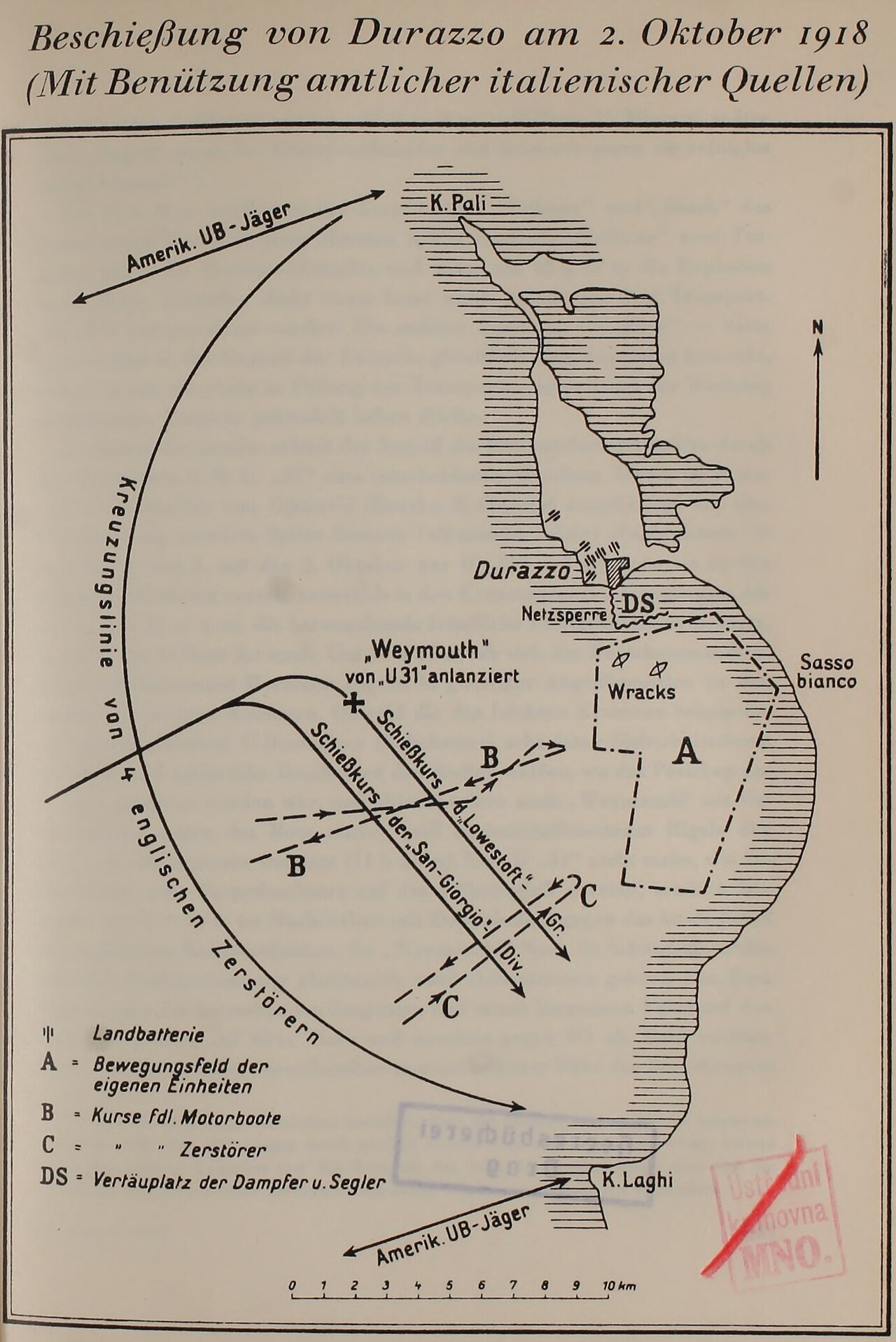
In 1914, after Albanian independence, Durrës was briefly the capital of the newborn principality led by the German prince William of Wied. In the 1920s and 1930s, under King Zog I, the city was enriched with buildings in the Italian rationalist style, the fruit of close collaboration with Fascist Italy, which landed its troops here in April 1939, putting an end to Albanian independence until the end of the war. The communist postwar period brought industrialisation of the port and isolation, while the collapse of the regime in 1991 turned Durrës for months into the main departure point for clandestine crossings to Italy, with images of ships overloaded with refugees that made headlines around the world. Since then the city has rebuilt its identity around seaside tourism and its commercial port, today the busiest in Albania.
The Roman Amphitheatre, the symbol-monument
Discovered almost by chance only in 1966, during building works in the heart of the old town, the Durrës amphitheatre dates from the 1st-2nd century AD and is the largest in the Balkans, with an estimated capacity of 15-20 thousand spectators. A good part of the structure still lies buried beneath the modern dwellings that rose above it over the centuries, which makes visiting it an almost literally archaeological experience: you descend among corridors and partly buried tiers, and come across a small Byzantine chapel with mosaics dedicated to the Virgin, built inside the structure centuries after the gladiatorial games were abandoned. It is a monument that physically coexists with the contemporary urban fabric, wedged between courtyards and hanging laundry, and this is precisely why it strikes visitors more than many isolated ruins.
The Byzantine walls and the Venetian Tower
The fortified perimeter that once protected Dyrrachium is today visible in stretches along the seafront and in the old town: the walls, raised in Byzantine times and reworked more than once, reached a considerable height to withstand Norman and Slavic sieges. The Venetian Tower, cylindrical and massive, is the best-preserved stretch and today houses a small panoramic café that overlooks the port: sitting here at sunset, as the lights of cargo ships come on along the horizon, is one of the simplest ways to feel the layered weight of the city's history without needing any explanation.
The Archaeological Museum and the buried treasures
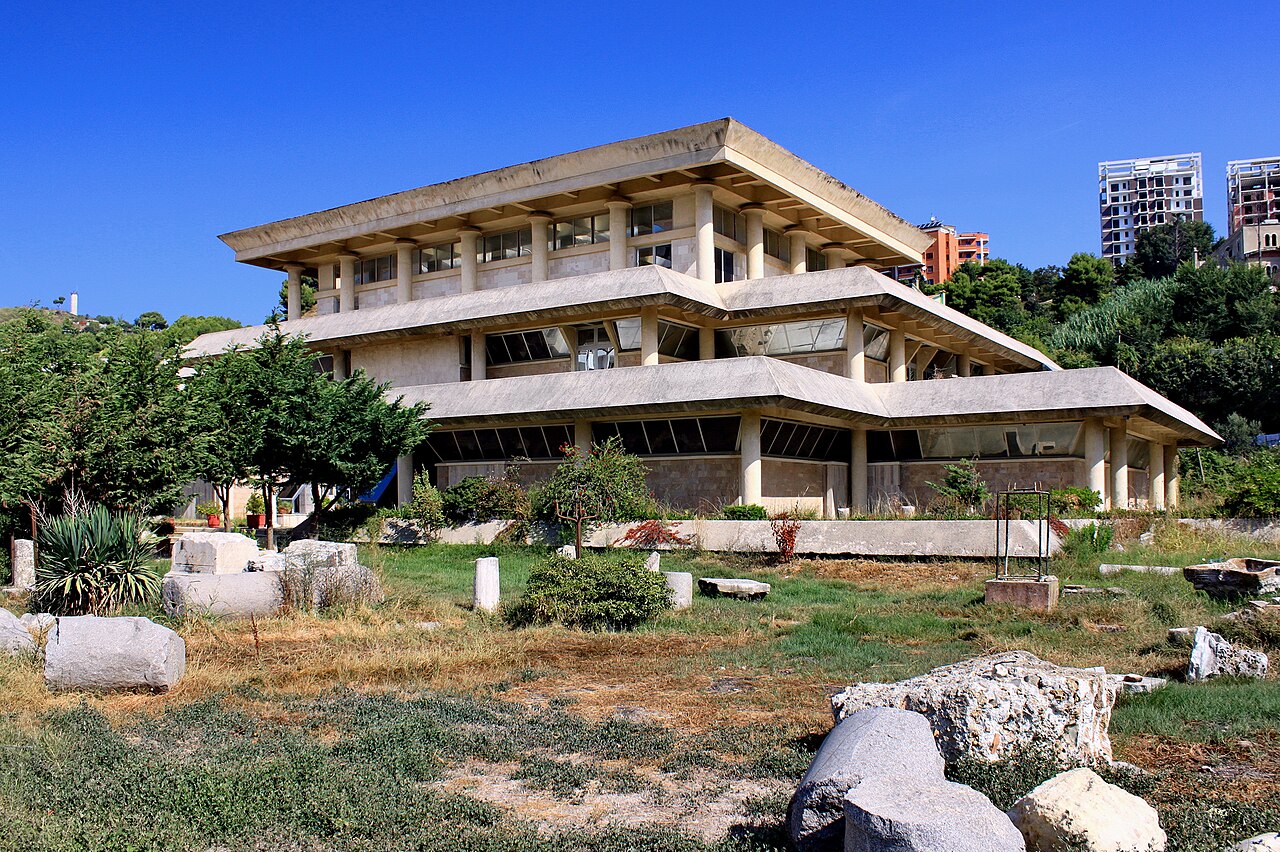
Overlooking the seafront, the Archaeological Museum of Durrës gathers the finds returned by the city's excavations: floor mosaics, Roman sarcophagi, Hellenistic sculptures, funerary goods, and the famous Beauty of Durrës slab, a mosaic depicting a female face considered among the most refined ever found in Albania. The museum, modest in size compared with the richness of the city's subsoil but well cared for, is the right stop to give context to what you will see while walking the streets, where Roman capitals reused as lamppost bases or embedded in house walls are the rule rather than the exception.
Krujë, Skanderbeg's fortress
About twenty kilometres from the coast, Krujë climbs a rocky spur at the foot of the mountain that shares its name, and is, together with Durrës, the identity heart of the province. The castle that dominates the town was the headquarters from which Skanderbeg resisted Ottoman sieges for decades, and today it houses the National Museum dedicated to him, rich in weapons, banners and reconstructions of his epic. At the foot of the fortress winds the old Ottoman bazaar, a maze of stone-and-wood workshops where craftsmen still carve copperware, weave carpets and sell mountain honey: it is one of the few historic Albanian markets to have survived the twentieth century almost intact, and is well worth the detour from the coast on its own.
The beaches and coastline of the Riviera
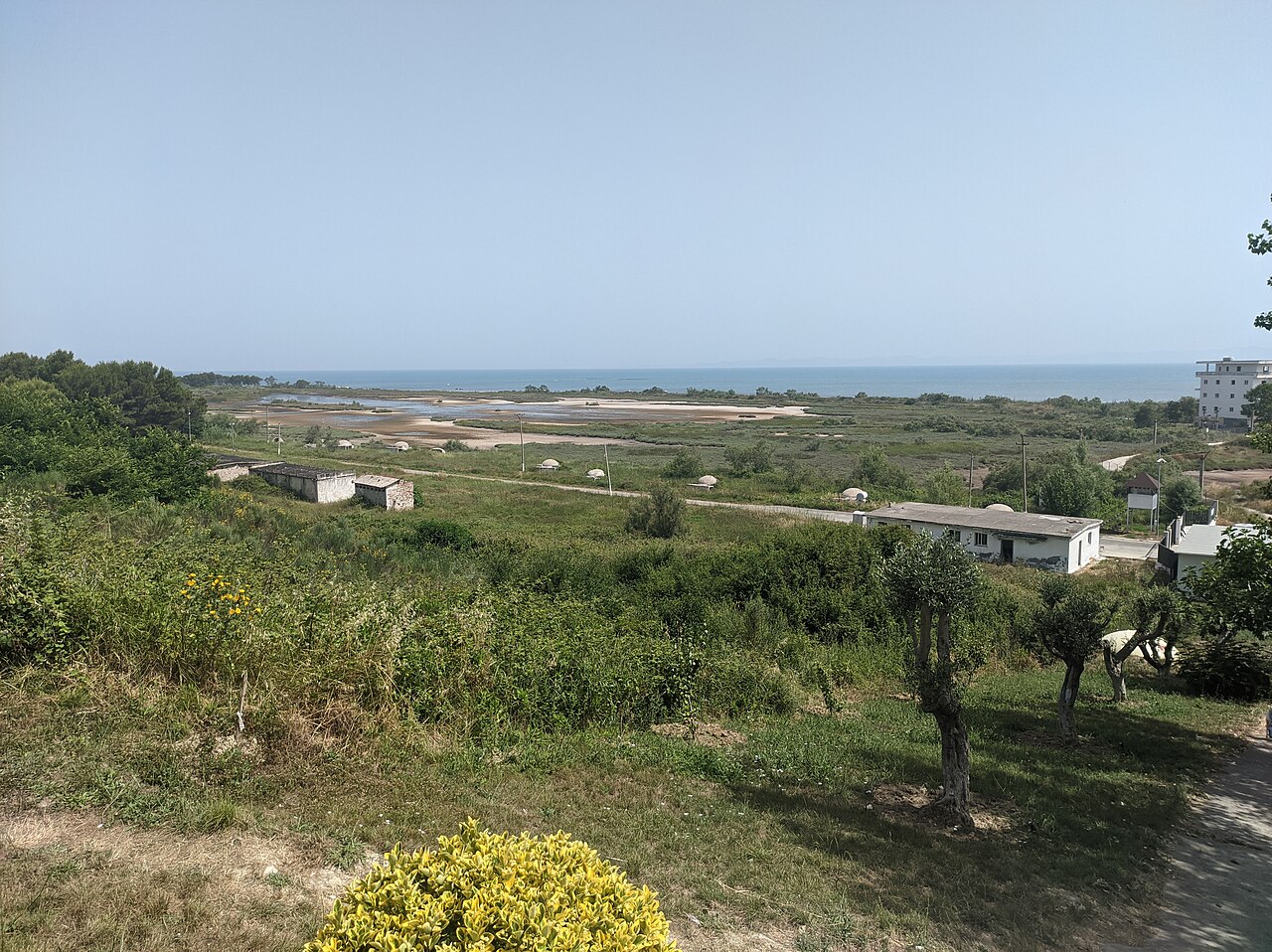
The coast of Durrës province is made mostly of fine sand and shallow waters, ideal for families and long swims: from the city beach of Durrës, lively with beach clubs and evening strolls, it runs south to Golem and Kavajë, where hotels thin out and sandy dunes give way to wilder stretches dotted with pine groves. To the north, toward Currila, the coast becomes rockier, offering different views over the Adriatic Sea. It is not the dramatic, jagged coastline of the Ionian Riviera further south, but its strength lies precisely in accessibility: miles of flat, comfortable, well-equipped shoreline, perfect for those seeking relaxation rather than adventure.
The agricultural hinterland and the villages of Shijak
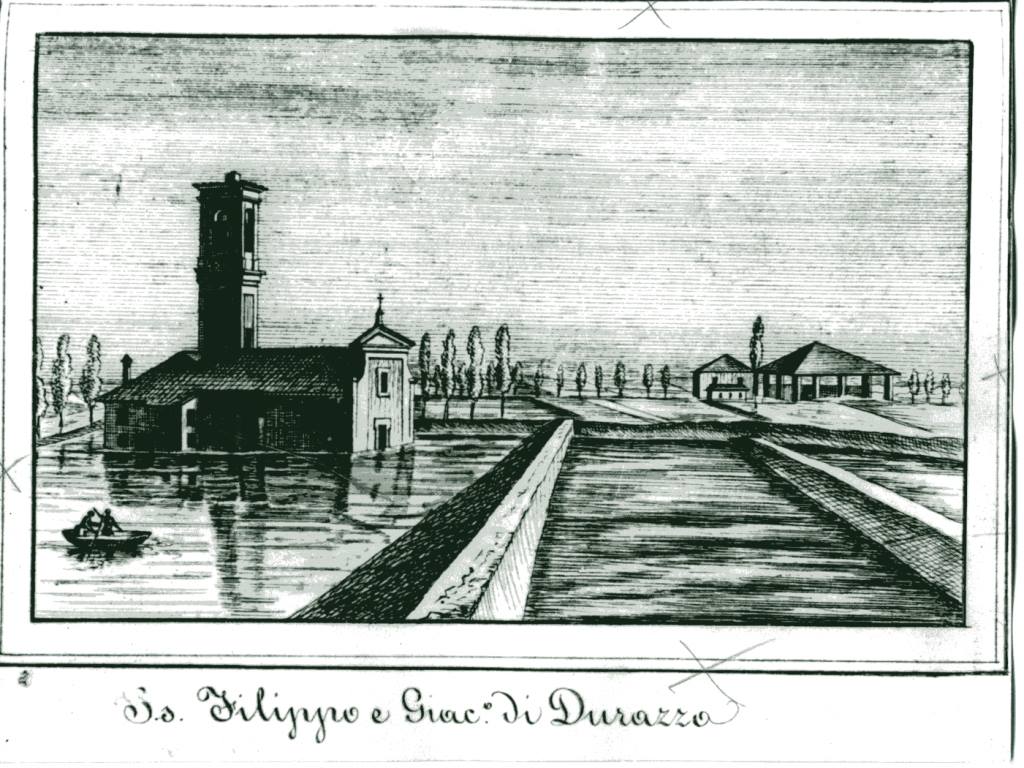
Past the touristy coastal strip, the province reveals an agricultural hinterland made up of fields growing vegetables and fruit, livestock farms and small towns like Shijak, traditionally tied to cheese and dairy production. It is a landscape less trodden by mass tourism, where side roads link farmsteads and rural churches, and where the pace of life still follows the farming seasons more than the beach calendar. It is worth a stop for those who want to understand the Albania behind the coastal postcards, made of straightforward hospitality and farmers' markets held on fixed days of the week.
Flavours and popular traditions
Durrës cuisine combines the Adriatic seafaring tradition with the pastoral tradition of the hinterland: mussels and grilled fish in the port's restaurants, byrek filled with cheese or spinach as an ever-present snack, fërgesë made with peppers and cheese, and of course grape or plum raki offered almost as a welcome ritual in every home. The old town preserves textile and goldsmith crafts of Ottoman tradition, while popular festivals tied to the harvest and to religious occasions - Catholic, Orthodox and Muslim - coexist in the same calendar, enlivening the year with music, circle dances and communal feasts that tell the multi-religious history of this land better than any book.
When to go and how to experience the province
The beach season runs from June to September, with July and August crowded above all with Kosovar and Macedonian tourists filling the coastal hotels; those seeking warm weather with fewer crowds should aim for June or the second half of September. Spring and autumn are the best months to explore Krujë and the hinterland, with mild temperatures for walking through the bazaar and around the castle without the summer heat. A long weekend allows you to combine the sea, Durrës's old town and a trip to Krujë; with more time available, you can add a stop in Tirana, less than an hour away, to complete the picture of Central Albania.
- Roman Amphitheatre of Durrës, the largest in the Balkans
- Venetian Tower and stretches of the Byzantine walls on the seafront
- Archaeological Museum with the mosaics and the Beauty of Durrës
- Skanderbeg's Castle and National Museum in Krujë
- Old Ottoman bazaar of Krujë
- Sandy beaches of Durrës and Golem
- Evening stroll along the port's seafront
- Markets and artisan dairy products of Shijak
FAQ
Come si arriva a Durazzo?
Quanto tempo serve per visitare la provincia?
Dove parcheggiare in centro a Durazzo?
È adatta a una vacanza con bambini?
Vale la pena la gita a Krujë?
Si può visitare con animali al seguito?
Getting there
- Aeroporto Internazionale di Tirana Rinas, circa 30 km da Durazzo
- Linea ferroviaria Tirana-Durazzo (servizio limitato, verificare orari aggiornati)
- Superstrada Tirana-Durazzo (circa 35-40 minuti); collegamenti su strada verso Krujë (SH2) e verso sud lungo la costa fino a Golem e Kavajë
- In alta stagione estiva la superstrada Tirana-Durazzo e l'ingresso in città possono congestionarsi nel weekend: meglio muoversi nelle prime ore del mattino.
Perfect for
Duemila anni di storia condensati tra anfiteatro romano, mura bizantine e torre veneziana, spesso nascosti sotto il tessuto urbano moderno.
Spiagge sabbiose e fondali bassi lungo tutta la costa, ideali per bambini e soggiorni rilassati.
Krujë e il culto di Skanderbeg raccontano il momento fondativo della resistenza albanese contro gli ottomani.
Cucina adriatica di pesce, byrek e latticini dell'entroterra, con il raki come rito di ospitalità immancabile.
Il porto commerciale più trafficato d'Albania regala un lungomare vivo, tra navi cargo, caffè e passeggiate serali.
To see
site.portal.territories.poi_in_place
Routes · Trovido Route