

Durrës
In 627 BC, Greek settlers from Corinth and Corcyra set foot on a stretch of Adriatic coast sheltered by a natural bay and founded...
Updated 8 July 2026
This season · July · Summer
What to do in Durrës now
The story
The story of Durrës
From Epidamnos to Dyrrachium: the classical origins
The Greek foundation of the 7th century BC arose from an agreement between two rival powers, Corinth and Corcyra (present-day Corfu), who together chose the site for commercial reasons: the bay offered safe anchorage and direct access to the Illyrian interior. The name Epidamnos lasted until the Roman conquest, when the Latins found it an ill omen because of its resemblance to damnum, meaning harm, and preferred to call the city Dyrrachium. It was here, in 48 BC, that the armies of Caesar and Pompey clashed in one of the decisive battles of the Roman civil war, recounted by Lucan in the Pharsalia. From then on the city grew as a strategic hub between two continents, enriched with temples, baths and the road network that made it the eastern gateway of the empire.
Byzantium, Venice and the Ottoman Empire
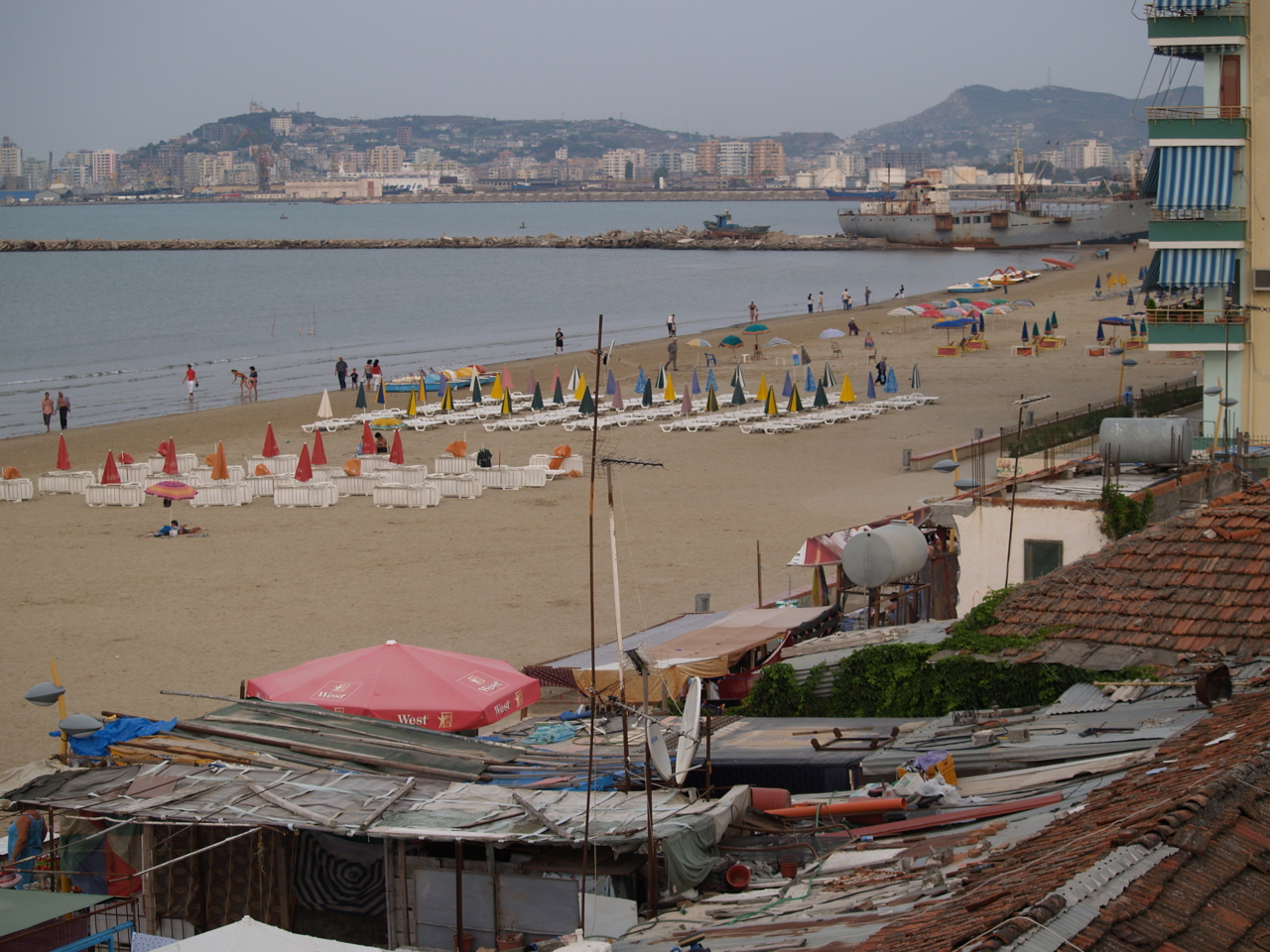
With the division of the Roman Empire, Dyrrachium passed to Byzantium, which strengthened its defences after devastating earthquakes and Gothic and Slavic raids, building the brick city walls that still trace the perimeter of the old town today. In the Middle Ages the city was fought over by the Normans, the Bulgarians and finally the Republic of Venice, which controlled it on and off between the 14th and 15th centuries, leaving behind the round defensive tower that still bears its name. In 1501 it fell under Ottoman rule, which governed it for nearly four centuries, leaving an urban imprint of bazaars, mosques and low stone houses. Albanian independence in 1912 and the brief period as capital under Prince Wilhelm of Wied in 1914 opened the more modern chapter of its history, continued under the monarchy of Zog and, after the war, under Hoxha's communist regime.
The Roman Amphitheatre, the symbolic monument
Built in the early 2nd century under Emperor Trajan, the Durrës amphitheatre could hold up to fifteen thousand spectators and remains the largest ever found in the Balkans. It was rediscovered only in 1966, almost by chance, during building works that uncovered the tiers buried beneath the houses of the neighbourhood: an entire part of the district had to be partly demolished to free up the excavations, and even today some 20th-century houses stand right next to the ancient arches. Inside one of the corridors a small early Christian chapel from the 4th-5th century is preserved, with polychrome wall mosaics depicting saints, a rarity that bears witness to the pagan building's conversion into a place of Christian worship in the centuries after the fall of Rome.
The Byzantine walls and the Venetian Tower
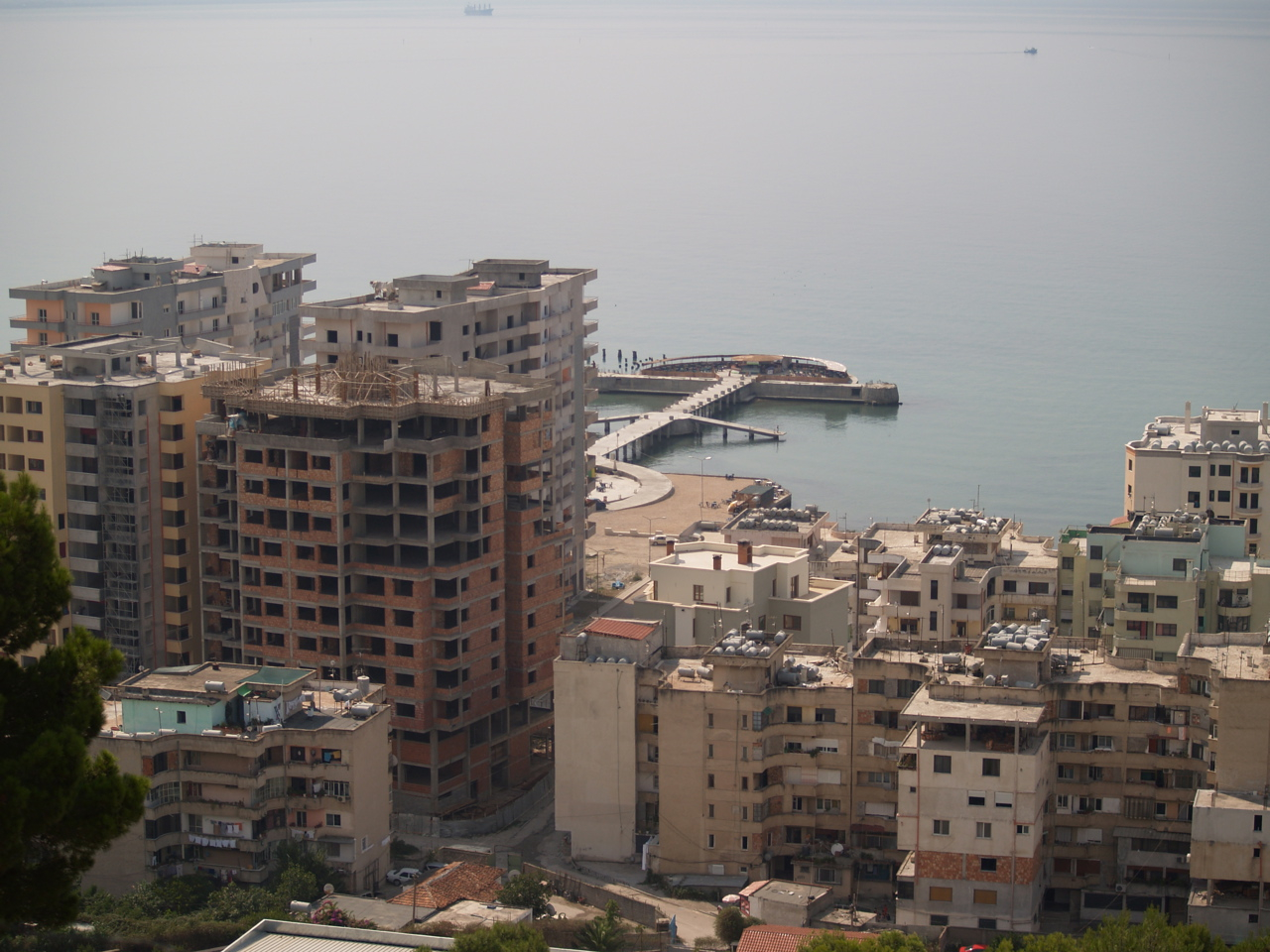
The best-preserved stretch of the walls runs along the side that once faced the sea, with stone and brick blocks up to six metres high, raised and reinforced by Emperor Anastasius I, who was born not far from here, after the earthquake of 345. Walking along the perimeter you come to the Venetian Tower, a cylindrical stone structure that today houses a small panoramic café overlooking the old town and the port: a good spot to grasp at a glance how the city grew in layers, century after century, without ever shifting from its original core.
The Castle and the heart of the old town
Within the city walls lies a maze of cobbled lanes, low houses and small squares that together make up what locals simply call the Castle, although only traces remain of an actual standalone fortress. Here stands the Fatih Mosque, dating from the Ottoman period and restored several times, alongside craftsmen's workshops, open-air bars and the remains of public Roman baths visible in the open air among the modern houses. It is the city's most authentic and least touristy quarter, where everyday Albanian life coexists seamlessly with two thousand years of monumental layers.
The Archaeological Museum and the memory of the finds
Overlooking the seafront, the Durrës Archaeological Museum houses one of Albania's most significant collections: floor mosaics, marble sarcophagi, terracotta votive statuettes and the famous Beauty of Durrës, a small mosaic fragment depicting a woman's face that has become almost a symbol of the city. The rooms trace in chronological order the Greek, Hellenistic, Roman and Byzantine phases, giving a complete picture of a city that for centuries was a crossroads of goods, ideas and peoples along the Adriatic routes.
King Zog's Villa and 20th-century power
On the hill behind the city stands the summer residence built in the 1930s by King Zog I, the first and only monarch of modern Albania, in a sober style that blends Mediterranean touches with Italian influences, reflecting the political and economic ties the king maintained with fascist Italy. The building, today open to visitors only from the outside or on special occasions, overlooks the port and offers a different perspective on the city, less archaeological and more tied to the dynastic and diplomatic events that preceded the Italian occupation of 1939 and the long communist interlude.
The port and the seafront
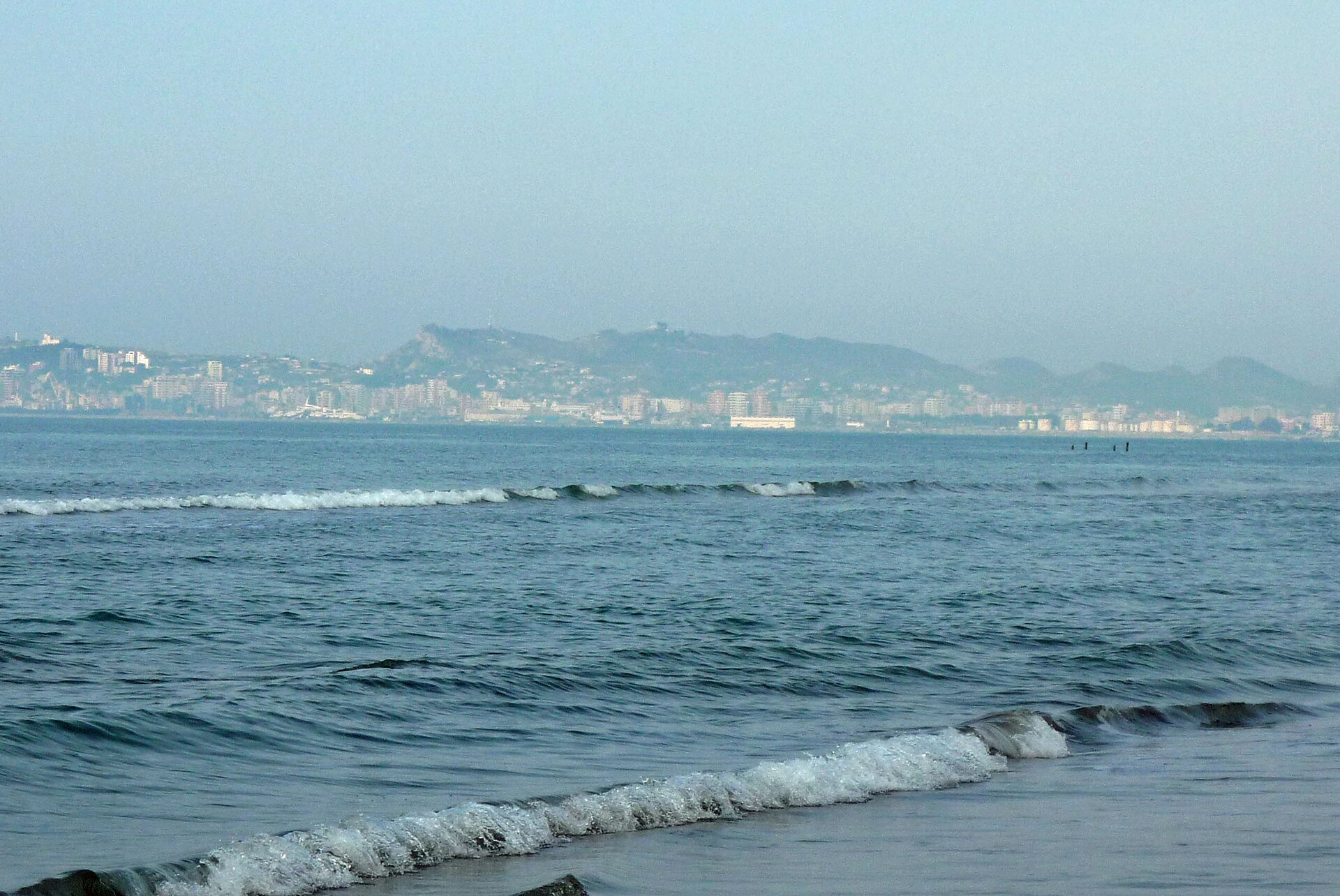
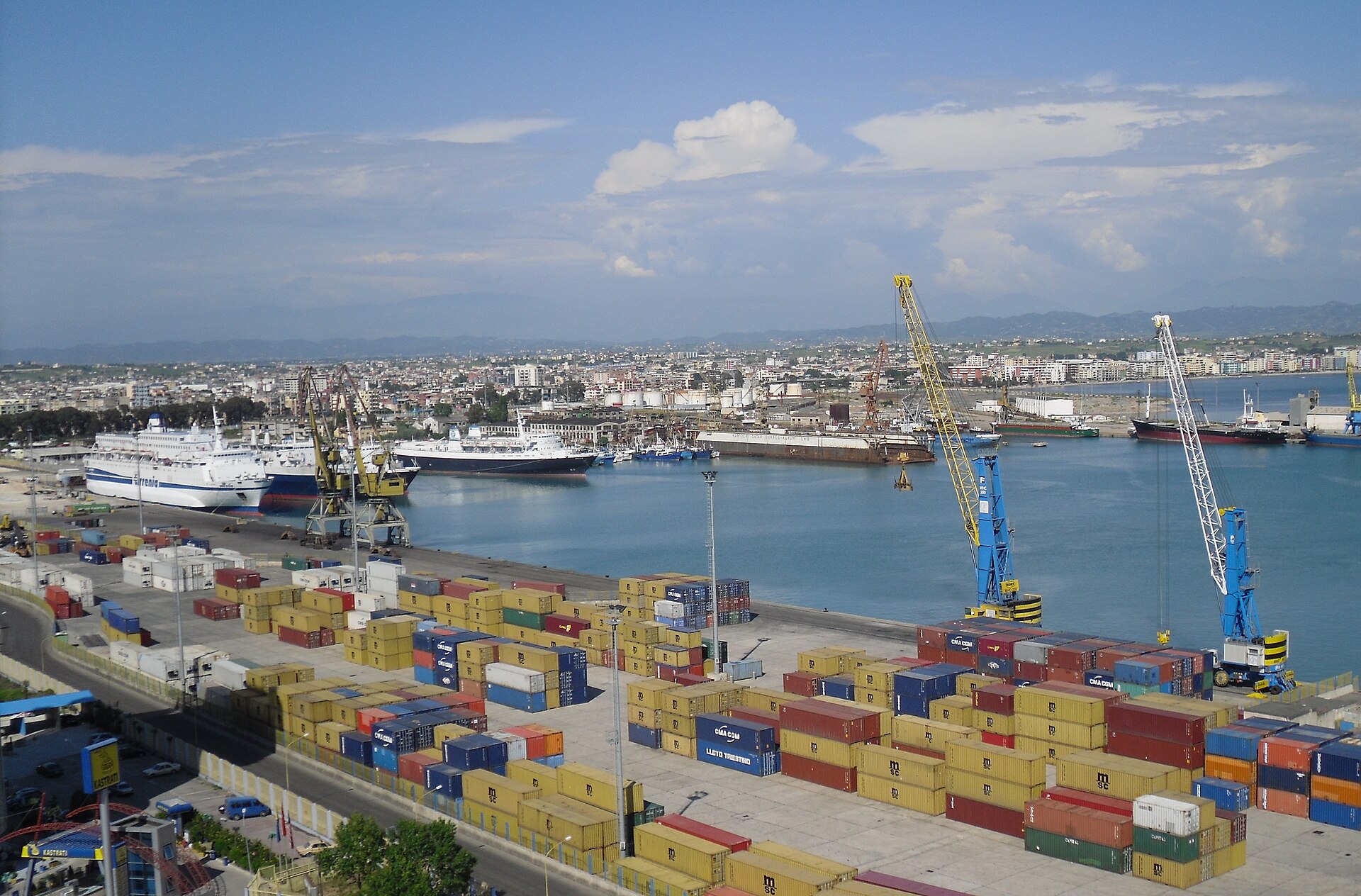
The port of Durrës is the busiest in Albania, connected daily with Bari, Ancona and Trieste, and remains today the main gateway for those arriving by sea from Italy. The seafront promenade that stretches south of the pier alternates residential buildings, seafood restaurants and evening venues crowded in summer with Albanian families and passing tourists: it is the best place to observe the daily rhythm of a port city, between fishermen returning in the morning and evening strolls that stretch late into the night in the warm months.
The beaches and the sandy coast
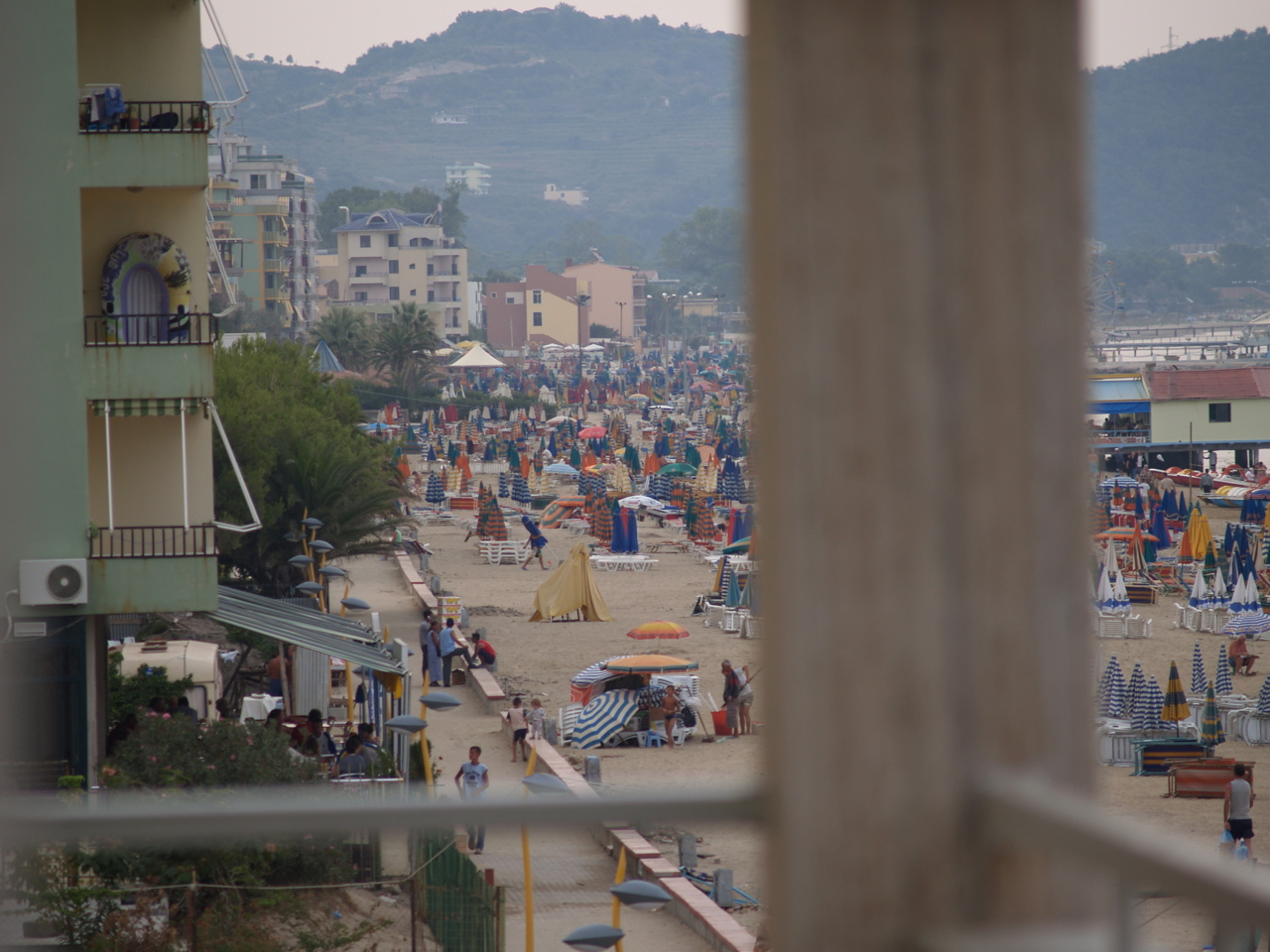
Unlike the rocky coasts of southern Albania, the Durrës shoreline is low and sandy, stretching for kilometres south to Golem and beyond, in an almost unbroken succession of beach clubs, hotels and holiday resorts that have sprung up since the 1990s. The urban beaches, convenient and well served, are often very crowded in high season; those seeking calmer waters find good alternatives by heading to the less built-up shores south of the city, where the seabed slopes gently and is well suited even to families with small children.
Flavours and everyday life
Durrës cuisine reflects its seafaring vocation and its closeness to Italy: grilled fish, mussels farmed in the bay, savoury byrek filled with cheese or spinach, spiced qofte and Turkish coffee served slowly in the cafés of the old town make up a simple, straightforward gastronomic repertoire. In the summer months the streets of the Castle and the seafront come alive with stalls, live music and evening markets, while winter gives the city back a quieter pace, made up of full cafés and fishermen mending their nets on the pier.
- Strolling through the arches of the Roman Amphitheatre and the early Christian chapel with its mosaics
- Climbing the Venetian Tower for a coffee with a view over the Byzantine walls
- Visiting the Archaeological Museum and looking for the Beauty of Durrës mosaic
- Getting lost in the lanes of the Castle among workshops, the Fatih Mosque and Roman baths
- Dining on fish along the seafront after sunset
- Basing yourself on the beach in Durrës or Golem for a day of sandy sea
When to go and how to experience the city
Spring and early autumn are the best times to visit Durrës: mild temperatures, fewer crowds and ideal light for photographing the monuments. Summer, especially July and August, turns the seafront and beaches into a hugely popular destination for Albanians themselves, with higher prices and queues for the ferries; it is nonetheless the moment when the city is most alive, with evening events and venues open late. Winter, quieter, allows visits to the amphitheatre and museum without crowds, but many beach facilities remain closed.
FAQ
Quanto tempo serve per visitare Durrës?
Come si arriva a Durrës dall'Italia?
Dove si parcheggia vicino al centro storico?
Durrës è adatta a una vacanza con bambini?
Meglio dormire a Durrës o spostarsi verso Golem?
Getting there
- Aeroporto Internazionale di Tirana Nënë Tereza, circa 30 km, il principale scalo del paese
- Collegamenti ferroviari limitati verso Tirana; i bus e i furgoni condivisi restano il mezzo più affidabile
- Durrës è collegata a Tirana da una superstrada di circa 35 km percorribile in mezz'ora, e rappresenta il naturale punto di arrivo per chi sbarca dai traghetti provenienti dall'Italia.
- D'estate meglio prenotare in anticipo il traghetto e arrivare in porto con largo anticipo per le lunghe code ai controlli veicolari.
Perfect for
Anfiteatro romano, mura bizantine e museo archeologico offrono una delle concentrazioni di storia antica più dense dei Balcani.
Spiagge sabbiose e basse che si allungano verso Golem, ideali per soggiorni balneari comodi e ben attrezzati.
Vicoli del Castello, bazar, moschea Fatih e vita di porto raccontano l'Albania quotidiana lontano dai circuiti più turistici.
Pesce fresco, cozze locali e byrek da assaggiare nei ristoranti del lungomare o nelle bancarelle serali del centro.
La villa di Re Zog e le vicende del principato del 1914 raccontano la nascita travagliata dell'Albania moderna.
To see
Da vedere a Durrës
Routes · Trovido Route
