

Tingaki
Nestled along the northern coast of the island of Kos, Tingaki reveals itself to travelers as a long ribbon of golden sand lapped...
Updated 7 July 2026
This season · July · Summer
What to do in Tingaki now
The story
The story of Tingaki
Roots between salt and the island's history
The history of Tingaki is closely tied to that of the entire island of Kos, a crossroads of civilizations in the heart of the Aegean. Although today it is known as a tourist resort, its origins lie in a rural and productive past, dominated for centuries by salt extraction at the Alikes lagoon. During the period of rule by the Knights of St. John and later under the Ottoman Empire, the area was sparsely populated, used mainly for grazing and agriculture. It was only with the island's passage under Italian administration, between 1912 and 1947, that the territory's layout began to change with infrastructural improvements. The real development of Tingaki as we know it today began in the 1980s, transforming a quiet village of fishermen and salt workers into a favored destination, while maintaining a deep-rooted bond with the surrounding landscape that has preserved its authenticity compared to other more urbanized centers on the island.
Tingaki beach: a paradise of white sand
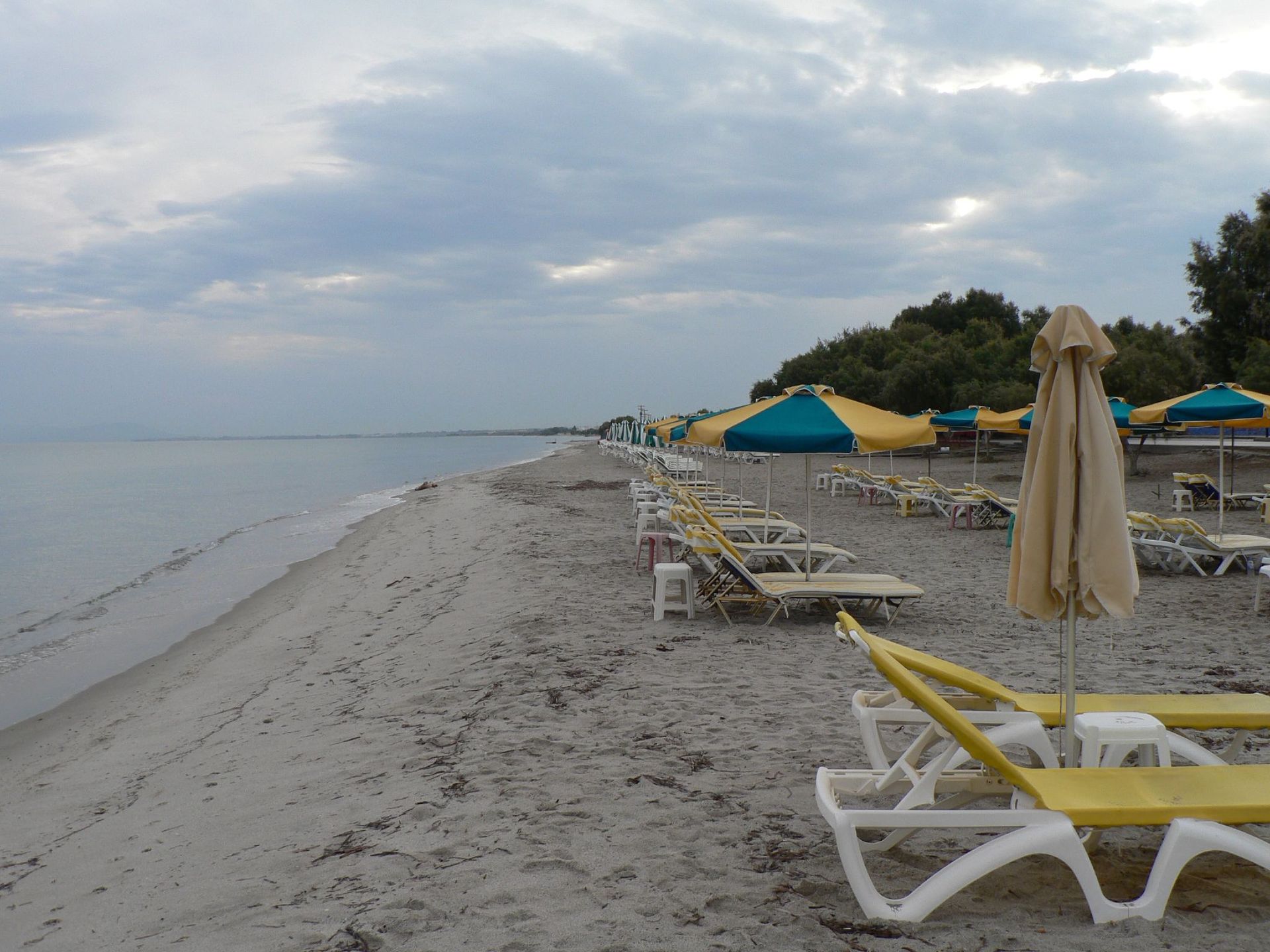
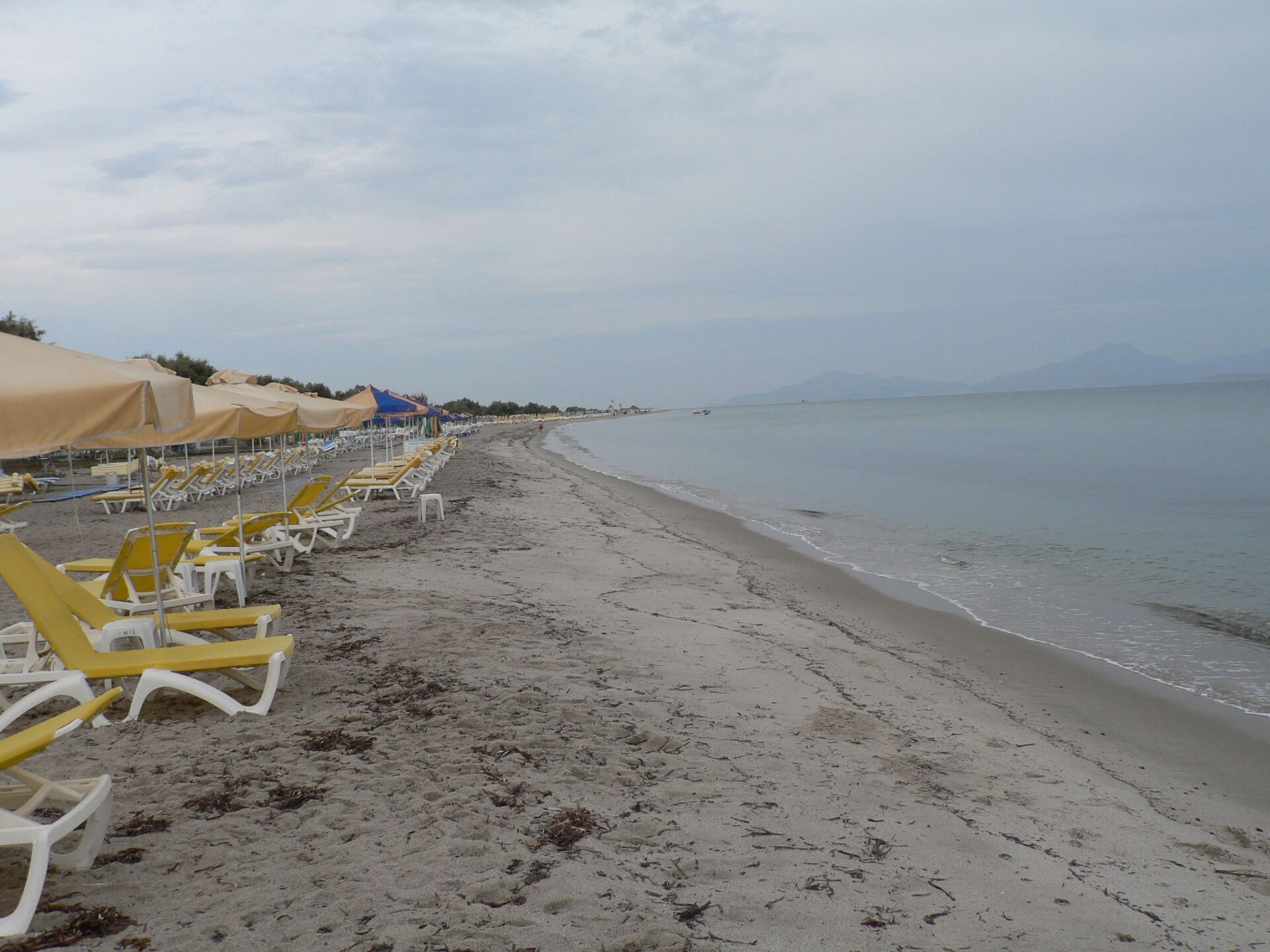
The beating heart of the resort is undoubtedly its beach, a coastline stretching for over six kilometers, repeatedly awarded the Blue Flag for the quality of its waters and services. What makes Tingaki beach special is its shape: a shallow, sandy seabed that slopes gently, making it a safe natural pool for families and perfect for long walks with feet in the water. The sand, extremely fine and almost white, reflects the sunlight creating spectacular color contrasts with the deep blue of the sea. Despite its popularity, the width of the coastline allows one to find corners of absolute tranquility, especially moving away from the town center toward the west, where the dunes become higher and spontaneous vegetation takes over, offering a wilder bathing experience in contact with unspoiled nature.
The Alikes Lagoon: kingdom of the flamingos
A short distance from the town center lies the Alikes Lagoon, an ecosystem of extraordinary natural value that once served as an active saltworks for the island. This brackish body of water is today a protected reserve, a key stopover for numerous species of migratory birds. The most striking time to visit is during the winter and spring months, when hundreds of pink flamingos choose these shallow waters to rest, offering a thrilling visual spectacle. Even in summer, the lagoon retains a lunar charm, with salt crusts glistening in the sun and perimeter paths suited to hiking or horseback excursions. It is a place of silence and contemplation, where the Aegean's biodiversity reveals itself in all its fragility and beauty, representing the green and blue lung that separates Tingaki from nearby Marmari.
The ancient Basilica of Agios Pavlos in Zipari
A few kilometers inland from Tingaki lies the hamlet of Zipari, which holds one of the island's most important early Christian relics: the Basilica of Agios Pavlos. Dating back to the 5th-6th century AD, the remains of this imposing religious structure tell of Kos's spiritual importance in the early centuries of Christianity. Although only the foundations and a few columns remain today, it is still possible to admire the three-nave layout and precious fragments of floor mosaics that once decorated the interiors. Visiting this site offers a deep historical perspective, allowing one to understand how densely inhabited and culturally vibrant the area was well before modern tourism development. It is a place of quiet, where ancient stone converses with the surrounding agricultural landscape, testifying to the continuity of devotion and art in the Dodecanese.
Paleo Pyli: the ghost town among the rocks
Climbing toward the slopes of Mount Dikeos, a short distance from Tingaki, one reaches Paleo Pyli, an abandoned medieval village that overlooks the coast from above. Known as the 'Mystras of the Dodecanese', this ancient capital of the island was built in a strategic position to escape pirate raids. Today, walking among its ruins is an almost mystical experience: one crosses the remains of stone houses, small Byzantine churches with still-visible frescoes, and climbs up to the fortress crowning the summit. From up here, the view sweeps across the entire Tingaki plain, the saltpans and the nearby islands, offering a breathtaking panorama. The silence of the ruins, broken only by the wind, tells stories of knights, sieges and daily life from a bygone era, making Paleo Pyli a must-visit stop for anyone wanting to understand the historical and defensive soul of Kos.
The coastal landscape and the agricultural hinterland
The landscape of Tingaki is a harmonious alternation of different environments. Along the coast, wind-shaped sandy dunes host resilient vegetation, with sea lilies blooming in late summer and tamarisks offering natural shade. Moving inland, the terrain becomes fertile and flat, characterized by cultivated fields, centuries-old olive groves and small vineyards. This area is ideal for exploring by bicycle, thanks to the dense network of flat secondary roads connecting Tingaki to neighboring villages. The hinterland retains an authentic rural character, where it is easy to encounter shepherds with their flocks or farmers at work. It is this contrast between the vibrant blue of the sea and the silvery green of the olive trees that defines the aesthetics of the place, offering a sense of space and freedom typical of the gentler Greek islands.
Culinary traditions and local flavors
The cuisine in Tingaki reflects the generosity of Kos's land and the freshness of the sea. In the local taverns, fresh fish is the undisputed star, but traditional farmhouse dishes are not lacking. A specialty not to be missed is 'Possa Cheese' or 'Krasotiri', a goat's or sheep's milk cheese aged in red wine lees, which acquires a purplish color and an intense, spicy flavor. Also widespread are 'Pitaridia', tagliatelle cooked in meat broth, and 'Pligouri', cracked wheat cooked with pork. To end on a sweet note, local thyme honey is considered among the best in Greece, often served over Greek yogurt or used to prepare 'Loukoumades'. Pairing the meal with a wine produced in nearby wineries, which showcase native grape varieties such as Malagousia, completes a sensory experience that inextricably ties taste to the land.
Experiences not to be missed in Tingaki
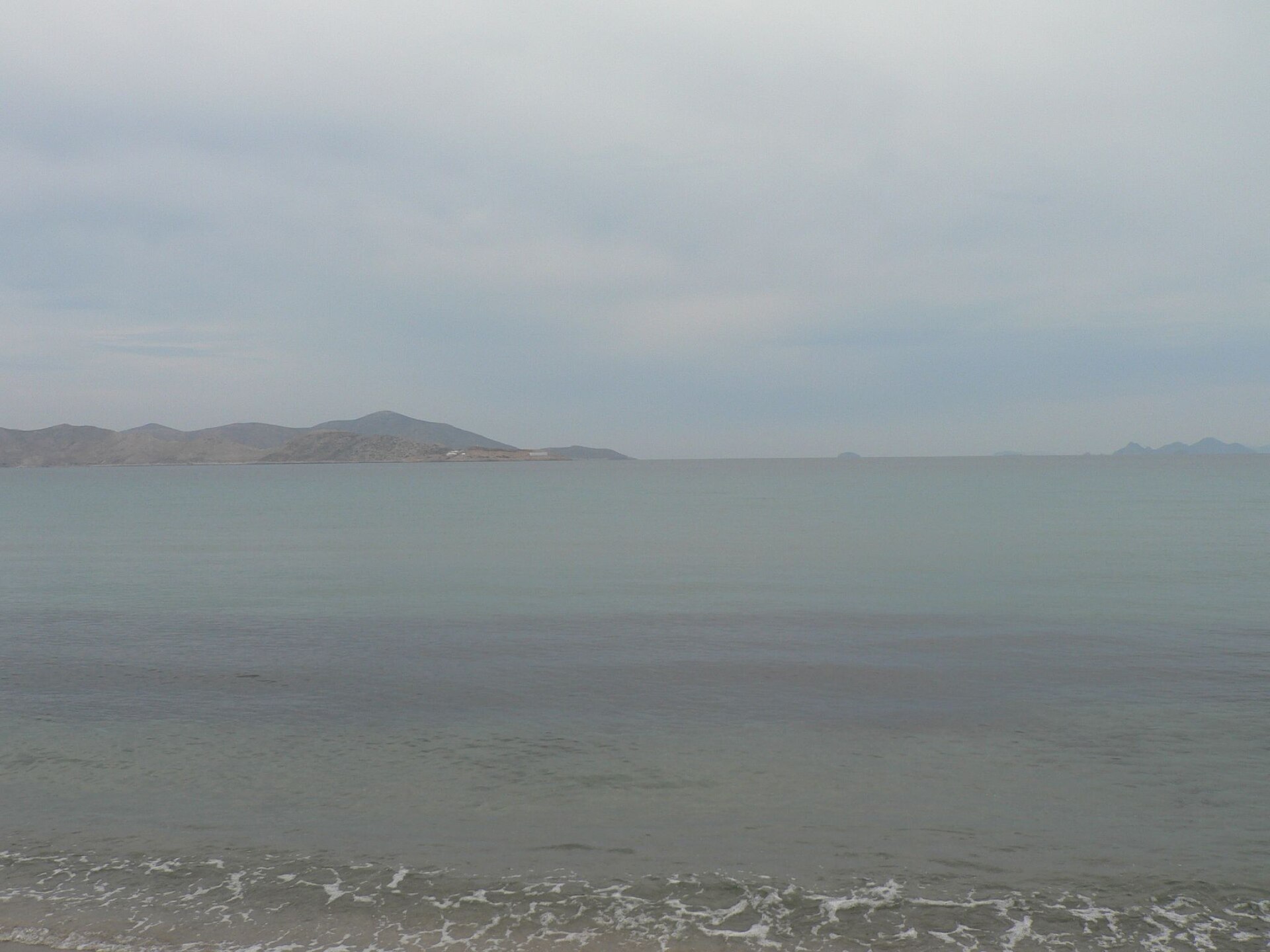
- Enjoy a sunset on the beach, when the sun disappears behind the islands of Kalymnos and Pserimos.
- Rent a bicycle and ride the coastal cycle path connecting Tingaki to Kos Town.
- Try windsurfing or kitesurfing, taking advantage of the exposure to northern winds ideal for beginners.
- Take a horseback ride along the shores of the Alikes lagoon at dusk.
- Visit one of the nearby wineries for a tasting of local wines and typical products.
- Explore the local market in search of spices, honey and natural cosmetics based on olive oil.
When to go and how to experience the place
The best time to visit Tingaki is from May to October. Late spring (May and June) is ideal for nature lovers: temperatures are pleasant, the lagoon is rich in birdlife and the vegetation is in full bloom. July and August are the hottest and most crowded months, perfect for those seeking beach life and water sports, cooled by the constant Meltemi wind. September and October instead offer a calmer atmosphere, with the sea still warm and a golden light that makes the landscapes even more evocative. To make the most of Tingaki, the advice is to move slowly: the bicycle is the preferred means of transport for locals and visitors alike, given the flat terrain of the area. Experiencing Tingaki also means indulging in long dinners at outdoor taverns, letting yourself be lulled by the sound of traditional music and the genuine hospitality of the locals.
FAQ
La spiaggia di Tingaki è adatta ai bambini?
C'è molto vento a Tingaki?
Quanto dista Tingaki dalla città di Kos?
Si possono vedere i fenicotteri tutto l'anno?
Getting there
- Aeroporto Internazionale di Kos 'Ippokratis' (KGS) - 15 km
- Non presenti sull'isola
- Da Kos Town seguire la strada principale verso ovest seguendo le indicazioni per Tingaki; la località è ben segnalata.
- Il bus locale (KTEL) collega frequentemente Tingaki a Kos Town; in alternativa, noleggiare una bicicletta è il modo più iconico e piacevole per spostarsi in zona.
Perfect for
Spiagge sicure e fondali bassi rendono questa località una delle migliori di Kos per chi viaggia con bambini piccoli.
La laguna di Alikes e le dune costiere offrono scenari unici per il birdwatching e il contatto con l'ecosistema insulare.
Un vero paradiso per gli amanti delle due ruote e degli sport acquatici come il windsurf, grazie ai venti costanti.
To see
