

Marmari
Stretched along the northern coast of the island of Kos, in the beating heart of the Dodecanese, Marmari presents itself as a refu...
Updated 7 July 2026
This season · July · Summer
What to do in Marmari now
The story
The story of Marmari
Historical Heritage: from its origins to gentle tourism
The history of Marmari is intrinsically linked to the events of the entire island of Kos, a territory that saw the passage of glorious civilizations, from the Greeks to the Romans, up to the long domination of the Knights of St. John and the subsequent Ottoman period. However, unlike nearby Kos Town, Marmari remained for centuries a rural, peripheral area, devoted mainly to shepherding and salt harvesting. Its sandy dunes and surrounding marshy areas did not favor the growth of large settlements in antiquity, making it a sort of natural reserve for the inland communities, such as that of Pyli.
The real change came in the 20th century, during the Italian occupation of the Dodecanese, when land reclamation works and improvements to road infrastructure were undertaken. Only in recent decades, with the boom in international tourism, has Marmari found its current calling. Development, however, was more harmonious than in other parts of the island: the growth of hotel facilities respected the linearity of the coast, allowing visitors to still perceive today that poetic isolation that once fascinated solitary travelers and local fishermen.
Marmari Beach: a golden carpet on the Aegean
The beating heart of the locality is undoubtedly its beach, one of the widest and sandiest on the entire island of Kos. Characterized by a seabed that slopes gently, it is the ideal place for families and for those seeking safe bathing. The sand, golden in tone and extremely fine in texture, forms small dunes in some stretches, protected by tamarisk trees, which offer natural shaded areas much appreciated during the hottest hours. The beach is well equipped, but retains long free stretches where contact with nature remains primordial and silent.
The Alikes Oasis: the mirror of salt and the flamingos
Located between Marmari and nearby Tigaki, the Alikes lagoon represents one of the most important naturalistic sites in the Dodecanese. Once used as a saltworks for the industrial production of salt, it is today a protected wetland of extraordinary ecological value. This brackish body of water is the ideal refuge for numerous species of migratory birds; indeed, it is not uncommon to spot elegant pink flamingos resting in its waters during the winter and spring months. Walking along the paths that skirt the lagoon offers an experience of absolute peace, far from the clamor of beach bars, where the silence is broken only by the calls of the birds and the rustling of the reeds in the wind.
Paleo Pyli: the ghost town among the rocks
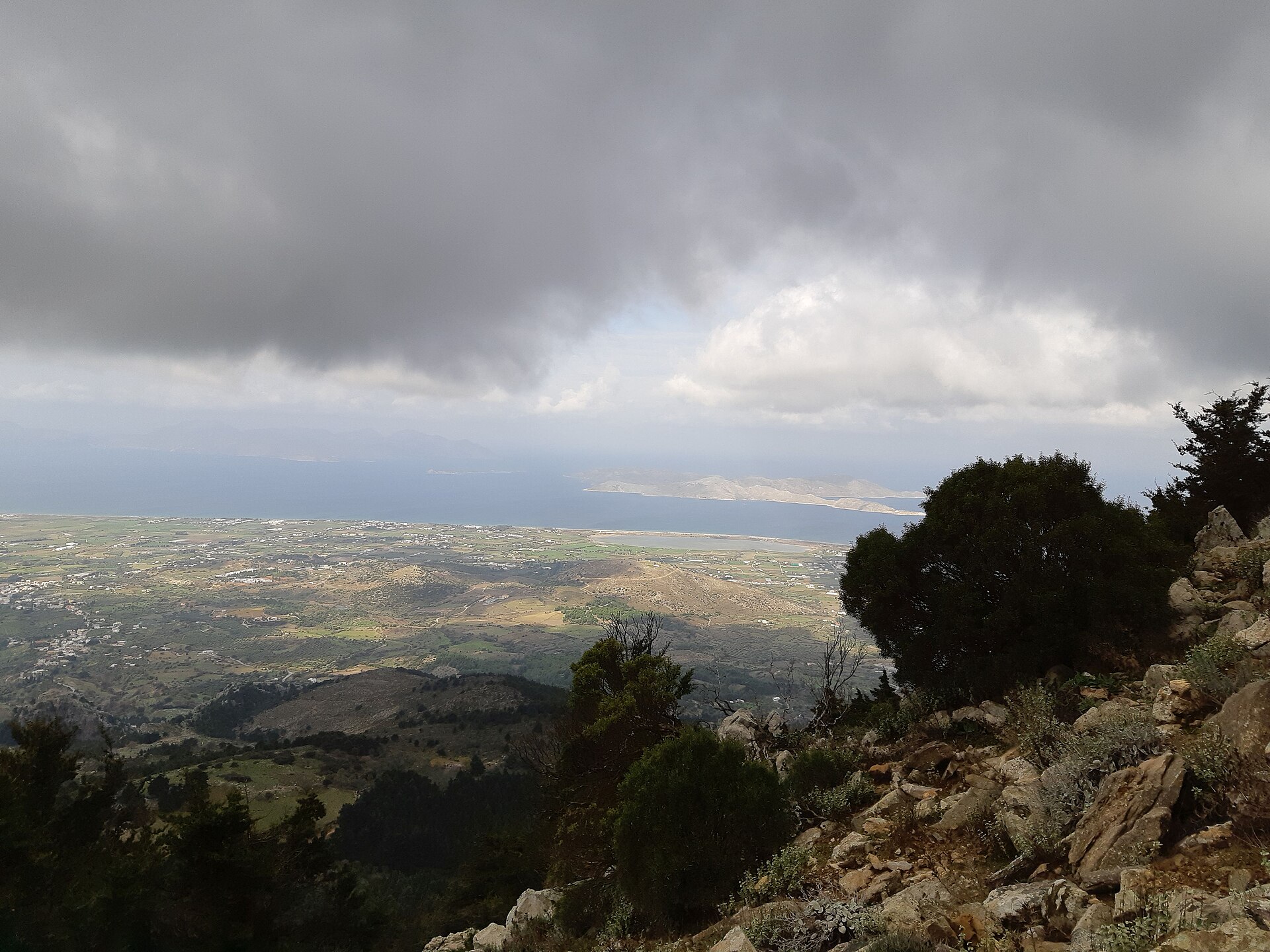
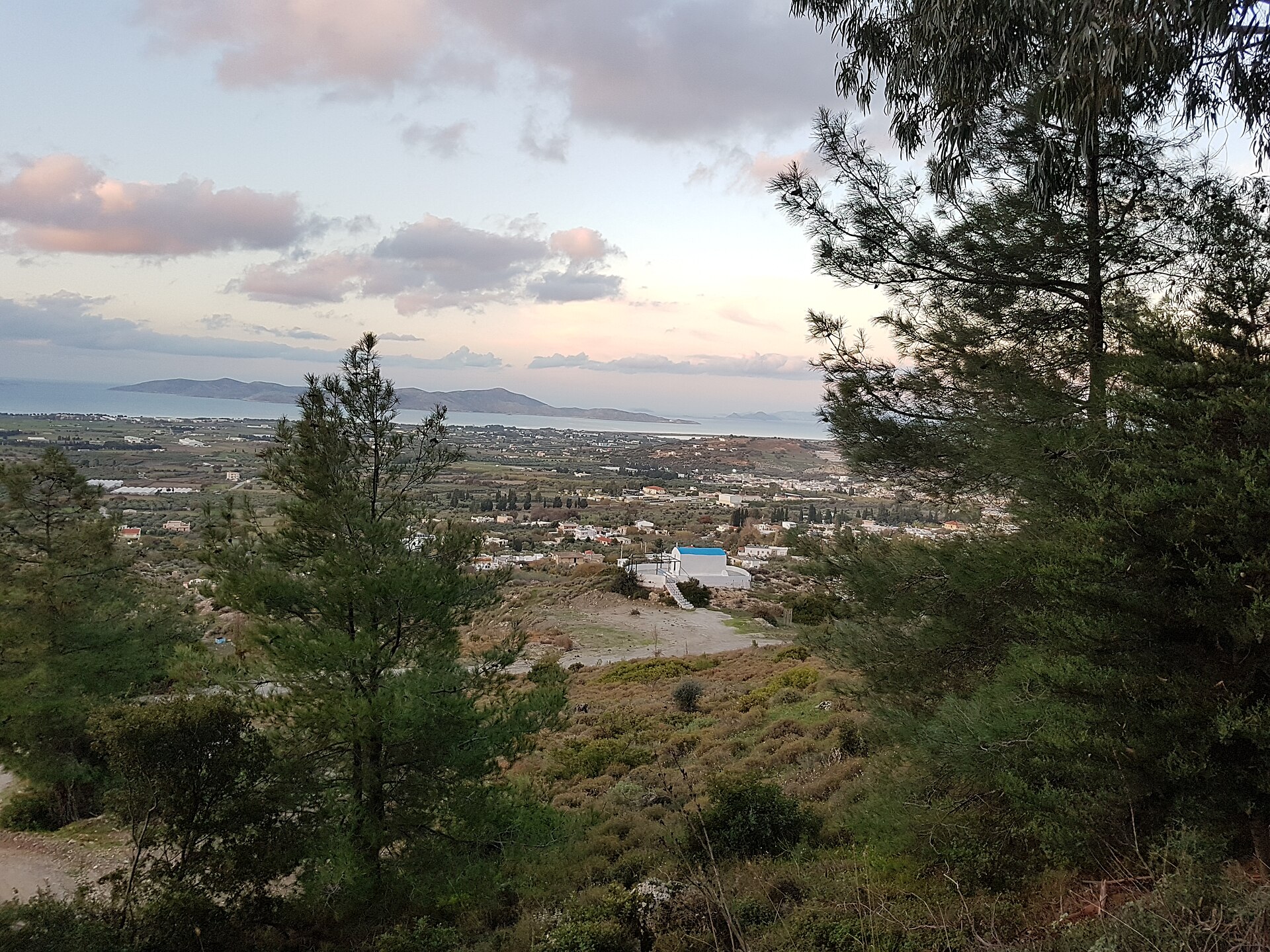
A few kilometers inland from Marmari, clinging to the slopes of Mount Dikeos, stands Paleo Pyli, often referred to as the 'Mystras of the Dodecanese'. It is an abandoned Byzantine settlement that once served as the island's capital to protect the inhabitants from pirate raids. Walking among the remains of its stone houses, frescoed churches, and climbing up to the ruins of the medieval castle built by the Knights of St. John is a mystical experience. From the top of the fortress, the view sweeps dizzyingly over the entire north coast of Kos, offering a panorama that alone justifies the whole climb.
The Village of Pyli and the Pigi Spring
Descending towards the plain, the modern village of Pyli welcomes visitors with a typically Greek atmosphere. The center of social life is the main square, where the famous Pigi spring is located: an ancient structure with six lion-head spouts from which fresh water flows down from the mountains. It is customary to stop here to fill water bottles or to sit at a traditional 'kafeneio', sipping a Greek coffee in the shade of the plane trees. Pyli still retains an authentic rural architecture, with low houses and well-kept gardens, representing the perfect counterpoint to the seaside liveliness of Marmari.
Wind and Adventure: a paradise for water sports
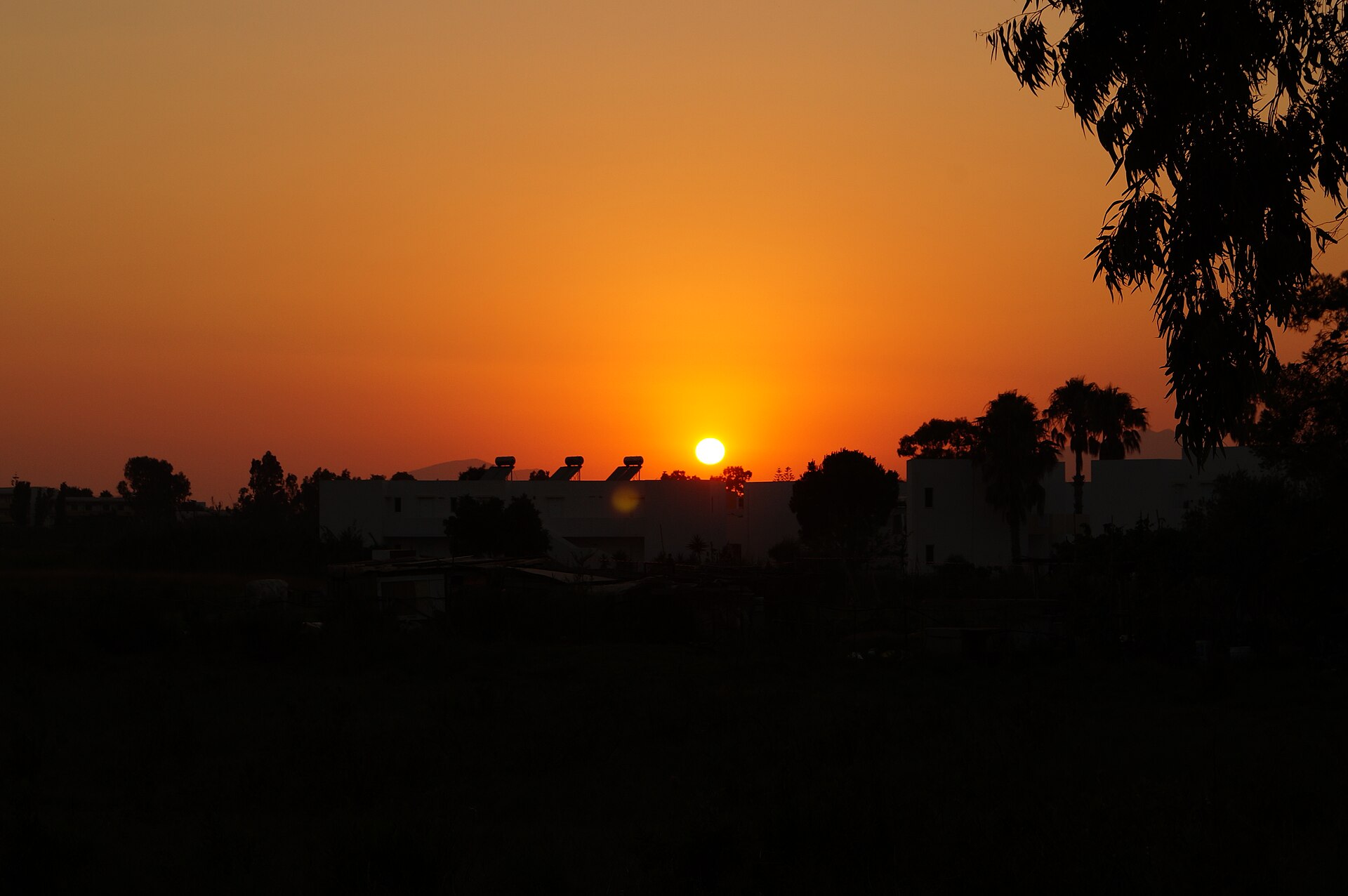
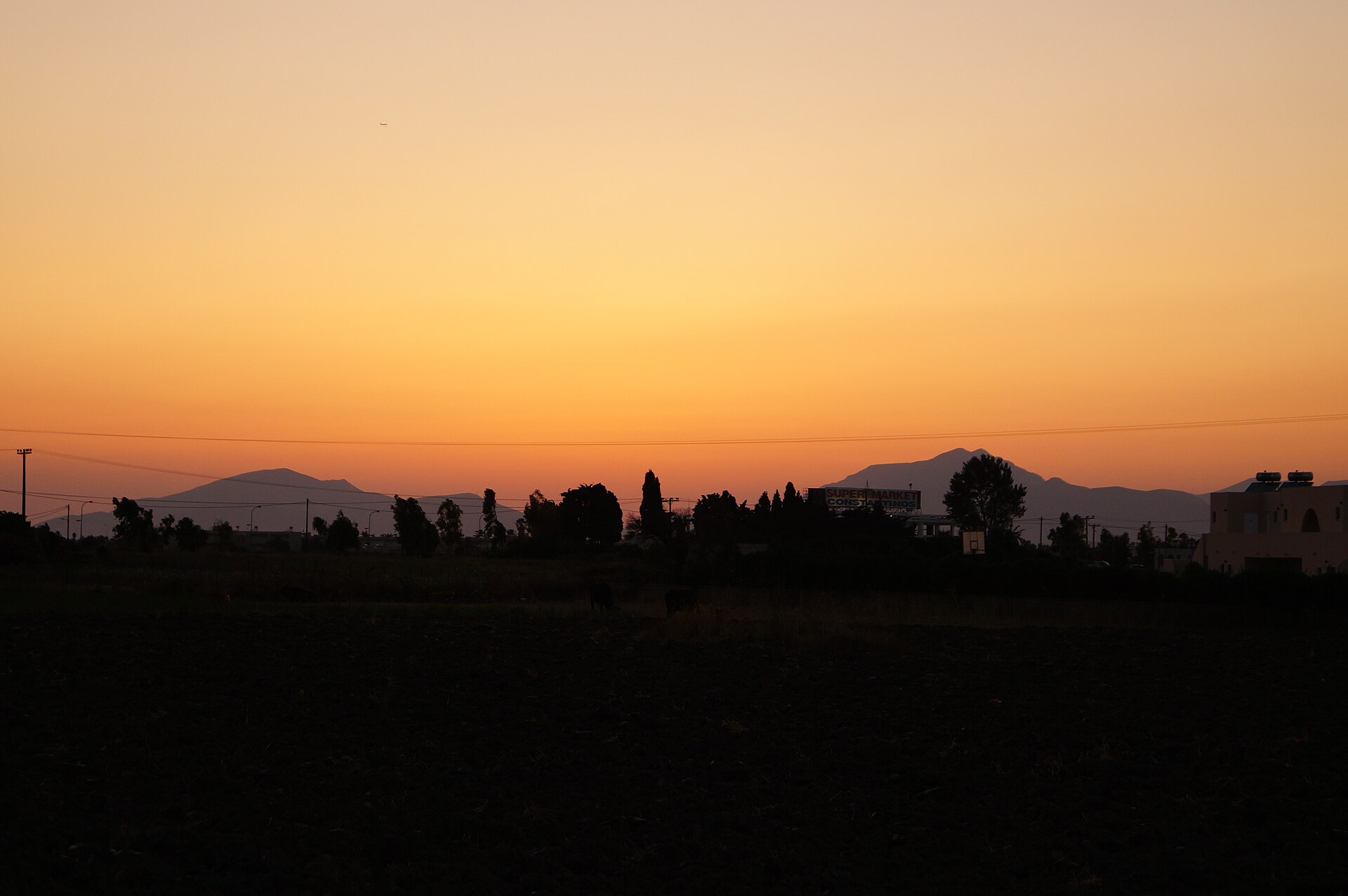
Marmari is internationally renowned among windsurfing and kitesurfing enthusiasts. Thanks to its geographical exposure, the area is regularly swept by the Meltemi, which blows from the northwest with constant intensity during the summer months. Along the beach there are specialized centers offering courses for every level, from beginner to expert. The combination of calm waters near the shore and taut wind further out makes this stretch of sea a perfect natural training ground. Even those who do not practice these sports can enjoy the colorful spectacle offered by dozens of sails and colorful kites dancing on the waves at sunset.
The Landscape: dunes, tamarisks and endless horizons
The territory surrounding Marmari is characterized by a coastal plain that gradually blends with the first foothills of Mount Dikeos. The vegetation is typical of Mediterranean scrubland, enriched by the presence of lush reed beds near the wetlands. A particularity of the landscape are the dirt paths that cross the countryside, ideal for cycling or horseback riding. Indeed, there are several riding stables in the area that organize twilight rides on the beach, an evocative way to experience the landscape in symbiosis with nature and the slow rhythm of the island.
Flavors of Kos: cuisine between sea and land
The gastronomy in Marmari reflects the island's dual soul. In the taverns along the seafront, fresh fish is the absolute protagonist: grilled squid, octopus stewed in wine, and sea bream caught in local waters. Moving inland, the flavors become bolder. Not to be missed is 'Possa Cheese' (or Krasotiri), a goat cheese aged in red wine lees, with an intense, spicy flavor. Other typical dishes include 'Pitaridia' (hand-made noodles cooked in meat broth) and zucchini flowers stuffed with rice and aromatic herbs. All of this should be accompanied by local wines, produced in vineyards that climb the slopes of the surrounding mountains.
Experiencing Marmari: when to go and what to expect
The best time to visit Marmari is from May to October. Late spring offers mild temperatures and nature in full bloom, ideal for hiking excursions to Paleo Pyli. July and August are the months of guaranteed sunshine and strong winds, perfect for beach life and water sports, although they are the busiest periods. September, with the waters still warm and the tourist influx declining, offers perhaps the most magical and relaxing atmosphere. Marmari is a destination that welcomes with simplicity: do not expect a wild nightlife, but rather pleasant evenings at the tavern, walks under the stars and the constant sound of the sea as a soundtrack.
- Spend a day of total relaxation on the dunes of Marmari beach.
- Explore the Byzantine ruins of Paleo Pyli at sunset for an unforgettable view.
- Go birdwatching at the Alikes lagoon to spot the pink flamingos.
- Take a windsurfing or kitesurfing lesson, making the most of the Meltemi wind.
- Taste Krasotiri cheese in a traditional tavern in the village of Pyli.
- Rent a bicycle and ride the cycle path that connects Marmari to Tigaki and Kos Town.
FAQ
Marmari è adatta alle famiglie con bambini piccoli?
Quanto dista Marmari dalla città di Kos?
C'è parcheggio vicino alla spiaggia?
È necessario noleggiare un'auto?
Qual è il periodo migliore per il windsurf?
Getting there
- Aeroporto Internazionale di Kos 'Ippokratis' (KGS) - 12 km
- Non presenti sull'isola
- Da Kos Town seguire la strada principale verso ovest seguendo le indicazioni per Tigaki/Marmari. Dall'aeroporto, procedere verso est in direzione Kos Town e svoltare a sinistra all'altezza di Pyli.
- Il bus locale (KTEL) collega Marmari a Kos Town con corse frequenti durante l'estate; il biglietto si può acquistare direttamente a bordo.
Perfect for
Ideale per chi cerca spiagge sabbiose sconfinate, acque limpide e un'atmosfera balneare tranquilla e organizzata.
Un punto di riferimento mondiale per windsurf e kitesurf grazie all'esposizione costante ai venti estivi.
Perfetto per gli amanti dell'outdoor, tra la laguna di Alikes e i sentieri storici che portano al monte Dikeos.
Una destinazione sicura e accogliente, con servizi su misura per chi viaggia con bambini e cerca comodità.
To see
