

Kritika
Set along the northern coast of the island of Rhodes, just a few steps from the bustle of the capital, Kritika reveals itself to t...
Updated 7 July 2026
This season · July · Summer
What to do in Kritika now
The story
The story of Kritika
The roots of a community: from flight to rebirth
The story of Kritika is intrinsically tied to the political turmoil of the twilight of the Ottoman Empire. Its original nucleus arose around 1897, when a group of Greek-speaking Muslim families fled Crete because of the uprisings and social upheavals of the time. Sultan Abdul Hamid II chose this stretch of Rhodes coastline to settle the refugees, giving rise to what was initially known as the 'village of the Cretans.' This origin gave the locality a hybrid and fascinating cultural identity: for decades the inhabitants kept the Cretan dialect and their own customs, while integrating them into the cosmopolitan context of Rhodes. With the arrival of the Italian administration in 1912, the village underwent a radical urban transformation, being partly rebuilt according to the colonial architectural canons of the era, which aimed to create rational and hygienically advanced settlements.
The Italian legacy: the San Benedetto Village
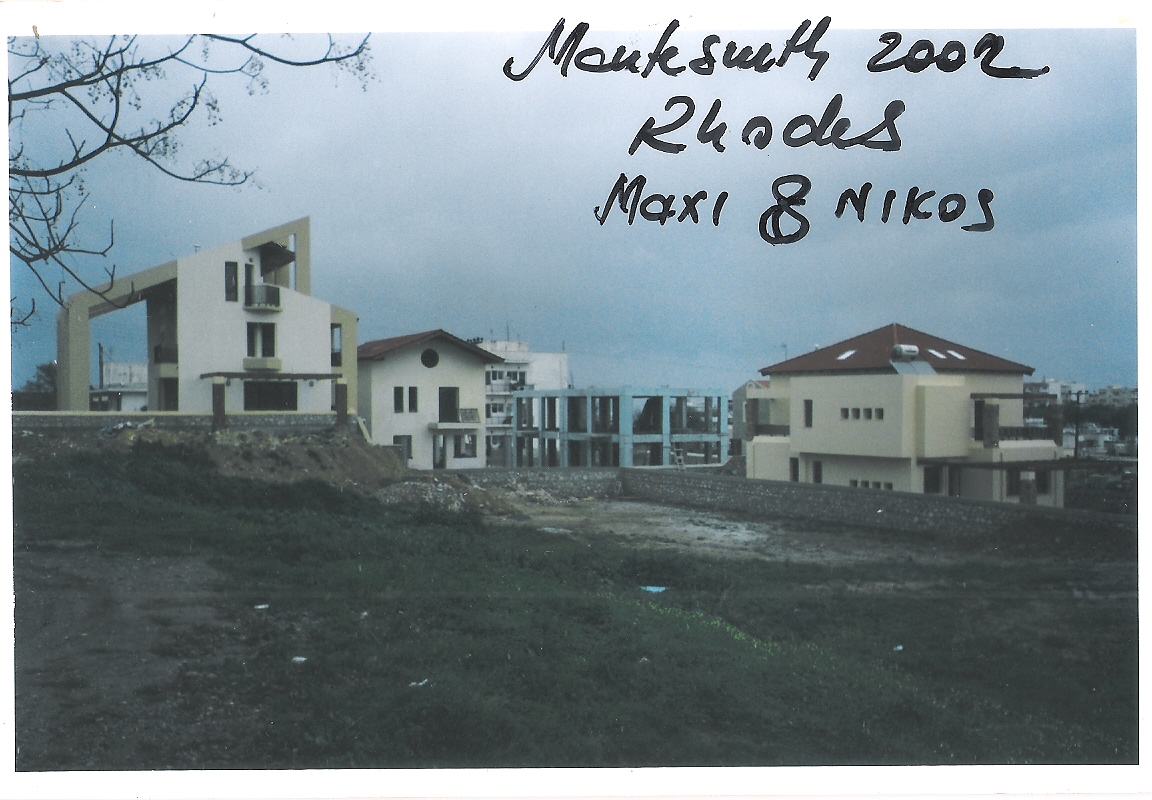
During the period of Italian possession of the Aegean Islands, Kritika was the subject of a major urban renewal project. The architects of the time, driven by the colonial government's desire for order, designed the so-called 'San Benedetto Village.' It was a complex of single- and two-family houses, characterized by simple lines, flat roofs, and small plots of land intended for vegetable gardens. This style, which blended elements of European rationalism with Mediterranean touches, can still be seen today when strolling among the rows of houses that maintain a rare aesthetic coherence. These dwellings represented an early experiment in social housing, designed to give dignity and stability to the local community, and today remain a fundamental testimony to the mark Italy left on the island's urban planning.
The Mosque of Kritika: a symbol of coexistence
One of the most significant buildings in the locality is undoubtedly the small mosque that served the original Muslim Cretan community. Unlike the monumental places of worship in the Old Town of Rhodes, the mosque of Kritika stands out for its almost domestic simplicity. It is a modest structure that reflects the humility of its founders and their will to keep their religious roots alive on foreign soil. Although the demographics of the neighborhood have since changed, the building remains an essential visual and historical landmark. Its presence recalls how Rhodes has been, for centuries, a crossroads of faiths and peoples, a place where minarets and bell towers have shared the same horizon, contributing to the cultural mosaic that makes the Dodecanese such a richly meaningful region.
The seafront and the power of the Aegean
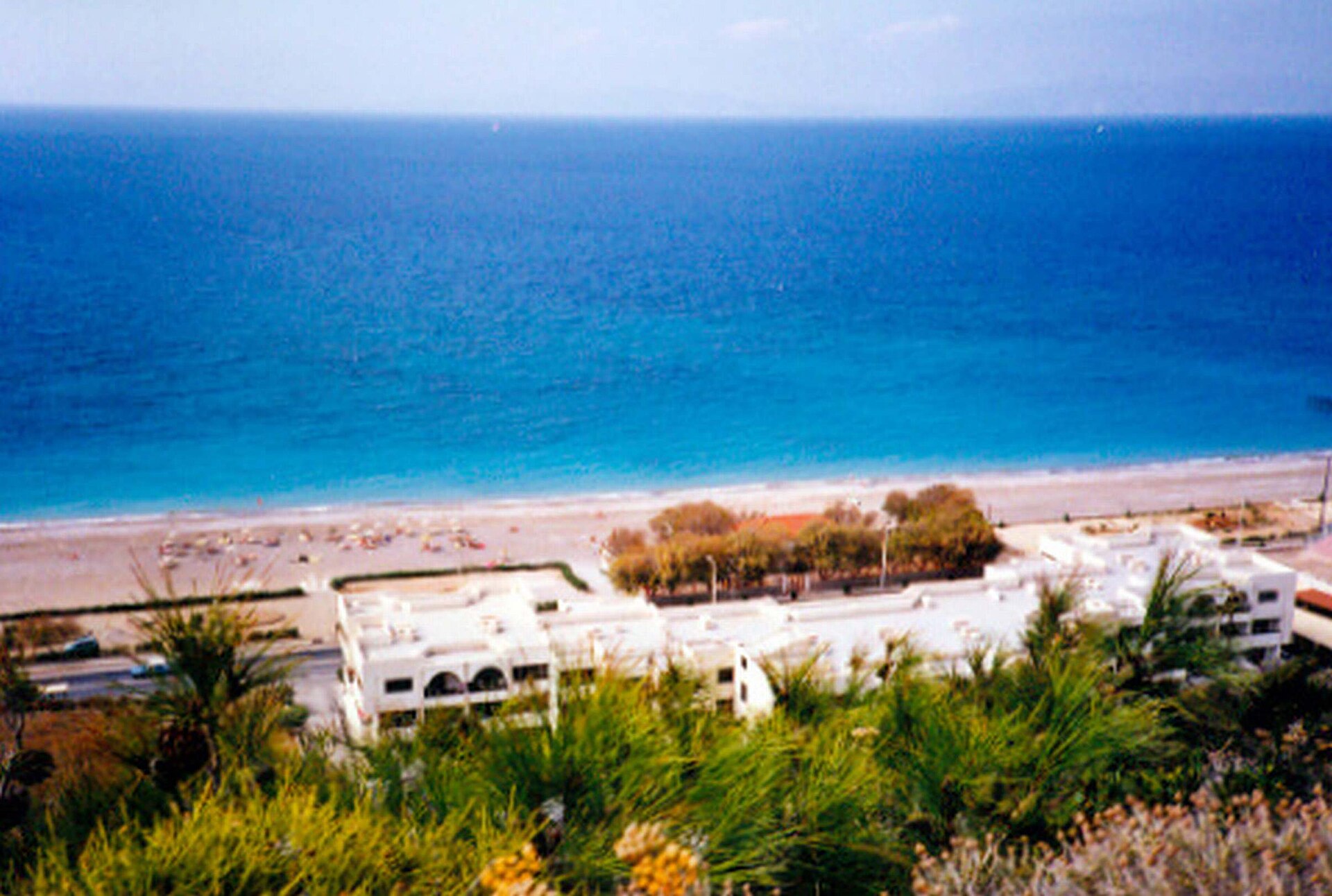
The dominant natural element in Kritika is the sea, which here shows a decisive, wild character. The coast is constantly caressed by the Meltemi, the summer wind that tempers the temperatures and keeps the air crisp. The shoreline stretches out in a mix of pebbles and dark sand, offering an ideal setting for long, restorative walks. This is not the typical crowded, equipped beach; it is rather a place of contemplation, where the sound of waves breaking on the shore accompanies the visitor. From here, the view stretches toward the Anatolian coast, which appears sharp and clear on the clearest days. Kritika's seafront acts as a hinge between the quiet of the village and the energy of the open sea, and is the spot locals favor for the ritual of sunset, when the sky turns shades of violet.
Monte Smith and the Acropolis of Rhodes
Behind Kritika rises Monte Smith, the hill that hosts the remains of the ancient Acropolis of Rhodes. This proximity makes the locality a strategic base for exploring one of the island's most evocative archaeological sites. Within minutes you can reach the Temple of Apollo, the restored Hellenistic stadium, and the ancient theater. The climb up Monte Smith offers an aerial perspective over Kritika and the surrounding sea, allowing you to appreciate the village's regular layout and its integration into the coastal landscape. It is a fascinating contrast: at the foot of the hill, the modern history of migration and colonial architecture; at the summit, the grandeur of the classical era. Visiting the Acropolis at sunset is an experience that unites archaeology and natural beauty in a single unforgettable view.
Not-to-be-missed experiences in Kritika
- Stroll among the houses of the San Benedetto Village to admire the Italian colonial architecture.
- Watch the sunset from the seafront, looking out toward the coasts of Turkey.
- Visit the small historic mosque, a testament to the legacy of the Cretan refugees.
- Climb on foot up to the Acropolis on Monte Smith for a plunge into classical antiquity.
- Sample typical dishes of Rhodian cuisine at one of the local taverns overlooking the sea.
- Walk the coastal path that connects Kritika to the center of Rhodes Town.
Traditions and flavors: the meeting of two islands
The cuisine of Kritika still bears the mark of its 'mixed' origins today. Although the food is predominantly typical of the Dodecanese, it is not uncommon to find echoes of Cretan tradition, especially in the generous use of wild herbs and top-quality olive oil. The taverns in the area serve extremely fresh fish, caught in the waters offshore, but also land dishes such as 'pitaroudia' (chickpea fritters) or 'melekouni,' Rhodes' typical honey-and-sesame sweet. Eating in Kritika means sitting down in a convivial, relaxed atmosphere, where the service is often family-run and the pace follows the slow rhythms of Greek tradition. It is the perfect chance to discover that the culture of a place inevitably passes through the palate and the sharing of recipes that have crossed the sea.
When to go and how to experience the place
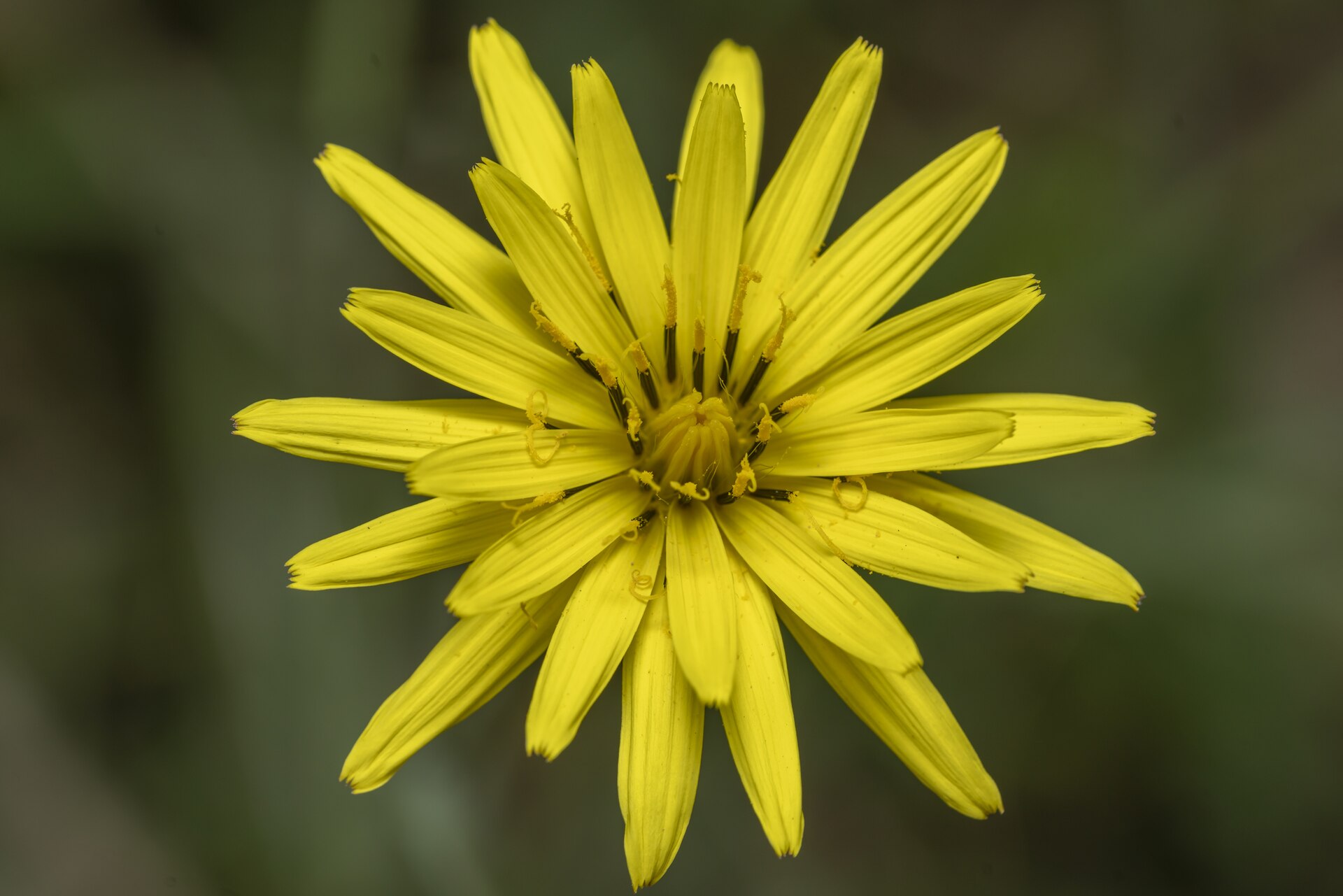
Kritika is a destination that shows its best during the shoulder seasons. Spring, between April and June, brings spectacular blooms and ideal temperatures for hikes up to the Acropolis or nearby Rhodes Town. September and October are also excellent months: the summer crowds thin out, the sea is still warm, and the light turns softer, perfect for photography. In summer, despite the heat, the constant sea breeze makes staying pleasant. Experiencing Kritika means adopting a slow pace: waking up early for a walk on the beach, dedicating the midday hours to discovering the village's architectural details, and ending the day with dinner outdoors, lulled by the sound of the sea and the scent of tamarisk trees.
FAQ
Quanto dista Kritika dal centro di Rodi Città?
La spiaggia di Kritika è adatta ai bambini?
Si può parcheggiare facilmente a Kritika?
È necessario noleggiare un'auto per soggiornare qui?
Getting there
- Aeroporto Internazionale di Rodi 'Diagoras' (RHO) - 12 km
- Da Rodi Città seguire la strada costiera verso ovest in direzione Ialysos. Dall'aeroporto, seguire la statale Rodou-Kamirou verso est.
- Utilizzate i bus locali (KTEL o RODA) che collegano frequentemente l'aeroporto e le località costiere con fermate proprio a Kritika.
Perfect for
Perfetto per chi ama scoprire l'urbanistica coloniale e le vicende legate alle migrazioni mediterranee del secolo scorso.
Un'alternativa tranquilla e autentica rispetto alla vivacità spesso eccessiva del centro di Rodi.
Ideale per chi ama camminare tra mare e siti archeologici, grazie alla vicinanza con il Monte Smith.
To see
