

Kos Città
Overlooking the cobalt waters of the Aegean, a stone's throw from the coast of Asia Minor, Kos Town reveals itself to travelers as...
Updated 7 July 2026
This season · July · Summer
What to do in Kos Città now
The story
The story of Kos Città
A history carved in time and sea
The origins of Kos Town are rooted in myth, but it was in the 4th century BC that the urban centre took on its monumental form, becoming a major cultural hub of the eastern Mediterranean. After the Hellenistic period and Roman rule, which left behind splendid villas and infrastructure, the town became a strategic stronghold for the Knights Hospitaller in the 14th century. It was they who built the fortifications that still dominate the harbour today, before the long Ottoman interlude that began in 1522. A fundamental chapter is that of Italian rule (1912-1943), which reshaped the town's face with monumental buildings and public parks, before its final reunification with Greece in 1948. Every era has left an indelible mark, turning the historic centre into an open-air museum where every stone tells of a conquest or a cultural fusion.
The Castle of Neratzia: sentinel of the Knights
The Castle of Neratzia, or Castle of the Knights, is the structure that, more than any other, defines the maritime profile of Kos Town. Built between the 14th and 16th centuries by the Knights of St John, it stands on a peninsula that was once an island separate from the mainland. Its architecture is a masterly example of medieval military engineering, with double curtain walls, massive corner bastions and heraldic coats of arms carved in marble celebrating the Order's Grand Masters. Curiously, numerous marble blocks and columns from ancient Greek and Roman ruins were reused in its construction, creating a fascinating contrast of materials. Crossing the bridge leading to the main entrance means immersing oneself in an atmosphere of other times, where the sound of waves breaks against stones that have withstood sieges and centuries of history.
The Plane Tree of Hippocrates: the shade of wisdom
A short distance from the castle entrance, in a square that seems suspended in time, stands the legendary Plane Tree of Hippocrates. Although the current specimen is about 500 years old, tradition holds that it descends directly from the tree beneath which Hippocrates, the father of modern medicine born right here in Kos, taught his disciples the art of healing. The tree, whose branches are now supported by metal scaffolding because of their imposing size, represents the unbreakable bond between the town and medical science. Beside the plane tree stands an 18th-century Ottoman fountain, whose Arabic inscriptions add an exotic touch to this place of deep historical reverence, where silence is broken only by the rustle of centuries-old leaves.
The Ancient Agora: the commercial heart of the past
The Ancient Agora of Kos is one of the largest ever brought to light in the Greek world. Located just steps from the modern harbour, this archaeological area emerged dramatically after the 1933 earthquake, revealing the foundations of what was once the beating heart of the island's social and economic life. Strolling among the remains of the stoas (colonnaded porticoes), the temples dedicated to Aphrodite and Hercules, and the ancient shops, one can still sense the grandeur of the Hellenistic urban plan. The Corinthian columns silhouetted against the blue sky and the mosaic floors emerging from the wild grass offer an evocative glimpse of how the town must have looked in its heyday, when ships laden with goods from across the Aegean docked just a few metres from here.
The Roman Odeon: music and power
In the western part of the town stands the Roman Odeon, a perfectly restored 2nd-century AD small theatre that could hold up to 750 spectators. Originally roofed, the building was not used for grand theatrical performances but rather for musical competitions and meetings of the town council. The structure features fourteen rows of seating in marble (for wealthy citizens) and limestone (for the common people), arranged in a semicircle around the orchestra. The vaulted galleries beneath the tiers, once adorned with statues, can still be walked through and convey a sense of solidity and architectural harmony. Today, the Odeon continues to live on, hosting concerts and cultural events during the summer months, keeping intact its original function as a place of gathering and beauty.
Casa Romana: the luxury of ancient everyday life
The Casa Romana is a sumptuous patrician residence from the 3rd century AD, discovered by Italian archaeologists and meticulously reconstructed to showcase the refinement of Roman domestic life in Kos. The villa is arranged around three inner courtyards (peristyles), each with a different style and decorated with mosaics of extraordinary craftsmanship depicting sea creatures, tigers and panthers. With its 36 rooms, advanced drainage systems and frescoed walls, Casa Romana is an outstanding example of luxury residential architecture. Visiting it, one has the impression of entering a still-inhabited home, where light filters through the colonnades, illuminating the central pools and decorative details that testify to the taste and wealth of its ancient owners.
Eleftherias Square: the Italian legacy and the modern soul
Eleftherias Square (Freedom Square) is the hub of contemporary town life, an open-air living room where the different souls of Kos intersect. The square is surrounded by emblematic buildings dating from the Italian colonial period, such as the Covered Market (Agora), where you can buy spices, honey and local products, and the Archaeological Museum, housed in a rationalist palazzo that holds the famous statue of Hippocrates. On the opposite side rises the Defterdar Mosque, with its elegant dome and minaret, a testament to the long Ottoman period. The square is the ideal place to watch the daily comings and goings from a café table, enjoying the shade of the trees and the harmony of an architecture that has managed to blend different styles into a coherent whole.
Nearby: the Asklepion, temple of health
About 4 kilometres from the town centre, nestled in a cypress wood on a hill overlooking the sea, stands the Asklepion, the island's most important archaeological site. Founded in the 4th century BC, it was a sanctuary dedicated to Asclepius, god of medicine, and functioned as a veritable ancient hospital where Hippocrates' precepts were applied. The site is laid out over three large terraces linked by imposing marble staircases: the first housed the medical school, the second the temples, and the third the great altar. Beyond its historical value, the Asklepion offers a breathtaking view stretching from the town of Kos to the coast of Turkey, imparting a sense of peace and spirituality that justifies the choice of this place for the care of body and soul.
Landscape and nature: between beaches and cycle paths
The landscape around Kos Town is characterised by a fertile coastal plain that slopes gently down to beaches of fine sand and pebbles. One of the capital's distinctive features is its cycling vocation: a dense network of flat cycle paths links the centre to the nearby seaside resorts, such as Lambi to the north and Psalidi to the east. This peculiarity has earned it the nickname 'island of bicycles'. The coast offers crystal-clear waters and a constant breeze that makes even the hottest days pleasant. Moving inland, the terrain becomes more rugged, with olive groves and vineyards heralding the slopes of Mount Dikeos, offering routes for lovers of trekking and unspoiled nature, just minutes from the bustle of the harbour.
Flavours and traditions: Dodecanese cuisine
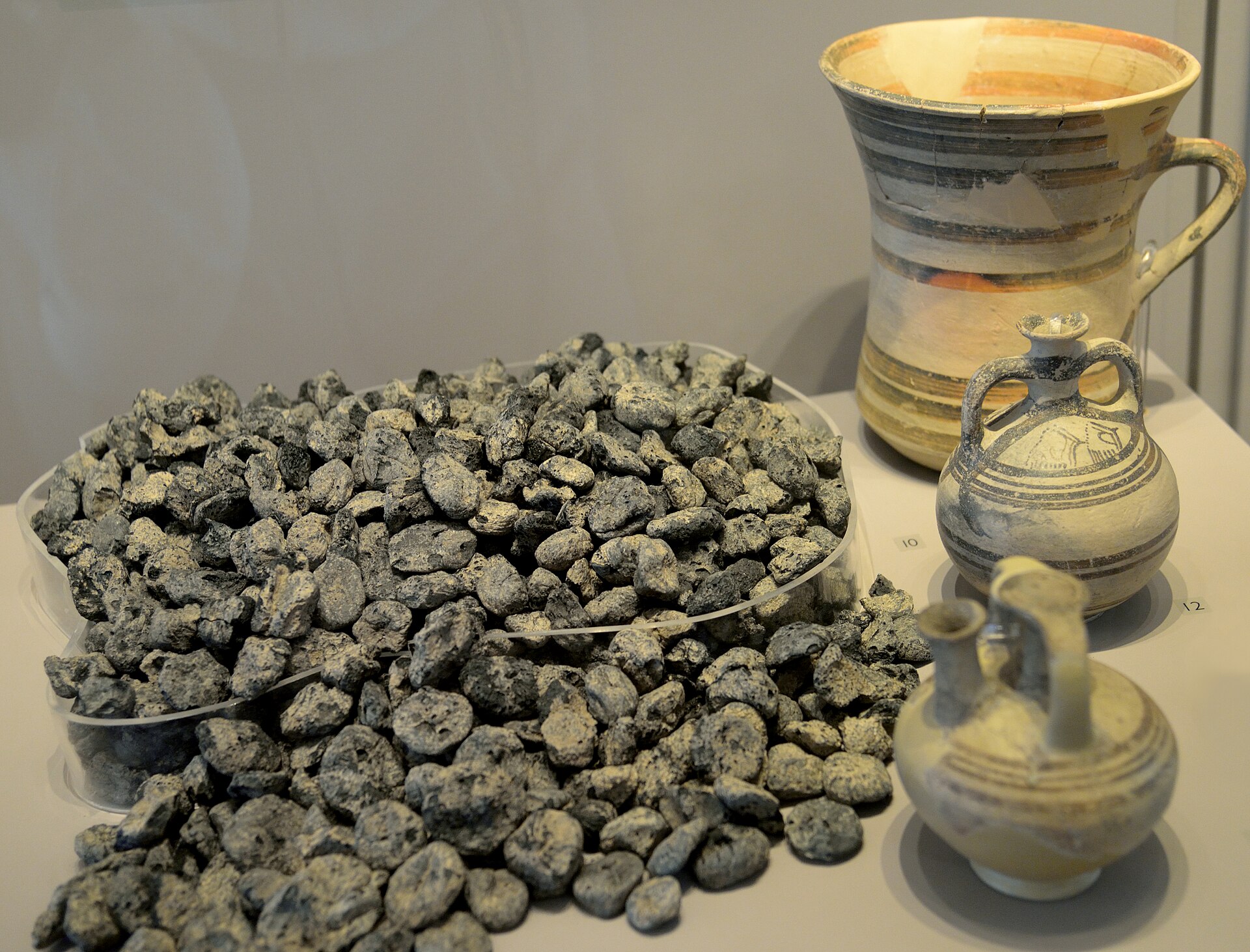
The gastronomy of Kos Town is a triumph of Mediterranean flavours influenced by the nearby Anatolian coast. Among the not-to-be-missed specialities is 'Possa', a goat's cheese aged in red wine that acquires a violet colour and an intense aroma. Dishes based on ultra-fresh fish dominate the menus of the taverns along the harbour, but the delicacies of the hinterland are not to be missed either, such as 'Pitaridia' (noodles cooked in meat broth) and courgette flowers stuffed with rice and herbs. To finish on a sweet note, local thyme honey and 'Kanada', a syrup-based dessert, are a must. Popular culture also finds expression through religious festivals and summer events, where the music of the bouzouki accompanies traditional dances that draw residents and tourists together in a collective embrace.
Experiences not to be missed in Kos Town
- Rent a bicycle and ride along the seafront to Lambi beach at sunset.
- Get lost among the stalls of the Covered Market in Eleftherias Square, buying spices and olive-oil soaps.
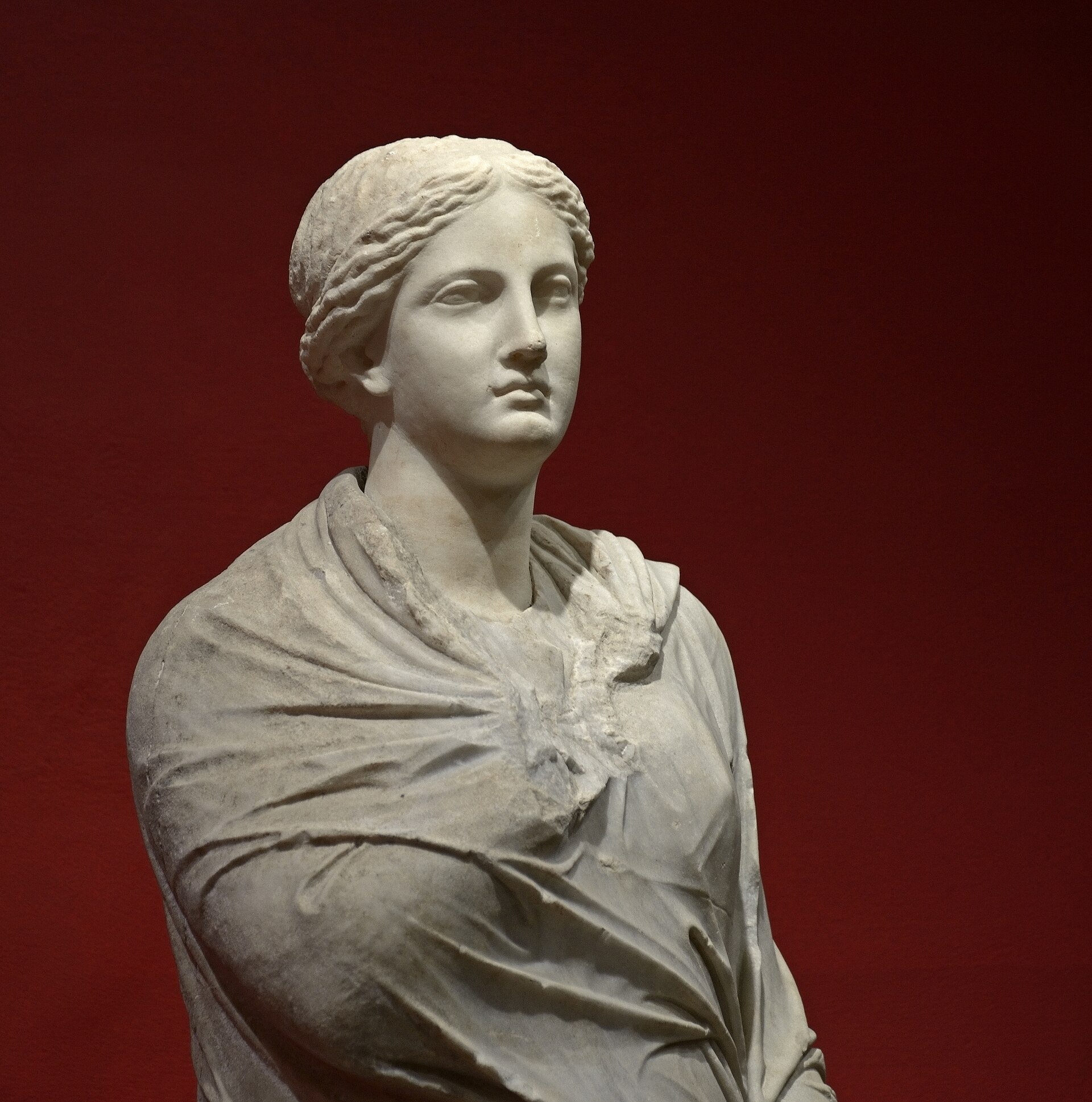
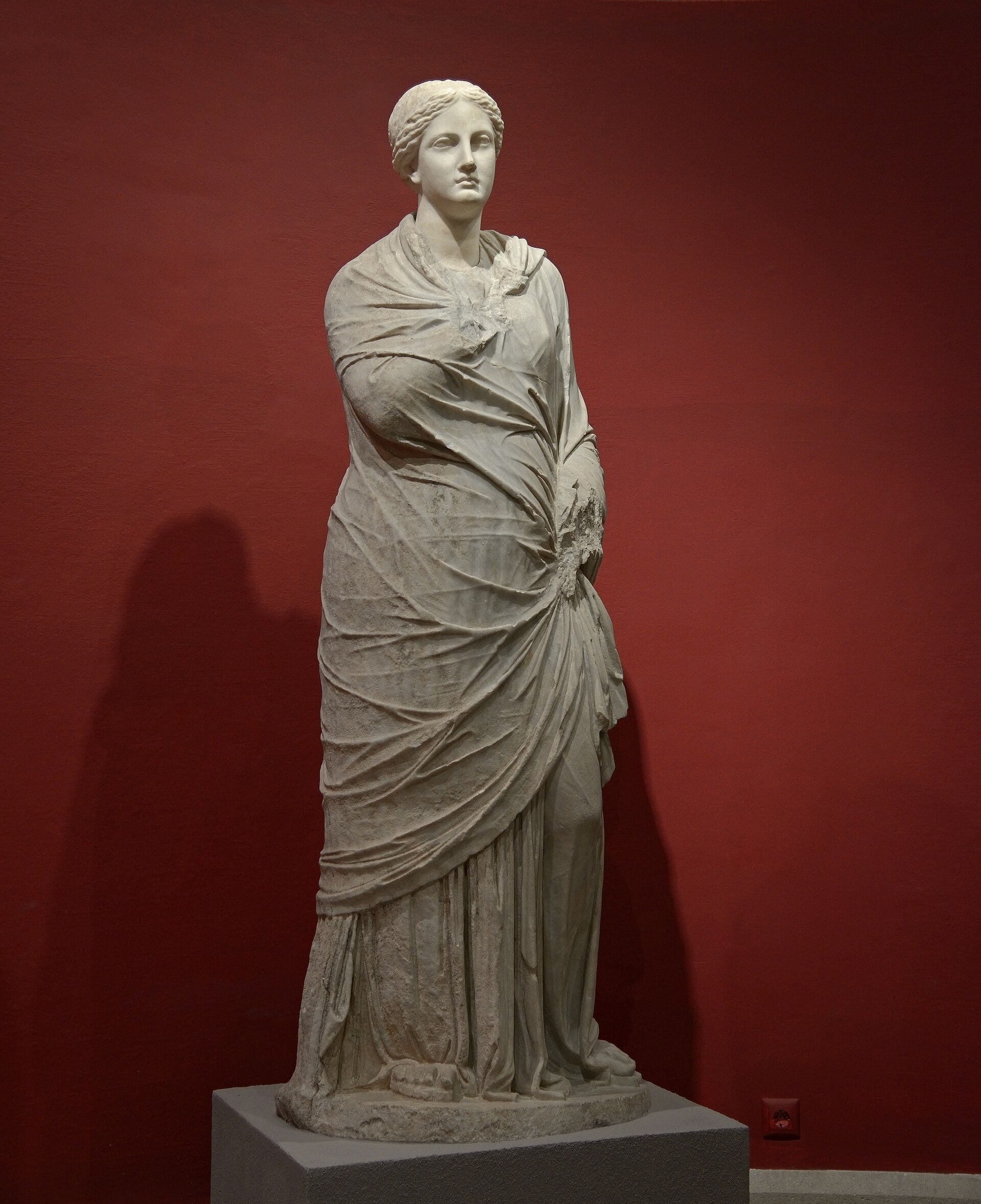
- Visit the Archaeological Museum to admire the Roman mosaics and the statue of Hippocrates.
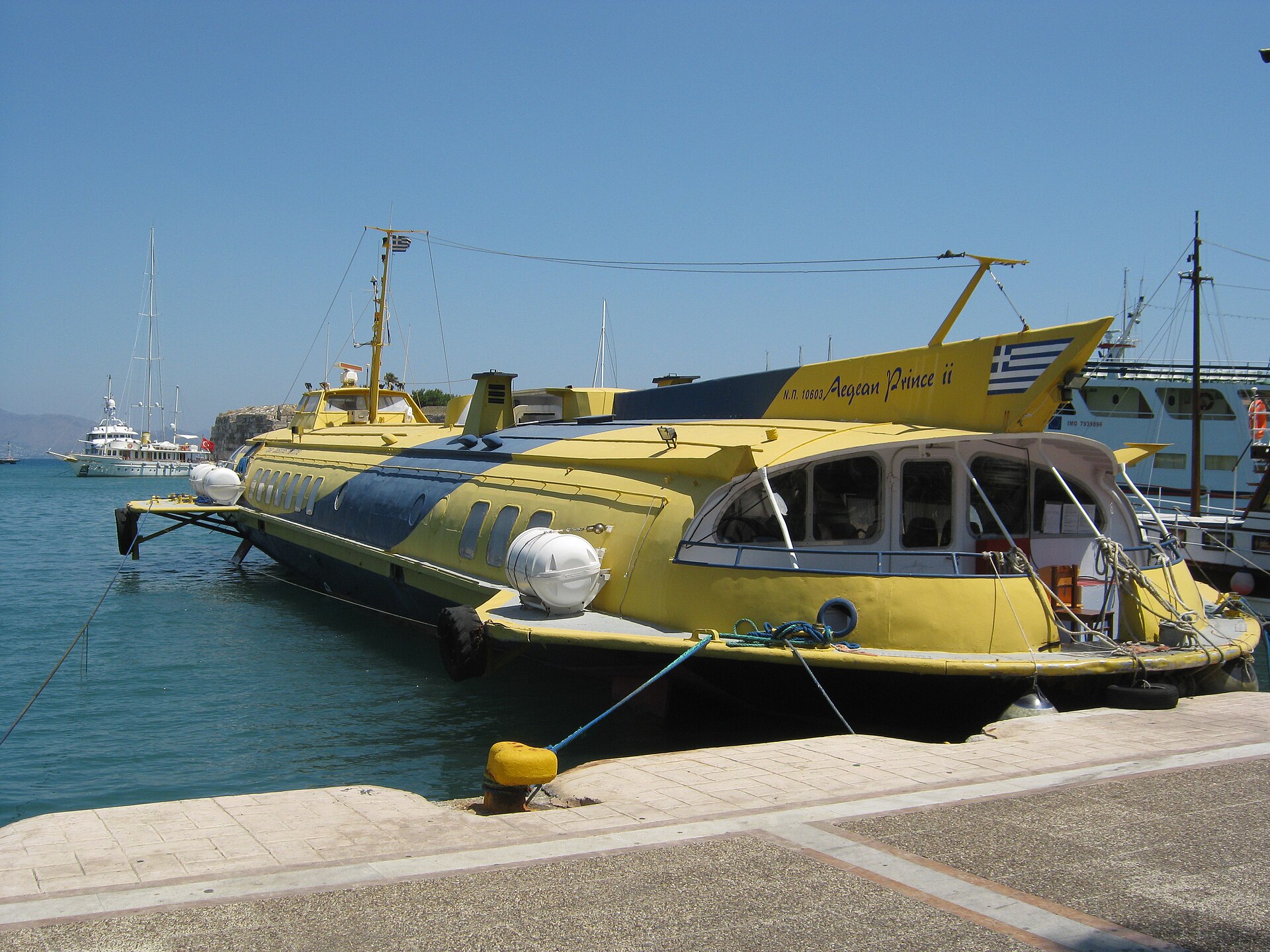
- Take a fast ferry for a day trip to nearby Bodrum, ancient Halicarnassus.
- Dine at one of the taverns in the Turkish quarter of Platani, sampling the mix of Greek and Ottoman cuisine.
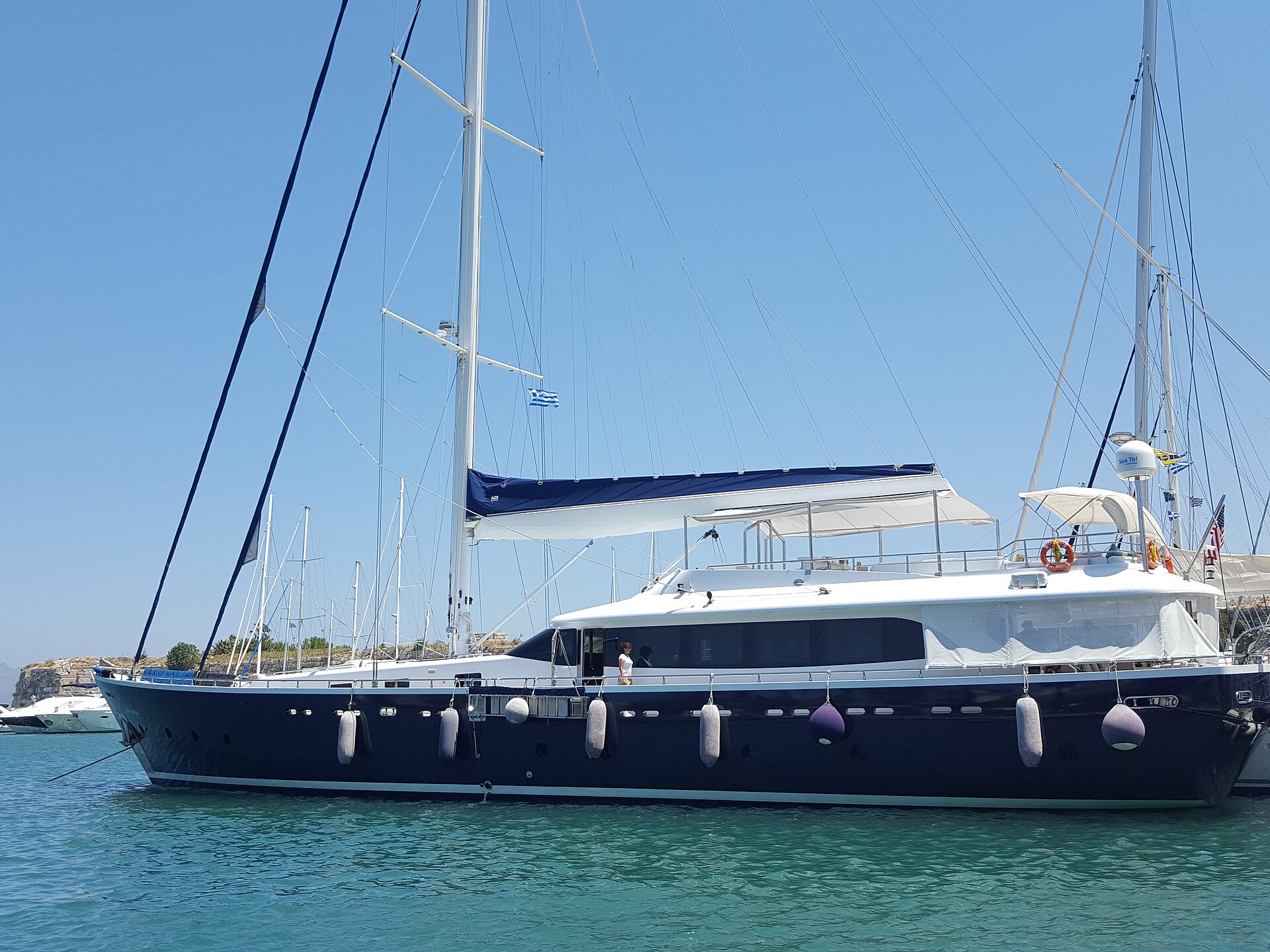
- Enjoy a drink in the old harbour, watching the wooden caiques bob on the water.
FAQ
Qual è il periodo migliore per visitare Kos Città?
È facile spostarsi a Kos Città senza auto?
Cosa vedere a Kos Città in un solo giorno?
Dove si può parcheggiare vicino al centro?
Getting there
- Aeroporto Internazionale di Kos 'Ippocrate' (KGS) - 24 km
- Non sono presenti linee ferroviarie sull'isola.
- Dall'aeroporto, seguire la strada principale (Epar.Od. Ko-Kefalou) in direzione est per circa 25-30 minuti fino a raggiungere il centro città.
- Per chi arriva via mare, il porto di Kos è collegato quotidianamente con il Pireo (Atene) e le altre isole del Dodecaneso come Rodi e Kalymnos.
Perfect for
Un paradiso per gli amanti della storia con resti greci, romani e medievali integrati nel tessuto urbano.
Città pianeggiante e bike-friendly, ideale per esplorare la costa in totale libertà e sicurezza.
Spiagge sicure, parchi alberati e un centro pedonale la rendono perfetta per chi viaggia con bambini.
To see
