

Faliraki
Along the eastern coast of the island of Rhodes, where the Aegean Sea turns a deep blue and the beaches stretch for kilometres, li...
Updated 7 July 2026
This season · July · Summer
What to do in Faliraki now
The story
The story of Faliraki
Historical roots: from rural silence to cosmopolitanism
The history of Faliraki is closely intertwined with the events of the island of Rhodes, a crossroads of civilisations at the heart of the Mediterranean. Although the area has been inhabited since ancient times, as finds in the surrounding zones testify, for centuries Faliraki remained a mainly agricultural area. The name itself seems to derive from a term linked to the shape of the coastline or to old local place names. During the period of rule by the Knights of St John and later under the Ottoman Empire, the area was considered peripheral compared to the centres of power in Rhodes Town. The real turning point came during the Italian occupation of the Dodecanese (1912-1947), when Italian architects began to develop the natural resources of the coast, such as the thermal springs of Kalithea, laying the foundations for the future tourist boom that would fully explode in the 1970s and 1980s.
Faliraki Beach: an endless shoreline
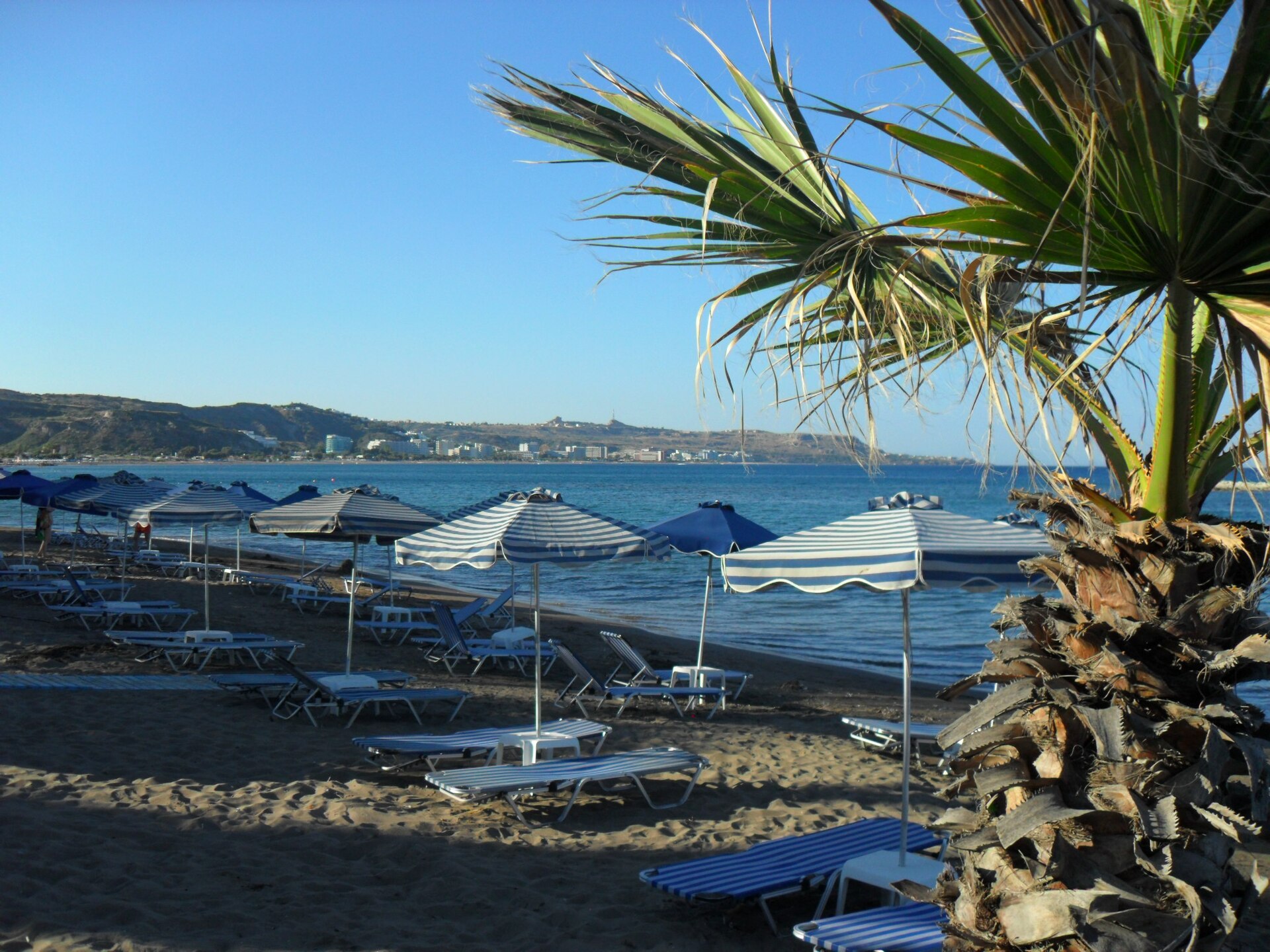
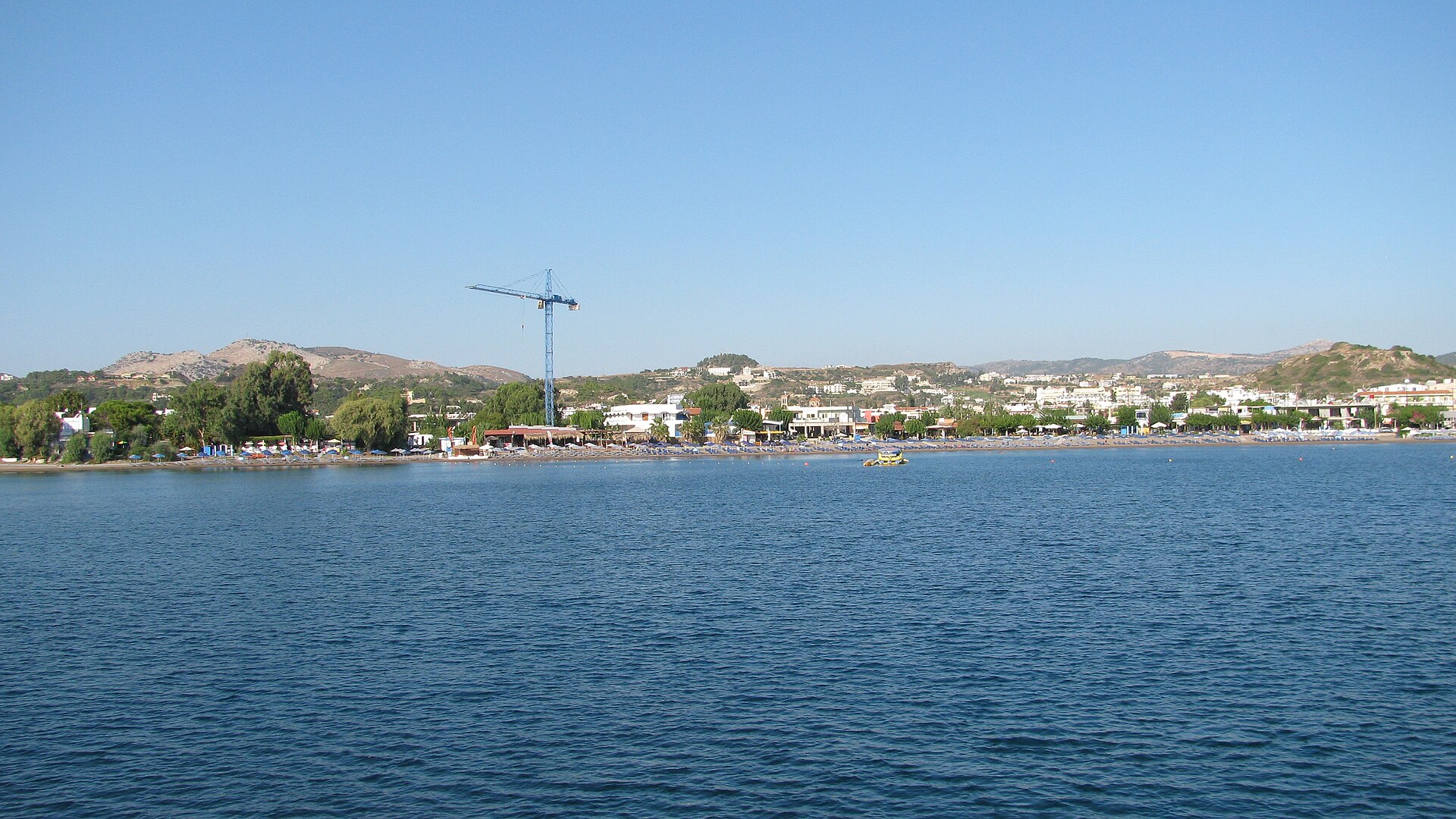
The geographical and social heart of the resort is undoubtedly its main beach, a stretch of golden sand extending for about five kilometres. This shoreline is famous for its width and for its gently sloping seabed, making it perfect for families and for those who love long walks with their feet in the water. Repeatedly awarded the Blue Flag, Faliraki beach is a model of organisation: from ultra-equipped sectors with adrenaline-fuelled water sports like windsurfing and parasailing, to quieter areas where you can enjoy the sound of the waves in total relaxation. Water quality is excellent, with clarity that invites long swims under the generous Dodecanese sun, while the seafront promenade offers an unbroken succession of taverns and cafés from which to watch the cosmopolitan crowds go by.
Anthony Quinn Bay: the allure of the silver screen
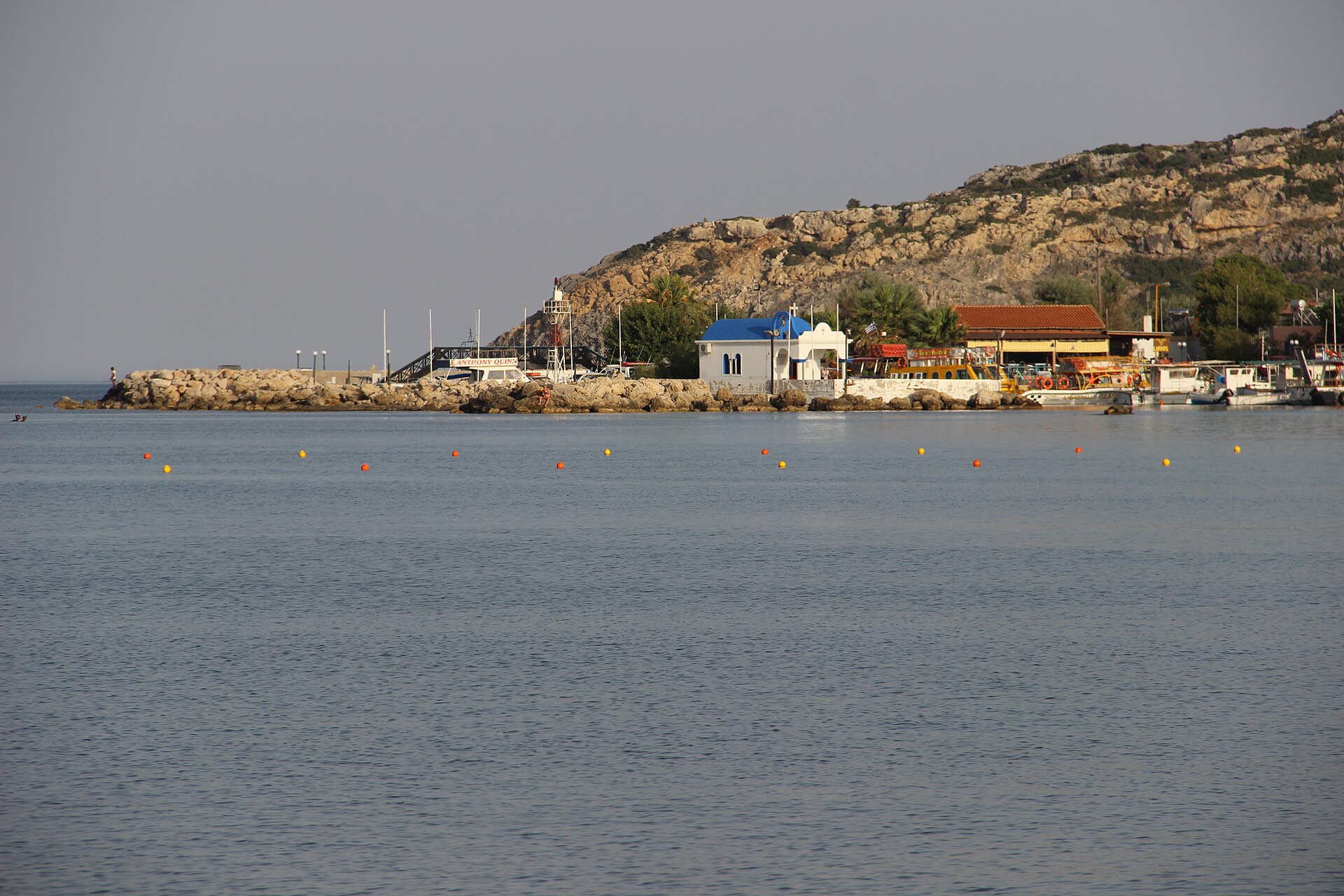
A few kilometres from the town centre lies one of the most iconic spots in all of Greece: Anthony Quinn Bay. Originally known as Vagies Bay, it owes its current name to the Mexican-American actor who fell in love with it while filming 'The Guns of Navarone' in 1961. Quinn bought the area with the intention of creating an artists' centre, and although later legal disputes changed its ownership, the name has remained fixed in collective memory. The bay is a natural amphitheatre of jagged rocks and pine trees mirrored in emerald-coloured waters. The shape of the seabed, rich in crevices and marine life, makes it one of the favourite spots for snorkelling. It is a place of magnetic beauty, where the contrast between the green of the vegetation and the turquoise of the sea creates an unforgettable natural picture.
Ladiko Bay: the charm of silence
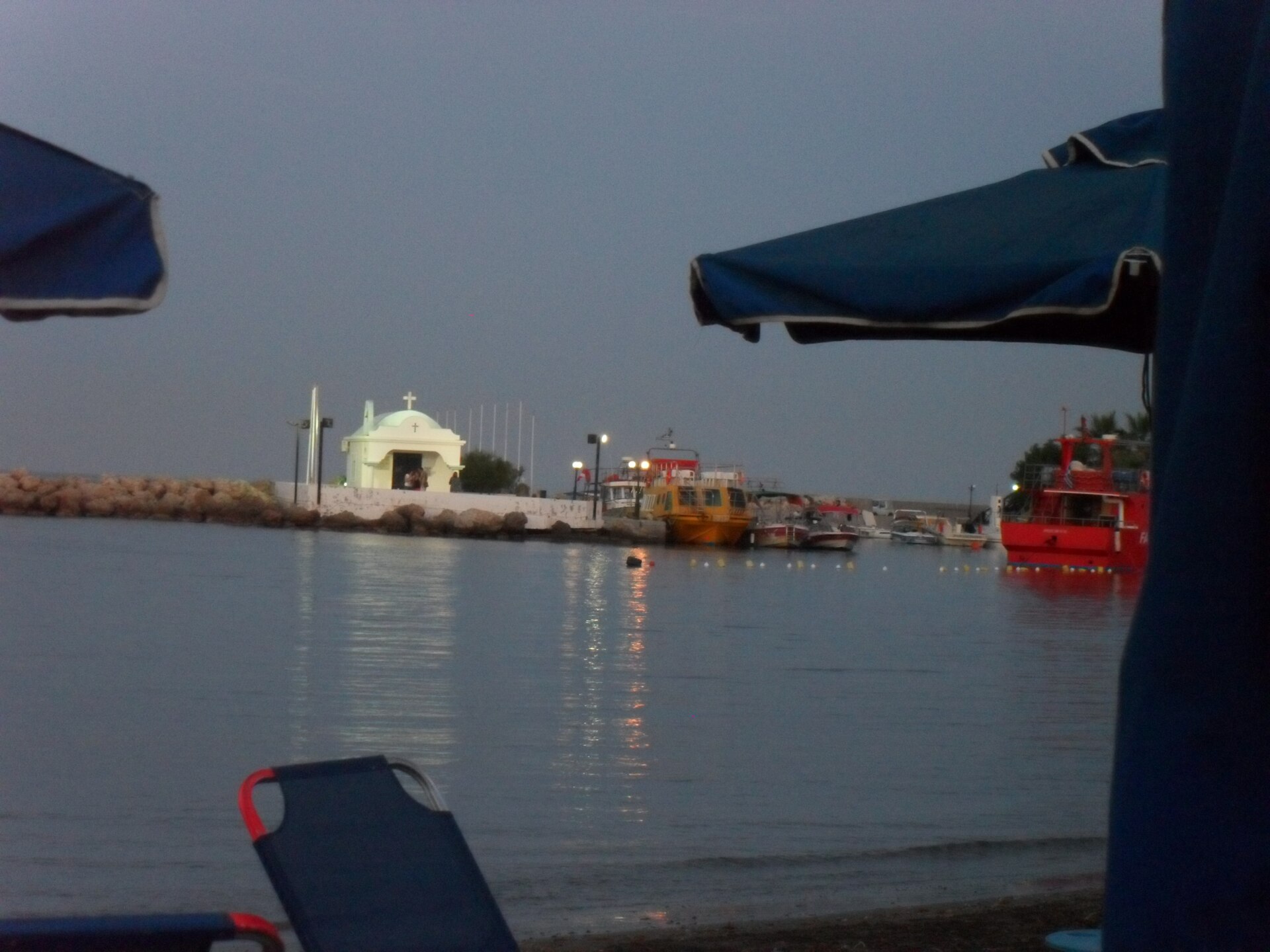
Adjacent to Anthony Quinn Bay, separated only by a small rocky headland, lies Ladiko Bay. Less dramatic than its neighbour but just as charming, Ladiko offers a more intimate, sheltered atmosphere. It is a small cove characterised by fine sand mixed with pebbles and incredibly calm, clear waters. The name 'Ladiko' recalls oil, perhaps because of the stillness of its waters, which appear as smooth as an oily surface. Here time seems to flow more slowly; it is the ideal spot for those seeking an escape from the liveliness of central Faliraki. The surrounding cliffs shield the bay from the wind, creating a natural pool where swimming is a pure pleasure. A small taverna right on the beach lets you enjoy traditional local dishes with your feet almost in the water.
Church of Agios Nektarios: spirituality and architecture
In the centre of Faliraki, majestic and imposing, stands the church dedicated to Saint Nektarios (Agios Nektarios). This religious building is one of the largest in the area and represents a key landmark for the local community. Its architecture follows the canons of Byzantine tradition, with a monumental structure enriched by domes and warm ochre tones that gleam under the Greek sun. The interior is a riot of vividly coloured frescoes and finely crafted icons that tell the lives of the saints and biblical stories. Visiting the church offers a moment of reflection and silence away from the tourist buzz, allowing you to understand how much the Orthodox faith remains a pillar of Greek culture today. The square in front, lined with palm trees, is often the setting for celebrations and patron saint feasts involving the whole village.
The Thermal Baths of Kalithea: Art Deco elegance
Located just north of Faliraki, the Thermal Baths of Kalithea complex is a one-of-a-kind architectural gem. Inaugurated by the Italians in 1929, the site was designed by architect Pietro Lombardi to make use of the healing properties of the local thermal waters, known since antiquity. After years of neglect, the complex has been masterfully restored, giving back to the public its circular pavilions, its black-and-white pebble mosaics (chochlakia) and its elegant fountains. Although the springs are no longer active as they once were, Kalithea remains a not-to-be-missed destination for the beauty of its gardens and for its access to the sea via a rocky cove of rare beauty. The atmosphere here is one of suspended time, a mix of exoticism and classicism that has made this place a much-loved film set.
Faliraki Water Park: adrenaline and fun
For those travelling with family or simply looking for a dynamic day out, Faliraki is home to one of the largest water parks in Europe. Set on a hill overlooking the coast, the Water Park offers a spectacular view of the Aegean as you rush down dizzying slides. The facility is divided into themed areas, with zones dedicated to young children, wave pools and more extreme rides for thrill-seekers. Management is impeccable, with numerous lifeguards and services that make the experience safe and enjoyable. It is a place that embodies the more playful, modern side of Faliraki, able to draw visitors from across the island and offer a fun alternative to classic beach days, while maintaining very high quality standards.
Astronomia Observatory: a journey among the stars
One of Faliraki's most original and lesser-known attractions is the Astronomia Observatory, set in an elevated spot that guarantees a clear sky far from excessive light pollution. Run by enthusiasts and experts, the observatory offers the chance to scan the heavens through professional telescopes. During observation evenings, you can admire the craters of the Moon, the planets of the solar system and the constellations shining above the Dodecanese. The experience is enriched by engaging explanations linking modern astronomy to Greek mythology, recalling how ancient sailors used those very stars to navigate among the islands of the Aegean. It is a perfect activity to end a day, offering a different, poetic perspective on the area.
Landscape and Nature: between the sea and Mediterranean scrub
The landscape of Faliraki is a compendium of Rhodian nature. While the coast is dominated by beaches and cliffs, the immediate hinterland reveals a wilder, drier face, typical of the southern islands. Hills dotted with hardy shrubs, centuries-old olive trees and small patches of vine-covered land create a striking contrast of colour with the intense blue of the sea. The area is characterised by limestone geology that has favoured the formation of sea caves and sheltered coves. Walking along the coastal paths that link the various bays, you can appreciate the local flora, including wild thyme and oregano, whose scent intensifies during the hottest hours of the day. This environmental variety makes Faliraki suited not only to seaside relaxation but also to short hikes to discover corners of still-intact Mediterranean scrub.
Flavours and Traditions: the table of the Dodecanese
The gastronomy of Faliraki is a journey through the authentic flavours of Greece. In traditional taverns, far from standardised tourist menus, you can taste local specialities such as 'Pitaroudia' (chickpea fritters with mint and onion) or 'Kapamas' (oven-baked goat with beans). Fish is the undisputed star, caught daily and simply cooked on the grill with olive oil and lemon. There is no shortage of produce from the hinterland, such as thyme honey and local cheeses. Popular culture also comes to life through religious festivals, the 'panigiria', where bouzouki music and traditional dances such as the Sirtaki and the Sousta bring residents and tourists together in a shared atmosphere of joy. Taking part in one of these events means experiencing first-hand the genuine hospitality of this land.
Surroundings and nearby towns
Faliraki's location allows you to reach some of the most beautiful spots on Rhodes within just a few minutes by car or bus. To the north, the City of Rhodes enchants with its Palace of the Grand Masters and perfectly preserved medieval walls. To the south lies Afandou, known for its very long beach and golf course, and continuing further you reach Lindos, the white town dominated by the Acropolis. For those seeking a more rural experience, inland villages such as Psinthos offer a taste of more authentic Greek life, with squares shaded by plane trees and fountains of fresh water. Every direction taken from Faliraki leads to a different discovery, making a stay here dynamic and rich in cultural interest.
Living Faliraki: when to go and practical tips
The ideal period to visit Faliraki runs from May to October. Late spring and early autumn (September and October) are the best times for those wishing to enjoy the sea and excursions with pleasant temperatures and fewer crowds. July and August are the months of peak liveliness, ideal for those looking for entertainment and nightlife, but temperatures can be very high. To make the most of the place, it is advisable to rent a vehicle to explore the most hidden bays early in the morning, leaving the afternoon for relaxing on the main beach. Don't forget to explore the centre of Faliraki in the evening too, when the streets come alive and the atmosphere becomes electric, offering a unique mix of modern fun and timeless traditions.
- Spend a day snorkelling in the emerald waters of Anthony Quinn Bay.
- Admire the Art Deco architecture and mosaics of the Thermal Baths of Kalithea.
- Enjoy a panoramic sunset at the Astronomia Observatory with planet-watching.
- Taste Pitaroudia and fresh fish in a traditional harbourside taverna.
- Have fun on the slides and rides at the Water Park, one of the largest in Europe.
- Explore the majestic Church of Agios Nektarios in the heart of the village.
- Take a long walk at dawn along Faliraki's golden beach.
FAQ
Qual è il periodo migliore per visitare Faliraki?
Faliraki è adatta alle famiglie con bambini?
Come ci si sposta da Faliraki verso Rodi città?
È necessario noleggiare un'auto?
La Baia di Anthony Quinn è accessibile a tutti?
Getting there
- Aeroporto Internazionale di Rodi 'Diagoras' (RHO) - 15 km
- Non presenti sull'isola (servizio bus KTEL molto efficiente)
- Percorrere la strada costiera Rodi-Lindos in direzione sud per circa 14 chilometri dal capoluogo.
- In estate, considerate i taxi-boat che collegano il porto di Rodi città direttamente con la spiaggia di Faliraki per un arrivo scenografico.
Perfect for
Ideale per chi cerca lunghe spiagge sabbiose attrezzate e calette rocciose dove praticare snorkeling in acque cristalline.
Una delle capitali del divertimento del Dodecaneso, con una vasta scelta di club, cocktail bar e discoteche per tutti i gusti.
Ottima accoglienza per i più piccoli grazie a parchi acquatici, mare sicuro e strutture ricettive organizzate.
Punto strategico per visitare la città medievale di Rodi, le terme storiche di Kalithea e l'acropoli di Lindos.
To see
