

Arkhangelos
Perched among the hills of Rhodes' eastern coast, Arkhangelos presents itself to visitors as a jealous guardian of the Dodecanese'...
Updated 7 July 2026
This season · July · Summer
What to do in Arkhangelos now
The story
The story of Arkhangelos
A history of resistance and faith
Arkhangelos' roots reach back into a distant past, shaped by the need to defend against the pirate raids that plagued the Aegean for centuries. In the Byzantine era, the settlement grew up around the protective figure of the Archangel Michael, from whom the village takes its name. It was, however, under the rule of the Knights of St John, who arrived in Rhodes in the 14th century, that Arkhangelos gained fundamental strategic importance. The Knights recognised the value of the village's elevated position, turning it into a defensive bulwark for the local population and for watching over the coast. In 1467, under Grand Master Giovanni Battista Orsini, the fortification that still dominates the settlement today was completed. During the Ottoman occupation and the subsequent Italian colonial period (1912-1947), Arkhangelos managed to preserve its cultural and linguistic identity intact, emerging as one of the most conservative and proud centres on the whole island — a trait its inhabitants still claim with pride today.
The Church of the Archangel Michael
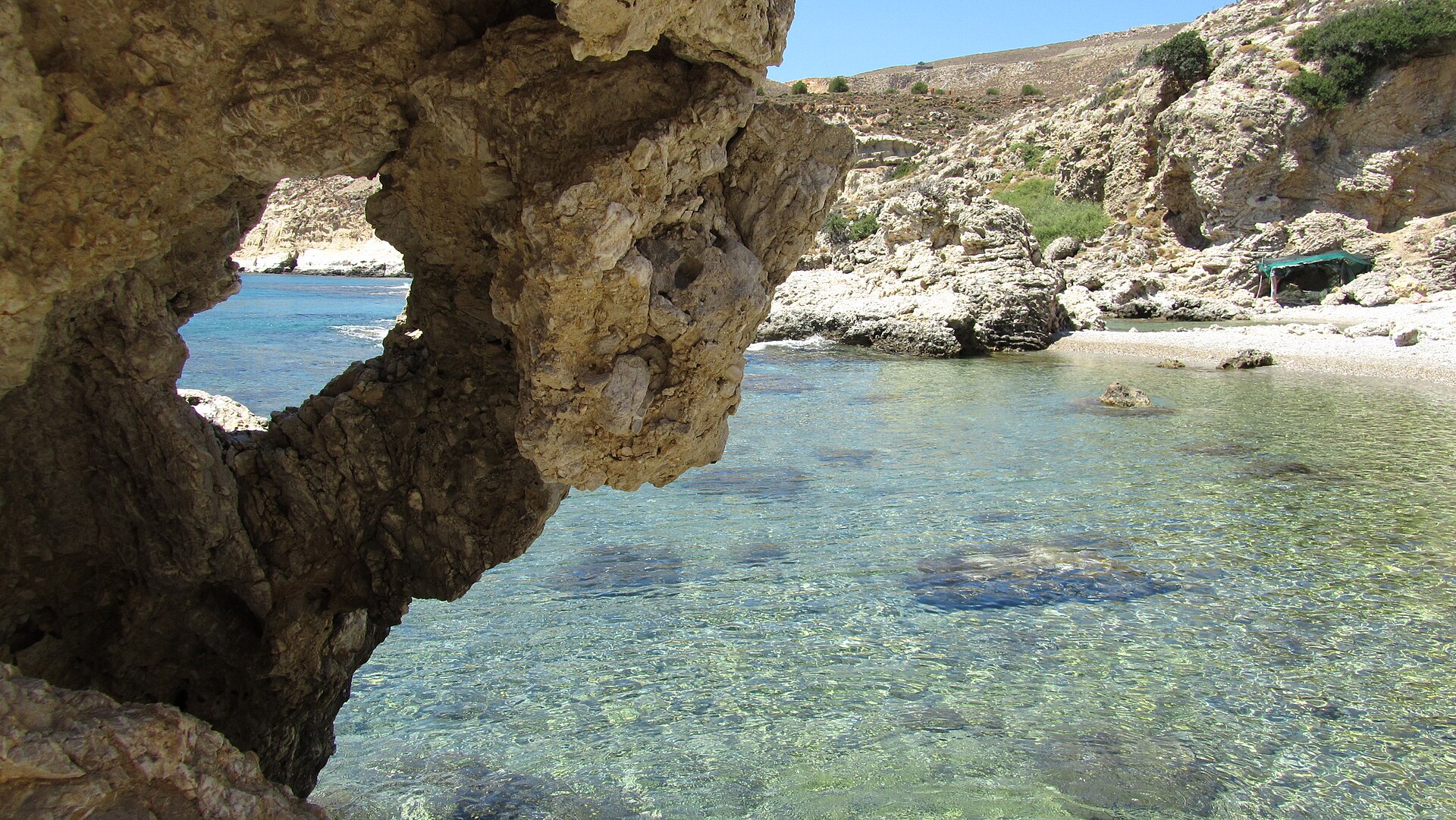
At the beating heart of the village stands the church dedicated to its patron saint, a building that represents not only a place of worship but the very symbol of the community. Built in the 19th century, the church is distinguished by its imposing white bell tower, a slender, finely decorated structure that rises above the roofs of the surrounding houses. The interior is a small treasure trove of Orthodox art, where the carved wooden iconostasis catches the eye with its meticulous detail and gilded icons. The church's forecourt is paved with a magnificent pebble mosaic, typical of Rhodian tradition, creating geometric and floral patterns of great elegance. This place is not merely a monument to visit but the hub of religious celebrations that still mark the rhythm of village life, especially during the patronal feast on 8 November, when the village comes alive with age-old, heartfelt devotion.
The Castle of the Knights of St John
Overlooking the settlement from the top of a rocky hill, the ruins of the Castle of Arkhangelos offer one of the most evocative testimonies to the passage of the Knights Hospitaller. Built on the remains of an earlier Byzantine fortress, the castle was conceived as a refuge for the population during enemy attacks. Although mainly the perimeter walls remain today, the main entrance still bears the heraldic coat of arms of Grand Master Orsini, a detail that immediately transports visitors back to the age of crusades and great naval battles. The climb up to the castle is an experience that rewards the effort: once at the top, the view sweeps 360 degrees over the village below, over Stegna Bay and, on the clearest days, as far as the coasts of Turkey. It is a place of silence and contemplation, where the stones tell stories of sieges and daily resistance.
The Monastery of Panagia Tsambika
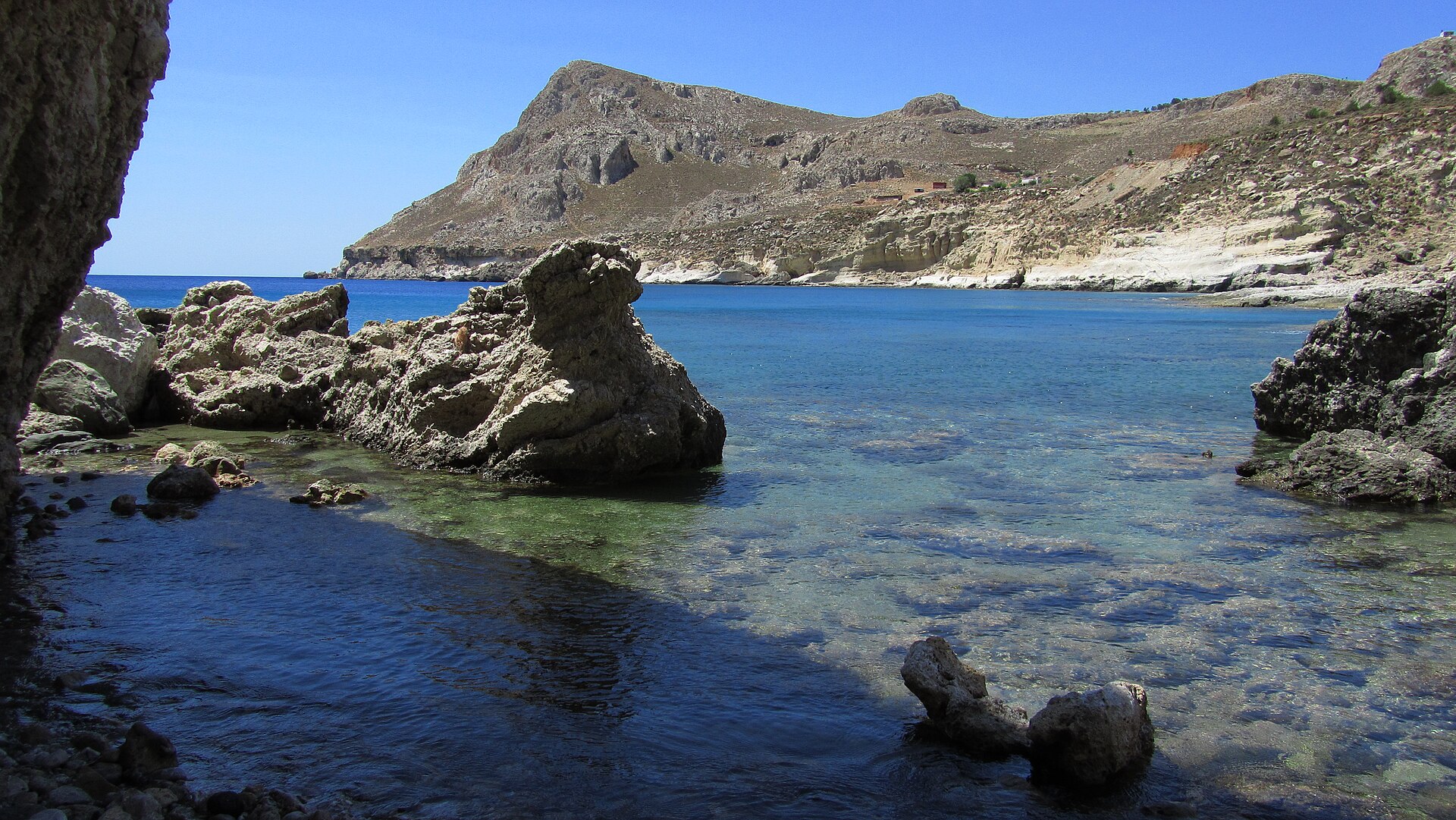
A short distance from the centre of Arkhangelos lies one of the most heartfelt pilgrimage sites in all of Greece: the Monastery of Panagia Tsambika. The site is divided into two parts: the lower, more modern and accessible monastery, and the small upper chapel, perched atop a steep headland. According to legend, the miraculous icon of the Virgin Mary was found here by a shepherd after mysteriously appearing from the fleet of Cyprus. The climb to the upper chapel involves about 300 steps, a path often undertaken barefoot by women seeking the grace of fertility. Once at the top, besides the spirituality of the place, visitors enjoy a breathtaking view over Tsambika beach, a crescent of golden sand washed by turquoise waters, considered one of the island's most beautiful.
The art of pottery and weaving
Arkhangelos is renowned throughout the Dodecanese for preserving ancient crafts. Here, the pottery tradition is a family affair, handed down from generation to generation. Visiting the local workshops, you can watch craftsmen at the wheel as they shape clay into plates, vases and jugs decorated with the classic motifs of Rhodian flora and fauna. Equally important is carpet weaving, an art that once occupied nearly every woman in the village. But the true speciality of the place is the 'stivania', traditional black leather boots, sturdy and hard-wearing, once an essential item of footwear for farmers and today a symbol of rustic elegance that local cobblers continue to make to measure, following techniques dating back centuries.
Stegna: the breath of the sea
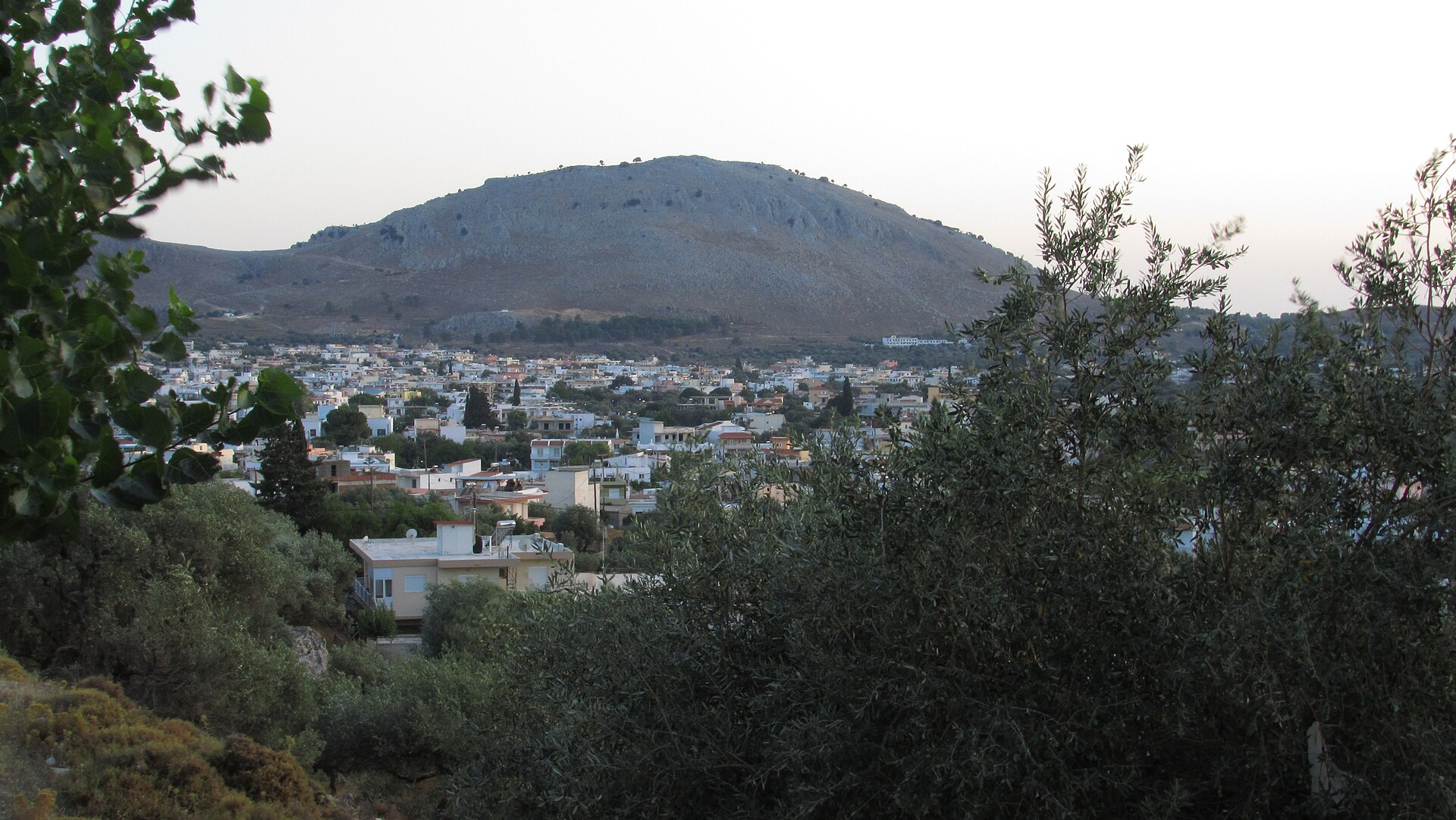
Just three kilometres from the centre of Arkhangelos, the road descends towards Stegna, its natural seaside extension. This resort has managed to preserve a relaxed, family atmosphere, far from mass tourism. The bay is a mix of sand and pebbles, surrounded by cliffs and arid hills that contrast with the deep blue of the sea. Along the coastal road, traditional taverns follow one another, where fresh fish is the undisputed star. Stegna is not just a place to sunbathe, but a refuge where the rhythm of life is set by the sound of the surf and the fishing boats returning at sunset. It is the ideal spot for those seeking an equipped yet authentic beach, where a corner of peace can still be found even during the high season.
Epta Piges: the oasis of the Seven Springs
A short distance from Arkhangelos lies one of Rhodes' natural treasures: Epta Piges. On an island kissed by the sun and often arid, this area represents an unexpectedly cool oasis. Seven freshwater springs converge to form a stream that flows in the shade of plane trees and centuries-old pines. A unique experience is crossing the underground tunnel, built by the Italians to channel the water towards an artificial lake: a path of about 180 metres in darkness, with water at ankle height, leading to an emerald pool where peacocks and ducks live. It is the perfect place for a rejuvenating stop during the hottest hours of the day, immersed in a unique microclimate that smells of moss and resin.
Flavours and culinary traditions
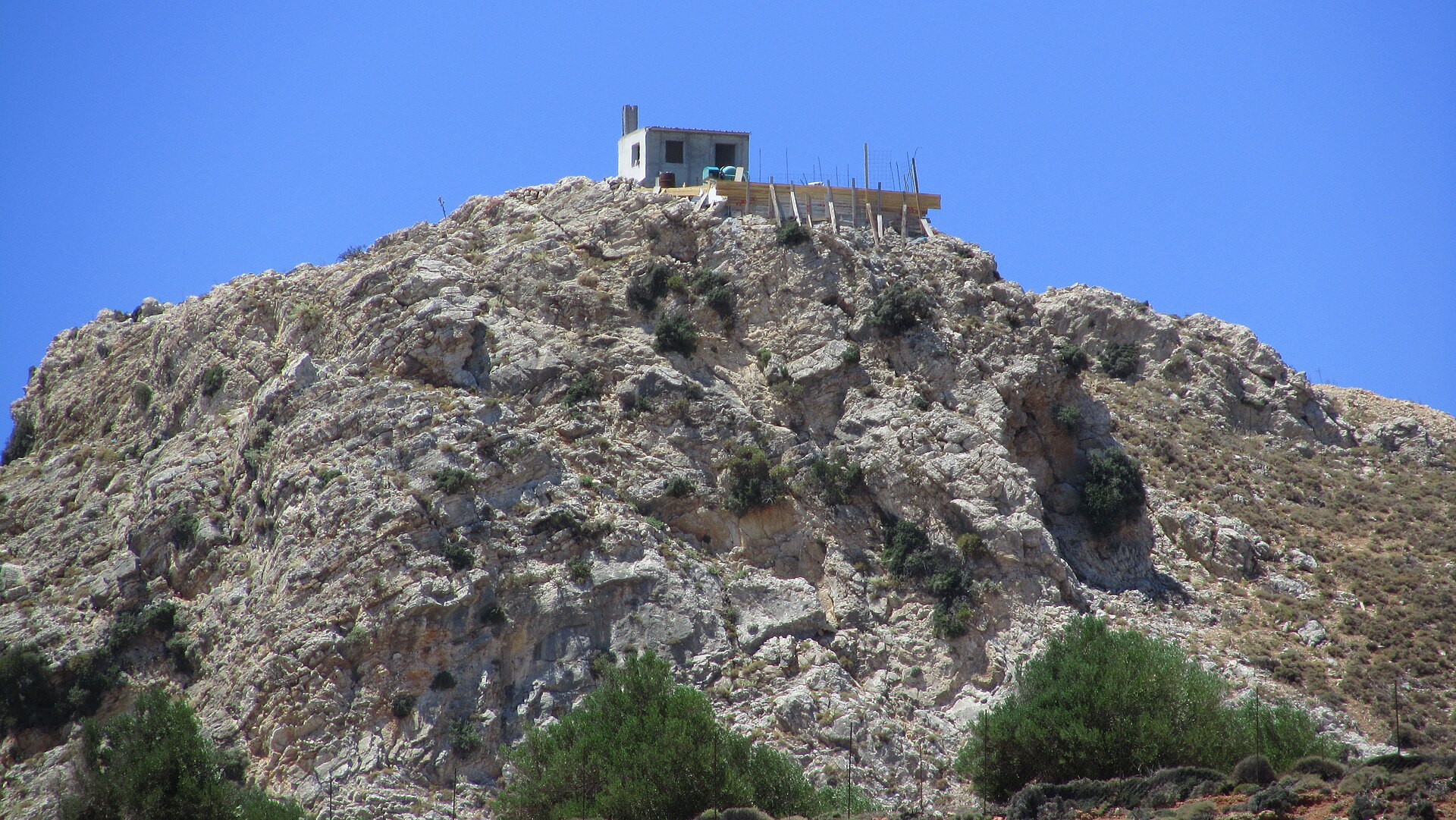
The cuisine of Arkhangelos is a hymn to the land and its local produce. Here, the olive oil has an intense, fruity flavour, the fundamental base for dishes such as 'pitaroudia', chickpea fritters flavoured with mint and onion. In the village taverns you can taste meat slow-cooked in wood-fired ovens, often accompanied by wild herbs gathered on the surrounding hills. There is no shortage of festive sweets either, such as 'melekouni', a sesame and honey bar flavoured with orange zest and cinnamon, traditionally served at weddings. Eating in Arkhangelos means rediscovering the value of raw ingredients, served simply in settings where conviviality is a sacred value.
When to go and how to experience the village
The best time to visit Arkhangelos is undoubtedly spring (April-May) or early autumn (September-October). In these months the temperatures are pleasant, nature is lush and the village is not yet crowded with day-trippers. To fully experience the atmosphere of the place, it is advisable to stay in one of the small family-run guesthouses or in renovated traditional houses. Getting lost among the lanes early in the morning, when the scent of freshly baked bread mingles with that of Greek coffee, is the best way to attune yourself to the spirit of Arkhangelos. In the evening, the main square becomes the community's living room, where you can sit at a table for an ouzo and watch the slow flow of daily life.
- Visit the traditional pottery workshop to watch craftsmen at work.
- Climb the 300 steps to the upper chapel of Panagia Tsambika for the panoramic view.
- Explore the ruins of the Knights' castle at sunset.
- Walk through the Seven Springs tunnel (Epta Piges) for a refreshing experience.
- Dine on fresh fish at one of the taverns on Stegna beach.
- Buy a pair of 'stivania', the traditional handmade boots crafted by local cobblers.
FAQ
Quanto dista Arkhangelos dalla città di Rodi?
È necessario noleggiare un'auto?
La spiaggia di Stegna è adatta alle famiglie?
Cosa si può comprare come souvenir tipico?
Getting there
- Aeroporto Internazionale di Rodi 'Diagoras' (RHO) - 35 km
- Non sono presenti linee ferroviarie sull'isola di Rodi.
- Percorrere la strada statale Rodi-Lindos verso sud; l'ingresso per Arkhangelos è ben segnalato circa a metà percorso.
- Se arrivate in auto, parcheggiate nelle aree designate all'ingresso del villaggio, poiché le strade interne sono molto strette e spesso pedonali.
Perfect for
Un borgo che ha preservato intatti i mestieri della ceramica, della calzoleria e della tessitura.
Sede del santuario di Tsambika, uno dei luoghi di culto più profondamente venerati del Dodecaneso.
La vicina baia di Stegna offre un'esperienza balneare autentica e rilassata, lontano dai flussi turistici principali.
To see
