

Palasë
Palasë is one of those places that seem to exist outside of time: a small village clinging to the flanks of Mount Çika, suspended...
Updated 8 July 2026
This season · July · Summer
What to do in Palasë now
The story
The story of Palasë
History and origins of a mountain village
The slopes of Mount Çika and the coast below have been inhabited since antiquity: the entire area of the Albanian Riviera, together with nearby Oricum on the Gulf of Vlorë, fell within the sphere of Epirus and saw a Greek, Illyrian and later Roman presence along the routes linking the Adriatic to the Ionian. Palasë, like the other villages on this coast, developed as a small agro-pastoral settlement, perched at altitude to escape pirates and more easily defended than the coastal strip. Over the centuries it passed under Byzantine rule, then under various local lordships and finally under the Ottoman Empire, which left its mark on land organisation and on the widespread cultivation of olives on a large scale. For much of the 20th century, under the communist regime of Enver Hoxha, the entire Riviera remained a closed, militarised zone, cut off from the world: an isolation that, paradoxically, kept its landscape, architecture and traditions intact to this day.
Llogara Pass, the gateway to the Riviera
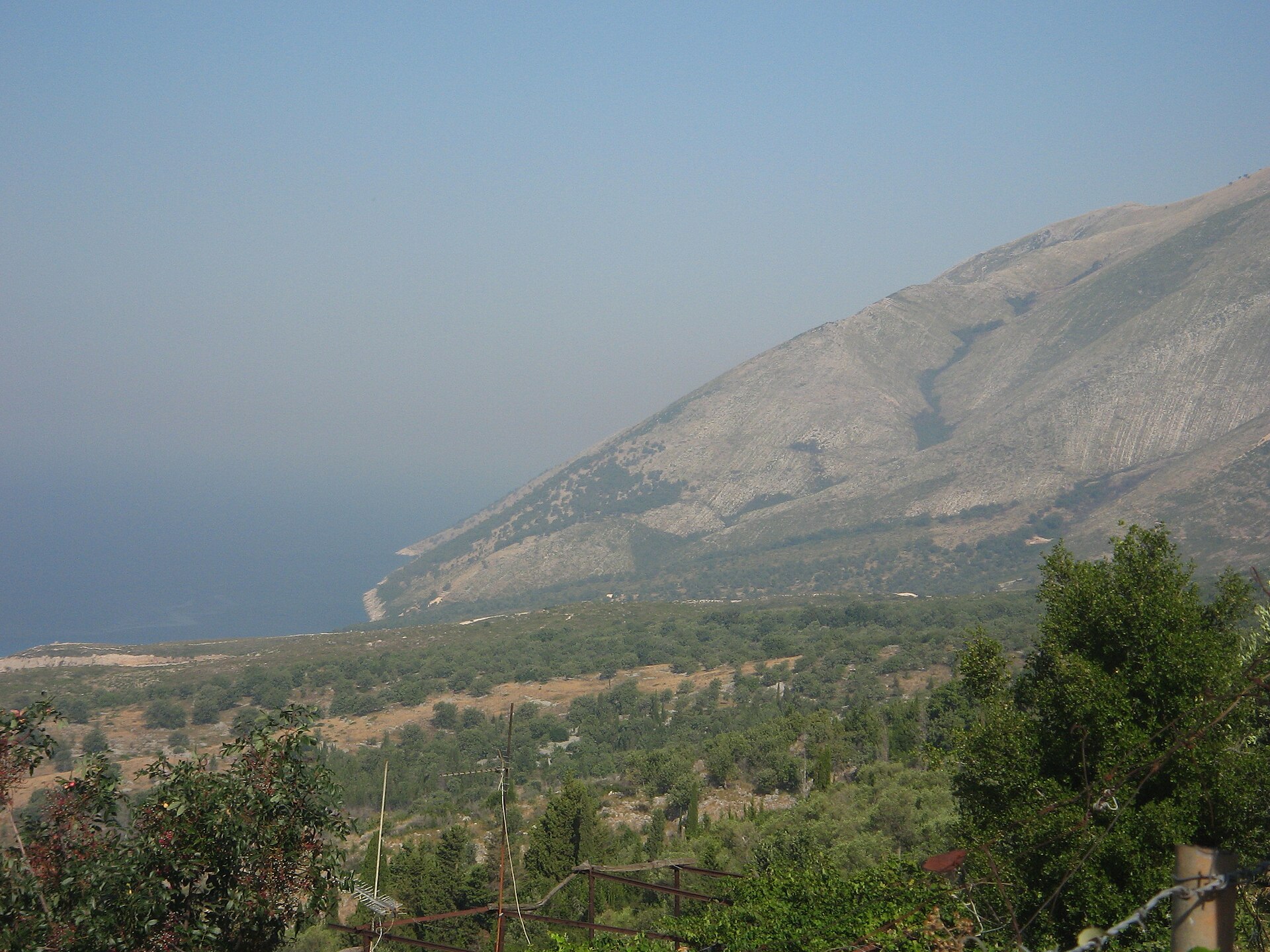
Anyone reaching Palasë from the north inevitably crosses Llogara Pass (Qafa e Llogarasë), at over 1,000 metres above sea level: a series of hairpin bends carved into the rock that in just a few kilometres take you from the temperate climate of the interior to the Mediterranean warmth of the coast. It is one of the most spectacular stretches of road in the Balkans, with views ranging from black pine forests to the deep blue of the Ionian Sea, the Karaburun peninsula and, on clearer days, the silhouette of Corfu on the horizon. The pass also marks the climatic and scenic boundary between inland Albania and the true Riviera: crossing it, descending towards Palasë and Dhërmi, means entering another world of olive trees, prickly pears and stone houses perched above the sea.
Llogara National Park
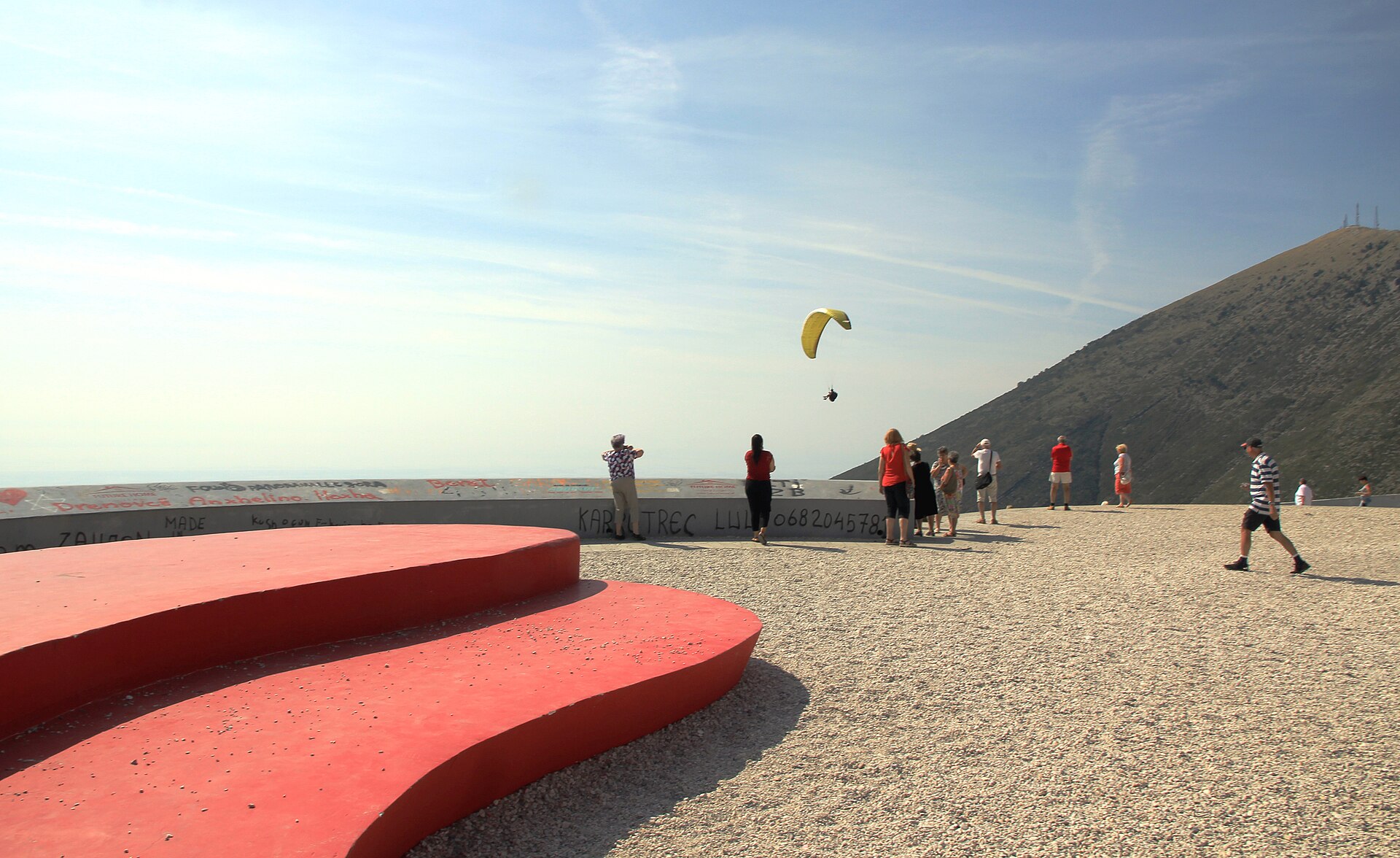
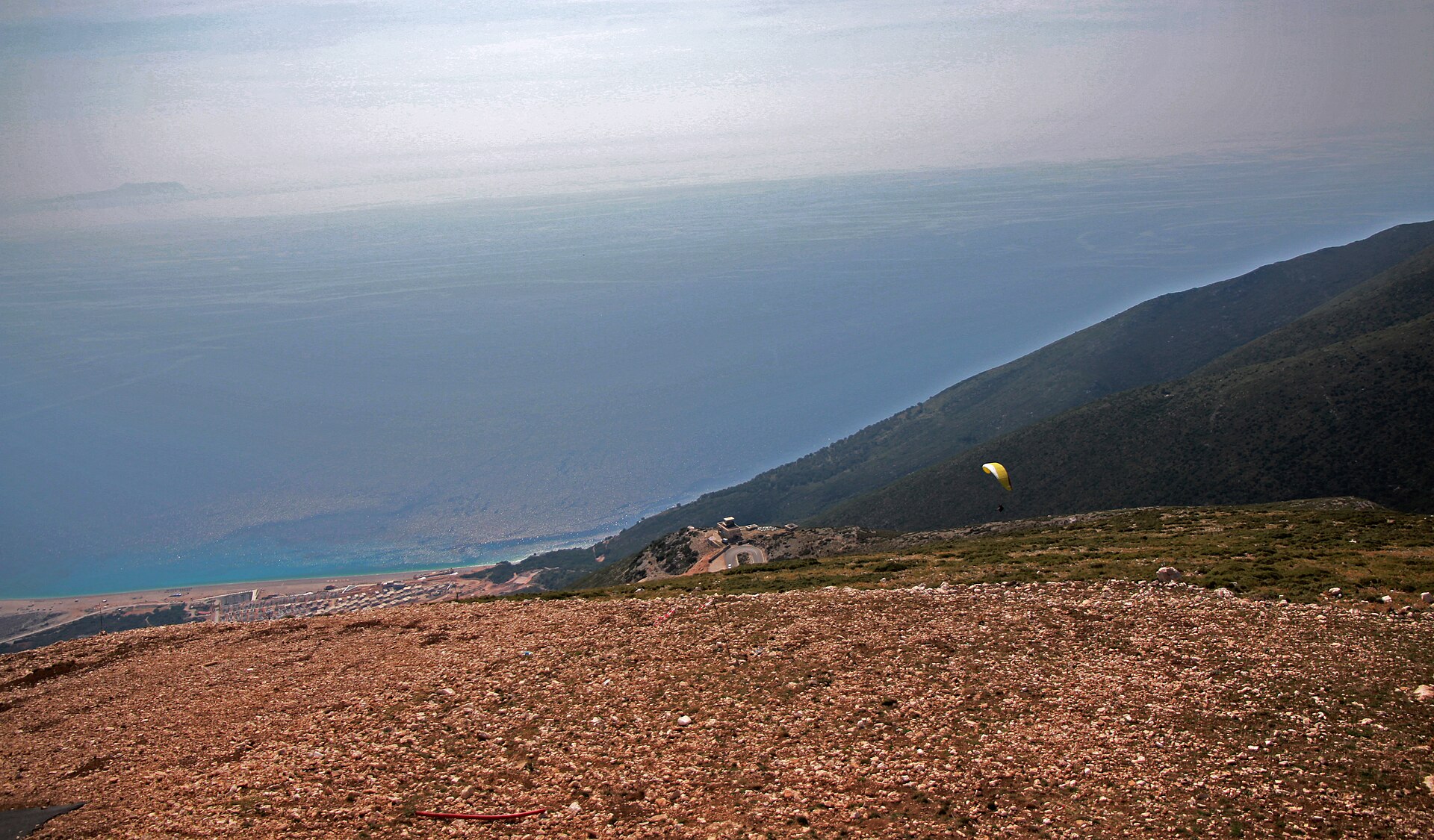
The land above Palasë lies largely within Llogara National Park, established to protect one of the country's most pristine forest areas: black pine and beech forests, high-altitude pastures and wildlife that includes foxes, roe deer and numerous birds of prey, including the golden eagle, often spotted gliding on the thermals rising from the sea. It is a park meant to be crossed slowly, with trails winding through the pines up to breathtaking viewpoints, shaded picnic areas and, in the summer months, the chance to paraglide from some of its highest points, gliding straight above the coast and landing almost on the beach. For those who love hiking, it is the natural continuation, uphill, of the experience Palasë offers downhill, by the sea.
Gjipe beach and canyon
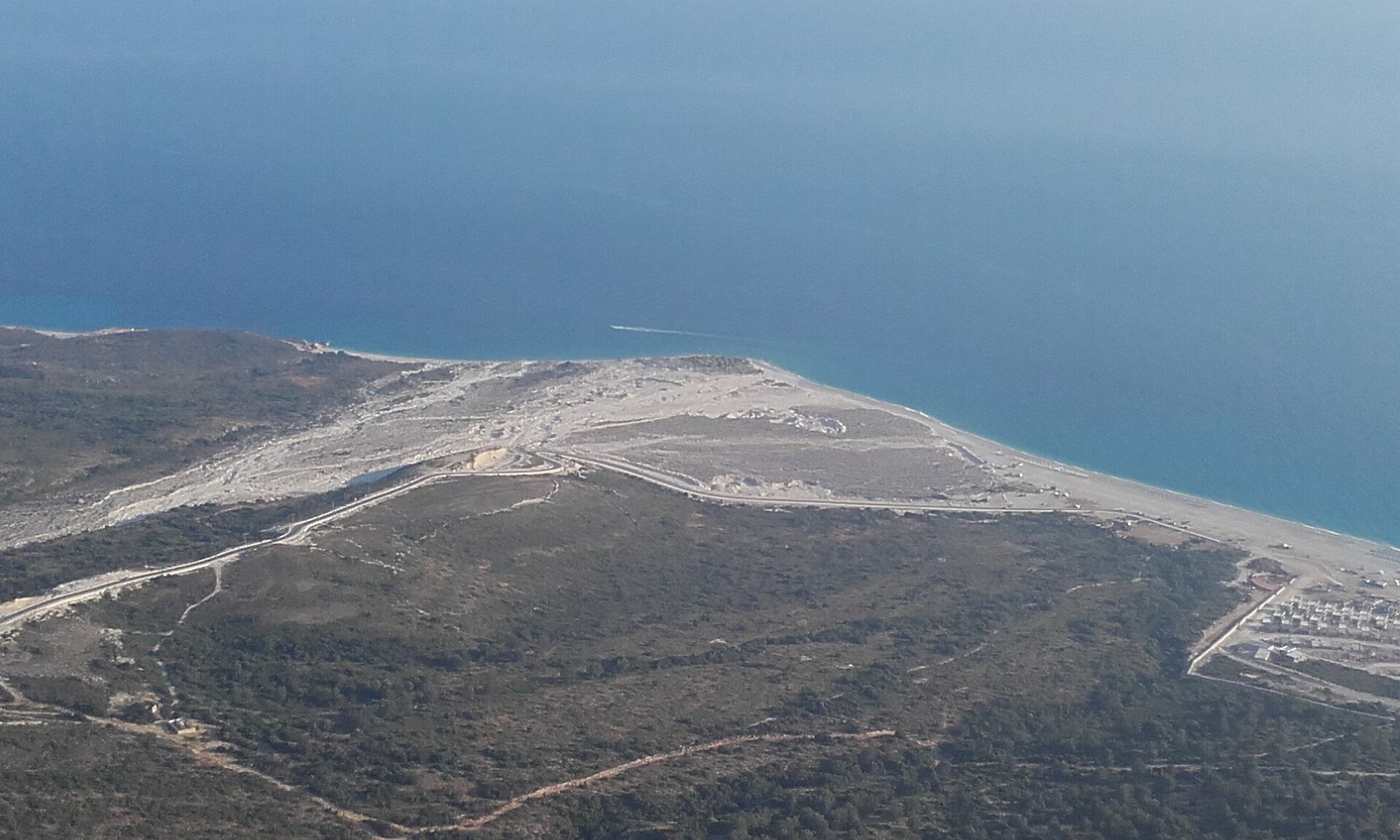
The reason Palasë's name now appears in so many travel guides has a precise answer: Gjipe, the beach and canyon reached on a hike starting right from the outskirts of the village. The trail descends along limestone walls dozens of metres high, narrowing to form a true canyon carved over millennia by the stream of the same name, before opening suddenly onto an arc of white pebbles and clear water, wedged between two headlands with no direct road access. It has become a cult destination for independent travellers and camper vans, with a small informal campsite that hosts tents and vans in the summer months, though out of season it remains a place of almost absolute stillness.
The centuries-old olive groves, the village's agricultural soul
Descending from the pass towards the village, the landscape is dominated by terraced olive groves that in places reach the size and gnarled trunks typical of centuries-old trees, evidence of uninterrupted cultivation since Ottoman times and probably earlier. Olive growing still remains the activity that sets Palasë's calendar: the harvest, between October and December, involves entire families and produces an oil with an intense flavour, unrefined in its methods but rich in character, found in small local mills and on tables throughout the Riviera. Walking among these olive groves, with the sea glimpsed between silvery branches, is in itself one of the most authentic experiences the village has to offer.
The village and its stone architecture
The built-up centre of Palasë preserves the layout typical of Riviera villages: low houses built of local stone, roofs of terracotta tiles or slate slabs, narrow alleys following the slope of the land, and small Orthodox churches bearing witness to the long religious history of this stretch of coast, long inhabited by Greek-Orthodox communities culturally tied to the Epirus area. There are no grand isolated monuments to visit, but rather a coherent urban fabric to explore slowly: it is the whole, more than any single building, that tells centuries of mountain life perched above the sea, with a household economy based on olives, goats and a little coastal fishing.
The coast and its hidden coves
Unlike the wider, more developed beaches of Dhërmi or Himara just to the south, the shoreline below Palasë consists mainly of coves reachable only on foot or by boat, wedged between limestone spurs that plunge steeply into the water. The seabed is almost always pebbly or rocky, the water clear from the first few metres, ideal for snorkelling along the submerged walls. These are places that reward those willing to walk a little or rent a small dinghy from Dhërmi: in return, they offer an intimacy with the sea that has become hard to find on the more crowded stretches of the Riviera, especially in July and August.
Traditions, flavours and popular culture
The cuisine of Palasë is the simple, honest fare of mountain coastal villages: freshly caught grilled fish, local olive oil poured generously, goat cheeses matured over the summer months, garden vegetables and bread baked in a wood-fired oven. In the small family-run restaurants, often little more than a terrace overlooking the sea, you eat what the day provides, with menus that change from season to season. Orthodox religious festivals, tied to the calendar of the village churches, remain moments of community gathering to this day, while the music and polyphonic songs typical of this stretch of southern Albania's coast, of Epirot descent, continue to be passed down within families rather than performed on tourist stages.
When to go to Palasë
The Mediterranean climate gives Palasë hot, dry summers, ideal for the sea but also busier along the coast in July and August, when the Albanian Riviera is at the peak of its tourist season. Spring, from April to June, and early autumn, September and early October, offer milder temperatures, less-trodden trails, still-warm water and the chance to enjoy Llogara Pass and the trek to Gjipe without the intense heat of high summer. Winter, wetter and windier at altitude, drastically reduces the village's tourist services, though it remains fascinating for those seeking a quieter, more authentic Albania.
Experiences not to be missed
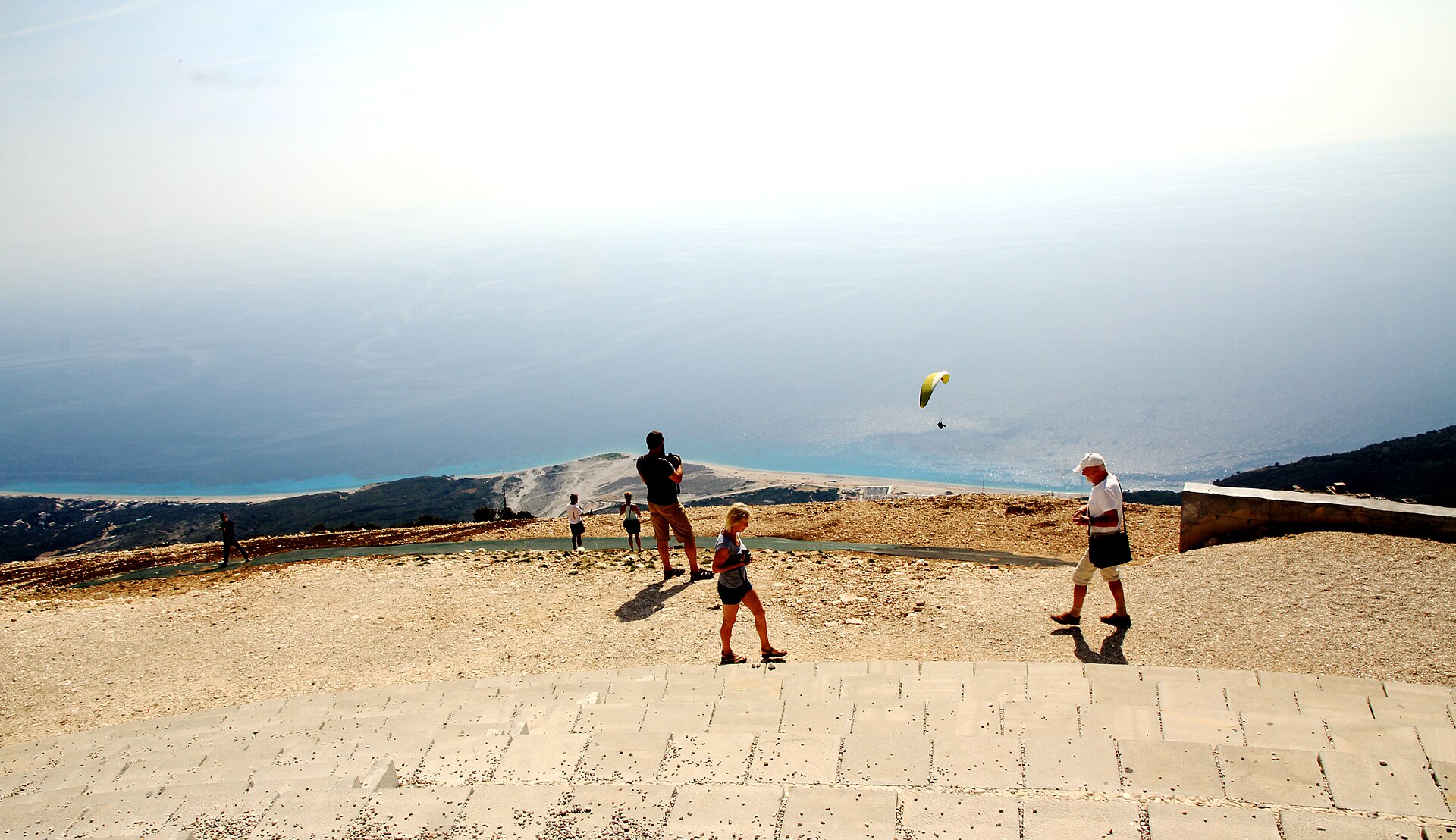
- Crossing Llogara Pass at sunset, with views over Karaburun and Corfu
- Hiking the Gjipe canyon down to the secluded beach
- Snorkelling along the rocky coves below the village
- Strolling among the centuries-old olive groves during the harvest, between October and December
- Trying a paragliding flight from Llogara National Park
- Dining on fresh fish on a terrace overlooking the Ionian Sea
- Exploring the village's stone alleys and small Orthodox churches
Surroundings: Dhërmi, Karaburun and the Riviera
Palasë is an excellent base for exploring the entire Albanian Riviera: a few minutes south lies Dhërmi, a more tourist-developed village with equipped beaches and summer nightlife; a little further on, Himara, seat of the municipality, with its more jagged coastline; to the north, beyond the Gulf of Vlorë, rises the wild Karaburun peninsula, now a national marine park, reachable by boat from Orikum or Dhërmi for excursions among caves and almost uninhabited coves. Those staying in Palasë can therefore alternate the village's intimate atmosphere with days in the coast's livelier centres, all while remaining just a few kilometres from both worlds.
FAQ
Come si raggiunge Palasë?
Quando è il periodo migliore per visitare Palasë?
Cosa vedere a Palasë in un giorno?
Dove si parcheggia per raggiungere la spiaggia di Gjipe?
Quanto tempo conviene restare a Palasë?
È adatto a famiglie con bambini?
Getting there
- Aeroporto Internazionale di Tirana Nënë Tereza, circa 3 ore d'auto
- Da Valona si segue la SH8 verso sud attraversando il Passo di Llogara (circa 40-45 minuti da Valona a Palasë); da Saranda si percorre la stessa SH8 verso nord passando per Himara e Dhërmi.
- La strada del Passo di Llogara è panoramica ma tortuosa: meglio percorrerla con calma, evitando le ore più calde in piena estate quando il traffico verso le spiagge della Riviera aumenta sensibilmente.
Perfect for
Calette rocciose e acqua trasparente lontane dalla folla, ideali per snorkeling e bagni tranquilli.
Il canyon di Gjipe e i sentieri del Parco di Llogara regalano camminate spettacolari tra montagna e mare.
Foreste di pino nero, uliveti secolari e panorami sulla penisola di Karaburun.
Pesce fresco, olio d'oliva locale e cucina semplice dei villaggi della Riviera.
Parapendio dal Passo di Llogara e campeggio libero vicino alla spiaggia di Gjipe.
To see
What to see in Palasë
Routes · Trovido Route
