

Scutari
In 1479, after a siege lasting months, the Ottoman army of Mehmet II finally broke the resistance of the Rozafa fortress, the last...
Updated 8 July 2026
Scutari
Explore
Towns in the province
This season · July · Summer
What to do in Scutari now
The story
The story of Scutari
Illyrian origins and the long history of Shkodra
Shkodra, in Albanian Shkodër, competes with few other Balkan cities for the title of oldest inhabited center in the region: archaeological excavations place a first Illyrian settlement as early as the 4th century BC, when the city, then called Scodra, was the capital of the kingdom of the Labeates and later, under Queen Teuta, a center of power that the Roman Empire had to confront directly in the Illyrian wars of the 3rd century BC. Conquered by Rome in 168 BC, Scodra later became a Byzantine province, then was contested between Serbian principalities, the Albanian Balsha family, and finally the Republic of Venice, which turned it into a defensive bulwark against the Ottoman East. Every era has left traces still legible today in the urban fabric and in the artifacts kept in the city's museums.
The Ottoman siege and the centuries under the Sublime Porte

1478-79 was the crucial year: Mehmet II's army laid siege to Rozafa and the city below, staunchly defended by the Venetians and Albanians commanded by Antonio Loredan. Once the fortress fell, Shkodra entered the Ottoman orbit and remained there for almost four hundred and fifty years, becoming the capital of a sanjak and later of a vilayet. Under Turkish rule the city grew rich with mosques, bazaars, and a multi-confessional fabric in which Catholics, Muslims, and later Orthodox Christians coexisted, building the religious tolerance that still characterizes Shkodra today, not for nothing called the city of many faiths.
Independence, the Balkan Wars, and the twentieth century
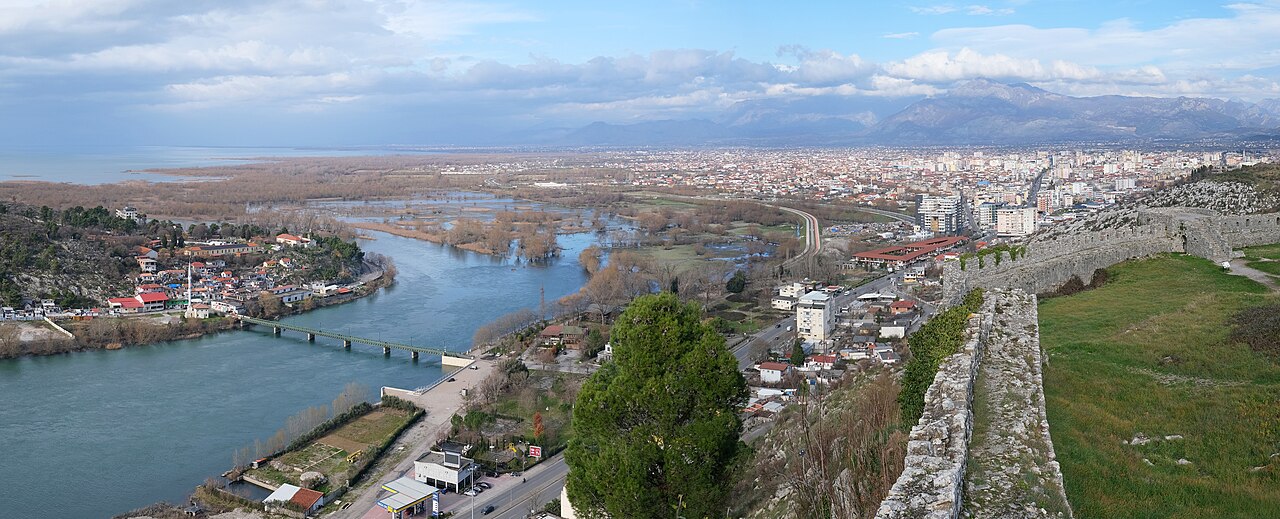
Shkodra played a leading role in the Albanian declaration of independence in 1912 and was at the center of territorial disputes during the Balkan Wars, when the Montenegrin army occupied it for several months before the European powers imposed its return to Albania. In the twentieth century the city remained an important cultural and Catholic hub, home to Jesuit and Franciscan colleges, before going through the harsh period of Enver Hoxha's communist regime, which closed places of worship and harshly repressed the local intellectual elite. Since the 1990s Shkodra has reopened its churches and mosques, gradually recovering its role as a cultural hinge between Albania, Montenegro, and the rest of the Balkans.
Rozafa Castle
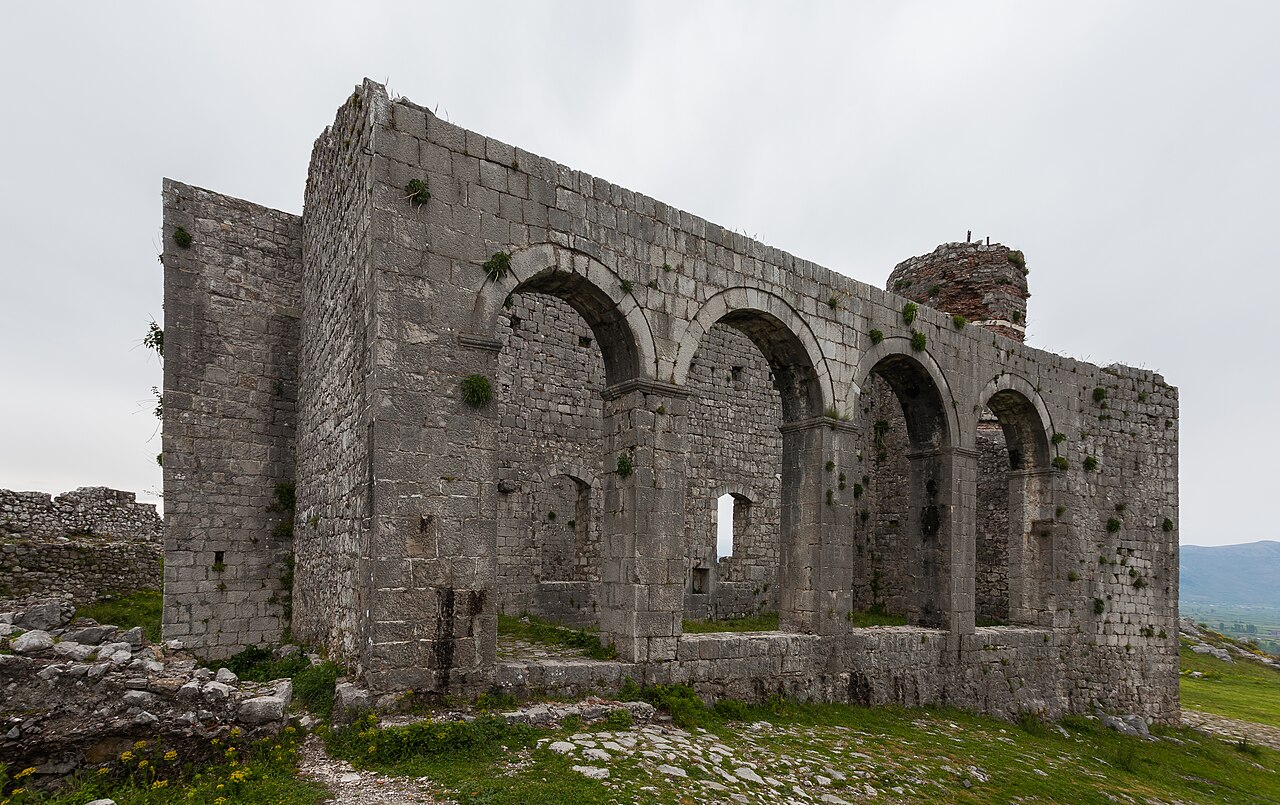
Perched on a rocky spur at the confluence of the Buna and Drin rivers, Rozafa Castle dominates Shkodra from a height that lets you take in the whole city, the lake, and the surrounding mountains at a glance. Its walls, partly Illyrian, partly Roman-Byzantine, and partly Venetian and Ottoman, tell two thousand years of defensive layering. The name comes from an orally transmitted legend: it is said that the fortress collapsed every night until one of the wives of the three brothers who were building it agreed to be walled up alive in the foundations, leaving only one breast exposed to nurse her son; still today a white liquid seems to seep from the rock, which locals call Rozafa's milk. Inside, the remains survive of a church transformed into a mosque and then again into a Christian place of worship, tangible evidence of the city's religious changes of hands.
The historic center and Peace Square
The urban heart of Shkodra preserves a nineteenth-century layout made of low stone houses, inner courtyards, and the famous covered bazaar still animated by artisan workshops. The Cathedral of St. Stephen, reopened for worship after the fall of communism, and the Lead Mosque, with its dome of metal plates built in the Ottoman era, stand a short distance from each other, a symbol of the city's interreligious coexistence. A short way outside the center is also the Shrine of Our Lady of Good Counsel, a pilgrimage destination for Albanian Catholics, which houses an icon considered miraculous and linked to a legend of supernatural transfer from Italy to Albania.
Lake Shkodra and life on the water
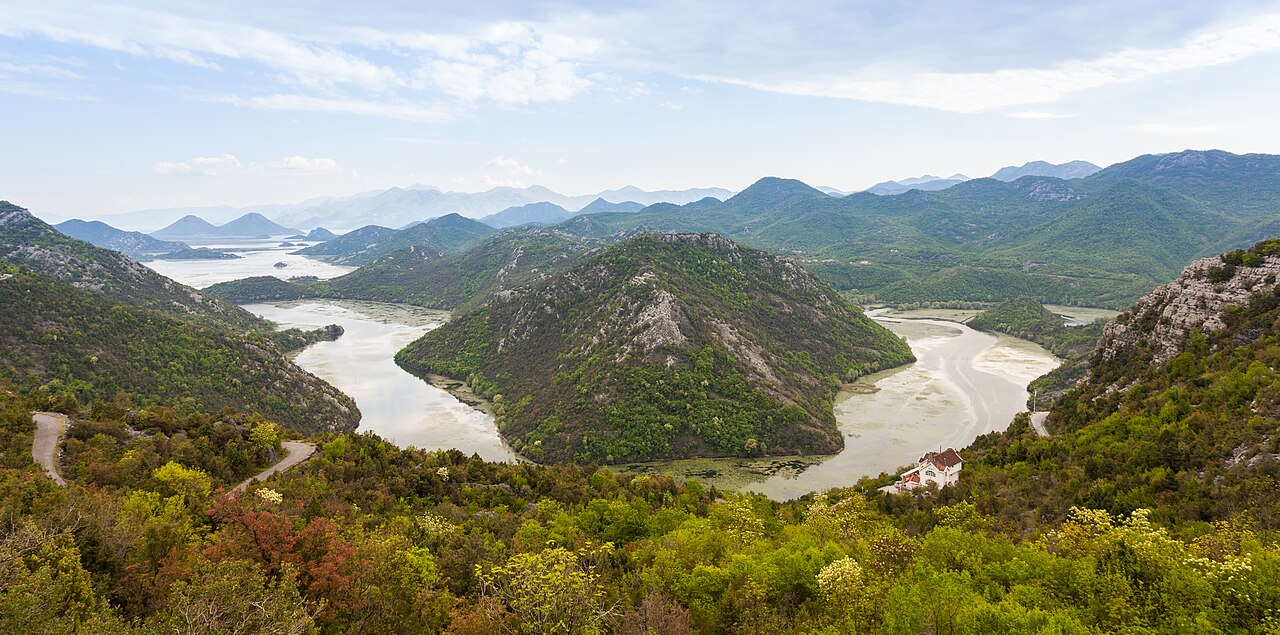
Lake Shkodra, shared with Montenegro, is the largest lake basin in the Balkans and an ecosystem of enormous natural value, home to pelicans, herons, cormorants, and dozens of fish species that sustain the traditional fishing still practiced by the lakeside villages. Its shores, dotted with reed beds, small harbors, and islets such as that of Shirg Monastery, lend themselves to slow, silent boat trips, particularly evocative at dawn when mist rises off the water. In summer the shallow waters warm quickly, making the lake swimmable in several spots frequented mostly by locals.
The Buna river and Velipoja, the window on the Adriatic
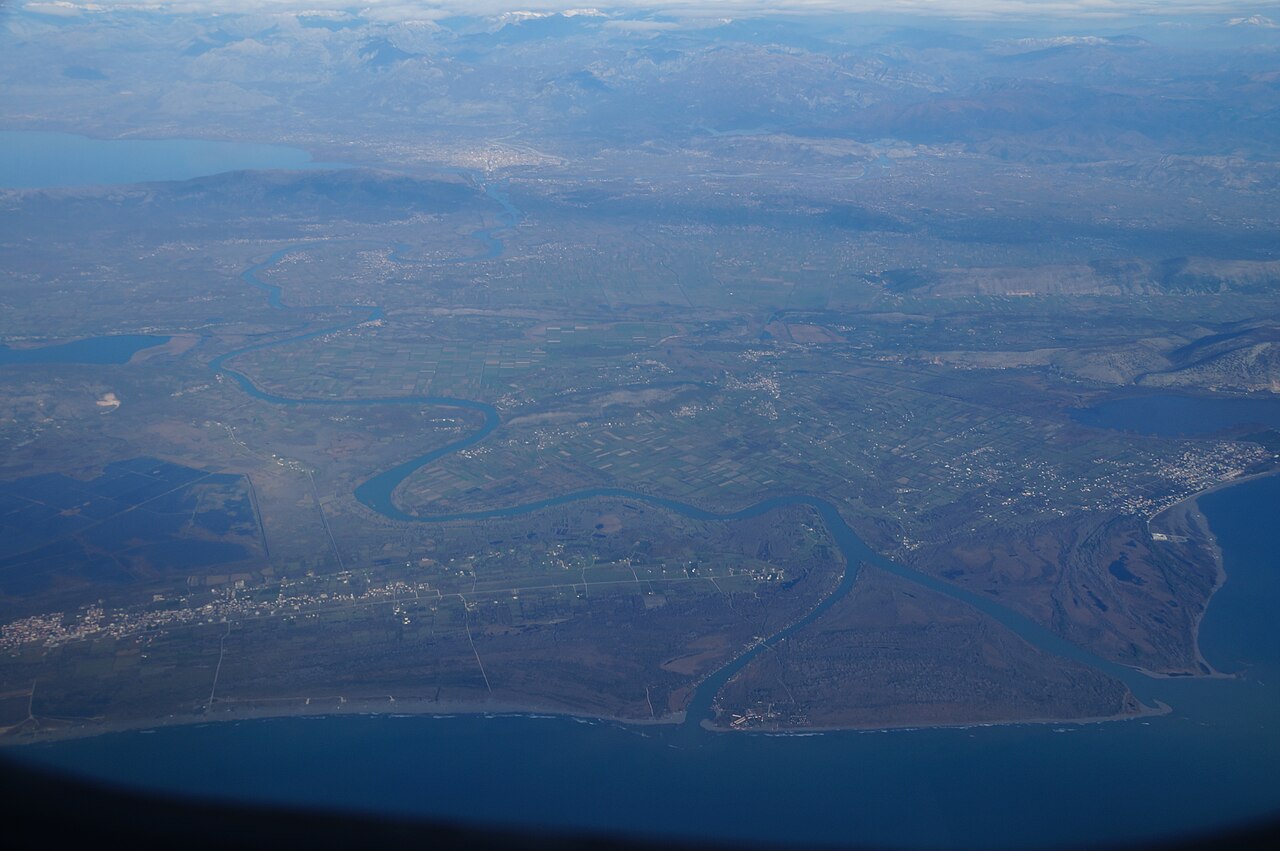
The Buna river is born from the lake, one of the few navigable waterways in the Balkans, flowing lazily between lush green banks until it reaches the Adriatic near Velipoja, where the province of Shkodra meets the sea. Here stretches a long sandy beach, still little developed compared to the southern Albanian riviera, partly protected as a natural area for the nesting of rare species. Sailing up the Buna by boat, among fishermen casting traditional nets and small restaurants built on stilts, is one of the most authentic experiences the province has to offer, far from the more beaten tourist circuits.
The Albanian Alps and Theth
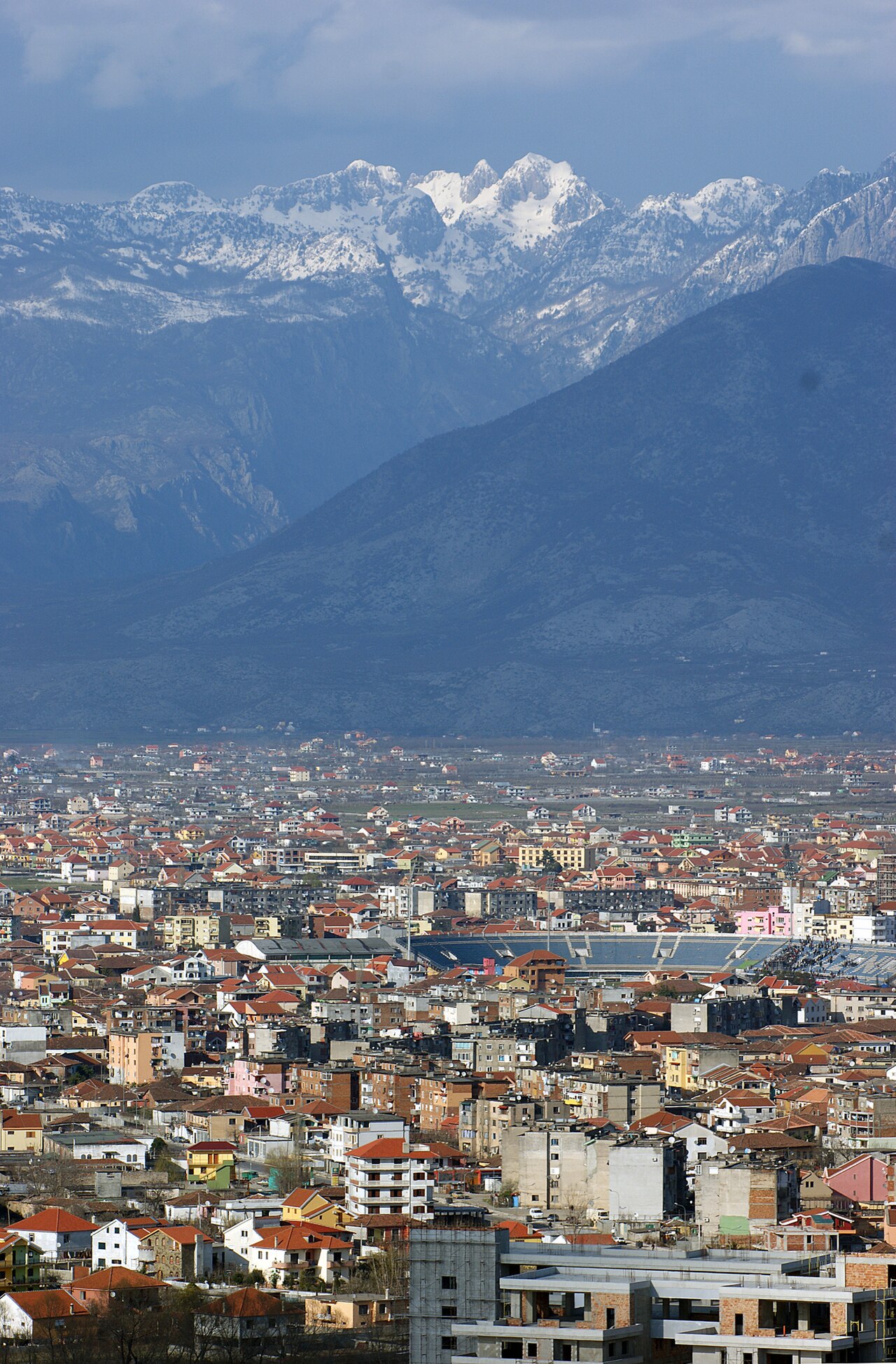
Northeast of Shkodra the landscape changes radically: the Albanian Alps begin, also known as the Accursed Mountains, a steep limestone massif that shelters the village of Theth, today a national park and a growing destination for Balkan trekking. Here stone towers survive, once a refuge for families caught up in blood feuds regulated by the Kanun, the ancient Albanian customary code, alongside isolated churches and trails linking Theth to Valbona over the Valbona Pass. The road to reach Theth from Shkodra, with its hairpin bends and canyons, is itself part of the experience.
Malësia and highland traditions
The Malësia region, the highlands north of the lake, preserves a rural way of life marked by shepherding, dry-stone architecture, and a strong sense of community still partly governed by the traditional rules of the Kanun of Lekë Dukagjini. The villages of this area, less visited by tourist flows, allow you to observe up close customs such as cheese-making, weaving, and patron saint festivals that enliven the summer with music, polyphonic singing, and dances in traditional costume, identity elements that the province of Shkodra guards with particular care.
Flavors of Shkodra: lake fish and mountain cuisine
Shkodra's cuisine reflects the province's dual lake and mountain soul: carp and other freshwater fish, grilled or stewed, often appear on the table alongside lamb dishes and aged cheeses from the highlands. Byrek, the savory filled pastry found throughout the Balkans, here takes on local variants with mountain herbs, while raki, a grape or plum brandy, accompanies almost every convivial meal. In the city markets you can still find near-zero-mile produce, a sign of a rural economy that endures alongside urban modernization.
When to go and how to experience the province
Spring and early autumn are the ideal times to explore Shkodra: temperatures are mild, the lake is in full birdwatching activity, and the mountains remain accessible without the intense heat of the Balkan summer. Summer, though hotter, is the best time to combine a cultural visit with a beach stay in Velipoja and for high-altitude trekking toward Theth, which remains snowbound or difficult in the winter months. A good itinerary allows at least two days for the provincial capital and the lake, and another two for an excursion to the Albanian Alps, perhaps on foot along a stretch of the trail linking Theth to Valbona.
- Rozafa Castle and its legend
- Historic center of Shkodra with bazaar, cathedral, and Lead Mosque
- Shrine of Our Lady of Good Counsel
- Boat trip on Lake Shkodra to Shirg Monastery
- Boat trip up the Buna river toward Velipoja
- Velipoja beach and natural area
- Village and national park of Theth
- Theth-Valbona trek through the Albanian Alps
- Traditional villages of Malësia
FAQ
Come si arriva a Scutari?
Quanto tempo serve per visitare la provincia?
Vale la pena visitare Scutari con bambini?
Dove si parcheggia nel centro di Scutari?
Qual è il periodo migliore per il trekking verso Theth?
Si può fare il bagno nel Lago di Scutari?
Getting there
- Aeroporto di Podgorica (Montenegro), circa 60 km
- Aeroporto Internazionale Madre Teresa di Tirana, circa 110 km
- Scutari è collegata a Tirana dalla superstrada SH1 (circa 2 ore d'auto) e al confine montenegrino di Hani i Hotit dalla stessa direttrice verso nord; da Theth e dalla Malësia si accede tramite strade di montagna in parte non asfaltate.
- Per l'escursione a Theth conviene affidarsi a un fuoristrada o a un minibus locale, poiché l'ultimo tratto di strada è stretto e panoramico ma impegnativo con auto a noleggio standard.
Perfect for
Duemila anni di stratificazioni tra Illiri, Romani, Veneziani e Ottomani si leggono nelle mura di Rozafa e nel centro storico di Scutari.
Il lago più grande dei Balcani, il fiume Buna e le vette delle Alpi Albanesi offrono paesaggi lacustri, fluviali e montani a poca distanza tra loro.
Theth e il passo verso Valbona sono tra le mete più amate degli escursionisti nei Balcani, con panorami dolomitici poco conosciuti fuori dall'Albania.
Cattedrali, moschee e santuari convivono a pochi passi l'uno dall'altro, testimoniando la storica tolleranza religiosa scutarina.
La spiaggia di Velipoja e le rive del Lago di Scutari permettono di alternare relax balneare ed escursioni naturalistiche in barca.
To see
What to see in Scutari
Routes · Trovido Route
