

Pilos
Overlooking the cobalt waters of the Ionian Sea, in the south-western region of the Peloponnese, Pylos (also known as Navarino) st...
Updated 8 July 2026
This season · July · Summer
What to do in Pilos now
The story
The story of Pilos
A millennia-old history between myth and diplomacy
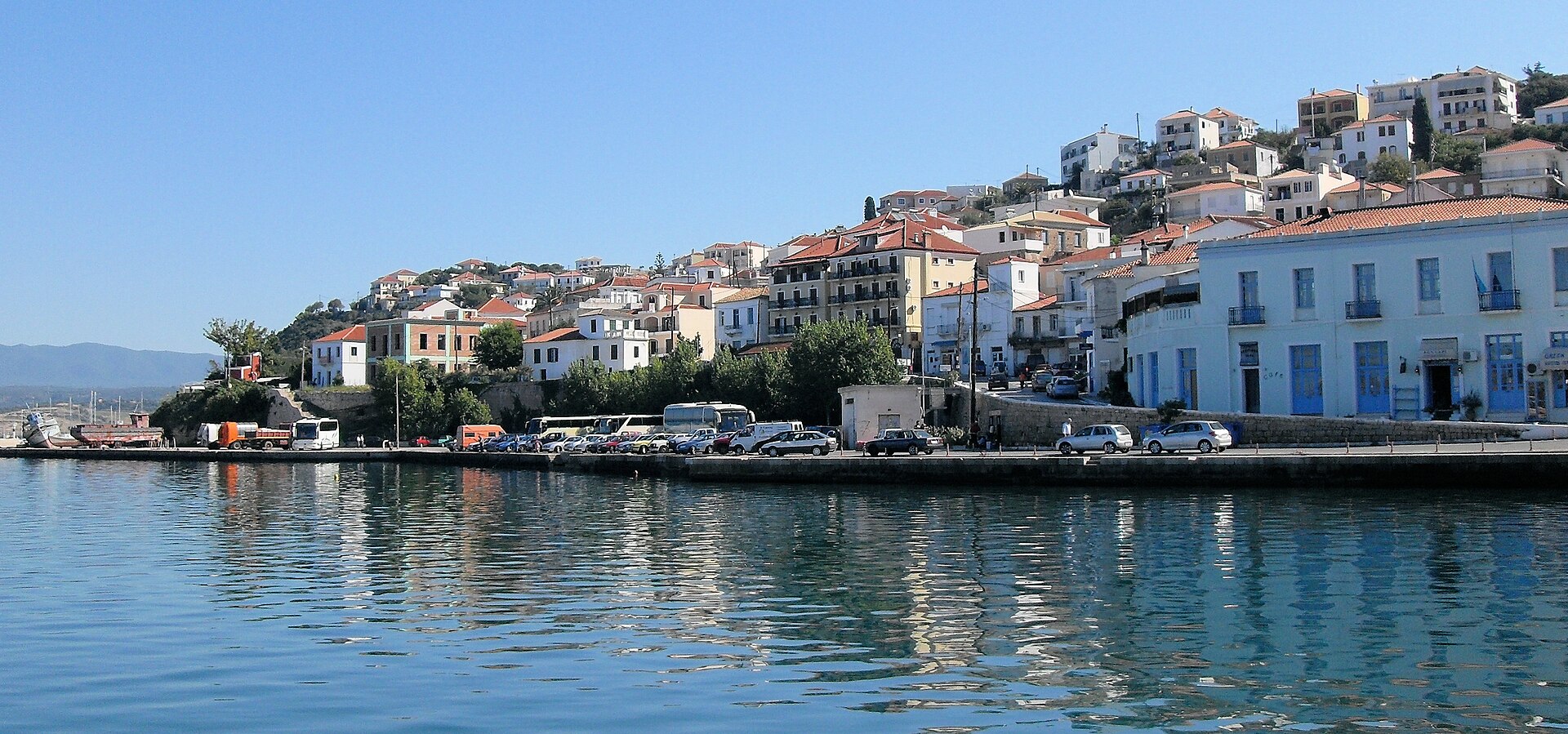
The origins of Pylos date back to the Bronze Age, when it became the nerve centre of one of the most powerful Mycenaean kingdoms under the rule of the Neleid dynasty. After a long period of decline following the destruction of the Mycenaean palaces, the area returned to prominence during the Peloponnesian War, with the famous battle in which the Athenians prevailed over the Spartans on the nearby island of Sphacteria. Over the centuries, the strategic position of Navarino Bay attracted the ambitions of Venetians and Ottomans, who fought over control of the harbour, building imposing fortifications. The most iconic event, however, remains the Battle of Navarino in 1827, the last great clash between sailing ships in history, in which the allied fleets of Great Britain, France and Russia destroyed the Turkish-Egyptian fleet. The town's current urban layout owes much to the intervention of French military forces during the Morea expedition of 1829, who designed a modern centre while maintaining a harmonious link with the coastal landscape.
The Palace of Nestor: an echo of Homer
Located on the hill of Ano Englianos, a few kilometres from the modern town centre, the Palace of Nestor is the best-preserved Mycenaean site in all of Greece. Brought to light in 1939, this complex was not merely a royal residence, but a sophisticated administrative centre. The heart of the palace is the Megaron, the throne room, where the great circular hearth decorated with geometric motifs can still be seen. Here, hundreds of clay tablets inscribed in Linear B were discovered, essential to deciphering this ancient Greek script. Visiting the site today, protected by a modern metal structure that allows visitors to admire the excavations from above, means immersing oneself in the world described in the Odyssey, imagining the welcome given by the wise Nestor to Telemachus, son of Ulysses, who arrived here seeking news of his father.
Niokastro: the new fortress by the sea
Dominating the southern entrance to the bay stands Niokastro, the "new fortress" built by the Ottomans in 1573. This fortified complex is one of the most intact examples of military architecture of its era and offers a breathtaking view over the entire gulf. Inside, visitors can explore the imposing perimeter walls, the bastions and the mosque converted into the Church of the Transfiguration of the Saviour, a building that bears witness to the shifts of faith and domination the place has undergone. Niokastro today also houses an interesting underwater archaeology museum, displaying artefacts recovered from the numerous wrecks resting on the bay's seabed. Walking along its ramparts at sunset, when the stone turns orange and the island of Sphacteria seems within arm's reach, is an experience that reconnects deeply with the naval history of the Mediterranean.
Paleokastro and Nestor's Cave
On the northern side of the bay, perched on the Coryphasium promontory, stands Paleokastro, the old fortress dating back to the 13th century, built by the Franks on the ruins of the ancient acropolis of Pylos. Although today largely in ruins and requiring a demanding walk to reach, the site rewards the effort with an unrivalled panorama over the Gialova Lagoon and Voidokilia beach. Just below the fortress walls lies Nestor's Cave. According to mythology, it was here that the young Hermes hid the cattle he had stolen from Apollo. The cave is characterised by tall rocky walls and stalactites, and its strategic position allows a commanding view over the perfect arc of the Voidokilia bay below, creating a unique blend of archaeology, geology and legend.
Voidokilia: nature's perfection
Often cited among the most beautiful beaches in the world, Voidokilia is a masterpiece of nature. Its almost perfect semicircular shape, reminiscent of the Greek letter omega (Ω), encloses crystal-clear waters in shades of turquoise and emerald, protected by two rocky headlands that leave only a small opening towards the open sea. The sand is fine and golden, surrounded by dunes that host rare flora. Being part of a protected area (Natura 2000), the beach is free of beach clubs and tourist facilities, retaining a wild and primordial appearance. It is the ideal place for those seeking peace and wishing to immerse themselves in a landscape that seems to have remained unchanged since the time of Homer. Access is via paths that cross the Mediterranean scrubland, turning arrival at the beach into a small ritual of discovery.
The Gialova Lagoon and the island of Sphacteria
The ecosystem around Pylos is extraordinarily rich. The Gialova Lagoon, separated from the sea by a thin strip of land, is one of the most important wetlands in the Balkans. It is a paradise for birdwatching, home to over 270 bird species, including pink flamingos, herons and the rare African chameleon, which in Europe lives only here. At the centre of the bay stands the island of Sphacteria, a long strip of rock that acts as a natural breakwater. The island is an open-air memorial: it hosts monuments dedicated to the Greek, French, Russian and British sailors who fell during the Battle of Navarino. It can be visited on boat trips departing from the port of Pylos, exploring its steep cliffs and small hidden coves where history still seems to resonate on the wind.
The heart of the town: Three Admirals' Square
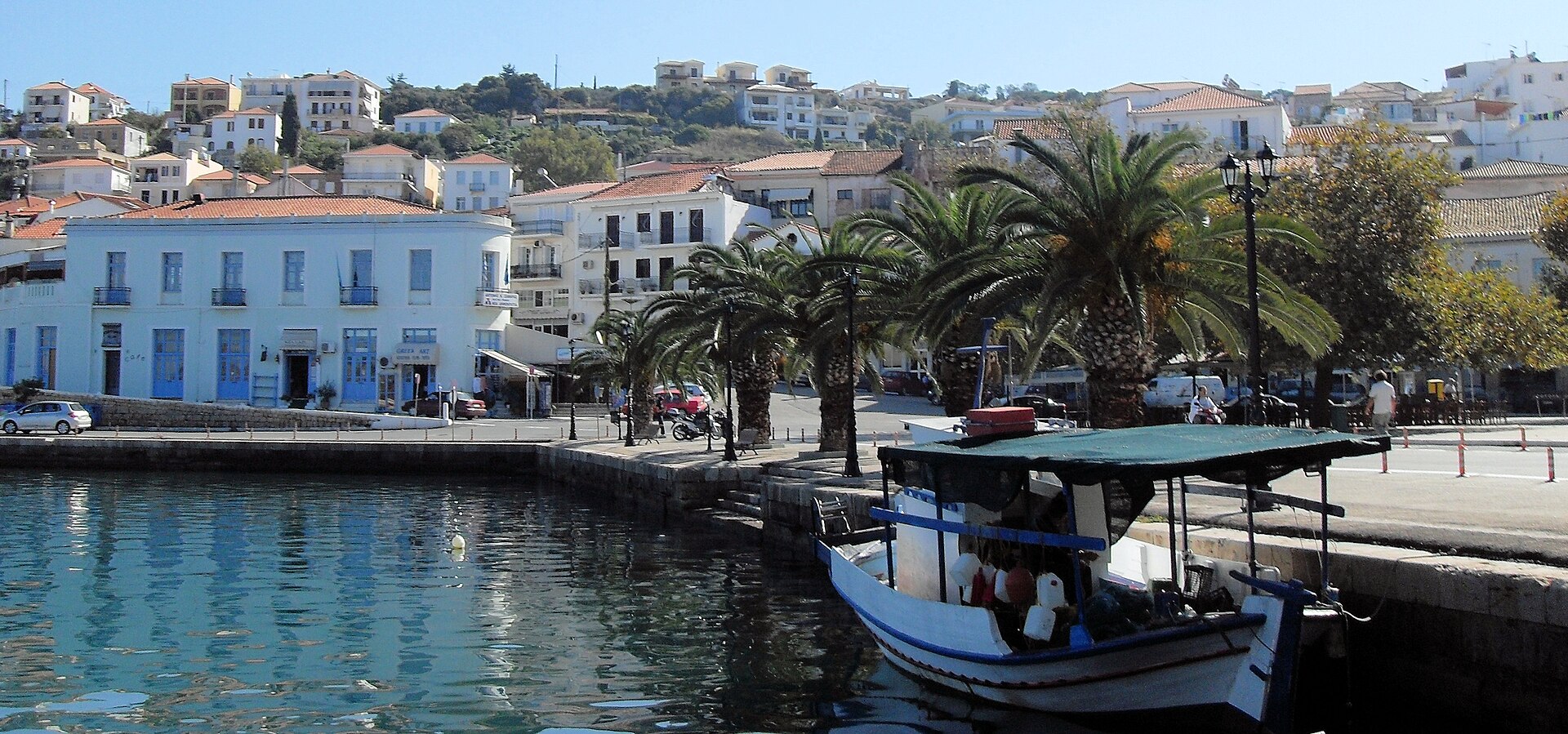
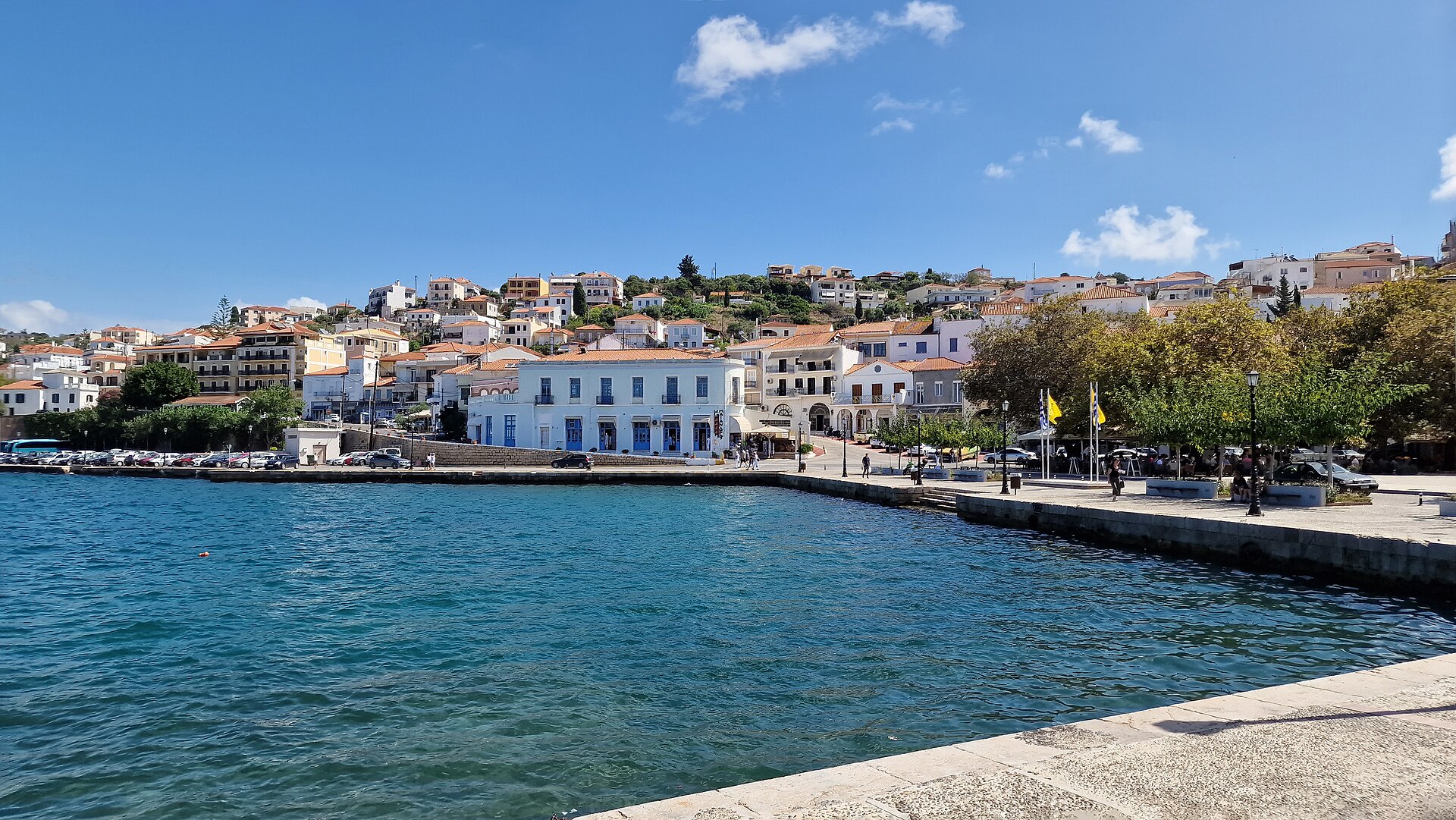
The social life of Pylos revolves around the majestic Three Admirals' Square (Platia Trion Navarchon). Shaded by centuries-old plane trees that offer a blessed respite during hot summer days, the square is surrounded by arcaded buildings housing cafés, taverns and small craft shops. At its centre stands the monument dedicated to the commanders of the allied fleets (Codrington, de Rigny and Heyden) who won the 1827 battle. Sitting here for a Greek coffee or an ouzo means watching the slow flow of local daily life: elderly men chatting animatedly, children playing and tourists enjoying the relaxed atmosphere. From the square, narrow cobbled streets wind up the hill, offering sudden glimpses of the deep blue sea shimmering between the white walls of the houses.
Flavours and traditions of Messenia
Pylos lies in one of the most fertile agricultural regions of Greece, renowned above all for the production of superior-quality olive oil (Koroneiki variety). Local cuisine reflects this abundance: simple dishes with intense flavours, where the oil is the undisputed star alongside Kalamata olives. Not to be missed is spit-roasted suckling pig (gournopoula), a local speciality, along with dishes made from freshly caught fish from the bay. Among the desserts, diples (pastry sheets fried and drizzled with honey) and pasteli (a sesame and honey bar) stand out. Popular culture is still alive in religious festivals and summer fairs, where traditional music and group dances involve the whole community, offering visitors an authentic glimpse of Greek hospitality, known as filoxenia.
Not-to-be-missed experiences in Pylos
- Rent a small motorboat to explore the sea caves and monuments of the island of Sphacteria independently.
- Walk the trail leading from the Palace of Nestor to Voidokilia for a hike blending history and nature.
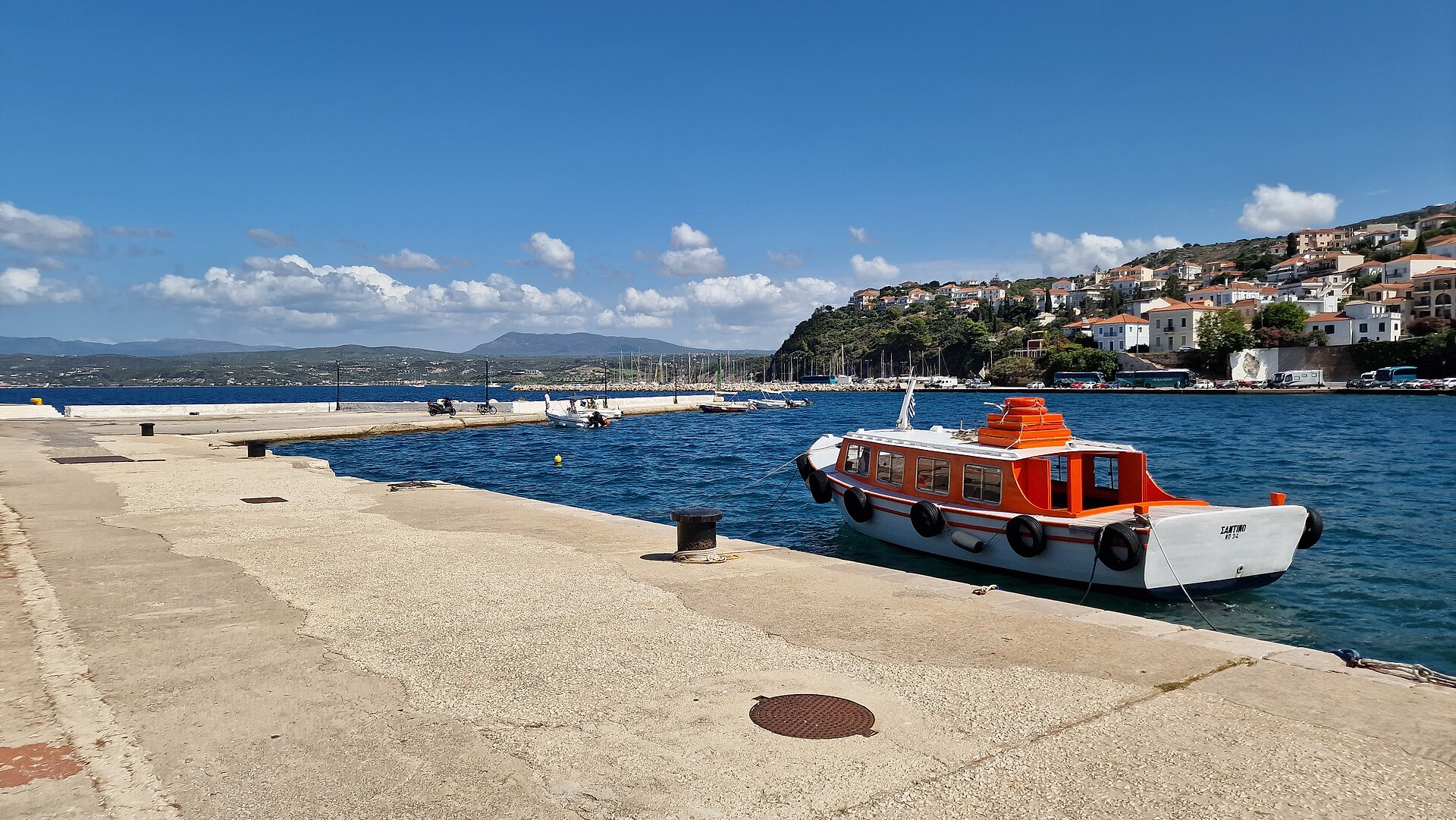
- Enjoy a sunset drink at one of the bars overlooking the harbour, watching the sun disappear behind the rocks of Sphacteria.
- Visit the village of Gialova for a gourmet dinner by the sea, sampling modern reinterpretations of Messenian cuisine.
- Explore the remains of the Venetian aqueduct located just outside the town, a striking piece of engineering set amid greenery.
When to go and how to experience the place
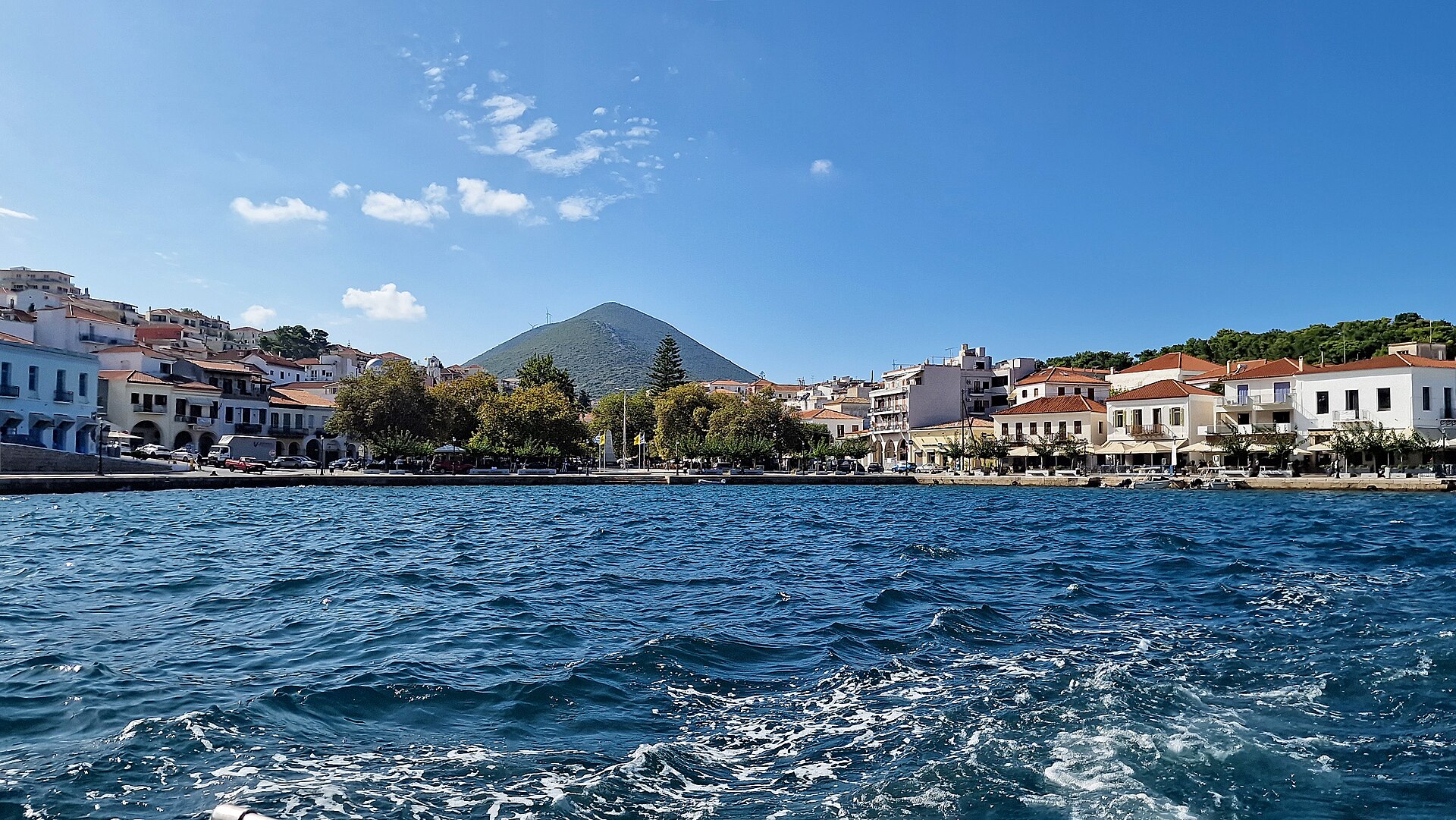
The ideal time to visit Pylos is spring (April–June) or early autumn (September–October). During these months the climate is mild, perfect for archaeological excursions and hiking, and nature is either in full bloom or displaying the warm colours of the grape harvest. Summer is hot and lively, ideal for those seeking a beach holiday, although the most famous sites such as Voidokilia can get crowded during the middle hours of the day. To experience Pylos like a local, leave the car behind and get around on foot in the centre, let yourself be guided by the scent of bakeries in the morning, and don't rush: in Pylos, time follows the rhythm of the sea and the breeze rising from the harbour, inviting calm and rejuvenating contemplation.
FAQ
Quanto tempo occorre per visitare Pilos?
La spiaggia di Voidokilia è attrezzata?
È adatta alle famiglie con bambini?
Dove si può parcheggiare a Pilos?
Getting there
- Aeroporto Internazionale di Kalamata (KLX) - 45 km
- Non ci sono collegamenti ferroviari diretti; la stazione più vicina è a Corinto, poi si prosegue in bus o auto.
- Da Atene si percorre l'autostrada A7 verso Kalamata, poi si segue la statale per circa 50 minuti fino a Pilos (totale circa 3 ore).
- Noleggiare un'auto è fondamentale per esplorare i siti archeologici e le spiagge circostanti con libertà.
Perfect for
Un viaggio nel tempo tra i fasti dei palazzi micenei e le imponenti fortezze medievali e ottomane.
Perfetto per gli amanti del birdwatching nella laguna di Gialova e per chi cerca spiagge incontaminate come Voidokilia.
Il luogo simbolo dell'indipendenza greca, con monumenti e relitti che raccontano secoli di battaglie sul mare.
To see
