

Loutraki
Nestled along the shimmering shores of the Gulf of Corinth, Loutraki emerges as a gem of rare elegance, where the primordial force...
Updated 8 July 2026
This season · July · Summer
What to do in Loutraki now
The story
The story of Loutraki
From the ancient Thermae to a modern rebirth
The history of Loutraki has its roots in myth and geology. In antiquity it was known as 'Thermae', a name that already declared its healing vocation. Xenophon recounts that Spartan soldiers sought relief there after the exertions of battle, recognizing the regenerative power of its hot waters. Under Roman rule, the place's fame grew further, drawing patricians and travelers from every corner of the Empire. However, Loutraki's destiny took a decisive turn in the 19th century: in 1847, the official identification of the therapeutic properties of its mineral springs paved the way for the construction of the first modern thermal establishment in 1855. The town became the favored destination of Greek and international nobility, a rise abruptly interrupted by the devastating earthquake of 1928. That tragic event, however, allowed for its reconstruction according to the canons of modernist and art deco architecture, giving it the elegant, orderly look that still characterizes it today.
Loutraki Thermal Spa: the beating heart of wellness
The Loutraki Thermal Spa represents the architectural and functional evolution of the town's millennia-old tradition. Housed in a building that blends classical lines with contemporary design, the center draws on waters that flow naturally at a temperature of about 30 degrees. These waters, rich in mineral salts and trace elements, are celebrated for their benefits to the muscular and skeletal system, as well as for their dermatological properties. Visiting the Spa is not merely an act of personal care, but a way of connecting with the geological history of the Peloponnese. The large windows allow one to relax in the indoor pools while gazing at the sea, creating a visual continuum between the thermal water and the blue of the Gulf of Corinth, an experience that alone justifies the trip.
The Heraion of Perachora: a sanctuary between sky and sea
A short distance from the town center, at the far tip of the peninsula that closes off the gulf, stands the Heraion of Perachora, one of the most evocative archaeological sites in all of Greece. Dedicated to the goddess Hera, the sanctuary dates back to the 8th century BC and is divided into two main sections: the Hera Akraia (by the shore) and the Hera Limenia (a little further up). What makes this place unique is its dramatic setting: the remains of the temples, the agora and the cisterns lie just a few meters from the surf, set within a small bay sheltered by steep cliffs. One can walk among the Doric foundations and then dive into the transparent waters below, enjoying a perspective that unites archaeology and nature in an unforgettable embrace, watched over from above by the Cape Melagavi lighthouse, one of the oldest and most photographed in the country.
The Monastery of Ossios Patapios
Perched on the slopes of the Geraneia Mountains, at an altitude of about 700 meters, the Monastery of Ossios Patapios is a place of profound spirituality and silence. Founded in 1952 around a cave where the saint's intact relics were discovered in 1904, the monastery is today an important pilgrimage center. To reach it, one follows a scenic road offering breathtaking views over the Isthmus of Corinth and its two gulfs, the Saronic and the Corinthian. Inside the cave, frescoed with Byzantine icons of rare intensity, an atmosphere of absolute peace reigns. The complex, tended with devotion by the nuns, also includes small chapels and flowering gardens that seem suspended between the rocks and the sky, offering a view that on clear days stretches all the way to the mountains of the central Peloponnese.
Lake Vouliagmeni: the blue lagoon
About 16 kilometers from Loutraki lies Lake Vouliagmeni, a saltwater lagoon connected to the sea by a thin channel just a few meters wide. Surrounded by lush vegetation and gentle hills, the lake is a unique ecosystem where the waters are calm, warm and incredibly clear. Along its shores are small traditional taverns where you can enjoy the freshest fish with your feet almost in the water. It is the ideal place for those seeking a day of relaxation away from the currents of the open sea, perfect for snorkeling or simply for savoring the slow pace of Greek time. In the evening, when the lights of the taverns reflect on the still surface of the water, Vouliagmeni turns into a romantic, timeless scene.
The Loutraki Casino: charm and entertainment
A symbol of the town's modernity and worldly vibrancy, the Club Hotel Casino Loutraki is one of the largest and most luxurious complexes in Europe. It is not merely a temple of gambling, but a genuine attraction hub offering shows, high-level dining and a fully equipped private beach. Its imposing architecture dominates the northern stretch of the seafront and draws visitors from all over the world. Even for those who are not fond of gambling, a visit to the casino offers immersion in a cosmopolitan atmosphere, testifying to the economic and touristic importance Loutraki has managed to maintain over the decades, evolving its offerings for a demanding international audience.
Landscape and Nature: the Geraneia Mountains
Loutraki's landscape is defined by the contrast between the marine horizon and the imposing bulk of the Geraneia Mountains. This mountain range, which shields the town from northerly winds, is a paradise for hikers and trekking enthusiasts. The trails wind through fragrant pine forests, oaks and Mediterranean scrub, leading to hidden springs and dizzying panoramic viewpoints. The area's biodiversity is remarkable, with numerous endemic species of flora and fauna. Exploring the Geraneia means discovering the wild side of the Peloponnese, far from the crowded beaches, where the air stays fresh even in midsummer and the scent of resin and wild oregano accompanies every step toward peaks that rise above 1,300 meters.
Traditions and flavors of the land
Loutraki's gastronomic culture is a hymn to the Mediterranean diet, enriched by the purity of its mineral water, bottled and exported around the world. Besides the fish from the Gulf of Corinth, simply grilled, one cannot leave town without having tasted the local sweets. The famous 'amygdalota' (almond sweets) and the thyme honey produced on the Geraneia Mountains are absolute excellences. Popular traditions come alive in religious festivals, such as that of Saint Patapios in December or the celebration of Panagia Giatrissa in September, moments in which the community gathers for processions, traditional dances and open-air markets, offering visitors an authentic glimpse of contemporary Greek life.
- Take a sunset swim at the Heraion of Perachora.
- Try a hydrotherapy massage with natural thermal water.
- Climb the 144 steps leading to the Monastery of Ossios Patapios for the panoramic view.
- Dine at a tavern on the shores of Lake Vouliagmeni.
- Stroll along Loutraki's seafront at sunset, when the sky turns violet.
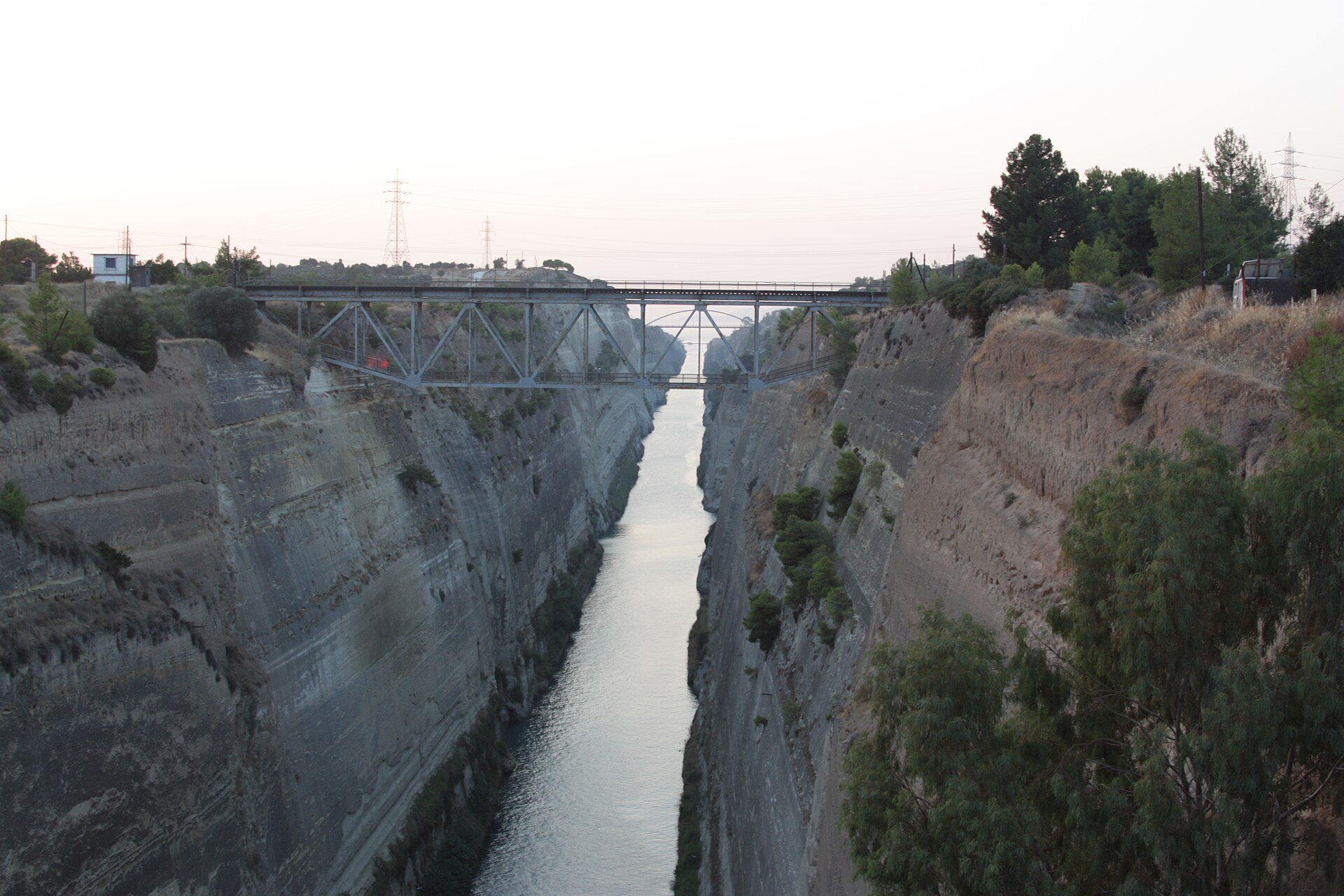
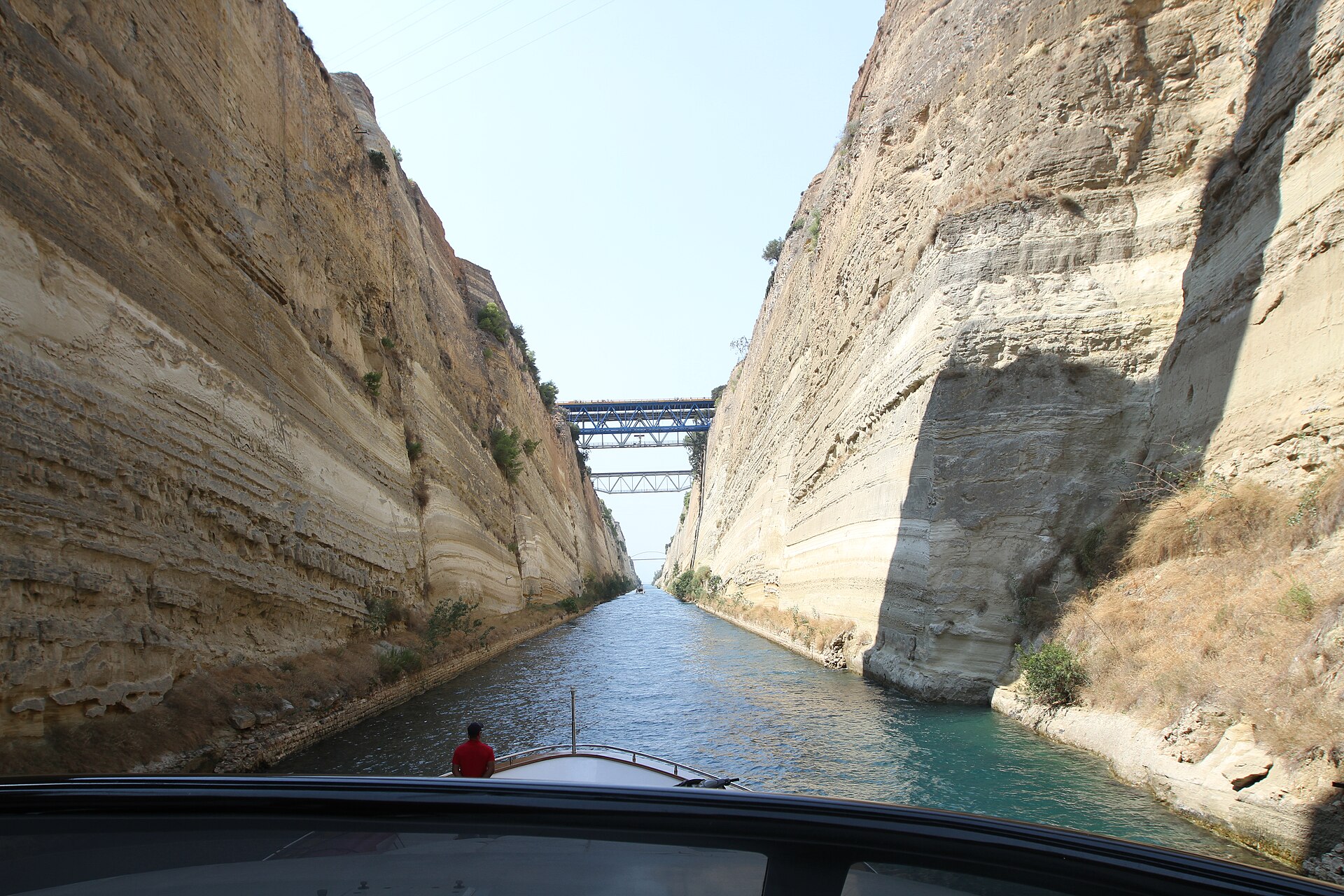
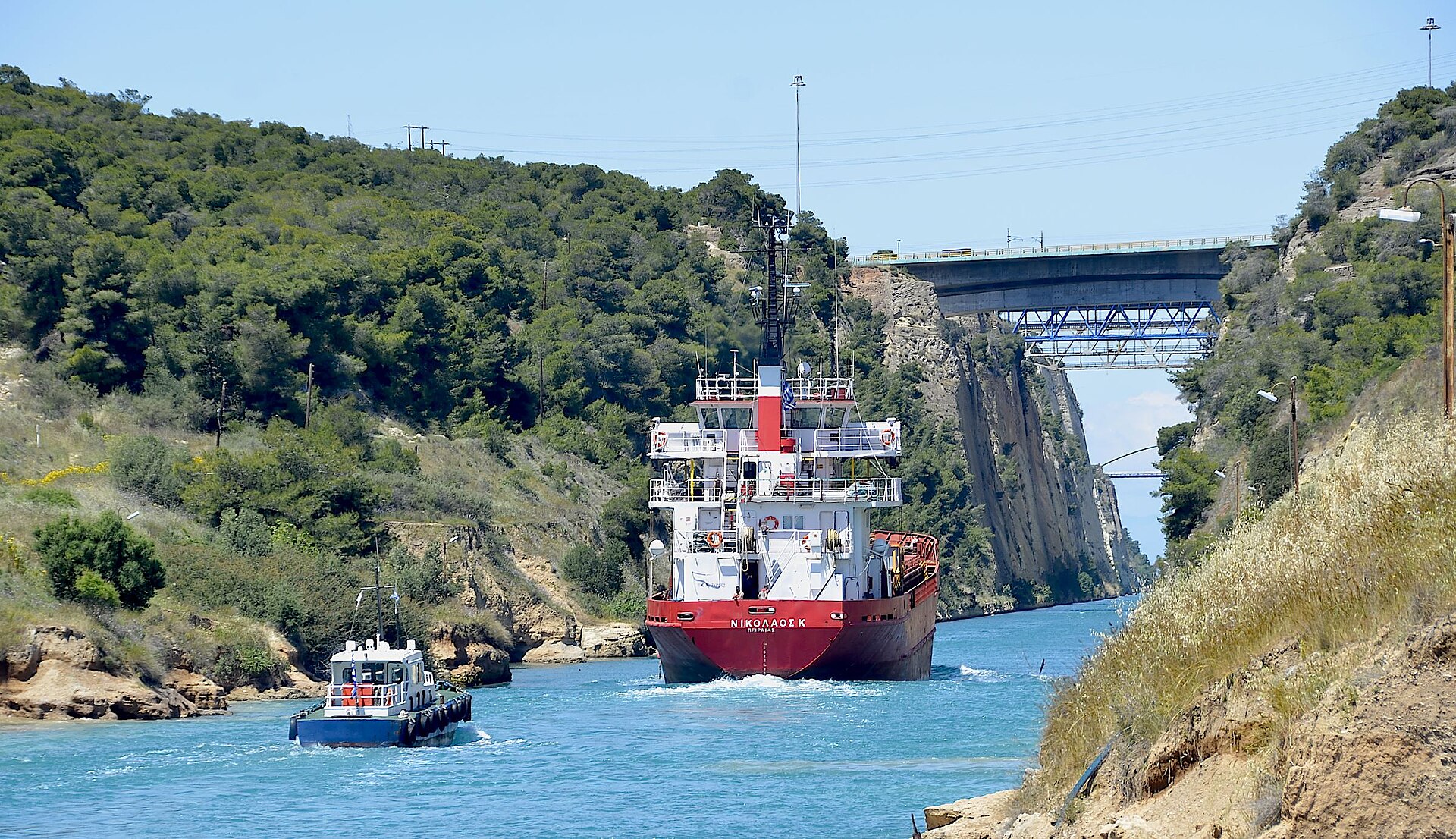
- Visit the Corinth Canal, located just a few kilometers away.
When to go and how to experience the town
Loutraki is a year-round destination, thanks to its mild microclimate. Summer is perfect for those seeking the sea and nightlife, with the seafront buzzing with activity until late at night. However, spring and autumn are the best periods for those wishing to combine thermal relaxation with excursions in the Geraneia Mountains or visits to archaeological sites, avoiding the intense heat of July and August. Even winter has its charm: the hot springs offer a pleasant contrast with the crisp air, and the town takes on a more intimate, reflective character, ideal for a weekend of total rejuvenation far from the chaos of big cities.
FAQ
L'acqua del rubinetto a Loutraki è potabile?
Quanto tempo serve per visitare Loutraki?
È una meta adatta alle famiglie?
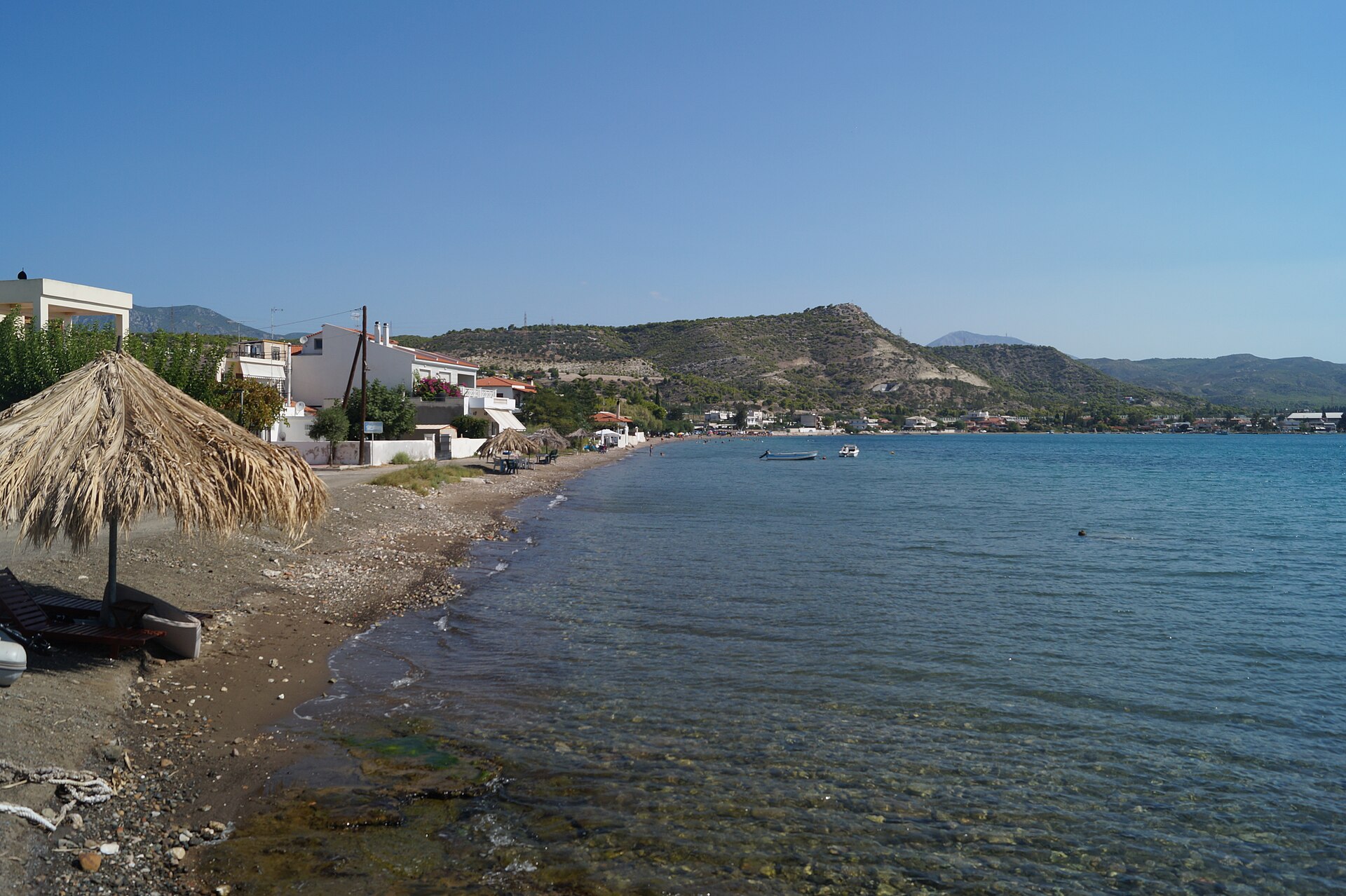
Come sono le spiagge a Loutraki?
È necessario noleggiare un'auto?
Getting there
- Aeroporto Internazionale di Atene Eleftherios Venizelos (circa 85 km)
- Linea Proastiakos (treno suburbano) da Atene o dall'aeroporto fino alla stazione di Corinto, poi breve tragitto in taxi o bus.
- Percorrere l'Autostrada A8 (Atene-Patrasso) e uscire a Loutraki subito dopo aver superato il Canale di Corinto.
- Se arrivate da Atene, fate una sosta fotografica al ponte vecchio sul Canale di Corinto prima di entrare in città.
Perfect for
Una delle capitali termali storiche d'Europa, ideale per cure idropiniche e trattamenti spa d'avanguardia.
La vicinanza all'Heraion e a Corinto Antica la rende una base perfetta per gli amanti della storia greca.
Tra le vette dei monti Geraneia e la laguna salata di Vouliagmeni, offre scenari naturali unici e variegati.
To see
Da vedere a Loutraki
Routes · Trovido Route
