

Korinthos
Suspended between two seas and two worlds, Corinth is far more than a mere waypoint along the isthmus separating Attica from the P...
Updated 8 July 2026
This season · July · Summer
What to do in Korinthos now
The story
The story of Korinthos
A history of hegemony and rebirth
The history of Corinth is inextricably linked to its geography. Inhabited since the Neolithic period, the city became one of the most influential Greek poleis in the 7th century BC under the Bacchiad dynasty and the tyrant Cypselus. It was an age of splendour in which Corinth founded famous colonies such as Syracuse. Its fortune stemmed from the 'Diolkos', a paved trackway that allowed ships to cross the isthmus overland, avoiding the perilous circumnavigation of the Peloponnese. After leading the Achaean League against Roman expansion, the city suffered an exemplary punishment: in 146 BC the consul Lucius Mummius razed it to the ground. It was Julius Caesar who once again saw its potential, refounding it in 44 BC as a Roman colony. This 'second life' led it to become the capital of the province of Achaea, a cosmopolitan and opulent metropolis, before passing under Byzantine, Frankish, Venetian and finally Ottoman rule, always retaining its role as sentinel of the Peloponnese.
The Corinth Canal: a millennia-old dream
The Corinth Canal is one of the world's most iconic feats of engineering, a perfect vertical wound cutting through the rock for over six kilometres. Although completed only in 1893, the project was contemplated by many in antiquity: from the tyrant Periander to Nero, who went so far as to personally dig the first furrow with a golden spade. Today, watching a ship pass beneath the bridges spanning it is a breathtaking experience; the limestone walls, up to 80 metres high, seem almost to graze the sides of the vessels. The canal has turned the Peloponnese into a technical island, shortening maritime routes and offering visitors a unique panorama where human ingenuity confronts the force of geology.
The Temple of Apollo: the elegance of archaic Doric
Among the ruins of ancient Corinth, the Temple of Apollo stands out as the most striking and recognisable monument. Built around 540 BC, it is one of the finest surviving examples of archaic Doric architecture. What makes it special is its monolithic structure: unlike other Greek temples, its columns were carved from a single block of local limestone, originally coated with a thin layer of white stucco. Of the thirty-eight original columns, seven remain today, pointing skyward with an expressive force that time has not diminished. Their silhouette, outlined against the profile of Acrocorinth, is the symbolic image of the ancient city and bears witness to the polis's wealth at the height of its glory.
The Acropolis of Acrocorinth: the fortress among the clouds
Acrocorinth is not simply an acropolis, but a genuine fortified mountain that dominates the plain below from a height of over 500 metres. Considered one of the most impregnable fortresses in Greece, its walls enclose millennia of military history. Inside are fascinating layers: remains of classical temples (such as that of Aphrodite on the summit), Byzantine churches, Venetian towers and Ottoman minarets. Climbing up here means venturing into a labyrinth of fortified gates and bastions, but above all enjoying a 360-degree view embracing the Gulf of Corinth, the Saronic Gulf and, in the distance, the snow-capped peaks of Parnassus. It is a place where the wind tells tales of sieges and gods, unmissable for anyone wishing to understand the strategic value of this land.
The Roman Agora and the Bema of Saint Paul
The beating heart of public life in Roman Corinth was its vast Agora, a monumental square surrounded by porticoes, shops and fountains. Among the remains, the Bema stands out, a raised marble platform from which magistrates addressed the crowd. This place holds immense historical and religious value: it is here that, according to the Acts of the Apostles, Saint Paul was brought before the proconsul Gallio to answer accusations levelled by the local Jewish community. Beside the Agora stands the splendid Fountain of Peirene, a thermal and water complex that harnessed underground springs, decorated with frescoes and marble that still hint at the extreme luxury of the imperial city.
The Archaeological Museum of Corinth
Located within the archaeological site, the museum is an essential stop for putting a face and a name to the inhabitants of the ancient city. Its rooms hold priceless treasures, including the famous Kouroi of Tenea, two archaic statues of astonishing beauty and integrity. Of particular interest are the Roman mosaics from patrician villas, displaying exceptional technical skill and chromatic vibrancy. The museum also devotes a large section to finds linked to religious cults and daily life, allowing visitors to understand how Corinth was a crossroads of cultures, where Greek traditions, Roman influences and eastern cults coexisted in harmony.
Surroundings and towns: from Loutraki to Isthmia
The Corinthian territory offers detours of great interest beyond the main centre. A few kilometres away lies Loutraki, famous since antiquity for its curative thermal waters and today a lively seaside resort with a modern casino. Continuing along the coast, one reaches Isthmia, home of the Isthmian Games which in antiquity rivalled those of Olympia; here you can visit the remains of the Temple of Poseidon. To the south, the port of Kechries (ancient Cenchreae) preserves the submerged remains of the quays from which Saint Paul set sail for Ephesus. For those seeking unspoiled nature, the hinterland offers Lake Vouliagmeni, a coastal lagoon linked to the sea by a narrow channel, ideal for a rejuvenating stop amid crystal-clear waters and fish taverns.
Landscape and nature: between isthmus and mountains
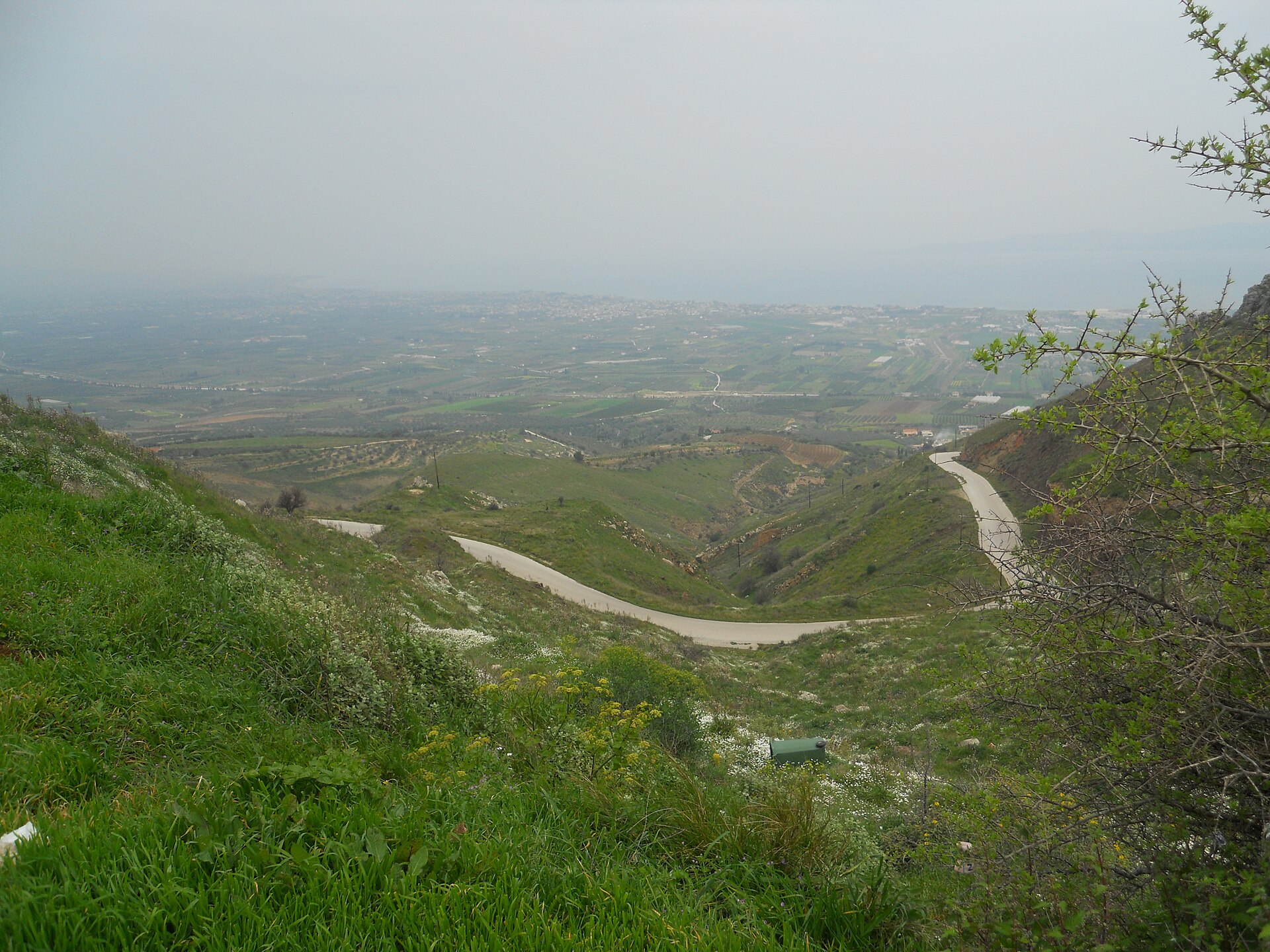
The Corinthian landscape is a continuous contrast between the harshness of limestone rocks and the gentleness of the coastal plains. The hinterland is dominated by vineyards and age-old olive groves, yet a short distance takes you to the mountain foothills leading toward mountainous Corinthia. The coasts range from the well-equipped beaches of New Corinth to the wilder coves of the Saronic Gulf. The region's distinctive feature is its light: intense and clear, able to bring out the cobalt blue of the two seas that almost touch. Exploring the isthmus means crossing a land that has kept a rural and authentic character, despite its proximity to the capital, Athens.
Traditions and flavours of Corinthia
The local gastronomy is the child of a generous land. The star product is undoubtedly the Corinthian raisin, small, dark and very sweet, exported worldwide since the Middle Ages. The Corinthian table celebrates extra virgin olive oil and the wines of nearby Nemea, one of Greece's most prestigious wine regions, famous for the red Agiorgitiko grape. Not-to-be-missed dishes include freshly grilled fish in the coastal harbours, roasted meats from the hinterland, and desserts made with honey and walnuts. Popular festivals follow the Orthodox calendar, with particularly heartfelt celebrations during Easter and the feast of Saint Paul on 29 June, when the city comes alive with processions and traditional markets.
Unmissable experiences
- Crossing the Corinth Canal aboard a small tourist boat to admire the sheer walls.
- Climbing on foot to the summit of Acrocorinth at sunset, when the stone turns pink.
- Tasting Agiorgitiko wines at one of the historic wineries between Corinth and Nemea.
- Exploring the remains of the Diolkos, the ancient stone 'railway' that allowed ships to be transported.
- Bathing in the thermal waters of Loutraki while admiring the panorama of the gulf.
When to go and how to experience the city
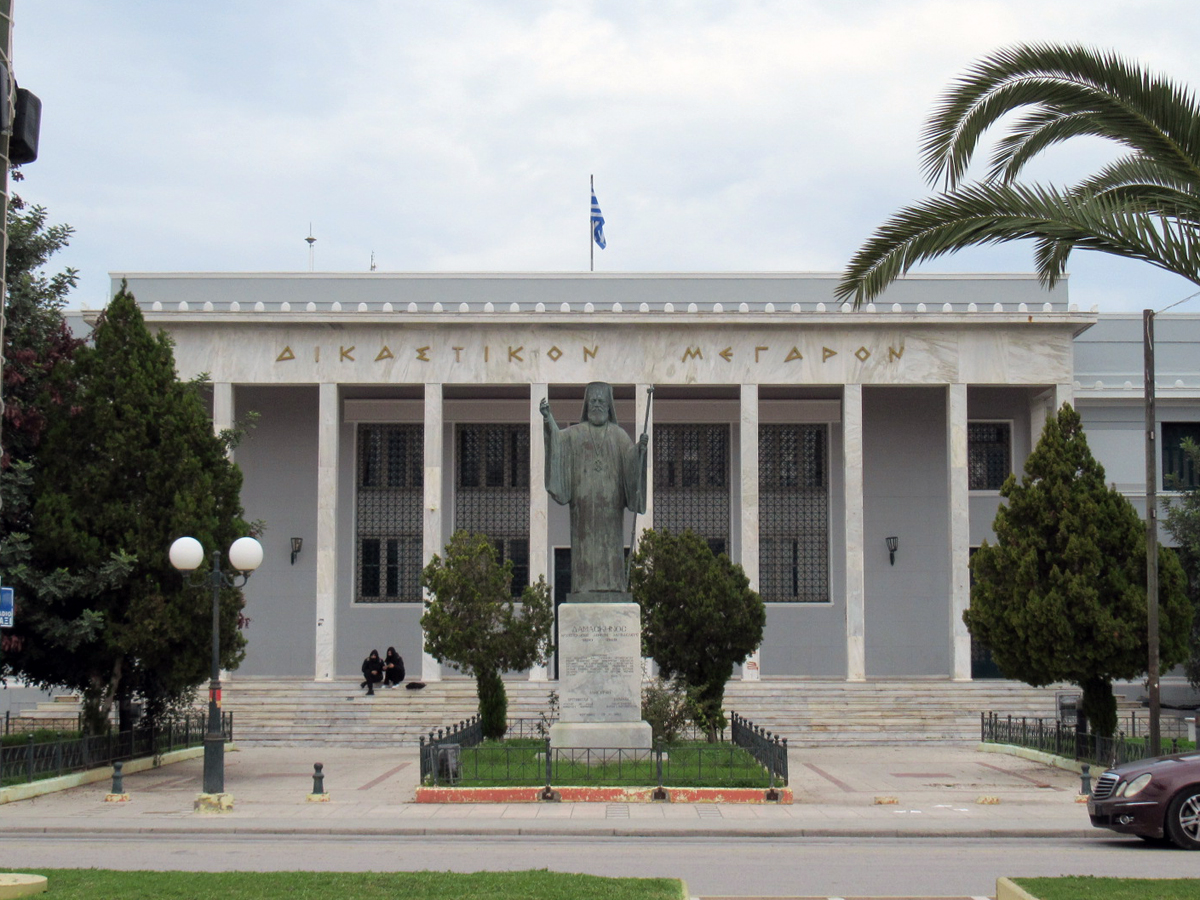
The best time to visit Corinth is spring (April–June) or early autumn (September–October). During these months temperatures are ideal for archaeological exploration and nature is at its most splendid. Summer can be very hot, making the climb to Acrocorinth tiring in the midday hours, but it is perfect for enjoying the sea. Corinth is a destination suited both to a day trip from Athens and as a strategic base for exploring the north-eastern Peloponnese, including the sites of Mycenae and Epidaurus. To experience the place like a local, treat yourself to a coffee along the harbour of New Corinth, watching the comings and goings of fishing boats before immersing yourself in the solemn silence of the ancient ruins.
FAQ
Quanto tempo occorre per visitare l'Antica Corinto e l'Acrocorinto?
È facile parcheggiare presso il sito archeologico?
La visita all'Acrocorinto è adatta ai bambini?
Come si può vedere il Canale di Corinto?
Getting there
- Aeroporto Internazionale di Atene Eleftherios Venizelos (AIA) - circa 110 km
- Linea Proastiakos (treno suburbano) da Atene o dall'aeroporto, con arrivo alla stazione di Corinto Nuova in circa un'ora.
- Autostrada A8 (Olympia Odos) da Atene in direzione Patrasso, uscita Corinto/Loutraki.
- Se viaggiate in treno, dalla stazione di Corinto Nuova dovrete prendere un taxi o un bus locale per raggiungere il sito dell'Antica Corinto, che dista circa 7 km.
Perfect for
Un viaggio nel tempo tra templi greci e fasti romani, con uno dei siti più estesi e significativi della Grecia.
La possibilità di osservare da vicino il Canale, sfida tecnologica che ha unito due mari dopo duemila anni di tentativi.
A pochi minuti dal centro, Loutraki offre acque curative e spa moderne per un relax totale tra mare e terme.
To see
Da vedere a Korinthos
Routes · Trovido Route
