Katakolo
Stretched along a narrow tongue of land reaching into the cobalt blue of the Ionian Sea, Katakolo greets the traveller with the un...
Updated 8 July 2026
This season · July · Summer
What to do in Katakolo now
The story
The story of Katakolo
Historical roots: from ancient Pheia to the 'Port of Raisins'
The history of Katakolo has its roots in antiquity, when the area was known as Pheia, an important port even mentioned by Homer. During the Peloponnesian War, this harbour played a key strategic role before being submerged by a devastating earthquake in the 6th century AD, the remains of which still lie beneath sea level near the bay of Agios Andreas. The modern face of Katakolo, however, only began to take shape towards the end of the 19th century. During that period, the town became the hub of the export of the famous 'Corinthian raisin', described as Greece's black gold. Thanks to the construction of one of the country's first railway lines in 1882, connecting the port to Pyrgos and Olympia, Katakolo experienced extraordinary economic development, still evidenced today by the neoclassical warehouses converted into cafés and boutiques, which retain the charm of the golden age of Hellenic maritime trade.
The Castle of Pontikokastro: the sentinel of Beauvoir
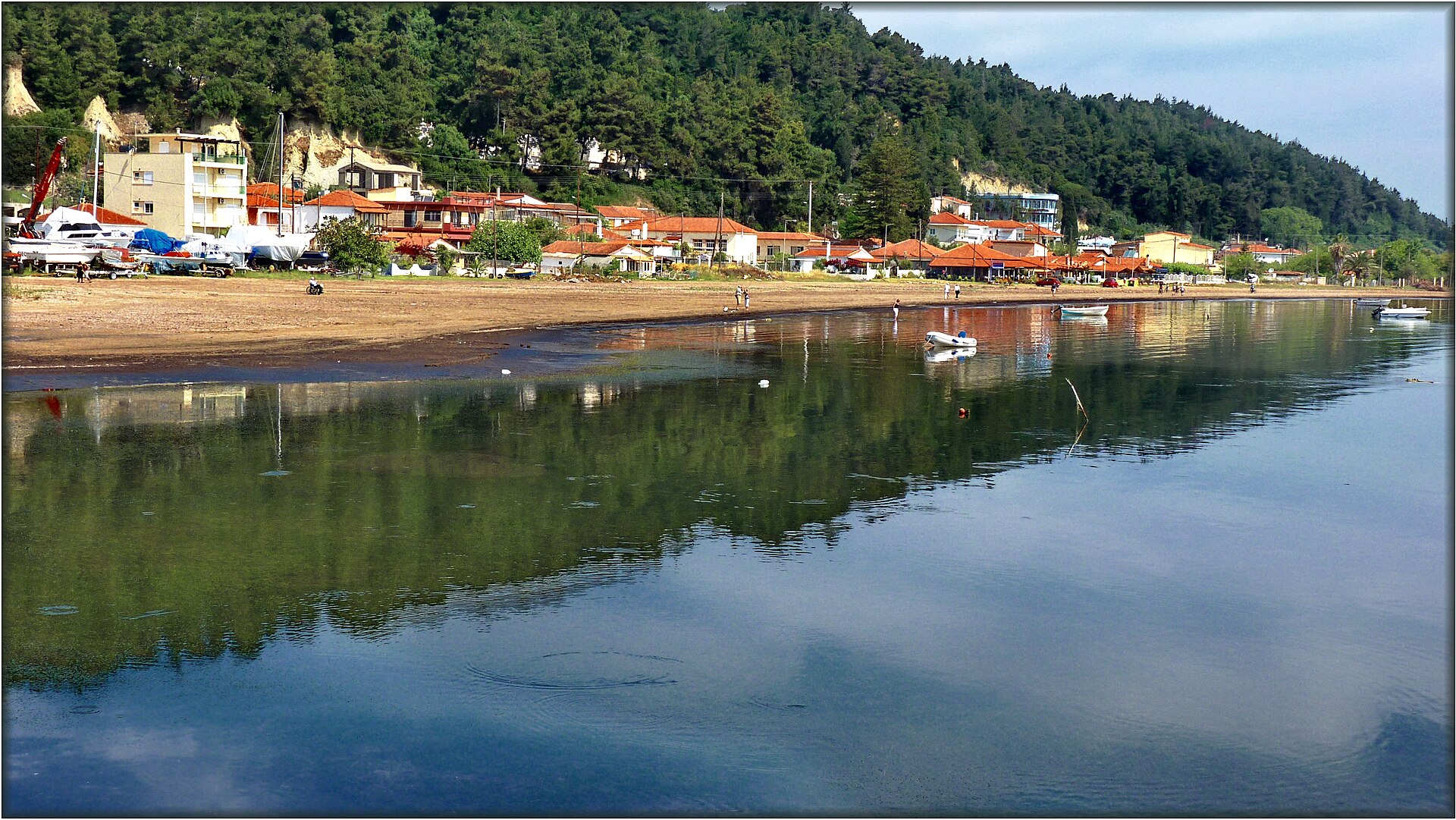
On the summit of the hill overlooking the port stand the remains of the Castle of Pontikokastro, also known as the Mouse Castle or, more romantically, Beauvoir during the Frankish domination. Originally built by the Byzantines on the foundations of the acropolis of ancient Pheia, it was rebuilt and reinforced by the crusaders of the Villehardouin dynasty in the 13th century. The nickname 'Beauvoir' (Beautiful View) was certainly no accident: from its privileged position, the fortress overlooks the entire Gulf of Kyparissia and the island of Zakynthos on the horizon. Although only portions of the perimeter walls and towers remain today, the site retains an aura of wild majesty. It is the ideal spot for a rejuvenating walk among olive trees and Mediterranean scrub, where the silence is broken only by the wind, offering a deep historical perspective on the complexity of the dominations that shaped the medieval Peloponnese.
The Museum of Ancient Greek Technology
One of Katakolo's most surprising gems is undoubtedly the Kotsanas Museum of Ancient Greek Technology. Housed in a historic building near the harbour, this museum dispels the notion that antiquity lacked mechanical complexity. Through meticulous, working reconstructions, visitors can discover inventions that seem to belong to a much later era: from Ctesibius' water clock to Hero of Alexandria's static cinema, right up to mechanical servant robots. It is a fascinating journey into Hellenic ingenuity, demonstrating that the principles of robotics and automation were already being explored centuries before the industrial revolution. The attention to detail and the interactive nature of many of the exhibits make this stop essential for understanding how much ancient science influenced the modern world, offering a perfect technological counterpoint to the artistic beauty of nearby Olympia.
The Church of Agios Nikolaos: the spiritual heart of the village
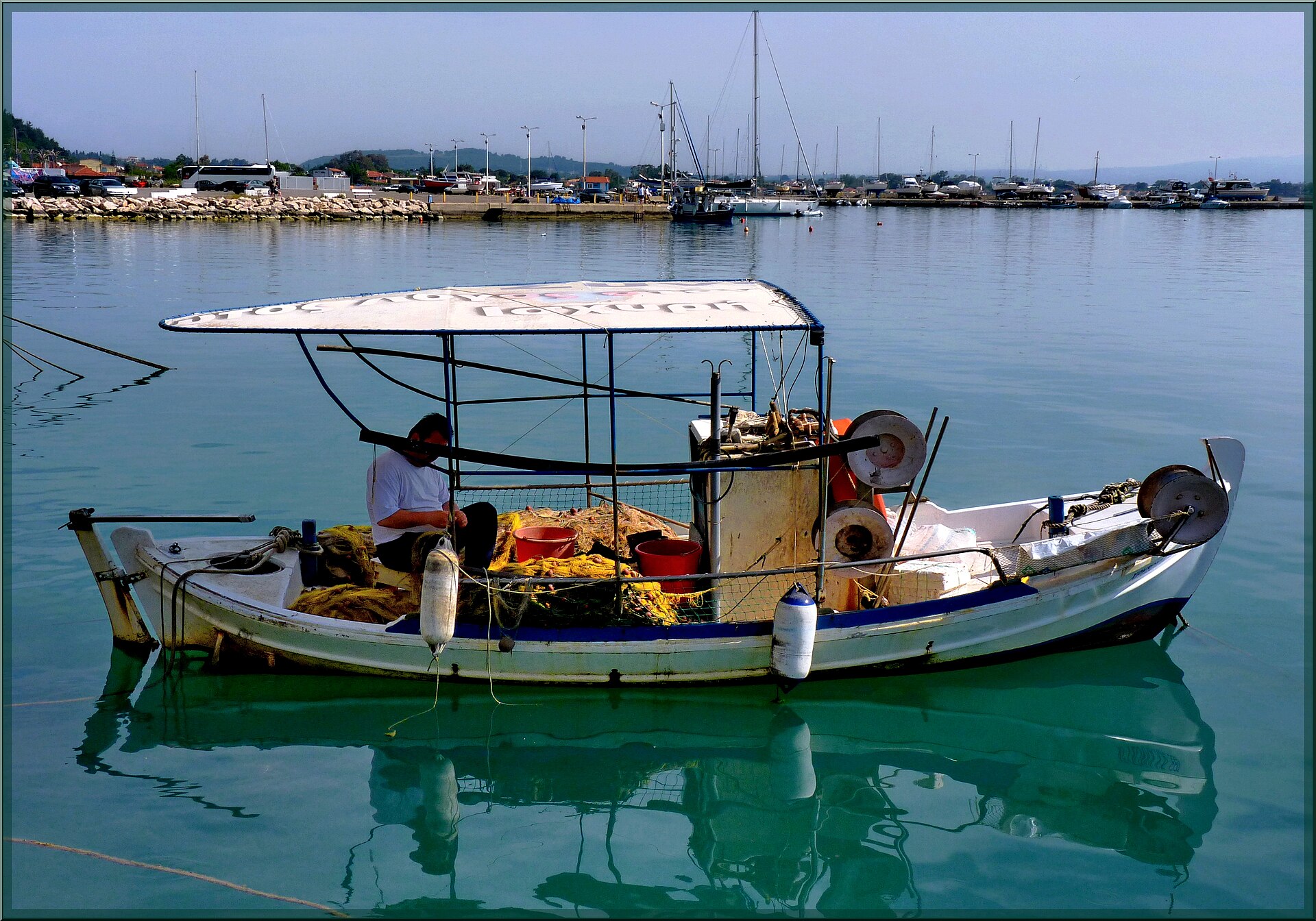
Overlooking the main square, just steps from the bustle of tourists, the Church of Agios Nikolaos represents the hub of Katakolo's spiritual life. Dedicated to the patron saint of sailors, the building has a sober, elegant facade, typical of 19th-century Greek religious architecture. The interior is a celebration of Orthodox spirituality, with finely decorated icons, brass chandeliers and the lingering scent of incense that invites reflection. Stepping into this church means momentarily detaching from the bustle of the port and immersing oneself in the authentic daily life of the local inhabitants, who gather here for the most important celebrations. Devotion to Saint Nicholas is palpable and reflects the unbreakable bond between the local community and the sea, an element that has given life and sustenance to generations of Katakolo families.
The Katakolo Lighthouse: a light on the way to the Ionian
At the tip of the headland, where the land narrows to make way for the waves, stands the Katakolo Lighthouse, built in 1865. This stone tower, about nine metres tall, is a fine example of 19th-century maritime architecture. Originally oil-powered, the lighthouse guided ships laden with raisins and precious goods through the hazards of the Elis coast for over a century. Today it is fully automated, but it retains intact its solitary, romantic charm. The path leading to the lighthouse is one of the village's most evocative experiences: walking through the Mediterranean scrub, you reach a unique vantage point where the blue of the sky merges with that of the sea. It is the perfect place for those seeking solitude and the pure beauty of nature, away from the more crowded circuits of the harbour centre.
The beaches and coastal landscape: between Agios Andreas and Skafidia
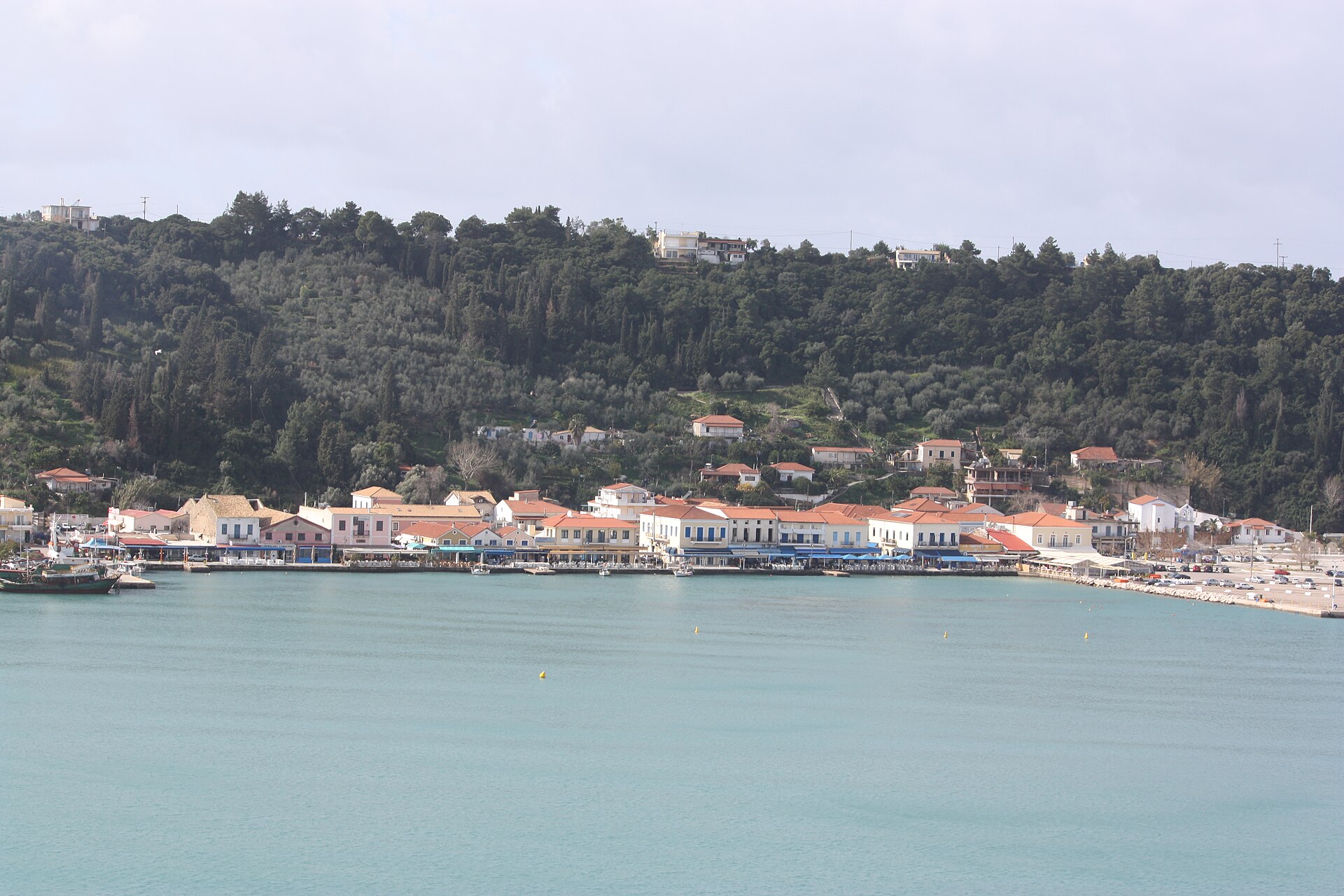
The natural landscape around Katakolo is a mosaic of low cliffs and long stretches of golden sand. Agios Andreas beach, located on the opposite side of the headland, is renowned for its crystal-clear waters and shallow seabed, ideal for snorkelling above the submerged ruins of ancient Pheia. Heading north, you come to Skafidia beach, an enchanting bay where lush vegetation almost touches the sea. Here the hinterland is characterised by fertile plains planted with olive groves and vineyards, which benefit from the mild climate and sea breezes. This combination of turquoise sea and green farmland creates an atmosphere of bucolic peace, offering numerous opportunities for walking or cycling excursions, discovering corners of coastline where time seems to have stood still, far from the routes of mass tourism.
Not-to-be-missed experiences in Katakolo and the surrounding area
- Take the charming tourist train that connects the port to the archaeological site of Olympia through the vineyards.
- Taste the local wines at the Mercouri Estate, one of Greece's most historic and charming wineries, just a few kilometres from the centre.
- Go for a swim in the clear waters of Agios Andreas, trying to spot the remains of the ancient sunken city.
- Explore the trails of the Pontikokastro hill on foot to enjoy the best sunset over the Ionian Sea.
- Browse the shops along the seafront in search of local honey, extra virgin olive oil and olive-wood crafts.
- Visit the Museum of the History of the Ancient Olympic Games to round off the cultural experience of the trip.
Traditions and flavours: the table of Elis
Katakolo's gastronomic culture is a tribute to the simplicity and quality of the Peloponnese's raw ingredients. Being a seaside village, fresh fish is the undisputed star of the local tavernas: grilled octopus, squid and red mullet are served with a drizzle of olive oil produced in the surrounding hills. However, you cannot leave Katakolo without having tasted products linked to the land, such as raisins, which are still used today in many traditional desserts. Meat dishes, such as roast lamb with aromatic herbs, reflect the pastoral tradition of the hinterland. All this should be accompanied by the area's fresh, aromatic white wines, such as Roditis or Moschofilero. Sitting down to eat in Katakolo means taking part in a slow ritual, where Greek hospitality (philoxenia) is expressed in small gestures, such as offering a glass of ouzo or a spoon sweet at the end of the meal.
When to go and how to experience the village
The best time to visit Katakolo is from late spring to early autumn. May and June offer mild temperatures and nature in full bloom, ideal for exploring the archaeological sites without the summer heat. September is equally pleasant, with the sea still warm and fewer visitors. During July and August, the village is very lively thanks to the frequent arrival of cruise ships; during this period, it is best to explore the centre early in the morning or late afternoon, devoting the middle of the day to the beaches or the wineries of the hinterland. Experiencing Katakolo also means knowing how to appreciate its moments of calm: when the big ships set sail and the port returns to its inhabitants, the atmosphere transforms, offering evenings of authentic Mediterranean peace under the stars.
FAQ
Quanto tempo serve per visitare Katakolo?
È facile raggiungere Olimpia da Katakolo?
Ci sono spiagge raggiungibili a piedi dal porto?
Katakolo è adatta alle famiglie?
Getting there
- Aeroporto di Araxos (GPA) - 60 km
- Aeroporto di Atene (ATH) - 315 km
- Linea locale Katakolo-Pyrgos-Olympia (attiva principalmente nei giorni di crociera)
- Da Atene prendere l'autostrada A8 verso Patrasso, poi la E55 verso Pyrgos e seguire le indicazioni per Katakolo.
- Se arrivate in auto, parcheggiate nelle aree designate all'ingresso del borgo poiché il centro è in gran parte pedonale.
Perfect for
Punto di partenza ideale per visitare il sito UNESCO di Olimpia, culla dei Giochi Olimpici.
Perfetto per chi cerca un mix di mare cristallino e tranquille passeggiate serali sul molo.
Un paradiso per gli amanti del vino e dei prodotti tipici greci, tra cantine storiche e taverne di pesce.
To see