

Kalamata
Kalamata is not just the name of an olive famous the world over; it is a pulsing soul nestled between the stern embrace of Mount T...
Updated 8 July 2026
This season · July · Summer
What to do in Kalamata now
The story
The story of Kalamata
A story of resilience and freedom
Kalamata's roots reach back into antiquity, when it was known as Pharae, mentioned even by Homer. Its present-day character, however, is the result of medieval and modern layers. After the long Byzantine period, the city became a crucial fief for the Franks under the Villehardouin family, who built the castle here in the 13th century. Venetian and Ottoman rule followed, as both powers vied for this strategic port over the centuries. The moment of greatest historical pride dates back to 23 March 1821, when Kalamata became the first Greek city to be liberated from the Ottoman yoke, marking the start of the Greek War of Independence. In the 19th century the city flourished thanks to the export of silk, figs and olives, becoming enriched with neoclassical mansions that still line its streets today, bearing witness to a past of great economic and intellectual ferment.
The Villehardouin Castle
Dominating the city from the top of a rocky hill, Kalamata Castle is the symbol of Frankish rule in the Peloponnese. Built in 1208 by William I of Villehardouin, it rises on the ruins of the ancient acropolis of Pharae. Although the walls were later remodelled by the Venetians and Ottomans, the structure retains the imposing character of medieval fortifications. Today the castle is a place of peace, wrapped in pines, offering a breathtaking panoramic view that sweeps from the rooftops of the old town to the sparkling waters of the gulf. Inside stands a small open-air theatre which, in summer, hosts concerts and plays, turning the ancient stones into a natural stage of rare charm, where history meets contemporary art.
The Church of the Holy Apostles
Located in 23 March Square, in the heart of the old town, the tiny Church of the Holy Apostles is the spiritual and patriotic heart of Kalamata. This jewel of Byzantine architecture, partly dating back to the 11th century, is characterised by an inscribed-cross structure with an elegant dome. Its importance goes well beyond aesthetics: tradition holds that it was here that the first solemn mass was celebrated after the city's liberation in 1821, and where the revolutionaries swore allegiance to the cause of freedom. Despite the damage suffered in the 1986 earthquake, the church has been meticulously restored, preserving its interior frescoes and its stone masonry, which reflects the warm light of the Messenian sunset.
Ypapanti Cathedral
The majestic Cathedral of Ypapanti (the Presentation of the Lord) is the religious hub of the modern city. Inaugurated in 1873, it stands out for its imposing size and its two tall bell towers rising into the sky. The building is a fine example of 19th-century Greek ecclesiastical architecture, with a richly decorated interior and an icon of the Virgin Mary considered miraculous, found among the ruins of a stable during the Ottoman occupation. Every year, on 2 February, the cathedral becomes the focus of one of the most heartfelt religious celebrations in all of Greece, drawing thousands of pilgrims for a solemn procession through the city's streets, uniting faith, tradition and community pride in an event of great emotional intensity.
The Municipal Railway Park
Unique of its kind in all of Greece, the Municipal Railway Park is an open-air museum located just steps from the centre. Opened in the 1980s, it occupies the area of the old railway station and covers more than 50,000 square metres. Here, among small lakes, wooden walkways and play areas, historic steam locomotives, vintage carriages and old railway cranes are on display, seeming to rest amid the lush vegetation. It is a magical place not only for enthusiasts of industrial history but also for families and young people who come here for relaxing strolls. The park is a shining example of how a disused industrial space can be transformed into a green, cultural lung, blending perfectly into the urban fabric.
Victoria G. Karelias Collection of Greek Costumes
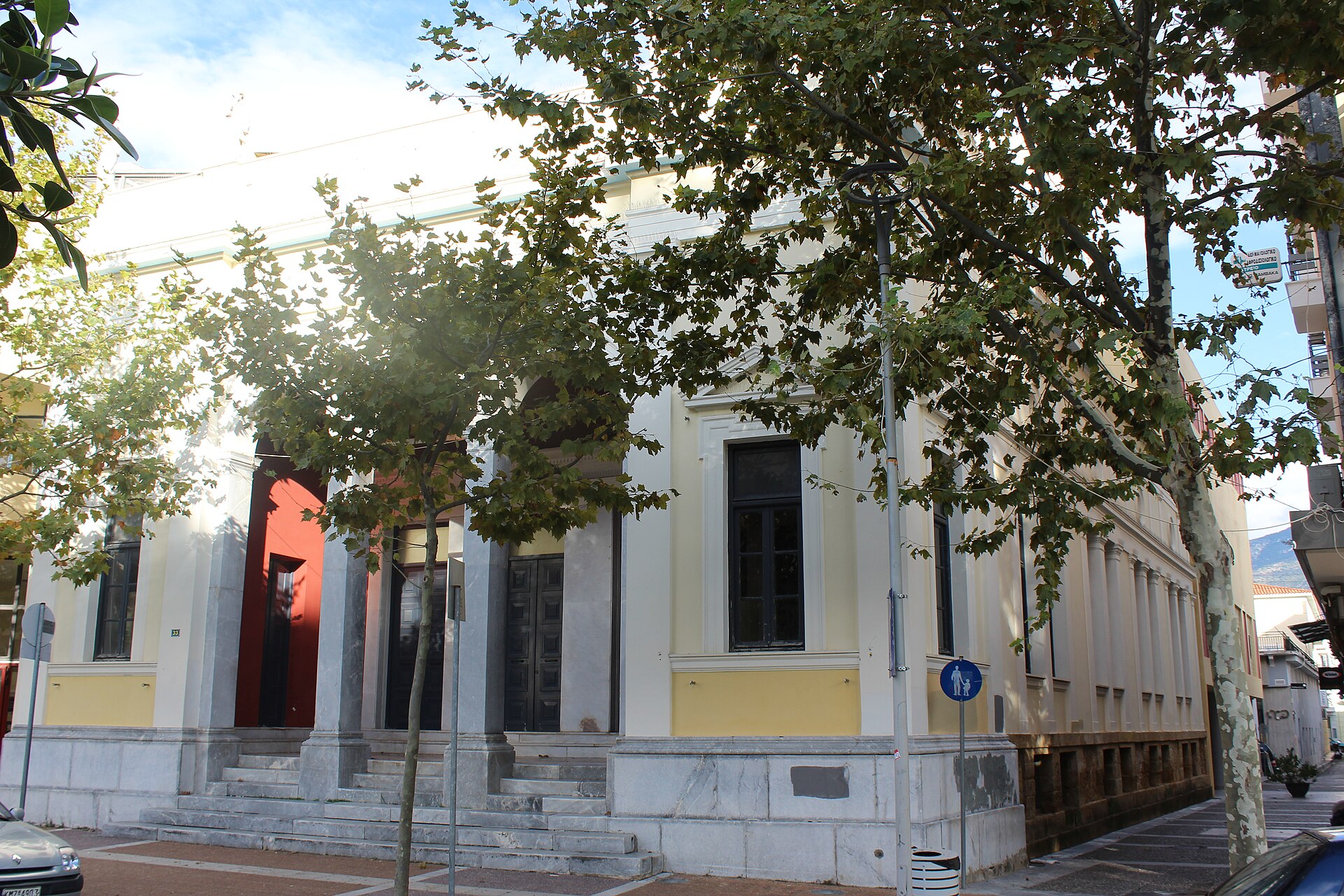
For anyone wishing to understand the deep soul of Greek culture, a visit to the Victoria G. Karelias Collection is a must. Housed in a beautifully restored neoclassical building, this permanent exhibition is one of the country's most important collections devoted to traditional costume. The care taken in the display, the soft lighting and the wealth of detail — from the gold embroidery of bridal dresses to finely crafted jewellery — tell the social history of Greece across the centuries. Each garment on display is not merely a piece of clothing but a visual code revealing geographic origin, social status and a woman's role within the community. It is an aesthetic and anthropological journey of extraordinary refinement that leaves visitors enchanted by the craftsmanship of past generations.
The Seafront and Navarinou Street
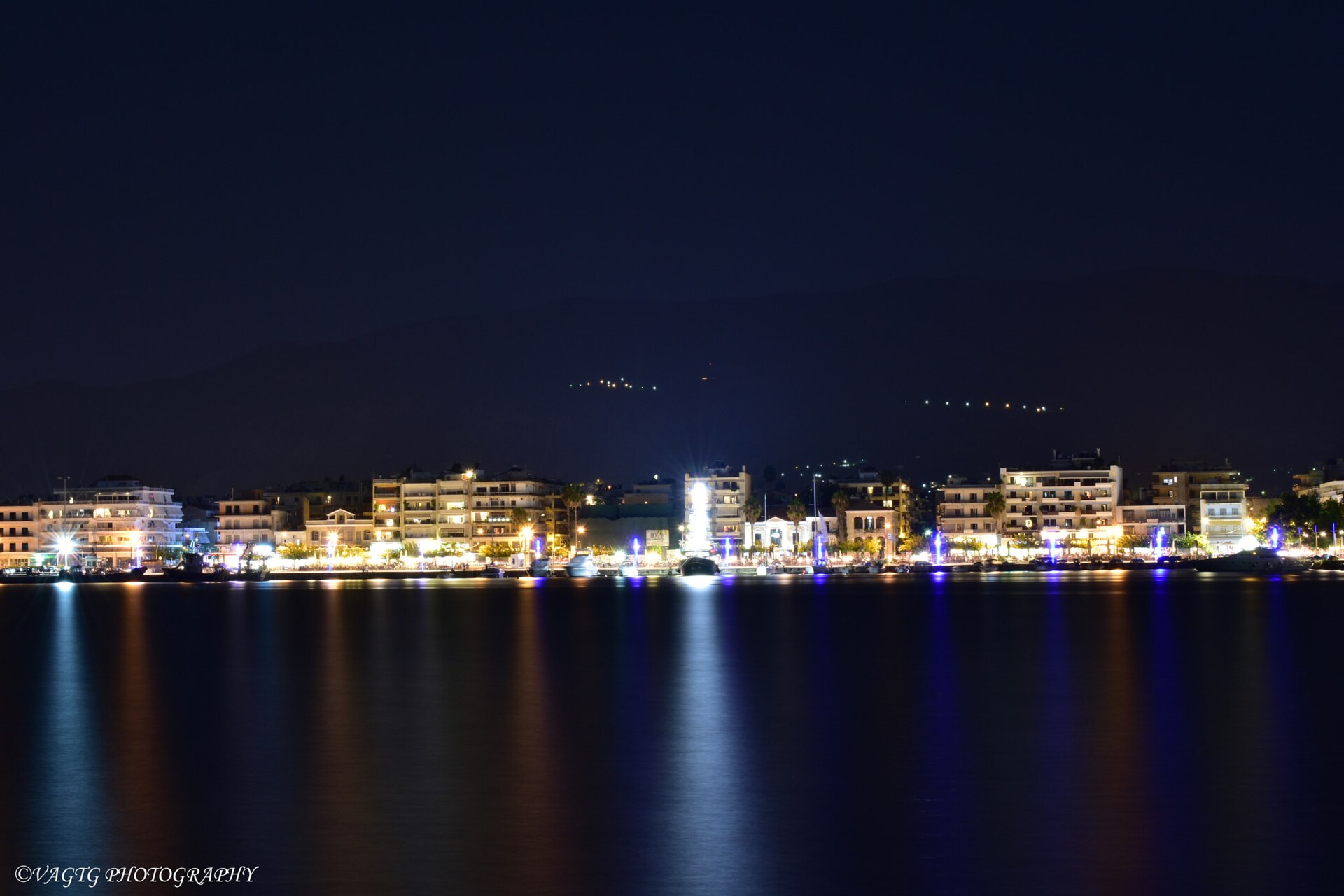
The sunny, carefree face of Kalamata shows itself along Navarinou Street, the artery that runs along the sea for several kilometres. Here, a long beach of white pebbles washed by crystal-clear waters lies right beside the city, open to bathers. The seafront is an unbroken string of tavernas, modern cafés, bars and ice-cream parlours, lively at every hour of the day and night. In summer the area becomes pedestrian-only in the evening, turning into the ideal stage for the 'volta', the traditional Greek evening stroll. It is where locals mingle with travellers, amid the scent of grilled fish and the sound of the waves, offering an atmosphere of perpetual holiday that defines the relaxed lifestyle of this coastal metropolis.
Landscape: Between Mount Taygetos and the Olive Groves
The natural setting surrounding Kalamata is dominated by the imposing presence of Mount Taygetos, whose often snow-capped peak contrasts with the silvery green of the olive trees in the valley below. Messenia is one of the most fertile regions of Greece, and the landscape is a mosaic of fig plantations, citrus groves and, of course, millions of Kalamon-variety olive trees. To the east, the coast becomes more jagged, opening the way to the Mani Peninsula, with its stone villages and cliffs plunging into the sea. To the west, on the other hand, the beaches become sandy and wild. This variety of landscape makes it possible to go, in under half an hour, from hiking the mountain's alpine trails to a refreshing swim in secluded coves, making Kalamata an ideal base for lovers of nature in every form.
Authentic experiences and flavours
- Taste PDO Messenia extra-virgin olive oil straight from the local olive mills during harvest season.
- Stroll through the central market (Laiki Agora) on Wednesday or Saturday to buy Taygetos honey, dried figs and 'pasteli' (sesame brittle).
- Attend a performance of the Kalamata International Dance Festival, which every July turns the city into a world stage.
- Explore the old town on foot, discovering the artisan workshops that weave silk, an ancient local tradition.
- Dine at a taverna in Marina, savouring 'gournopoula' (spit-roasted suckling pig) or fresh fish from the gulf.
- Rent a bicycle and ride the cycle path that safely connects the city centre to the port.
Surroundings: Ancient Messene and Kardamyli
Kalamata is the perfect starting point for exploring archaeological and natural treasures. Just 30 kilometres away lies Ancient Messene, one of the most spectacular and best-preserved archaeological sites in Greece, with its immense stadium, theatre and fortified walls winding across the hills. Heading south-east along the coast, you enter the Messenian Mani: here Kardamyli deserves a stop, a charming village loved by writers and artists, characterised by stone tower-houses and an emerald sea. A little further on, the beaches of Stoupa offer golden sand and shallow waters ideal for relaxing. Every excursion into the surroundings reveals a different fragment of the Peloponnese, amid classical myths and Mediterranean landscapes of another era.
When to go and how to experience the city
Kalamata's climate is typically Mediterranean, with mild winters and hot summers. Spring is perhaps the most magical time, when nature bursts into wild bloom and temperatures are ideal for hikes on Mount Taygetos or for visiting archaeological sites without the summer heat. Autumn, on the other hand, is olive harvest season, a time of great cultural and gastronomic activity. Summer is the season of the sea and nightlife, perfect for those seeking the buzz of the seafront and outdoor festivals. To experience the city like a local, take your time: sit down at a café in Aristomenous Square, order a frappé coffee, and watch the slow, sun-drenched flow of Messenian life go by.
To see
