

Foinikounda
Foinikounda's name carries a botanical clue: it comes from the Greek phoinix, the palm tree, a plant that once lined the bay and o...
Updated 8 July 2026
This season · July · Summer
What to do in Foinikounda now
The story
The story of Foinikounda
A name of palm trees and a tale of maritime frontier
South-western Messenia was for centuries a land of passage between empires: Byzantines, Franks, Venetians and finally Ottomans all fought over this stretch of coast, because whoever controlled Methoni and Koroni effectively controlled the route between the western Mediterranean and the Levant. Foinikounda, with no walls of its own, long remained a small fishing outpost in the shadow of the two nearby fortresses, mentioned in sources only from the modern era onward. Its growth into a recognisable settlement is relatively recent, tied to coastal fishing and, from the 1980s onward, to a seaside tourism that chose this bay precisely for its secluded beauty. Even today the village has no imposing monuments of its own: its history is read mainly in the landscape and in the sites that surround it, authentic keepers of the memory of this coast.
The castle of Methoni, sentinel of the Serenissima
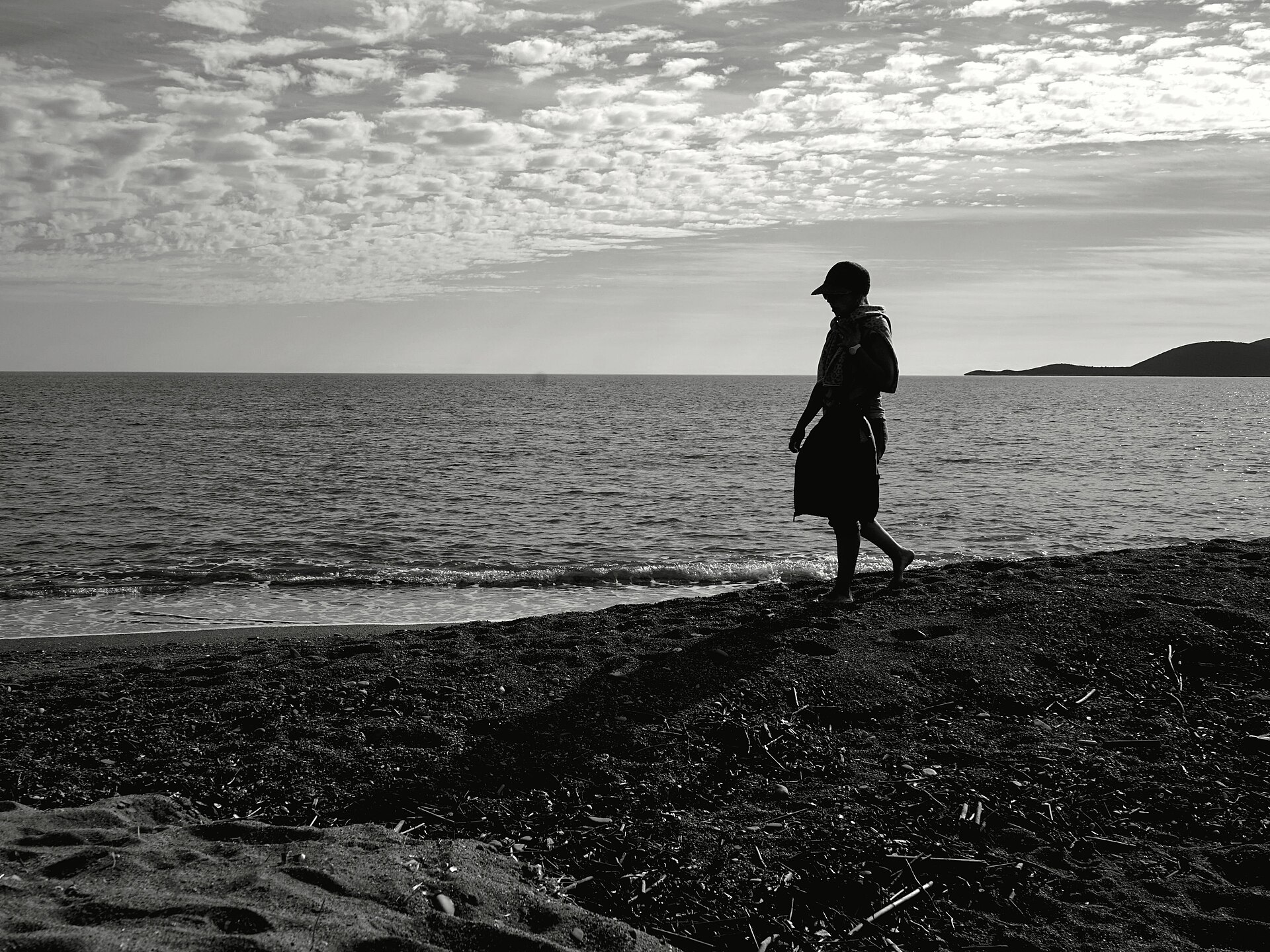
A few kilometres from Foinikounda stands one of the best-preserved fortresses of Venetian Greece. Methoni was occupied by Venice in 1209 and turned into one of the Serenissima's most important naval bases along the route to Crete and the Holy Land, so much so that, together with Koroni, it was described as one of the Republic's 'eyes' on the eastern Mediterranean. The castle occupies an entire promontory, enclosed by mighty battlemented walls that plunge into the sea, with a stone bridge leading to the famous Bourtzi, the octagonal tower built by the Ottomans on a separate islet to strengthen the harbour's defences. Walking among its bastions at sunset, with waves breaking at the foot of the walls, remains one of the most intense experiences in all of Messenia.
Koroni, the twin stronghold on the other gulf
While Methoni faces the open sea, Koroni overlooks the Gulf of Messenia from the opposite side of the peninsula, about forty minutes' drive from Foinikounda. This fortress too was a Venetian garrison, built and reworked between the 13th and 16th centuries on a rocky promontory that offers one of the region's widest panoramas. Inside the walls, unusually, there are not only ruins: a small settlement still lives here, and here stands the women's monastery of Timiou Prodromou, with its well-tended gardens and white cells contrasting with the ancient stone of the bastions. The town of Koroni, at the foot of the castle, with its coloured houses and narrow lanes, rounds off one of the classic excursions for those staying in Foinikounda.
Foinikounda beach and Ammos bay
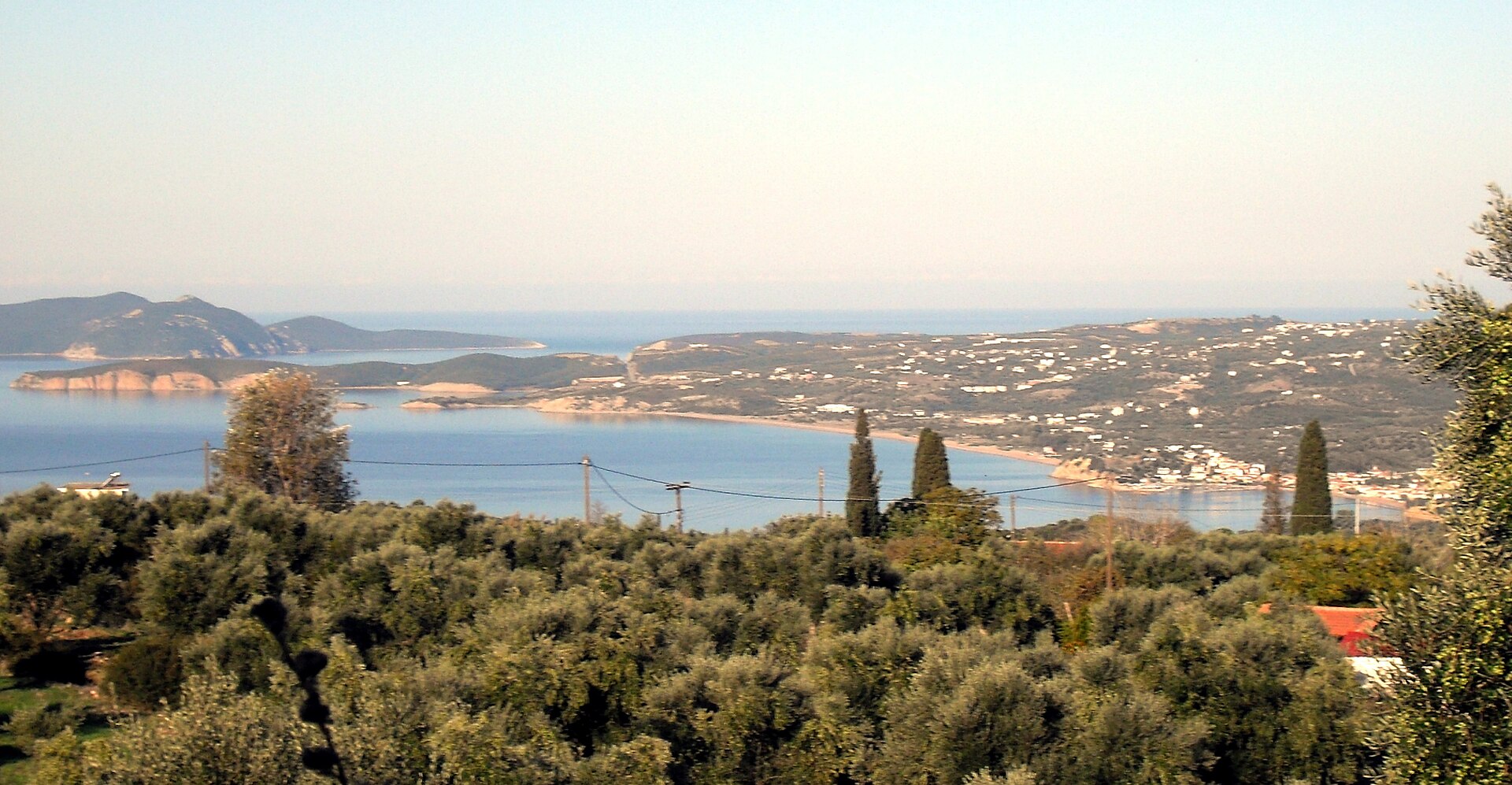
The village's seaside heart is the main beach, an arc of fine sand stretching for over a kilometre right in front of the seafront promenade, with shallow, clear waters that make it suitable even for families with small children. A few minutes' walk to the north opens Ammos, a bay more exposed to the meltemi winds that blow steadily during the summer months: several windsurfing and kitesurfing schools are based here, and it is not unusual to see dozens of coloured sails gliding parallel to the coast during the windiest afternoon hours. The two beaches, complementary in character, allow visitors to choose every day between a quiet swim and water sports without ever moving away from the village.
Schiza, Sapientza and the bay of Navarino
Off the coast of Methoni loom the shapes of two almost uninhabited islands, Schiza and Sapientza, once a refuge for shepherds and lighthouse keepers, today a destination for boat trips for those seeking secluded coves and seabeds rich in life for snorkelling. Further north, the bay of Navarino tells a decisive page of European history: here, on 20 October 1827, the combined fleet of Great Britain, France and Russia defeated the Ottoman-Egyptian one in a battle that hastened Greece's independence. Within the same bay lies Voidokilia, a beach shaped like a perfect crescent moon, enclosed by dunes and by the hill that hides the so-called Cave of Nestor, among the most photographed stretches of coast in the entire Peloponnese.
Flavours and traditions of Messenia
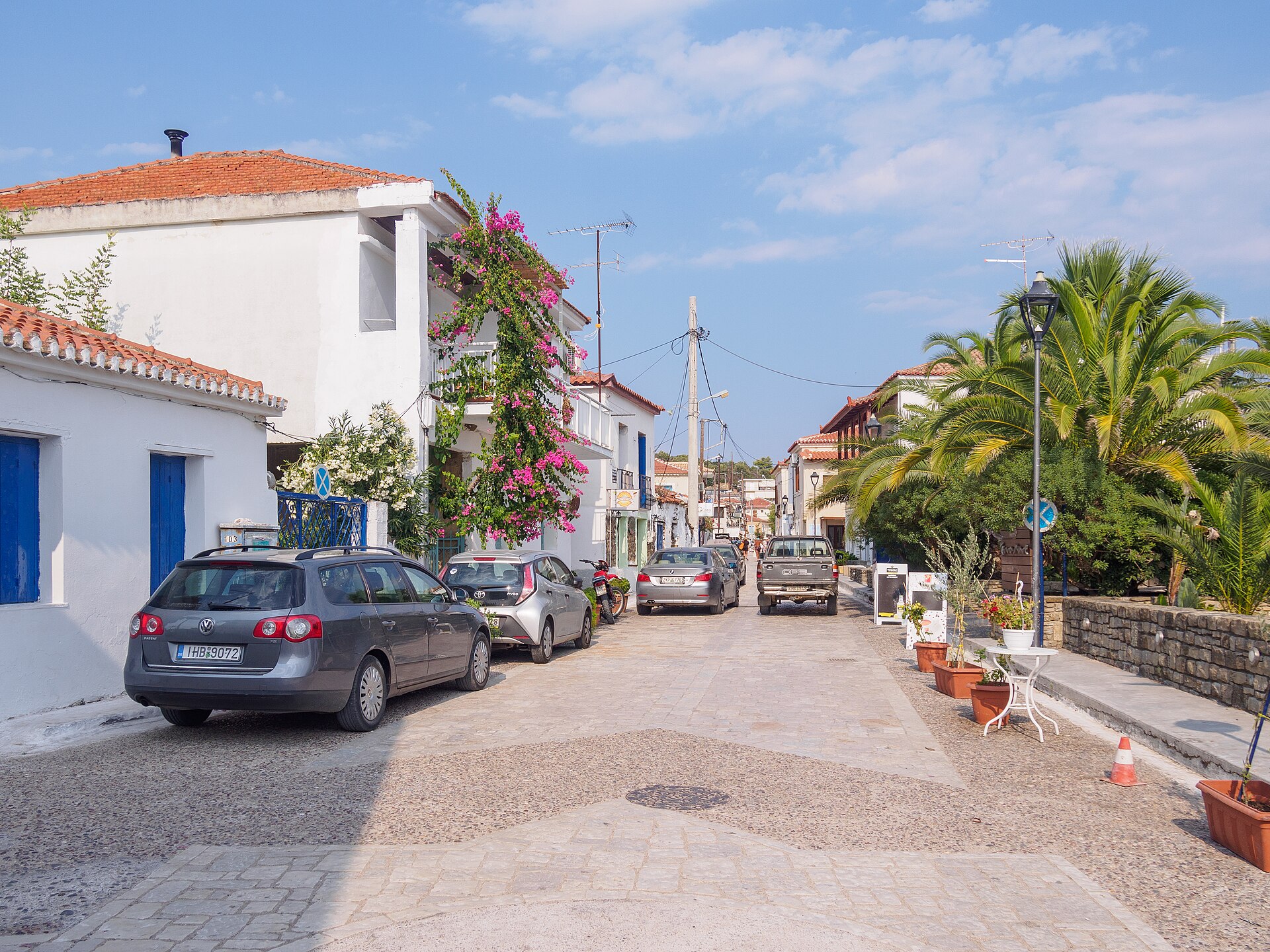
Messenia is a land of ancient olive trees and produces some of Greece's finest oils, alongside the famous Kalamata olives grown just a little further north. In Foinikounda's tavernas this heritage translates into simple, straightforward dishes: the day's catch grilled, octopus sun-dried before hitting the pan, Greek salad with local feta, thyme honey gathered on the inland hills. On summer evenings, when the wind drops and the seafront comes alive, tables fill up late into the night, and it is precisely in the warm but less crowded months of the more touristy islands that the village shows its best character: authentic, informal, tied to the rhythms of fishing and the surrounding countryside.
Experiences not to be missed
- Swimming and relaxing on Foinikounda's main beach, among the most beautiful in Messenia
- A lesson or a free session of kitesurfing and windsurfing in Ammos bay
- A visit to Methoni castle and the Bourtzi at sunset
- An excursion to the fortress and village of Koroni with its monastery
- A boat trip to the islands of Schiza and Sapientza for snorkelling in secluded waters
- A walk along the crescent-shaped beach of Voidokilia and the bay of Navarino
- Dinner of fresh fish and local oil in a taverna on the seafront
FAQ
Come si arriva a Foinikounda?
Qual è il periodo migliore per visitare Foinikounda?
Cosa vedere in una sola giornata?
Dove si parcheggia in paese?
Quanti giorni conviene restare?
È adatta a famiglie con bambini o con animali?
Getting there
- Aeroporto di Kalamata (Captain Vassilis Constantakopoulos), circa 55 km
- Aeroporto Internazionale di Atene, circa 280 km
- Nessun collegamento ferroviario diretto: la rete ferroviaria del Peloponneso non raggiunge la Messenia sud-occidentale
- Da Kalamata si segue la strada costiera verso sud in direzione Pylos, proseguendo poi verso Methoni fino a raggiungere Foinikounda in circa un'ora di guida; il noleggio auto è la soluzione più pratica per muoversi tra le spiagge e le fortezze della zona.
- Nei mesi di luglio e agosto conviene prenotare alloggio con largo anticipo, perché il paese è piccolo e le camere si esauriscono in fretta; per il resto dell'anno molte attività locali riducono l'orario o chiudono fuori stagione.
Perfect for
Spiagge di sabbia fine e acque basse, perfette sia per il bagno in famiglia sia per gli sport a vela nella baia di Ammos.
Due fortezze veneziane, Methoni e Koroni, e la baia di Navarino, teatro di una battaglia decisiva per l'indipendenza greca.
Isole quasi disabitate come Schiza e Sapientza e la duna a mezzaluna di Voidokilia, tra i paesaggi costieri più intatti del Peloponneso.
Olio d'oliva, olive di Kalamata, pesce fresco e miele di timo raccontano la cucina semplice e genuina della Messenia.
Vento costante in estate rende Ammos una delle basi più frequentate della regione per windsurf e kitesurf.
To see
