

Elafonisos
There is a place, at the southern tip of the Peloponnese, where the blue of the Ionian and Aegean seas blend into a palette of tur...
Updated 8 July 2026
This season · July · Summer
What to do in Elafonisos now
The story
The story of Elafonisos
From isthmus to island: a history carved by the sea
The history of Elafonisos is intrinsically linked to its morphology. In antiquity, the geographer Pausanias described it as a peninsula called 'Onou Gnathos', or the Donkey's Jaw, because of its peculiar shape. A catastrophic earthquake in 375 AD severed the thin isthmus that connected it to the mainland, transforming it into the island we know today. This geographic isolation made it, over the centuries, an ideal refuge for pirates and corsairs who infested the routes between the Peloponnese and Crete. During the Middle Ages and the modern era, Elafonisos came under Byzantine, Venetian and Ottoman influence, remaining almost uninhabited until the nineteenth century. Its current name, meaning 'Island of the Deer', recalls a distant age when these animals roamed its hills, as attested by ancient hunting tales. Only in 1850 did the island officially become part of the Greek State, seeing the birth of the modern settlement thanks to fishing families from the nearby island of Kythira.
The village of Elafonisos and its fishing harbour
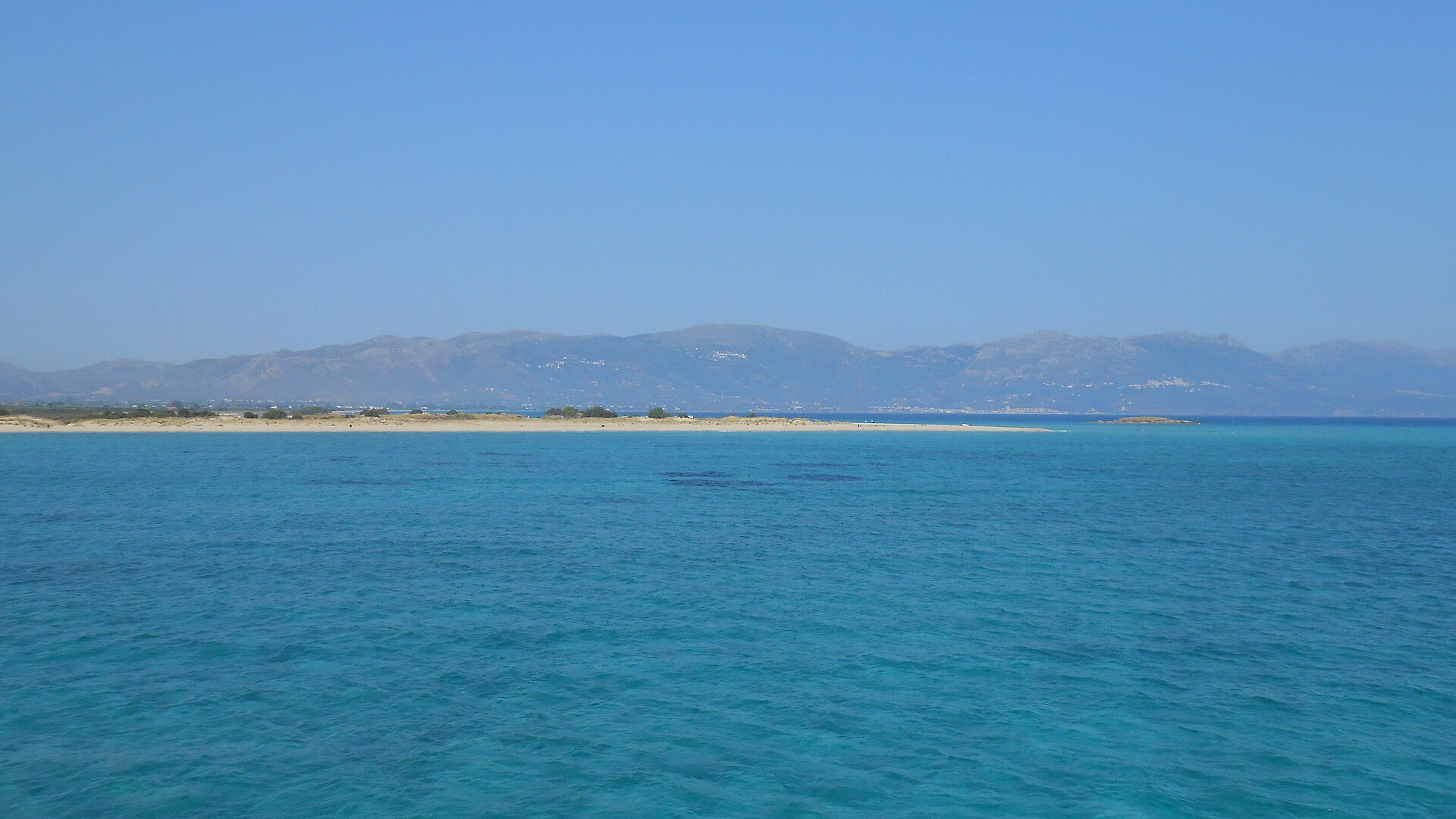
The island's only inhabited centre has grown up around the harbour, the landing point for the ferries that shuttle to and from the locality of Pounta. It is a classic example of Greek island architecture, with whitewashed houses and blue shutters overlooking narrow, flower-lined alleys. The harbour is the beating heart of daily life: here you'll find one of the region's most active fishing fleets, and it's not uncommon to see fishermen busy mending their colourful nets along the pier. In the evening, the seafront becomes the island's living room, where the tables of the taverns offer the perfect vantage point to watch the boats come and go. The atmosphere is intimate and convivial, far from the crowds of the Cyclades, making every stroll an opportunity to discover picturesque corners and craft shops selling local produce and items linked to the seafaring tradition.
The Church of Agios Spyridon
The spiritual and iconic symbol of Elafonisos is undoubtedly the small church of Agios Spyridon. Standing on a rocky islet right at the harbour entrance, it is linked to the mainland by an evocative stone bridge. Built in 1858 by the island's first settlers, the church has a simple yet charming structure, its white walls standing out against the deep blue of the surrounding sea. Inside, the atmosphere is intimate, adorned with Orthodox icons and votive offerings from sailors. This place is not just a centre of worship, but represents the very identity of the local community; it is here that the most heartfelt festivities are celebrated and from where the processions that bless the waters set out. The view from the church courtyard, especially at sunset when the sun dips into the sea behind the silhouette of the Laconian coast, is one of the most moving moments the island has to offer.
Simos Beach: a masterpiece of nature
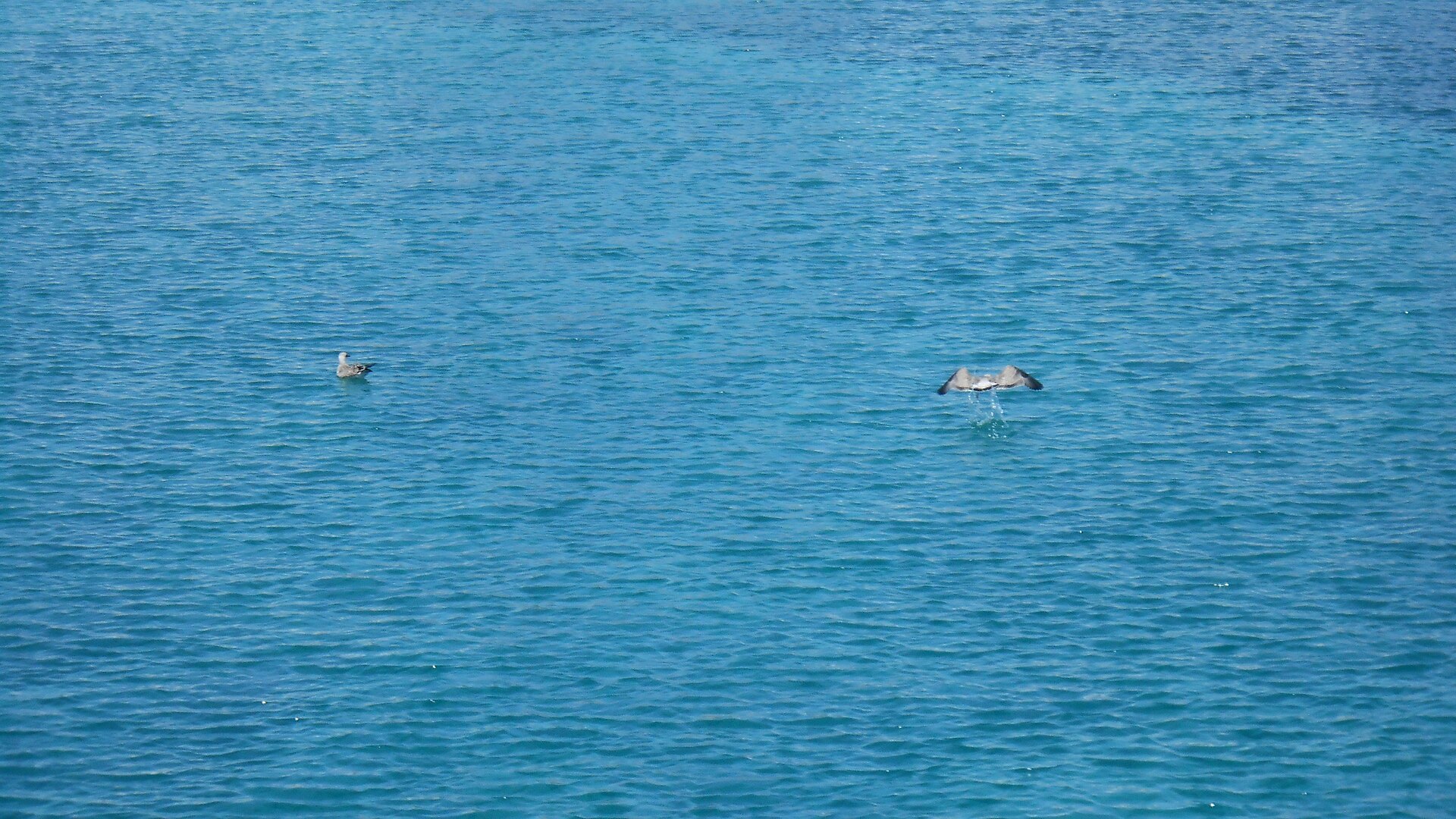
Located on the southern coast of the island, Simos Beach is regularly ranked among the most beautiful in the entire Mediterranean. It is made up of two twin bays, Fragos and Sarakiniko, separated by a thin tongue of fine white sand stretching out into the sea. What makes Simos extraordinary is the purity of its waters, which shift from sandy white to electric turquoise and deep blue. Behind the shoreline rise imposing sand dunes, some reaching up to ten metres in height, dotted with rare specimens of coastal juniper that create a unique chromatic contrast. The name Sarakiniko recalls the island's past as a base for Saracen pirates, who found in these sheltered waters a perfect hideout. Today, Simos is a protected area that captivates with its vastness and the sense of freedom it conveys to anyone who visits.
Panagia: sunset and the Kasela islets
On the western side of the island lies Panagia beach, also known as Kato Nisi. Less crowded than Simos, this bay offers an equally spectacular landscape, characterised by calm, crystal-clear waters sheltered by a series of rocky islets called Kasela. The beach takes its name from the nearby church of Panagia (the Madonna), set in a panoramic position. It is the favourite spot for those seeking tranquillity and for sunset lovers: from here you can watch the sun slowly disappear over the horizon, staining the sky and rocks red and orange. The surrounding vegetation consists of Mediterranean scrub and tamarisk trees that reach almost down to the sand, creating natural pockets of shade in which to rest during the hottest hours. The shallow seabed and rich marine life also make Panagia ideal for light snorkelling along the cliffs of the islets.
Pavlopetri: the Atlantis of Laconia
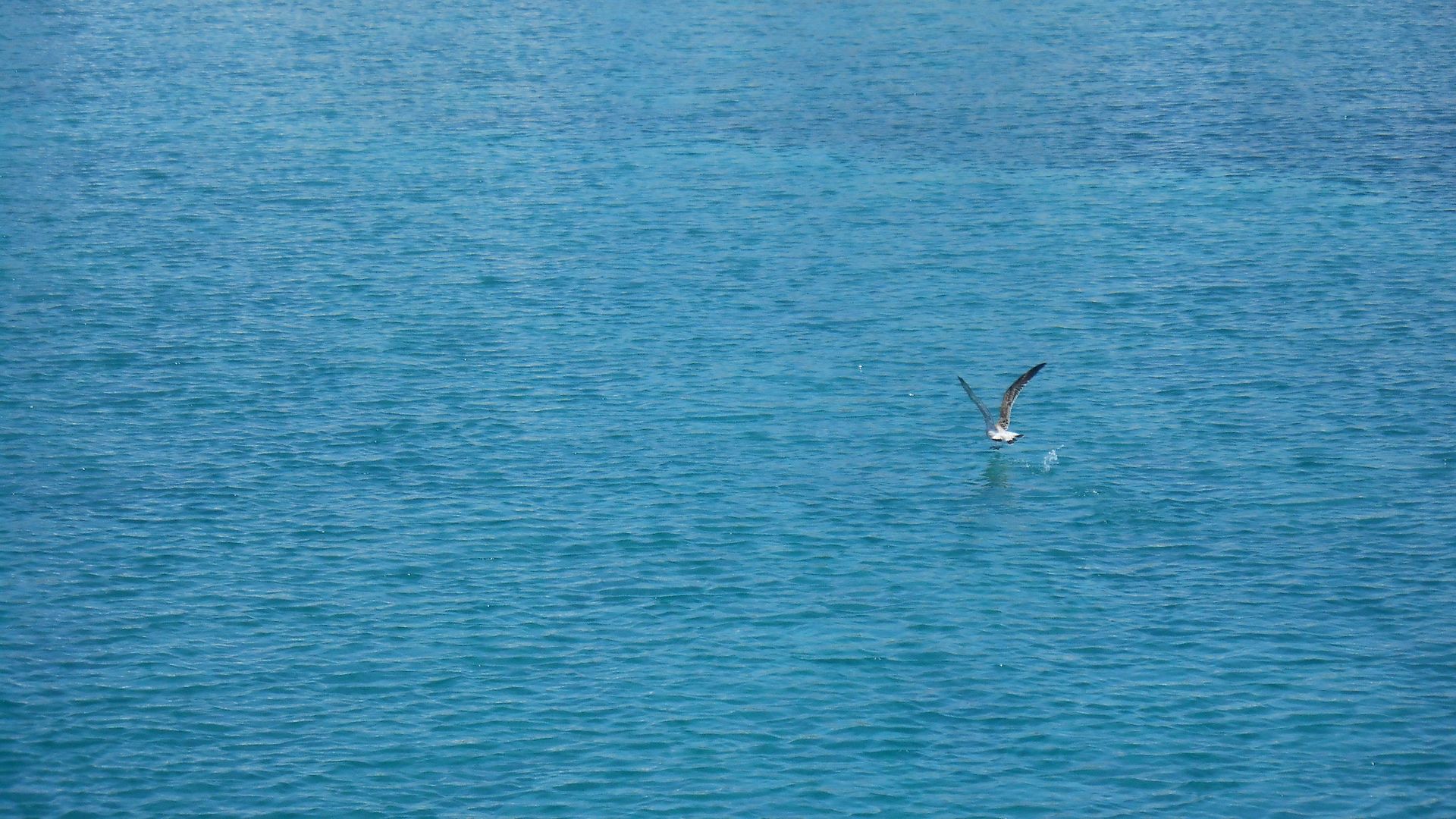
Although technically located in the stretch of sea between Elafonisos and the coast of Pounta, Pavlopetri is an essential stop for understanding the historical value of the area. It is the oldest submerged city in the world, dating back around 5,000 years. The ruins, lying just a few metres below the surface, include streets, two-storey buildings, courtyards and even a complex water management system. Discovered in 1967, the city offers an incredible glimpse into Bronze Age civilisation. Thanks to the clarity of the water, visitors can explore the archaeological site simply equipped with a mask and snorkel, swimming above the outlines of the ancient dwellings. It is a surreal experience that lets you touch, almost literally, the fragility of human presence in the face of geological change and the power of the sea.
Landscape and Nature: a unique ecosystem
The natural environment of Elafonisos is of a precious rarity, to the point of being included in the Natura 2000 network. Besides the famous dunes, the island is home to an endemic flora adapted to conditions of extreme salinity and aridity. The undisputed star is Juniperus oxycedrus, the coastal juniper, whose deep roots stabilise the dunes and create a landscape reminiscent of the North African coastline. In spring, the island bursts into wildflower blooms, including the rare sea lily that springs directly from the sand. The fauna is interesting too: the island's shores are frequented by the loggerhead sea turtle, Caretta caretta, which sometimes chooses these unspoiled beaches to lay its eggs. The hinterland, although arid, is crossed by paths that allow visitors to explore the limestone hills, offering spectacular views over the Gulf of Laconia and, in the distance, the islands of Kythira and Antikythira.
Traditions and flavours: cuisine from the sea
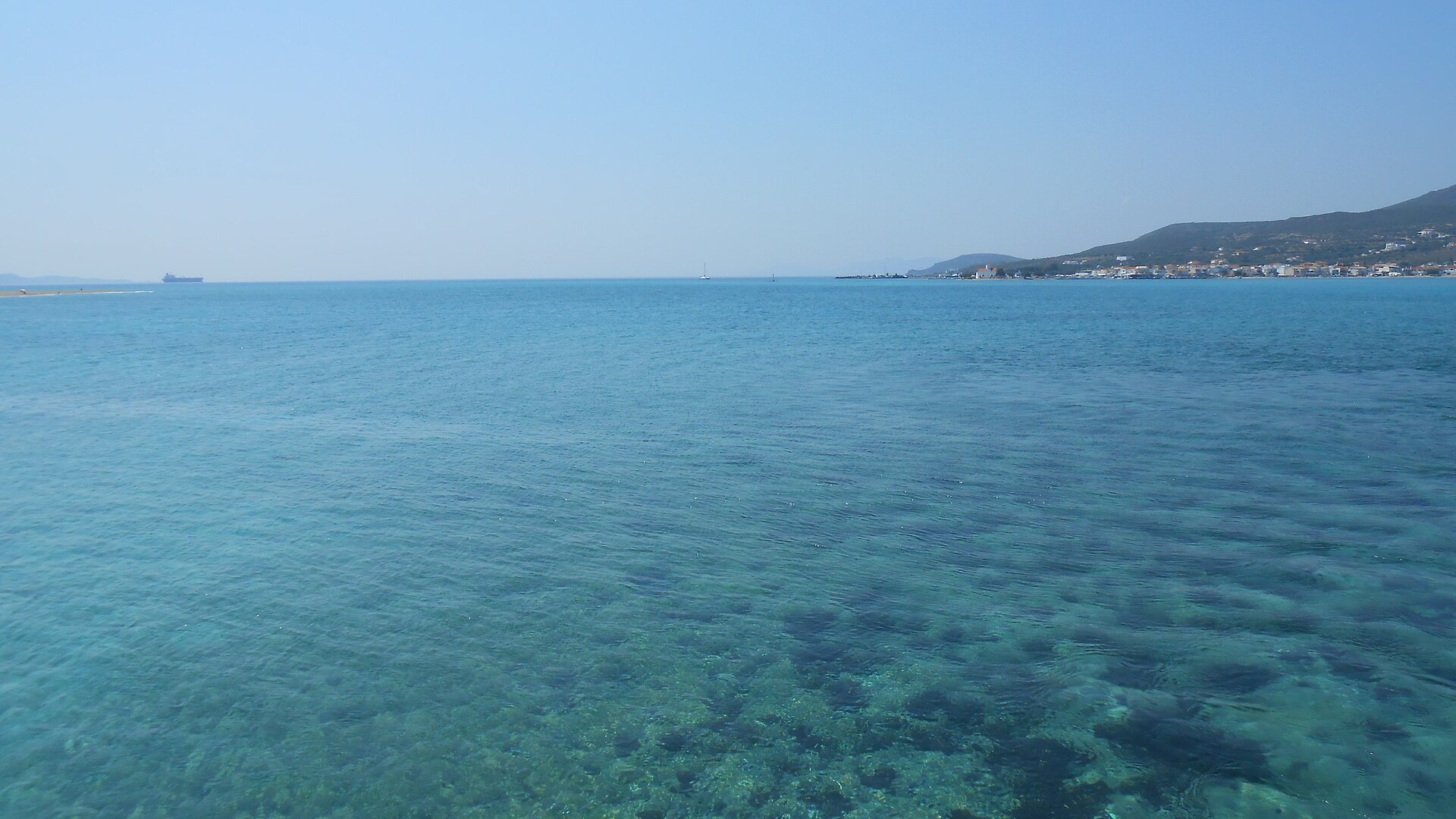
The gastronomy of Elafonisos is a tribute to the simplicity and freshness of the local catch. The signature dish is 'Kakavia', a thick, flavourful fish soup originally prepared by fishermen using the day's leftover catch, enriched with lemon, onions and potatoes. Sun-dried and then grilled octopus, fried red mullet and pasta with lobster are always on the menu, specialities that reflect the richness of the surrounding waters. Beyond seafood, the island also boasts an excellent thyme honey and traditional sweets such as 'Samousades', filo pastry rolls filled with almonds and walnuts, typical of the Laconian area. Pairing these dishes with a glass of local wine or ouzo, seated at a table just a few centimetres from the water, is the best way to honour the culture of Greek hospitality, which is still deeply felt here.
What to do in Elafonisos
- Spend a whole day among the dunes of Simos Beach, enjoying its double sea view.
- Rent a small boat to explore the sea caves along the coast and the less accessible bays.
- Go snorkelling above the sunken ruins of Pavlopetri for an underwater journey through time.
- Stroll across the bridge to Agios Spyridon at sunset to take iconic photos of the village.
- Dine at one of the harbourside taverns, tasting Kakavia soup prepared according to the traditional recipe.
- Explore the hinterland on foot, following the paths that lead to the island's highest viewpoints.
When to go and how to experience the island
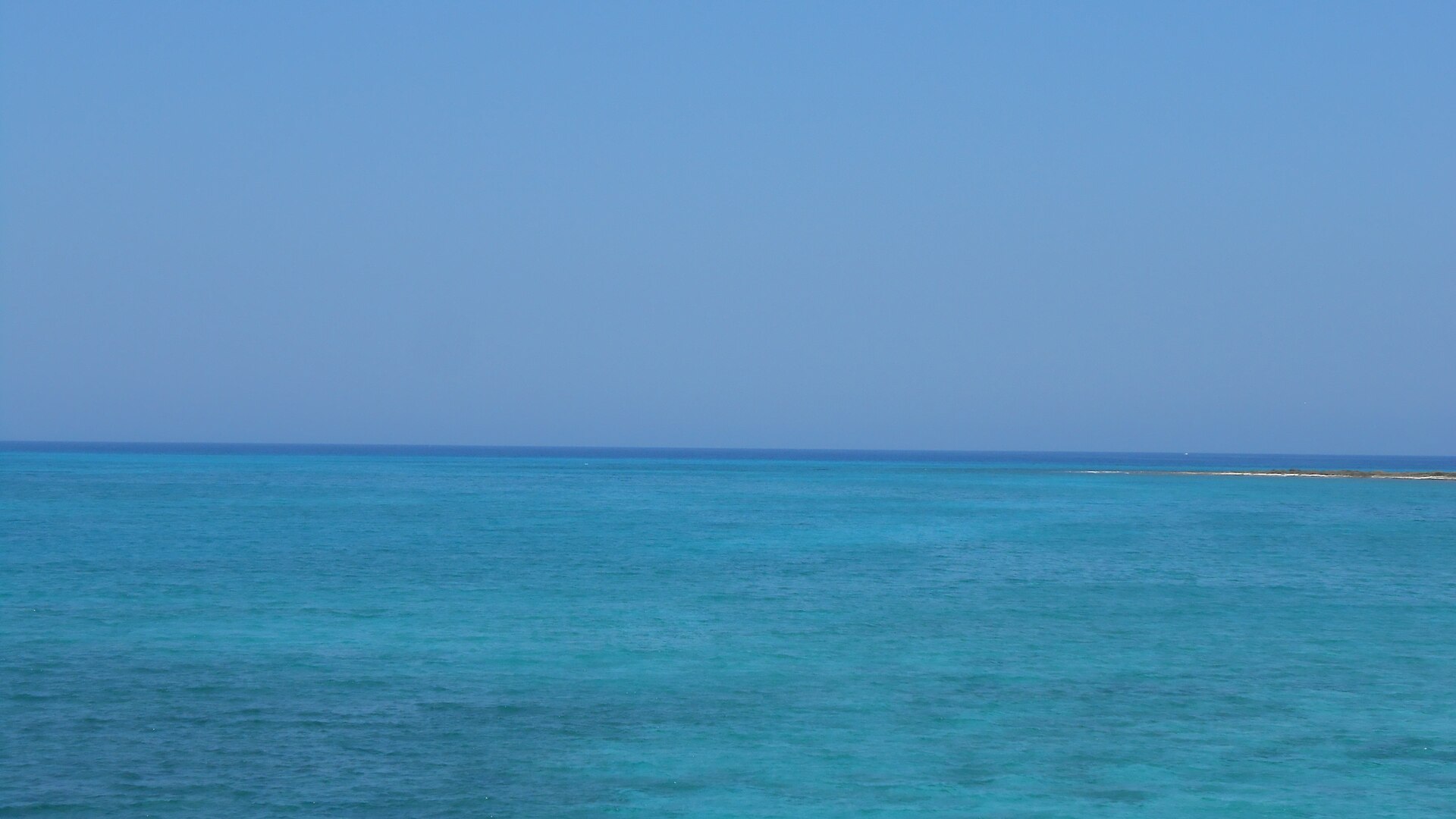
The ideal time to visit Elafonisos runs from late May to late September. June and September are the best months for those seeking peace and pleasant temperatures, allowing you to enjoy the beaches almost in solitude. July and August see a considerable increase in visitors, making the island lively but sometimes crowded, especially at weekends. To fully experience Elafonisos, it is best to get around on foot or by bicycle, given the limited size of the territory. This is a place that invites you to slow down: there's no need to rush from one attraction to the next, since the real attraction is the relaxed lifestyle and the constant contact with the sea. Bring a mask and snorkel, comfortable shoes for the paths and, above all, the desire to disconnect from the outside world.
FAQ
Come si raggiunge l'isola di Elafonisos?
È necessario avere un'auto sull'isola?
Quanto tempo occorre per visitarla?
L'isola è adatta alle famiglie con bambini?
Getting there
- Aeroporto di Kalamata (KLX) - circa 200 km
- Aeroporto Internazionale di Atene (ATH) - circa 330 km
- Non ci sono linee ferroviarie dirette; la stazione più vicina è Corinto, poi occorre proseguire in auto o bus.
- Da Atene o Kalamata, seguire le indicazioni per Sparta e poi per Neapoli/Monemvasia, seguendo infine le indicazioni per il porto di Pounta.
- Durante l'alta stagione, i traghetti da Pounta partono ogni 30 minuti circa; non è necessaria la prenotazione anticipata per i passeggeri.
Perfect for
Le spiagge di Elafonisos sono considerate tra le migliori del Mediterraneo per la purezza dell'acqua e la sabbia candida.
La presenza di Pavlopetri rende l'area un sito di eccezionale interesse per gli amanti della storia antica e dell'archeologia subacquea.
Un ecosistema protetto con dune sabbiose e cedri marittimi secolari, ideale per il birdwatching e il trekking leggero.
To see