

Amaliadha
In the beating heart of the Elis plain, where the green of the olive groves fades into the deep blue of the Ionian Sea, stands Ama...
Updated 8 July 2026
This season · July · Summer
What to do in Amaliadha now
The story
The story of Amaliadha
Historical roots: between queens and ancient splendor
The history of Amaliada is a mosaic of overlapping eras. Although the modern city was founded relatively recently, the territory on which it stands has been inhabited since prehistoric times. During the Byzantine period and the subsequent Ottoman domination, the area was divided into small rural villages. The turning point came in 1830, after Greek independence, when the settlements of Kalitsa and Dervish-Tselepi began to merge. The royal decree of 1835 sanctioned the birth of the municipality, named in honor of Queen Amalia, who visited the area and was enchanted by it. During the 19th and 20th centuries, Amaliada became the hub of the Elis economy, growing wealthy through the raisin trade, the 'black gold' of Greece, which attracted merchants and led to the construction of elegant neoclassical buildings, some of which are still visible in the urban fabric today.
Ancient Elis: guardian of the Olympic Games
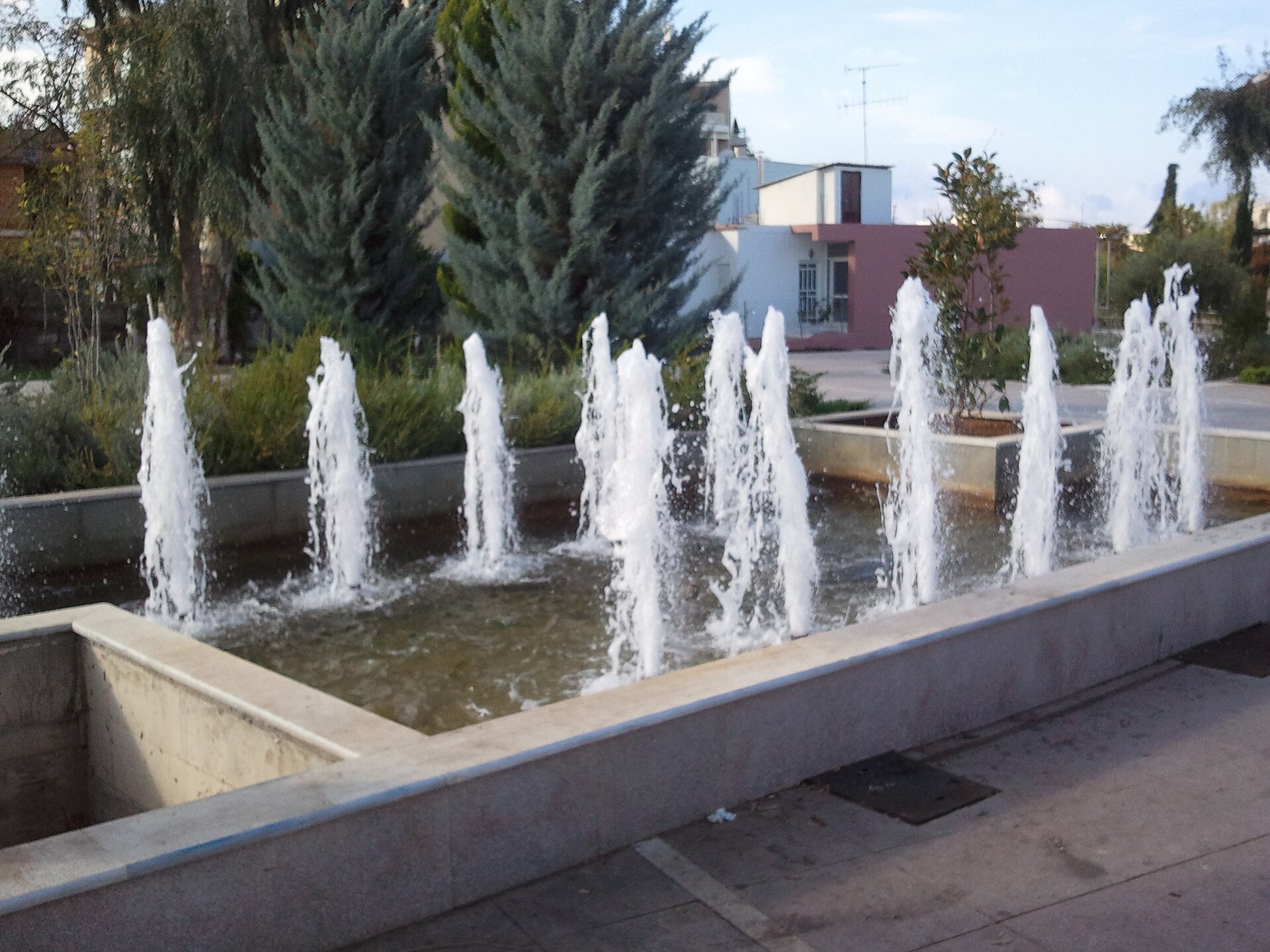
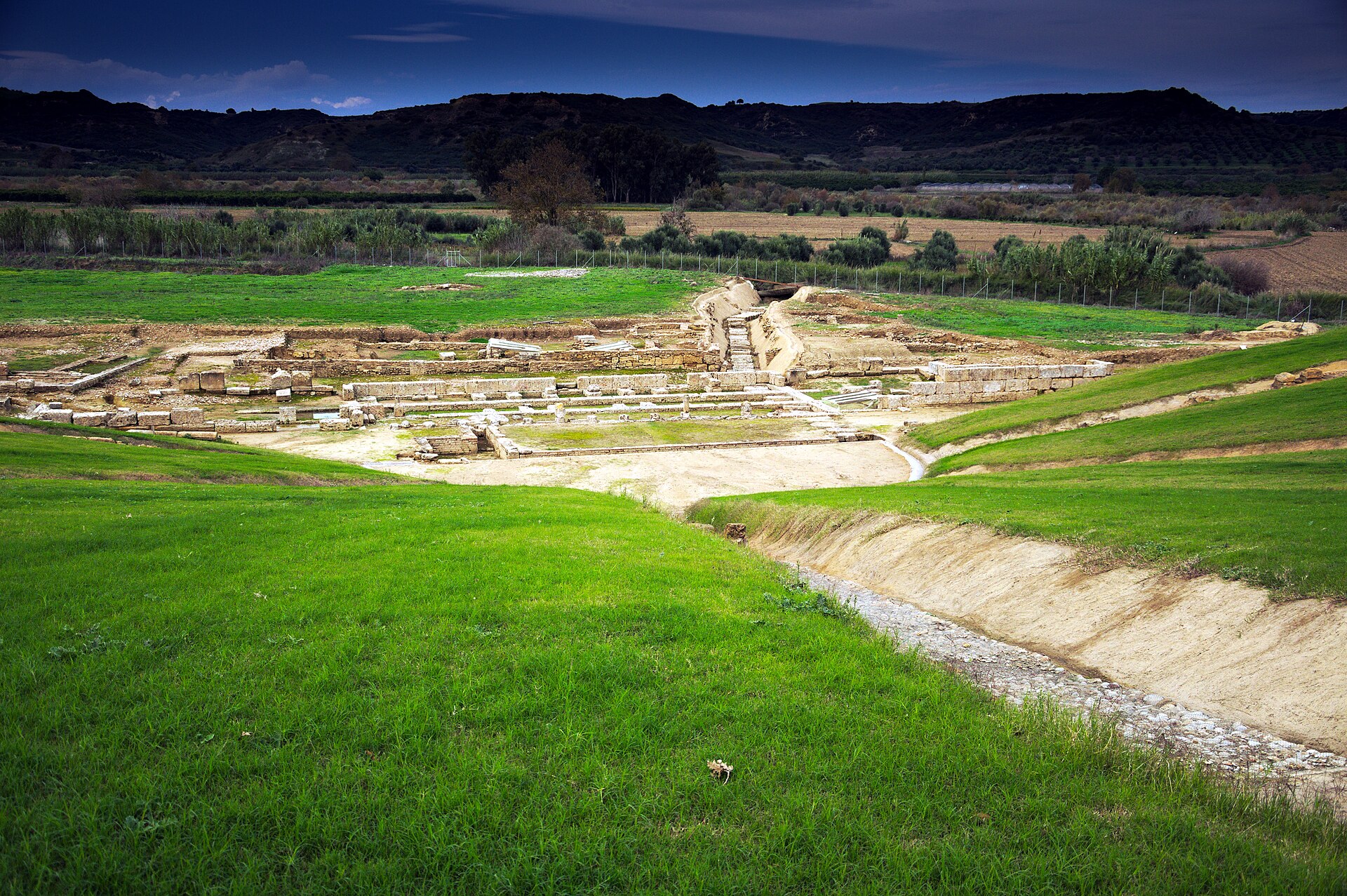
A short distance from the modern center lies the archaeological site of Ancient Elis (Ilis), an essential stop for understanding the identity of the place. This city-state was the capital of the region and, above all, the official organizer of the ancient Olympic Games. It was here that athletes arrived a month before the start of the competitions to train under the supervision of the Hellanodikai, the game judges. Today, visiting the site, one can admire the remains of the majestic ancient theater, the gymnasium and the agora. Unlike Olympia, which was a Panhellenic sanctuary, Elis was a living, thriving city, with residential quarters and temples. The small but well-curated local museum houses artifacts that tell of the daily life and political importance of this forgotten metropolis, offering a unique perspective on the management of the sacred and of sport in the ancient world.
The Monastery of Fragavilla: a Byzantine gem
Located just two kilometers north of Amaliada, the Monastery of Fragavilla represents one of the most significant religious monuments of the Peloponnese. The main church, dedicated to the Dormition of the Virgin, dates back to the 11th century and is an extraordinary example of Byzantine cross-in-square architecture with a dome. What makes Fragavilla special is the harmony of its proportions and the quality of its masonry, which alternates stone and brick in decorative motifs typical of the era. Inside, despite the damage suffered over time, fragments of frescoes remain that testify to the high artistic level achieved by local masters. The monastery is immersed in a landscape of centuries-old olive trees that invites silence and reflection, offering a striking contrast with the liveliness of the nearby urban center.
The Monastery of Agia Eleousa and the mystical gorge
Not far from Amaliada, near the village of Lygia, stands the Monastery of Agia Eleousa, a place of profound spirituality and natural beauty. Founded in the 9th century, the monastery is literally wedged into a narrow rocky gorge, a position that made it a safe refuge during centuries of raids and foreign domination. Legend has it that an icon of the Virgin was found precisely in a cave in the rock face, giving rise to the veneration of the place. In addition to the main church, the complex preserves a defensive tower from the Ottoman era and offers a spectacular view over the valley below. The climb to the monastery is a sensory experience, amid the scent of wild thyme and the sound of the wind weaving through the rocks, culminating in a panoramic square that seems suspended in time.
The Folklore Museum: the memory of the land
To understand the soul of Amaliada one must visit its Folklore Museum, housed in a historic residence in the town center. This exhibition space collects objects, costumes and work tools that recount rural life in Elis between the 19th and 20th centuries. Particular emphasis is placed on viticulture and raisin production, which shaped the economic and social destiny of the region. The museum's rooms display antique looms, finely embroidered traditional garments and a rich collection of period photographs documenting the city's evolution. It is a place for preserving collective memory, where popular traditions are not presented as fossils of the past, but as living roots of a community that continues to honor its deep bond with its land and its seasonal cycles.
Kourouta: the golden Ionian shoreline
Just 6 kilometers from the center of Amaliada stretches Kourouta, the area's most famous and beloved beach. Characterized by a very long stretch of fine sand that slopes gently into crystal-clear waters, Kourouta has received the Blue Flag for years for the quality of its sea. The seafront is the heart of summer fun, with a lively succession of cafés, traditional taverns and venues that come alive from sunset until late at night. Despite its popularity, the vastness of the shoreline makes it possible to find corners of absolute tranquility. It is the ideal place for those who want to combine beach relaxation with the comfort of amenities, offering breathtaking sunsets where the sun seems to dive directly behind the silhouette of the island of Zakynthos, visible on the horizon on the clearest days.
Palouki and Savalia: the maritime surroundings
Continuing along the coast, one encounters the localities of Palouki and Savalia, which offer a more intimate atmosphere compared to the lively Kourouta. Palouki is a picturesque fishing hamlet where you can watch boats returning in the morning laden with fresh fish, destined for the local taverns. The area is surrounded by lush pine forests that almost reach the water, offering natural shade during the hottest hours. Savalia, on the other hand, is known for its wild, unspoiled beach, a favorite destination for those seeking direct contact with nature and the open sea. These surroundings represent the most authentic face of the Elis coast, where the rhythm of the day is still marked by the waves and by maritime traditions that coexist harmoniously with the agricultural vocation of the hinterland.
The landscape of Elis: between plain and hills
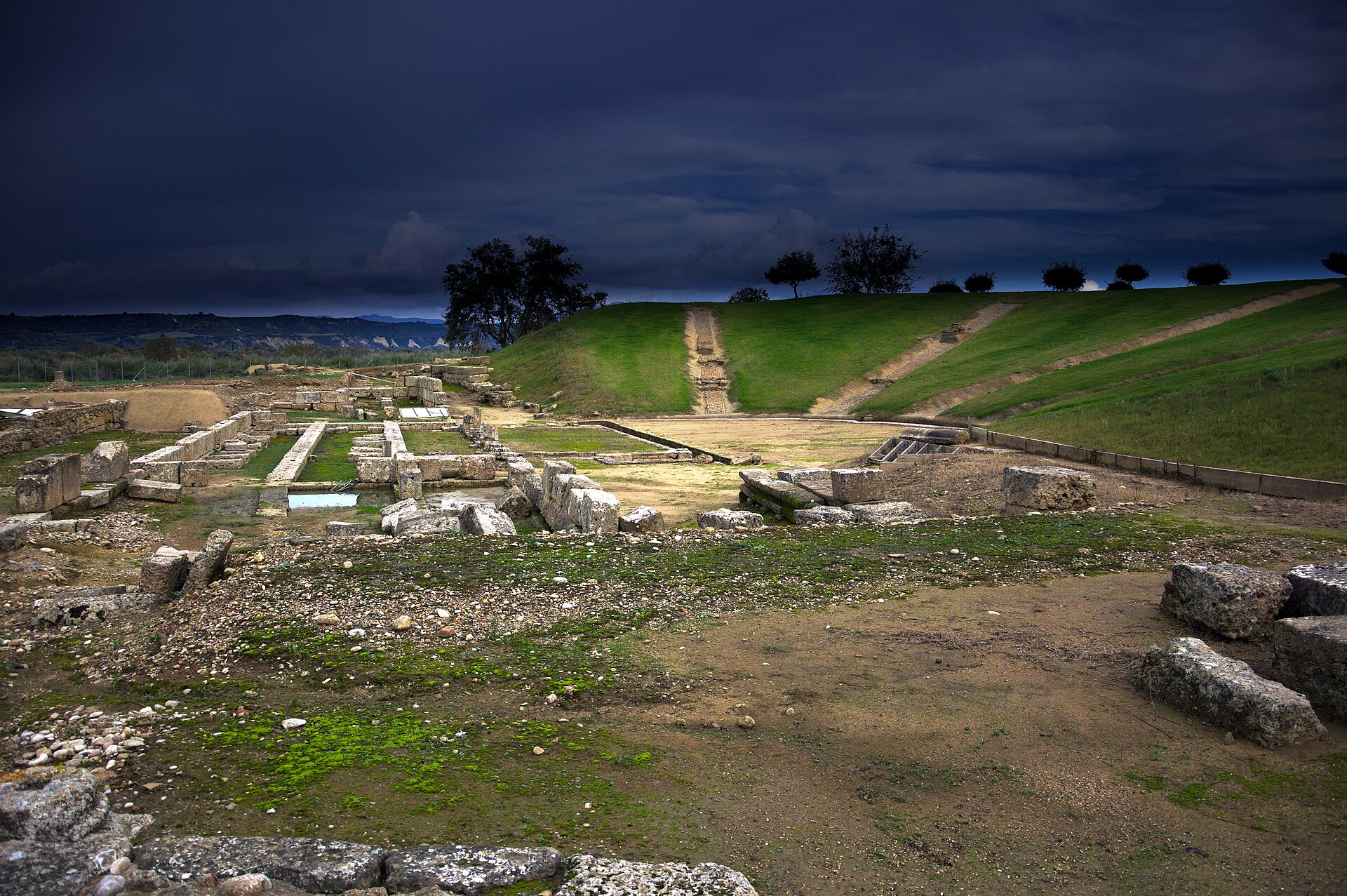
The landscape surrounding Amaliada is a hymn to fertility. The Elis plain is one of the most productive areas of Greece, an unbroken mosaic of vineyards, citrus groves and watermelon fields. Toward the interior, the terrain ripples into gentle hills covered with Mediterranean scrub and pine forests. This morphological variety fosters extraordinary biodiversity and offers ideal settings for hiking or cycling excursions. The secondary roads connecting Amaliada's various hamlets pass through rural villages where time seems to have stood still, offering glimpses of an intact rural Greece. The proximity to the Pinios River and its wetlands adds a further element of naturalistic interest, making the area an important stopover point for migratory birdlife during seasonal passages.
Flavors and traditions: the table of Elis
The gastronomy of Amaliada is the offspring of the generous land that hosts it. Here extra virgin olive oil is the undisputed protagonist, the basis of every preparation. Among the outstanding products are Amaliada's watermelons, famous throughout Greece for their sweetness, and of course raisins, used both in traditional desserts and in sweet-and-sour preparations. In local taverns, the freshest Ionian fish is never lacking, but also hearty meat dishes such as spit-roasted suckling pig (gourounopoula), typical of popular festivals. The local wines, made from native grape varieties, worthily accompany every meal. During the summer, the city comes alive with the Ancient Elis Festival, which offers theatrical performances and concerts, celebrating the unbreakable bond between modern culture and classical heritage.
When to go and how to experience Amaliada
The best time to visit Amaliada runs from late spring to early autumn. May and June are ideal months for exploring the archaeological sites and monasteries, thanks to mild temperatures and nature in full bloom. July and August are the months of the sea and nightlife in Kourouta, but they are also the months in which the prestigious Ancient Elis Festival takes place, allowing visitors to attend Greek tragedies in their natural setting. September offers perfect weather and the chance to witness the grape harvest, a moment of great excitement for the local community. Living Amaliada means adopting Greek rhythms: a slow breakfast with iced frappé coffee, mornings devoted to history or the sea, and long outdoor dinners under the starry sky of the Peloponnese.
- Explore the remains of the theater and gymnasium in Ancient Elis.
- Admire the Byzantine architecture of the Monastery of Fragavilla.
- Enjoy a spectacular sunset on Kourouta beach.
- Visit the Folklore Museum to discover the story of the 'black gold' (raisins).
- Attend a theatrical performance during the Ancient Elis Festival.
- Taste fresh fish at the little harbor of Palouki.
- Climb up to the Monastery of Agia Eleousa to enjoy the view over the gorge.
FAQ
Quanto dista Amaliada dal sito di Antica Olimpia?
Le spiagge vicino ad Amaliada sono adatte alle famiglie?
È necessario noleggiare un'auto?
Cosa si mangia di tipico ad Amaliada?
Getting there
- Aeroporto di Araxos (GPA) - 50 km
- Aeroporto di Atene (ATH) - 290 km
- Linea ferroviaria regionale Patrasso-Pyrgos (servizio attualmente limitato o tramite bus sostitutivi)
- Da Atene prendere l'autostrada A8 verso Patrasso, poi proseguire sulla E55 in direzione Pyrgos.
- Se arrivate in traghetto dall'Italia, il porto di Patrasso dista circa 80 km da Amaliada ed è ben collegato.
Perfect for
Sede della città-stato che gestiva le Olimpiadi, offre un sito archeologico meno affollato e molto suggestivo.
Chilometri di spiagge sabbiose Bandiera Blu, ideali sia per il relax selvaggio che per il divertimento organizzato.
Custodisce gioielli dell'architettura bizantina come Fragavilla e monasteri rupestri di grande fascino.
To see
