

Pevkokhori
Imagine a place where the deep green of pine forests plunges without hesitation into the crystalline turquoise of the Aegean: welc...
Updated 8 July 2026
This season · July · Summer
What to do in Pevkokhori now
The story
The story of Pevkokhori
A journey through time: from its origins to Kapsochora
The history of Pevkohori is rooted in a distant past, linked to its proximity to the ancient city of Neapolis, which flourished in this area during the classical era. However, the current village began to take shape more definitively during the Byzantine period and later under Ottoman rule. The village was once known by the name of Kapsochora, which literally means 'burnt land', a toponym that evokes the difficult times when pirates infested these coasts, bringing plunder and destruction. It was only in the 19th century that the village began a slow rebirth, thanks to agriculture and the production of honey and olive oil. The definitive transformation took place in the 1970s, when the first travelers discovered the unspoiled beauty of its beaches, sparking a tourist development that has made Pevkohori the dynamic and beloved destination we know today.
The Old Village: the beating heart of tradition
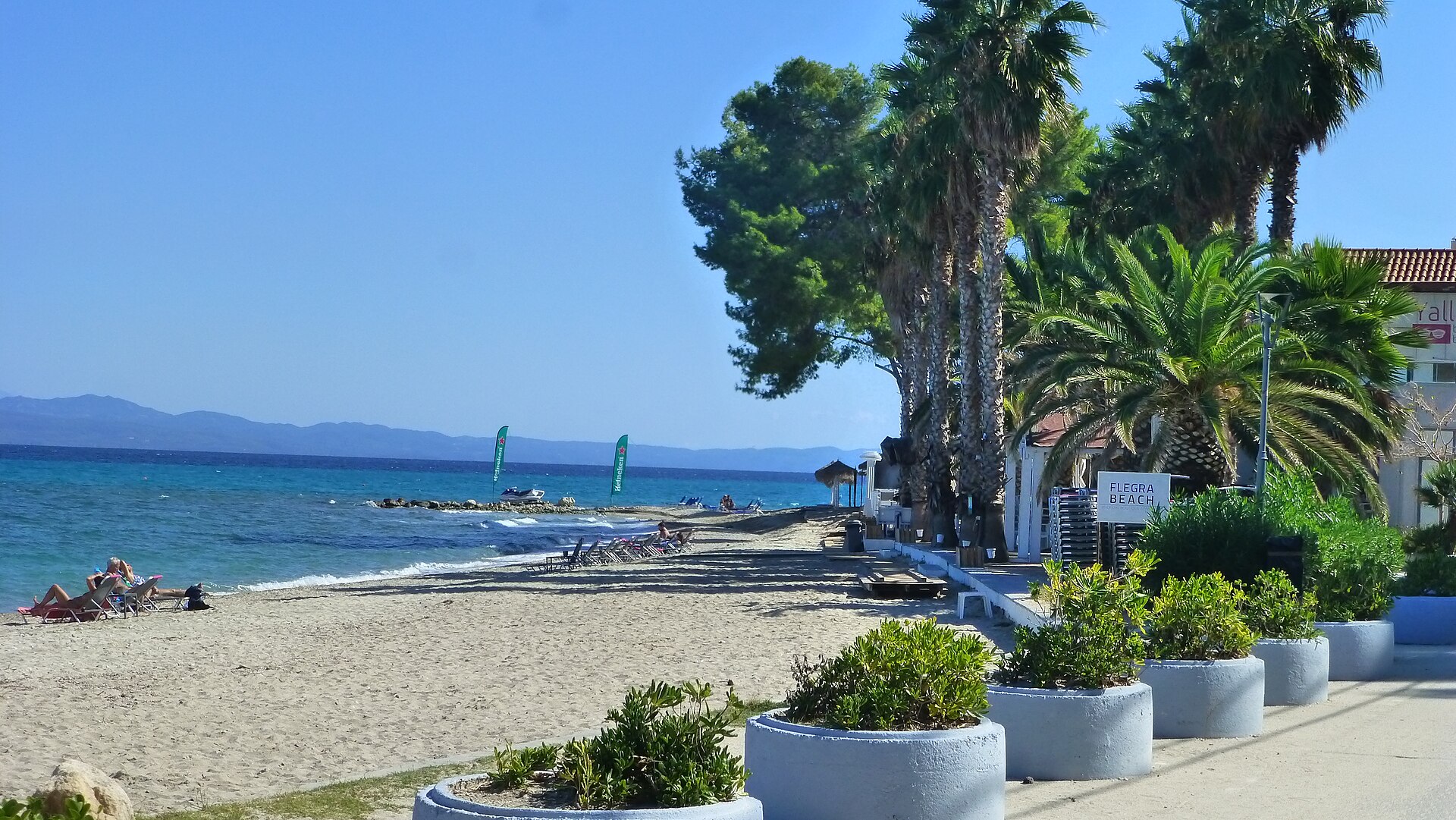
Moving just a few steps away from the modern seafront, you find yourself immersed in the suspended atmosphere of the old village (Palia Plateia). Here, Macedonian architecture reveals itself in all its sober beauty, with stone houses with red-tiled roofs and small courtyards adorned with basil pots and cascades of bougainvillea. It is the ideal place to lose yourself among narrow alleys leading to quiet little squares, where the village elders still sit outside their doors to chat. This historic core represents the deep identity of Pevkohori, a fascinating contrast with the liveliness of the coastal area, where you can breathe the true essence of Greek rural life, marked by slow rhythms and age-old gestures passed down from generation to generation.
The Church of Agios Nikolaos
Dedicated to the patron saint of sailors, the Church of Agios Nikolaos is the main religious building and spiritual heart of the community. Located in the old part of the village, this structure is captivating for its typically Orthodox architecture and the serenity it exudes. Originally built in the 19th century and later restored, it houses precious icons and finely crafted wooden decorations inside. The church is not just a monument but a living place: during religious festivities, and especially for the saint's feast day, it becomes the center of celebrations involving the whole village with processions and traditional songs, offering visitors an authentic glimpse of local devotion and culture.
The Glarokavos Lagoon
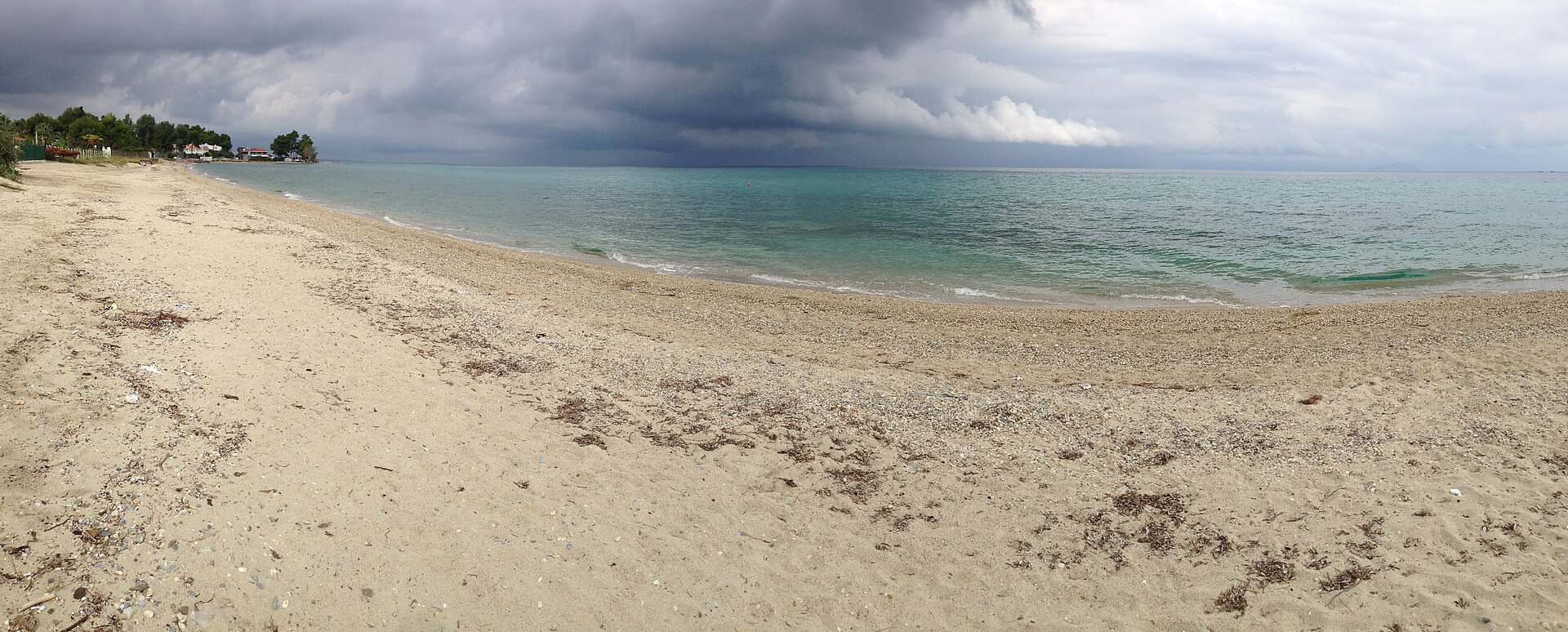
A short distance from the village center lies one of the most precious natural treasures of the area: the Glarokavos lagoon. This natural harbor, characterized by calm waters and shallow seabeds, is surrounded by dense pine vegetation that almost touches the surface of the water. It is a magical place, used by local fishermen as a shelter for their boats, but also a favorite destination for those seeking a peaceful corner away from the more crowded beach resorts. The Glarokavos area offers fine sandy beaches and an emerald-hued sea, ideal for long swims or for snorkeling to discover the rocky seabeds that mark the entrance to the lagoon, where marine life is particularly rich.
The Monastery of Saint John the Russian
In the surroundings of Pevkohori, nestled in the green hills, stands a small metochion (monastic dependency) dedicated to Saint John the Russian. Although less imposing than the great monasteries of Mount Athos, this place exudes intense spirituality and offers a breathtaking panoramic view over the Toroneos Gulf. Pilgrims and visitors come here to light a candle and enjoy the regenerating silence of the surrounding nature. The simple architecture and the well-tended gardens reflect the humility of the saint to whom it is dedicated, making it an essential stop for those wishing to explore the more intimate and mystical dimension of the Kassandra peninsula.
Nature and Landscape: between pines and sea
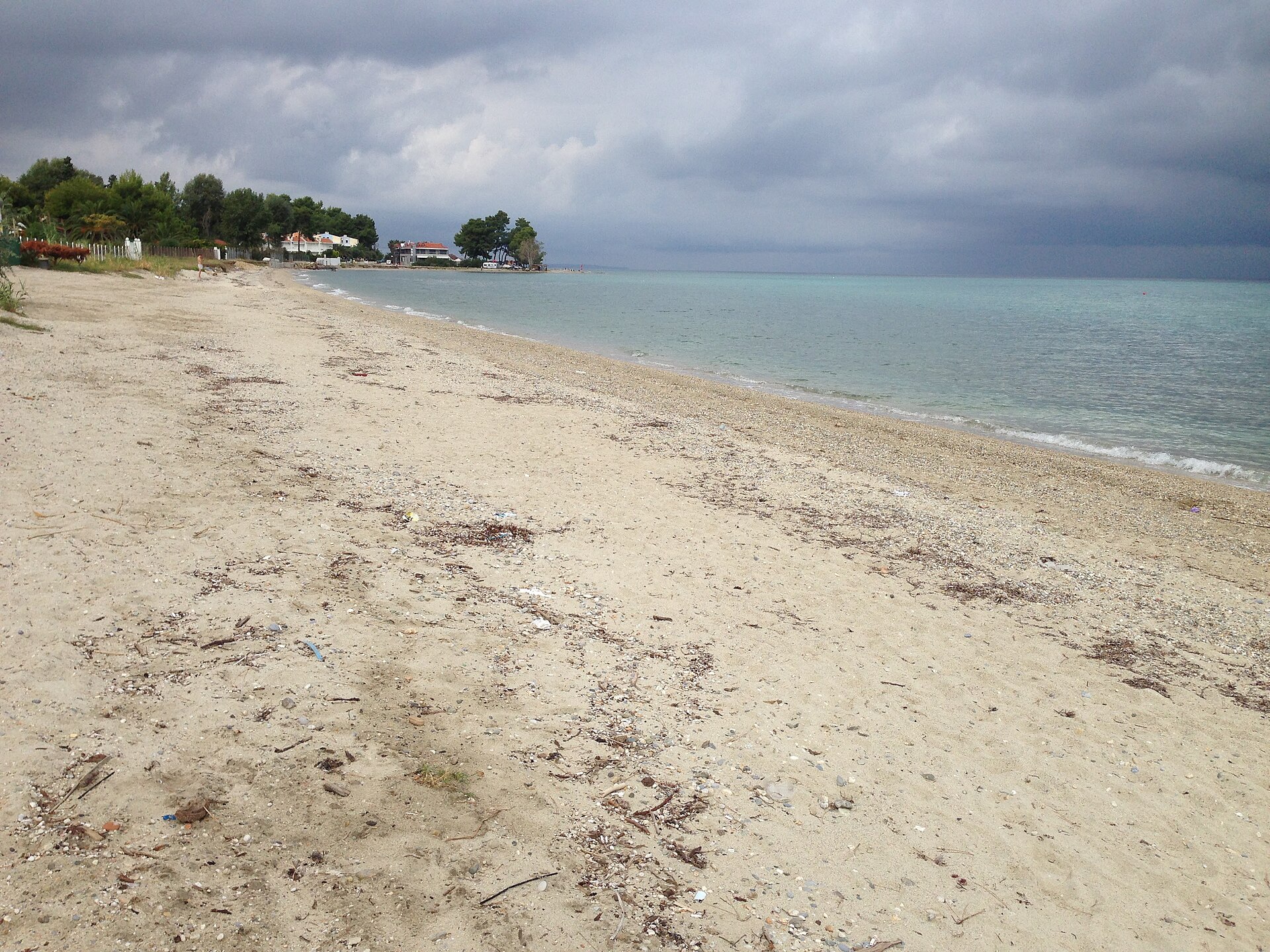
The landscape of Pevkohori is dominated by a perfect duality: the hilly hinterland covered with Aleppo pine forests and the coastal strip bathed by a crystal-clear sea. This combination not only creates postcard-worthy scenery but also guarantees a pleasant microclimate even on the hottest summer days, thanks to the breeze descending from the highlands laden with the scent of conifers. Trekking and mountain biking enthusiasts will find numerous trails winding through the woods, offering unusual glimpses of the sea and the chance to spot local flora, which includes aromatic herbs such as thyme and wild oregano. The coastline, for its part, alternates long stretches of golden sand with small rocky coves, guaranteeing every traveler their own corner of earthly paradise.
The neighboring towns: Paliouri and Hanioti
Pevkohori is the ideal starting point for exploring the other gems of Kassandra. To the south lies Paliouri, a traditional village perched on a hill, famous for its organic honey production and for its wild beaches such as Chrousso. To the north, on the other hand, is Hanioti, a lively center with well-kept parks and a wide selection of shops and nightspots. Both towns complement what Pevkohori has to offer, allowing you to move in just a few minutes from the tranquility of a rural village to the glamour of an elite tourist resort, following the outline of a coast that never ceases to amaze with its variety and beauty.
Flavors and Traditions: the cuisine of Macedonia
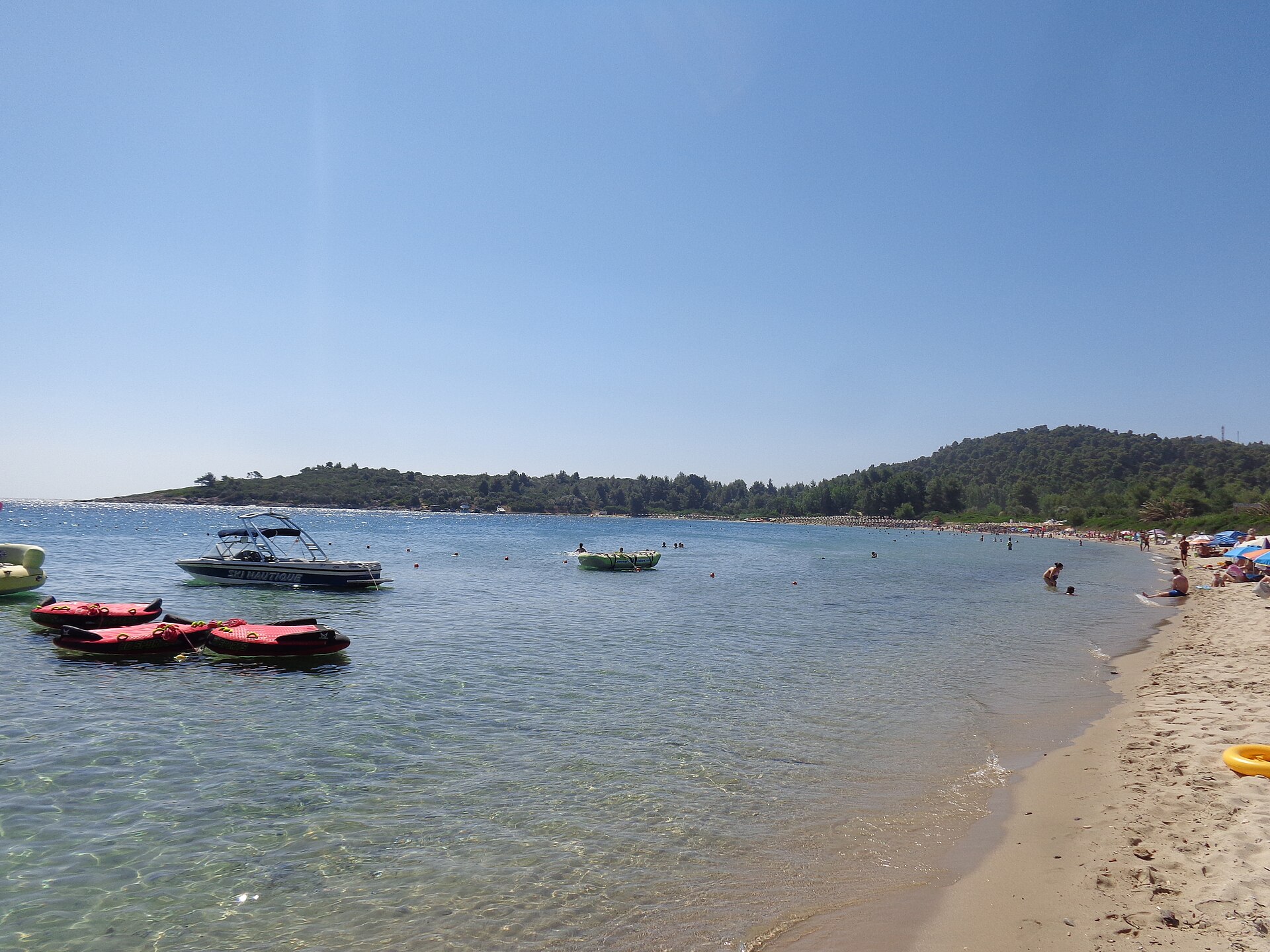
Local gastronomy is a triumph of Mediterranean flavors, influenced by the richness of the sea and the land. Pevkohori is renowned for its fresh fish, caught daily and served in the taverns on the pier: sea bream, sea bass and grilled octopus are the absolute stars. However, you cannot leave the village without having tasted the local pine honey, an excellent product with a dark color and intense flavor, often served together with thick Greek yogurt. Olive oil, produced from the olive groves dotting the surrounding hills, is also of the highest quality. During summer evenings, the squares come alive with rebetiko music and traditional dances, offering the chance to sip a glass of tsipouro accompanied by 'mezedes', the typical Greek appetizers.
- Sunset stroll along the Pevkohori pier.
- Boat excursion to the uninhabited island of Kelyfos.
- Honey and local product tasting in the old village.
- A day of total relaxation at Glarokavos beach.
- Fresh fish dinner in a traditional tavern.
- Trekking along the fragrant pine forest trails.
When to go and how to experience the place
The best time to visit Pevkohori is from May to the end of September. July and August are the hottest and most crowded months, ideal for those seeking nightlife and a cosmopolitan atmosphere. However, for those who wish to fully enjoy nature and tranquility, June and September offer mild temperatures, warm waters and the chance to explore the area without the summer crowds. Living Pevkohori means adopting the local lifestyle: waking up early for a Greek coffee while looking at the sea, spending the midday hours in the shade of the pines, and letting yourself be carried away by the conviviality of outdoor dinners that stretch late into the night under a wonderfully clear starry sky.
FAQ
Pevkokhori è adatta alle famiglie con bambini?
Cosa vedere in un giorno a Pevkokhori?
Com'è la vita notturna?
È facile trovare parcheggio?
Si possono fare escursioni in barca?
Getting there
- Aeroporto di Salonicco-Macedonia (SKG) - circa 95 km
- Stazione ferroviaria di Salonicco (collegamenti bus KTEL per Kassandra)
- Percorrere l'autostrada verso Nea Moudania e proseguire sulla strada costiera di Kassandra seguendo le indicazioni per Pefkohori.
- Noleggiare un'auto all'aeroporto di Salonicco è il modo più comodo per esplorare anche le spiagge più isolate nei dintorni.
Perfect for
Spiagge dorate e acque cristalline premiate spesso con la Bandiera Blu, perfette per il riposo totale.
Un paradiso per gli amanti del pesce fresco, del miele artigianale e dell'olio d'oliva macedone.
Una delle località più glamour della Calcidica, con club e bar che animano le notti estive.
To see
