

Paralia
Overlooking the cobalt waters of the Thermaic Gulf, Paralia stands as the bright seaside gateway to Pieria, a land where myth blen...
Updated 8 July 2026
This season · July · Summer
What to do in Paralia now
The story
The story of Paralia
Historical roots: between sea and myth
The history of Paralia is intrinsically linked to that of Katerini and the entire region of Pieria, an area that in ancient times was considered the home of the Muses. Although the urban settlement of Paralia is relatively recent in development, having initially arisen as a maritime outlet for trade and fishing, the surrounding territory is steeped in epoch-making events. From the Macedonian rulers, who saw this coast as a strategic point for controlling the Thermaic Gulf, to the passage of the Romans and Byzantines, the area has always represented a bridge between the mountainous hinterland and the Aegean's maritime routes. During the 20th century, the town underwent a radical transformation, moving from a rural village to an international tourist centre, yet keeping alive its ties to local traditions and the memory of a past in which these shores were the natural border of the kingdom of Philip II and Alexander the Great.
The Church of Agia Fotini
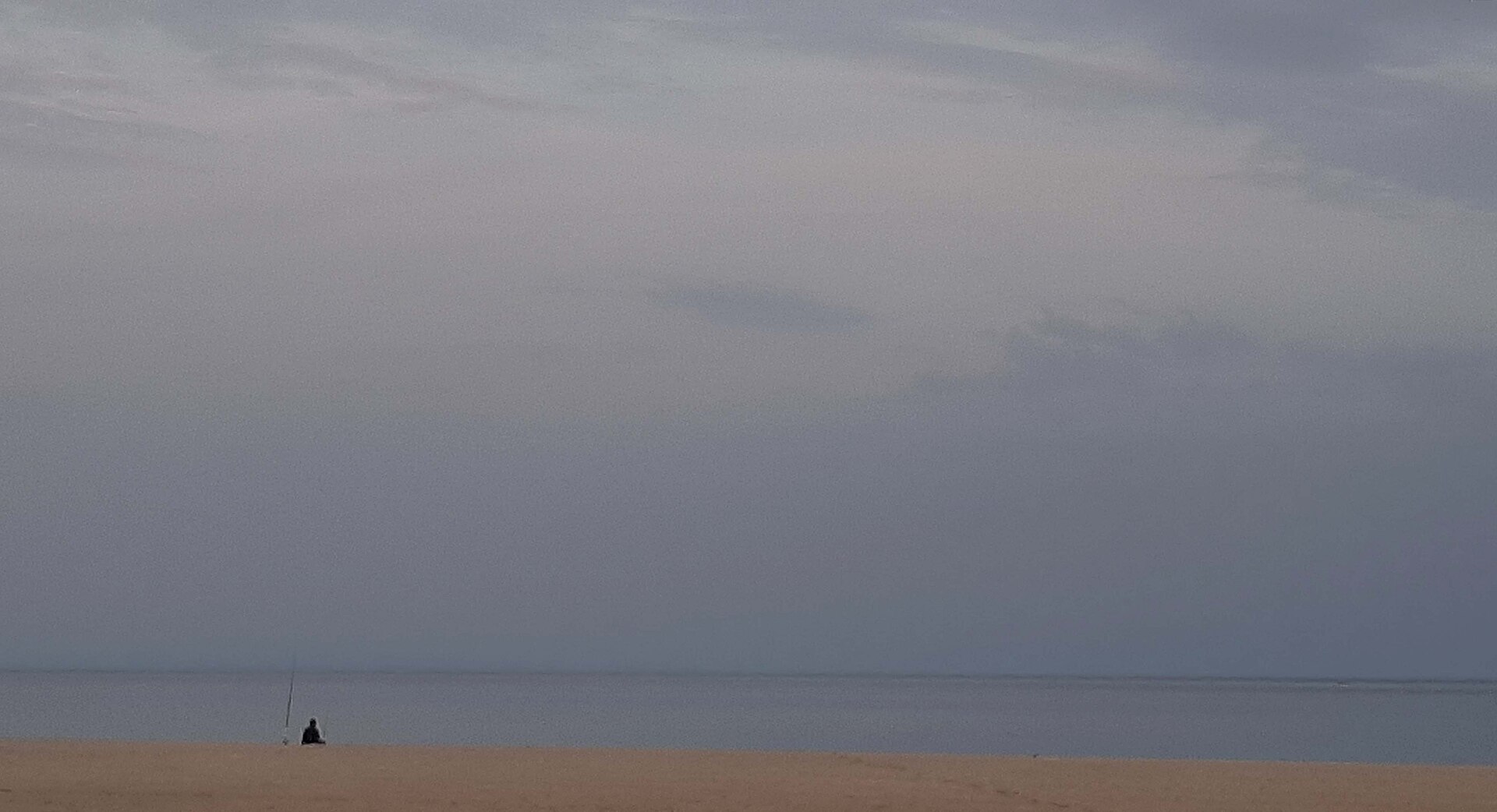
The true architectural and spiritual symbol of Paralia is the Church of Agia Fotini, a structure that catches the eye of anyone arriving on the seafront. Located just steps from the shoreline, this Orthodox church stands out for its whiteness and lines reminiscent of a reimagined Byzantine style. Dedicated to the Samaritan woman who met Jesus at the well, Agia Fotini is not only a place of worship but a key visual landmark: its domes stand out against the blue of the sea, creating a postcard image that embodies the very essence of coastal Greece. Inside, the atmosphere is intimate and evocative, enriched by finely crafted icons and the scent of incense that invites reflection. Its privileged position makes it the beating heart of the community, especially during Easter celebrations or patronal feasts, when the square in front of it fills with life and devotion.
The seafront and the golden beach
Paralia's beach is the main reason thousands of visitors choose this destination every year. It is an extensive strip of very fine sand stretching for several kilometres, washed by shallow, crystal-clear waters, often awarded the Blue Flag for cleanliness and services. The distinctive feature of this coastline lies in its breadth, which allows well-equipped areas with modern beach clubs and trendy bars to alternate with quieter, more open stretches. Walking along the water's edge at sunset, with the breeze descending from Mount Olympus refreshing the salty air, is an unmissable ritual. The beach is also the centre of water sports activities, from windsurfing to jet-skiing, making it ideal both for families seeking safety and for young people eager for active fun.
The marina and the life of the fishermen
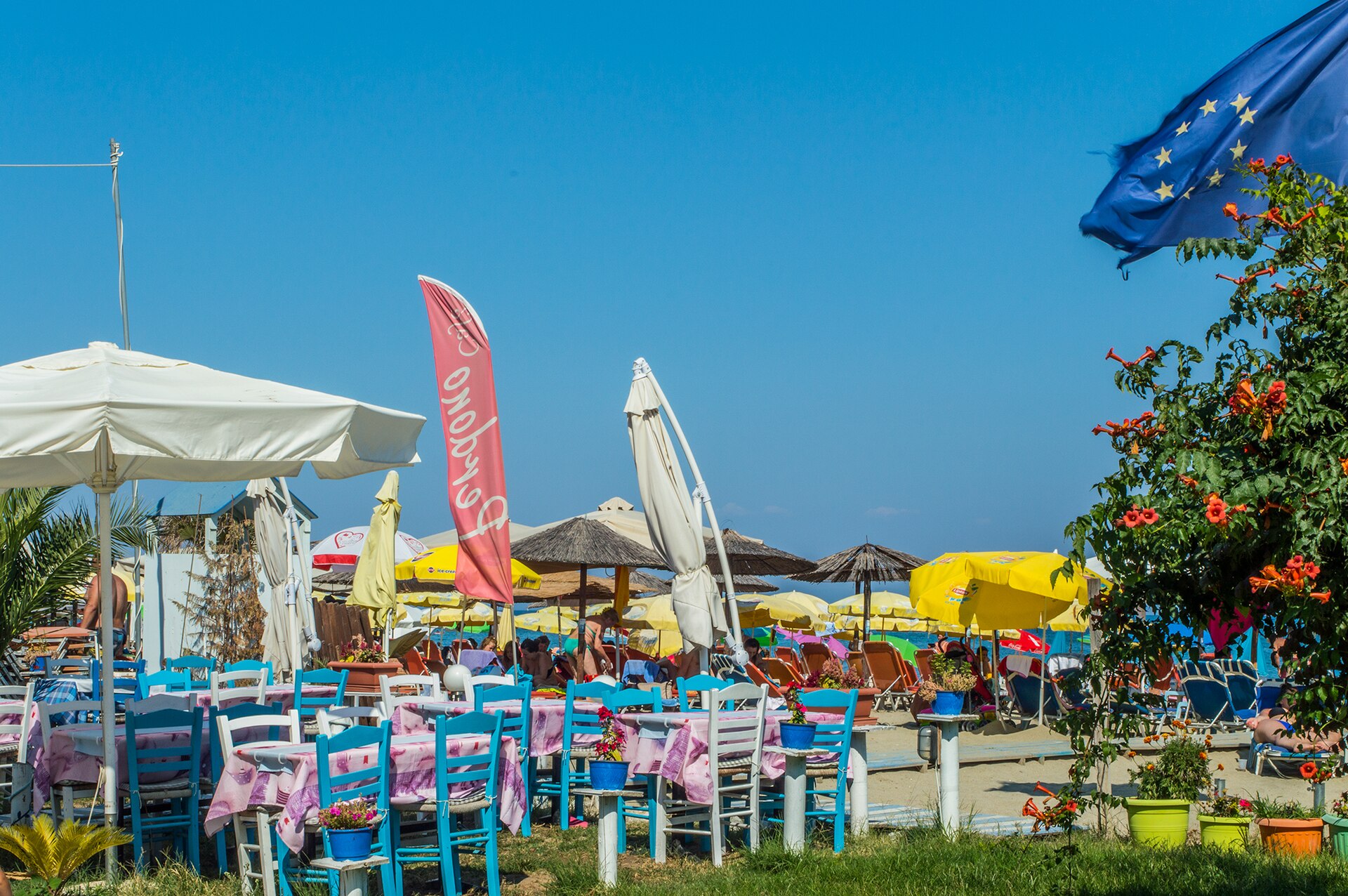
At the edge of the central area lies the small marina, a place where time seems to flow at a different pace than the bustle of the shopping streets. Here, traditional fishing boats, the brightly painted 'kaikia', bob alongside more modern yachts. It is the best spot to watch local fishermen mending nets or unloading the day's catch, which will soon end up on the tables of the nearby taverns. The marina retains an authentic charm and offers a different perspective on the town, allowing visitors to admire Paralia's skyline with the mountains behind it. It is also the starting point for boat excursions that lead to the discovery of secluded coves or offer a privileged view of the Pieria coast from out at sea.
Dion: the archaeological park at the foot of Olympus
A short distance from Paralia lies Dion, the sacred city of the ancient Macedonians, an archaeological site of extraordinary importance well worth an in-depth visit. Founded in honour of Zeus (Dios), the city was the religious centre of the kingdom and hosted games and solemn sacrifices. Today, the archaeological park is an area immersed in greenery and crossed by springs, where visitors can walk among the remains of sanctuaries dedicated to Isis and Demeter, admire the ancient theatre and discover the perfectly preserved mosaics of the Villa of Dionysus. Dion's distinctive feature is its union of nature and history: the ruins emerge amid lush vegetation, creating a magical atmosphere that transports visitors directly to the era of Alexander the Great, who offered sacrifices right here before setting off on his expedition to Asia.
The landscape of Pieria and Mount Olympus
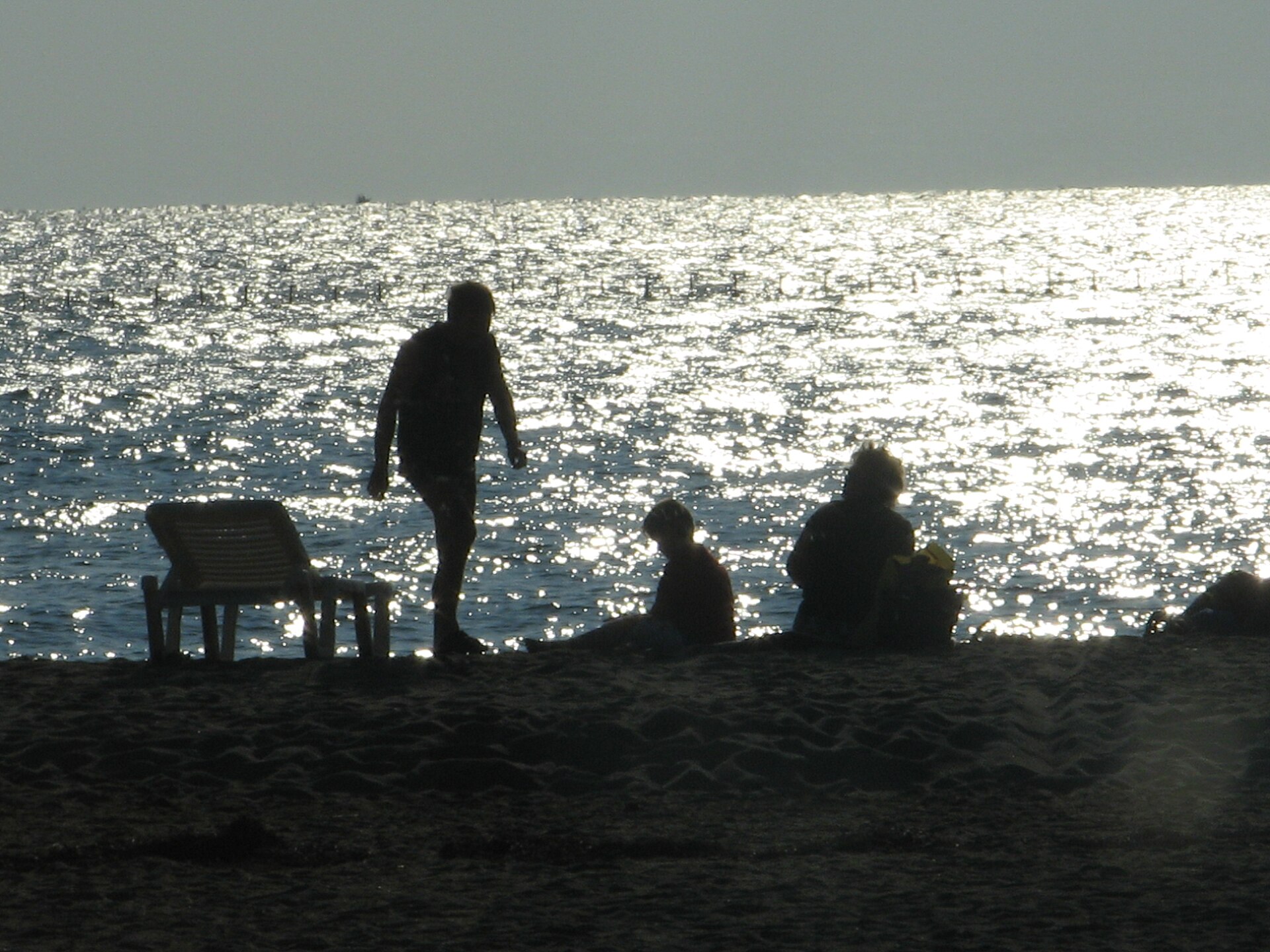
The landscape surrounding Paralia is dominated by the imposing presence of Mount Olympus, Greece's highest mountain. This proximity creates a unique microclimate and a breathtaking visual contrast: while relaxing on the beach, the eye is inevitably drawn to the peaks, often snow-capped or wrapped in clouds, the mythological home of the gods. The hinterland is characterised by fertile hills, vineyards and forests of beech and pine offering countless possibilities for trekking and hiking. The transition between the sandy coast and the mountain foothills is swift, allowing one to go from sea level to alpine trails in under half an hour. This environmental variety makes Paralia a perfect base not only for sea lovers but also for nature and landscape photography enthusiasts.
Gastronomic traditions and local flavours
Paralia's cuisine is a tribute to the produce of the Macedonian land and sea. In the many taverns lining the seafront and inner streets, one can enjoy extremely fresh fish, such as grilled sea bream and sea bass, or the famous mussels of Pieria, often prepared 'saganaki' style with feta and tomato. Classic dishes of Greek tradition abound too, from moussaka to souvlaki, but it is the skilful use of aromatic herbs from Olympus that makes the difference. Another distinctive element is the area's wine production: Pieria wines, thanks to the mineral-rich soil and the influence of sea breezes, are renowned for their quality. Ending a meal with a glass of local tsipouro or a honey-and-walnut dessert is the best way to honour Greek hospitality.
Shopping and leather craftsmanship
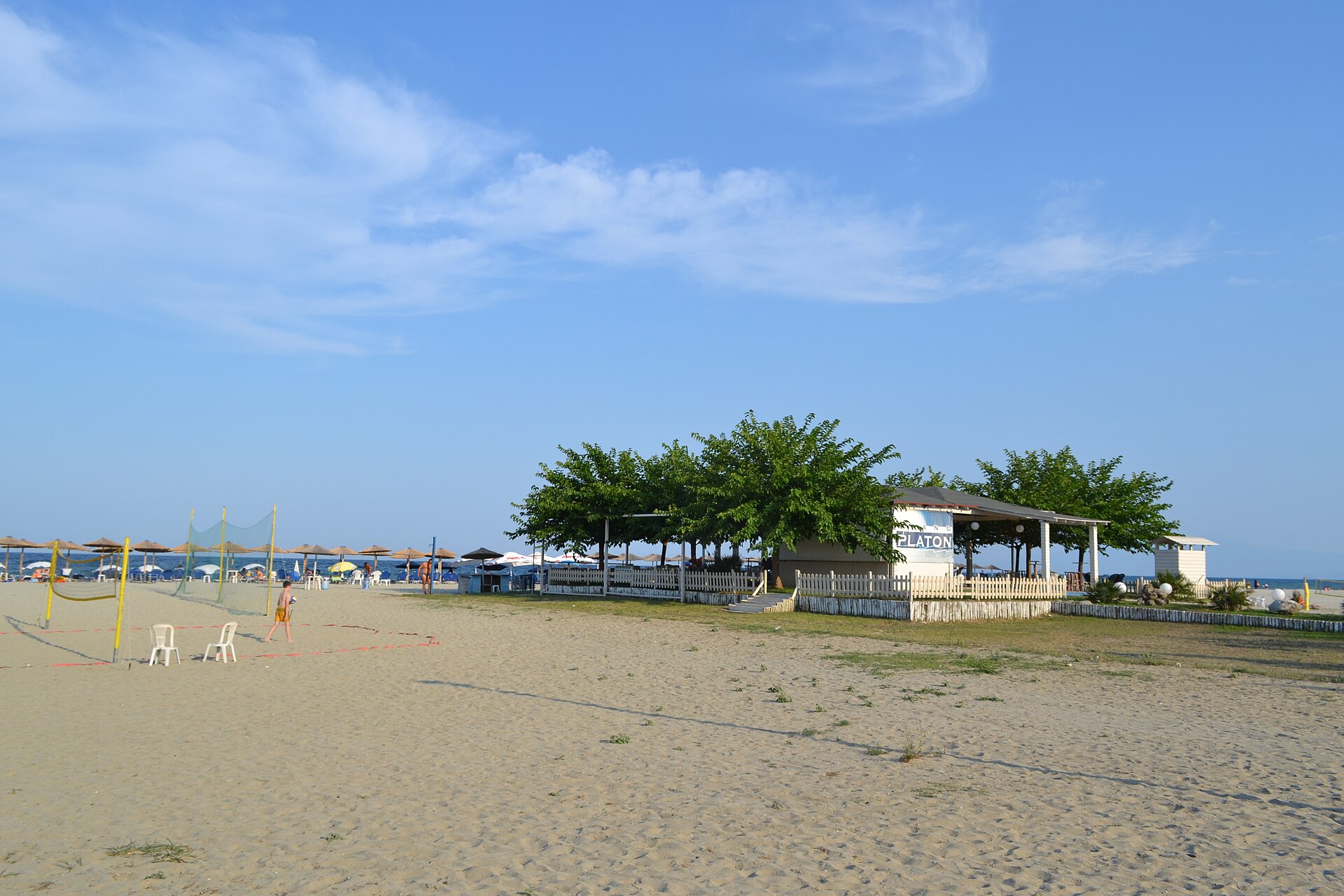
Paralia has historically been known as an important centre for the fur and leather goods trade. This tradition, born from the skill of local artisans and trade contacts with Eastern European countries, has made the town a favoured destination for quality shopping. Along the main streets, elegant boutiques offer garments crafted with tailoring care, bags and footwear. Besides leather, local craftsmanship expresses itself in the production of hand-painted religious icons, ceramics and silver jewellery that echo the motifs of ancient Macedonian art. Browsing Paralia's shops is an experience that goes beyond simple shopping, revealing an entrepreneurial and creative side that strongly characterises the town's identity.
Experiences not to be missed
- A dawn swim in the calm waters of the Thermaic Gulf, when the sun rises directly out of the sea.
- An excursion to the traditional village of Litochoro, gateway to the trails of Olympus.
- A fresh fish dinner at Paralia's marina, watching the boats return.
- A visit to Platamonas Castle, a Crusader fortress overlooking the coast just a few kilometres away.
- An evening among the bars along the seafront to experience the famous Macedonian nightlife.
- A tour of local wineries to taste wines produced on the slopes of the mountain of the gods.
When to go and how to experience the town
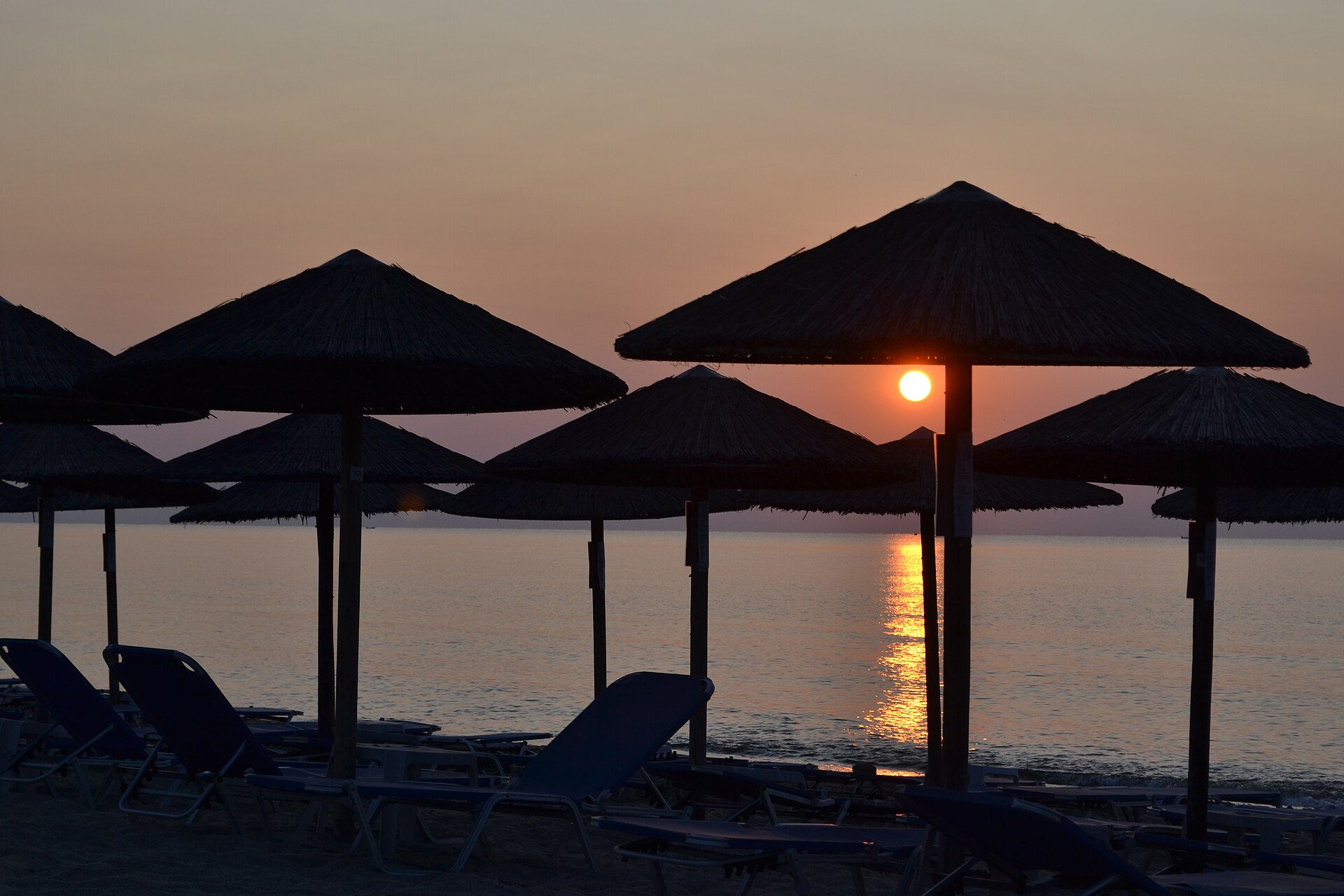
The ideal time to visit Paralia runs from May to September, when the climate allows one to fully enjoy seaside life and the days are long and bright. July and August are the peak months, ideal for those seeking excitement and fun, while June and September offer a more relaxed atmosphere and milder temperatures, perfect for cultural excursions. Experiencing Paralia means adapting to the Greek rhythm: a slow breakfast with frappé coffee, long hours on the beach, an afternoon siesta and dinners that start late and stretch on under the stars. The town is extremely safe and easy to get around on foot, making it a perfect destination even for those travelling with children or wishing for a holiday free from the stress of driving.
FAQ
Come sono i fondali marini a Paralia?
È facile trovare parcheggio in centro?
Quanto dista Paralia da Salonicco?
La località è adatta ai giovani in cerca di vita notturna?
Si possono fare escursioni sull'Olimpo partendo da qui?
Getting there
- Aeroporto di Salonicco-Macedonia (SKG) - 75 km
- Stazione ferroviaria di Katerini sulla linea principale Atene-Salonicco
- Autostrada E75 (A1) uscita Katerini/Paralia.
- Dall'aeroporto di Salonicco è possibile prendere un bus navetta per la stazione ferroviaria o dei bus (KTEL) di Salonicco e da lì proseguire per Katerini/Paralia.
Perfect for
Spiagge immense di sabbia dorata e acque calme, ideali per una vacanza balneare classica e rigenerante.
La vicinanza a Dion e Pydna permette di immergersi completamente nella gloriosa storia del Regno di Macedonia.
Il connubio tra mare e l'imponente Monte Olimpo offre infinite possibilità per trekking, mountain bike e sport acquatici.
To see
