

Olimbiaki Akti
Stretched along the golden shores of the Thermaic Gulf, in the shadow of the imposing profile of Mount Olympus, Olimbiaki Akti rev...
Updated 8 July 2026
This season · July · Summer
What to do in Olimbiaki Akti now
The story
The story of Olimbiaki Akti
A story carved between myth and sea
Although Olimbiaki Akti is a relatively recently developed tourist destination, its roots reach deep into the beating heart of the Kingdom of Macedonia. This strip of land is part of the historic region of Pieria, a name that immediately evokes the Muses, who according to mythology inhabited the valleys and springs of these places. In antiquity, this area was the strategic corridor linking Macedonia to Thessaly and central Greece. Under the reign of Philip II and his son Alexander the Great, nearby Dion became the religious center of the state, lending the entire coastline an aura of sacredness. In the following centuries, the area passed under Roman, Byzantine and finally Ottoman rule, always retaining its importance as a commercial and agricultural outlet. Its transformation into a modern tourist center took place in the second half of the 20th century, when the unspoiled beauty of its beaches began attracting travelers from all over Europe, turning small fishing settlements into a cosmopolitan destination that has nevertheless never stopped honoring its mythological past.
The Beach of Olimbiaki Akti
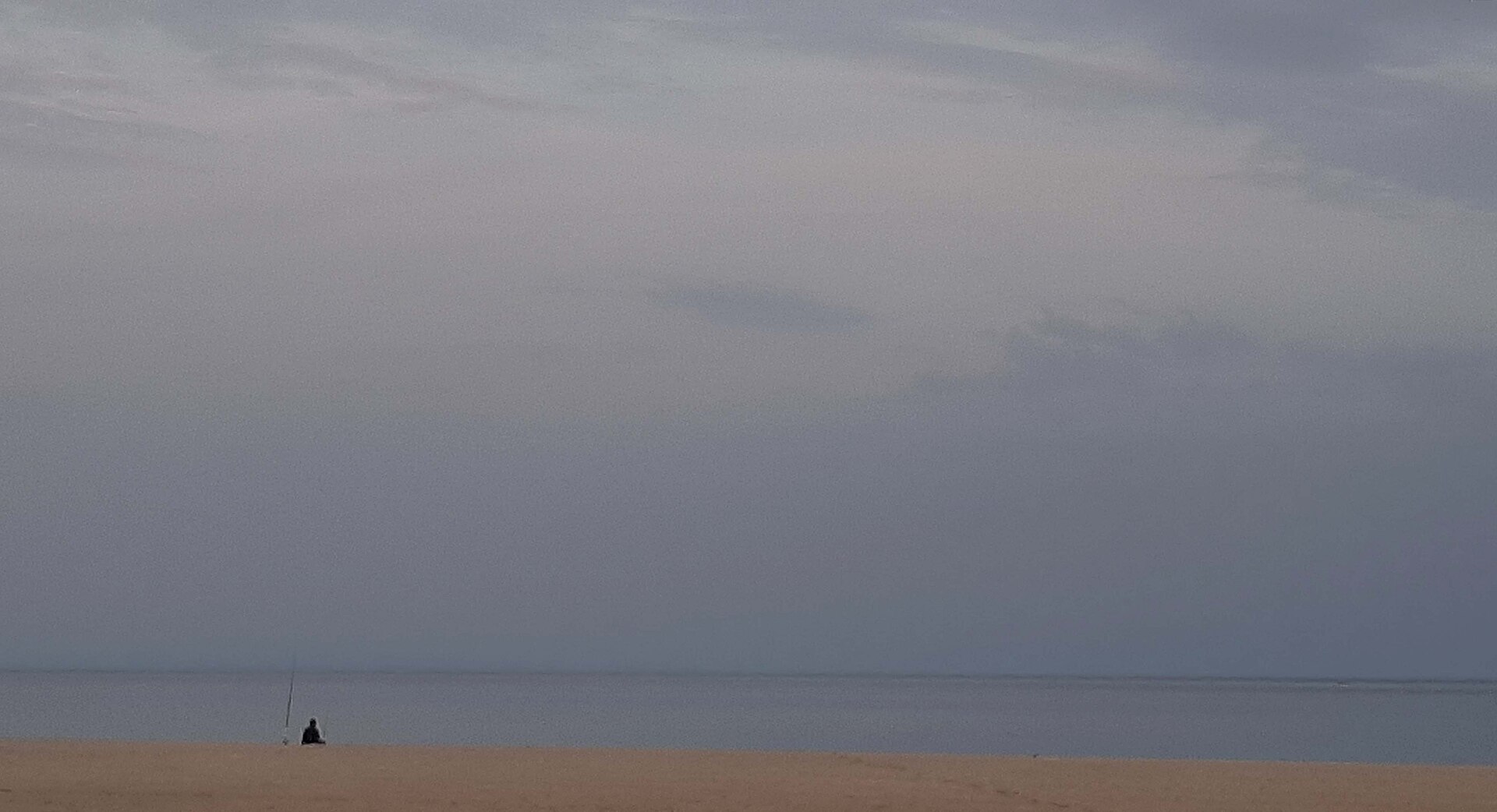
The beating heart of the town is undoubtedly its beach, an endless stretch of golden sand that has repeatedly been awarded the Blue Flag for the quality of its waters and services. What makes this shoreline special is its breadth: even during the peak summer months, the generous space allows visitors to enjoy the sea without the crowded feeling typical of other Mediterranean destinations. The seabed slopes gently, making the waters safe and ideal for families with children. The beach is well equipped with modern facilities, yet retains wide stretches of free shore for those who prefer more direct contact with nature. Looking inland, the view is unique: Mount Olympus seems to rise directly out of the water, creating a breathtaking chromatic contrast between the blue of the sea, the gold of the sand and the dark green of the peaks, especially at sunset when the rock turns pink.
Ancient Dion: the sacred city of the Macedonians
A few kilometers from Olimbiaki Akti lies the Archaeological Park of Dion, one of the most evocative and important sites in all of Greece. Founded as a sacred city dedicated to Zeus (Dios), Dion was the place where the Macedonian kings celebrated victories and offered sacrifices. The site is unique because the remains of the ancient baths, sanctuaries and Roman villas are set amid lush vegetation and surrounded by natural springs flowing among the ruins. Walking along the paved streets once trodden by Alexander the Great before setting out on his expedition to Asia is a mystical experience. Not to be missed is the sanctuary of Isis, where the columns seem to rise directly out of the water, and the ancient theater, which still hosts performances during the Olympus Festival. The adjacent museum houses the Hydraulis, one of the oldest pipe organs in the world, testimony to the cultural refinement of this ancient metropolis.
Mount Olympus: home of the Gods
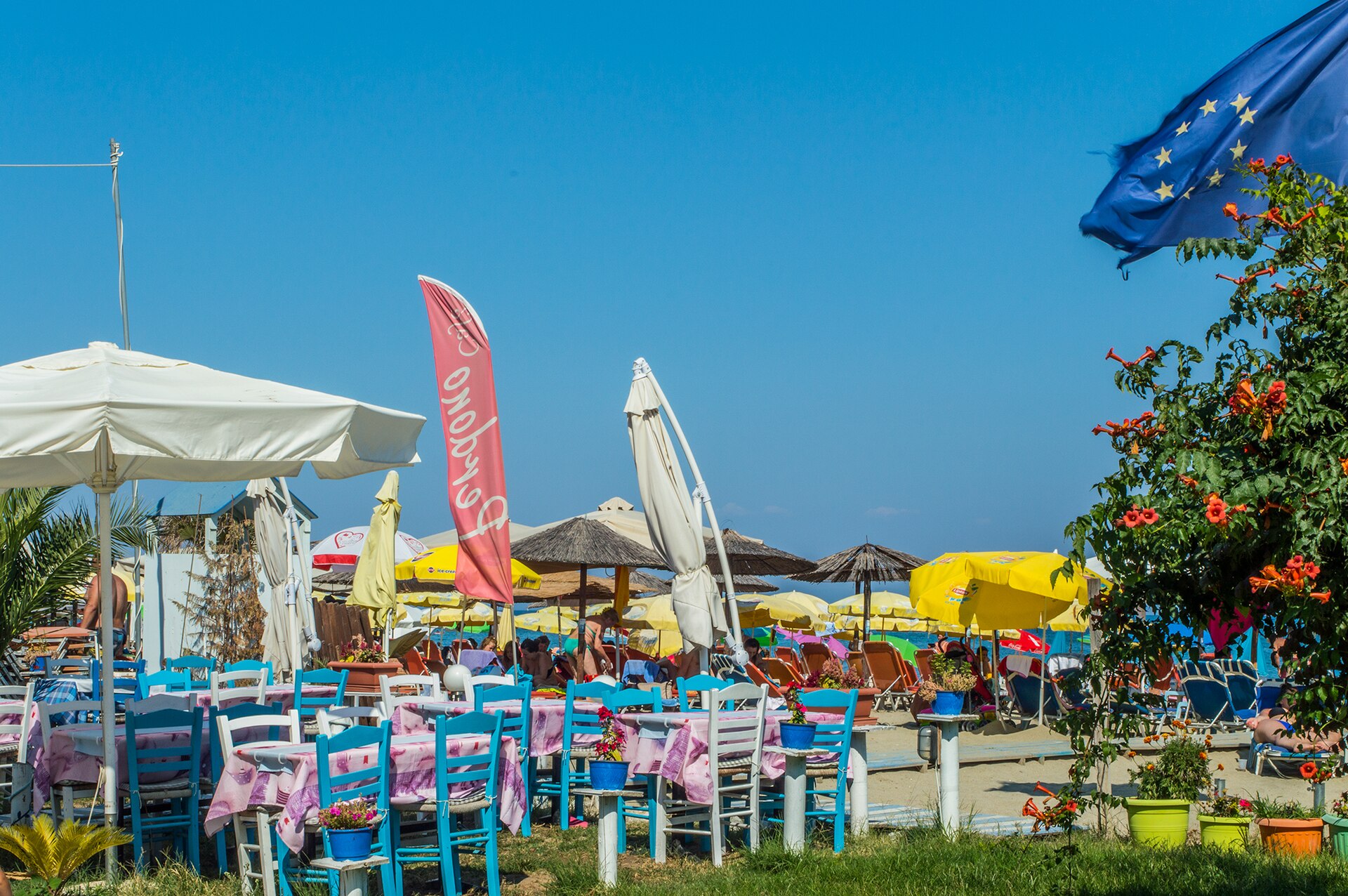
The Olympus massif is not merely a scenic backdrop, but a living presence that shapes the climate and culture of Olimbiaki Akti. As Greece's first national park, the mountain boasts extraordinary biodiversity, with endemic plant species found nowhere else in the world. For those staying on the coast, an excursion up its slopes is a must. You can set out from Litochoro to climb the Enipeas Gorge, a trail winding among wooden bridges, crystal-clear waterfalls and sheer rock faces. Reaching the 'Baths of Aphrodite', small natural pools carved into the rock, helps explain why the ancients considered this place worthy of the gods. For more experienced hikers, the climb to the peaks of Mytikas or Skolio is the crowning achievement of a trip to Greece, offering views that stretch as far as the coast of Turkey on the clearest days.
Platamon Castle
Continuing south along the coast, you come across the majestic fortress of Platamon, a stone sentinel dominating the sea from atop a promontory. Built by the Crusaders in the 13th century on the remains of a Hellenistic city, the castle is one of the best-preserved examples of medieval military architecture in Greece. Its mighty walls, the octagonal tower and its strategic position tell the story of centuries of battles and passing empires. Visiting the castle means immersing yourself in an atmosphere from another era; walking along the ramparts offers an unrivaled panoramic view over the Thermaic Gulf and the Pieria coastline. In summer, the fortress becomes a natural stage for concerts and theatrical performances, uniting the austerity of the ancient stones with the vitality of contemporary culture.
Litochoro and the traditional villages
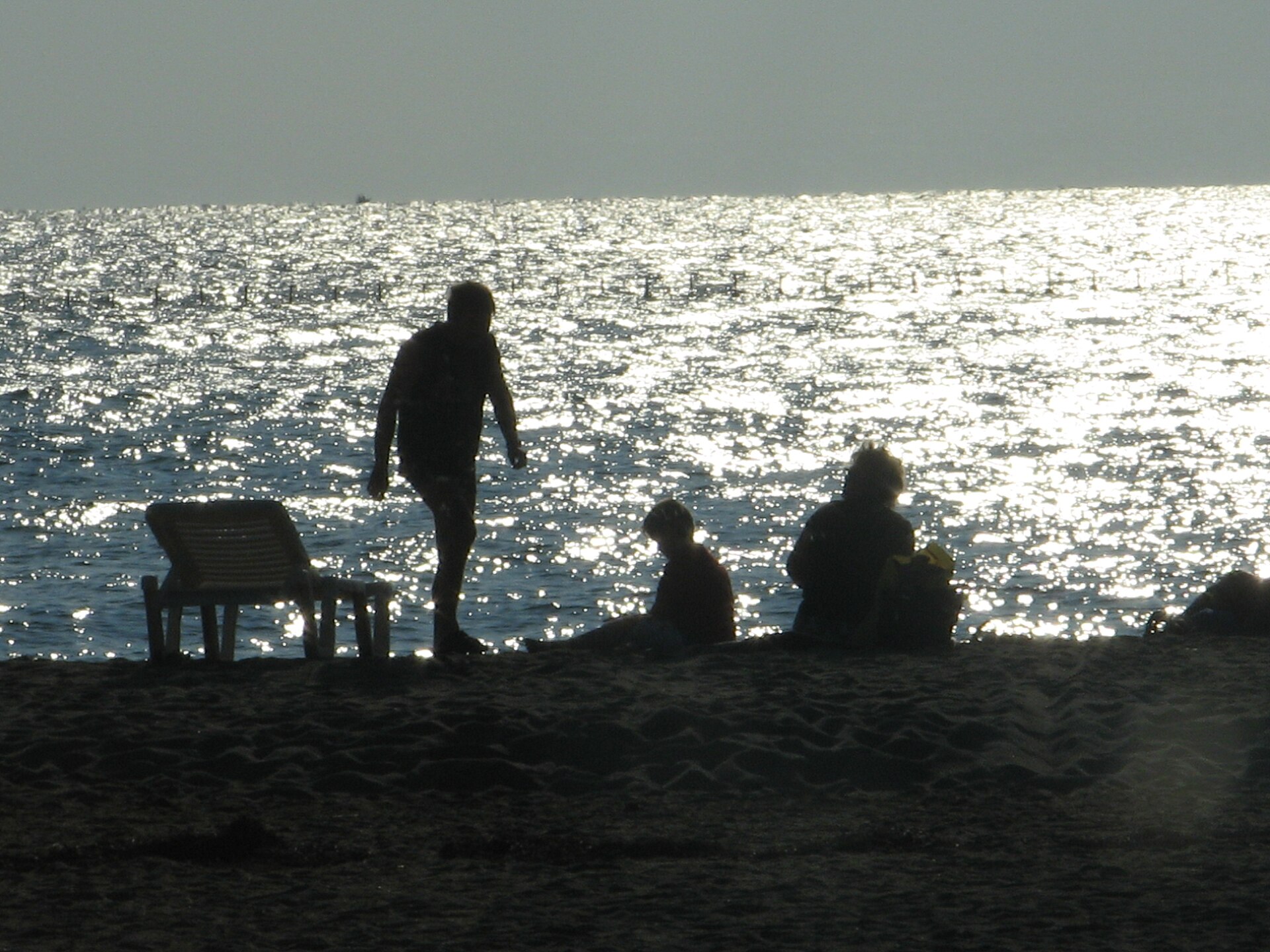
At the foot of Mount Olympus lies Litochoro, a small town that combines traditional Macedonian architecture with an alpine atmosphere. It is the ideal starting point for every mountain adventure, but it is worth a visit even just to wander its narrow lanes, admire the stone houses with wooden balconies and taste local products in the markets. Not far from here, the village of Paleos Panteleimonas offers a leap back in time: fully restored, this stone village perched on the mountainside is a maze of cobbled streets, craft workshops and taverns where time seems to have stood still. Here the view stretches from the blue of the Aegean to the snow-capped peaks, offering a contrast that is the very essence of the Macedonian region.
Flavors and traditions of Pieria
The cuisine of Olimbiaki Akti is a triumph of freshness, where the bounty of the sea meets that of the mountains. Being a fishing area, blue fish, sea bream and squid are absolute protagonists, often simply grilled with olive oil and lemon. The hinterland, however, offers intense flavors such as goat cheeses from Olympus, chestnut honey and prized meats. A local specialty not to be missed is Pieria mussels, farmed in the clean waters of the gulf and often prepared 'saganaki' style with feta and tomato. The meal is always accompanied by local tsipouro or fine wines from the vineyards growing on the surrounding hills, where the microclimate created by the mountain and the sea favors grape varieties of the highest quality. Conviviality is a sacred element: sitting down at the table means taking part in a ritual of friendship that lasts for hours.
Experiences not to be missed
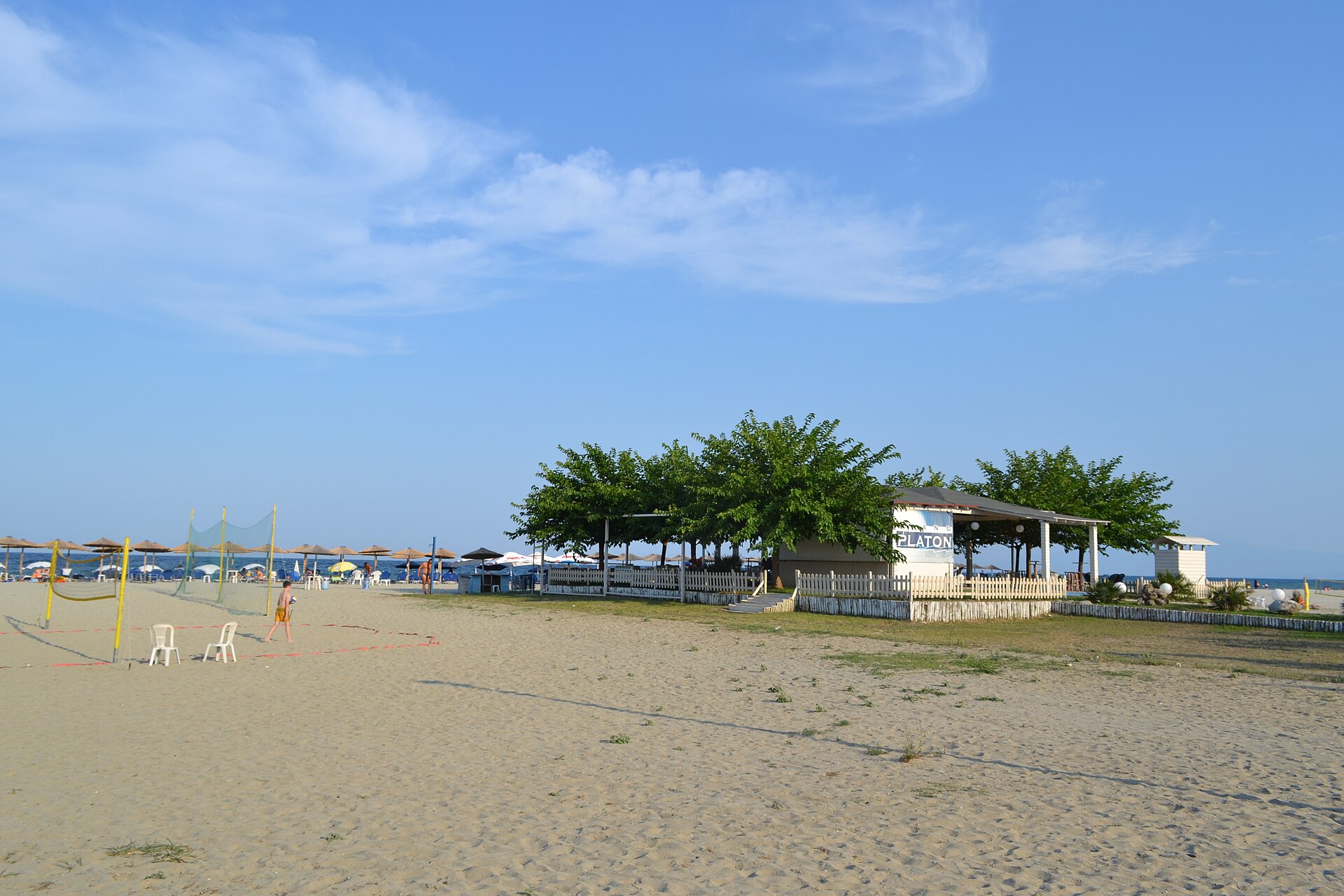
- Rent a bicycle and ride the coastal cycle path connecting Olimbiaki Akti to Paralia at sunset.
- Visit the Archaeological Museum of Dion to admire the Roman mosaics and the ancient hydraulic organ.
- Take a guided hike in Mount Olympus National Park up to the Prionia refuge.
- Dine at a typical tavern in Paleos Panteleimonas, sampling stewed wild boar or local cheeses.
- Spend a day of total relaxation on the well-equipped beaches, enjoying Greek cocktails and lounge music.
- Explore Platamon Castle during the Olympus Festival to catch a theatrical performance under the stars.
When to go and how to experience the place
The ideal time to visit Olimbiaki Akti depends on the kind of experience you're looking for. Summer, from June to September, is perfect for those seeking seaside living and fun; the days are long and sunny, cooled by the breeze descending from Olympus. However, for lovers of trekking and history, spring (April-May) and autumn (October) are magical: temperatures are mild, nature bursts into vivid colors and the archaeological sites can be visited in complete tranquility. Olimbiaki Akti is best experienced on foot or by bicycle, letting yourself be carried along by the slow rhythm of the morning and the evening liveliness, when the shops and cafés come alive with lights and sounds. It is a place that invites you to slow down, to watch the sea and to let yourself be inspired by the quiet strength of the sacred mountain.
FAQ
Come sono le spiagge di Olimbiaki Akti?
È una località adatta alle famiglie?
Cosa vedere nelle vicinanze in un giorno?
C'è vita notturna?
Si può parcheggiare facilmente?
Getting there
- Aeroporto di Salonicco-Macedonia (SKG) - 100 km
- Stazione di Katerini sulla linea principale Atene-Salonicco
- Percorrere l'autostrada E75 (Atene-Salonicco) e prendere l'uscita per Katerini o Olimbiaki Akti.
- Noleggiare un'auto all'aeroporto di Salonicco è il modo migliore per esplorare anche le pendici dell'Olimpo.
Perfect for
Spiagge dorate infinite e acque cristalline ideali per chi cerca il massimo comfort balneare.
A due passi dalla città sacra di Dion, un paradiso per gli amanti della storia macedone.
Base perfetta per escursioni sul Monte Olimpo, tra trekking, canyoning e natura selvaggia.
Un mix eccellente di pesce fresco del Golfo Termaico e sapori decisi della cucina di montagna.
To see
