

Neos Marmaras
Nestled along the jagged coastline of the Sithonia peninsula, the second prong of Halkidiki, Neos Marmaras unfolds like a natural...
Updated 8 July 2026
This season · July · Summer
What to do in Neos Marmaras now
The story
The story of Neos Marmaras
Roots and founding: a story of rebirth
The history of Neos Marmaras is inextricably linked to the dramatic events of the Asia Minor Catastrophe of 1922. The town was founded by refugees from the island of Marmara, located in the Sea of Marmara, who were forced to abandon their homes in search of a new beginning. Arriving on the shores of Sithonia, the first settlers found a harsh and wild land, owned by the Grigoriou Monastery of Mount Athos. With tireless determination, these pioneers reclaimed the marshy areas and began building their "New Marmaras," keeping alive the maritime and agricultural traditions of their ancestors. In the 1960s and 1970s, the town underwent a radical transformation thanks to tourism development, evolving from a humble fishing village into a cosmopolitan center, yet never severing its deep bond with its origins and its devotion to the land that welcomed them.
The historic village of Parthenonas
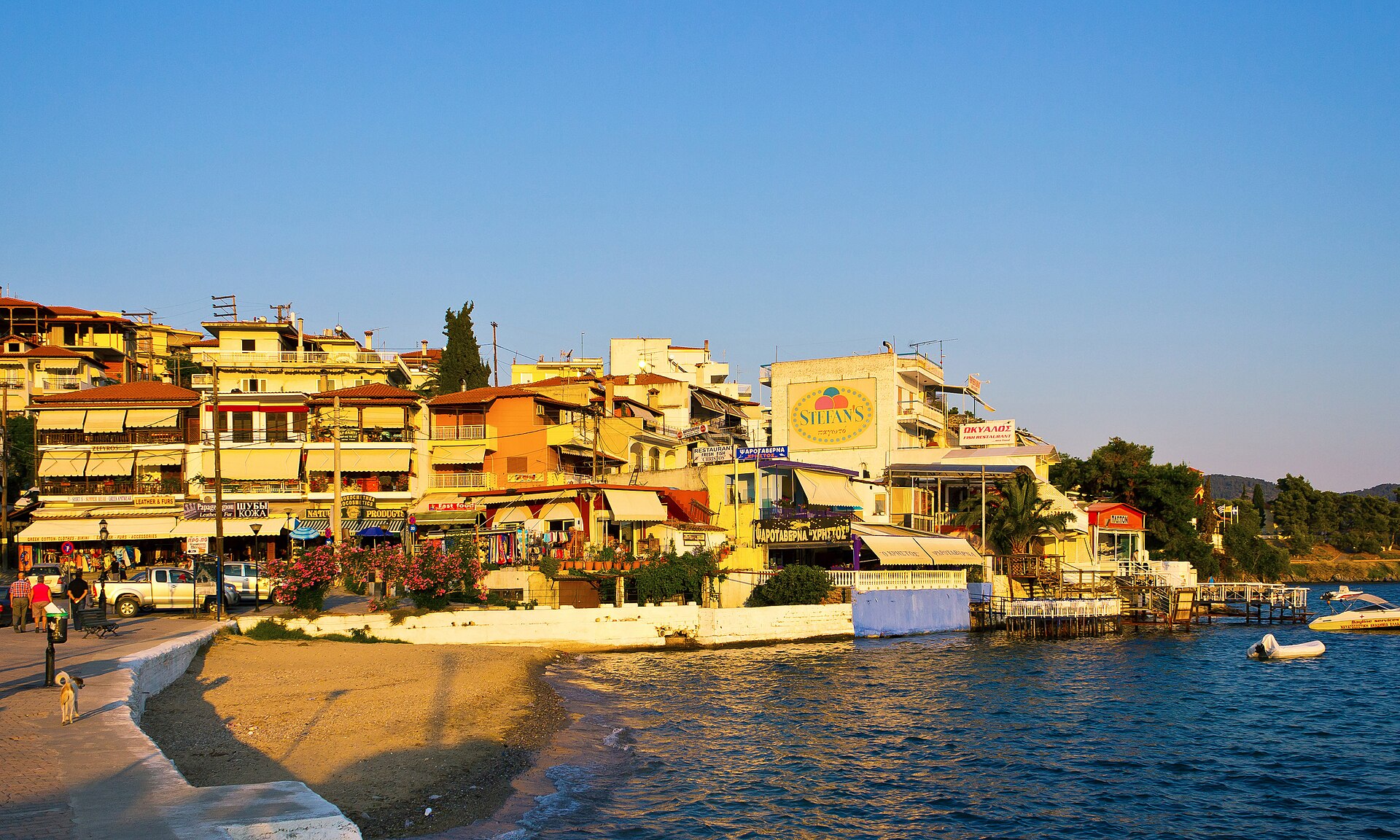
Located at about 350 meters above sea level on the slopes of Mount Itamos, the village of Parthenonas is an essential stop for anyone visiting Neos Marmaras. Once almost entirely abandoned by its inhabitants, who moved to the coast in search of work in tourism, the village underwent careful conservation restoration that preserved its traditional Macedonian architecture. Today, walking through its cobbled streets means immersing yourself in a bygone era, among stone houses with slate roofs, flower-filled courtyards, and small taverns serving local cuisine. The village is considered a true open-air museum and boasts a privileged position offering one of the most spectacular panoramic views over the entire Toroneos Gulf and Kelyfos Island, making it the ideal place to enjoy the silence and coolness of the mountain just a few kilometers from the sea.
The Church of Pammegiston Taxiarchon
The spiritual heart of Neos Marmaras lies in the Church of Pammegiston Taxiarchon, a sacred building that represents the hub of community life and a symbol of historical continuity. Built to honor the town's patron saints, the church houses icons and sacred furnishings that the refugees brought with them from their homeland, saving them from destruction. The architecture reflects a reimagined Byzantine style, with decorated interiors that invite contemplation and reflection. During religious festivities, the square in front of the church comes alive with celebrations involving the entire population, offering visitors the chance to witness ancient rites and processions that testify to the region's deep Orthodox faith. Its elevated position above the harbor makes it a landmark visible from much of the coast.
The Porto Carras complex and its vineyards
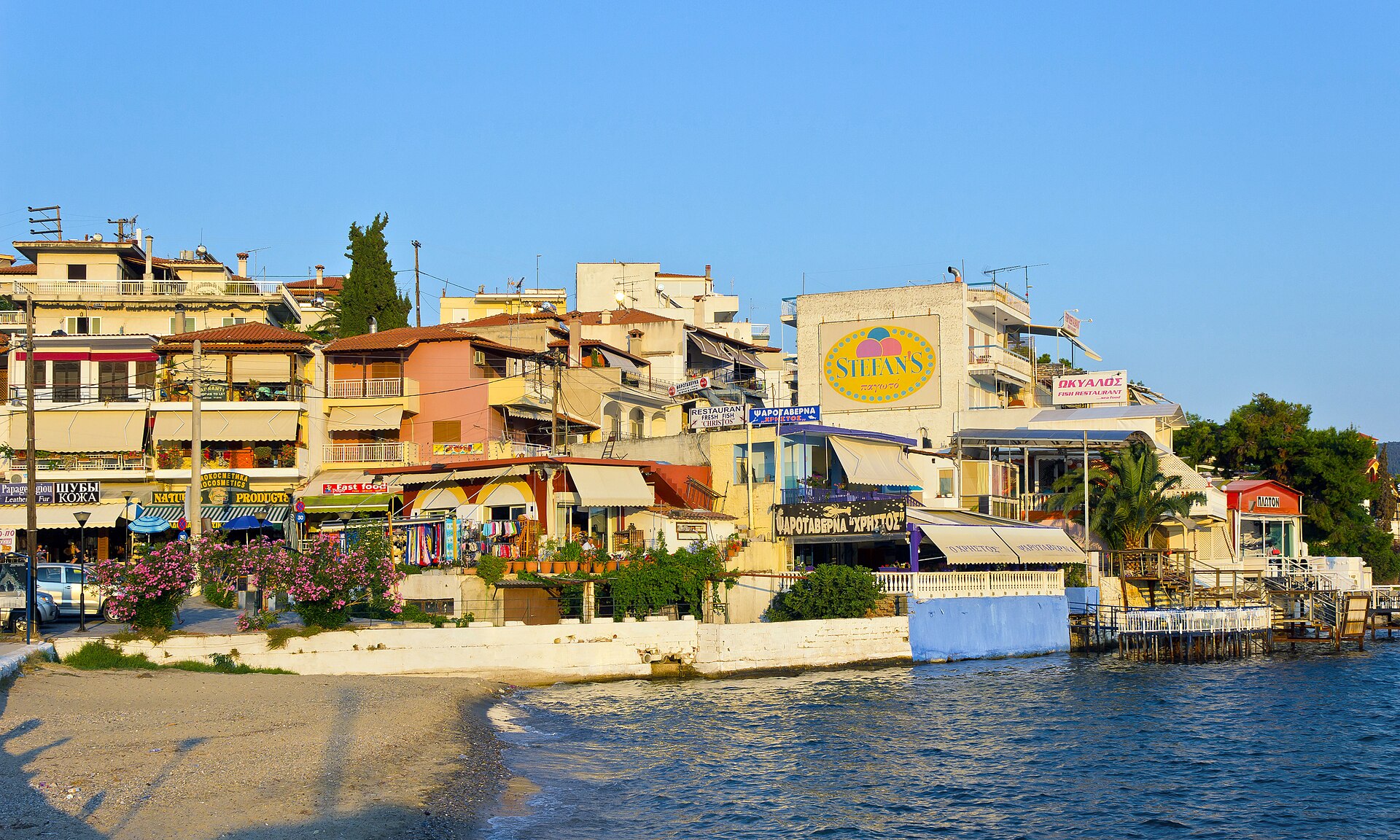
Immediately south of the town lies Porto Carras, one of the largest and most prestigious resorts in Europe, whose creation in the 1960s shaped the tourist destiny of the entire area. Besides its luxury hotel facilities and private marina, Porto Carras is famous for its immense wine estate, which spans over 475 hectares of hilly land. This is where the modern concept of wine tourism in Greece was born, thanks to the vision of Yiannis Carras, who worked with the renowned oenologist Emile Peynaud to plant native and international grape varieties. A visit to the cellars reveals the secrets of Macedonian winemaking and offers the chance to taste renowned labels such as Malagouzia, a nearly extinct white grape variety rediscovered right here. The orderly landscape of vineyards sloping toward the sea creates a striking chromatic contrast with the surrounding Mediterranean scrub.
Paradissos Beach: relaxation just steps from the center
Paradissos beach, located in the northern part of Neos Marmaras, is the ideal choice for those who want to enjoy the sea without straying too far from the town's amenities. Characterized by a narrow but long shoreline made of sand mixed with small pebbles, this beach offers calm, crystal-clear waters, perfect for families with children. Along the shore, traditional taverns and beach bars follow one another, where you can enjoy fresh fish with your feet almost in the water. Paradissos is especially appreciated for its westward exposure, which makes it the perfect place for long afternoon swims accompanied by the view of the sunset. Despite its proximity to the center, the atmosphere remains relaxed and less chaotic than the town's main beach, offering a peaceful corner easily reachable on foot.
Kelyfos Island: the tortoise of the gulf
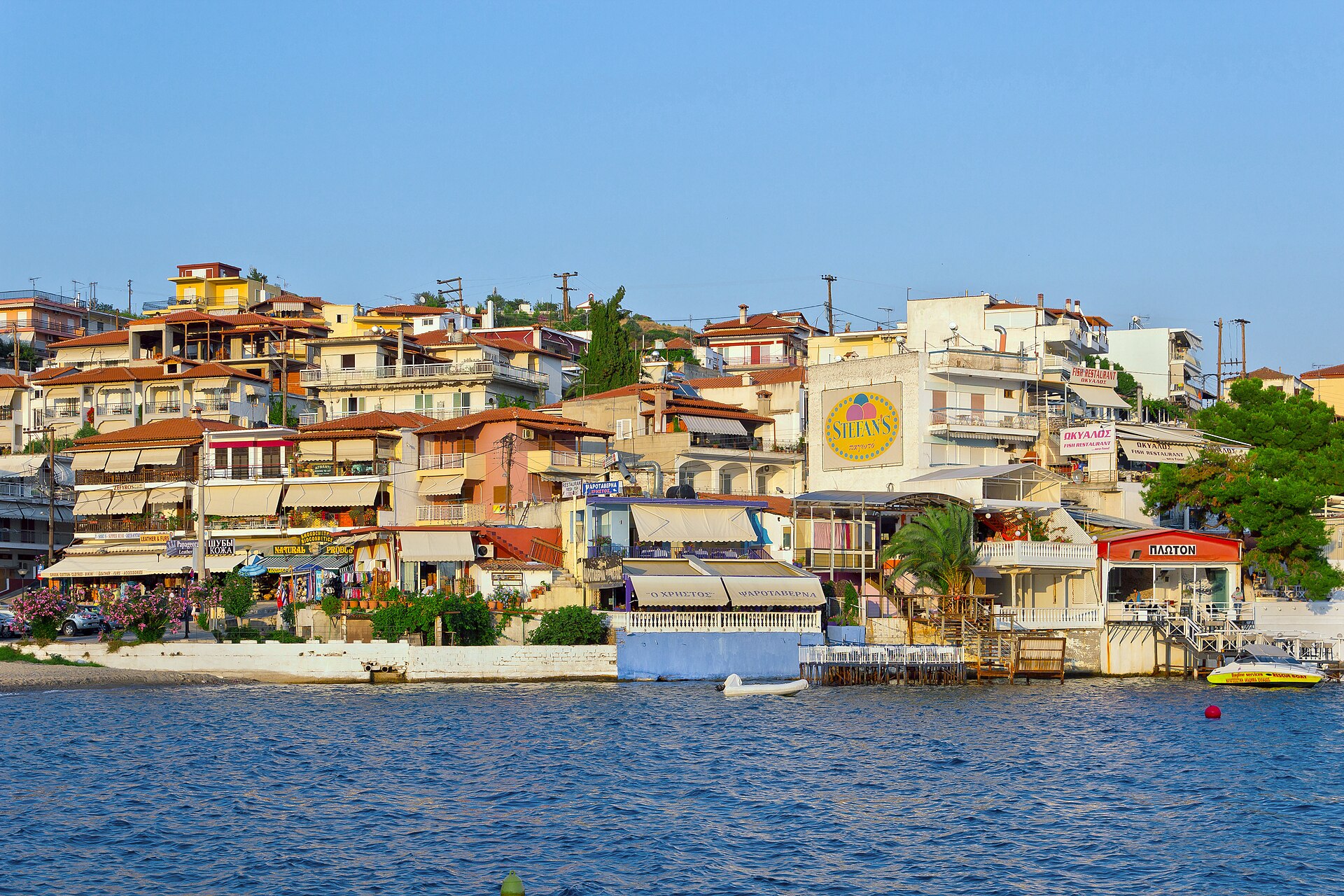
Right off the coast of Neos Marmaras, Kelyfos Island rises from the waters, known locally as "the turtle island" because of its distinctive shape resembling the reptile's shell. Uninhabited and wild, the island is a very popular destination for boat excursions and for snorkeling and scuba diving enthusiasts. The seabed surrounding Kelyfos is rich in marine life, with underwater caves and rocky walls home to a wide variety of fish and coral. The island's surface is covered with dense vegetation of pines and wild olive trees, a refuge for wild goats and numerous bird species. Circling the island at sunset, perhaps aboard a traditional caique, is an experience that lets you appreciate the solitude and power of Halkidiki's unspoiled nature.
Nature and hinterland: Mount Itamos
Mount Itamos, which towers behind Neos Marmaras, is Sithonia's green lung and takes its name from a rare species of yew tree (Taxus baccata) that grows on its slopes. This mountain offers a network of trails and dirt roads ideal for trekking, mountain biking, or off-road excursions. Climbing toward the summit, which reaches 811 meters, you pass through a dense forest of black pines and oaks, broken only by clearings where animals graze freely. From the top, the view is breathtaking: on clear days you can make out all three "fingers" of Halkidiki (Kassandra, Sithonia, and Mount Athos) and even the snow-capped peaks of Mount Olympus in the distance. It is a protected natural environment, where biodiversity reigns supreme and where you can breathe the purest air, far from the bustle of the coast.
Gastronomic traditions and local flavors
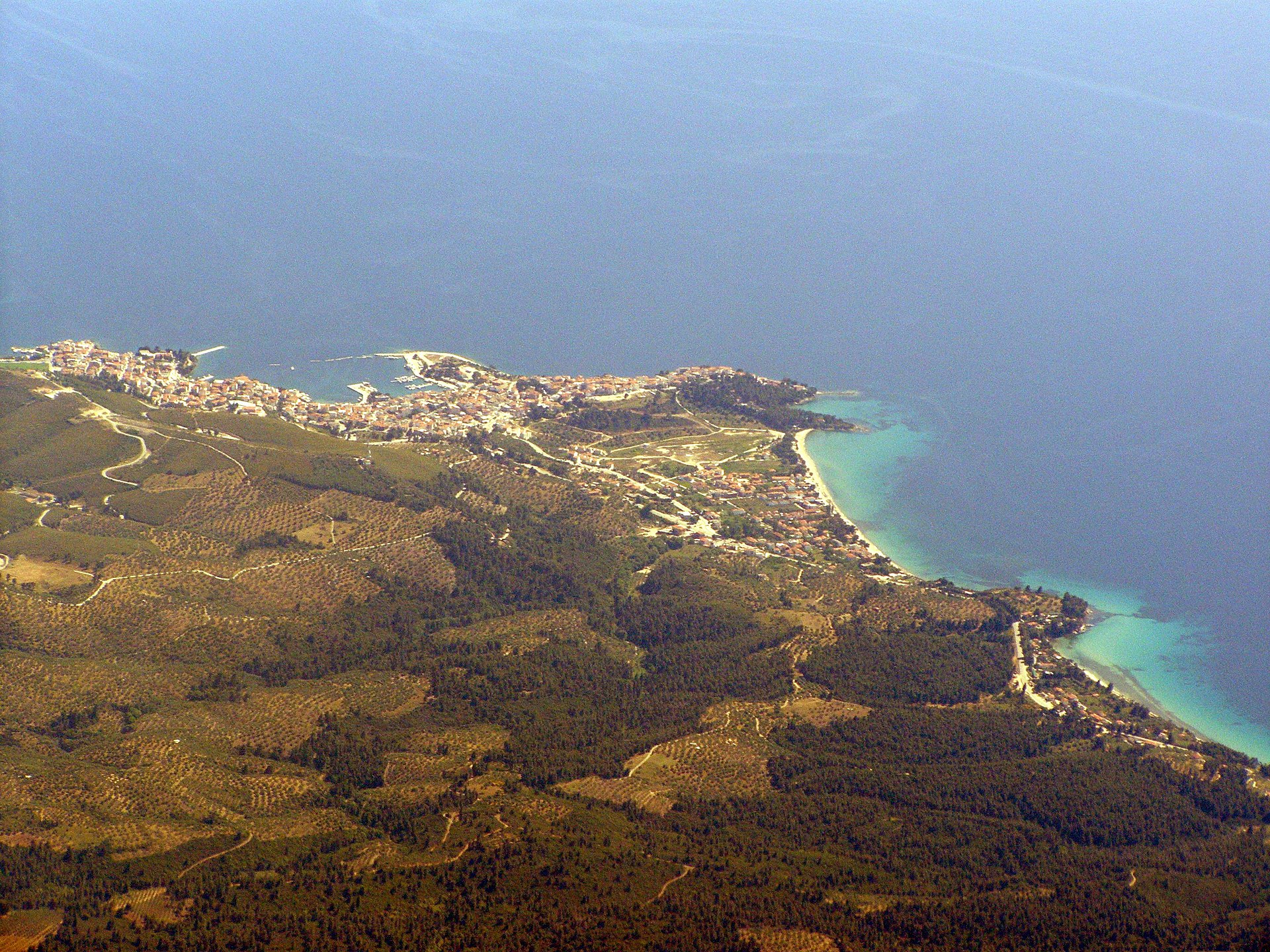
The cuisine of Neos Marmaras is a hymn to the Mediterranean diet, enriched by influences brought by refugees from Asia Minor. Fresh fish is the undisputed star of local tables, caught daily by the fishing boats that fill the harbor. Besides seafood, the area is famous for producing exceptionally high-quality honey, particularly pine and heather honey, with an intense, aromatic flavor. Extra virgin olive oil, produced from Sithonia's centuries-old olive groves, dresses every dish, from Greek salads to baked specialties like kleftiko. You cannot leave town without trying the traditional almond and walnut sweets, or without sipping a glass of tsipouro, the local spirit, paired with the typical "mezedes" (appetizers) in one of the many seafront ouzeries.
Experiences not to be missed in Neos Marmaras
- Rent a boat to explore hidden coves accessible only by sea.
- Attend a wine tasting at the prestigious Porto Carras cellars.
- Dine at sunset in the village of Parthenonas to enjoy the panoramic view.
- Take a guided excursion on Mount Itamos to discover the local flora.
- Stroll along the harbor in the evening, among craft stalls and open-air cafés.
- Go snorkeling in the clear waters of Kelyfos Island.
When to go and how to experience the town
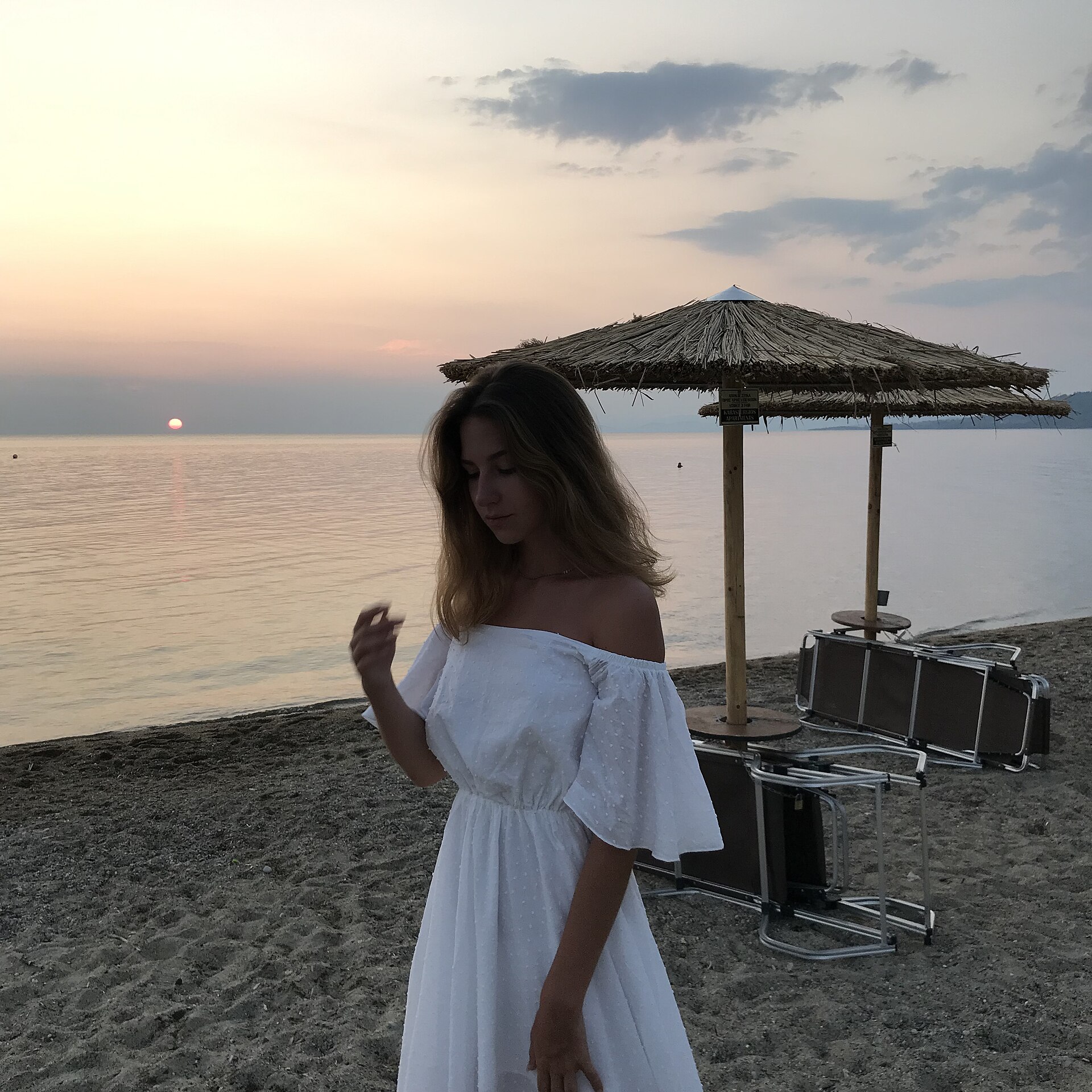
The best time to visit Neos Marmaras is from May to the end of September. June and September are especially recommended for those seeking mild temperatures and fewer tourists, allowing you to fully enjoy the tranquility of the area. July and August are the hottest and liveliest months, ideal for those who love nightlife and the cosmopolitan atmosphere of the beach bars. To fully experience the town, it's best to get around on foot in the central areas to savor every detail, but to have your own vehicle (car or scooter) to explore the more distant beaches and the villages of the hinterland. In the evening, the center turns into an open-air living room, where residents and tourists mingle in a collective ritual of conviviality that makes Neos Marmaras one of the most welcoming destinations in all of northern Greece.
FAQ
È facile trovare parcheggio a Neos Marmaras?
La città è adatta alle famiglie con bambini piccoli?
Quanto tempo occorre per visitare la zona?
È possibile fare escursioni in barca da Neos Marmaras?
Getting there
- Aeroporto di Salonicco-Macedonia (SKG) - circa 110 km
- Stazione ferroviaria di Salonicco (collegata poi via bus KTEL)
- Da Salonicco seguire la strada statale verso la Calcidica, direzione Sithonia/Neos Marmaras.
- Noleggiare un'auto all'aeroporto di Salonicco è il modo più comodo per esplorare l'intera penisola di Sithonia in autonomia.
Perfect for
Perfetto per chi cerca spiagge variegate, dalle calette selvagge ai lidi attrezzati con acque turchesi.
Un paradiso per gli amanti del vino e dei prodotti locali come miele, olio e pesce freschissimo.
Ideale per gli appassionati di trekking e natura grazie ai sentieri del Monte Itamos e al borgo di Parthenonas.
To see
