

Solari
On maps of the Greek administration it appears as a municipality of the Ionian Islands, but Solari is above all a way of being in...
Updated 8 July 2026
The story
The story of Solari
History and origins of Solari
Like most of the towns of the Ionian Islands, the history of Solari is intertwined first with that of Byzantium and then with that of the Republic of Venice. From the late Middle Ages until the end of the eighteenth century, this archipelago remained under the control of the Serenissima, the only area of the Greek world never to fall under Ottoman rule: a circumstance that left a deep mark on the town planning, religious architecture and even the local vocabulary, where words of Venetian origin still survive today. After the fall of Venice in 1797, the islands passed from hand to hand among the French, the Russo-Ottomans and the British, the latter established as a protectorate for almost half a century, before the definitive union with the Kingdom of Greece in 1864, still celebrated today as one of the most heartfelt pages of local history. Solari, like the neighbouring villages, grew over these centuries as a small farming settlement, organised around the parish church and the land planted with olives, vines and vegetables, with a subsistence economy supplemented by maritime trade towards the island's main ports.
The village, its architecture and churches
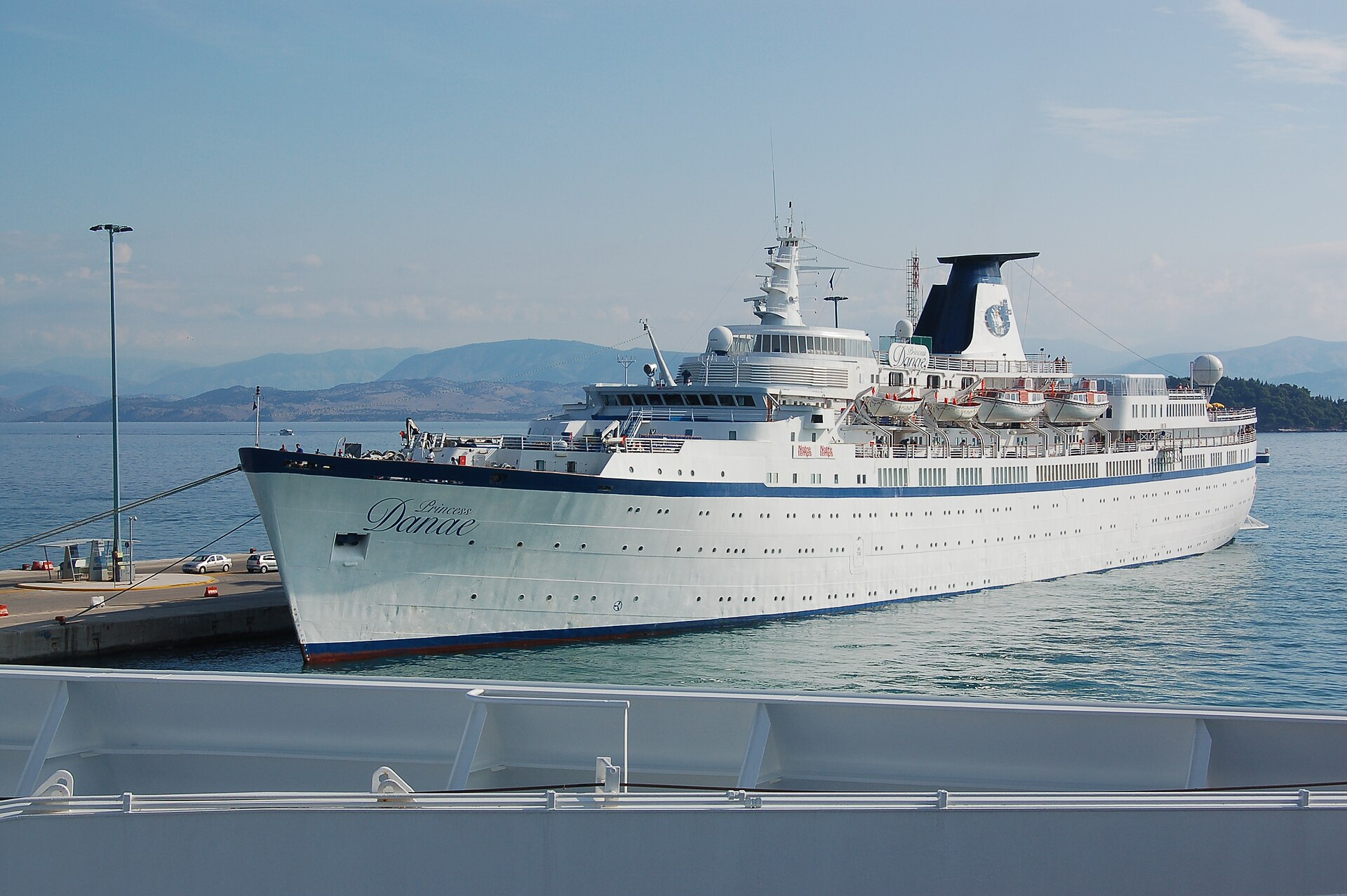
The inhabited core of Solari preserves the typical layout of Ionian villages: narrow streets that follow the curves of the terrain, low houses plastered in shades of ochre, dusty pink and light blue, red tile roofs and small courtyards hidden behind wrought-iron gates. Squared stone portals and small wooden balconies still betray the Venetian taste filtered through local craftsmanship, while small votive shrines and stone benches in the shade of a mulberry tree dot the streets of the village. The main church, dedicated according to local custom to the patron saint, holds a carved and gilded wooden iconostasis, heir to the post-Byzantine techniques brought to the Ionian Islands by Cretan masters fleeing after the fall of Crete; the oldest icons, blackened by candle smoke, are carried in procession on the days of the patronal feast. Smaller chapels, scattered across the countryside, tell of a widespread and familiar devotion typical of the whole archipelago.
Landscape: coastline and hinterland
The coastline around Solari alternates small coves of white pebbles with stretches of higher, rockier coast, where the Mediterranean scrub of lentisk, myrtle and broom comes down almost to the water's edge. The colour of the water, which turns from turquoise near the shore to an intense blue further out, is one of the distinctive features of the whole Ionian Sea. Moving away from the coast, the land opens into a hilly landscape dominated by olive groves, some with centuries-old trees with gnarled trunks, witnesses to centuries of cultivation: the harvest, between November and January, still brings a bustle of families and small producers to the countryside. Between one olive grove and the next are family-run vineyards, terraced vegetable gardens held up by dry-stone walls and small cypress groves, in a hinterland made to be crossed slowly, on foot or by bicycle, along the old mule tracks that once linked the village to the sea.
Traditions, festivals and flavours
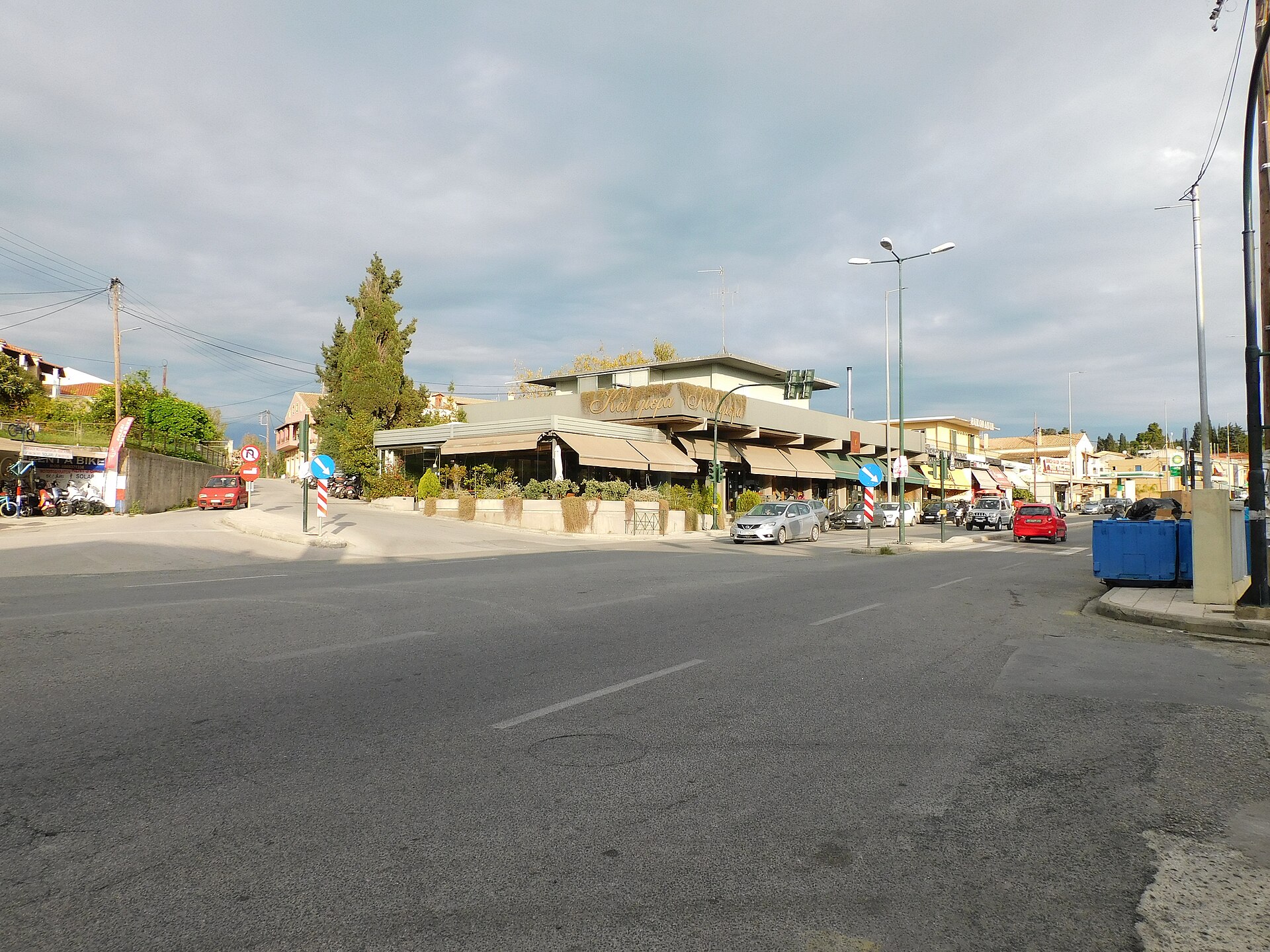
The social life of Solari, as in all the Ionian Islands, revolves around the patronal feasts (panigyria), occasions on which the whole community comes together for religious services, philharmonic-style brass bands — a legacy of the Venetian and British era, when the first town bands of modern Greece were born in the Ionian islands — folk dances and long open-air tables. Traditional music is also expressed in the kantada, a serenade for several voices accompanied by guitar and mandolin, still performed at weddings. At the table, dense, fruity olive oil binds almost every dish, from wild greens dressed raw to slow-cooked pulses; fish, often caught by small artisanal boats, is grilled, while goat and lamb find a place in family kitchens on feast days, accompanied by a local wine produced in small quantities from native grape varieties.
Surroundings and excursions
Solari makes a quiet base from which to explore the rest of the island and the Ionian Islands in general: neighbouring villages with their own churches and squares, panoramic viewpoints from which the eye takes in an entire stretch of coastline, and the main ports from which sea connections depart towards the other islands of the archipelago and the Greek mainland. For those who love walking, the network of paths crossing olive groves and woods often links several hamlets, allowing half-day excursions with stops at village taverns. Sea lovers, on the other hand, can enjoy small boat trips along the coast, discovering coves otherwise unreachable, or diving and snorkelling in the clear waters typical of the whole Ionian Sea.
When to go and how to experience Solari
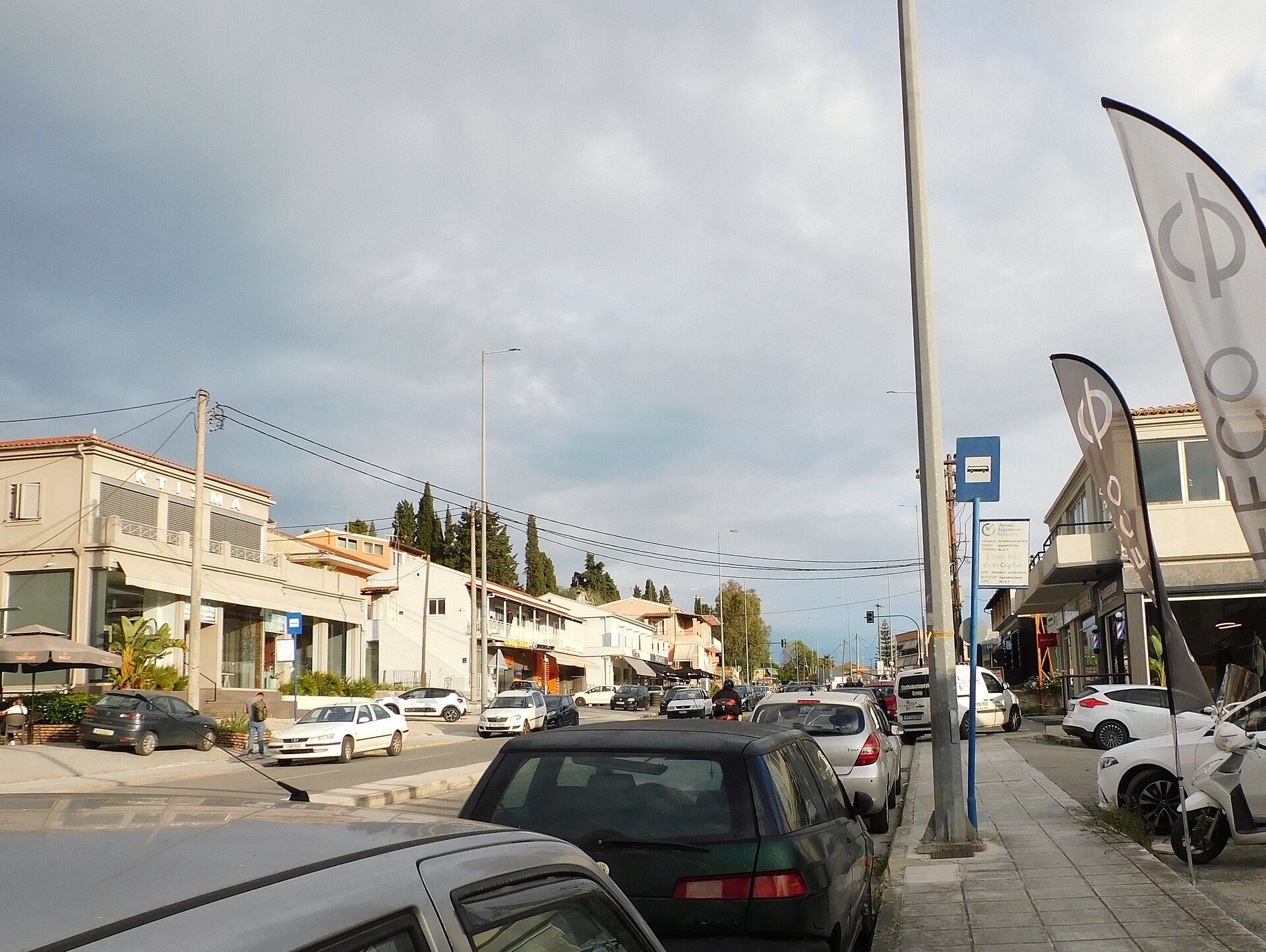
The Mediterranean climate of the Ionian Islands brings hot summers tempered by the sea breeze and mild, rainy winters, ideal for those who love a green landscape out of season. Spring, between April and June, is probably the best time to visit Solari: the countryside is in bloom, temperatures allow for long walks and the village has not yet the crowds of July and August. Autumn, with the grape harvest and then the olive picking, instead offers a more authentic atmosphere linked to the rhythms of farm work, as well as a sea still warm until well into October. Summer nevertheless remains the season of patronal feasts and the liveliest life, perfect for those seeking sun, sea and sociability in the village squares until late in the evening.
Experiences not to be missed
- Strolling through the village alleys at dawn, when the pastel houses catch fire with light
- Following the paths among the centuries-old olive groves down to the most secluded coves
- Taking part in a patronal feast with a philharmonic band and folk dancing
- Tasting extra-virgin olive oil and fresh fish dishes in a village tavern
- Snorkelling in the clear waters of the Ionian coast
- Visiting the countryside chapels and their traditional icons
FAQ
Come si raggiunge Solari?
Qual è il periodo migliore per visitare Solari?
Cosa vedere a Solari in una giornata?
Dove si parcheggia a Solari?
Quanto tempo conviene restare?
Solari è adatta a famiglie con bambini?
Getting there
- Aeroporto principale dell'isola di riferimento nelle Isole Ionie, con collegamenti stagionali dall'Italia e dal resto d'Europa
- Solari si raggiunge in auto seguendo la viabilità principale dell'isola dal porto o dall'aeroporto; le strade interne, spesso strette e panoramiche, richiedono guida prudente soprattutto nei tratti collinari.
- Se si arriva in traghetto da un'altra isola o dalla terraferma, conviene noleggiare un'auto direttamente al porto per muoversi con libertà tra il borgo, le spiagge e i paesi vicini.
Perfect for
Calette isolate e acque trasparenti tipiche della costa ionica, ideali per nuoto e snorkeling lontano dalla folla.
Uliveti secolari, macchia mediterranea e sentieri collinari da percorrere a piedi o in bicicletta.
Chiese con iconostasi intagliate, feste patronali e un'eredità architettonica veneziana unica in Grecia.
Olio d'oliva locale, pesce fresco e piatti di tradizione contadina da gustare nelle taverne di paese.
Il ritmo lento di un piccolo comune agricolo, perfetto per un soggiorno slow lontano dal turismo di massa.
To see
