

Sidhari
Affacciata sulle acque turchesi del Mar Ionio, nella parte settentrionale dell'isola di Corfù, Sidhari si presenta come una delle...
Affacciata sulle acque turchesi del Mar Ionio, nella parte settentrionale dell'isola di Corfù, Sidhari si presenta come una delle destinazioni più iconiche e fotografate dell'intero arcipelago delle Ionie. Un tempo modesto villaggio di pescatori e agricoltori, questa località ha saputo trasformarsi in un centro turistico vibrante, senza però smarrire quel fascino geologico che la rende unica al mondo. Il paesaggio di Sidhari è dominato da spettacolari formazioni di arenaria gialla che il vento e il mare hanno scolpito nel corso dei millenni, creando baie riparate, grotte marine e stretti canali d'acqua che sembrano usciti da un dipinto surrealista. Qui, la natura non si limita a fare da cornice, ma diventa protagonista assoluta, offrendo scenari che mutano con la luce del giorno, passando dall'oro brillante del mattino alle tonalità infuocate del tramonto. Visitare Sidhari significa immergersi in un'atmosfera dove l'accoglienza greca si fonde con una vivacità internazionale. Sebbene sia celebre per la sua vita notturna e i numerosi servizi, basta allontanarsi di pochi passi dalle strade principali per ritrovare il silenzio delle scogliere o la quiete degli uliveti che ricoprono l'entroterra. È un luogo di leggende romantiche e di scoperte archeologiche silenziose, un punto di partenza ideale per esplorare il nord selvaggio dell'isola, tra villaggi tradizionali arroccati sulle colline e sentieri che conducono a punti panoramici mozzafiato. Sidhari è una promessa di stupore, un angolo di terra dove il confine tra mito e realtà si fa sottile come la sabbia dorata delle sue rive.
Le radici storiche: dai primi insediamenti alla modernità
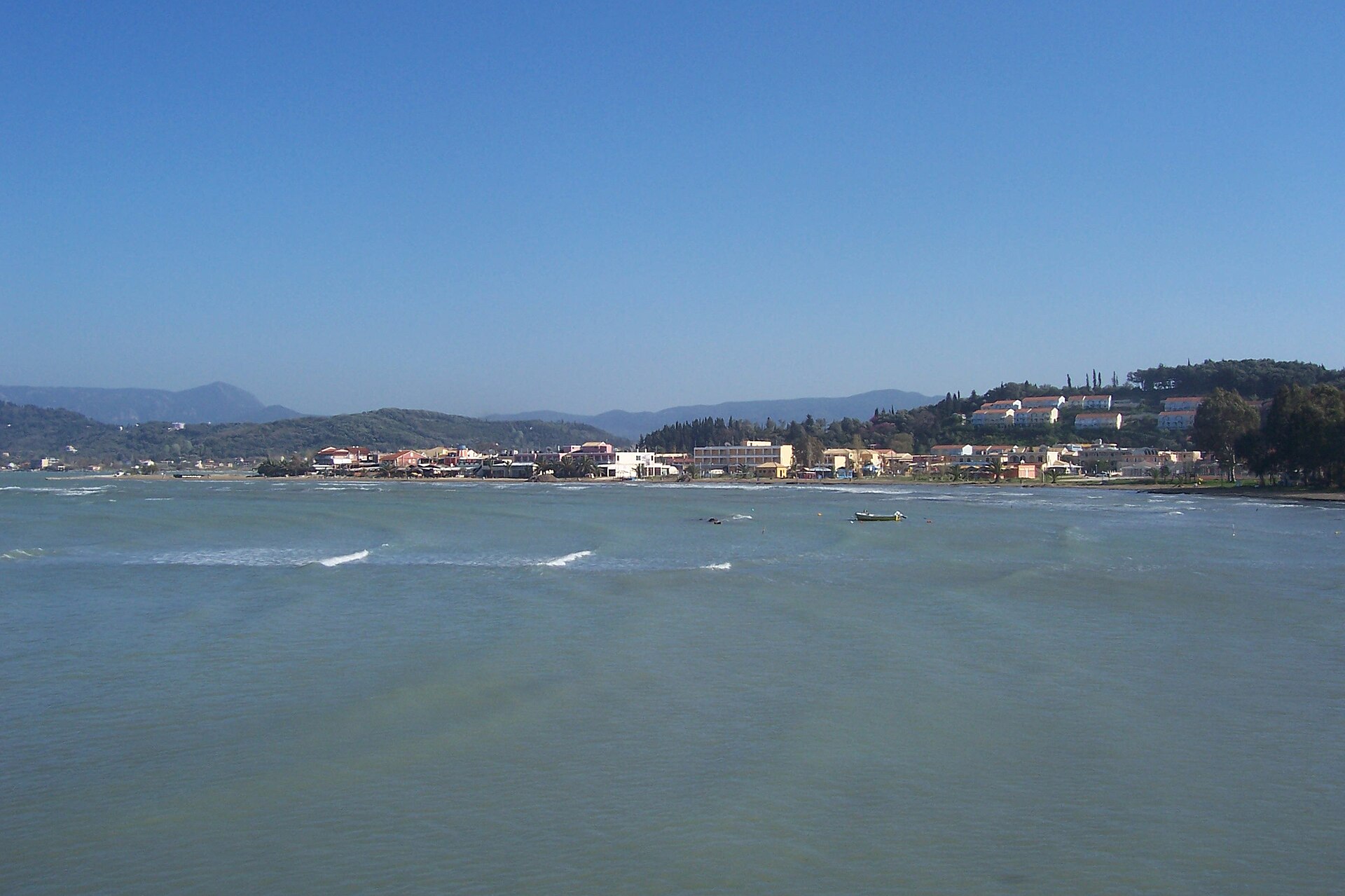
La storia di Sidhari è molto più antica di quanto il suo aspetto moderno lasci presagire. Recenti scavi archeologici hanno portato alla luce tracce di insediamenti risalenti al Mesolitico e al Neolitico, rendendo quest'area uno dei siti abitati più antichi di tutta Corfù e delle Isole Ionie. Questi primi abitanti scelsero la zona per la ricchezza di risorse naturali e la protezione offerta dalle insenature costiere. Nel corso dei secoli, Sidhari ha condiviso il destino turbolento dell'isola, subendo l'influenza della dominazione veneziana, che ha lasciato un'impronta indelebile nell'architettura rurale e nella gestione agraria del territorio, seguita dai brevi periodi francese e britannico prima dell'unione definitiva con la Grecia nel 1864. Fino alla metà del XX secolo, la comunità viveva principalmente di pesca e della coltivazione degli ulivi, prima che la scoperta delle sue bellezze naturali da parte dei viaggiatori internazionali trasformasse il volto del comune.
Il Canal d'Amour: il cuore leggendario di Sidhari
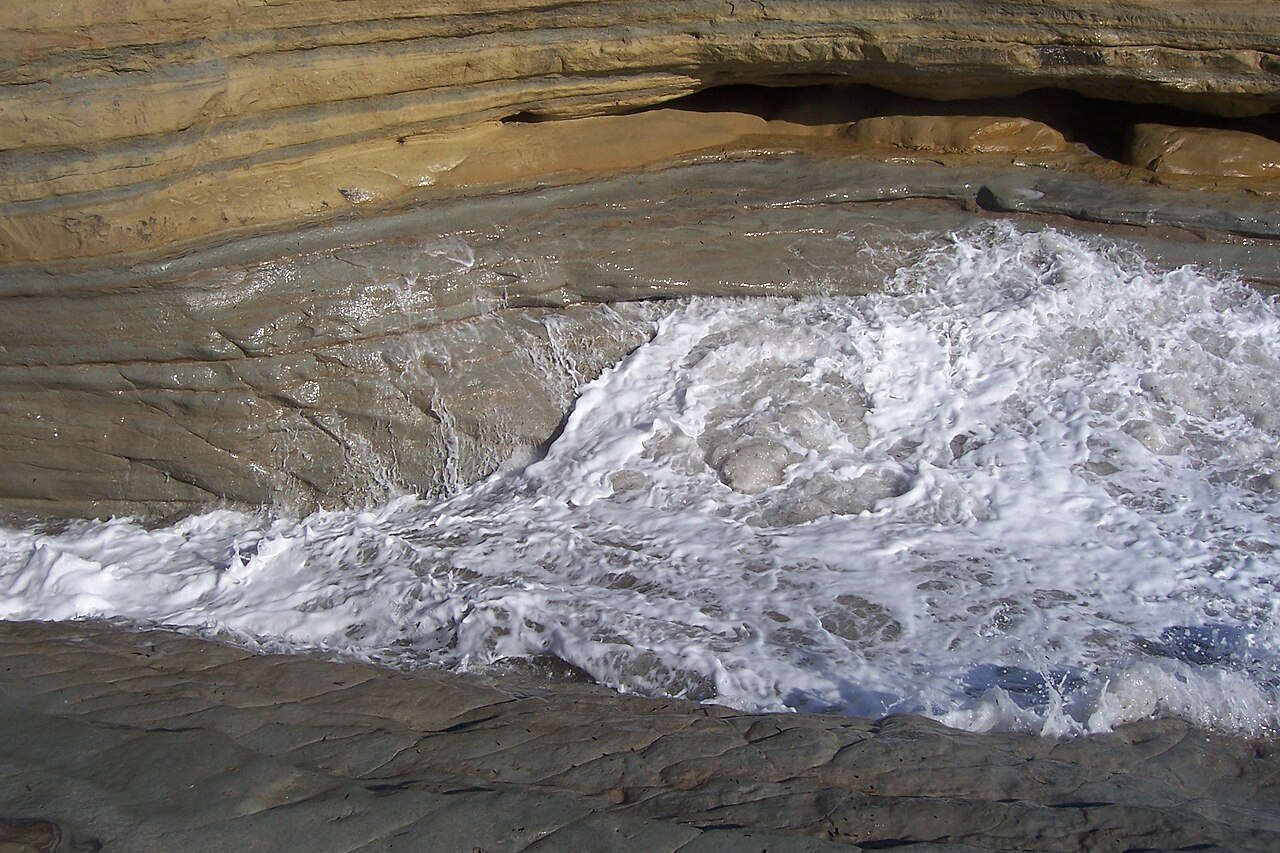
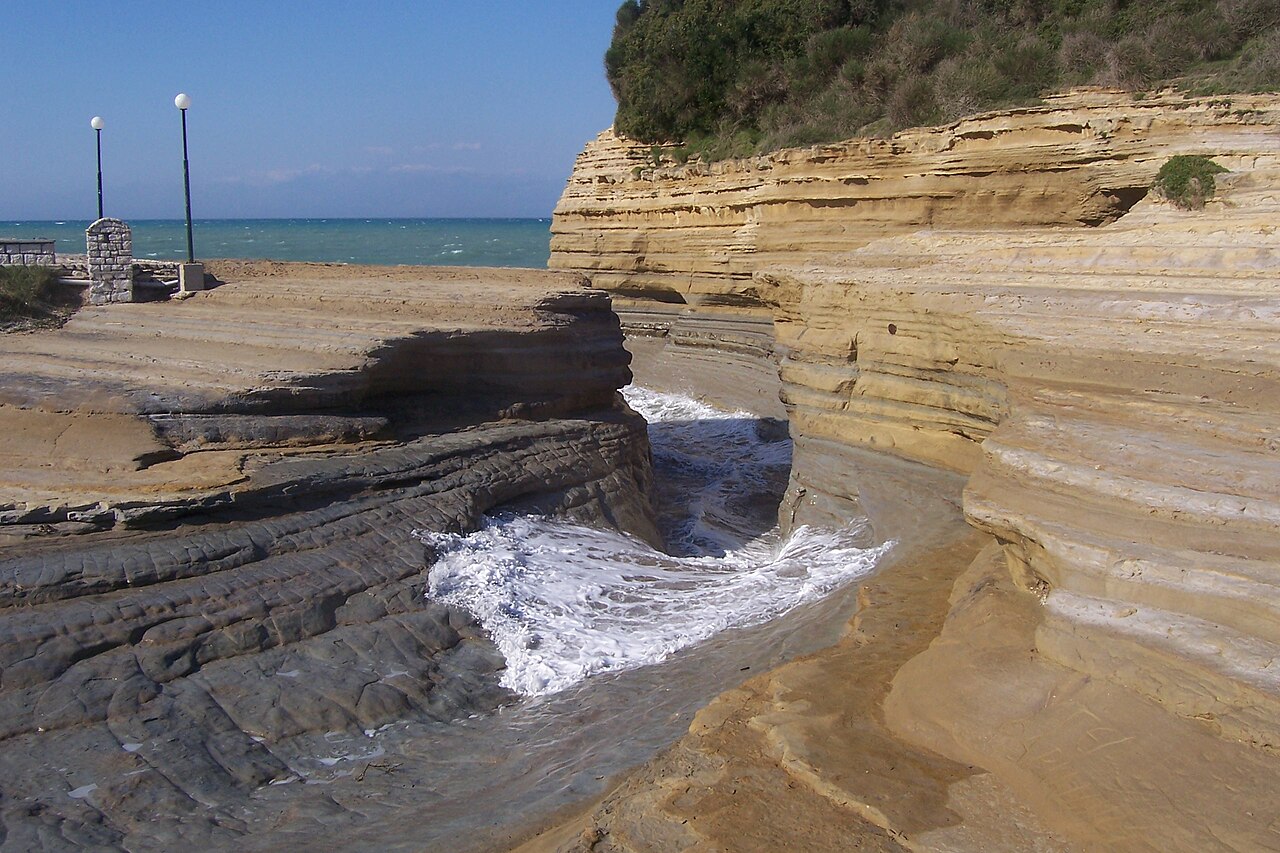
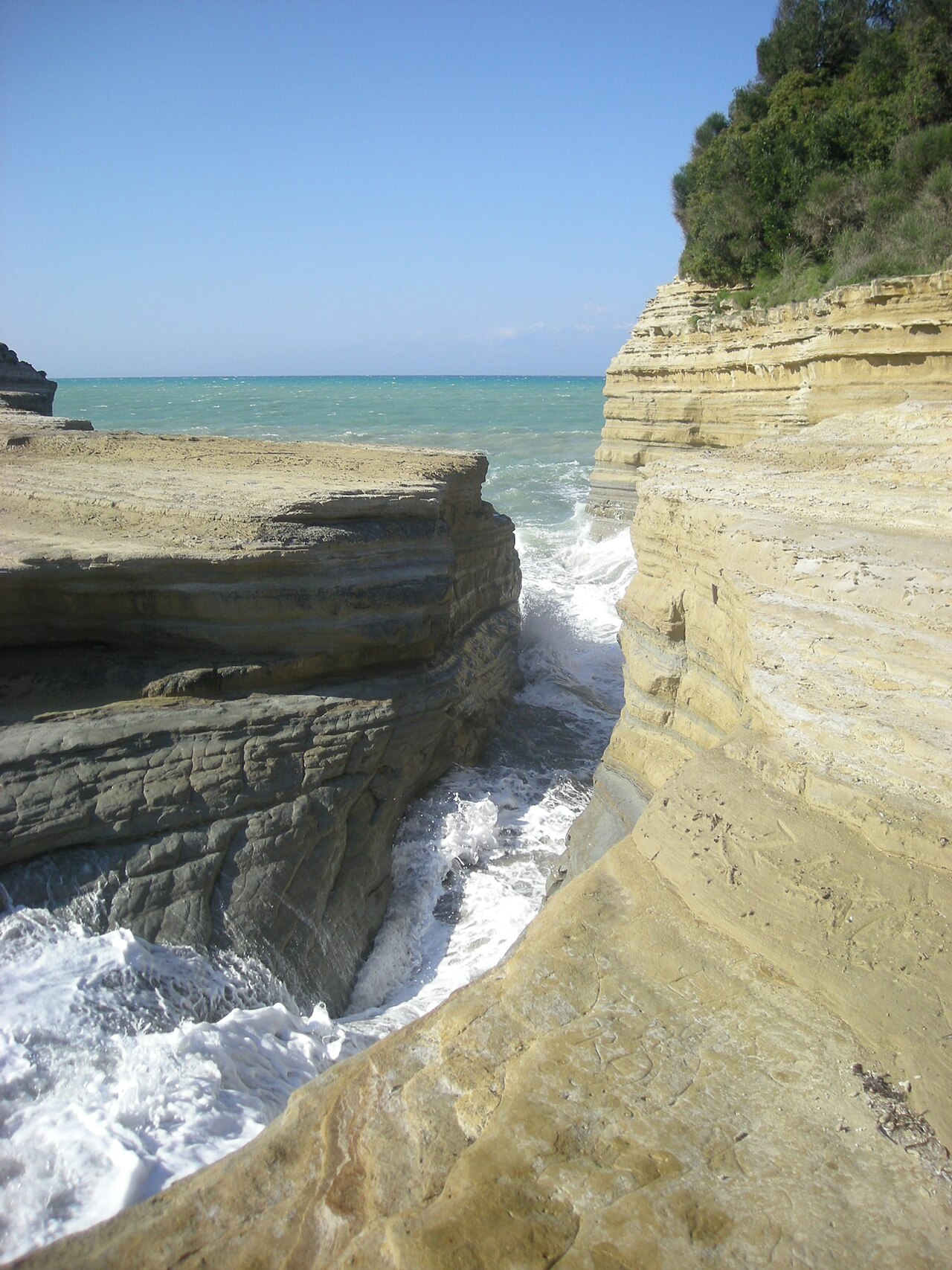
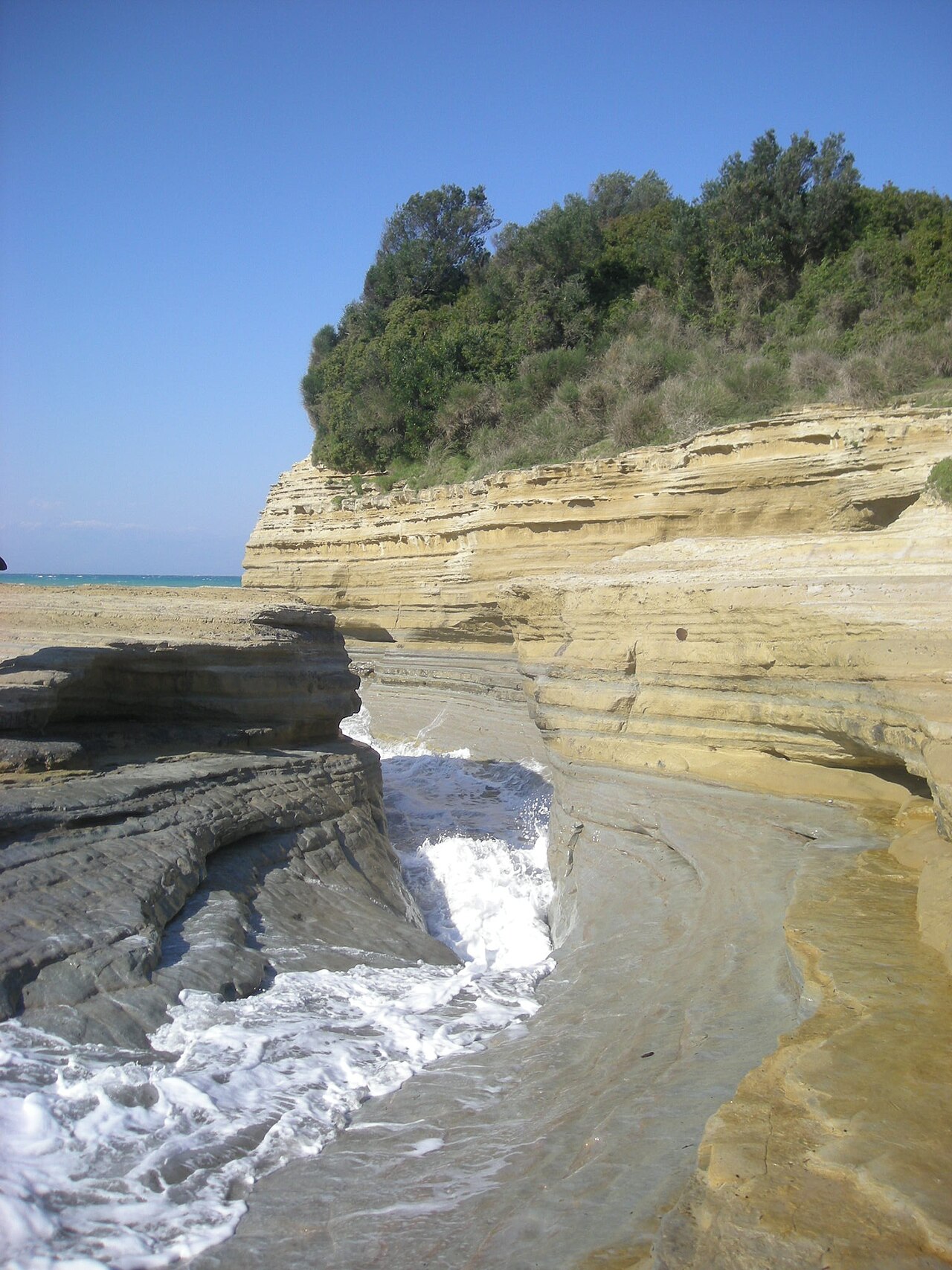
Il Canal d'Amour è senza dubbio il monumento naturale più celebre di Sidhari, un capolavoro di erosione marina che ha creato un passaggio stretto e profondo tra pareti di roccia stratificata. La leggenda locale, tramandata di generazione in generazione, narra che le coppie che nuotano insieme attraverso il canale rimarranno unite per sempre, mentre i single che lo attraversano troveranno presto l'anima gemella. Al di là del mito, il sito è straordinario per la sua conformazione geologica: le rocce di arenaria, tenere e malleabili, formano gradinate naturali dove i bagnanti amano stendersi al sole. L'acqua, filtrata dal fondale argilloso, assume tonalità smeraldo e si dice abbia proprietà benefiche per la pelle. È un luogo magico, specialmente nelle prime ore del mattino quando la folla è ancora lontana e il silenzio è interrotto solo dal fruscio delle onde nelle grotte circostanti.
La spiaggia di Apotripiti e le scogliere d'argilla
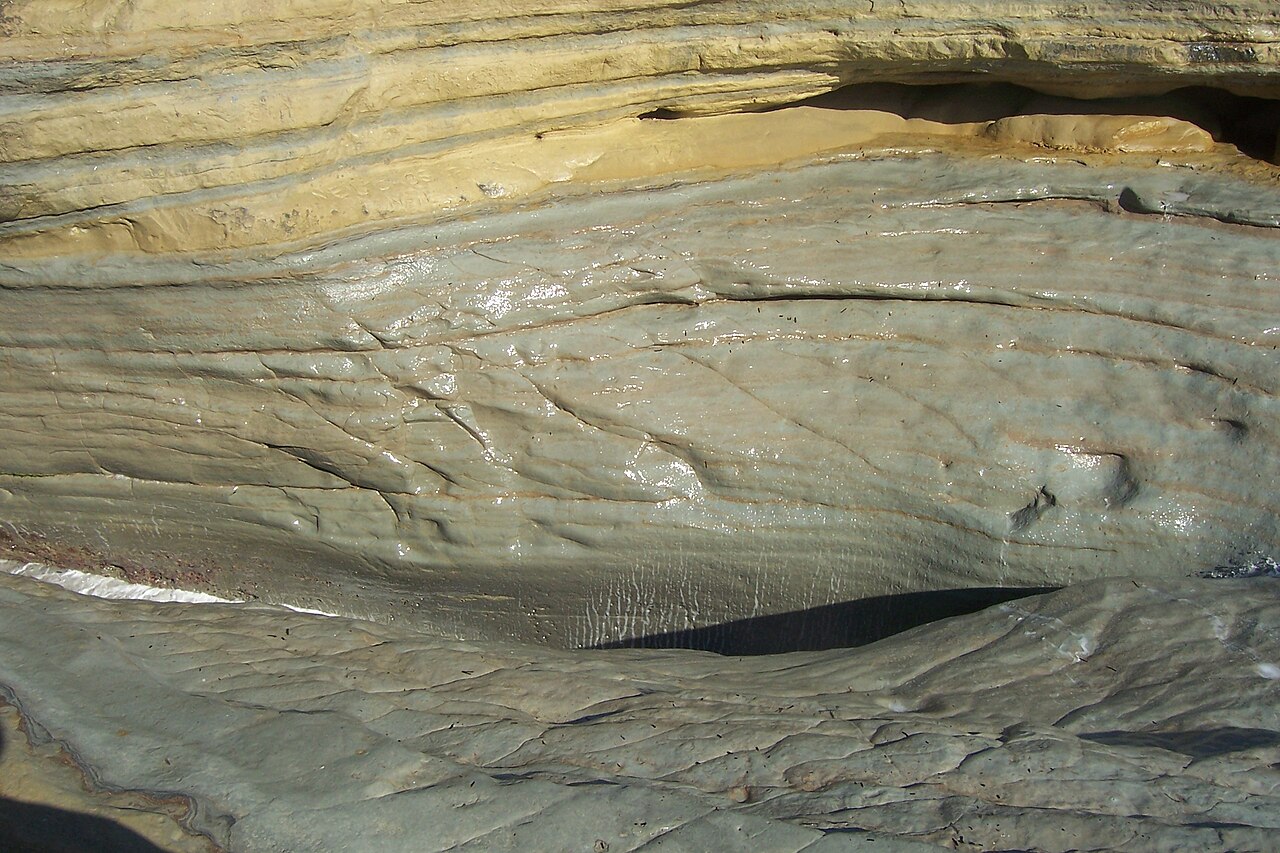
Situata a breve distanza dal centro, la spiaggia di Apotripiti rappresenta una gemma meno affollata ma altrettanto suggestiva. Incastonata tra alte scogliere di marna e argilla, questa piccola baia offre un'esperienza sensoriale particolare: i visitatori spesso utilizzano i frammenti di argilla bagnata per praticare dei veri e propri trattamenti estetici naturali direttamente sulla riva. L'accesso avviene attraverso un sentiero che scende dolcemente verso il mare, rivelando un arenile di sabbia finissima lambito da acque poco profonde e cristalline. La particolarità di Apotripiti risiede anche nelle piccole isole rocciose che emergono a breve distanza dalla costa, raggiungibili a nuoto, che offrono punti privilegiati per lo snorkeling tra anfratti popolati da piccoli pesci colorati.
Loggas Beach: il balcone sul tramonto
Conosciuta anche come 'Sunset Beach', la spiaggia di Loggas si trova a pochi chilometri da Sidhari, nei pressi del villaggio di Peroulades. È un luogo di una bellezza drammatica e quasi prepotente, dove la terraferma termina bruscamente con scogliere verticali alte decine di metri che si tuffano direttamente nel mare. La spiaggia sottostante è una sottile striscia di sabbia che scompare quasi interamente durante l'alta marea, rendendo il luogo un punto d'osservazione privilegiato più che una tradizionale stazione balneare. Qui si viene per assistere a uno dei tramonti più spettacolari di tutta la Grecia: il sole cala lentamente tra le isole Diapontia all'orizzonte, tingendo di rosso e arancio le pareti striate della scogliera, in un silenzio rotto solo dal richiamo dei gabbiani.
Capo Drastis e le formazioni dell'estremo nord
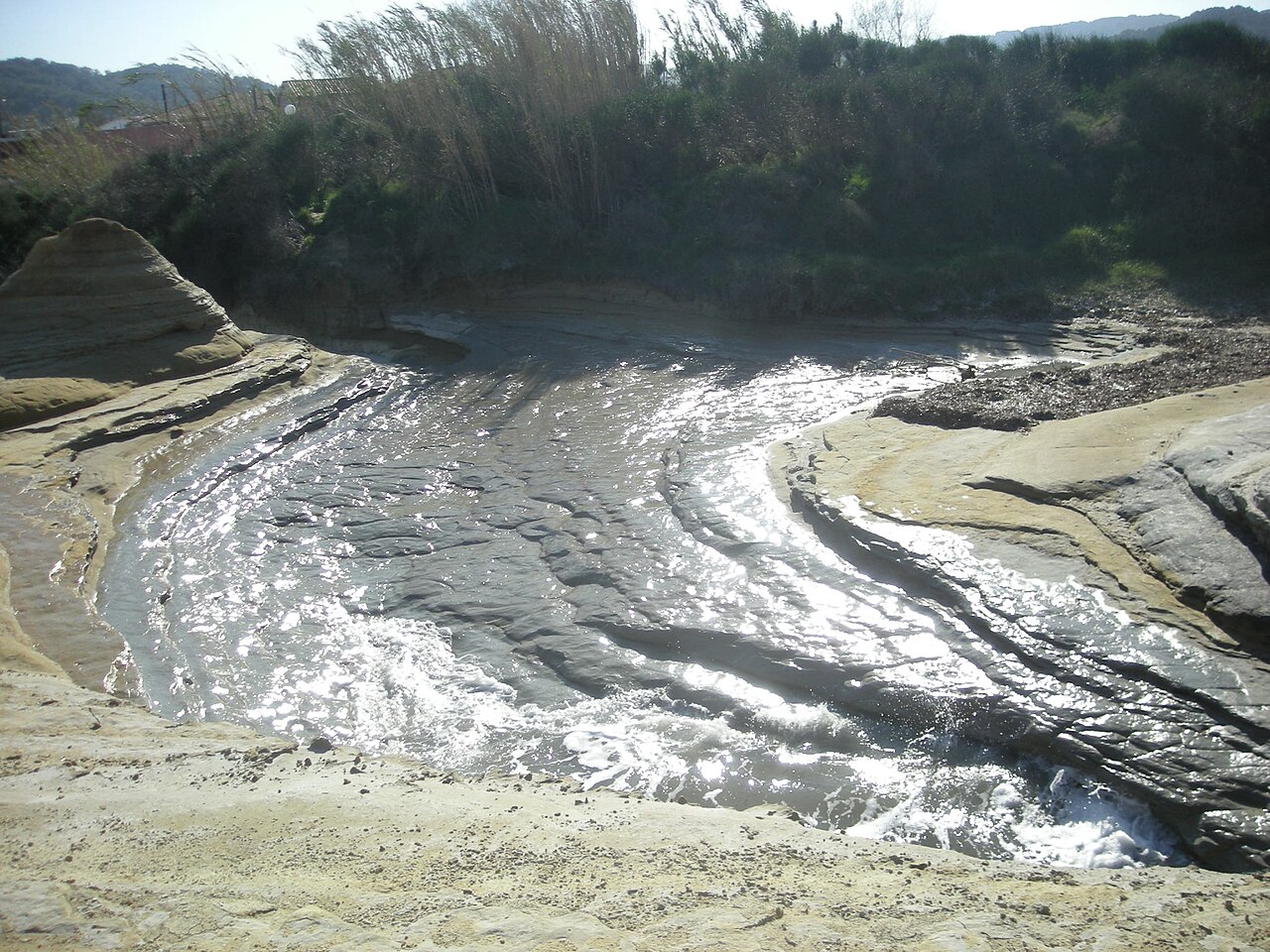
Proseguendo verso la punta più settentrionale dell'isola si incontra Capo Drastis, un promontorio selvaggio che rappresenta l'apice della bellezza geologica della regione. Le formazioni rocciose qui assumono forme bizzarre e scultoree, simili a vele spiegate o a enormi creature marine pietrificate. L'area è in gran parte privata e accessibile solo attraverso sentieri sterrati o, meglio ancora, via mare con piccole imbarcazioni noleggiate a Sidhari. La vista dall'alto del belvedere è mozzafiato, permettendo di ammirare la trasparenza dell'acqua che circonda i faraglioni bianchi. È un luogo dove la natura esprime tutta la sua forza creativa, lontano dai circuiti del turismo di massa, ideale per chi cerca un contatto autentico e primordiale con il paesaggio ionico.
Il centro abitato e la vita del borgo
Il cuore di Sidhari è un dedalo di vie dove l'ospitalità greca si manifesta in ogni angolo. La strada principale è un susseguirsi di taverne tradizionali, caffè moderni e botteghe artigiane dove è possibile acquistare prodotti locali come il liquore di Kumquat, simbolo dell'isola, o manufatti in legno d'ulivo. Nonostante lo sviluppo turistico, il centro conserva una dimensione umana, dove la sera i profumi della carne alla griglia e dell'origano si mescolano alla brezza marina. Passeggiare per Sidhari dopo il tramonto significa immergersi in un'energia contagiosa, fatta di musica dal vivo e conversazioni che si intrecciano in diverse lingue, rendendo questo comune un vero crocevia di culture nel cuore del Mediterraneo.
Tradizioni culinarie e sapori della terra ionica
La cucina di Sidhari è un fedele riflesso della gastronomia corfiota, influenzata pesantemente dai quattro secoli di presenza veneziana. Nelle taverne locali non si può rinunciare a piatti come la 'Pastitsada', carne di manzo o gallo stufata con pomodoro e un mix segreto di spezie chiamato spetseriko, servita con pasta lunga, o il 'Sofrito', sottili fette di vitello cucinate in una salsa di vino bianco, aglio e prezzemolo. Il pesce fresco, portato ogni mattina dai pescatori locali, viene spesso preparato 'bourdeto', ovvero in un brodo piccante al peperoncino. Questi sapori decisi sono bilanciati dalla dolcezza dei prodotti locali come il miele di timo e lo yogurt greco artigianale, spesso servito con noci e frutta sciroppata, offrendo un viaggio nel gusto che affonda le radici nella storia rurale del luogo.
Dintorni e frazioni: Peroulades e Avliotes
Esplorare i dintorni di Sidhari permette di scoprire l'anima più autentica di Corfù. A breve distanza si trovano i villaggi di Peroulades e Avliotes, dove il tempo sembra essersi fermato. Peroulades, con le sue case d'epoca veneziana e le strade strette, conserva un'eleganza decadente e silenziosa. Avliotes, invece, si estende su una cresta collinare offrendo viste panoramiche su entrambi i lati della costa. Questi borghi sono il luogo ideale per osservare la vita quotidiana degli abitanti, tra anziani che discutono fuori dai 'kafenia' e donne che curano giardini rigogliosi di bouganville. Una deviazione verso l'interno rivela vallate coperte da migliaia di ulivi secolari, alcuni dei quali piantati durante l'epoca della Serenissima, che formano una foresta d'argento che degrada dolcemente verso il mare.
- Nuotare nel Canal d'Amour per onorare la leggenda degli innamorati.
- Ammirare il tramonto dalle scogliere di Loggas a Peroulades.
- Noleggiare una barca per esplorare le grotte marine e le calette di Capo Drastis.
- Assaggiare la Pastitsada in una taverna tradizionale del centro.
- Fare un trattamento di bellezza naturale con l'argilla sulla spiaggia di Apotripiti.
- Esplorare i sentieri collinari tra gli uliveti secolari di Avliotes.
Quando andare e come vivere Sidhari
Per godere appieno delle meraviglie di Sidhari, i periodi migliori sono la tarda primavera (maggio e giugno) e l'inizio dell'autunno (settembre e ottobre). In questi mesi le temperature sono piacevoli, il mare è già caldo e l'affluenza turistica è moderata, permettendo di apprezzare la bellezza dei paesaggi in relativa tranquillità. L'estate piena, pur essendo il periodo di massima vivacità, può risultare molto calda e affollata. Vivere Sidhari significa adottare i ritmi lenti dell'isola: svegliarsi presto per godersi le spiagge deserte, dedicare le ore più calde alla scoperta dell'entroterra ombreggiato e lasciarsi trasportare dalla convivialità delle serate greche. È una destinazione che si presta sia a una vacanza dinamica che al puro relax contemplativo.
FAQ
Qual è il periodo migliore per visitare Sidhari?
Sidhari è adatta alle famiglie con bambini?
Come sono i prezzi a Sidhari?
È necessario noleggiare un'auto?
Si può nuotare ovunque nel Canal d'Amour?
Getting there
- Aeroporto Internazionale di Corfù 'Ioannis Kapodistrias' (CFU) - circa 36 km
- Non sono presenti linee ferroviarie sull'isola di Corfù.
- Da Corfù città, seguire le indicazioni per il nord verso Paleokastritsa e poi svoltare per Sidari. Il tragitto dura circa 50-60 minuti.
- I bus verdi (Green Buses) collegano regolarmente la città di Corfù con Sidhari, offrendo un'alternativa economica all'auto.
Perfect for
Un paradiso per gli amanti della natura grazie alle sue uniche scogliere di arenaria e marna scolpite dal mare.
Perfetto per le coppie, grazie alla leggenda del Canal d'Amour e ai tramonti mozzafiato di Loggas.
Offre una vivace vita notturna con numerosi bar, club e taverne che animano le serate estive.
This season · July · Summer
