

Rodha
Adagiata lungo la costa settentrionale dell'isola di Corfù, nel cuore dell'arcipelago delle Ionie, Roda (o Rodha) si presenta come...
Adagiata lungo la costa settentrionale dell'isola di Corfù, nel cuore dell'arcipelago delle Ionie, Roda (o Rodha) si presenta come una destinazione dal duplice volto, capace di armonizzare il dinamismo del turismo contemporaneo con la quiete sussurrata di un antico villaggio di pescatori. Non è solo una stazione balneare baciata dal sole, ma un luogo dove l'orizzonte si apre verso le coste dell'Albania e le montagne dell'Epiro, offrendo uno spettacolo visivo che muta con il variare della luce diurna. Camminare per Roda significa attraversare secoli di storia rurale e marittima: se il lungomare vibra di vita, taverne e colori, basta addentrarsi di pochi passi verso l'interno per ritrovare l'anima autentica dell'isola, fatta di uliveti secolari, piccoli orti e case in pietra che resistono al tempo. Qui l'accoglienza greca, la celebre 'philoxenia', non è un concetto astratto ma un'esperienza quotidiana che si manifesta nel sorriso dei gestori delle taverne e nella cura con cui viene preservato il patrimonio locale. Roda funge da cerniera ideale tra la vivacità della vicina Acharavi e le formazioni geologiche spettacolari di Sidari, ponendosi come base perfetta per chi desidera esplorare il nord di Corfù senza rinunciare a una dimensione umana e rilassata. Che siate alla ricerca di una serata romantica in riva al mare o di un tuffo nella storia antica celata tra i campi, questa località saprà svelarvi i suoi segreti con la discrezione tipica delle terre ioniche.
Una storia tra terra e mare
Le origini di Roda affondano in un passato remoto, quando la zona era densamente popolata già in epoca classica, come testimoniano i resti archeologici rinvenuti nelle vicinanze. Durante il periodo bizantino e successivamente sotto la lunga dominazione veneziana, l'area mantenne una vocazione prevalentemente agricola e legata alla pesca. I veneziani influenzarono profondamente l'architettura e l'economia dell'isola, introducendo la coltivazione intensiva dell'ulivo che ancora oggi caratterizza il paesaggio circostante. Per secoli, Roda è rimasta un piccolo avamposto tranquillo, protetto dalle incursioni piratesche grazie alla conformazione della costa. Solo nella seconda metà del Novecento il villaggio ha vissuto una trasformazione radicale, aprendosi al turismo internazionale ma riuscendo, a differenza di altre località, a conservare un nucleo storico riconoscibile dove il tempo sembra scorrere con ritmi più lenti, legati alle stagioni e alle festività religiose.
Il Tempio di Apollo: un'eredità dorica

Il monumento più significativo dal punto di vista storico nei pressi di Roda è senza dubbio il Tempio di Apollo. Risalente al V secolo a.C., questo sito archeologico testimonia l'importanza religiosa della zona nell'antichità classica. Sebbene oggi rimangano visibili solo le fondamenta e alcuni elementi architettonici in stile dorico, la sua scoperta ha permesso di comprendere meglio l'organizzazione del territorio in epoca greca. Il tempio sorgeva in una posizione strategica e la sua semplicità strutturale è tipica dell'architettura sacra del periodo. Visitare questo luogo significa connettersi con la spiritualità degli antichi coloni greci che vedevano in queste coste un approdo sicuro e una terra fertile da onorare con monumenti dedicati alle divinità del sole e delle arti. Molti dei reperti mobili rinvenuti qui sono oggi custoditi nel Museo Archeologico di Corfù, ma il fascino del sito originario rimane intatto.
La Chiesa di San Giorgio e il borgo antico
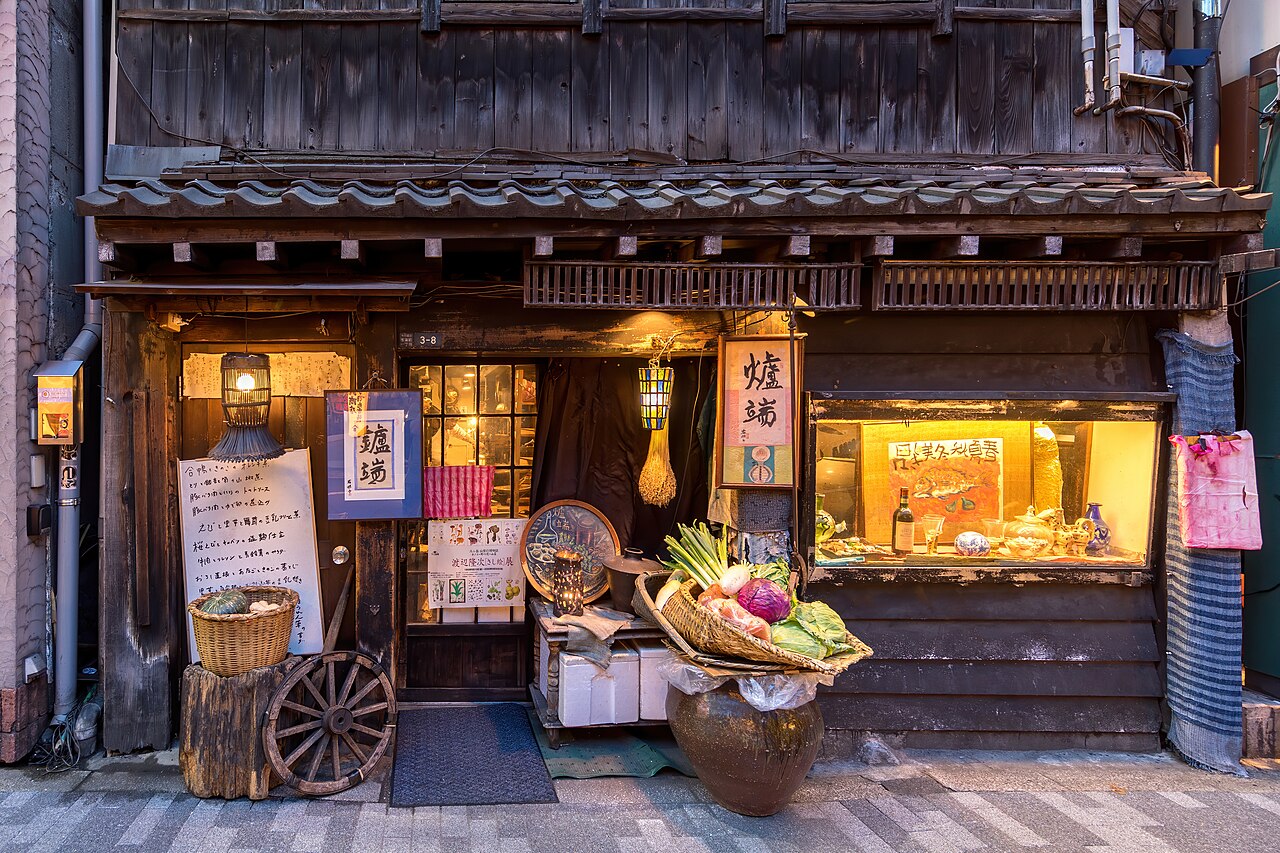
Il cuore spirituale della comunità risiede nella Chiesa di San Giorgio (Agios Georgios), situata nella parte più interna e antica del villaggio. Questo edificio sacro non è solo un luogo di culto, ma un punto di riferimento architettonico che incarna lo stile corfiota post-bizantino. All'interno, l'atmosfera è densa di incenso e devozione, con icone lignee finemente lavorate e decorazioni che raccontano la fede di un popolo legato indissolubilmente al mare. Attorno alla chiesa si snoda quello che viene chiamato il 'vecchio villaggio', un dedalo di stradine dove si possono ammirare le tipiche abitazioni ioniche con i tetti in tegole rosse e i balconi fioriti. Questa zona offre un contrasto affascinante con la vivacità del lungomare, permettendo al visitatore di percepire la vera essenza della vita quotidiana a Corfù, lontano dai circuiti del turismo di massa.
La lunga spiaggia di Roda

La spiaggia di Roda è il fulcro della vita estiva, una distesa di sabbia mista a piccoli ciottoli che si estende per diversi chilometri, congiungendosi quasi senza soluzione di continuità con quella di Acharavi. Ciò che la rende speciale è la scarsa profondità dei suoi fondali, che rimangono bassi per molti metri dalla riva, rendendola una delle mete preferite dalle famiglie con bambini. Le acque, limpide e dai riflessi turchesi, invitano a lunghe nuotate o a praticare sport acquatici. Il lungomare è punteggiato da taverne che offrono tavoli quasi a sfiorare l'acqua, creando un ambiente ideale per pranzi pigri o cene al tramonto. Nonostante la presenza di servizi e stabilimenti, ampi tratti della spiaggia rimangono liberi e selvaggi, permettendo a chiunque di trovare il proprio angolo di paradiso per godersi il suono della risacca in totale relax.
Natura e paesaggio: tra mare e montagna
Il paesaggio che circonda Roda è un inno alla biodiversità mediterranea. Alle spalle del centro abitato si elevano dolci colline ricoperte da una fitta vegetazione di ulivi, cipressi e macchia aromatica. Guardando verso l'interno, domina la sagoma imponente del Monte Pantokrator, la cima più alta dell'isola, che funge da barriera naturale e offre scenari spettacolari per gli amanti del trekking e delle escursioni. La zona costiera è caratterizzata da piccoli corsi d'acqua che sfociano nel mare, creando micro-habitat umidi dove è possibile avvistare diverse specie di uccelli migratori. La luce qui ha una qualità particolare, specialmente nelle ore dorate del pomeriggio, quando i contorni delle montagne albanesi all'orizzonte si fanno nitidi, creando un gioco di prospettive che rende il panorama unico in tutta l'isola.
Esperienze da non perdere
- Noleggiare una piccola imbarcazione per esplorare le calette isolate della costa nord.
- Percorrere i sentieri che portano al vecchio villaggio abbandonato di Perithia, sulle pendici del Pantokrator.
- Godersi una cena a base di pesce fresco in una delle taverne storiche del lungomare al tramonto.
- Partecipare a una cavalcata sulla spiaggia o tra gli uliveti organizzata dai centri ippici locali.
- Esplorare i resti del Tempio di Apollo per un tuffo nell'archeologia classica.
- Fare una passeggiata serale fino alla vicina Acharavi lungo il basciuga.
Tradizioni e sapori della cucina corfiota
La cultura gastronomica di Roda è lo specchio della storia di Corfù, un incrocio tra sapori greci e influenze veneziane. Non si può dire di aver visitato il luogo senza aver assaggiato il 'Sofrito', sottili fette di vitello cucinate con aglio, prezzemolo e aceto di vino bianco, o la 'Pastitsada', un ricco stufato di carne servito con pasta lunga. Essendo un villaggio di mare, il pesce è protagonista assoluto: il 'Bourdeto', una zuppa di pesce piccante con paprika, è un piatto che scalda l'anima e racconta la fatica dei pescatori. I prodotti della terra, come l'olio d'oliva extravergine locale e il liquore di Kumquat (il piccolo agrume diventato simbolo dell'isola), completano l'offerta culinaria. Le festività religiose, come la festa di San Giorgio, sono occasioni imperdibili per assistere a danze tradizionali e gustare dolci tipici come i 'Loukoumades' appena fritti.
Nei dintorni: Sidari e Acharavi
Roda è situata in una posizione strategica per esplorare le meraviglie del nord. A pochi chilometri verso ovest si trova Sidari, celebre per il 'Canal d'Amour', una serie di formazioni rocciose di arenaria che creano canali e grotte marine di rara bellezza. A est si sviluppa invece Acharavi, un centro più grande e moderno che offre servizi, negozi e una vita notturna più vivace. Per chi cerca la tranquillità assoluta, l'entroterra riserva sorprese come il villaggio di Episkepsis, con le sue case nobiliari e le viste mozzafiato sul mare. Queste località, facilmente raggiungibili in auto o in bicicletta, completano l'esperienza di viaggio offrendo una varietà di paesaggi che spaziano dalle scogliere spettacolari ai borghi rurali dove il tempo sembra essersi fermato.
Quando andare e come vivere Roda
Il periodo ideale per visitare Roda va da maggio a ottobre. La primavera (maggio e giugno) è perfetta per chi ama la natura in fiore e le temperature miti, ideali per le escursioni a piedi o in bicicletta. Luglio e agosto sono i mesi del pieno sole e della vitalità, ideali per la vita di mare, anche se il villaggio mantiene sempre un'atmosfera più rilassata rispetto ai grandi centri del sud. Settembre offre acque ancora calde e una luce meravigliosa, con meno affollamento. Per vivere Roda come un locale, il consiglio è di svegliarsi presto per vedere i pescatori rientrare al molo e di dedicare le ore più calde alla lettura all'ombra degli ulivi, lasciando che il ritmo lento dell'isola detti l'agenda della giornata.
FAQ
Roda è adatta alle famiglie con bambini piccoli?
Quanto tempo serve per visitare Roda?
È facile trovare parcheggio a Roda?
Ci sono collegamenti con il resto dell'isola?
Getting there
- Aeroporto Internazionale di Corfù (Ioannis Kapodistrias) - circa 35 km
- Non sono presenti linee ferroviarie sull'isola.
- Da Corfù Città, seguire la strada principale verso nord in direzione Paleokastritsa e poi svoltare verso Acharavi/Roda. Il tragitto dura circa 50-60 minuti.
- Noleggiare un'auto è il modo migliore per esplorare i dintorni, ma i bus verdi (Green Buses) sono affidabili per raggiungere il capoluogo.
Perfect for
Perfetta per chi cerca spiagge attrezzate, acque calme e un'atmosfera serena ideale per rigenerarsi.
La presenza del Tempio di Apollo e del borgo antico soddisfa la curiosità di chi ama scoprire le radici del territorio.
Un paradiso per gli amanti della cucina greca autentica con forti influenze storiche veneziane.
This season · July · Summer
