

Palaiokastritsa
Sospesa tra il mito e la realtà, Palaiokastritsa si rivela come uno dei gioielli più preziosi dell'isola di Corfù e dell'intero ar...
Sospesa tra il mito e la realtà, Palaiokastritsa si rivela come uno dei gioielli più preziosi dell'isola di Corfù e dell'intero arcipelago delle Ionie. Non è solo una località balneare, ma un luogo dove la natura ha deciso di dare spettacolo, scolpendo sei baie profonde tra promontori rocciosi ricoperti da una vegetazione mediterranea così fitta da sembrare impenetrabile. Qui, il verde cupo dei cipressi e l'argento degli ulivi secolari si tuffano direttamente in un mare che sfuma dal turchese elettrico al blu cobalto, creando un contrasto cromatico che ha incantato viaggiatori di ogni epoca. Secondo la leggenda, proprio su queste rive approdò Ulisse, naufrago e stremato, trovando soccorso presso la principessa Nausicaa e il popolo dei Feaci. Questa eco omerica si respira ancora oggi tra i sentieri che salgono verso le alture, dove l'aria profuma di resina e mirto. Visitare Palaiokastritsa significa immergersi in un'atmosfera che fonde la sacralità dei suoi monasteri ortodossi con la vivacità dei piccoli porticcioli e la quiete delle grotte marine accessibili solo via barca. Nonostante la sua fama internazionale, il borgo conserva un'anima autentica, legata ai ritmi lenti della vita isolana e alla cura di un territorio che è rimasto, in gran parte, protetto dall'urbanizzazione selvaggia. Che si tratti di esplorare i fondali rocciosi ricchi di vita o di ammirare il tramonto dalle terrazze panoramiche di Lakones, Palaiokastritsa offre un'esperienza sensoriale completa, capace di rigenerare lo spirito attraverso la bellezza pura degli elementi.
L'eredità storica: dai Feaci alla dominazione veneziana
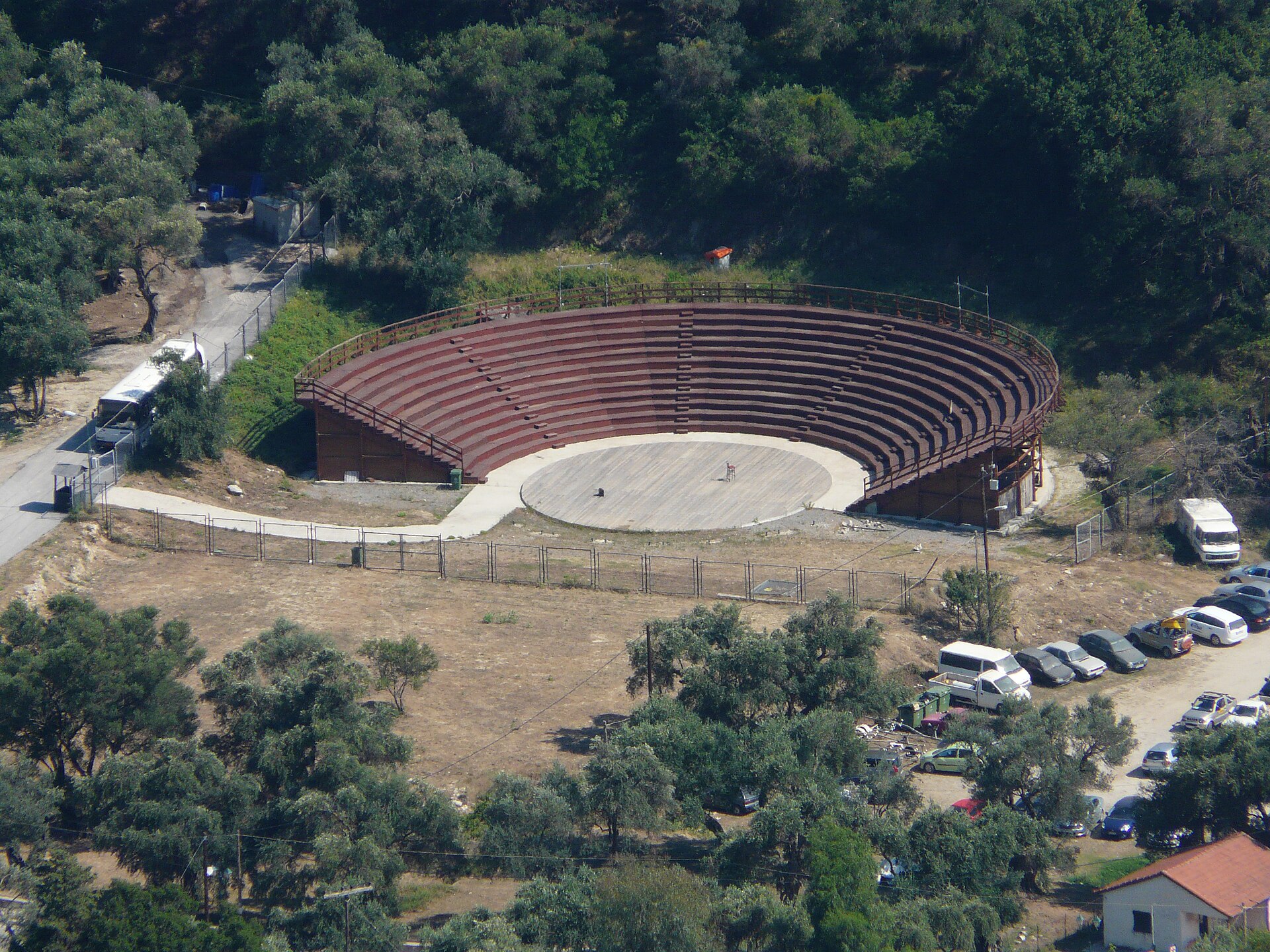
La storia di Palaiokastritsa è indissolubilmente legata alla posizione strategica dell'isola di Corfù, crocevia tra l'Oriente bizantino e l'Occidente latino. Sebbene le radici del luogo affondino nel mito omerico, le testimonianze storiche più concrete risalgono al periodo bizantino, quando la necessità di difendere le coste dalle incursioni piratesche portò alla costruzione di fortificazioni sulle alture circostanti. Il nome stesso, che significa 'vecchio castello', fa riferimento a una preesistente struttura difensiva, probabilmente situata dove oggi sorge il celebre monastero. Con l'arrivo dei Veneziani nel XIV secolo, l'area divenne un punto focale per l'agricoltura, in particolare per la coltivazione dell'ulivo, che ancora oggi caratterizza il paesaggio con esemplari che superano i quattro secoli di vita.
Il Monastero della Panagia Theotokos
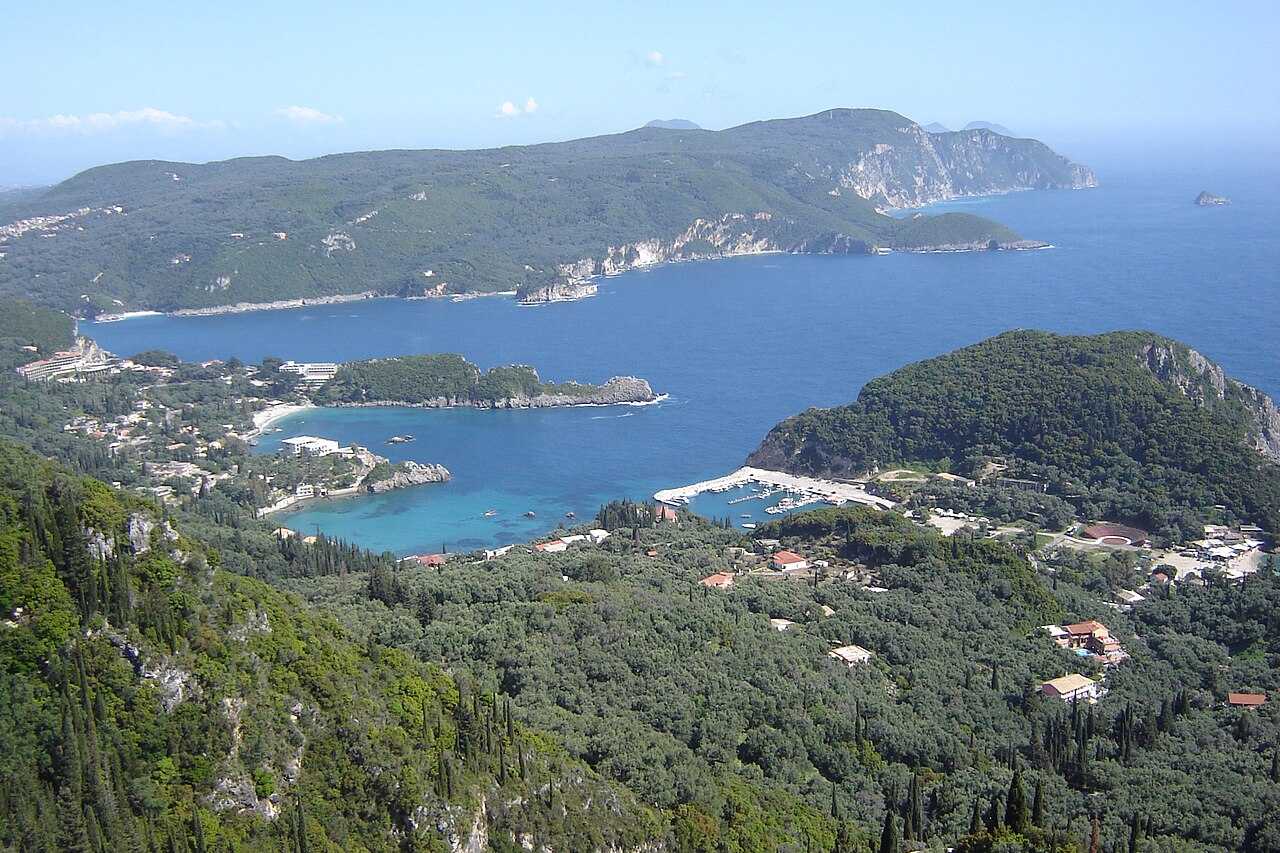
Arroccato su un promontorio che domina l'intera baia, il Monastero della Panagia Theotokos è il cuore spirituale di Palaiokastritsa. Fondato originariamente nel 1225, l'edificio attuale risale principalmente al XVIII secolo e rappresenta un esempio perfetto di architettura monastica greca, con i suoi muri bianchi e i cortili fioriti di bouganville. All'interno, un piccolo museo custodisce icone bizantine di inestimabile valore, paramenti sacri e persino lo scheletro di una balena, che la tradizione locale lega a antiche leggende marinare. Il giardino del monastero, curato con dedizione dai monaci, offre uno dei punti panoramici più suggestivi dell'isola, da cui è possibile scorgere l'isolotto a forma di nave che, secondo il mito, sarebbe l'imbarcazione dei Feaci pietrificata da Poseidone per punire l'aiuto concesso a Ulisse.
La sentinella bizantina: Angelokastro
A pochi chilometri dal centro abitato, svetta su una scogliera a picco sul mare a oltre 300 metri d'altezza il castello di Angelokastro. Questa fortezza bizantina, costruita nel XIII secolo, era considerata inespugnabile e fungeva da avamposto cruciale per avvistare le flotte nemiche in avvicinamento dal Mar Adriatico. Durante i secoli, resistette a numerosi assedi, inclusi quelli ottomani, offrendo rifugio a migliaia di abitanti della zona. Oggi, dopo un accurato restauro, i visitatori possono esplorare le sue rovine, tra cui la piccola cappella sotterranea dedicata a Sant'Agata e le antiche cisterne per l'acqua. La salita a piedi richiede un po' di sforzo, ma la ricompensa è una vista vertiginosa che abbraccia l'intera costa nord-occidentale di Corfù, fino alle isole Diapontie.
Le sei baie: un mosaico di acque cristalline
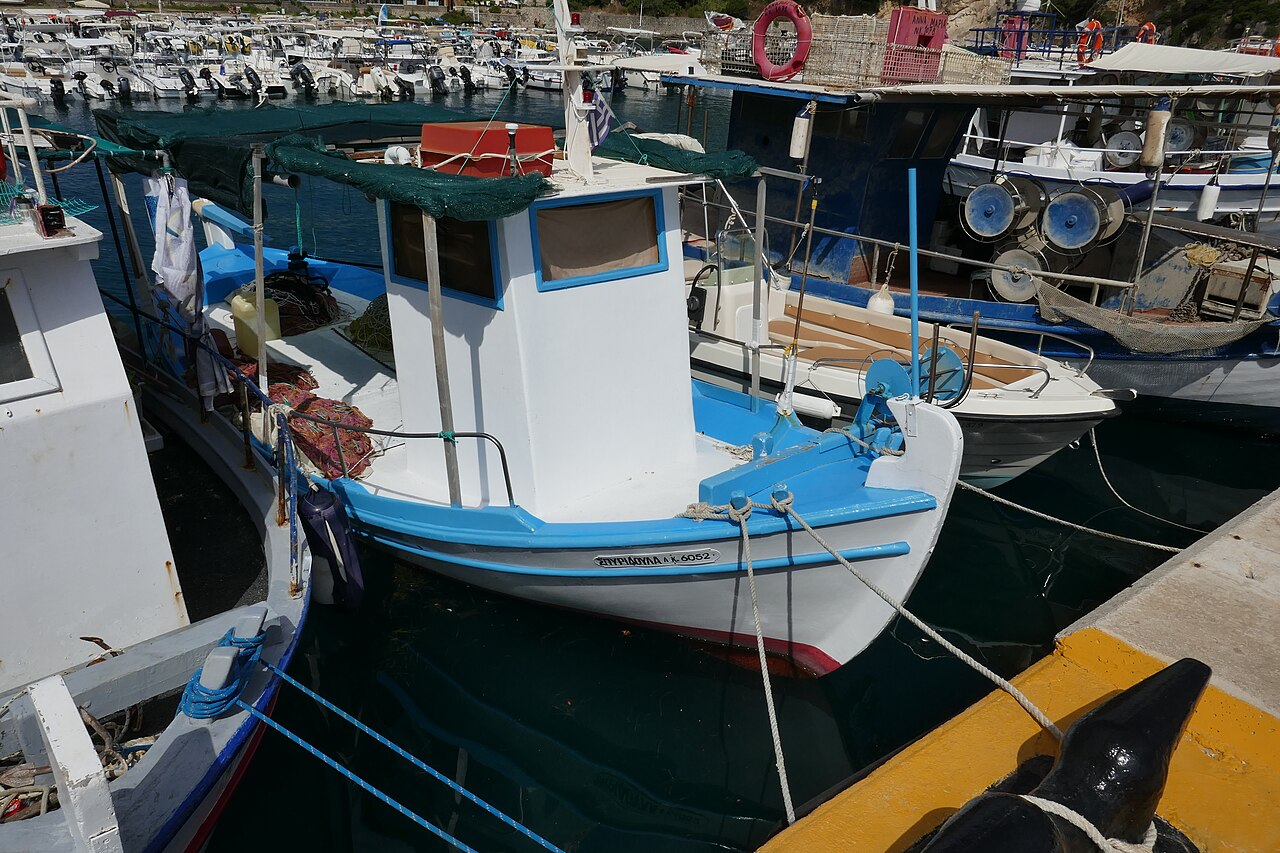
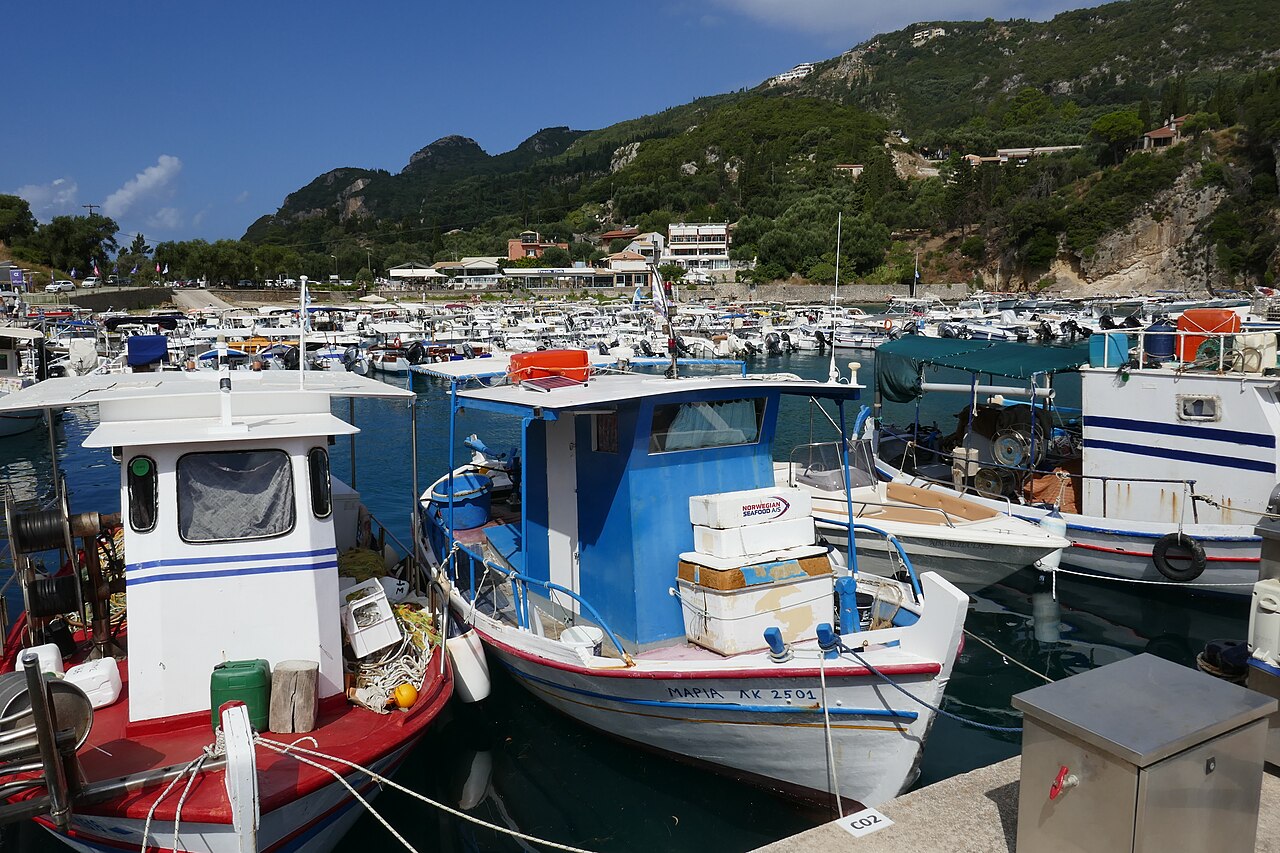
Il litorale di Palaiokastritsa è un susseguirsi di insenature spettacolari, ognuna con la propria personalità. La baia principale, Agios Spyridon, è la più accessibile e vivace, caratterizzata da acque basse e trasparenti ideali per le famiglie. Spostandosi verso ovest si incontra Ampelaki, più intima e tranquilla, perfetta per chi cerca il relax lontano dalla folla. Alipa, invece, ospita il pittoresco porticciolo dove i pescatori locali ormeggiano le loro barche accanto agli yacht dei visitatori. Non meno affascinanti sono le baie di Agios Petros e Kanoni, dove le rocce affioranti creano piscine naturali che sembrano acquari a cielo aperto, mentre Agia Triada offre ampi spazi e servizi per gli amanti degli sport acquatici, pur mantenendo intatta la bellezza del fondale marino.
Grotte marine e segreti sotterranei
Uno dei modi migliori per apprezzare la geologia unica di questo tratto di costa è partecipare a un'escursione in barca alla scoperta delle grotte marine. La più celebre è la Grotta di Nausicaa, dove la luce del sole filtrando dall'acqua crea riflessi azzurri quasi ipnotici. Altrettanto suggestiva è la Grotta dell'Occhio Blu, così chiamata per una macchia di colore azzurro intenso che brilla nelle profondità della cavità rocciosa. Molte di queste grotte sono accessibili solo con piccole imbarcazioni o kayak, permettendo un contatto ravvicinato con la roccia calcarea e la fauna marina. Esplorare questi anfratti significa scoprire un mondo silenzioso e magico, dove il suono del mare che si infrange sulle pareti di pietra è l'unica colonna sonora.
Il borgo di Lakones e il 'Balcone dello Ionio'
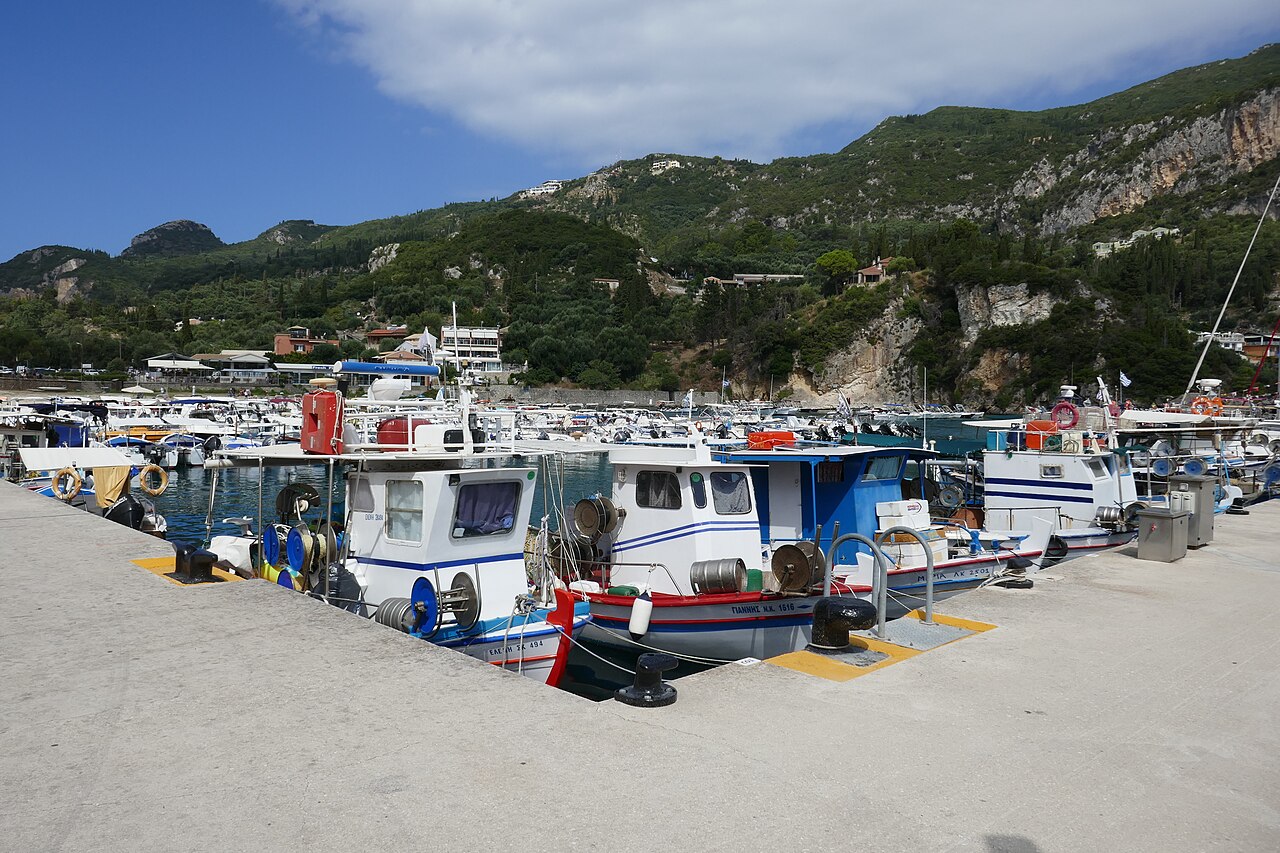
Per comprendere appieno la geografia di Palaiokastritsa, bisogna salire verso il villaggio tradizionale di Lakones, situato sulle pendici del monte sopra le baie. Questo borgo ha conservato intatta la sua struttura medievale, con case in pietra, vicoli strettissimi e anziane signore che ancora indossano i costumi tradizionali. Lakones è celebre per il 'Bella Vista', un punto panoramico che molti viaggiatori del passato hanno definito uno dei più belli d'Europa. Da qui, la vista sulle sei baie sottostanti è mozzafiato e permette di distinguere chiaramente la forma a trifoglio della costa. È il luogo ideale per fermarsi in una delle taverne locali a sorseggiare un caffè greco o un bicchiere di vino locale, godendo di una brezza rinfrescante anche nelle giornate estive più calde.
Natura e Paesaggio: tra mare e macchia mediterranea
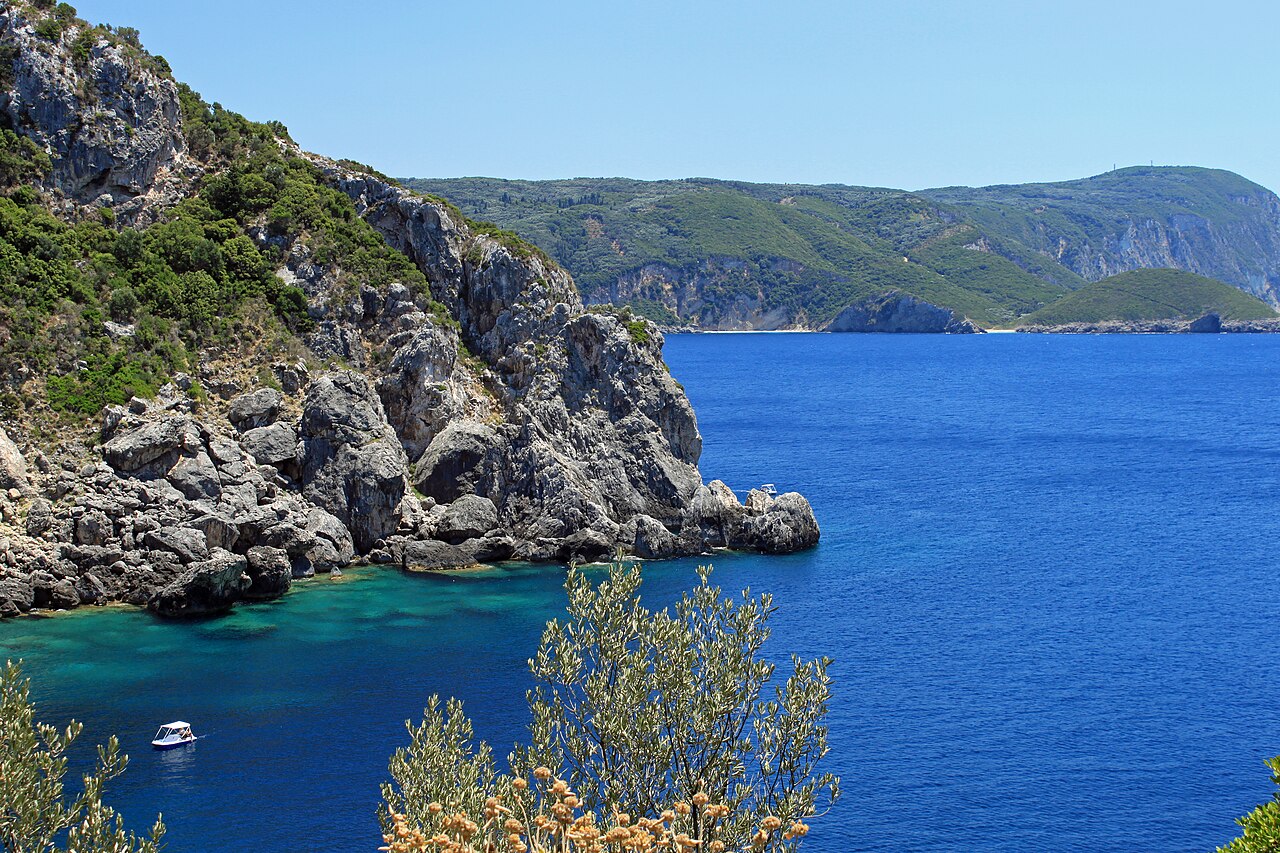
Il paesaggio di Palaiokastritsa è un inno alla biodiversità mediterranea. L'entroterra è dominato da una foresta di ulivi millenari, i cui tronchi contorti e scultorei raccontano secoli di storia agraria. Tra gli alberi crescono spontaneamente erbe aromatiche come il timo, la salvia e l'origano, che riempiono l'aria di profumi intensi durante l'estate. La costa, invece, è caratterizzata da alte falesie di calcare bianco che cadono a picco nel mare, creando un contrasto netto con il verde della vegetazione. Per gli amanti del trekking, esistono sentieri che collegano le varie baie e salgono verso i villaggi interni, offrendo scorci inediti su piccole calette nascoste e pareti rocciose dove nidificano diverse specie di uccelli marini.
Tradizioni e sapori della cucina corfiota
La gastronomia locale riflette la storia cosmopolita dell'isola, unendo ingredienti greci a influenze veneziane. A Palaiokastritsa è d'obbligo assaggiare la 'Pastitsada', un piatto a base di carne (solitamente gallo o manzo) stufata con pomodoro, cannella e spezie, servita con pasta lunga. Altro pilastro è il 'Sofrito', fettine di vitello cucinate con aglio e aceto. Essendo una località di mare, il pesce fresco non manca mai, cucinato spesso alla griglia o nel 'Bourdeto', una zuppa di pesce piccante con peperoncino. Non si può lasciare il luogo senza aver provato i prodotti a base di Kumquat, il piccolo agrume cinese diventato simbolo di Corfù, utilizzato per produrre liquori profumati, marmellate e dolci sciroppati che si trovano in ogni bottega del borgo.
Cosa non perdere: esperienze consigliate
- Noleggiare una piccola barca a motore per esplorare in autonomia le calette isolate e le grotte marine.
- Visitare il Monastero della Panagia al mattino presto per godere del silenzio e della luce dorata.
- Percorrere l'antico sentiero (asino-strada) che collega Palaiokastritsa al villaggio di Lakones per un'escursione panoramica.
- Fare snorkeling nelle acque di Agios Petros per ammirare la ricca vita sottomarina tra gli scogli.
- Ammirare il tramonto da Angelokastro per vedere il sole tuffarsi direttamente nel Mar Ionio.
- Degustare l'olio d'oliva locale presso uno dei frantoi tradizionali della zona.
Quando andare e come vivere il luogo
Il periodo ideale per visitare Palaiokastritsa va da maggio a giugno e da settembre a inizio ottobre. In questi mesi, le temperature sono gradevoli, la natura è rigogliosa e l'affluenza turistica è moderata, permettendo di godere appieno della pace del monastero e delle spiagge. Luglio e agosto sono i mesi più caldi e affollati, perfetti per chi cerca vita sociale e sport acquatici, ma richiedono prenotazioni anticipate. Per vivere il luogo come un locale, il consiglio è di svegliarsi presto per una nuotata nelle acque fresche prima dell'arrivo dei bus turistici e di dedicare le ore più calde all'esplorazione dell'ombreggiato entroterra o alla visita dei musei, lasciando le cene nelle taverne di Lakones per concludere la giornata con vista sulle luci della baia.
FAQ
È facile parcheggiare a Palaiokastritsa?
Le spiagge sono adatte ai bambini?
Quanto tempo serve per visitare il monastero?
È necessario noleggiare un'auto?
Si può visitare Angelokastro tutto l'anno?
Getting there
- Aeroporto Internazionale di Corfù 'Ioannis Kapodistrias' (CFU) - circa 25 km
- Non sono presenti linee ferroviarie sull'isola di Corfù.
- Da Corfù città, seguire le indicazioni per Paleokastritsa percorrendo la strada principale che attraversa l'isola verso nord-ovest (circa 30-40 minuti).
- Se viaggiate in bus, utilizzate i Green Buses che partono regolarmente dal terminal vicino al porto di Corfù città.
Perfect for
Perfetto per chi cerca acque cristalline, grotte marine spettacolari e calette nascoste circondate dal verde.
Ideale per visitare antichi monasteri ortodossi e fortezze bizantine cariche di fascino e leggenda.
Ottima destinazione per il trekking panoramico tra uliveti secolari e per lo snorkeling nei fondali rocciosi.
This season · July · Summer
