

Mesongi
Lungo la costa sud-orientale dell'isola di Corfù, dove il profilo delle montagne digrada dolcemente verso lo specchio azzurro dell...
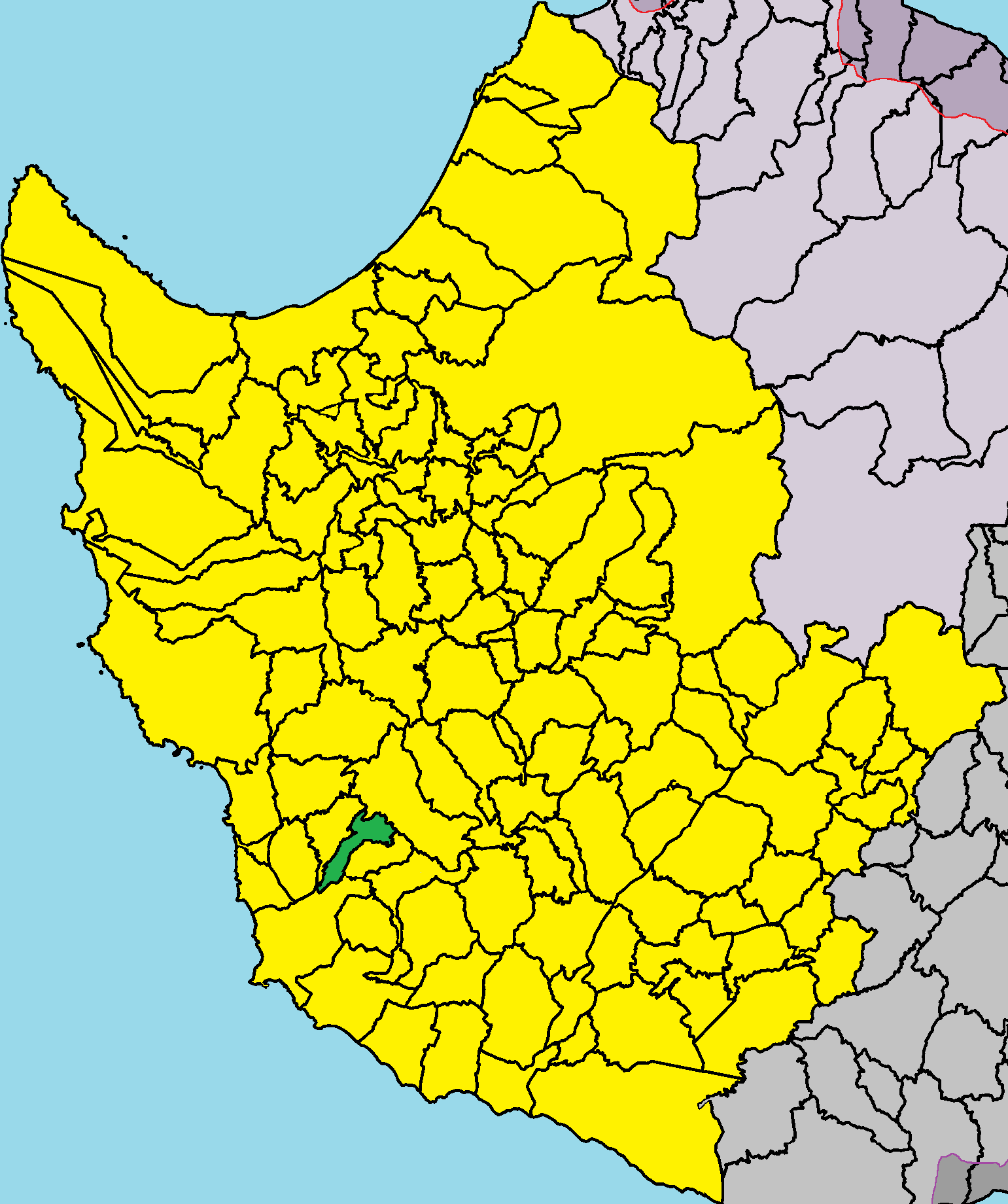
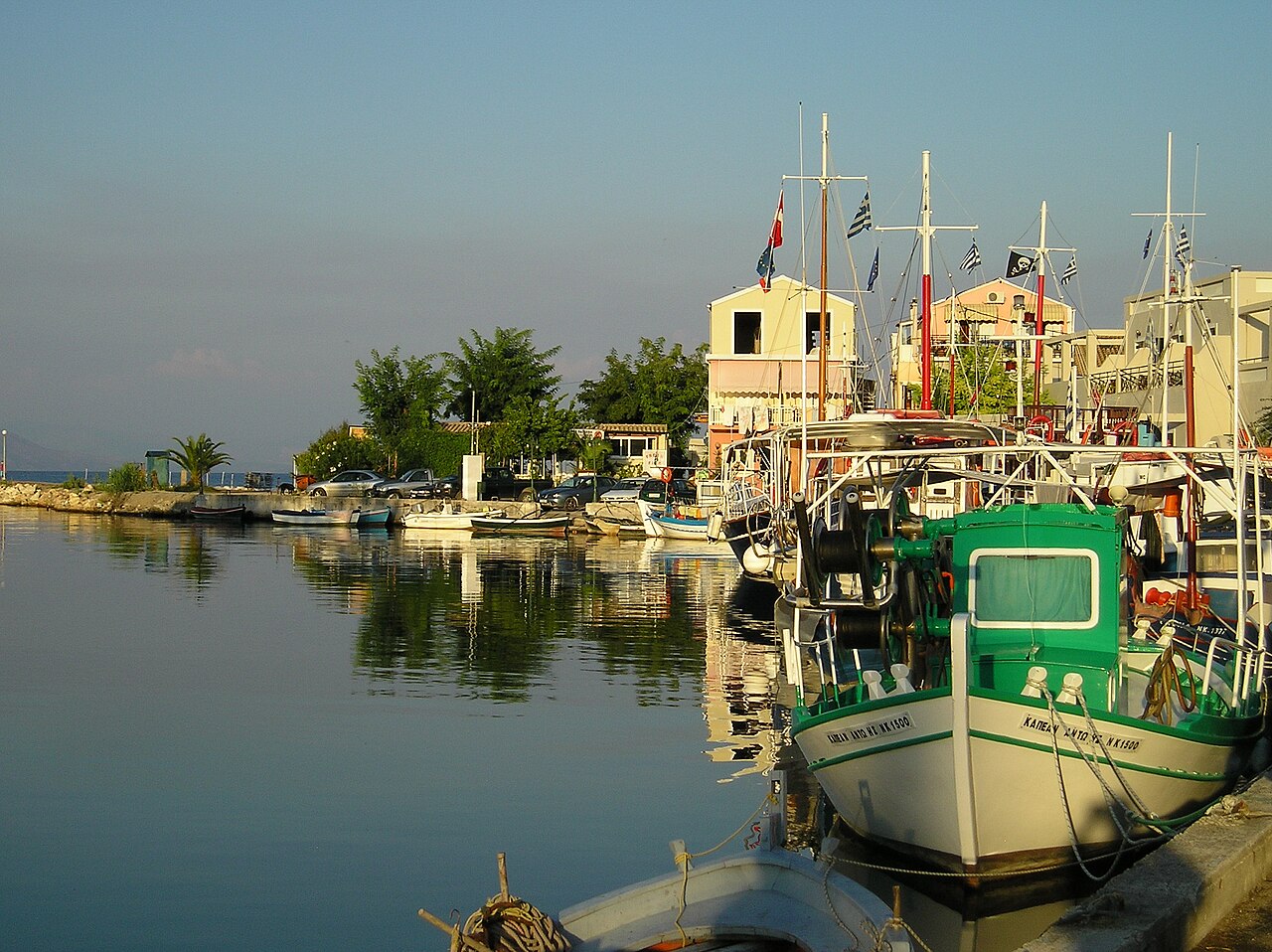
Lungo la costa sud-orientale dell'isola di Corfù, dove il profilo delle montagne digrada dolcemente verso lo specchio azzurro dello Ionio, sorge Mesongi. Questo antico borgo di pescatori, pur avendo abbracciato con garbo la vocazione turistica, ha saputo preservare un’anima autentica e rarefatta, ben lontana dai ritmi frenetici delle località più blasonate. Il suo nome è indissolubilmente legato all’omonimo fiume che la attraversa, un corso d'acqua che funge da confine naturale e da linfa vitale per una vegetazione rigogliosa che sembra tuffarsi direttamente in mare. Camminare per le strade di Mesongi significa immergersi in un'atmosfera dove il tempo pare essersi dilatato: il fruscio delle canne lungo le rive del fiume si mescola al richiamo dei pescatori che, ancora oggi, riparano le reti sulle barche colorate ormeggiate vicino alla foce. È una destinazione che invita alla lentezza, ideale per chi cerca un rifugio rigenerante fatto di orizzonti limpidi, colline punteggiate da ulivi millenari e una cucina che profuma di sale e spezie mediterranee. Qui, l'ospitalità greca, la celebre 'philoxenia', non è un concetto astratto ma un gesto quotidiano che si ritrova nei sorrisi dei gestori delle taverne e nella cura con cui il territorio viene offerto al visitatore. Mesongi non è solo una meta balneare, ma una porta d'accesso privilegiata per esplorare il sud dell'isola, un lembo di terra dove la natura selvaggia e la storia bizantina e veneziana si intrecciano in un abbraccio indimenticabile.
Un crocevia di storie tra terra e mare
La storia di Mesongi affonda le radici in un passato rurale e marittimo che ha visto l'avvicendarsi di diverse influenze culturali. Sebbene oggi appaia come una tranquilla località di villeggiatura, l'area circostante è stata abitata fin dall'antichità, grazie alla fertilità della valle del fiume Mesongi. Durante il periodo bizantino e successivamente sotto la lunga dominazione veneziana, questa zona divenne un centro cruciale per la produzione dell'olio d'oliva, l'oro liquido che ancora oggi caratterizza l'economia e il paesaggio locale. I veneziani incentivarono la piantumazione di migliaia di ulivi, trasformando radicalmente l'aspetto dell'entroterra. Nel corso dei secoli, Mesongi ha mantenuto la sua funzione di piccolo scalo peschereccio, resistendo alle incursioni piratesche grazie alla fitta vegetazione costiera che offriva riparo. Solo negli ultimi decenni il villaggio si è aperto al mondo, trasformando le vecchie rimesse per le barche in accoglienti taverne, senza però cancellare le tracce di quella semplicità arcaica che la rende unica.
Il Fiume Mesongi: cuore pulsante del borgo
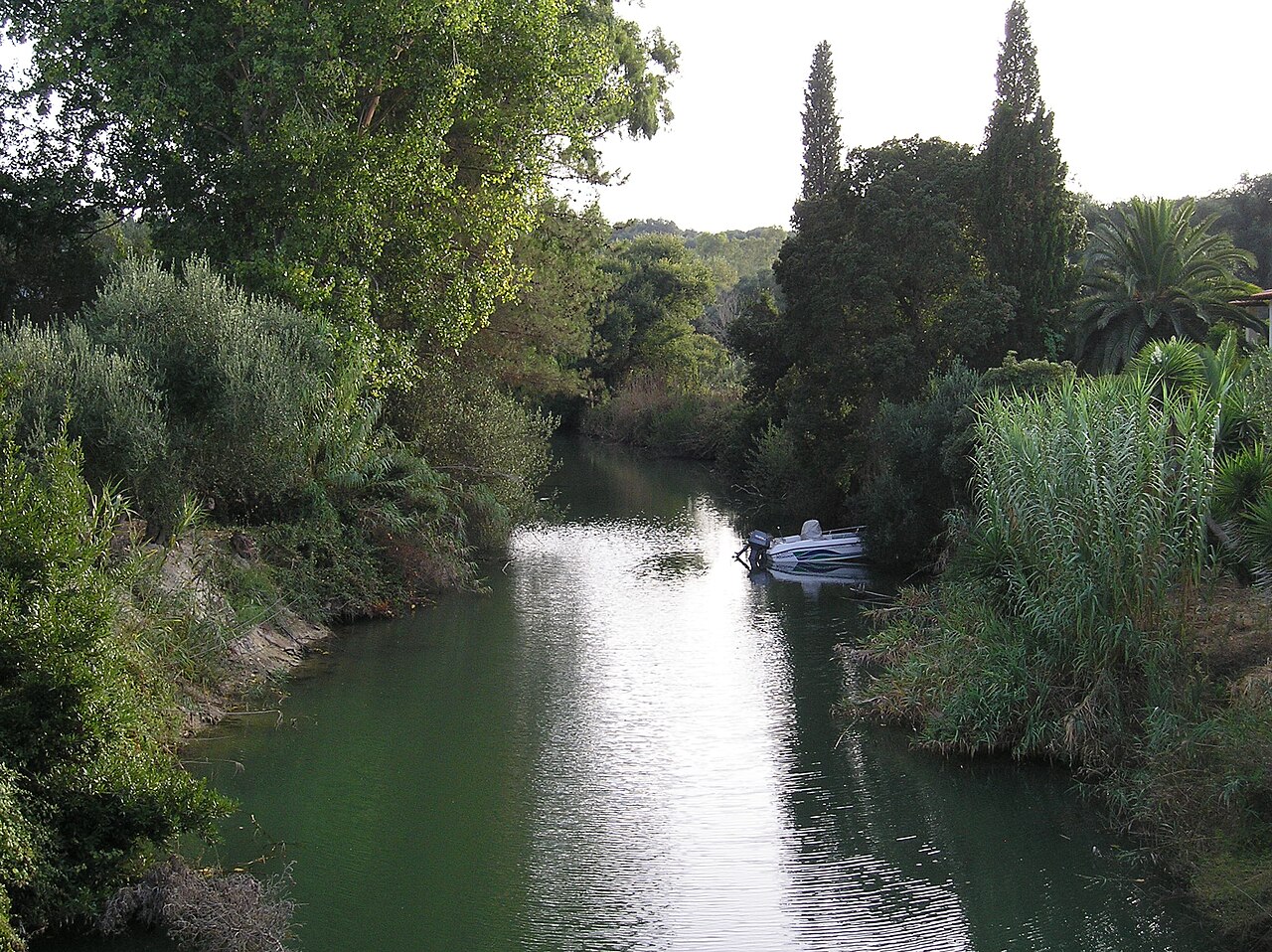
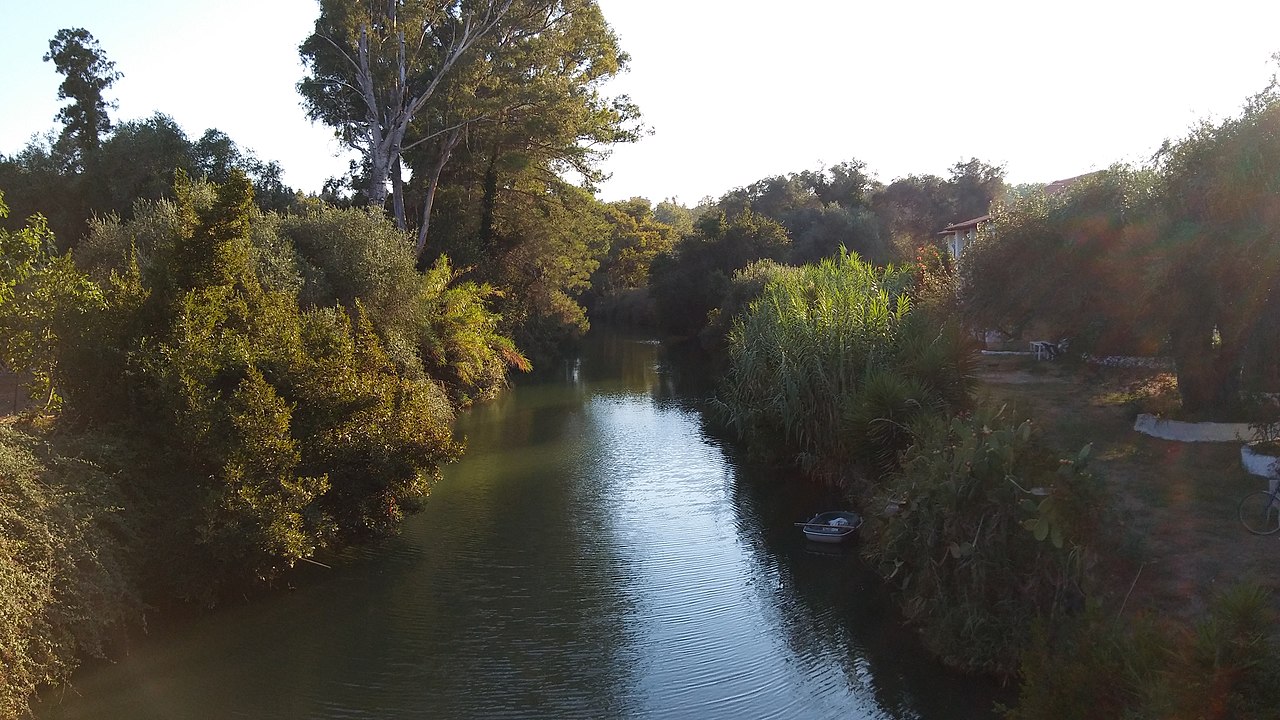
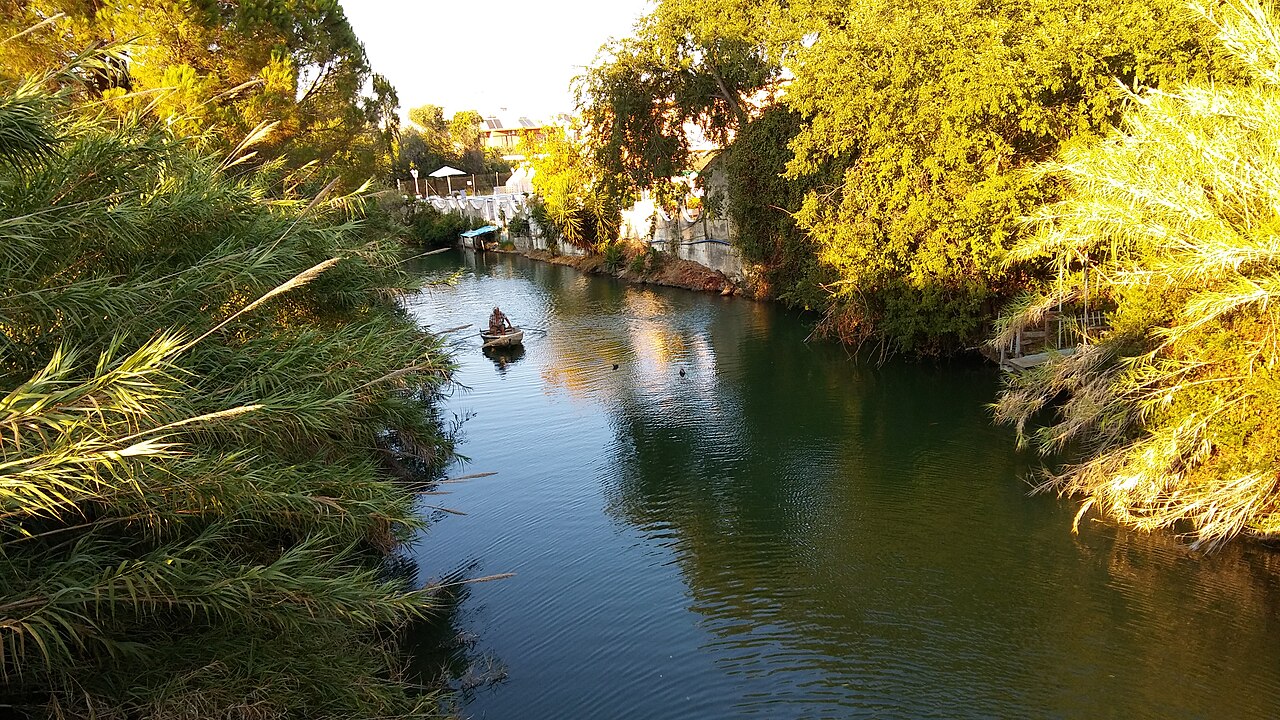
Il fiume Mesongi non è soltanto un elemento geografico, ma l'asse attorno a cui ruota l'intera vita del paese. Questo corso d'acqua dolce, che sfocia pigramente nel mare, separa Mesongi dalla vicina Moraitika, creando un ecosistema unico dove la flora fluviale incontra quella marina. Le sponde del fiume sono animate dalle tipiche imbarcazioni greche, i 'kaikia', che con i loro colori vivaci offrono uno spaccato pittoresco e senza tempo. Una passeggiata lungo l'argine, specialmente al tramonto, permette di osservare aironi e altre specie di uccelli acquatici che trovano rifugio tra i canneti. Molti visitatori scelgono di noleggiare piccole barche a motore per risalire brevemente la corrente o per avventurarsi verso le calette isolate della costa, vivendo un'esperienza di esplorazione lenta che permette di apprezzare la biodiversità locale da una prospettiva privilegiata e silenziosa.
La Spiaggia di Mesongi: un abbraccio di sabbia e ciottoli
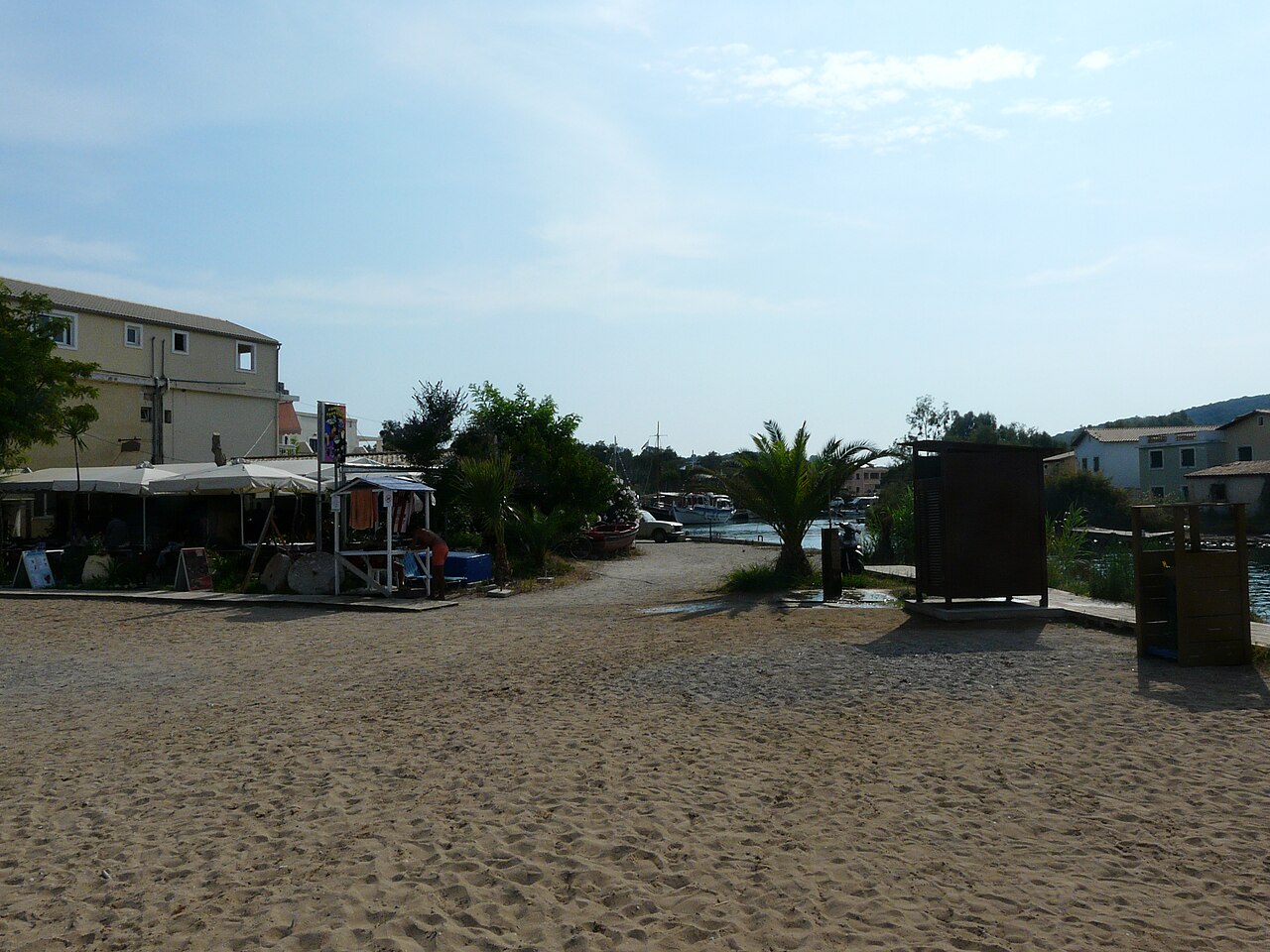
La spiaggia di Mesongi è rinomata per la sua tranquillità e per la trasparenza delle sue acque, che digradano molto dolcemente rendendola perfetta per le famiglie e per chi ama nuotare senza correnti impetuose. Composta da un misto di sabbia scura e piccoli ciottoli levigati, la riva si estende in un arco protetto che guarda verso le coste della Grecia continentale e dell'Albania, visibili nelle giornate più nitide. Ciò che rende speciale questo litorale è la presenza di alberi che arrivano quasi a toccare l'acqua, offrendo zone di ombra naturale molto apprezzate durante le ore più calde. Lungo la spiaggia si trovano taverne tradizionali dove è possibile gustare pesce freschissimo con i piedi quasi nella sabbia, un lusso di semplicità che definisce l'essenza della vacanza a Mesongi. Nonostante la presenza di servizi e attrezzature, il tratto di costa conserva un aspetto selvaggio e ordinato allo stesso tempo.
Gli Uliveti Millenari: la foresta d'argento
Alle spalle del centro abitato, il paesaggio si eleva in colline ricoperte da quella che molti definiscono la 'foresta d'argento'. Gli uliveti di Mesongi non sono semplici coltivazioni, ma veri monumenti naturali viventi, con tronchi contorti e scultorei che testimoniano secoli di storia. Molti di questi alberi risalgono all'epoca veneziana e sono tra i più antichi dell'intera isola di Corfù. Camminare lungo i sentieri che si snodano tra questi giganti vegetali è un'esperienza quasi mistica: la luce filtra tra le foglie lanceolate creando giochi di riflessi argentati, mentre l'aria profuma di erbe selvatiche come timo e origano. Questi uliveti offrono percorsi ideali per il trekking leggero e la fotografia naturalistica, conducendo il viaggiatore verso piccoli monasteri nascosti e punti panoramici da cui si domina l'intera valle e l'azzurro infinito dello Ionio.
Il borgo di Chlomos: la balconata sullo Ionio
A pochi chilometri da Mesongi, arrampicato sulle pendici del monte Merovigla, si trova il villaggio di Chlomos, una tappa imprescindibile per chi soggiorna in zona. Fondato nel XIII secolo, questo borgo è uno dei più antichi e suggestivi di Corfù, caratterizzato da case color ocra e rosso veneziano collegate da stretti vicoli lastricati e ripide scalinate. Chlomos è soprannominato il 'balcone di Corfù' perché dalla sua piazza principale si gode di una vista mozzafiato a 360 gradi: da un lato la costa orientale con Mesongi e il mare, dall'altro la costa occidentale con le dune di sabbia e il lago Korission. Visitare Chlomos significa fare un salto nel passato, tra anziani che siedono fuori dai kafenion e un silenzio rotto solo dal vento, offrendo un contrasto affascinante con la vivacità costiera.
Il Lago Korission: un santuario naturale a due passi
Proseguendo verso sud-ovest da Mesongi, si raggiunge la riserva naturale del Lago Korission, una laguna costiera separata dal mare da una sottile striscia di dune sabbiose e da una fitta foresta di cedri. Questo sito Natura 2000 è un paradiso per gli amanti del birdwatching, ospitando fenicotteri rosa, aironi e numerose specie migratorie. Il paesaggio qui cambia radicalmente: le colline coltivate lasciano il posto a un ambiente quasi desertico, dove le dune possono raggiungere altezze ragguardevoli. È il luogo ideale per lunghe passeggiate solitarie al tramonto, quando la laguna si tinge di riflessi dorati e il silenzio è interrotto solo dal fragore delle onde del mare aperto che si infrangono sulla vicina spiaggia di Issos. La vicinanza di Mesongi a questo ecosistema così intatto rappresenta uno dei maggiori valori aggiunti per chi sceglie questa località.
Tradizioni gastronomiche e sapori della terra ionia
La cucina di Mesongi riflette la doppia anima del territorio: quella del mare e quella della terra fertile. Nelle taverne locali, la tradizione corfiota si esprime in piatti robusti e saporiti, influenzati dalla cultura veneziana. Non si può lasciare il villaggio senza aver assaggiato il 'Bourdeto', una zuppa di pesce piccante preparata con scorfano o cefalo e abbondante peperoncino rosso, o il 'Sofrito', sottili fette di vitello cucinate con aglio, prezzemolo e aceto di vino bianco. L'olio d'oliva locale, dal sapore intenso e fruttato, è il protagonista indiscusso di ogni tavola, spesso accompagnato dal pane casereccio e dalle olive 'lianolia' tipiche dell'isola. Anche il miele prodotto nelle colline circostanti e il liquore di Kumquat, l'agrume simbolo di Corfù, rappresentano eccellenze locali che raccontano la ricchezza di questa terra generosa.
Esperienze da vivere a Mesongi
- Noleggiare una barca peschereccia tradizionale per esplorare le calette nascoste della costa meridionale.
- Cenare in una delle taverne sulla riva del fiume al tramonto, osservando il rientro dei pescatori.
- Partecipare a una degustazione di olio d'oliva presso uno dei frantoi storici delle colline circostanti.
- Percorrere a piedi i sentieri che collegano Mesongi al borgo di Chlomos per godere dei panorami mozzafiato.
- Esplorare in bicicletta la zona pianeggiante che conduce verso le dune del Lago Korission.
- Visitare i resti delle antiche terme romane situate nelle vicinanze, testimonianza del passato imperiale dell'area.
Quando andare e come vivere il luogo
Il periodo migliore per visitare Mesongi va da maggio a ottobre. La primavera (maggio-giugno) è ideale per chi ama la natura: le colline sono in piena fioritura, le temperature sono miti e il villaggio respira una calma assoluta. Luglio e agosto sono i mesi più caldi e vivaci, perfetti per chi cerca una vacanza di mare e socialità, pur senza mai raggiungere gli eccessi di affollamento di altre zone. Settembre e ottobre offrono invece una luce magica, acque ancora calde per il bagno e la possibilità di assistere alla raccolta delle olive, un rito che coinvolge l'intera comunità. Per vivere Mesongi al meglio, il consiglio è di spostarsi a piedi o in bicicletta all'interno del borgo e di noleggiare un'auto per un paio di giorni per esplorare l'entroterra selvaggio e le spiagge incontaminate del sud.
FAQ
La spiaggia di Mesongi è adatta ai bambini?
Quanto dista Mesongi dalla città di Corfù (Kerkyra)?
È possibile parcheggiare facilmente?
Ci sono bancomat e servizi essenziali?
Mesongi è una località rumorosa per la vita notturna?
Getting there
- Aeroporto Internazionale di Corfù 'Ioannis Kapodistrias' (CFU) - 20 km
- Non sono presenti linee ferroviarie sull'isola.
- Percorrere la strada costiera nazionale verso sud (Ethniki Odos Kerkyras-Lefkimmis) seguendo le indicazioni per Lefkimmi e Mesongi.
- I 'Green Bus' che collegano Corfù Town a Mesongi e Messonghi sono frequenti, economici e affidabili per chi non desidera noleggiare un mezzo.
Perfect for
Acque sicure, spiagge attrezzate e un'atmosfera serena la rendono una delle mete migliori per chi viaggia con bambini.
Tra il fiume, gli uliveti secolari e la vicinanza al Lago Korission, è un paradiso per l'eco-turismo e il trekking.
Lontana dal caos del nord, offre un ritmo di vita lento, ideale per staccare la spina e rigenerarsi.
Un luogo eccellente per scoprire la vera cucina corfiota, con taverne che puntano sulla qualità dei prodotti locali.
This season · July · Summer
