

Mandouki
Crossing the threshold of Mandouki means immersing yourself in a soul of Corfu that many distracted travellers risk overlooking
Updated 8 July 2026
This season · July · Summer
What to do in Mandouki now
The story
The story of Mandouki
The historical roots: between sea and industry
Mandouki's history is inextricably linked to its strategic position at the gates of the fortified city. Originally founded by sailors and refugees from Epirus and the Peloponnese during the various phases of Venetian rule, the district developed as an extramural settlement dedicated to trade and navigation. While the nobility resided within the walls, Mandouki became the centre of the working class, a place where pragmatic maritime culture merged with the port's logistical needs. During the 19th century, under the British protectorate, the area underwent a radical transformation, becoming Corfu's industrial hub, home to pasta factories, mills and the famous hemp manufactory. This dual soul, nautical and working-class, forged the proud and at times rebellious character of its inhabitants, the 'Mandoukiotes', known for their active participation in the social and political movements of modern Greece.
The Church of Agios Ioannis: the spiritual heart
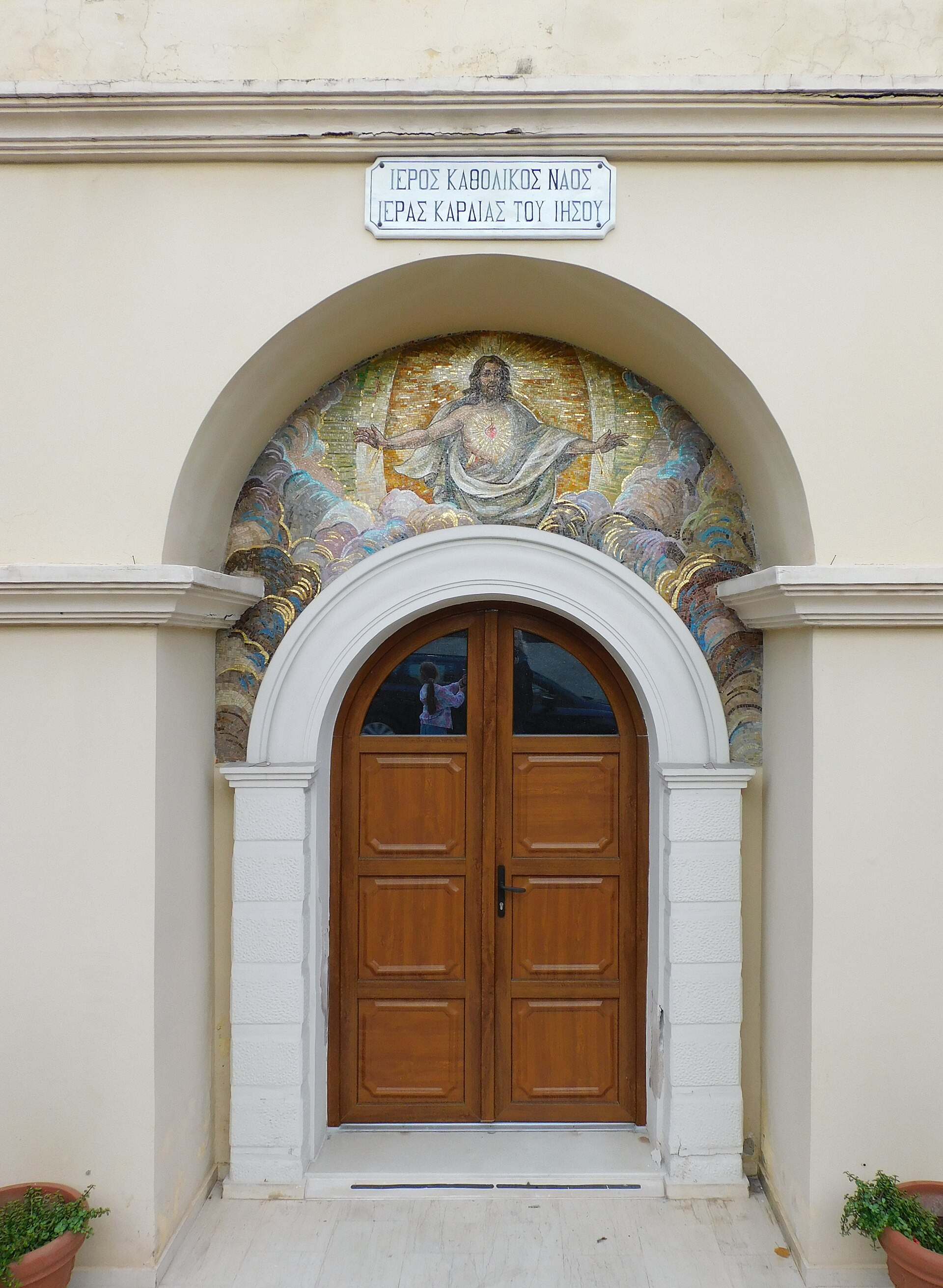
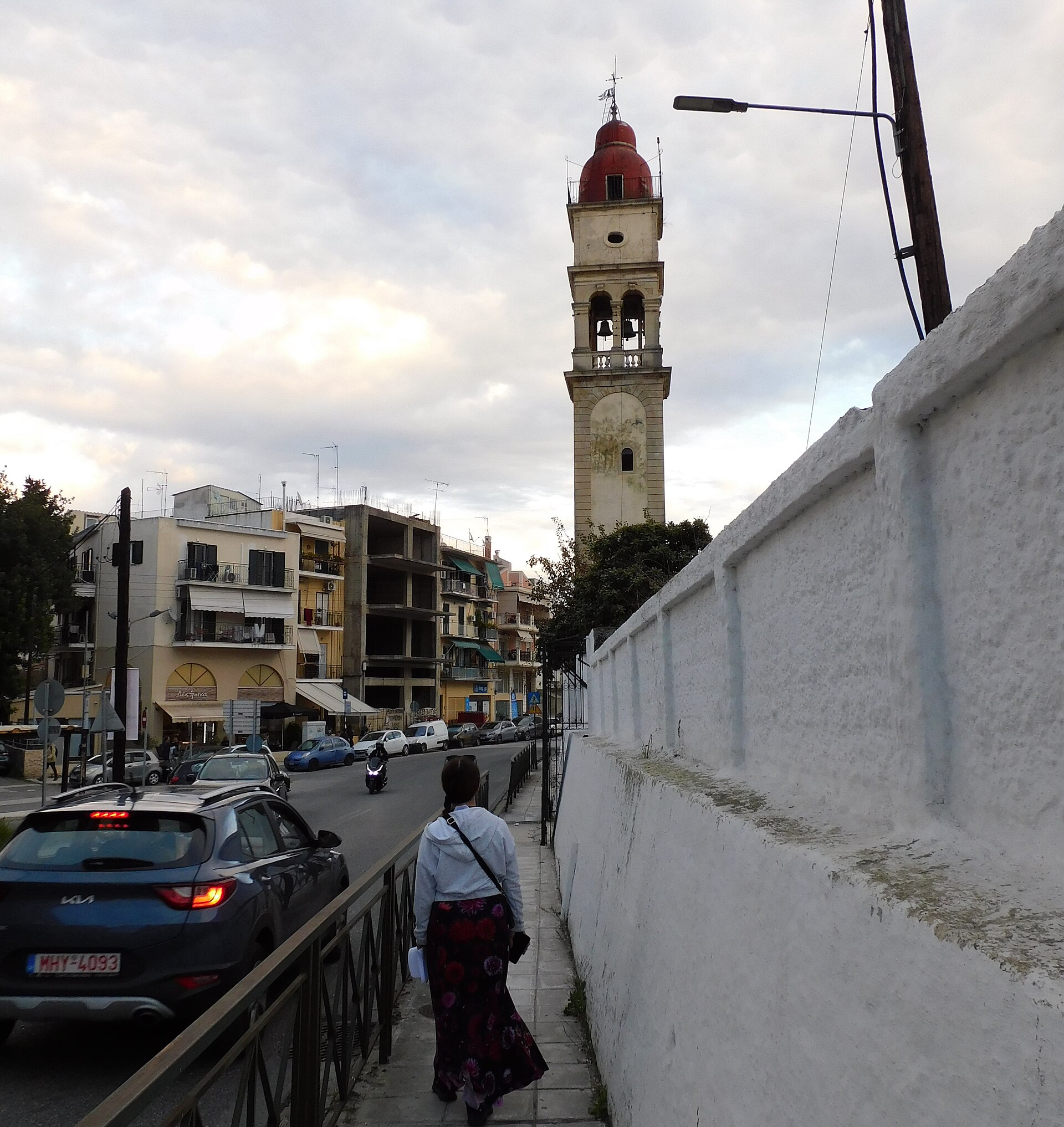
The Church of Agios Ioannis (Saint John the Baptist) is not merely a religious building, but the true centre of Mandouki's social life. Dating back to the 16th century and later enlarged, this church is an excellent example of post-Byzantine Ionian sacred architecture. The exterior is sober, but the interior holds treasures that speak of local devotion: a finely carved iconostasis and icons of the Cretan-Ionian school of great artistic value. What makes this place special is its visceral bond with the community: this is where the most heartfelt rites are celebrated, from Easter processions to patron saint feasts, moments when the entire district pauses to honour its roots. The square in front is the borough's open-air living room, where the elderly sit and chat and children play in the shadow of the bell tower, perpetuating a sense of belonging that is disappearing elsewhere.
The former Desyllas Factory: industrial archaeology
Walking towards the inner part of the district, one encounters the imposing complex of the former Desyllas factory, once one of the most important textile industries in Greece. Founded in the second half of the 19th century, the factory, specialised in processing hemp and linen, employed generations of Mandouki families. Today, its red-brick buildings and tall chimneys stand as silent giants, witnesses to an era of economic fervour and hard-fought labour struggles. Although the site is largely disused, its historical value is invaluable for understanding the island's social evolution. It represents Corfu's transition from a purely agricultural and commercial economy to a proto-industrial reality, leaving an indelible mark on the urban fabric and on the collective memory of residents.
The Old Port and the seafront
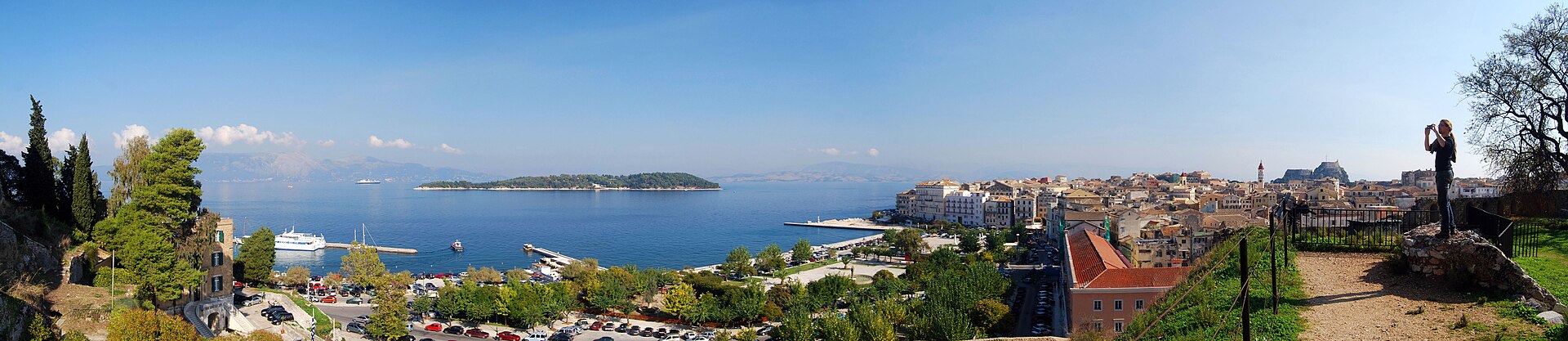
Mandouki's northern boundary coincides with Corfu's Old Port, an area that has kept its functional charm intact. Here it is not the large cruise ships that dock, but local fishing boats and the ferries connecting the city to the islet of Vidos or to the coast of Epirus. Walking along the pier in the early hours of the morning lets you witness the boats returning and the ritual sale of fresh fish, an experience that turns back the clock. The view from here is magnificent: the eye sweeps from the walls of the New Fortress, looming majestically over the district, all the way to the mountains of Albania silhouetted on the horizon. It is a dynamic landscape, where the deep blue of the Ionian Sea clashes with the grey of ancient stones and the white of sea foam.
The alleys and vernacular architecture
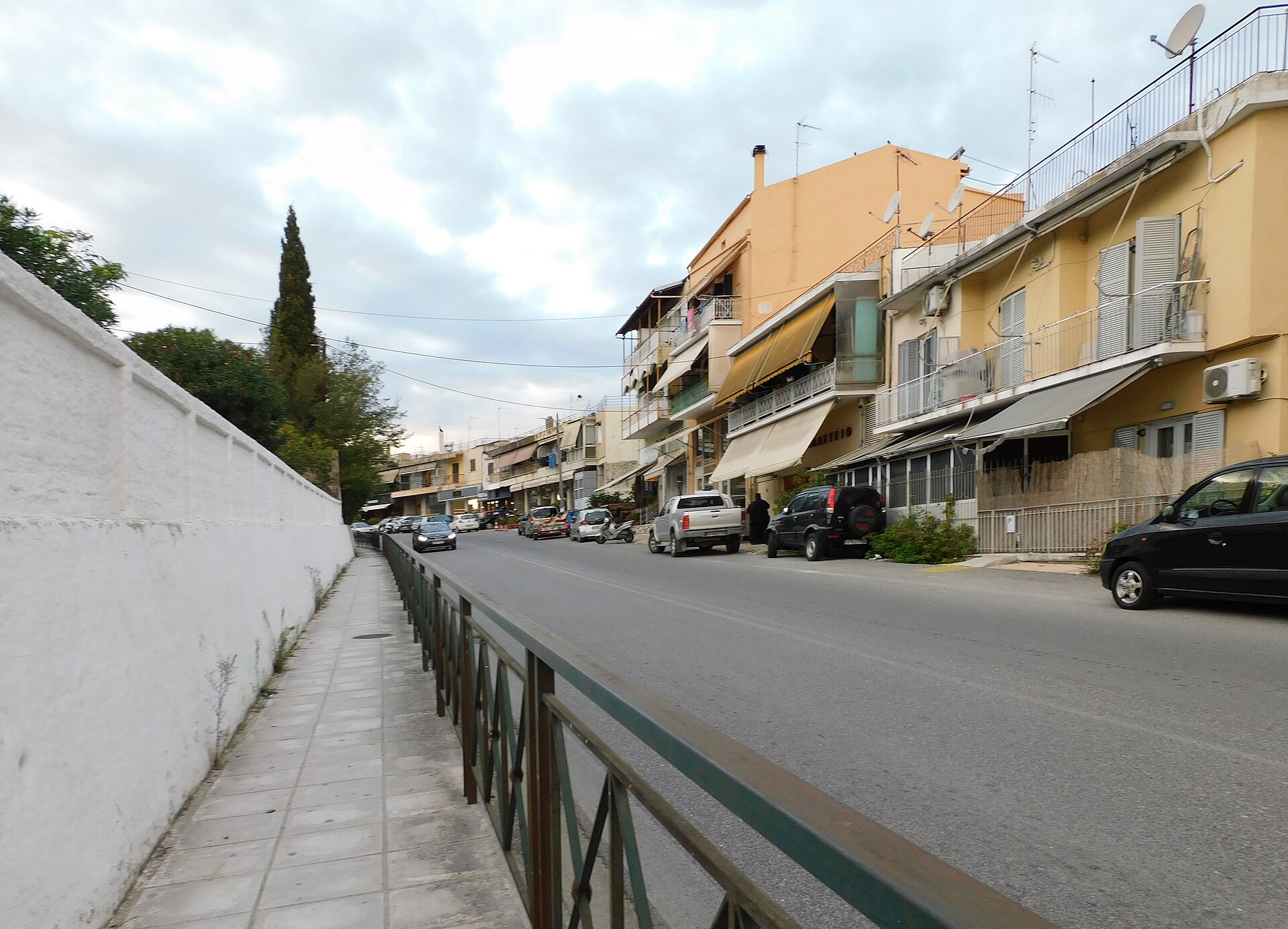
Mandouki's true essence is discovered by getting lost among its 'kantounia'. Unlike the straight streets of the new town, here the urban layout is a labyrinth of narrow, winding lanes, originally designed to shelter from the wind and confuse would-be invaders. The houses are tall, often plastered in warm colours such as ochre and Venetian red, with washing hung between one balcony and the next creating spontaneous scenes of everyday life. Many buildings still retain carved stone portals and the external staircases typical of 18th-century working-class dwellings. This architectural density creates an intimate, sheltered atmosphere, where every corner reveals a detail: a small votive shrine, a bougainvillea vine, or a craftsman's workshop resisting modernity.
The New Fortress: the monumental boundary
Although formally situated between the port and the old town, the New Fortress (Neo Frourio) defines Mandouki's southern boundary and has profoundly influenced its development. Built by the Venetians in the 16th century to strengthen the island's defences after the Ottoman siege, the fortress towers over the district with its imposing bastions. Many of the structure's tunnels and underground passages wind precisely beneath the houses of Mandouki, feeding local legends of secret passages and hidden treasures. Climbing its ramparts offers the best bird's-eye view of the district: from up there, one can clearly read the pattern of the terracotta-tiled roofs and understand how the borough has clung to the rock and the sea to survive and thrive through the centuries.
Traditions and the famous Carnival
Mandouki is the keeper of some of the island's liveliest traditions, above all its Carnival. Unlike the more institutional parades of the centre, Mandouki's Carnival is famous for its satirical, irreverent and deeply popular character. The climax of the celebrations is the burning of 'King Carnival', an effigy representing the ills of the past year, accompanied by folk songs and improvised rhymes that often target the powerful. Easter celebrations here also have a particular flavour: the Good Friday Epitaph procession winds through the narrow alleys in a silence charged with emotion, broken only by funeral marches played by local bands, creating a mystical short-circuit between faith and neighbourhood identity.
Authentic flavours: the borough's cuisine
The gastronomy of Mandouki reflects its maritime, humble soul, transforming simple ingredients into extraordinary dishes. The district's taverns are renowned as among the most authentic in Corfu, far from standardised tourist menus. Here you must try 'Bourdeto', a spicy fish soup typical of fishermen, made with scorpionfish or skate and plenty of red chilli pepper. There is also always 'Sofrito', veal slow-cooked in a vinegar, garlic and parsley sauce, which here retains the flavour of family Sundays. Eating in Mandouki means sitting in small places with wooden tables out on the street, sipping a glass of local wine or ouzo, while watching the comings and goings of the port and listening to the residents' stories.
Experiences not to be missed in Mandouki
- Strolling at sunset along the pier of the Old Port, watching fishermen mend their nets.
- Deliberately getting lost among the less-frequented 'kantounia' to discover hidden courtyards and minor Venetian architecture.
- Visiting the Church of Agios Ioannis during a service to breathe in the local spirituality.
- Seeking out an authentic neighbourhood tavern to try the original Bourdeto, following the residents' advice.
- Climbing the New Fortress to admire the contrast between Mandouki's maze of houses and the immensity of the sea.
- Taking the small boat to the island of Vidos, which departs right from the pier facing the district.
When to go and how to experience the district
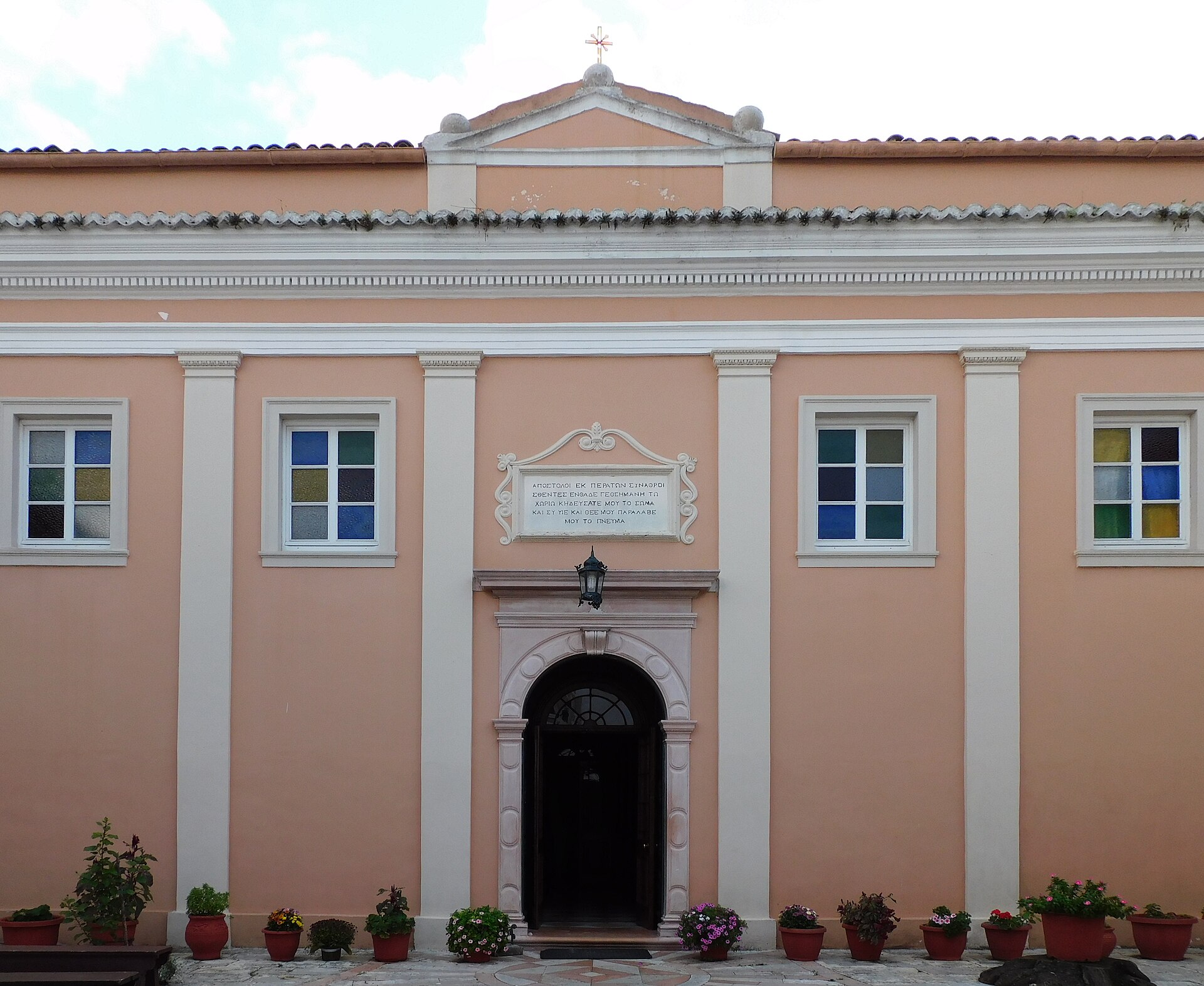
The best time to visit Mandouki is undoubtedly spring or early autumn. In these seasons, mild temperatures allow you to explore every alley on foot without the summer heat, and the golden light of late afternoon enhances the pastel colours of the façades. Orthodox Easter is a magical, though very crowded, time to experience the district's religious fervour. To experience Mandouki like a local, it is best to visit early in the morning, when the fish market is in full swing, or at dinner time, when the district comes alive with conviviality. It is a place that calls for slowness: there is no single monumental attraction that defines it, but rather it is the sum of its atmospheres, sounds and scents that makes up the travel experience.
FAQ
Quanto dista Mandouki dal centro storico di Corfù?
È difficile trovare parcheggio nell'area?
Mandouki è un quartiere sicuro per i turisti?
Cosa vedere a Mandouki in poche ore?
È adatto alle famiglie con bambini?
Getting there
- Aeroporto Internazionale di Corfù 'Ioannis Kapodistrias' (CFU) - 3 km
- Non sono presenti linee ferroviarie sull'isola di Corfù.
- Dall'aeroporto o dal centro città, seguire le indicazioni per il 'Porto Vecchio' (Old Port/Paleo Limani). Il quartiere si estende subito alle spalle dell'area portuale.
- Il modo migliore per esplorare Mandouki è a piedi; lasciate l'auto nei pressi del terminal dei traghetti.
Perfect for
Mandouki è il luogo ideale per chi cerca la Corfù vera, lontana dal turismo di massa e legata alle tradizioni popolari.
Un raro esempio nell'Egeo di quartiere che conserva tracce significative di archeologia industriale del XIX secolo.
Perfetto per gli amanti della cucina di mare autentica e delle ricette tradizionali corfiote servite in ambienti informali.
To see