

Kassiopi
Adagiata sulla punta nord-orientale dell'isola di Corfù, dove il braccio di mare che separa la Grecia dall'Albania si fa più stret...
Adagiata sulla punta nord-orientale dell'isola di Corfù, dove il braccio di mare che separa la Grecia dall'Albania si fa più stretto, Kassiopi accoglie il viaggiatore con l'eleganza discreta di un antico borgo di pescatori che ha saputo aprirsi al mondo senza smarrire la propria anima. Guardando il suo porticciolo a forma di ferro di cavallo, incorniciato da taverne e barche che dondolano pigre, è difficile non restare ammaliati dal contrasto tra il bianco accecante dei ciottoli e il blu profondo dello Ionio. Kassiopi non è solo una località balneare di rara bellezza; è un luogo stratificato, dove la storia ha lasciato impronte indelebili che risalgono all'epoca ellenistica e romana, quando era uno scalo fondamentale per chi navigava tra l'Italia e la Grecia. Oggi, l'atmosfera che si respira è quella di una vivacità composta: il brusio dei visitatori si mescola al richiamo dei pescatori che rientrano all'alba, mentre l'imponente mole del castello bizantino sorveglia dall'alto l'abitato, ricordando a tutti che questo piccolo lembo di terra fu un tempo una sentinella cruciale del Mediterraneo. Esplorare Kassiopi significa perdersi tra sentieri costieri che rivelano calette nascoste, gustare la cucina locale all'ombra di un pergolato e lasciarsi cullare da un ritmo circadiano che segue ancora il corso del sole e delle maree, rendendola una delle mete più autentiche e affascinanti dell'arcipelago ionico.
Una storia di imperatori e navigatori
Le radici di Kassiopi affondano nel III secolo a.C., quando Pirro, re dell'Epiro, fondò l'insediamento per consolidare il suo controllo sullo stretto. La sua posizione strategica la rese presto un porto di primaria importanza in epoca romana, tanto da essere visitata da figure leggendarie come Cicerone, l'imperatore Tiberio e, secondo la tradizione, lo stesso Nerone, che si dice abbia cantato davanti all'altare di Zeus Kassios. Durante il periodo bizantino, la città divenne un bastione difensivo contro le incursioni piratesche, ma la sua fortuna declinò sotto il dominio veneziano. Nel 1386, per punire la resistenza degli abitanti, i veneziani distrussero parte delle fortificazioni e della città, preferendo concentrare le difese su Corfù città. Nonostante i secoli di abbandono e le incursioni ottomane, Kassiopi è rinata nel tempo, trasformandosi da povero villaggio di pescatori in una delle località più amate dello Ionio, mantenendo però intatto quel prestigio storico che si avverte camminando tra le sue rovine e le sue pietre millenarie.
Il Castello di Kassiopi
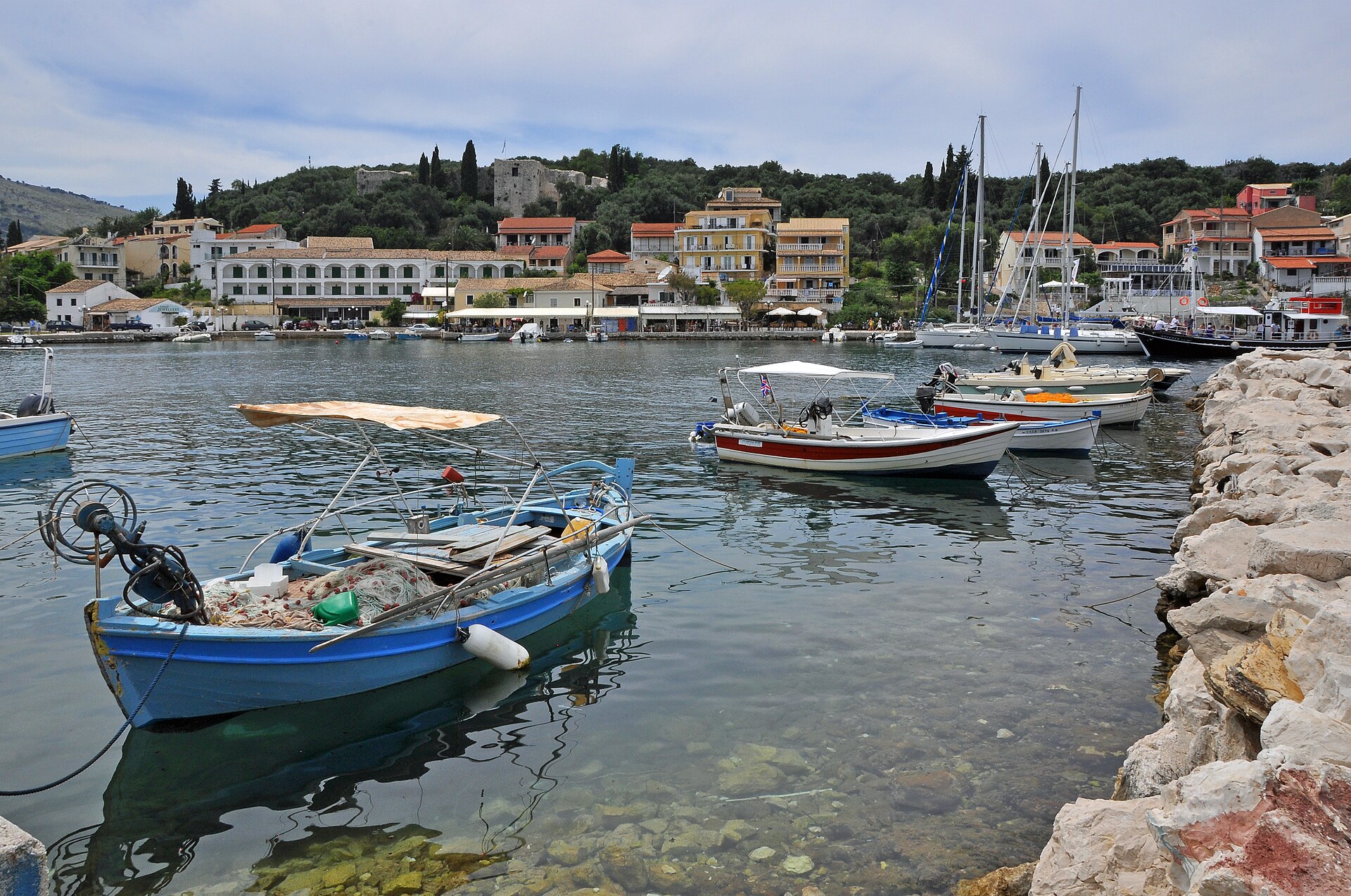
Il Castello di Kassiopi è una delle tre fortezze bizantine che proteggevano l'isola, insieme ad Angelokastro e Gardiki. Situato su un promontorio che domina il porto, questo maniero offre una testimonianza tangibile della potenza militare del passato. Sebbene gran parte delle mura interne sia andata perduta, il perimetro esterno rimane imponente, con le sue torri quadrangolari e circolari che si stagliano contro il cielo. Costruito probabilmente nel VI secolo e successivamente rimaneggiato dagli Angioini e dai Veneziani, il castello serviva come rifugio per la popolazione locale durante gli attacchi dal mare. Oggi, una passeggiata lungo i sentieri che attraversano le rovine permette di godere di panorami mozzafiato sullo stretto e sulle montagne albanesi, offrendo un'esperienza che unisce il fascino dell'archeologia alla bellezza selvaggia della natura mediterranea che sta lentamente riconquistando i suoi spazi tra le pietre antiche.
La Chiesa di Panagia Kassopitra
Nel cuore del villaggio sorge la chiesa di Panagia Kassopitra, un luogo di profonda spiritualità costruito sulle fondamenta dell'antico tempio dedicato a Zeus Kassios. Questo edificio sacro non è solo un esempio di architettura religiosa corfiota, ma custodisce una delle icone più venerate dell'isola, ritenuta miracolosa. La leggenda narra del miracolo compiuto dalla Vergine nel 1530, quando restituì la vista a un giovane di nome Stefanos che era stato ingiustamente accecato. Ogni anno, l'8 maggio e il 15 agosto, la chiesa diventa il fulcro di celebrazioni sentite che attirano fedeli da tutta la regione. All'interno, l'atmosfera è densa di incenso e devozione, con affreschi che raccontano storie di fede e pareti adornate da ex-voto, testimonianza del legame indissolubile tra la comunità e la sua protettrice celeste.
Il Porto e la vita del borgo
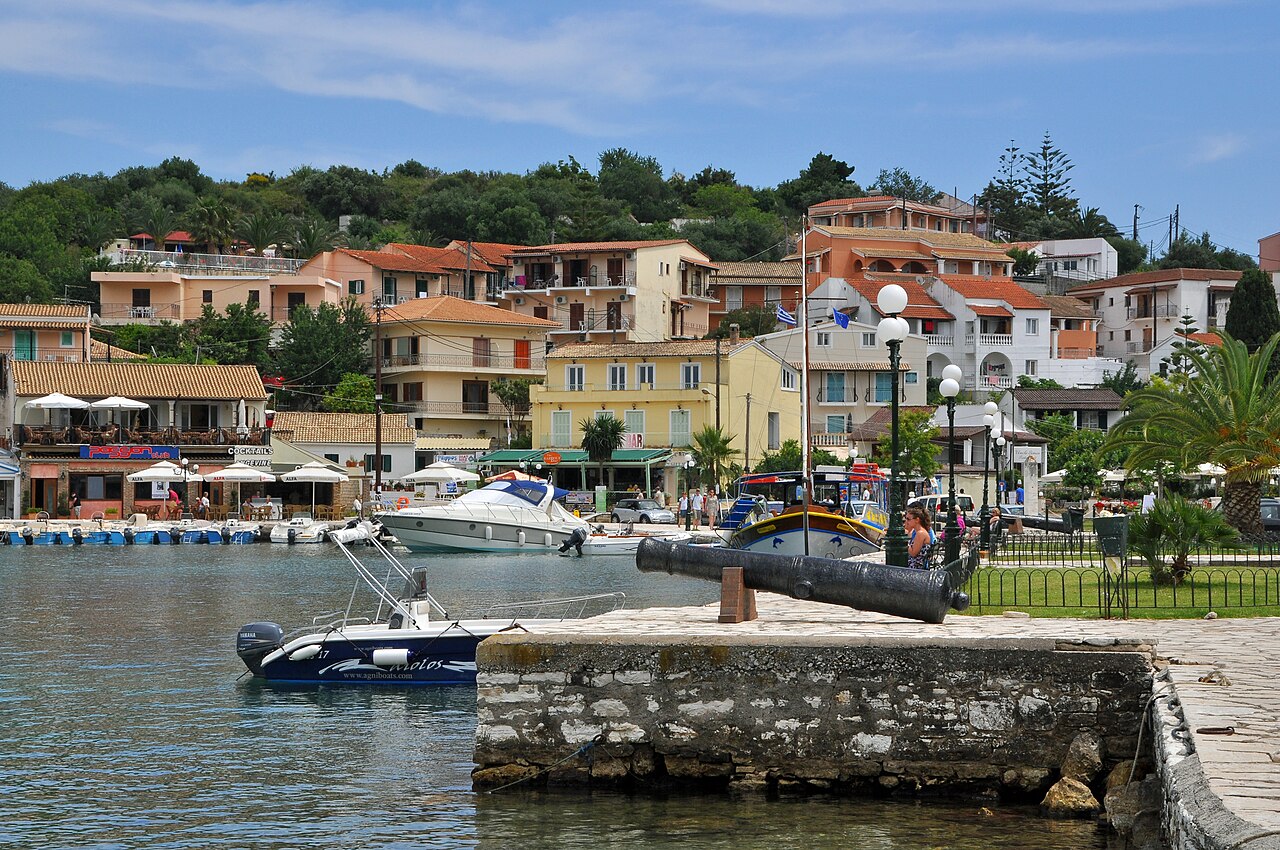
Il porto di Kassiopi è il centro nevralgico della vita sociale e commerciale. Qui, la modernità dei moderni yacht si fonde armoniosamente con la tradizione dei caicchi, le tipiche imbarcazioni da pesca greche dai colori vivaci. Lungo la banchina, una fila ininterrotta di taverne, caffè e piccoli negozi di artigianato locale invita alla sosta e alla contemplazione. È il luogo ideale per osservare il rito quotidiano della pulizia delle reti o per gustare un caffè greco mentre il sole tramonta, tingendo l'acqua di riflessi dorati. Nonostante la popolarità turistica, il porto conserva un'aria familiare; non è raro vedere i locali seduti ai tavolini intenti a giocare a backgammon o a discutere animatamente, rendendo questo spazio un vero salotto all'aperto dove il tempo sembra scorrere con una piacevole lentezza.
Spiagge di cristallo: Bataria e Kanoni
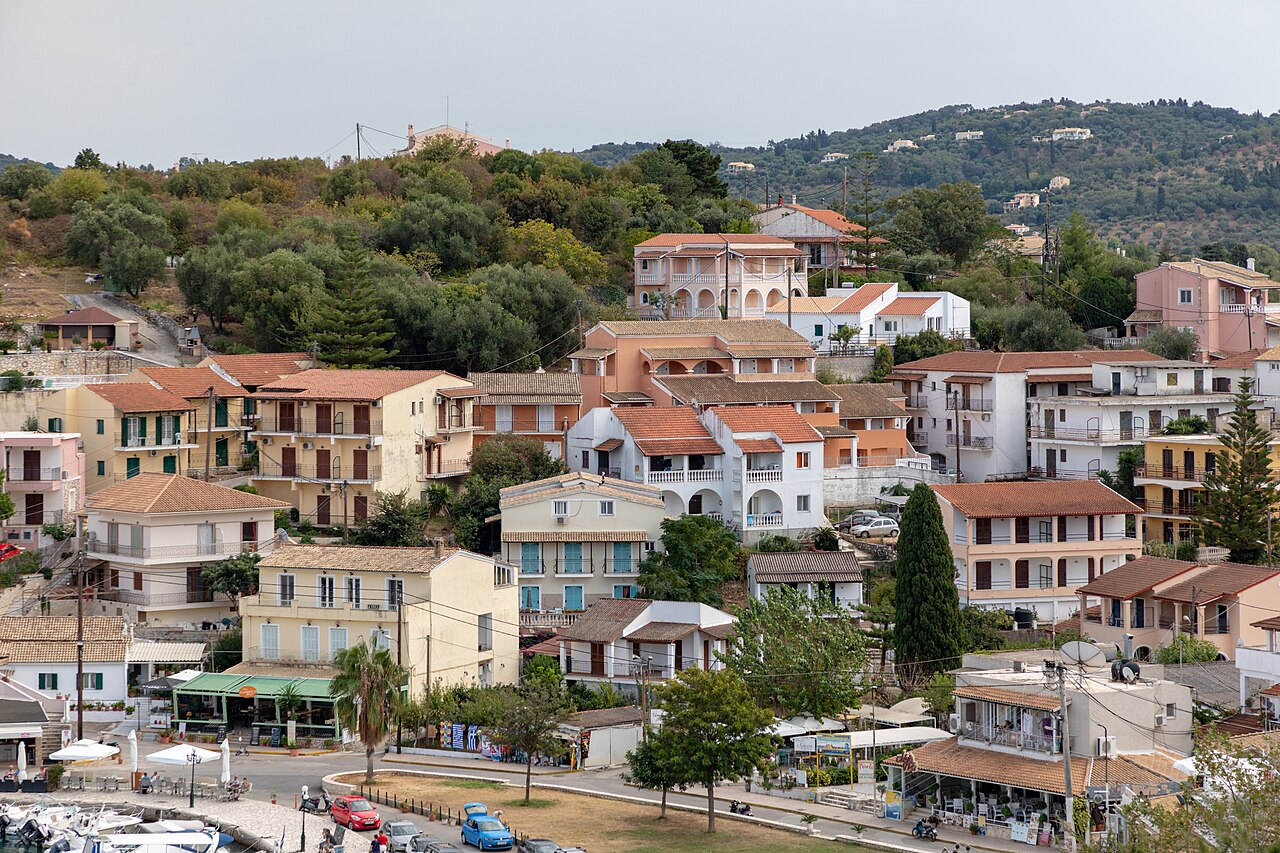
Poco oltre il promontorio del castello si aprono alcune delle spiagge più spettacolari di Corfù. Bataria è una piccola gemma di ciottoli bianchi levigati, dove l'acqua assume tonalità che variano dal turchese allo smeraldo, così limpida da sembrare irreale. È una spiaggia intima, perfetta per chi cerca la purezza del mare senza rinunciare alla comodità di pochi servizi essenziali. Proseguendo lungo il sentiero costiero si incontra Kanoni, un'altra caletta rocciosa caratterizzata da piattaforme naturali di pietra che si protendono nel mare, ideali per chi ama tuffarsi o prendere il sole in un contesto più selvaggio. Entrambe le spiagge offrono una vista privilegiata sulla costa albanese, creando un senso di prossimità geografica che rende il bagno in queste acque un'esperienza quasi mistica, sospesa tra due mondi.
La quiete di Pipitos Beach
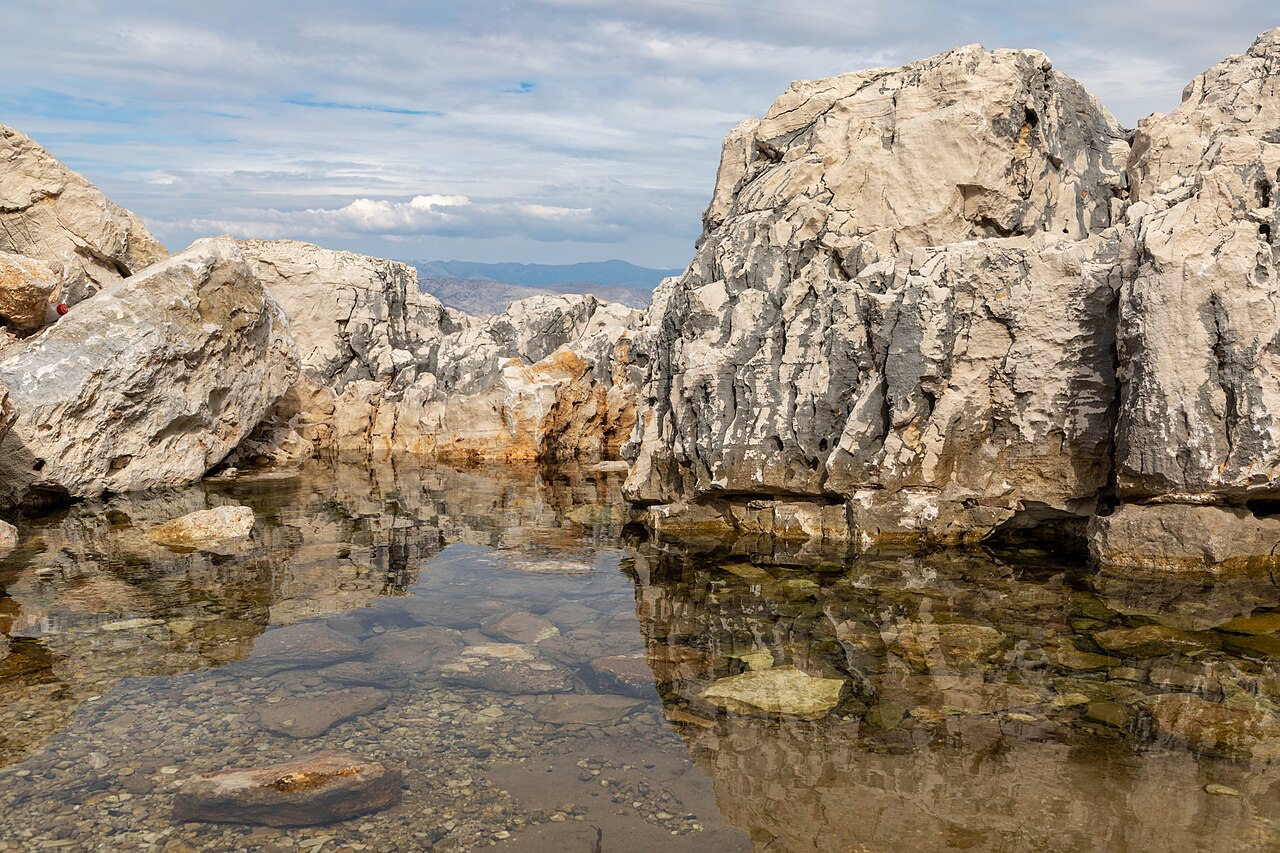
Nascosta proprio sotto le mura del castello, Pipitos Beach è forse la spiaggia più pittoresca di Kassiopi. Accessibile tramite un ripido sentiero o via mare, questa baia a forma di mezzaluna è protetta da alte pareti rocciose ricoperte di vegetazione lussureggiante. Il fondale è un paradiso per gli amanti dello snorkeling, con grotte sottomarine e una ricca fauna ittica che popola le rocce circostanti. La bellezza di Pipitos risiede nel suo isolamento relativo e nella sensazione di essere in un anfiteatro naturale dove il suono delle onde è l'unica melodia. È il luogo perfetto per chi desidera fuggire dalla folla e immergersi totalmente nella natura incontaminata, godendo della frescura offerta dalle colline che la circondano.
L'entroterra e il Monte Pantokrator
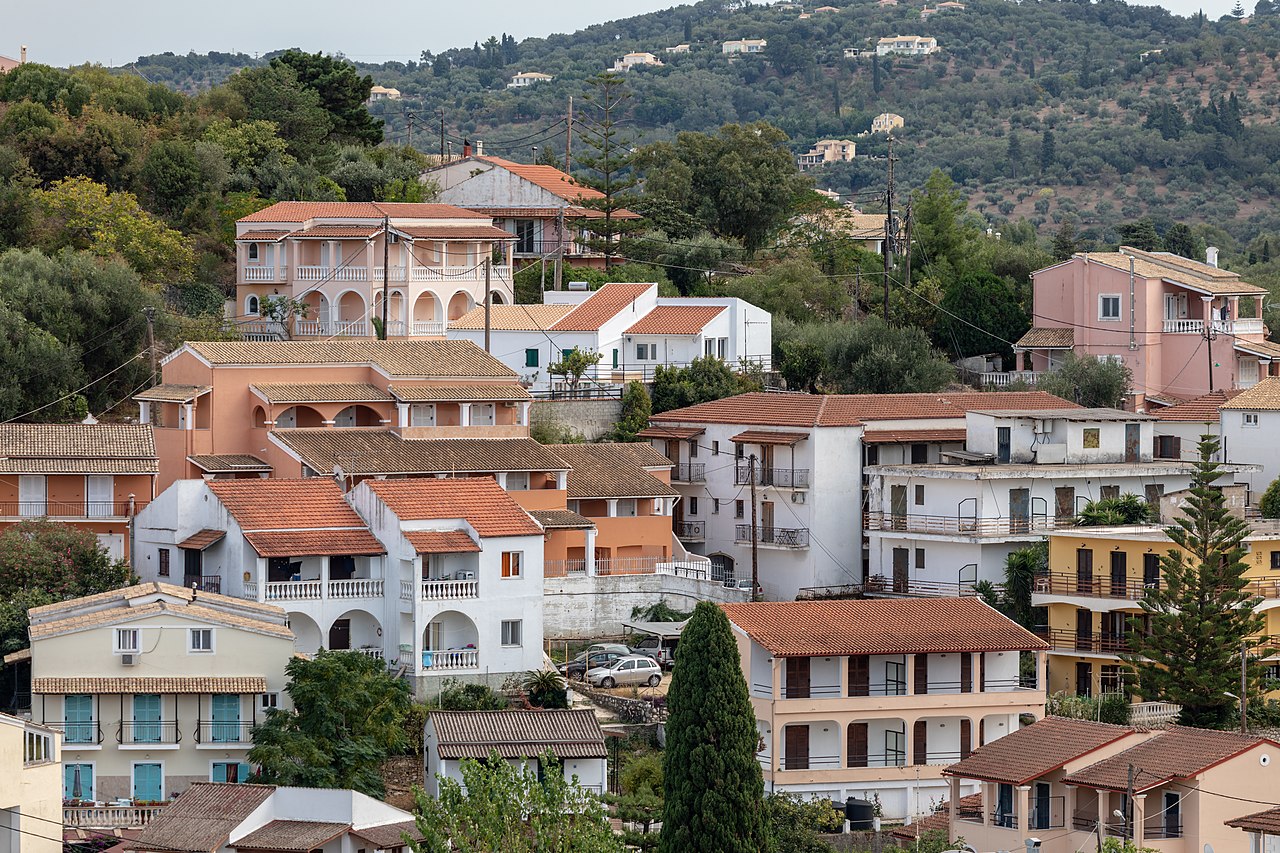
Alle spalle di Kassiopi si eleva maestoso il Monte Pantokrator, la vetta più alta dell'isola. L'entroterra è un susseguirsi di uliveti secolari, i cui tronchi contorti sembrano sculture naturali, e piccoli villaggi tradizionali dove la vita procede immutata da decenni. Esplorare i dintorni significa scoprire sentieri che si inerpicano tra la macchia mediterranea, offrendo scorci panoramici che abbracciano l'intera costa settentrionale di Corfù. Questa zona è ideale per il trekking e la mountain bike, specialmente durante la primavera, quando la fioritura trasforma le colline in un tappeto multicolore. Il contrasto tra la vivacità della costa e il silenzio solenne della montagna offre una prospettiva completa sulla diversità paesaggistica di questa regione, invitando a una scoperta lenta e rispettosa del territorio.
Dintorni: Avlaki e Old Perithia
A breve distanza da Kassiopi si trovano luoghi che meritano assolutamente una visita. La baia di Avlaki, con la sua lunga spiaggia di ciottoli e le acque cristalline costantemente rinfrescate dalle correnti, è un paradiso per la vela e il windsurf. Per chi invece cerca un'esperienza storica e suggestiva, una deviazione verso Old Perithia è d'obbligo. Questo villaggio abbandonato, situato sulle pendici del Pantokrator, è un museo a cielo aperto di architettura veneziana. Camminare tra le sue case di pietra semidiroccate e le numerose chiesette bizantine è come fare un viaggio nel tempo. Oggi il villaggio sta vivendo una rinascita grazie all'apertura di alcune taverne che servono piatti tipici della montagna, offrendo un rifugio fresco e silenzioso lontano dal calore delle spiagge.
Sapori e tradizioni locali
La cucina di Kassiopi è un inno ai prodotti del mare e della terra. Nelle taverne del porto è d'obbligo assaggiare il *Bourdeto*, una zuppa di pesce piccante tipica di Corfù, o il *Sofrito*, vitello cucinato con aglio e aceto. L'olio d'oliva locale, estratto dagli ulivi che circondano il borgo, è la base di ogni piatto e si distingue per il suo sapore intenso e fruttato. Le tradizioni popolari sono ancora molto vive: oltre alle feste religiose, l'estate è costellata di festival gastronomici e serate di musica tradizionale greca. Partecipare a un *panigiri* (festa di paese) significa immergersi in balli di gruppo, vino locale a fiumi e un'ospitalità calorosa che fa sentire ogni visitatore parte integrante della comunità, svelando il volto più autentico e gioioso dell'identità ionica.
- Esplorare le rovine del Castello bizantino al tramonto per una vista impareggiabile.
- Noleggiare una piccola imbarcazione per scoprire le calette accessibili solo via mare.
- Visitare la chiesa di Panagia Kassopitra e ammirare le sue icone storiche.
- Fare snorkeling nelle acque trasparenti di Bataria Beach.
- Cenare in una taverna del porto gustando il pesce fresco del giorno.
- Organizzare un'escursione al villaggio fantasma di Old Perithia nell'entroterra.
FAQ
Qual è il periodo migliore per visitare Kassiopi?
Kassiopi è adatta alle famiglie con bambini?
Come sono le spiagge a Kassiopi?
È necessario noleggiare un'auto?
Getting there
- Aeroporto Internazionale di Corfù (CFU) - 36 km
- Non presenti sull'isola; collegamenti via bus KTEL da Corfù città.
- Da Corfù città, seguire la strada costiera verso nord in direzione Paleokastritsa e poi svoltare verso Kassiopi/Sidari. Il tragitto dura circa un'ora.
- La strada costiera offre panorami splendidi ma è ricca di curve; guidate con prudenza, specialmente di notte.
Perfect for
Perfetta per chi cerca acque cristalline e calette pittoresche lontane dai grandi litorali sabbiosi.
Un viaggio nel tempo tra fortezze bizantine e antichi luoghi di culto pagani trasformati in chiese.
Ideale per gli amanti della cucina greca autentica, con un focus particolare sul pesce fresco e le ricette tradizionali corfiote.
This season · July · Summer
