

Gouvia
Situata lungo la costa orientale dell'isola di Corfù, a pochi chilometri a nord della capitale, Gouvia si presenta come una delle...
Situata lungo la costa orientale dell'isola di Corfù, a pochi chilometri a nord della capitale, Gouvia si presenta come una delle località più affascinanti e stratificate dell'arcipelago delle Ionie. Anticamente nota come Porto di Govino, questa baia naturale quasi chiusa ha rappresentato per secoli uno scalo strategico fondamentale nel Mediterraneo, fungendo da scudo e rifugio per le flotte che solcavano le rotte tra l'Adriatico e l'Oriente. Oggi, Gouvia è un connubio armonioso tra il dinamismo di un moderno centro turistico e le silenziose testimonianze del suo glorioso passato veneziano. Il visitatore che giunge qui viene accolto da un paesaggio dove il blu intenso dello Ionio si insinua dolcemente in una conca protetta, circondata da una vegetazione lussureggiante di ulivi secolari e cipressi slanciati. Camminare lungo le sue rive significa percorrere un itinerario che tocca con mano l'archeologia industriale del Settecento, per poi perdersi tra i moli di una delle marine più attrezzate della Grecia. Gouvia non è solo una destinazione balneare, ma un luogo dell'anima dove il tempo sembra rallentare, permettendo di assaporare l'autentica ospitalità corfiota in un contesto cosmopolita. Che siate velisti in cerca di un ormeggio sicuro o viaggiatori appassionati di storia e tradizioni elleniche, questo borgo saprà offrirvi uno spaccato unico della vita isolana, sospeso tra l'eleganza della Serenissima e la vivacità della Grecia contemporanea.
L'Eredità Veneziana e la Storia del Porto di Govino
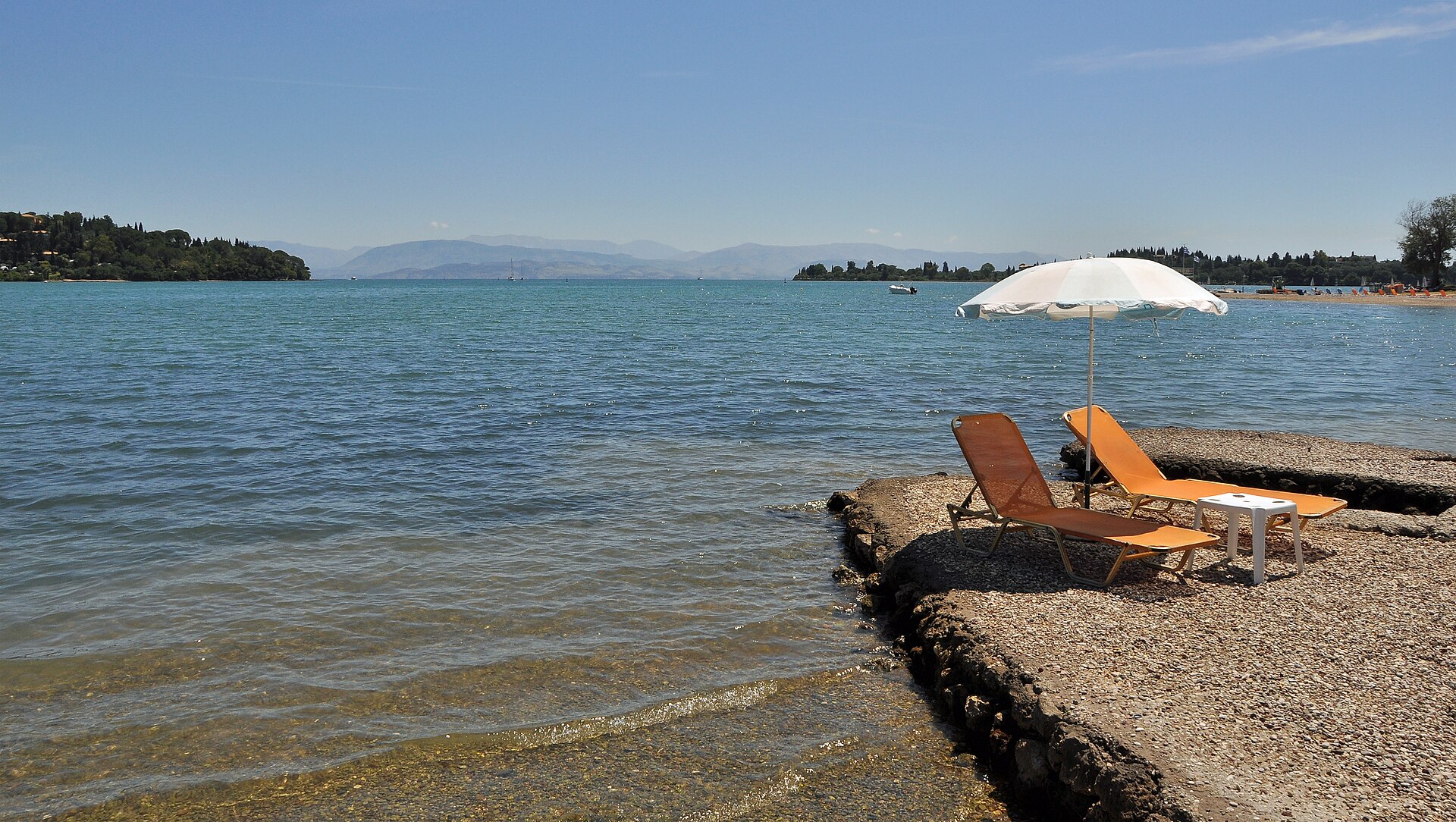
La storia di Gouvia è indissolubilmente legata alla dominazione veneziana, che scelse questa baia riparata come base navale sussidiaria per la sua flotta. Il momento cruciale risale al XVII secolo, quando la Serenissima decise di fortificare il sito per contrastare l'avanzata ottomana. Nel 1716, Gouvia divenne il teatro di una resistenza eroica durante l'assedio di Corfù: le truppe del Maresciallo Schulenburg utilizzarono la baia come punto di sbarco e coordinamento, riuscendo infine a respingere gli invasori. Durante il periodo napoleonico e successivamente sotto il protettorato britannico, il porto mantenne la sua rilevanza logistica. Un capitolo toccante della sua storia recente risale alla Prima Guerra Mondiale, quando Gouvia accolse i resti dell'esercito serbo in ritirata, trasformandosi in un luogo di salvezza e riorganizzazione. Questa stratificazione di eventi ha lasciato nel tessuto del villaggio un'impronta cosmopolita che si percepisce ancora oggi nell'architettura e nell'apertura culturale dei suoi abitanti.
L'Arsenale Veneziano: Uno Scheletro di Pietra sul Mare
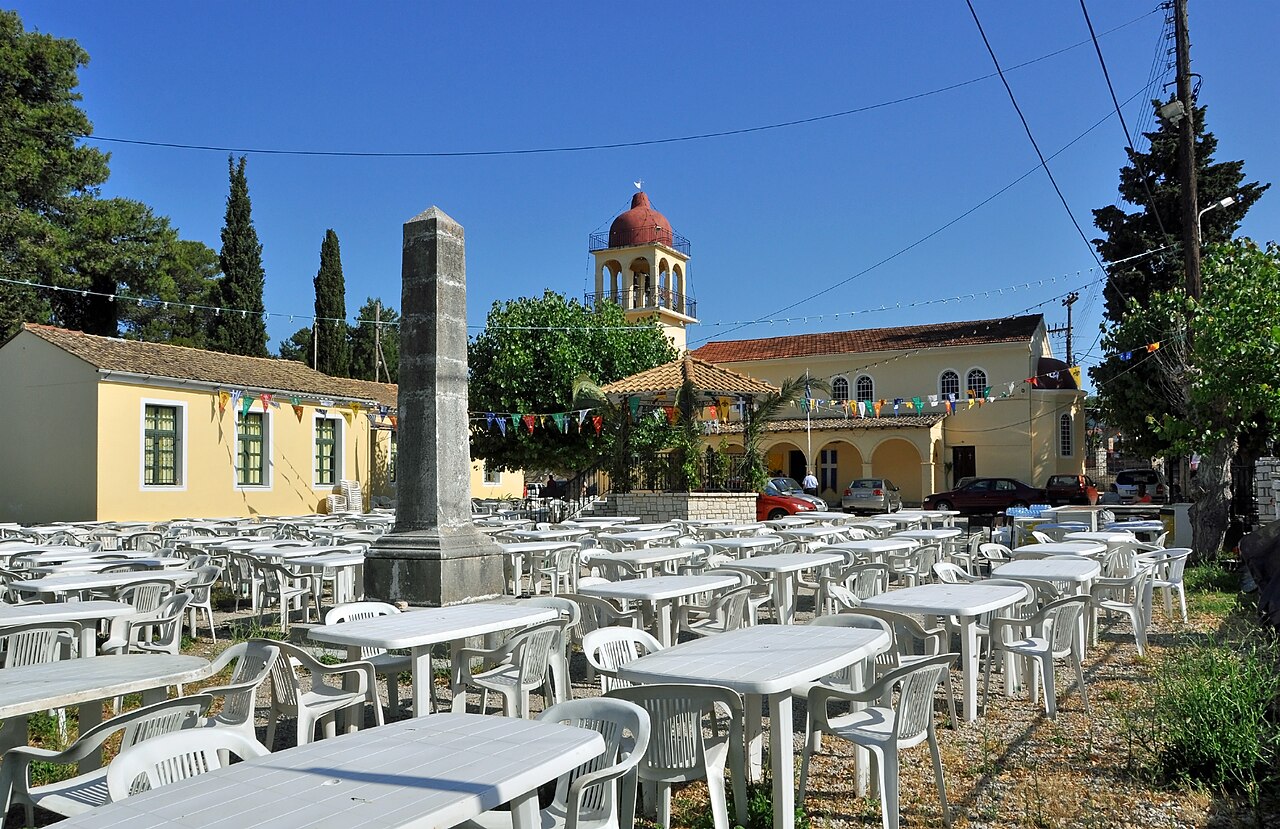
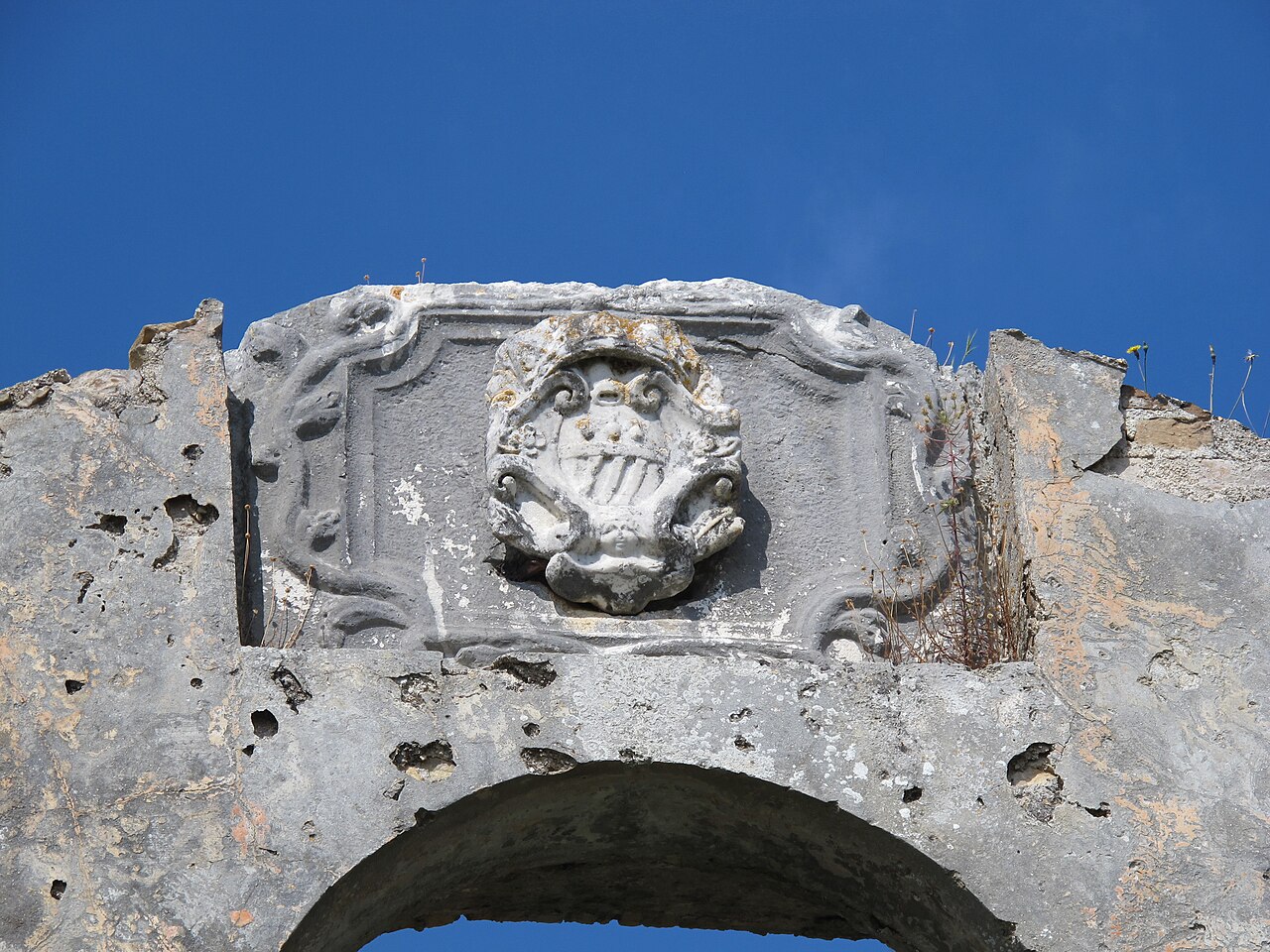
Il monumento più iconico di Gouvia è senza dubbio l'Arsenale Veneziano, costruito nel 1716 per la manutenzione e il rimessaggio delle galee durante i mesi invernali. Oggi ciò che resta sono le maestose arcate in pietra, prive del tetto originale, che si stagliano contro il cielo creando un'atmosfera quasi spettrale e profondamente romantica. Osservando le tre campate superstiti, è possibile immaginare il fervore dei carpentieri veneziani che lavoravano alla riparazione degli scafi. La struttura è un raro esempio di architettura navale militare del XVIII secolo al di fuori di Venezia e testimonia l'importanza che l'isola di Corfù rivestiva come 'Porta dell'Adriatico'. Situato a pochi passi dalla riva, l'Arsenale non è solo un sito archeologico, ma un simbolo d'identità che connette Gouvia alla grande storia europea, rendendolo un luogo imperdibile per chiunque desideri comprendere le radici marittime di questa regione.
La Chiesa di Ipapanti: Fede Sospesa sull'Acqua
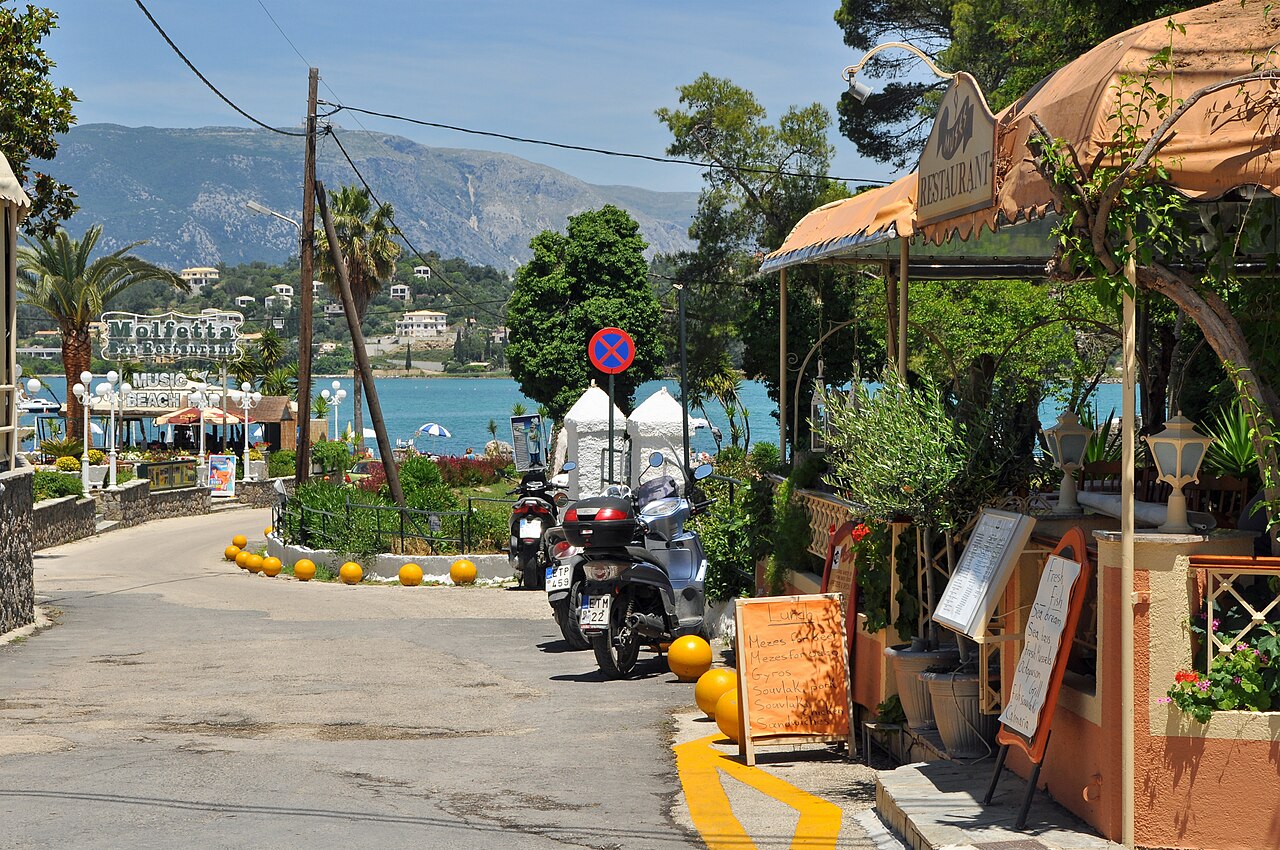
Poco distante dal centro abitato, su una piccola penisola che sembra galleggiare sulle acque calme della baia, sorge la chiesetta di Ipapanti (della Purificazione). Edificata originariamente nel 1713 durante il periodo veneziano, questa minuscola struttura bianca è uno dei luoghi più fotografati e spirituali dell'intera isola. La chiesa è collegata alla terraferma da un sottile istmo che viene talvolta sommerso durante l'alta marea, accentuando il suo isolamento mistico. Al suo interno, l'atmosfera è raccolta e profuma di incenso e cera, tipica delle cappelle ortodosse greche. La sua posizione privilegiata offre una vista panoramica sulla baia di Gouvia e sulla costa opposta di Kontokali, rendendola una meta prediletta per matrimoni e cerimonie religiose. Visitare Ipapanti al tramonto, quando la luce dorata si riflette sullo specchio d'acqua immobile, è un'esperienza che riconcilia con la bellezza della natura e della devozione popolare.
La Marina di Gouvia: Il Cuore Nautico dello Ionio
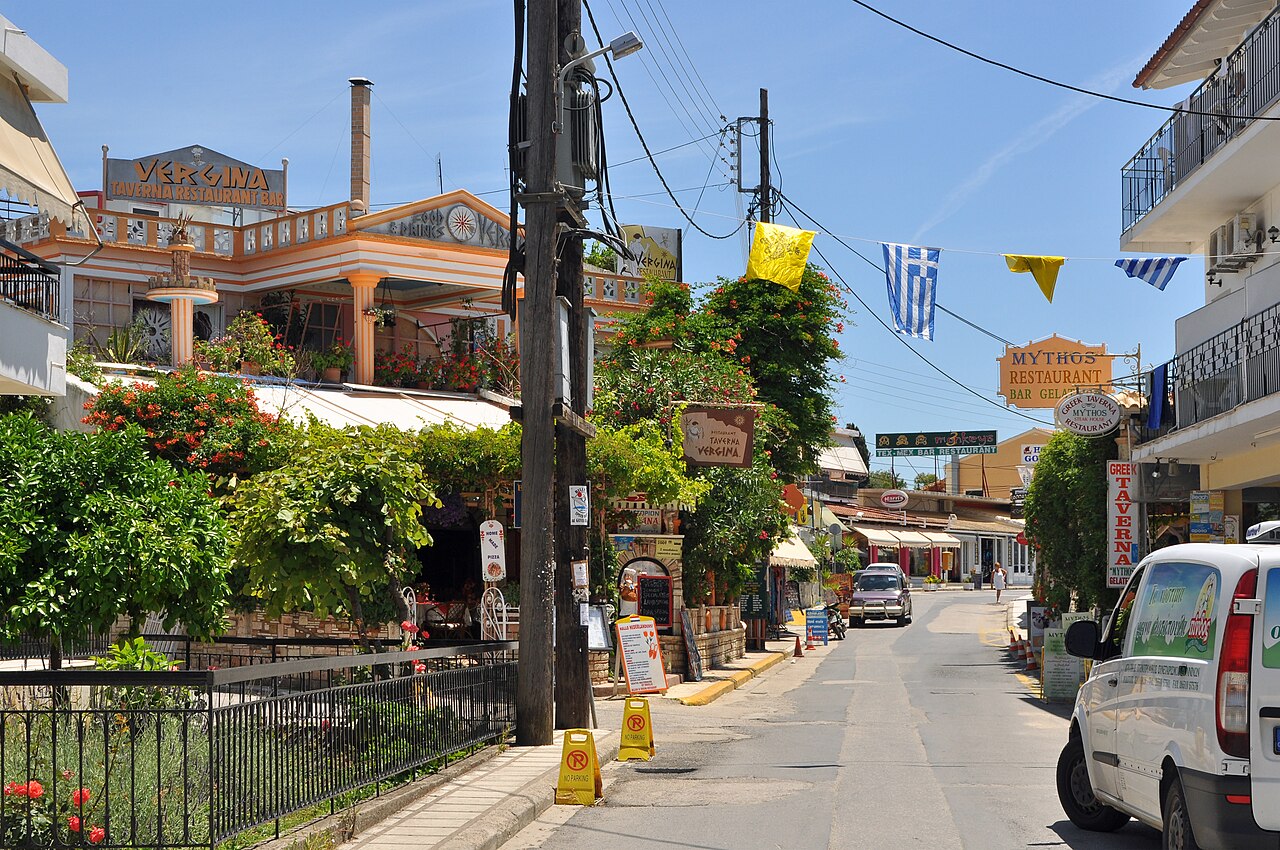
La Marina di Gouvia rappresenta l'evoluzione moderna dell'antico porto veneziano ed è oggi considerata una delle marine più prestigiose e ampie dell'intera Grecia. Con una capacità di oltre mille ormeggi, accoglie imbarcazioni provenienti da tutto il mondo, dai piccoli yacht a vela alle lussuose navi a motore. Passeggiare lungo i suoi moli significa immergersi in un ambiente vivace ed elegante, dove si mescolano lingue e culture diverse. L'area della marina è una vera e propria cittadella autonoma, dotata di caffè raffinati, ristoranti di cucina internazionale, negozi specializzati e servizi per i naviganti. È il punto di partenza ideale per esplorare le coste frastagliate di Corfù o per salpare verso le vicine isole di Paxos e Antipaxos. Anche per chi non possiede una barca, la marina offre un'atmosfera glamour e rilassata, perfetta per una passeggiata serale tra le luci riflesse nell'acqua e il tintinnio delle drizze contro gli alberi delle imbarcazioni.
Il Villaggio di Danilia: Un Tuffo nel Passato Corfiota
A breve distanza dal centro di Gouvia si trova Danilia, una ricostruzione fedele di un villaggio tradizionale corfiota degli anni Trenta. Realizzato con estrema cura per i dettagli, questo borgo-museo permette di passeggiare tra piazze lastricate, portici eleganti e botteghe artigiane che riproducono fedelmente l'architettura influenzata dai secoli di dominazione veneziana e britannica. Danilia è stata utilizzata come set cinematografico per celebri produzioni, tra cui il film di James Bond 'Solo per i tuoi occhi' e la serie televisiva 'The Durrells'. Visitare questo luogo significa compiere un viaggio a ritroso nel tempo, scoprendo come vivevano gli abitanti dell'isola prima dell'avvento del turismo di massa. Sebbene sia spesso utilizzato per eventi privati e serate a tema, l'accesso guidato permette di ammirare la maestria con cui sono stati recuperati materiali originali per ricreare un'atmosfera di autentica nostalgia greca.
Paesaggio e Natura: Tra l'Insenatura e le Colline
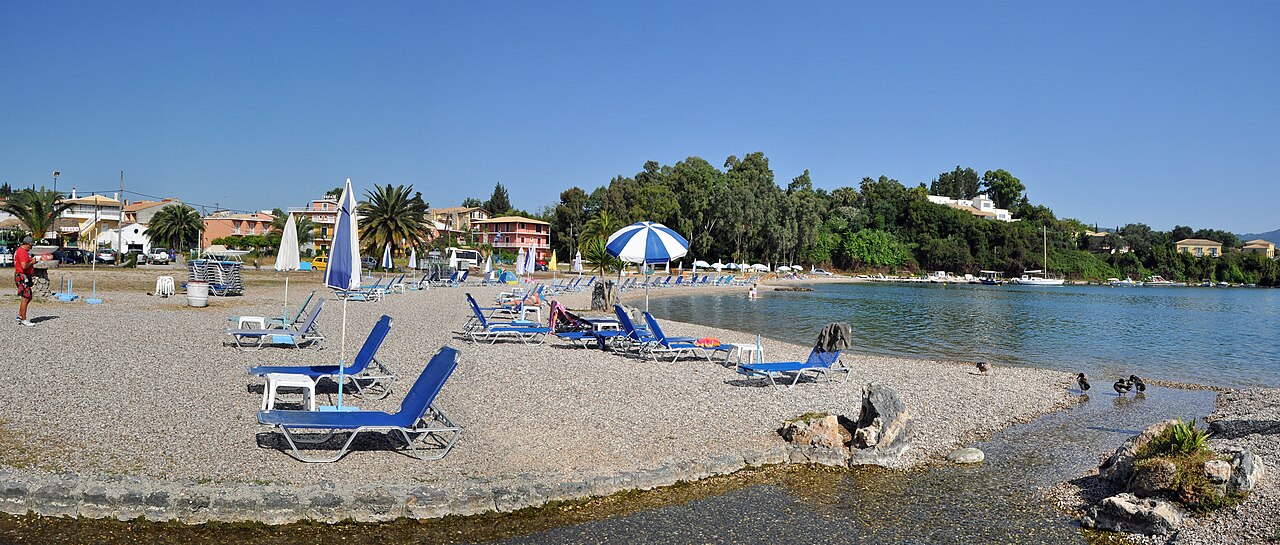
Il paesaggio di Gouvia è caratterizzato dalla sua morfologia protetta, che rende le acque della baia eccezionalmente calme, simili a quelle di un lago. Questa particolare conformazione ha favorito lo sviluppo di una flora rigogliosa che scende fino a toccare la riva del mare. L'entroterra è un susseguirsi di dolci colline dove l'ulivo è il sovrano incontrastato; molti di questi alberi sono stati piantati durante l'epoca veneziana e presentano tronchi nodosi e scultorei di rara bellezza. Le spiagge della zona sono prevalentemente composte da ciottoli e sabbia dorata, con fondali bassi ideali per le famiglie. Oltre alla balneazione, la zona offre sentieri che si snodano tra la macchia mediterranea, regalando scorci panoramici sull'isola di Lazaretto e sulla sagoma della Fortezza Vecchia di Corfù città che svetta in lontananza. È un ambiente che invita all'esplorazione lenta, a piedi o in bicicletta, per godere dei profumi di resina e salsedine.
Sapori di Corfù: La Cucina tra Venezia e l'Epiro
La gastronomia a Gouvia rispecchia l'identità complessa dell'isola, dove le influenze venete si fondono con i prodotti della terra greca. Nei ristoranti locali non si può rinunciare alla 'Pastitsada', il piatto delle feste a base di carne di gallo o vitello stufata con cannella, chiodi di garofano e un mix di spezie chiamato spetseriko, servita con pasta lunga. Altra prelibatezza è il 'Sofrito', sottili fette di vitello cucinate in una salsa bianca di aglio, aceto e prezzemolo, che testimonia chiaramente l'eredità italiana. Data la posizione costiera, il pesce fresco è onnipresente, spesso preparato come 'Bourdetto', una zuppa piccante di scorfano tipica della tradizione dei pescatori. Per concludere il pasto, Gouvia offre liquori e dolci a base di Kumquat, il piccolo agrume cinese diventato simbolo dell'isola, o il rinfrescante 'Tsitsibirra', la birra allo zenzero introdotta dai britannici nell'Ottocento, perfetta per le calde giornate estive.
Esperienze da non perdere a Gouvia
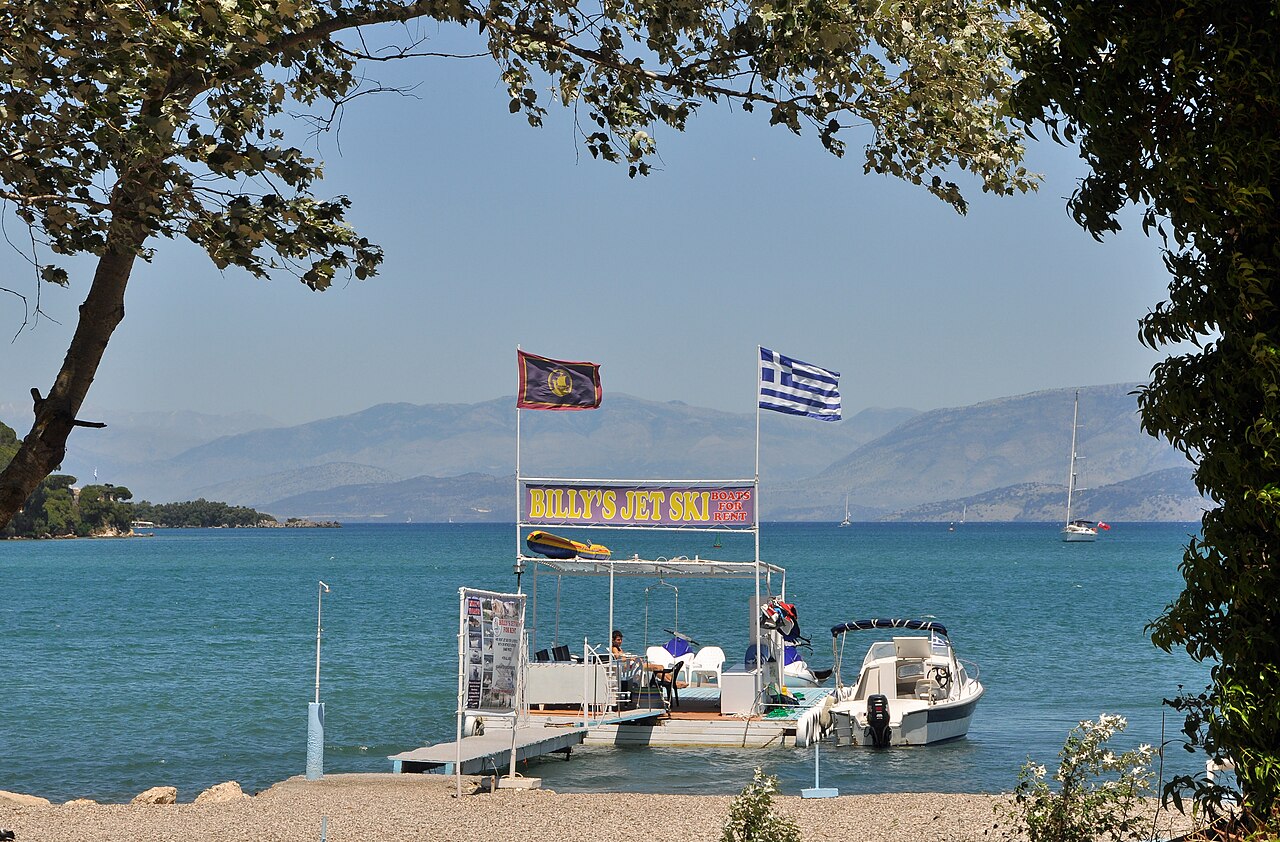
- Noleggiare una piccola imbarcazione per esplorare le calette nascoste a nord della baia.
- Cenare in una delle taverne storiche del centro, assaggiando il Sofrito tradizionale.
- Visitare i resti dell'Arsenale Veneziano alle prime luci del mattino per scattare fotografie suggestive.
- Fare una passeggiata romantica lungo i moli della Marina osservando gli yacht di lusso.
- Partecipare a un'escursione organizzata al villaggio di Danilia per rivivere l'atmosfera della Corfù di un tempo.
- Raggiungere la chiesetta di Ipapanti a piedi percorrendo il sentiero costiero.
Quando andare e come vivere il luogo
Il periodo ideale per visitare Gouvia va da maggio a ottobre, quando il clima permette di godere appieno della vita all'aria aperta e delle attività nautiche. La primavera (maggio e giugno) è particolarmente consigliata per chi ama la natura, poiché l'isola è in piena fioritura e le temperature sono miti, ideali per passeggiate ed escursioni storiche. Luglio e agosto sono i mesi della vivacità cosmopolita, con la marina che si riempie di eventi e la vita notturna che si accende nei numerosi bar e club della zona. Settembre offre invece un'atmosfera più tranquilla, con il mare ancora caldo e una luce più morbida, perfetta per chi cerca relax e autenticità. Per vivere Gouvia al meglio, il consiglio è di alternare le giornate di mare alla scoperta dei dintorni: la sua posizione centrale la rende una base logistica perfetta per esplorare sia la città di Corfù, raggiungibile in pochi minuti, sia le spiagge selvagge del nord.
FAQ
Gouvia è adatta alle famiglie con bambini?
Quanto tempo serve per visitare i resti dell'Arsenale?
È facile raggiungere Corfù città da Gouvia?
Ci sono spiagge attrezzate a Gouvia?
Dove si può parcheggiare a Gouvia?
Getting there
- Aeroporto Internazionale di Corfù 'Ioannis Kapodistrias' (CFU) - circa 9 km
- Non sono presenti linee ferroviarie sull'isola.
- Da Corfù città, seguire la strada costiera verso nord in direzione Paleokastritsa/Kassiopi. Gouvia è ben segnalata dopo circa 15 minuti di guida.
- Se non noleggiate un'auto, utilizzate il servizio bus n. 7 che parte regolarmente da Piazza San Rocco nel centro di Corfù.
Perfect for
Con una delle marine più grandi della Grecia, è il paradiso per chi ama navigare e vivere il mare da protagonista.
Le vestigia dell'Arsenale e il porto di Govino offrono un viaggio unico nell'architettura militare della Serenissima.
Gouvia offre un'ampia scelta di bar, pub e ristoranti che la rendono una delle località più vivaci dopo il tramonto.
This season · July · Summer
