

Ayios Yeoryios
Immerso in una delle cornici più suggestive delle Isole Ionie, Ayios Yeoryios (noto anche come Agios Georgios Pagon) si rivela al...
Immerso in una delle cornici più suggestive delle Isole Ionie, Ayios Yeoryios (noto anche come Agios Georgios Pagon) si rivela al viaggiatore come un anfiteatro naturale di rara bellezza, dove il verde smeraldo della macchia mediterranea incontra l'azzurro profondo del mare. Situato lungo la costa nord-occidentale di Corfù, questo luogo non è soltanto una destinazione balneare, ma un crocevia di storie silenziose e paesaggi che sembrano dipinti. La sua celebre baia a ferro di cavallo, protetta da alte scogliere calcaree, offre un rifugio di pace lontano dai flussi turistici più frenetici, mantenendo un’atmosfera autentica che profuma di resina e salsedine. Qui, il tempo sembra scorrere con la lentezza delle onde che accarezzano la lunga spiaggia di sabbia dorata, invitando a una riscoperta dei ritmi naturali. La particolarità di Ayios Yeoryios risiede nel suo equilibrio perfetto tra la selvaggia natura ionica e la calda ospitalità greca. Camminando tra i sentieri che si inerpicano verso le colline circostanti, si scorgono uliveti secolari, eredità della dominazione veneziana, che incorniciano villaggi tradizionali rimasti quasi immutati nei secoli. Non è solo un luogo da visitare, ma un’esperienza sensoriale completa: dal suono delle cicale che accompagna il meriggio, al sapore intenso dell'olio d'oliva locale, fino allo spettacolo del sole che tramonta dietro l'orizzonte marino, tingendo le rocce di sfumature rosate. Ayios Yeoryios rappresenta l'anima più pura dell'Eptaneso, un angolo di mondo dove la geografia si fa poesia e ogni scorcio racconta una leggenda antica.
Un crocevia di civiltà: la storia del territorio
La storia di Ayios Yeoryios è indissolubilmente legata alle vicende dell'isola di Corfù, baluardo strategico nel cuore del Mediterraneo. Sebbene oggi sia una rinomata località turistica, le sue origini affondano in un passato remoto, quando le coste ioniche erano teatro di scambi tra il mondo ellenico e le potenze occidentali. Durante il periodo bizantino, la zona servì come punto di avvistamento cruciale contro le incursioni piratesche, portando alla costruzione di fortificazioni nei dintorni. Tuttavia, fu la lunga dominazione veneziana, durata oltre quattro secoli, a imprimere il segno più profondo: i coloni della Serenissima incentivarono la coltivazione dell'olivo, trasformando radicalmente il paesaggio agrario che ammiriamo ancora oggi. Dopo il breve intermezzo napoleonico e il protettorato britannico, il territorio è tornato alla Grecia, conservando un'identità cosmopolita e colta, tipica delle Isole Ionie.
La Baia di Ayios Yeoryios
Il cuore pulsante della località è senza dubbio la sua maestosa baia, una mezzaluna di sabbia e ciottoli che si estende per quasi cinque chilometri. Nata da una particolare conformazione geologica che la protegge dai venti dominanti, la spiaggia digrada dolcemente in acque cristalline dalle tonalità turchesi. Questo luogo non è solo una meta balneare, ma un ecosistema prezioso dove la flora costiera resiste tenacemente. La sua ampiezza garantisce angoli di assoluta riservatezza anche nei mesi più caldi, rendendola ideale per chi cerca una connessione profonda con l'elemento acquatico. Le estremità della baia sono delimitate da promontori scoscesi che offrono riparo naturale e creano un microclima mite, perfetto per lunghe nuotate o per praticare sport velici leggeri.
Il borgo antico di Afionas
Arroccato sul promontorio che domina la baia da nord, Afionas è considerato uno dei villaggi più antichi e affascinanti dell'intera regione. Le sue origini risalgono probabilmente all'epoca ellenistica, come testimoniano alcuni ritrovamenti archeologici nelle vicinanze. Passeggiare per le sue strette vie lastricate, tra case imbiancate a calce adornate da bouganville e gerani, significa fare un salto indietro nel tempo. Il borgo è celebre per la sua posizione panoramica, che offre una vista impareggiabile su Ayios Yeoryios e sulle isole Diapontie all'orizzonte. Non è raro imbattersi in anziani del luogo che ancora seguono tradizioni secolari, rendendo Afionas non solo un monumento architettonico a cielo aperto, ma un custode vivente della memoria storica e culturale corfiota.
Porto Timoni: il doppio gioiello naturale
A breve distanza da Afionas si trova uno dei luoghi più iconici e fotografati delle Isole Ionie: Porto Timoni. Si tratta di una formazione costiera unica, composta da due spiagge gemelle separate da una sottile striscia di terra, che si affacciano su due baie opposte. Questo istmo naturale è raggiungibile solo via mare o attraverso un sentiero scosceso che regala scorci drammatici sulla costa. La particolarità di Porto Timoni risiede nel contrasto tra le due sponde: le acque possono avere temperature e correnti differenti, offrendo un'esperienza di balneazione sorprendente. Oltre alla bellezza estetica, il sito conserva tracce di antiche fortificazioni, suggerendo che in passato questo luogo remoto fungesse da porto sicuro e postazione difensiva contro le minacce provenienti dal mare.
Angelokastro: la Fortezza degli Angeli
Situato su un picco roccioso a breve distanza nell'entroterra, Angelokastro è uno dei più importanti castelli bizantini della Grecia. Costruito nel XIII secolo, questo maniero inespugnabile domina l'intero litorale nord-occidentale, offrendo una difesa strategica contro gli attacchi ottomani e dei pirati saraceni. La sua struttura, adattata magistralmente alla morfologia della roccia, comprende mura possenti, cisterne per l'acqua e una piccola chiesa dedicata all'Arcangelo Michele. Visitare Angelokastro significa immergersi nel Medioevo ionico; la salita verso la cima è ripagata da una vista vertiginosa che spazia fino alle coste dell'Epiro e dell'Albania. È un luogo di silenzio e potenza, che testimonia la resilienza delle comunità locali di fronte alle tempeste della storia.
Il villaggio di Pagi e l'entroterra
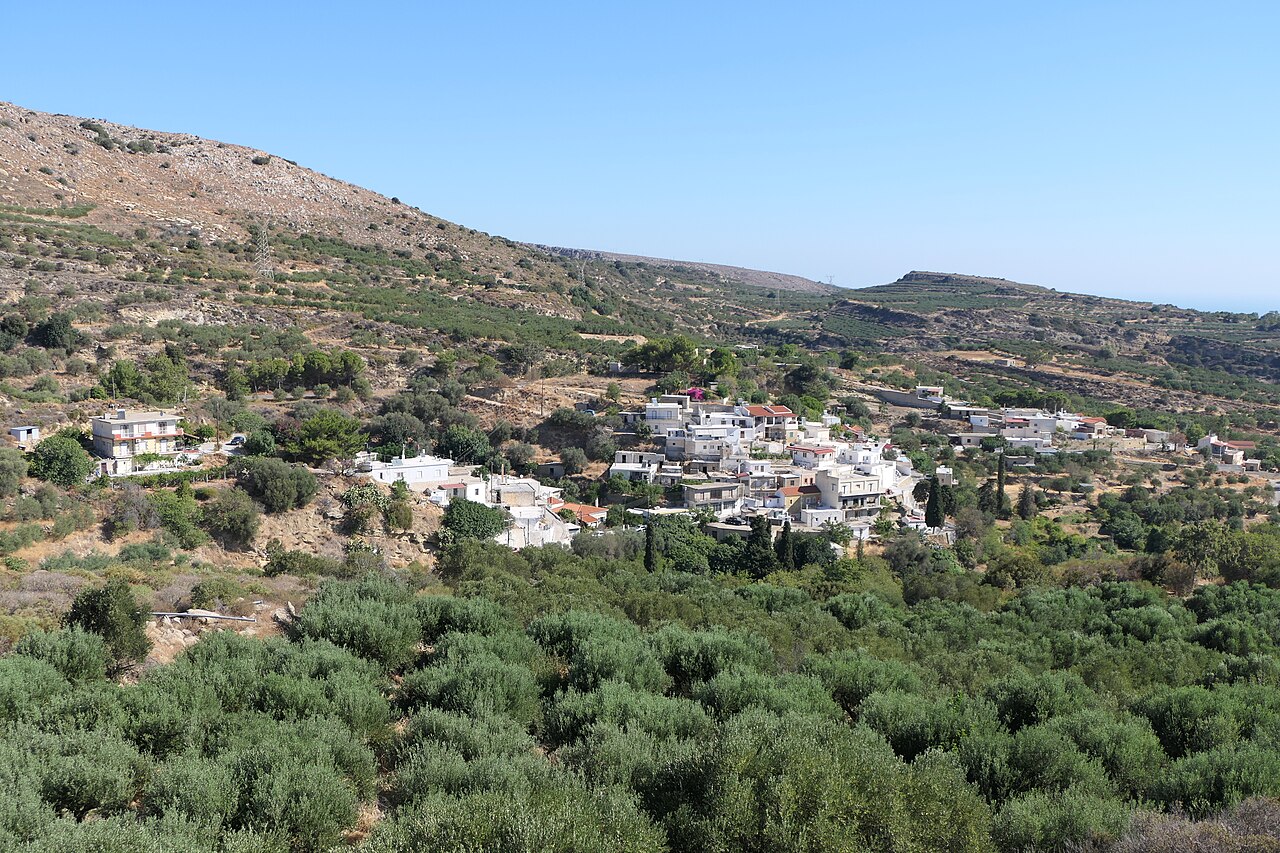
Alle spalle della costa si estende un entroterra collinare dominato dal villaggio di Pagi, un insediamento tradizionale che conserva l'anima rurale dell'isola. Qui, tra uliveti che contano esemplari vecchi di secoli, la vita scorre seguendo i cicli dell'agricoltura. Il villaggio è noto per le sue case in pietra e per aver ospitato alcune scene di un celebre film della saga di James Bond, un dettaglio che aggiunge un tocco di curiosità moderna alla sua storia millenaria. Esplorare l'entroterra di Ayios Yeoryios permette di scoprire una vegetazione lussureggiante, dove il mirto, il corbezzolo e le erbe aromatiche saturano l'aria di profumi intensi, offrendo un contrasto rigenerante con la frescura del litorale.
Paesaggio e Natura: tra mare e macchia
Il paesaggio di Ayios Yeoryios è un trionfo di biodiversità mediterranea. La costa è caratterizzata da un'alternanza di falesie calcaree e piccole insenature nascoste, accessibili spesso solo tramite imbarcazioni. Nell'entroterra, il terreno collinare è ricoperto da una fitta foresta di ulivi, piantati originariamente sotto il dominio veneziano, che creano un tappeto argenteo in perenne movimento. Questo ambiente naturale ospita numerose specie di uccelli migratori e una flora spontanea che esplode in colori vivaci durante la primavera. La purezza delle acque e la ricchezza dei fondali rendono la zona un paradiso per lo snorkeling, dove tra le praterie di posidonia è possibile osservare una variegata fauna marina, confermando l'importanza di questo tratto di costa per la conservazione dell'ecosistema ionico.
Tradizioni gastronomiche e sapori locali
La cultura gastronomica di Ayios Yeoryios riflette la complessa storia dell'isola, fondendo ingredienti greci con influenze veneziane. Il piatto principe è la Pastitsada, un ricco stufato di carne (solitamente gallo o manzo) cucinato con pomodoro, cannella e chiodi di garofano, servito con pasta lunga. Altrettanto celebre è il Sofrito, fettine di vitello cotte in una salsa di vino bianco, aglio e prezzemolo. Non si può lasciare il luogo senza aver assaggiato l'olio d'oliva locale, dal sapore fruttato e intenso, e il Kumquat, il piccolo agrume introdotto dagli inglesi e oggi simbolo dell'isola, trasformato in liquori e marmellate. Questi sapori, gustati in una taverna affacciata sul mare, rappresentano il legame indissolubile tra la terra e la tavola.
Esperienze da non perdere
- Noleggiare una piccola barca a motore per esplorare le grotte marine e le calette isolate della costa nord-occidentale.
- Percorrere a piedi il sentiero panoramico che collega Afionas a Porto Timoni al momento del tramonto.
- Visitare il monastero di Paleokastritsa, situato a breve distanza, per ammirare le icone sacre e i giardini curati.
- Partecipare a una degustazione di vini locali in una delle piccole cantine a conduzione familiare dell'entroterra.
- Dedicarsi allo snorkeling nelle acque trasparenti vicino agli scogli di Akra Arilla.
- Cenare in una taverna tradizionale di Pagi per assaporare la cucina casalinga corfiota lontano dalle zone più turistiche.
Quando andare e come vivere il luogo
Il periodo ideale per visitare Ayios Yeoryios va da maggio a ottobre. La tarda primavera (maggio e giugno) è perfetta per chi ama il trekking e la natura in fiore, con temperature miti che permettono di esplorare i sentieri senza l'afa estiva. Luglio e agosto sono i mesi del pieno splendore balneare, ideali per chi cerca una vacanza di puro relax al sole, sebbene siano i periodi più affollati. Settembre offre un'atmosfera magica: il mare è ancora caldo, i colori si fanno più caldi e la calma torna a regnare sovrana. Per vivere appieno il luogo, si consiglia di noleggiare un mezzo proprio per essere liberi di scoprire i villaggi circostanti e di dedicare almeno un pomeriggio alla contemplazione del tramonto da un punto panoramico, un rito che qui assume un valore quasi spirituale.
FAQ
La spiaggia di Ayios Yeoryios è adatta ai bambini?
Come si raggiunge la spiaggia di Porto Timoni?
È facile trovare parcheggio vicino alla baia principale?
Quanto tempo serve per visitare la zona?
Ci sono collegamenti con i mezzi pubblici?
Getting there
- Aeroporto Internazionale di Corfù Ioannis Kapodistrias (CFU) - circa 35 km
- Non presenti sull'isola
- Dalla città di Corfù, seguire le indicazioni per Paleokastritsa e poi svoltare verso nord in direzione di Troumpetta e Pagi, seguendo infine i cartelli per Agios Georgios (Pagon).
- Le strade nell'entroterra sono panoramiche ma strette e tortuose; guidate con prudenza, specialmente nei pressi dei villaggi tradizionali.
Perfect for
Una baia protetta con acque cristalline e una spiaggia lunghissima, ideale per staccare la spina e godersi il sole ionico.
Sentieri mozzafiato tra uliveti e scogliere, perfetti per chi ama camminare con vista sul mare.
La vicinanza a fortezze bizantine e villaggi antichi offre un'immersione profonda nella cultura e nelle tradizioni locali.
This season · July · Summer
