

Ayios Gordhios
Lungo la frastagliata costa occidentale di Corfù, dove le scogliere calcaree si tuffano in un mare dalle sfumature smeraldo, sorge...
Lungo la frastagliata costa occidentale di Corfù, dove le scogliere calcaree si tuffano in un mare dalle sfumature smeraldo, sorge Ayios Gordhios (o Agios Gordios), una delle località più suggestive e iconiche delle Isole Ionie. Non è solo una destinazione balneare, ma un luogo dove la natura mediterranea si esprime con una forza primordiale: una baia a forma di mezzaluna protetta da imponenti pareti rocciose ricoperte da una fitta coltre di ulivi argentei e cipressi slanciati. Il fascino di Ayios Gordhios risiede nel suo equilibrio perfetto tra la vivacità di un borgo turistico accogliente e la maestosità di un paesaggio che sembra scolpito da divinità antiche. Qui, il ritmo della giornata è scandito dal movimento lento delle onde e dal sole che, ogni sera, si immerge direttamente nell'acqua con tramonti che infiammano l'intero orizzonte. Storicamente legata al vicino villaggio collinare di Sinarades, questa località deve il suo nome a una piccola chiesetta situata proprio a ridosso del litorale. Un tempo rifugio solitario per pescatori e agricoltori che scendevano dalle alture per coltivare le strette piane costiere, Ayios Gordhios ha saputo trasformarsi in un centro di ospitalità raffinata senza smarrire la propria anima selvaggia. Camminando lungo la sua riva, lo sguardo è inevitabilmente catturato dall'Ortholithi, il gigantesco monolito che emerge solitario dai flutti, diventato il simbolo indiscusso della zona. Che siate alla ricerca di relax totale sui suoi arenili dorati, di escursioni panoramiche tra i sentieri profumati di macchia mediterranea o di un'immersione nella cultura enogastronomica corfiota, Ayios Gordhios offre un'esperienza sensoriale completa, capace di restare impressa nella memoria come il profumo della resina dei pini mescolato alla salsedine.
Un crocevia di storie tra Bisanzio e Venezia
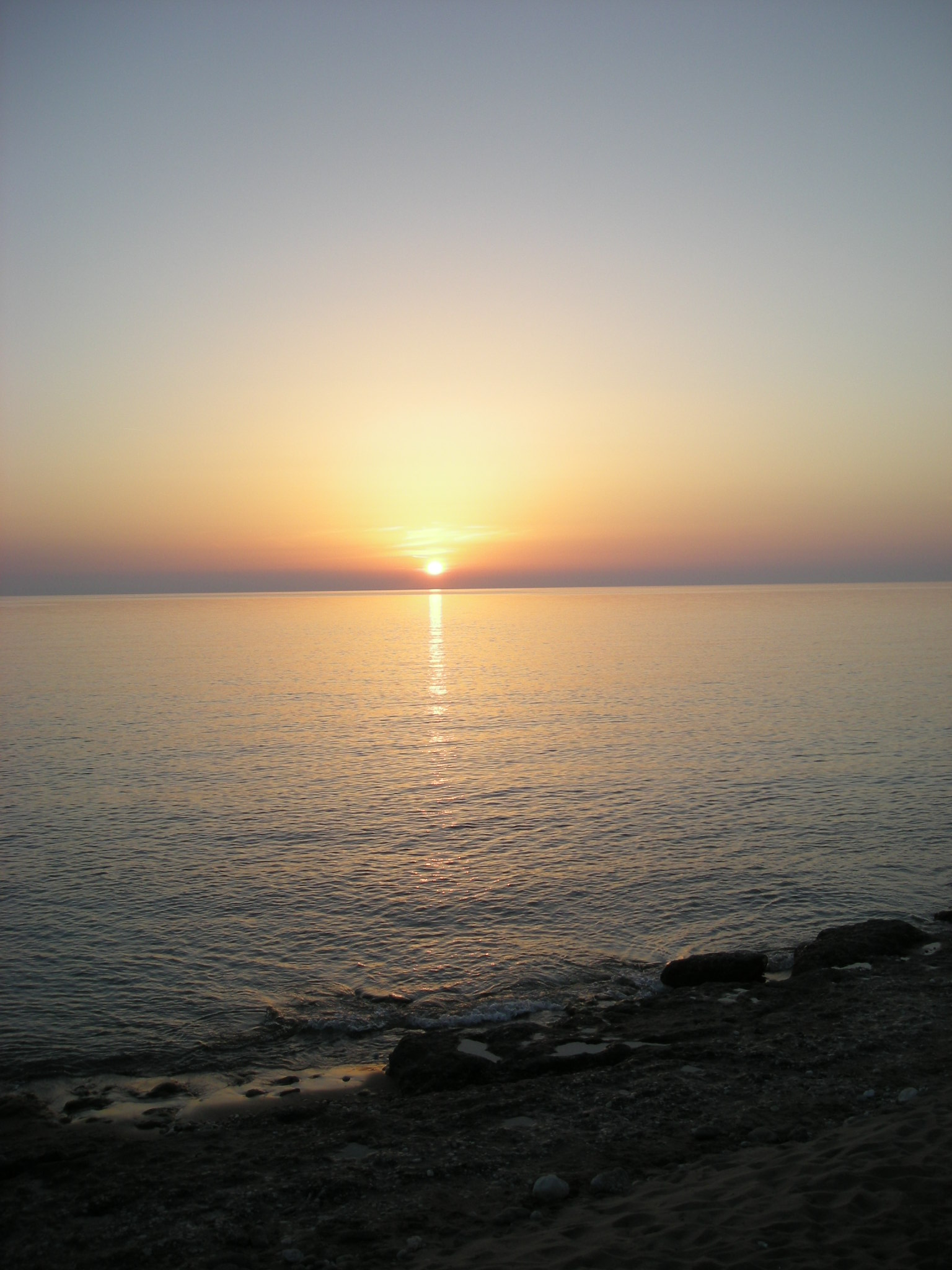
La storia di Ayios Gordhios è intrinsecamente legata alle vicende dell'intera isola di Corfù, ma con una sfumatura più intima e rurale. Per secoli, questa baia non è stata un centro abitato autonomo, bensì lo sbocco al mare del borgo di Sinarades. Durante il dominio veneziano, che ha lasciato un'impronta indelebile nell'architettura e nella cultura locale, la zona era sorvegliata per prevenire le incursioni piratesche, frequenti in questo tratto di mare aperto verso l'Italia. Le famiglie contadine utilizzavano la valle retrostante la spiaggia per la coltivazione della vite e dell'olivo, risalendo verso i villaggi fortificati prima dell'imbrunire. Solo nel XX secolo, con la scoperta della bellezza paesaggistica da parte dei primi viaggiatori europei, il borgo ha iniziato a svilupparsi, trasformando le antiche rimesse per le barche e i magazzini agricoli nel nucleo di quella che oggi è una comunità vibrante e cosmopolita.
L'Ortholithi: la sentinella di pietra
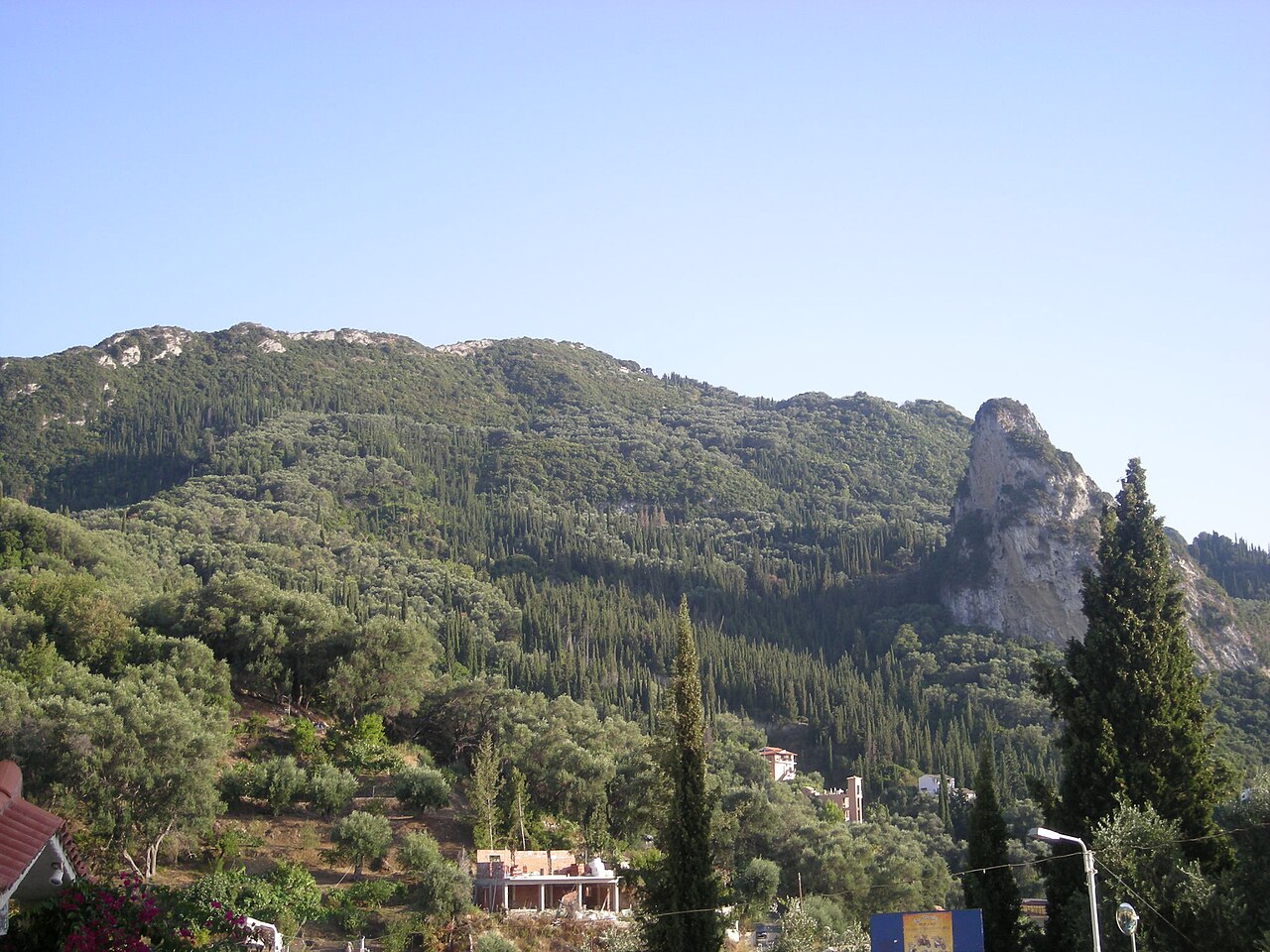
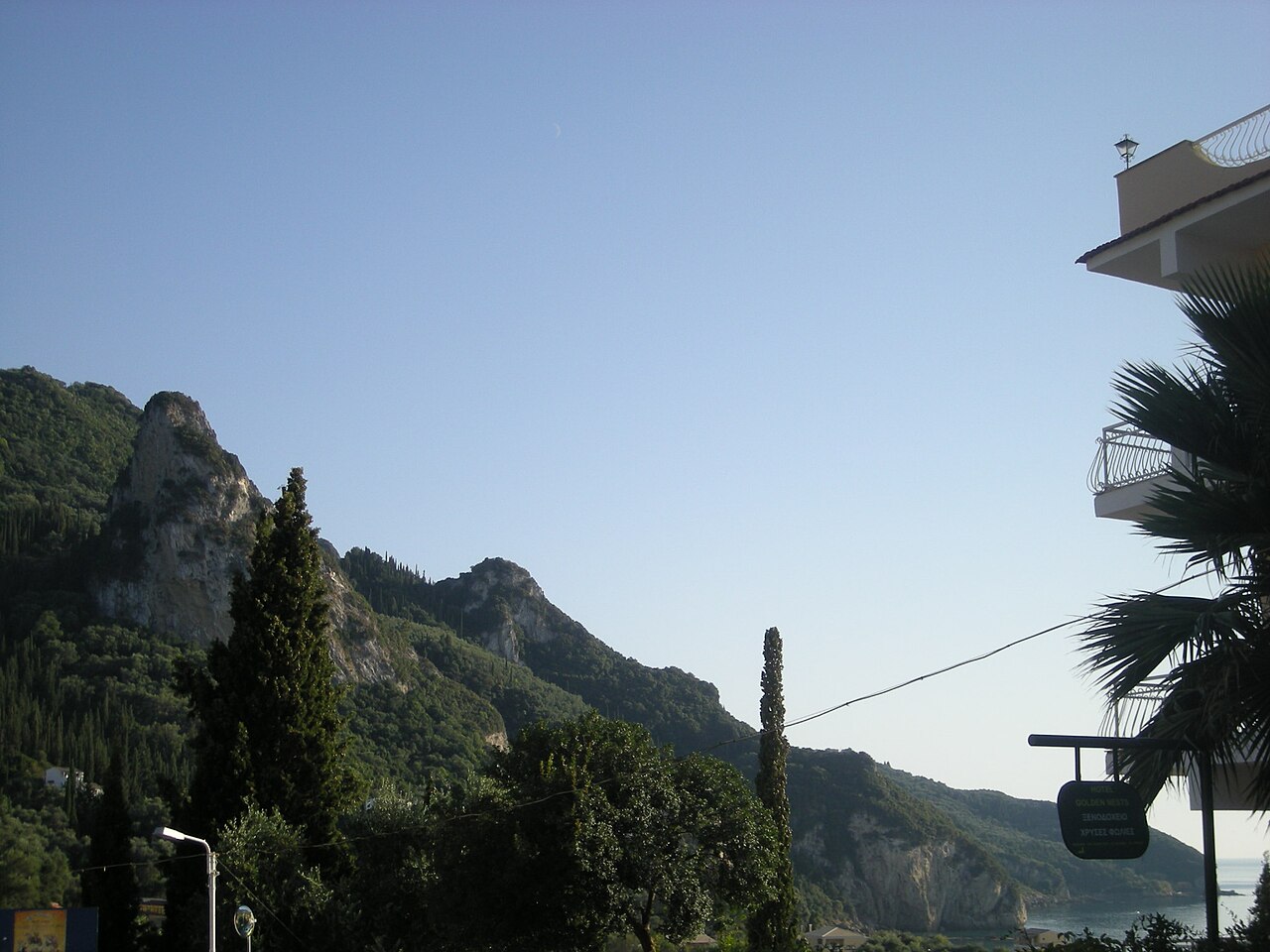
Il monumento più celebre di Ayios Gordhios non è opera dell'uomo, ma della geologia. L'Ortholithi è un imponente faraglione che si erge solitario all'estremità meridionale della baia. Questa formazione rocciosa verticale, citata anche in testi letterari locali, sembra un guardiano millenario posto a protezione del litorale. La sua origine risale a millenni di erosione marina che hanno separato questo blocco dalla terraferma. Per i visitatori, rappresenta un punto di riferimento visivo costante e un soggetto fotografico irresistibile, specialmente quando il sole calante ne illumina le pareti calcaree, facendole virare dal bianco al rosso fuoco. Molti nuotatori esperti e kayakisti si spingono fino alla sua base per ammirare da vicino la potenza della roccia che sfida le correnti del Mar Ionio.
La Chiesa di Agios Gordios
Situata quasi al centro della baia, a pochi passi dalla battigia, la piccola chiesa che dà il nome alla località è un esempio di devozione ortodossa semplice e profonda. Costruita per servire le necessità spirituali dei contadini e dei pescatori che frequentavano la zona, la struttura presenta le caratteristiche tipiche delle chiesette rurali corfiote: linee pulite, intonaco chiaro e un campanile a vela modesto ma elegante. Nonostante le dimensioni ridotte, questo luogo di culto funge da baricentro spirituale per la comunità locale e per i residenti del villaggio di Sinarades che qui celebrano festività legate al calendario bizantino. Entrarvi significa lasciare per un attimo il rumore della spiaggia per immergersi in un'atmosfera di silenzio, profumo d'incenso e icone dorate che raccontano una fede antica e radicata.
Sinarades: il borgo madre sulle alture
A pochi chilometri di distanza, inerpicato sulla collina che sovrasta la baia, si trova Sinarades, uno dei villaggi più autentici e meglio conservati di Corfù. Visitare Ayios Gordhios senza passeggiare per le strette 'kantounia' (vicoli) di Sinarades significherebbe perdere metà dell'esperienza. Il villaggio conserva un'architettura tipicamente veneziana, con archi in pietra, loggiati e facciate color pastello. Qui si trova anche un interessante Museo del Folklore, ospitato in una casa tradizionale, che espone attrezzi agricoli, costumi d'epoca e arredi originali, offrendo uno spaccato prezioso sulla vita quotidiana dei secoli passati. Dal villaggio partono diversi sentieri panoramici che scendono verso il mare, offrendo vedute spettacolari sulla baia sottostante che tolgono il fiato per la loro bellezza selvaggia.
L'Aerostato: il balcone sul Mar Ionio
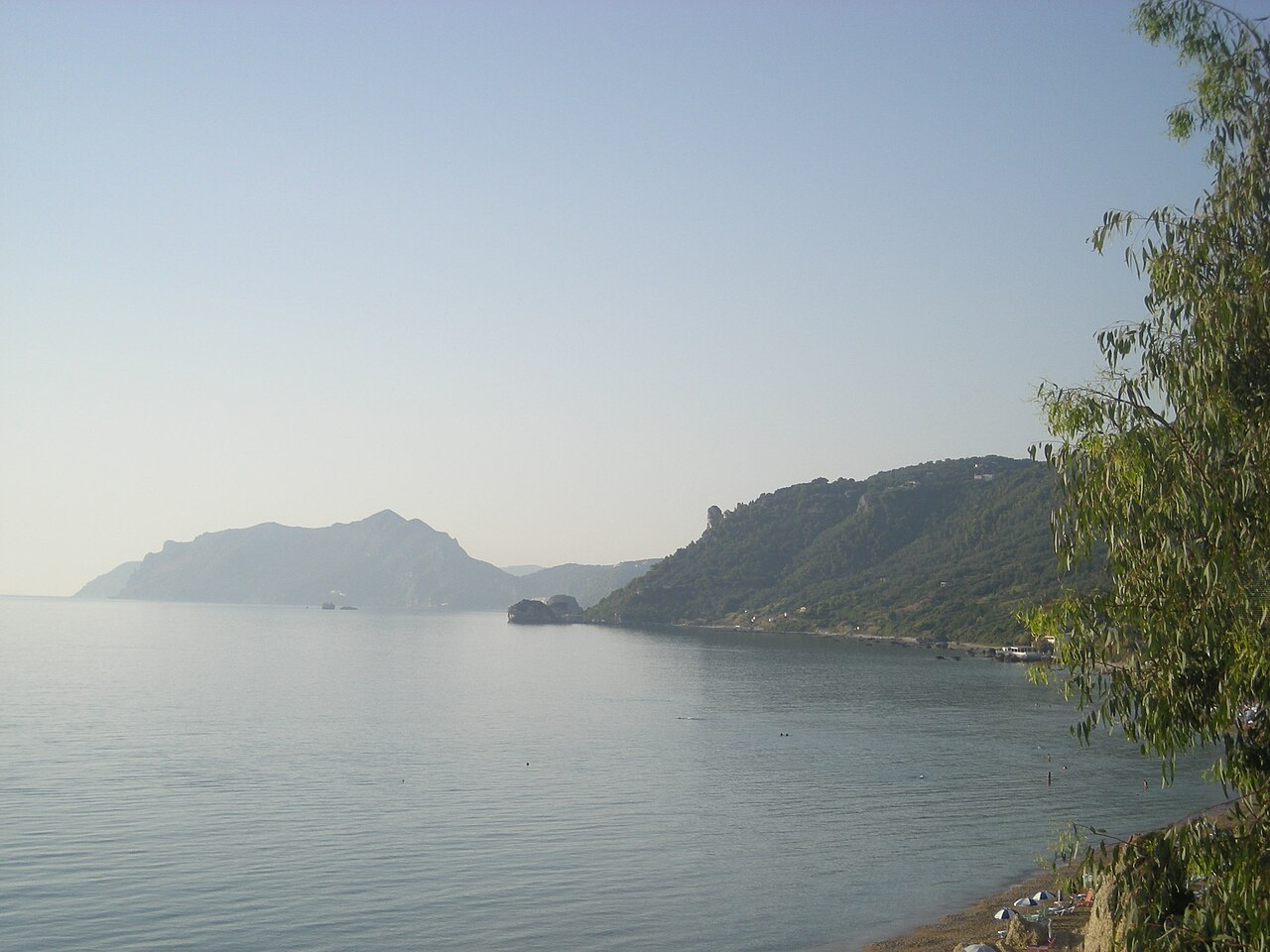
Per chi cerca la vista definitiva su Ayios Gordhios, il punto panoramico noto come 'Aerostato' è una tappa obbligatoria. Situato lungo la strada che collega Sinarades alla costa, questo belvedere offre una prospettiva aerea quasi verticale sulla spiaggia, sul monolito Ortholithi e sull'intera estensione della baia. Il nome evoca la sensazione di trovarsi sospesi in mongolfiera sopra il paesaggio. È il luogo ideale per comprendere la morfologia del territorio: la stretta valle verdeggiante incuneata tra i monti e l'abbraccio delle scogliere che proteggono le acque turchesi. Molti visitatori scelgono di fermarsi qui al tramonto, quando il cielo si tinge di sfumature viola e arancio, creando uno degli spettacoli naturali più emozionanti di tutte le Isole Ionie.
Pentati: l'anima dei pescatori
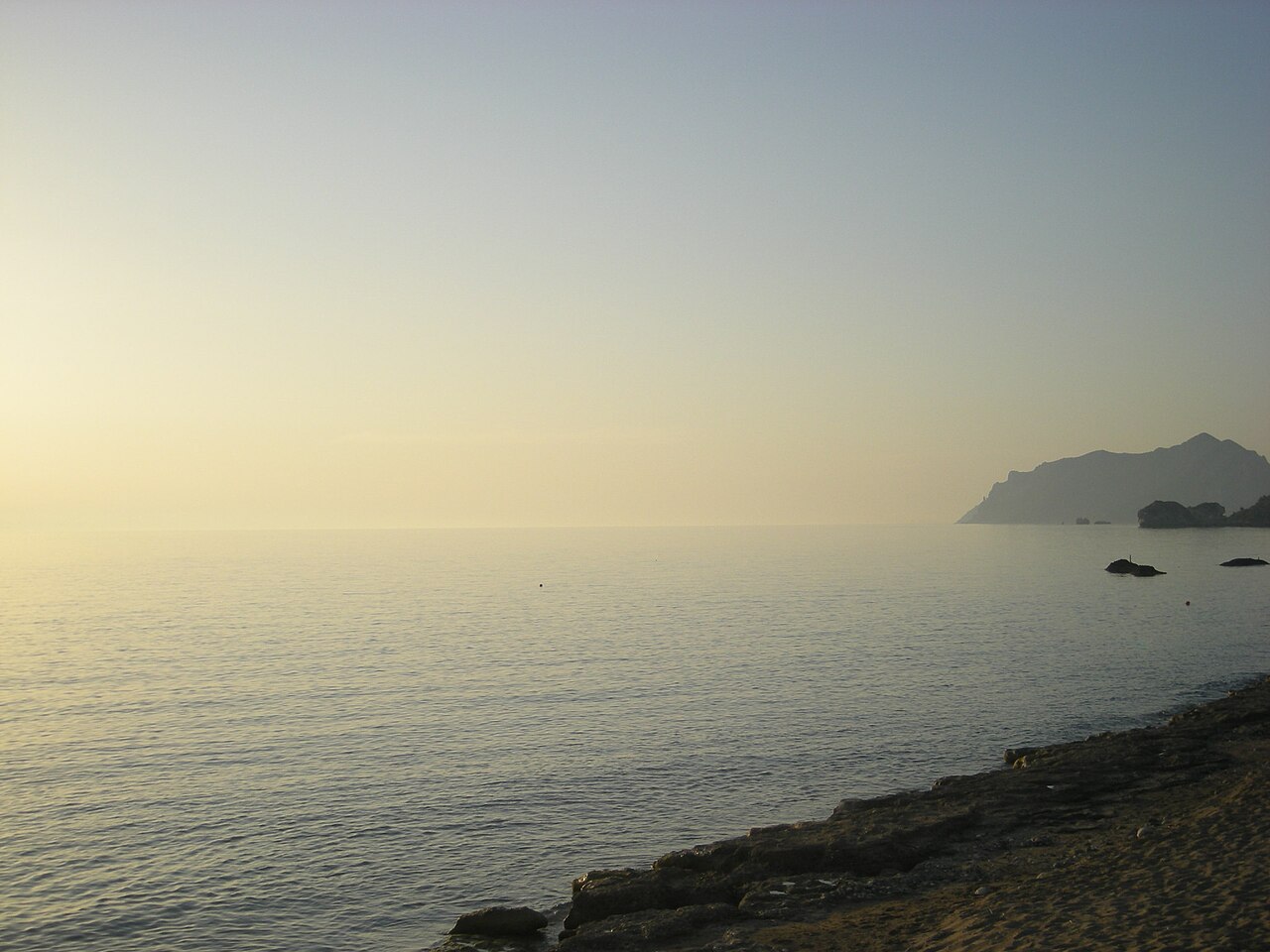
Proseguendo verso sud lungo la costa, si raggiunge Pentati, un piccolo villaggio di pescatori arroccato su un promontorio. Mentre Ayios Gordhios ha abbracciato la modernità turistica, Pentati conserva un ritmo più lento e un carattere marcatamente tradizionale. Le sue taverne sono rinomate per servire il pesce più fresco della zona, pescato quotidianamente nelle acque profonde che caratterizzano questo lato dell'isola. Il borgo offre una vista complementare a quella di Ayios Gordhios, guardando la baia dal lato opposto e permettendo di ammirare l'imponente scogliera del 'Black Rock'. È il luogo perfetto per una cena tranquilla lontano dalla folla, immersi in un'atmosfera che sembra rimasta sospesa nel tempo, tra reti stese ad asciugare e anziani che chiacchierano all'ombra dei pergolati.
La spiaggia e il litorale dorato
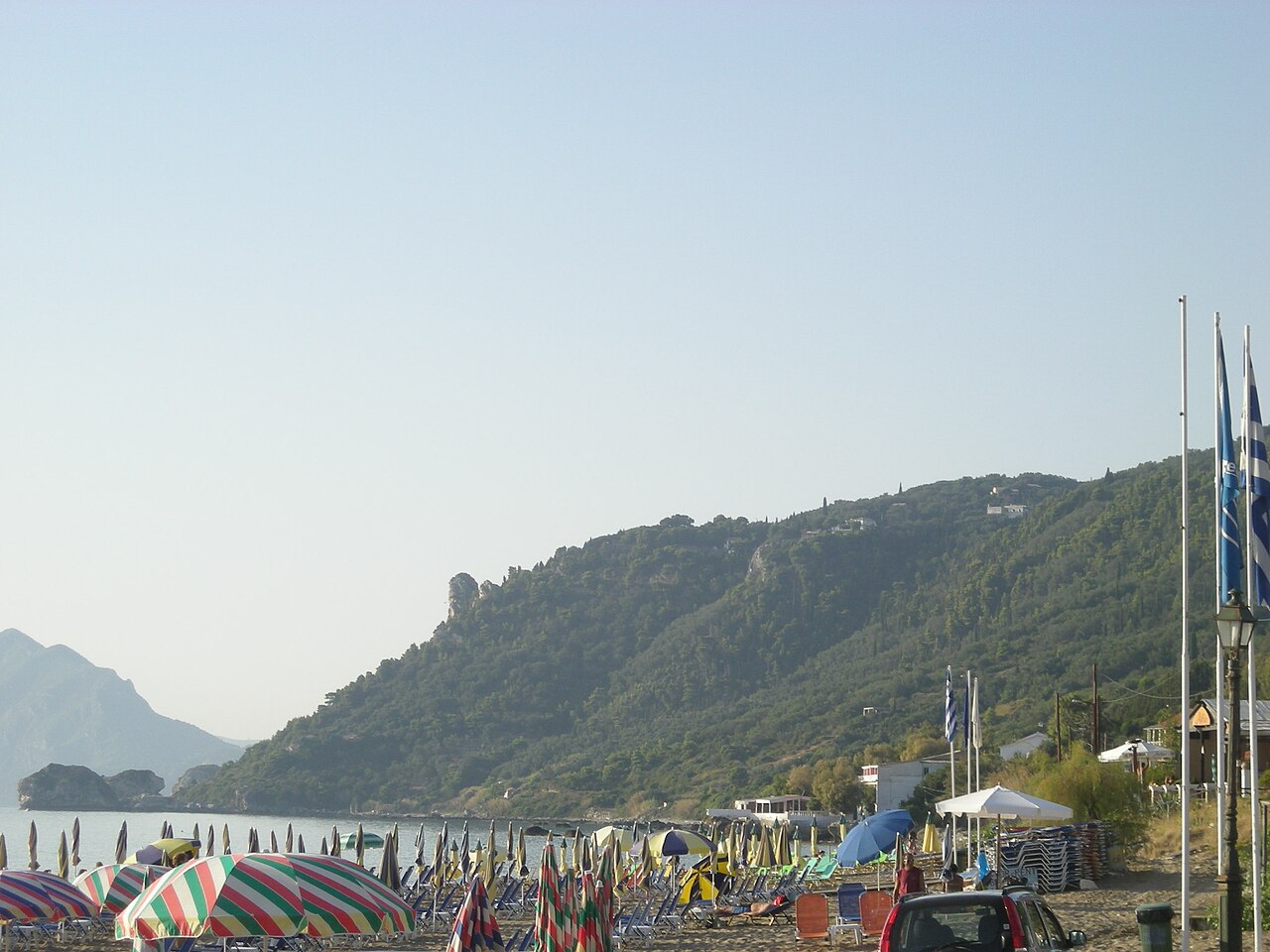
La spiaggia di Ayios Gordhios si estende per circa un chilometro e mezzo, offrendo un mix armonioso di sabbia fine e piccoli ciottoli levigati verso le estremità. La particolarità di questo litorale è la sua ampiezza, che permette di trovare sia zone perfettamente attrezzate con lettini e ombrelloni, sia tratti più selvaggi e solitari, specialmente man mano che ci si avvicina alle scogliere laterali. Le acque sono limpide e rinfrescanti, con un fondale che degrada dolcemente, rendendola adatta anche alle famiglie, sebbene la costa occidentale sia talvolta soggetta a onde più vivaci quando soffia il vento da maestrale. Lungo la riva, una serie di caffè e ristoranti offre la possibilità di gustare un drink o un pasto leggero senza mai distogliere lo sguardo dall'azzurro infinito del mare.
Natura e Paesaggio: tra uliveti e mare
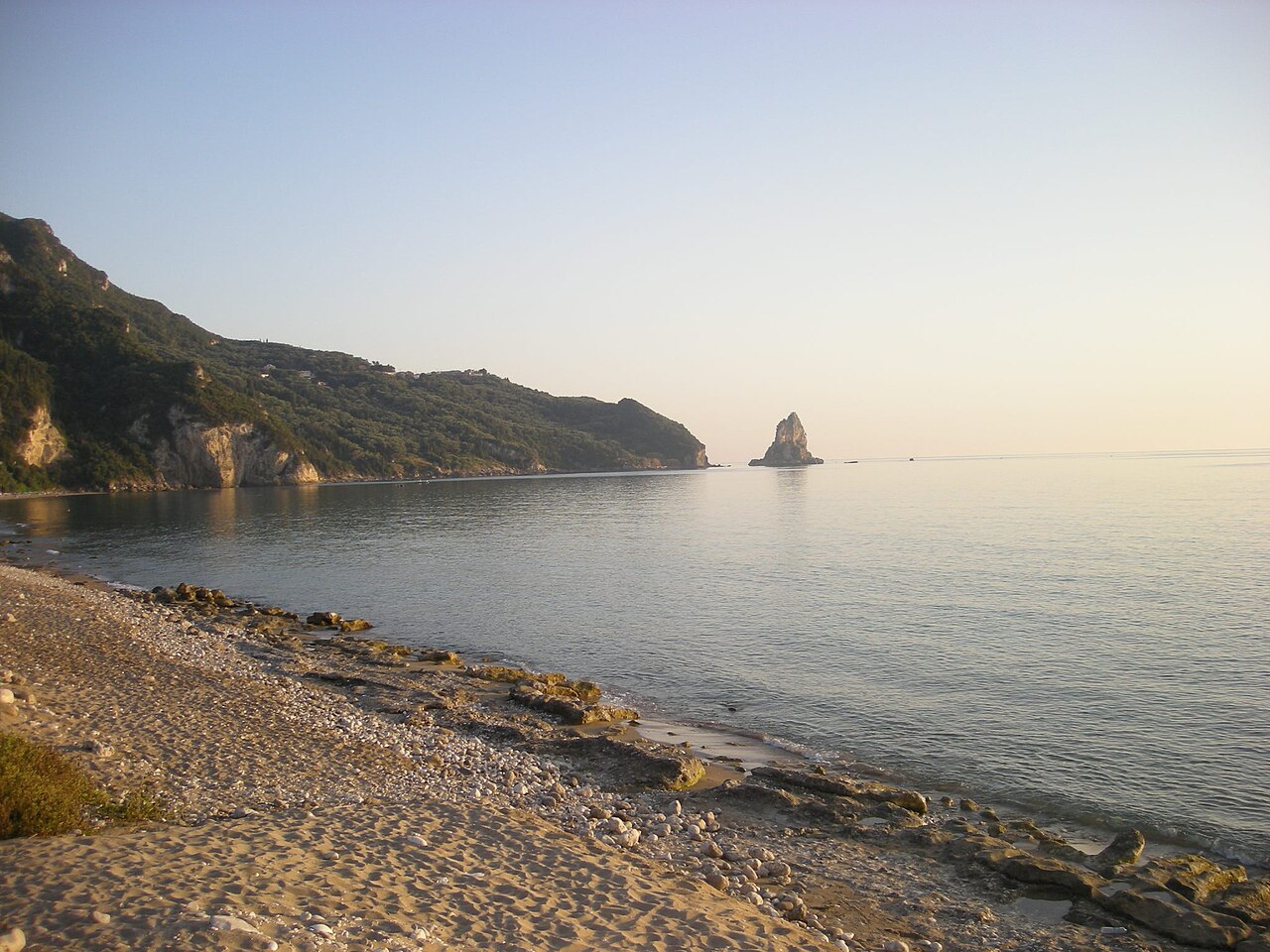
Il paesaggio che circonda Ayios Gordhios è un inno alla biodiversità mediterranea. L'entroterra è dominato da una vegetazione lussureggiante, frutto di un microclima umido che rende Corfù l'isola più verde della Grecia. Gli ulivi secolari, piantati durante i secoli di amministrazione veneziana, creano una volta argentea che copre le colline fino a lambire la sabbia. Tra i tronchi nodosi fioriscono in primavera orchidee selvatiche e ciclamini, mentre l'aria è intrisa del profumo del timo e del rosmarino. Le scogliere che chiudono la baia sono pareti verticali di roccia stratificata, dove nidificano diverse specie di uccelli marini. Questo contrasto cromatico tra il verde scuro dei boschi, il bianco delle rocce e il turchese dell'acqua definisce l'estetica unica di questo angolo di Ionia.
Tradizioni e sapori locali
La cucina ad Ayios Gordhios è un viaggio nei sapori autentici di Corfù, dove l'influenza veneziana si fonde con gli ingredienti della terra greca. Non si può visitare questo luogo senza assaggiare il 'Sofrito', sottili fette di vitello cucinate con aglio, prezzemolo e aceto bianco, o la 'Pastitsada', un ricco stufato di carne servito con pasta grossa e una miscela segreta di spezie chiamata spetseriko. Essendo una zona di produzione olearia, l'olio d'oliva locale è un ingrediente onnipresente e di altissima qualità. Un prodotto tipico unico è il Kumquat, il piccolo agrume cinese introdotto dai britannici, che qui viene trasformato in liquori profumati e marmellate. Nelle taverne del borgo, il pasto si conclude spesso con un bicchierino di questo nettare arancione, simbolo dell'ospitalità dell'isola.
Esperienze da non perdere
- Ammirare il tramonto dall'Aerostato per una vista panoramica indimenticabile.
- Noleggiare un kayak per esplorare le grotte marine e avvicinarsi all'Ortholithi.
- Passeggiare tra i vicoli storici di Sinarades e visitare il Museo del Folklore.
- Percorrere un tratto del Corfu Trail, il sentiero che attraversa l'isola e passa proprio da qui.
- Gustare una cena a base di pesce fresco in una delle taverne panoramiche di Pentati.
- Rilassarsi sulla spiaggia dorata fino a tardi, godendosi la brezza serale.
Quando andare e come vivere il luogo
Il periodo migliore per visitare Ayios Gordhios va da maggio a ottobre. La tarda primavera (maggio e giugno) è ideale per gli amanti della natura e del trekking, grazie alle temperature miti e alla fioritura esplosiva della macchia mediterranea. Luglio e agosto sono i mesi più caldi e vivaci, perfetti per chi cerca una vacanza prettamente balneare, sebbene la località resti meno caotica rispetto ad altri centri dell'isola. Settembre e l'inizio di ottobre offrono acque ancora calde e un'atmosfera più rilassata, ideale per chi desidera assaporare la pace del borgo. Per vivere appieno Ayios Gordhios, il consiglio è di muoversi a piedi tra il mare e le colline, lasciandosi guidare dai profumi e dai colori che cambiano con il passare delle ore.
FAQ
Come sono i parcheggi ad Ayios Gordhios?
La spiaggia è adatta ai bambini?
Quanto dista dalla città di Corfù?
Ci sono supermercati e servizi nel borgo?
È possibile praticare sport acquatici?
Getting there
- Aeroporto Internazionale di Corfù Ioannis Kapodistrias (CFU) - 15 km
- Non presenti sull'isola
- Da Corfù Town, seguire le indicazioni per Sinarades e poi scendere verso la costa seguendo i cartelli per Agios Gordios.
- Utilizzate i 'Green Buses' (linea B10) che collegano regolarmente la capitale con la baia se preferite non noleggiare un'auto.
Perfect for
Perfetto per chi cerca una fuga rigenerante tra il verde degli ulivi e l'azzurro del mare, lontano dai grandi centri urbani.
Un paradiso per i fotografi grazie ai contrasti cromatici dell'Ortholithi e ai tramonti infuocati sulla costa ovest.
Ideale per esplorare le tradizioni greche autentiche visitando i borghi collinari di Sinarades e Pentati.
This season · July · Summer
