

Alepou
Alepou is not merely a name that evokes untamed nature — in Greek it actually means 'fox' — but is one of the most authentic and v...
Updated 8 July 2026
The story
The story of Alepou
A history of border and resilience
The origins of Alepou fade into the folds of the Byzantine period, when Corfu's hinterland served as a safe rear area compared to the coasts exposed to pirate raids. However, it is under the long dominion of the Most Serene Republic of Venice that the area took on its characteristic shape. The Venetians heavily encouraged olive cultivation, turning the surrounding landscape into a silvery forest that still defines the horizon today. Alepou became a strategic hub for the transit of goods towards the city, housing warehouses and small country residences belonging to the local nobility entered in the Golden Book. During the British protectorate and the brief French interludes, the area retained its agricultural vocation, before transforming, over the course of the 20th century, into a dynamic residential suburb, capable of integrating new infrastructure without erasing the architectural traces of its colonial and Mediterranean past.
The Church of Agia Paraskevi

The spiritual and social heart of Alepou is undoubtedly the church dedicated to Agia Paraskevi. This building is not merely a place of worship, but a symbol of local identity. Marked by typically Corfiot architecture, with Baroque influences that betray the long bond with the West, the church stands out for its soaring bell tower and richly decorated interior. Inside, the wooden iconostasis is a masterpiece of carving, enriched with icons that bear witness to the skill of the artists of the Ionian school, capable of blending Byzantine solemnity with Italian Renaissance realism. The patronal feast, celebrated on 26 July, turns the surrounding area into a burst of sound and colour, with the traditional 'panigiri' drawing worshippers and visitors from across the island for folk dances and open-air feasting.
The old manor houses
Exploring Alepou's less-trodden lanes, one may come across the 'archontika', the old manor houses that once belonged to landowning families. These buildings can be recognised by their thick walls of local stone, arched doorways and wrought-iron balconies reminiscent of the Venetian style. Many of these residences are surrounded by walled gardens where citrus trees and bougainvillea grow lush. Although some are in need of restoration, their faded charm tells of an era when rural life was marked by harvests and by the social relations between the urban nobility and the peasantry. Observing these buildings allows one to understand the island's social stratification and the importance that land ownership held in defining local power right up until the last century.
The neighbouring village of Potamos
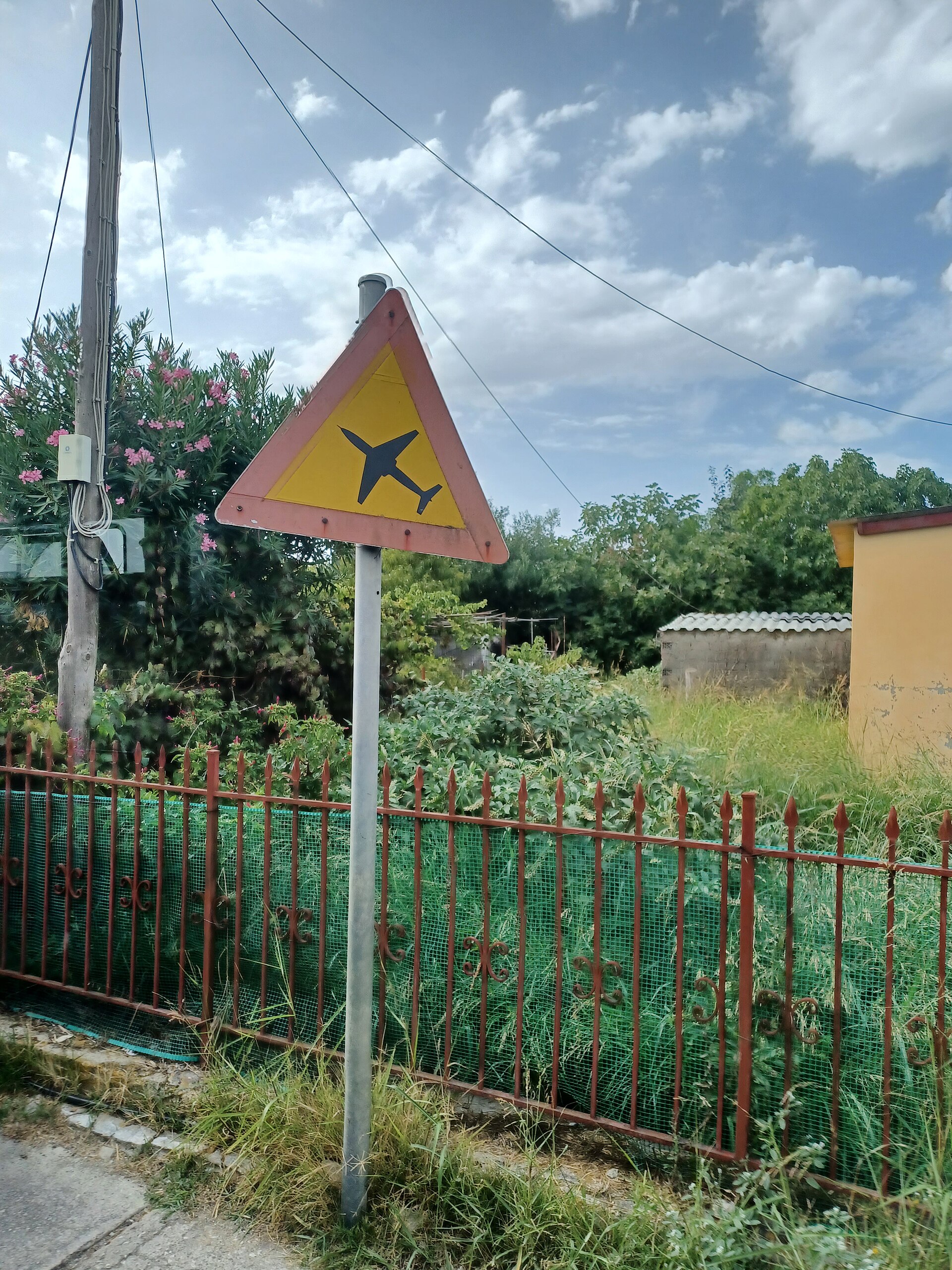
A very short distance from Alepou lies the village of Potamos, often regarded as one and the same with the surrounding area owing to historical and geographical continuity. Potamos, which takes its name from the river running through it, is famous for its Venetian bridge and its pastel-coloured houses overlooking the banks. It is one of the island's oldest settlements and retains an atmosphere of bygone days, with its narrow lanes and small squares shaded by centuries-old plane trees. A walk between Alepou and Potamos offers a perfect cross-section of traditional Corfiot architecture, allowing visitors to admire minor churches and small artisan workshops that hold out against modernity. The proximity of these two centres creates a cultural district where history seems to have come to a halt, offering refuge from the bustle of the nearby city.
The landscape of the centuries-old olive trees
The landscape surrounding Alepou is dominated by the 'Lianolia' olive variety, introduced by the Venetians and marked by gnarled, twisted trunks that resemble natural sculptures. Unlike other regions of Greece, here the trees are not drastically pruned, reaching considerable heights and creating a dense woodland canopy that keeps the ground cool even during the most torrid summers. Walking along the paths that branch off from the village means immersing yourself in a sea of silver and green, broken only by the occasional solitary cypress rising above. This ecosystem is not merely agricultural but hosts a rich biodiversity of wild flora, with wild orchids blooming in spring and birdlife that finds refuge among the ancient boughs, making the area ideal for birdwatching and gentle trekking.
Experiences not to be missed
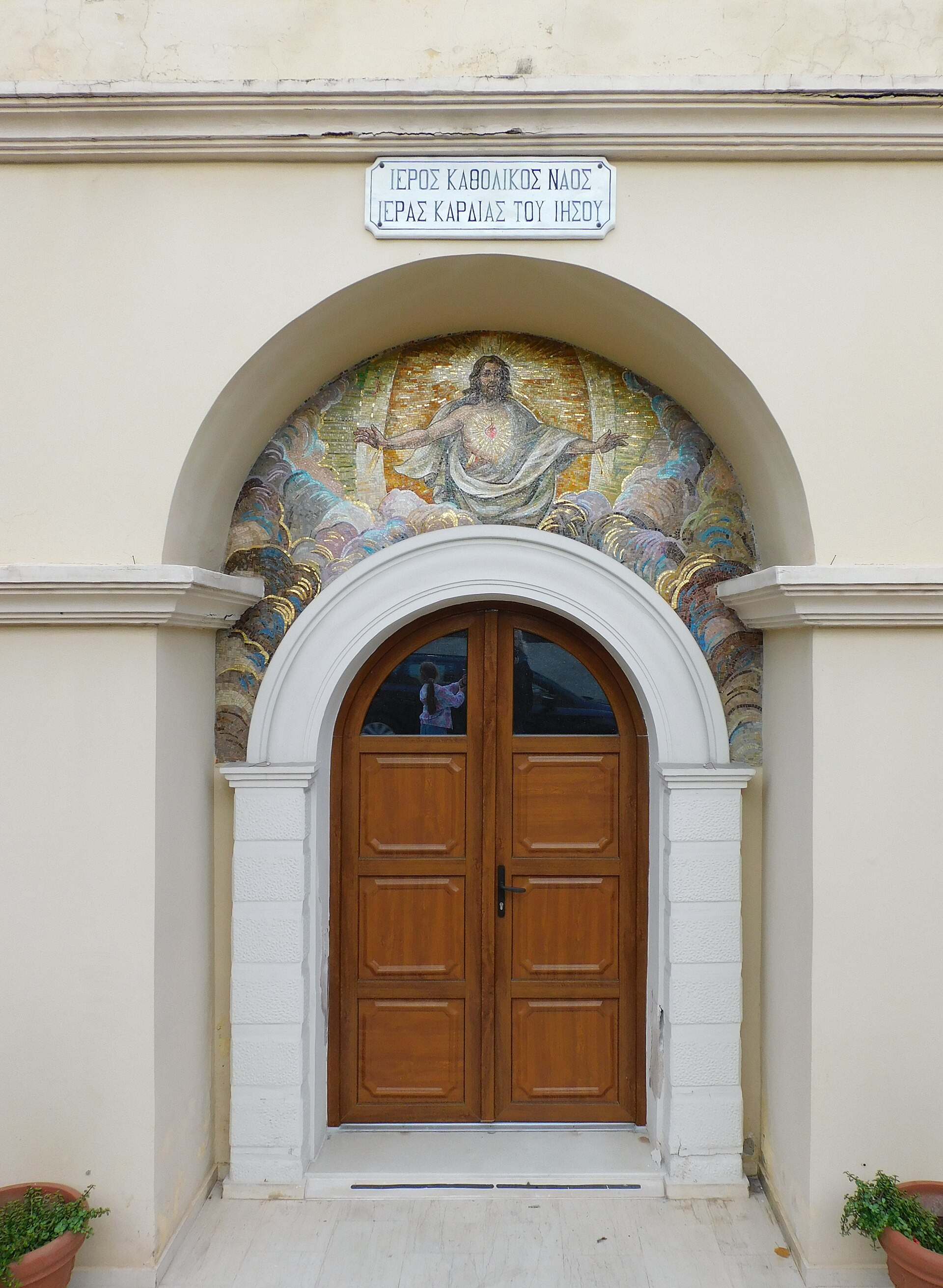
- Take part in the Panigiri of Agia Paraskevi on 26 July to experience authentic Corfiot folklore.
- Explore on foot the paths linking Alepou to Potamos, admiring the Venetian bridge.
- Sample local produce in one of the traditional kafenia along the main street.
- Visit the small artisan workshops nearby that work olive wood.
- Take a sunset walk through the centuries-old olive groves to photograph the sculptural trunks.
- Explore the minor churches scattered across the area, often guardians of forgotten frescoes.
Gastronomic traditions and local flavours
The cuisine of Alepou reflects the richness of the Ionian territory, where Italian influence blends with Greek ingredients. Here one simply must try 'Pastitsada', the quintessential Sunday dish, made of rooster or veal stewed with a mix of spices called 'spetseriko' and served with long pasta. Equally famous is 'Sofrito', thin slices of veal cooked with garlic, parsley and white wine vinegar, a clear legacy of Venetian cuisine. In the village's small eateries, locally produced olive oil is the undisputed star, used raw on salads or to accompany freshly baked bread. There is no shortage of kumquat-based sweets either, the small citrus fruit that has become a symbol of the island, often served in syrup or as a liqueur to fittingly round off a convivial meal.
Daily life and popular culture
To live Alepou is to accept the invitation to slow down. Social life is centred on the cafés, where residents gather to discuss politics or sport over a Greek coffee or an iced frappé. Popular culture is still steeped in superstitions and legends tied to the land, often passed down orally. Music plays a fundamental role: it is not uncommon to hear the notes of a guitar or mandolin drifting from an open window, recalling the tradition of the 'kantades', the Corfiot serenades that blend Italian melodies with Greek lyrics. This human, community-minded dimension makes Alepou a place where the visitor never feels like a stranger, but a guest welcomed with the typical Greek 'philoxenia', that genuine warmth which turns a simple trip into a life experience.
When to go and how to experience the place
The best time to visit Alepou is spring, between April and June, when nature is in full bloom and temperatures are ideal for excursions into the hinterland. September and October also offer splendid days, with the sea still warm and the autumn light setting the colours of the land ablaze. Summer is perfect for those wishing to combine village life with the beaches of the eastern or western coast, both easily reachable. To experience Alepou to the full, it is advisable to stay in one of the local accommodations, often housed in historic buildings, and to get around preferably on foot or by bicycle for local exploration, saving the car only for longer trips to the far ends of the island.
FAQ
Quanto dista Alepou dal centro di Corfù Town?
È facile parcheggiare ad Alepou?
Ci sono spiagge vicine?
Alepou è adatta alle famiglie?
Getting there
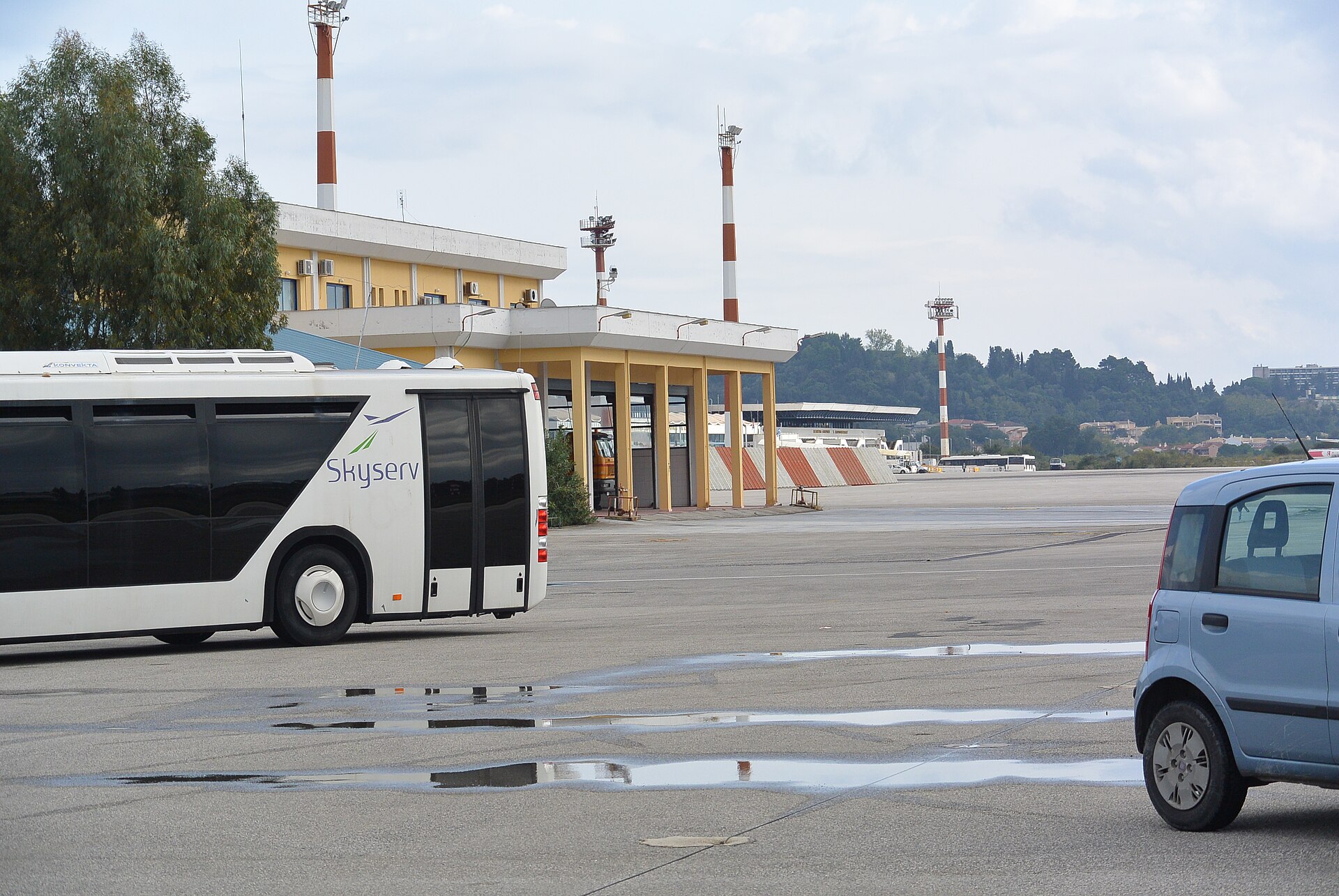
- Aeroporto Internazionale di Corfù (CFU) - 2 km
- Inesistenti sull'isola; utilizzare la rete bus locale Blue Bus (Linea 7 o 11).
- Dalla città di Corfù, seguire le indicazioni per Pelekas o Paleokastritsa; Alepou si trova lungo l'arteria principale in uscita verso ovest.
- Utilizzate i bus blu della città di Kerkyra, sono frequenti ed economici per spostarsi tra Alepou e il porto o l'aeroporto.
Perfect for
Un paradiso per chi cerca le autentiche taverne corfiote con piatti come Pastitsada e Sofrito fuori dai circuiti turistici.
Ideale come base logistica per esplorare sia la città di Corfù che le spiagge della costa occidentale.
Perfetto per vivere l'atmosfera dei villaggi ionici e partecipare a feste religiose sentite come quella di Agia Paraskevi.
To see
