

Akharavi
Adagiata lungo la costa settentrionale dell'isola di Corfù, Akharavi (o Acharavi) si presenta come una delle destinazioni più equi...
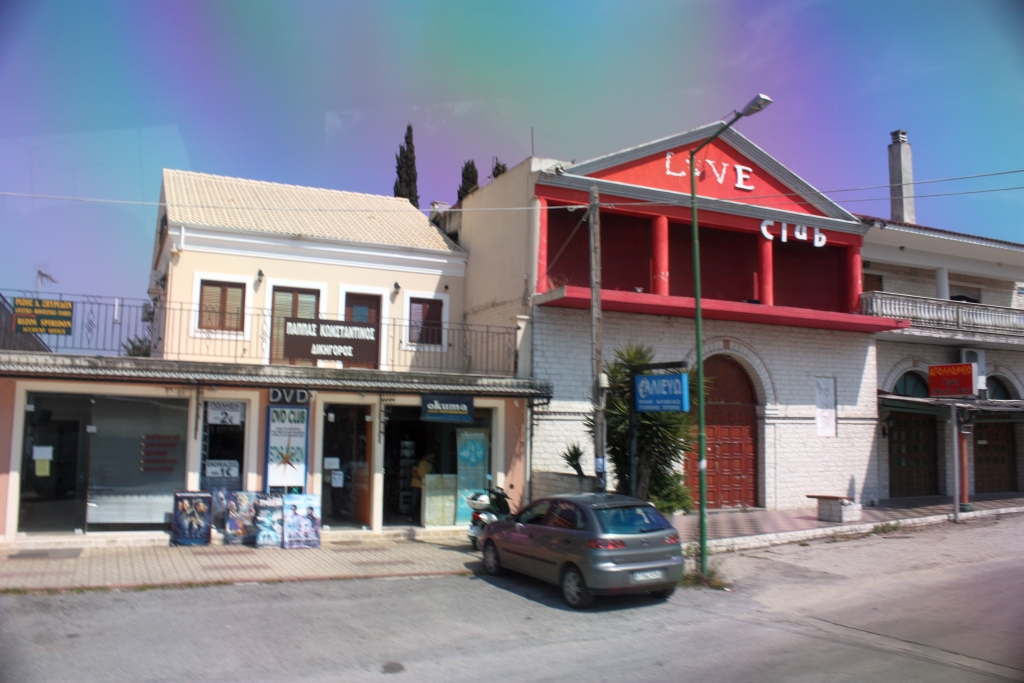
Adagiata lungo la costa settentrionale dell'isola di Corfù, Akharavi (o Acharavi) si presenta come una delle destinazioni più equilibrate e affascinanti dell'arcipelago ionico. Lontana dalla frenesia talvolta eccessiva della capitale, questa località ha saputo conservare un'anima duplice: da un lato, un moderno centro turistico dotato di ogni comfort; dall'altro, un borgo che affonda le radici in una storia millenaria e in una natura rigogliosa. Qui, lo sguardo spazia tra le acque cristalline del Mar Ionio, che in questo tratto digradano dolcemente in sfumature turchesi, e l'imponente profilo del Monte Pantokrator, che protegge l'abitato alle spalle con i suoi pendii argentati di ulivi secolari. Akharavi non è solo una stazione balneare, ma un punto di osservazione privilegiato sulla cultura greca, dove il ritmo della giornata è ancora scandito dalla cortesia degli abitanti e dai profumi della cucina tradizionale che si levano dalle taverne. La sua particolare conformazione pianeggiante, una rarità nella montuosa Corfù, la rende perfetta per essere esplorata a piedi o in bicicletta, offrendo scorci che vanno dalle vestigia romane alle lagune protette, fino a una delle spiagge più lunghe e suggestive dell'intera isola. Visitare Akharavi significa immergersi in un paesaggio dove il verde della macchia mediterranea si fonde con l'azzurro del cielo, in un'atmosfera di sospesa serenità che invita al riposo e alla scoperta consapevole.
Le radici storiche: dal mito di Ivi alla conquista romana
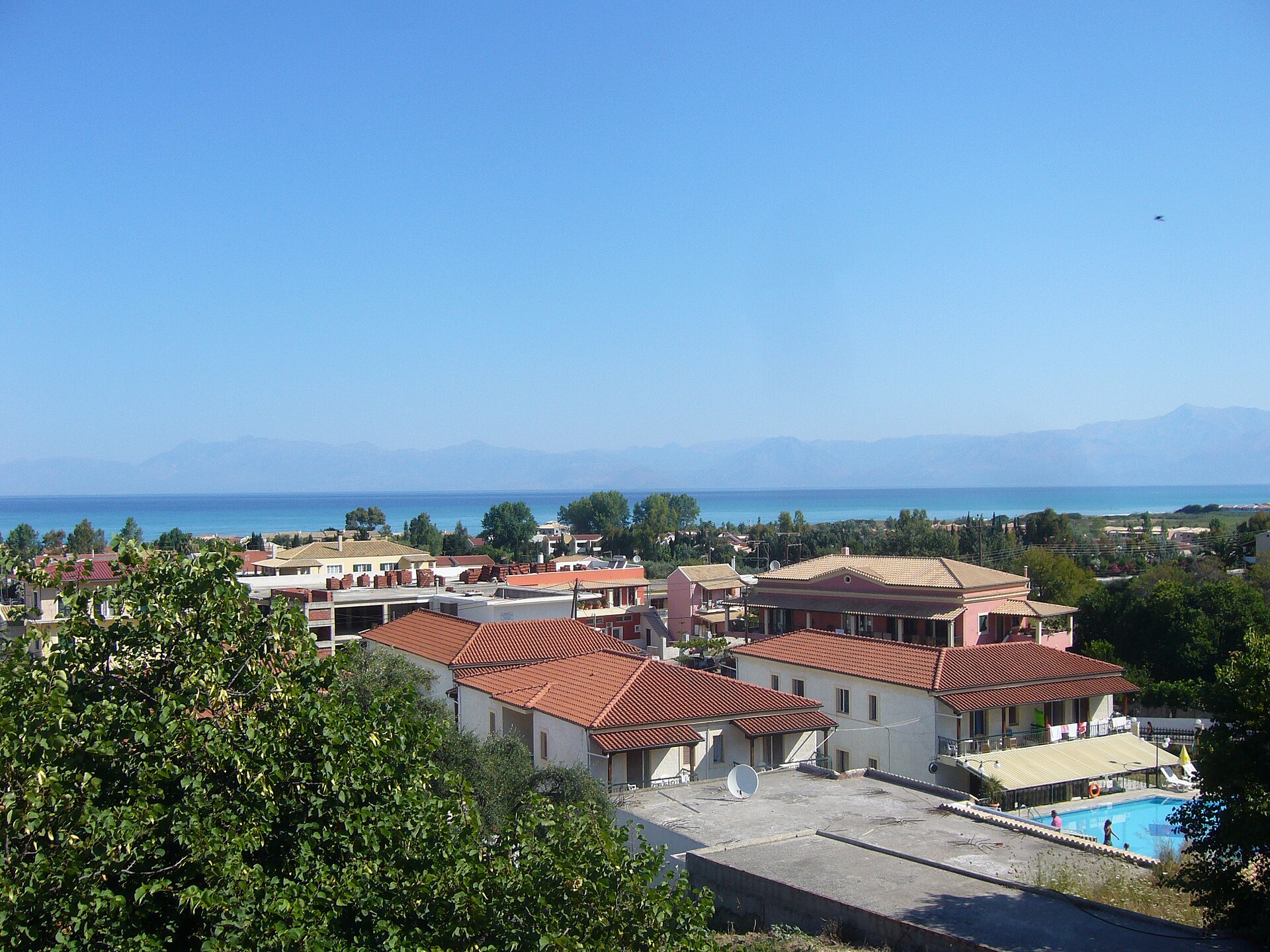
La storia di Akharavi è intessuta di leggende che risalgono all'antichità classica. Si narra che originariamente l'insediamento si chiamasse 'Ivi', in onore della dea della giovinezza, per via della vitalità e della bellezza dei suoi giovani abitanti. Tuttavia, il destino del luogo mutò drasticamente nel 32 a.C., quando le truppe romane di Ottaviano, durante le campagne militari nell'area, distrussero l'abitato e compirono un massacro della popolazione locale. Da quel tragico evento, il nome mutò in 'Acharavi', che letteralmente significa 'giovinezza senza gioia' o 'priva di grazia', a perenne memoria del lutto subito. Nel corso dei secoli, come il resto di Corfù, la zona ha vissuto l'influenza bizantina e soprattutto quella veneziana, che ha lasciato un'impronta indelebile nell'architettura rurale e nella coltivazione sistematica degli ulivi, trasformando il paesaggio circostante in una distesa argentea che ancora oggi caratterizza l'entroterra.
Le Terme Romane: un tesoro nascosto tra le case
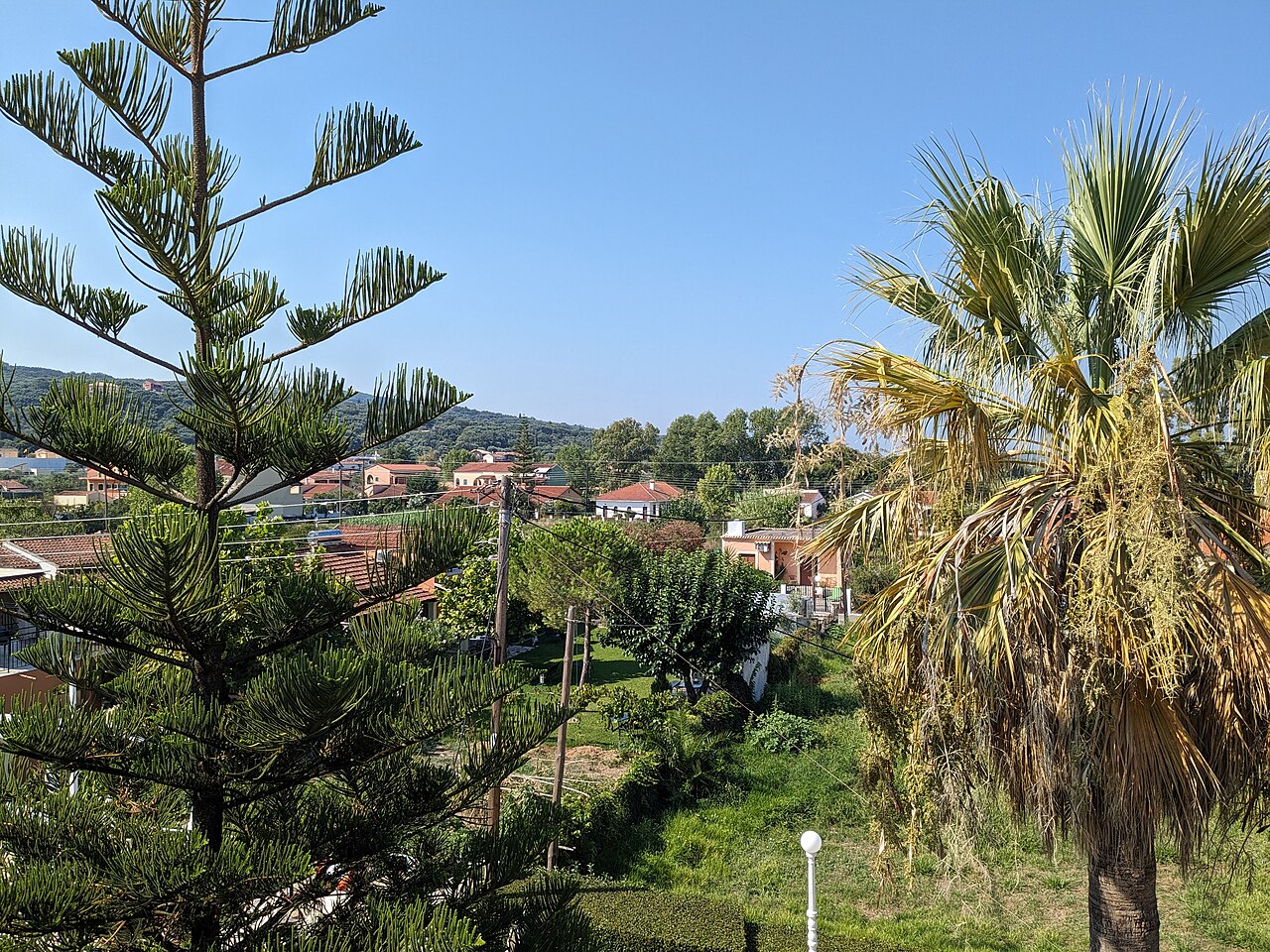
Proprio a testimonianza del passato imperiale, nel cuore del centro abitato e a breve distanza dalla spiaggia, si trovano i resti di antiche Terme Romane. Portate alla luce casualmente durante i lavori di scavo per la costruzione di alcune abitazioni private, queste vestigia risalgono al III secolo d.C. e rappresentano uno dei siti archeologici più significativi del nord dell'isola. È possibile osservare le fondamenta delle sale termali, i sistemi di riscaldamento a ipocausto e porzioni di condutture idriche. Sebbene il sito sia di dimensioni contenute, la sua collocazione tra gli edifici moderni crea un contrasto suggestivo che ricorda quanto profonda sia la stratificazione storica di Akharavi. È un luogo che invita alla riflessione sulla continuità della vita quotidiana attraverso i millenni, in un'area che un tempo era un vivace centro di scambi e benessere.
Il Museo del Folklore: custode dell'identità corfiota
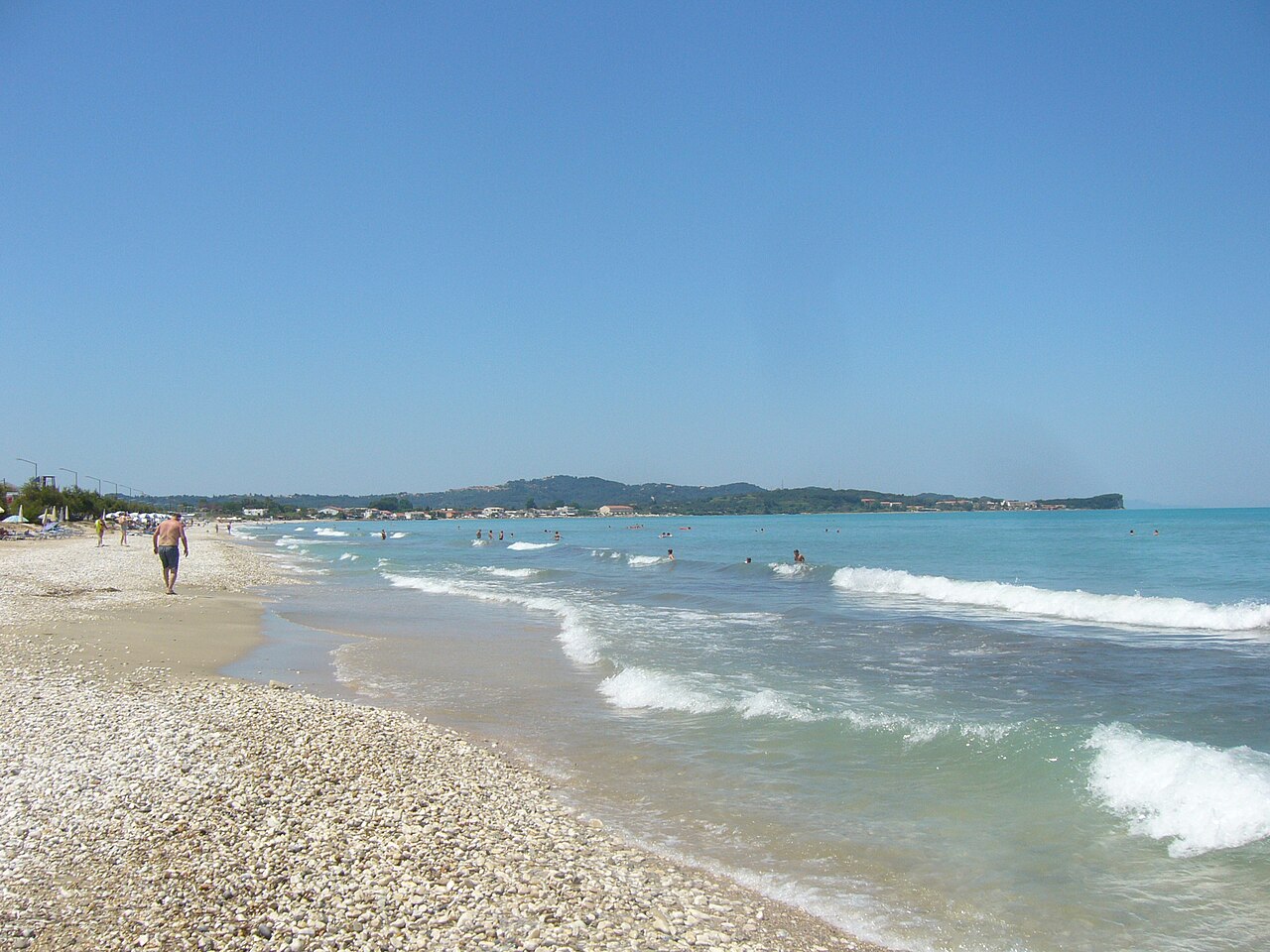
Per chi desidera comprendere l'anima autentica della regione, il Museo del Folklore di Akharavi è una tappa imprescindibile. Situato in un edificio moderno ma costruito con criteri tradizionali di fronte alla chiesa principale, il museo ospita la vasta collezione privata di Mr. Psarakis. Al suo interno è ricostruita la vita rurale di Corfù degli ultimi tre secoli attraverso oggetti di uso quotidiano, attrezzi agricoli, telai, costumi d'epoca e persino una ricostruzione fedele di una tipica camera da letto padronale. Ogni reperto racconta la fatica e la maestria degli artigiani locali, il legame indissolubile con la terra e la devozione religiosa. La cura con cui sono esposti i manufatti permette di fare un salto nel tempo, scoprendo come si produceva l'olio d'oliva o come venivano tessuti i preziosi ricami che ornavano le vesti delle feste, rendendo omaggio a una cultura contadina di rara dignità.
La spiaggia di Akharavi: un orizzonte senza fine
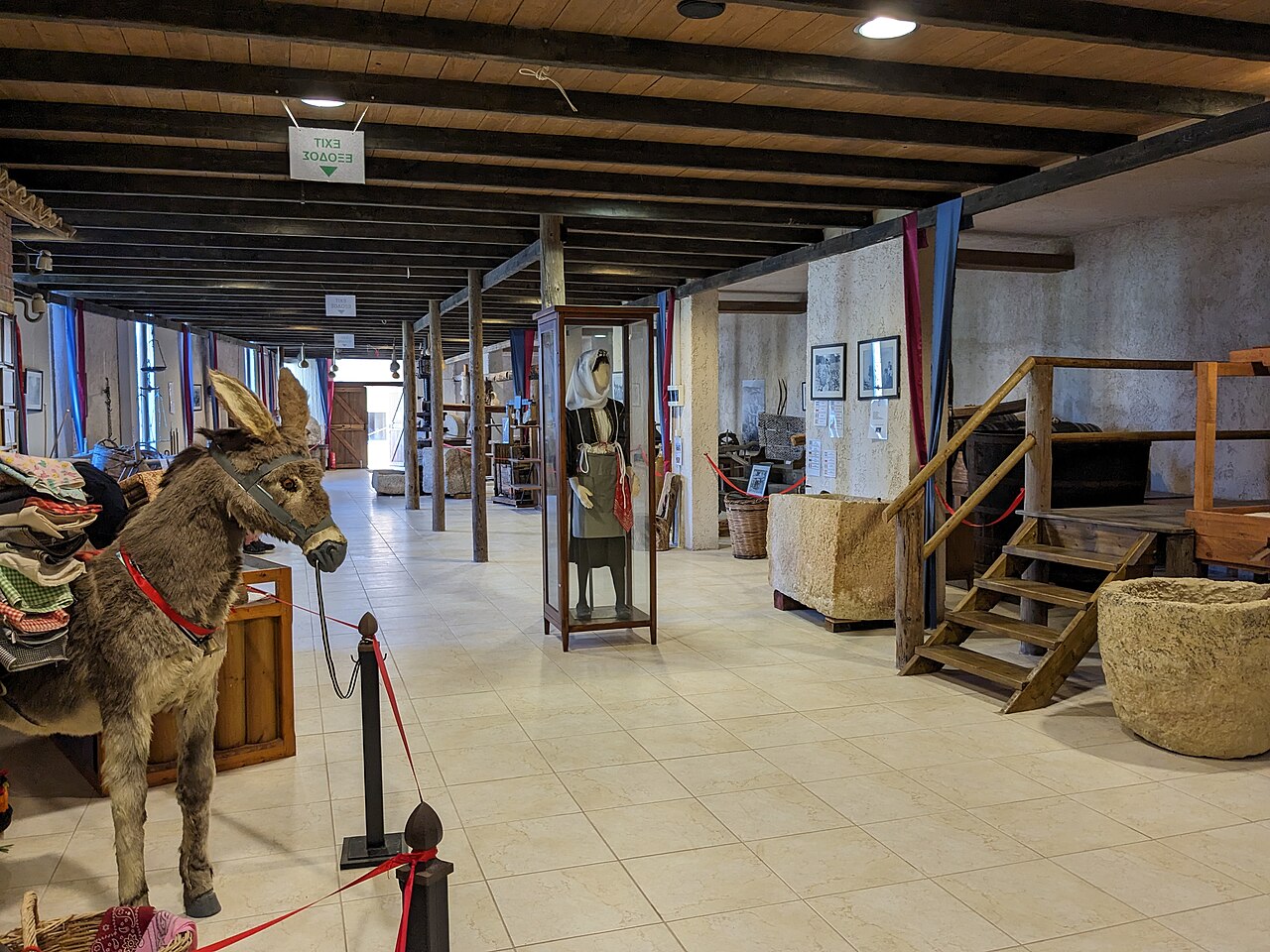
Il vero orgoglio naturale della località è la sua spiaggia, una distesa di sabbia mista a piccoli ciottoli che si estende per oltre sette chilometri, congiungendosi con i litorali di Roda e Almyros. Ciò che rende speciale questo tratto di costa è la bassa profondità delle sue acque: per decine di metri il fondale rimane poco profondo, rendendolo un paradiso sicuro per le famiglie con bambini e un luogo ideale per lunghe passeggiate rigeneranti con i piedi in acqua. Esposta a nord, la spiaggia offre tramonti spettacolari, quando il sole scompare lentamente dietro il promontorio di Kassiopi o verso le isole Diapontie all'orizzonte. Nonostante la presenza di stabilimenti attrezzati, ampi tratti rimangono selvaggi e silenziosi, permettendo di trovare sempre un angolo di pace anche nei mesi di alta stagione.
La Laguna di Antinioti e la natura incontaminata
A pochi chilometri a est di Akharavi si estende la Laguna di Antinioti, un ecosistema protetto di straordinaria importanza naturalistica. Questa zona umida è un santuario per la biodiversità, ospitando numerose specie di uccelli migratori, rare orchidee selvatiche e la timida lontra europea. Camminare lungo i sentieri che costeggiano la laguna significa immergersi in un paesaggio sospeso tra acqua dolce e salata, dove la vegetazione palustre si mescola alle tamerici. È un luogo magico, citato anche dallo scrittore Gerald Durrell nei suoi racconti sull'isola, dove il silenzio è interrotto solo dal fruscio delle canne e dal canto degli aironi. La laguna rappresenta il volto più segreto e selvaggio del nord di Corfù, una meta ideale per gli amanti del birdwatching e della fotografia naturalistica.
Esperienze da non perdere ad Akharavi
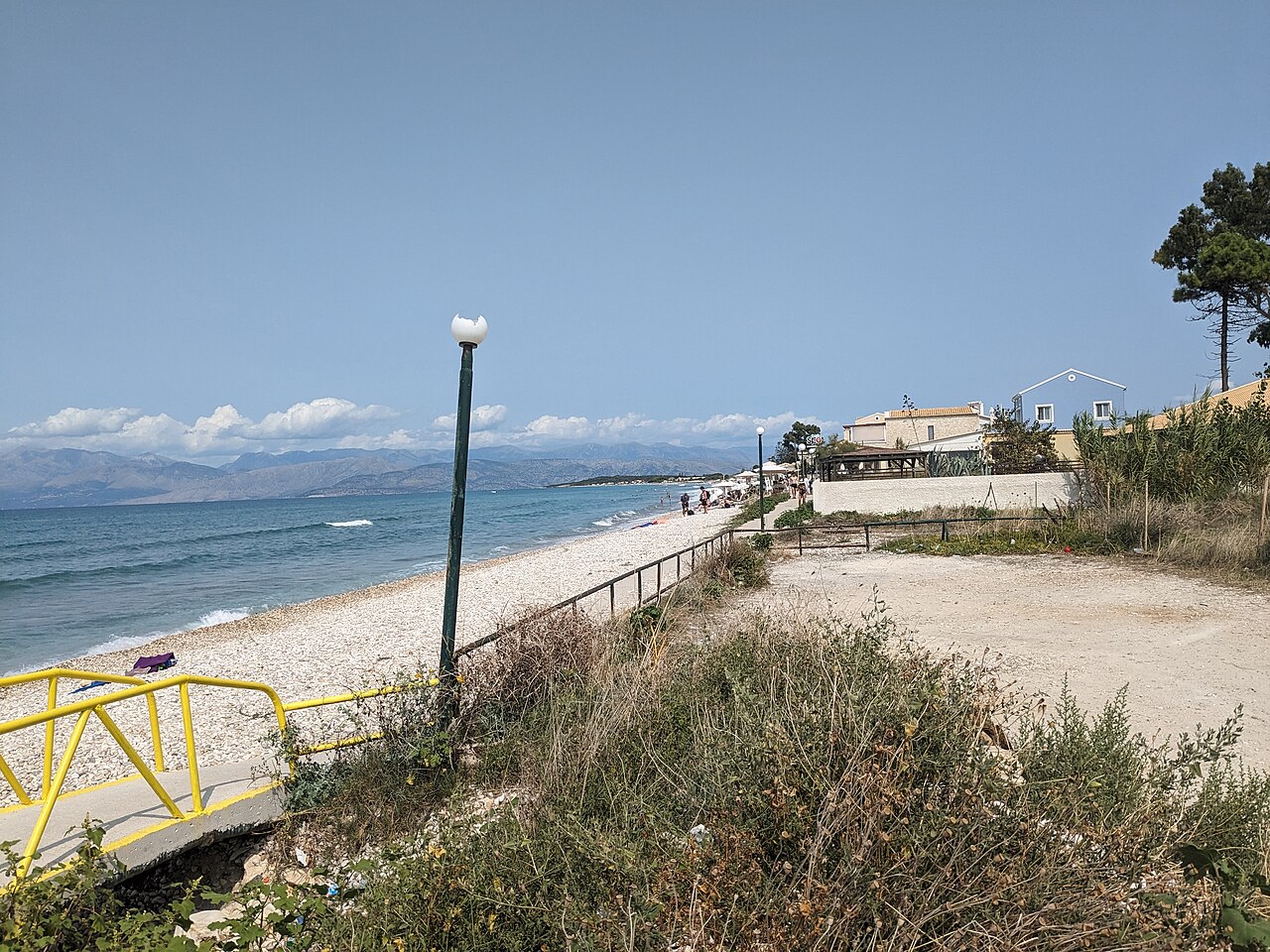
- Passeggiare al tramonto lungo la battigia infinita che collega Akharavi ad Almyros.
- Esplorare in bicicletta i sentieri pianeggianti che si inoltrano tra gli uliveti secolari dell'entroterra.
- Gustare un piatto di Sofrito o Pastitsada in una delle taverne tradizionali del centro storico.
- Raggiungere il vicino villaggio abbandonato di Perithia, ai piedi del Monte Pantokrator.
- Partecipare a un'escursione in barca verso le grotte marine e le calette nascoste della costa nord-est.
- Visitare il mercato locale per acquistare il miele di timo e i liquori al Kumquat prodotti nella zona.
Tradizioni gastronomiche e sapori del territorio
La cucina di Akharavi riflette l'eredità cosmopolita di Corfù, dove i sapori mediterranei si fondono con le influenze veneziane. Nelle taverne locali non può mancare il 'Sofrito', sottili fette di vitello cucinate con aceto, aglio e prezzemolo, o la 'Pastitsada', un ricco stufato di carne servito con pasta lunga. Il territorio circostante è generoso: l'olio d'oliva prodotto qui è rinomato per la sua delicatezza, così come il miele raccolto sulle pendici del Pantokrator. Un prodotto simbolo è il Kumquat, il piccolo agrume cinese che ha trovato a Corfù il suo habitat ideale e che viene trasformato in profumati liquori e marmellate. Cenare ad Akharavi significa riscoprire il piacere della convivialità, magari accompagnando i piatti con un bicchiere di vino bianco locale, mentre la brezza marina rinfresca le calde serate estive.
Dintorni e borghi collinari
Alle spalle di Akharavi, il paesaggio si fa collinare e rivela borghi dove il tempo sembra essersi fermato. Salendo verso le pendici del Monte Pantokrator si incontrano villaggi come Episkepsis e Loutses, caratterizzati da case in pietra e piazzette ombreggiate da platani secolari. Da qui la vista sulla costa e sull'opposta riva albanese è mozzafiato. Poco distante si trova anche l'antico borgo di Perithia, un tempo abbandonato e oggi parzialmente recuperato, che offre uno spaccato unico dell'architettura veneziana di montagna. Questi dintorni rappresentano il complemento perfetto alla vita di mare, offrendo percorsi per il trekking e la possibilità di scoprire una Corfù più rurale e autentica, lontana dai circuiti del turismo di massa.
Quando andare e come vivere il luogo
Il periodo migliore per visitare Akharavi va da maggio a ottobre. La tarda primavera (maggio e giugno) è l'ideale per chi ama la natura in fiore e le temperature miti, perfette per le escursioni a piedi. I mesi di luglio e agosto sono i più caldi e vivaci, ideali per la vita da spiaggia, sebbene la vastità del litorale garantisca sempre uno spazio vitale confortevole. Settembre e l'inizio di ottobre regalano acque ancora calde e un'atmosfera più rilassata, con colori dorati che rendono i tramonti ancora più intensi. Akharavi si vive con lentezza: è una destinazione che premia chi decide di fermarsi per più giorni, usandola come base per esplorare tutto il nord dell'isola, ma godendo ogni sera del ritorno in un luogo accogliente e familiare.
FAQ
La spiaggia di Akharavi è adatta ai bambini?
C'è facilità di parcheggio in zona?
È necessario noleggiare un'auto?
Quanto dista Akharavi dalla città di Corfù?
Getting there
- Aeroporto Internazionale di Corfù 'Ioannis Kapodistrias' (CFU) - 38 km
- Non sono presenti linee ferroviarie sull'isola di Corfù.
- Da Corfù città, seguire la strada principale verso nord in direzione Paleokastritsa e poi svoltare verso nord-est seguendo le indicazioni per Sidari e Acharavi.
- Utilizzate i Green Buses (linea A3) che collegano regolarmente la capitale con Akharavi; il viaggio è panoramico ed economico.
Perfect for
Sicurezza delle acque basse e ampi spazi sabbiosi rendono la località una delle migliori per chi viaggia con bambini.
Tra la Laguna di Antinioti e i sentieri del Monte Pantokrator, è un paradiso per escursionisti e amanti del paesaggio.
L'atmosfera è tranquilla e meno caotica rispetto al sud, ideale per una vacanza rigenerante lontano dal rumore.
This season · July · Summer
