Stalidha
A row of whitewashed stone windmills, their sails long gone, lines the seafront of Stalida like an architectural nursery rhyme: th...
Updated 8 July 2026
This season · July · Summer
What to do in Stalidha now
The story
The story of Stalidha
Origins and history of a fishing and shepherding village
Before becoming one of the most popular seaside destinations on Crete's north coast, Stalida was a small farming and herding settlement belonging to the larger hilltop village of Mochos, on which it depended administratively until relatively recent times. The sheltered shoreline, with easy access to the sea, was used as a seasonal stopping point for livestock and as a small fishing anchorage: hence, according to the most widely accepted theory, the place name 'stalos', which indicated precisely a resting place or a sheepfold. Under Venetian and later Ottoman rule, the area remained marginal compared with the island's fortified centres, though its position along the coastal route linking Malia to Chersonissos still made it a point of passage. The turning point came with mass tourism in the 1970s and 1980s, when the first family-run guesthouses began to spring up along the beach, gradually transforming a farming hamlet into an organised seaside resort.
The windmills of the seafront
Stalida's most photographed symbol is the row of old stone windmills lined up along the promenade that runs beside the main beach. Presumably built between the 19th and 20th centuries to grind grain grown inland, they lost their original sails long ago but retain intact their conical dry-stone structure, now whitewashed and well maintained by the local community. At sunset, when the low light sets the white stone aglow and the sea takes on rosy hues, this spot becomes the natural gathering place for an evening stroll: cafés, taverns and small souvenir shops line just this stretch, making it the true social heart of the village, a meeting point for residents and visitors alike during the cooler hours of the day.
The Minoan palace of Malia
A few kilometres east of Stalida stands one of the most important archaeological sites in all of Crete: the Minoan palace of Malia, third in size after Knossos and Phaistos, brought to light from 1915 onwards by French archaeologists and still under excavation. Dating from around 1900 BC in its first phase and rebuilt after an earthquake around 1700 BC, the complex preserves storerooms with huge terracotta jars (pithoi), the central courtyard, the throne rooms and the famous 'Kernos', a circular perforated stone perhaps used for ritual offerings. Unlike Knossos, the site of Malia was not rebuilt in reinforced concrete as Arthur Evans did, which makes it more authentic and easier to read for anyone who wants to truly understand the layout of a Minoan palace. A visit pairs well with a morning outing, leaving the afternoon free for the sea.
The beach and the coastline
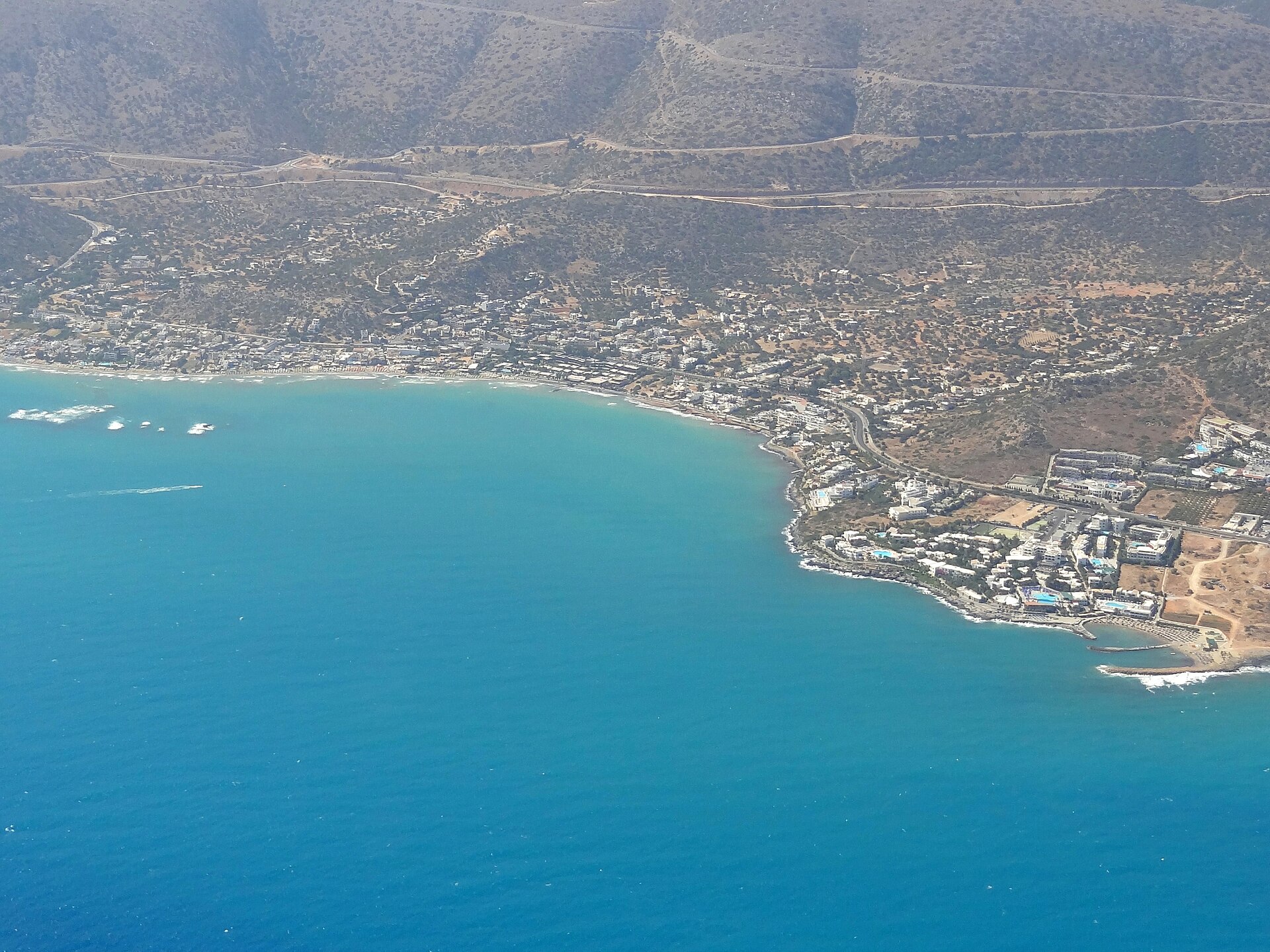
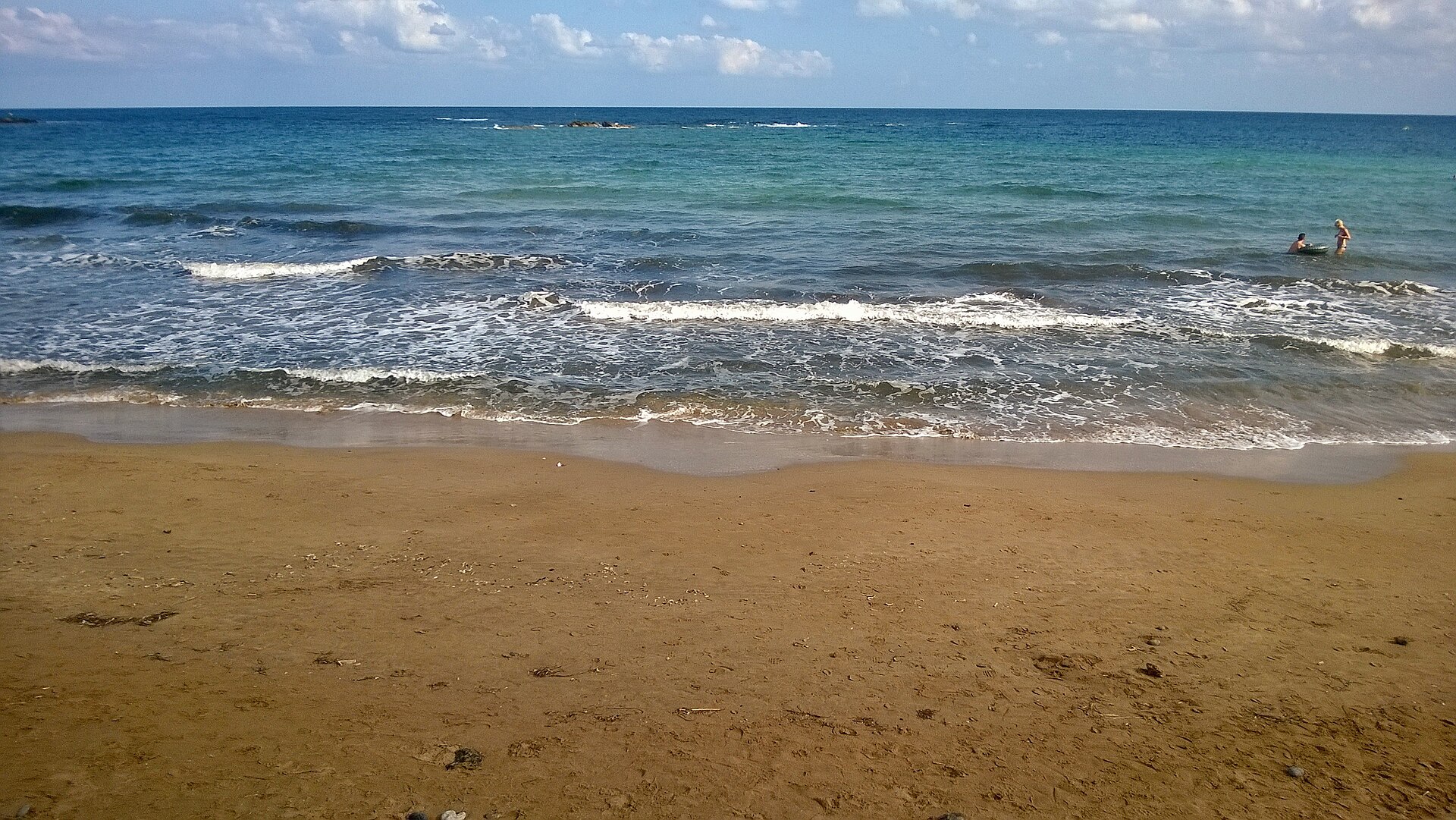
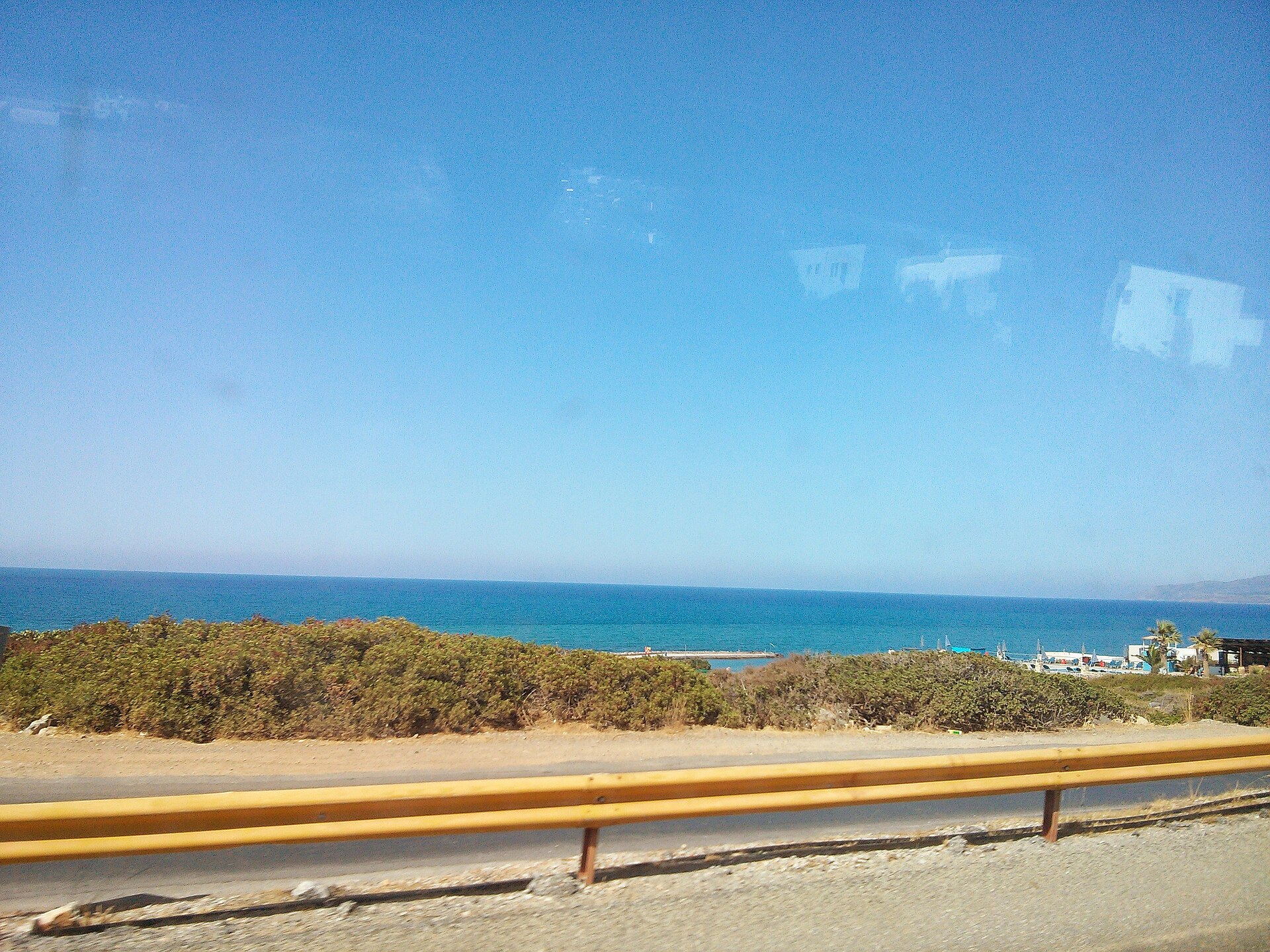
Stalida's beach stretches for about a kilometre and a half of fine golden sand, with a seabed that slopes very gradually — a feature that makes it particularly suited to families with young children, unlike some steeper stretches of the island's north coast. The Blue Flag, awarded several times over the years, certifies the quality of the water and facilities. The shoreline is equipped with sunbeds and umbrellas managed by the establishments overlooking the seafront, though free stretches remain for those who prefer to bring their own towel. To the west the beach blends almost seamlessly into that of Chersonissos, while to the east a short, rockier stretch marks the passage towards Malia, where the water becomes slightly deeper and popular with snorkellers.
The hinterland and the village of Mochos
Anyone heading inland from the coast leaves the beach umbrellas behind within a few kilometres, finding themselves among vineyards, olive groves and the first slopes of the Lasithi plateau. Mochos, the village on which Stalida once depended, still preserves the atmosphere of a Cretan farming community, with squares shaded by plane trees, kafenia where card games are played in the early afternoon, and small family-run wineries. It is the perfect counterpoint to the liveliness of the coast: an hour's walk along the paths linking the two settlements, or just a few minutes by car, is enough to shift from the rhythm of a beach holiday to the slower pace of rural Crete, with views stretching as far as the sea off Knossos and, on the clearest days, to the peaks of the Psiloritis massif.
Chersonissos and the surrounding area
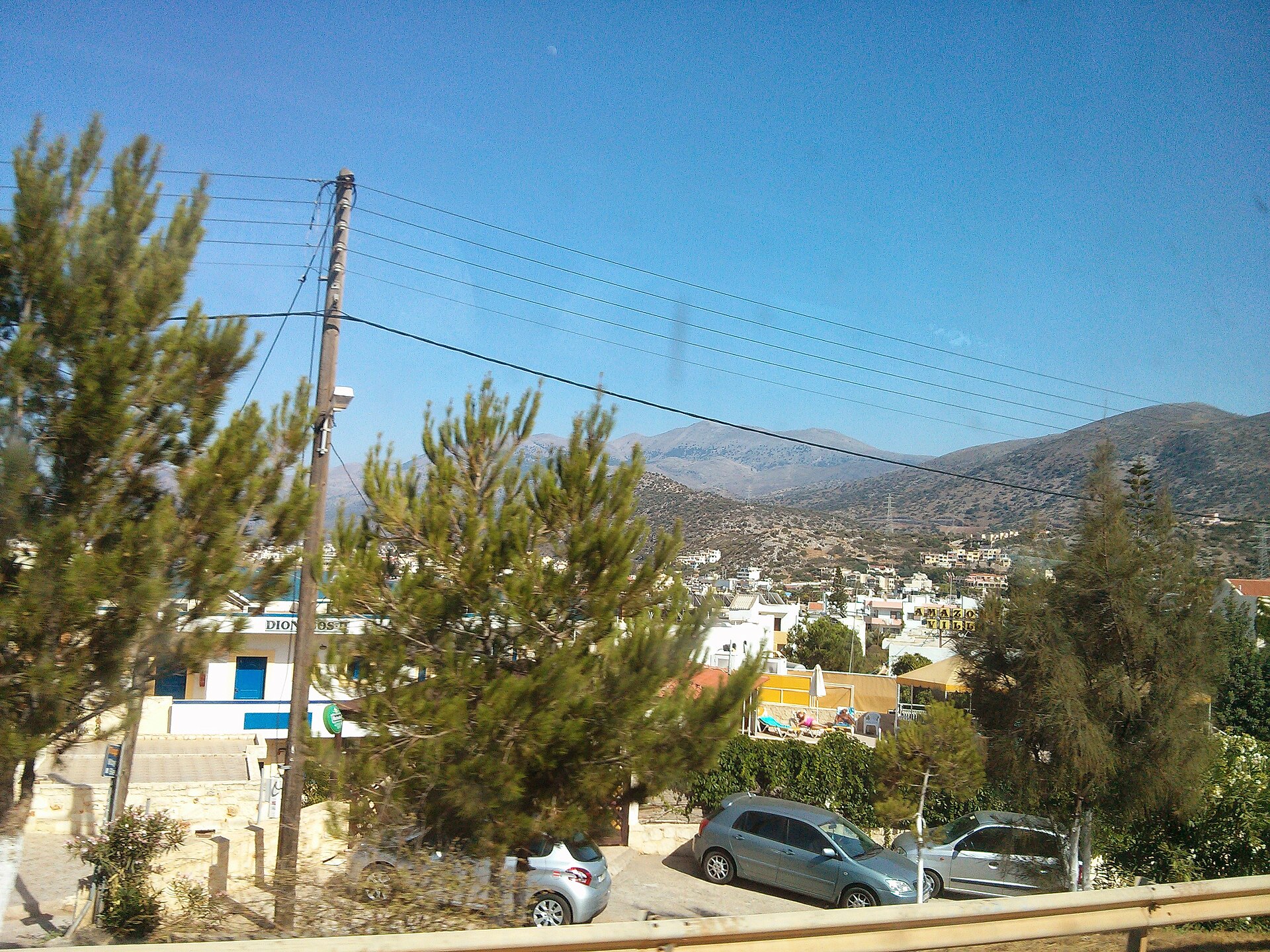
Stalida is administratively part of the municipality of Chersonissos (Hersonissos), whose main town, a few minutes away by car or local bus, is the centre of nightlife in the area, with bars, restaurants and a small fishing harbour that recalls the place's ancient seafaring vocation, already a port of call in Roman times. A little beyond Chersonissos lies the Cretaquarium of Gournes, one of the largest aquariums in the Mediterranean, housed in a former American military base and home to over two thousand marine species. Further inland, the Lasithi plateau with its famous white-sailed windmills and the monastery of Kera Kardiotissa round out a range of possible day trips from Stalida, none of them too far away.
Traditions, cuisine and local life
The cuisine of Stalida and the neighbouring villages remains firmly anchored in Cretan tradition, among the healthiest in the Mediterranean: extra virgin olive oil produced in the inland olive groves, dakos (the characteristic barley rusk topped with tomato and mizithra cheese), sweet and savoury kalitsounia, oven-baked lamb or goat with wild herbs, and of course raki, a grape-pomace spirit almost always offered at the end of a meal as a gesture of hospitality. Family-run taverns, often set back from the more touristy seafront, still serve the dish of the day according to what the market has to offer, while the summer months bring plenty of local festivals with live Cretan music, lyra and laouto, an opportunity to watch traditional dances such as the pentozali.
Water sports and experiences on the sea
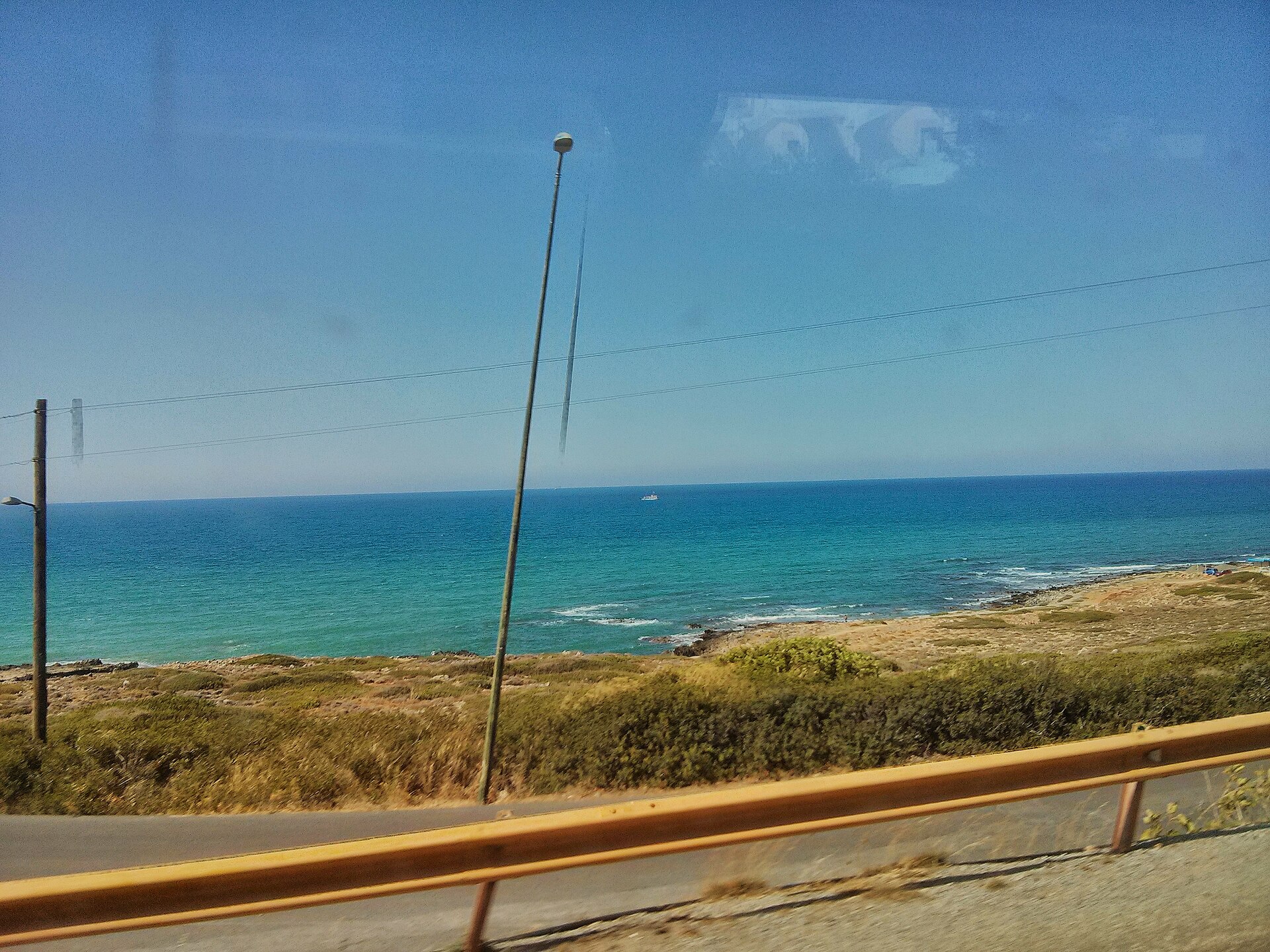
Stalida's calm, breezy sea makes it an ideal base for anyone wanting to try water sports: from windsurfing and kitesurfing schools to beginner sailing courses, not to mention the classic dinghy or catamaran trip along the coast to Malia or Chersonissos. Several diving centres run introductory sea dives and outings for certified divers to the rocky seabeds offshore, home to sea bream, octopus and, in the deeper areas, the odd minor wreck. For those who prefer to stay on land, the pedestrian seafront running alongside the beach is perfect for a morning run or an evening stroll among the windmills, with several bike rental points for reaching Chersonissos without having to take the car.
When to go to Stalida
The tourist season in Stalida runs roughly from mid-April to the end of October, with Crete's typically mild climate allowing for earlier swims than in other Greek destinations. June and September remain the most recommended months for those seeking pleasant temperatures without the crowds and intense heat of July and August, when the village's population multiplies and prices rise. In spring, between April and May, the hinterland is covered in wildflowers and temperatures remain ideal for excursions to Malia and the Lasithi plateau. In winter the resort empties out almost completely, returning to the rhythm of a small farming village, while most of the beach establishments and tourist facilities remain closed.
Experiences not to miss
- A sunset walk among the historic windmills of the seafront
- A visit to the Minoan palace of Malia, one of the four great palaces of the Cretan Bronze Age
- A family swim on the Blue Flag sandy beach
- An excursion to the rural hinterland of Mochos and its surrounding vineyards
- A day at the Cretaquarium in Gournes among Mediterranean marine species
- Dinner at a traditional taverna with dakos, kalitsounia and raki
- A windsurfing course or a catamaran trip along the coast
- A day trip to the Lasithi plateau and its canvas-sailed windmills
Getting around between Stalida and the nearby towns
Stalida developed almost entirely along the national road that runs along Crete's northern coast, linking Heraklion in the east towards Agios Nikolaos and Sitia. This makes it extremely easy to reach but also easy to use as a base: KTEL buses connect Stalida to Heraklion, Malia and Chersonissos several times a day, while taxis and car hire remain the most flexible option for reaching the hinterland and the archaeological sites less well served by public transport. Within the village itself, the distance between the seafront and the inland streets can comfortably be covered on foot or by bicycle, with several rental points along the main promenade.
FAQ
Quanto dista Stalida dall'aeroporto di Heraklion?
Qual è il periodo migliore per visitare Stalida?
Cosa vedere in una giornata partendo da Stalida?
Stalida è adatta alle famiglie con bambini piccoli?
Dove si parcheggia a Stalida?
Si può visitare Stalida anche senza auto?
Getting there
- Aeroporto Internazionale di Heraklion 'Nikos Kazantzakis' (HER), circa 24 km
- Stalida si raggiunge percorrendo la strada nazionale costiera EO90 che collega Heraklion ad Agios Nikolaos, in circa 25 minuti dall'aeroporto.
- Nei mesi di alta stagione (luglio-agosto) prenotare in anticipo l'auto a noleggio e arrivare presto sulla spiaggia principale, che tende a riempirsi rapidamente entro mattina.
Perfect for
Spiaggia sabbiosa a fondale basso, bandiera blu e lungomare pedonale: la combinazione ideale per vacanze con bambini piccoli.
Il vicino palazzo di Malia permette di toccare con mano quattromila anni di storia cretese senza allontanarsi dalla costa.
Taverne familiari, dakos, kalitsounia e raki raccontano l'anima agricola dell'entroterra cretese.
Vento costante e mare calmo rendono Stalida una base comoda per windsurf, vela e uscite in catamarano.
Da Mochos all'altopiano di Lasithi, in pochi chilometri si passa dal turismo balneare alla Creta più rurale e autentica.
To see