

Skhisma Eloundas
Nestled along the northern shores of the Gulf of Mirabello, Skhisma Eloundas — better known simply as Elounda — represents one of...
Updated 7 July 2026
This season · July · Summer
What to do in Skhisma Eloundas now
The story
The story of Skhisma Eloundas
A history between land and depths
The history of Skhisma Eloundas reaches back into remote antiquity, when the area was dominated by the powerful city-state of Olous. A thriving commercial and maritime centre between the Minoan and Roman eras, Olous had thousands of inhabitants and minted its own coinage. However, due to a gradual subsidence of the ground or a catastrophic seismic event that occurred around the 2nd century AD, much of the city sank into the sea. During the Venetian period, the area took on fundamental strategic importance for salt production, with the construction of vast salt pans that became a precious economic resource for the Serenissima. It was precisely during this period that the area was fortified to withstand pirate raids and the Ottoman advance, shaping the fate of the nearby island of Spinalonga.
The Island of Spinalonga: fortress and memory
The islet of Spinalonga is the most iconic and moving monument in the entire region. Originally connected to the mainland, it was cut off by the Venetians, who built a mighty fortress there in 1579 to protect the entrance to the port of Elounda. Its bastioned walls remained impregnable for decades, even after Crete fell into Turkish hands. However, Spinalonga's most poignant fame is tied to the 20th century, when from 1903 to 1957 it became one of the last leper colonies in Europe. Today, walking among the abandoned houses, the church and the old hospital means undertaking a journey into human resilience. The site is a silent testimony to pain and hope, where Venetian military architecture merges with the traces of everyday life of a community isolated from the world.
Ancient Olous: the sunken city
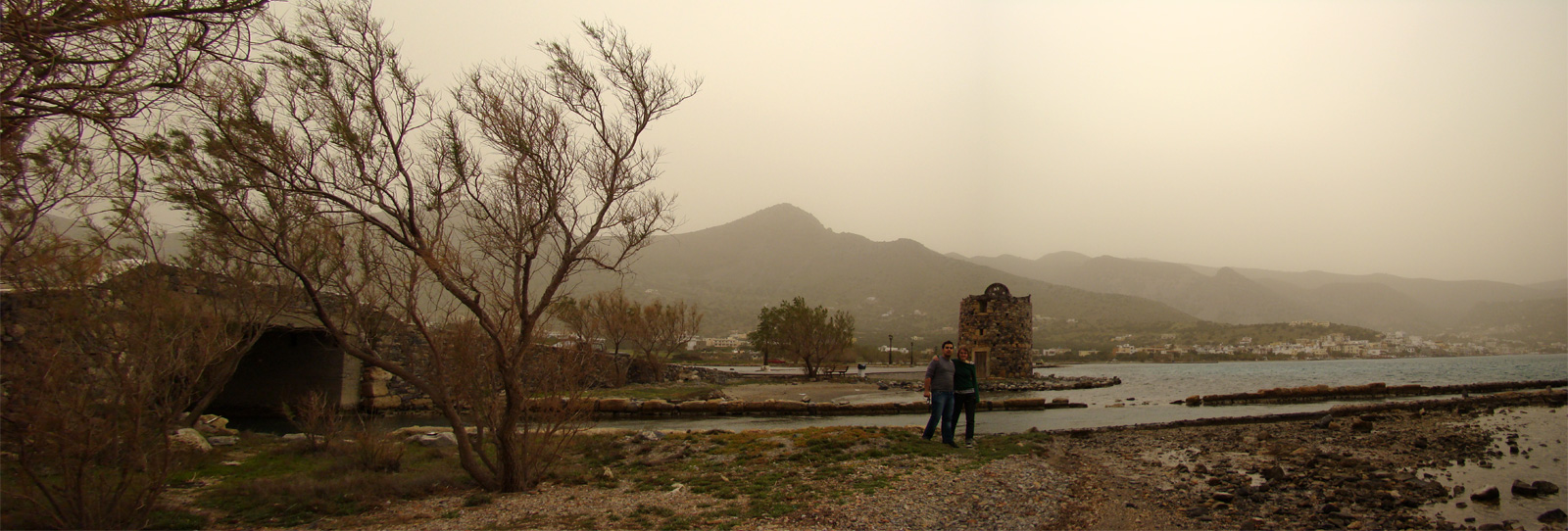
Few places in the world offer the evocative spectacle of Olous. Located on the isthmus connecting Elounda to the Kolokytha peninsula, the ancient city now lies just a few metres below the surface. On calm sea days and with the right sunlight, the remains of perimeter walls and building foundations that once formed the beating heart of the port can be glimpsed from above. It is an almost mystical experience to observe how nature has reclaimed human works. Not far away, on the mainland, the remains of an early Christian basilica are still visible, with mosaic floors depicting geometric and marine motifs, testifying to the site's continuous habitation despite geological changes.
The Venetian Salt Pans
Along the channel separating the mainland from the peninsula lie the old salt pans, once the economic engine of Elounda. The Venetians designed these basins with engineering precision to extract sea salt, the white gold of the era. Today the salt pans are no longer in operation, but their geometric structure still defines the coastal landscape, creating shallow pools of water that reflect the sky and attract various species of migratory birds. It is a perfect spot for a sunset stroll, when the surrounding windmills — some of which have been restored — evoke an atmosphere from another era, recalling the ingenuity of the inhabitants in taming the natural elements for survival.
The Church of Agios Konstantinos and Eleni
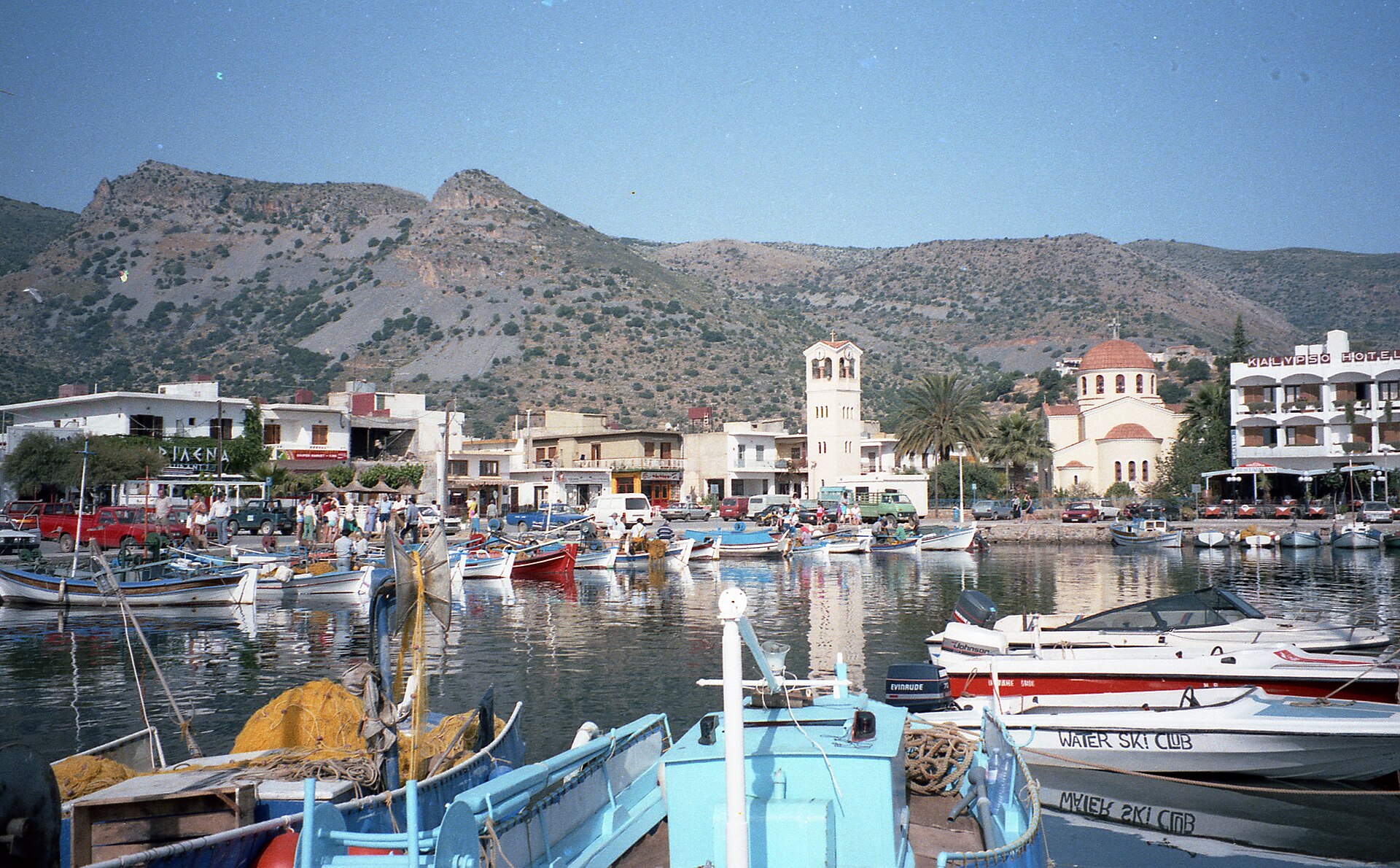
At the heart of the village of Skhisma stands the main church dedicated to Saints Constantine and Helen. This religious building represents the hub of the community's spiritual and social life. With its pale stone façade and bell tower rising above the low rooftops of the houses, the church is a typical example of modern Cretan religious architecture, while still maintaining ties to Byzantine tradition. Inside, the atmosphere is intimate and solemn, decorated with finely worked icons and frescoes that recount the Orthodox faith. The square in front is where the main religious and civic celebrations take place, a gathering point where the slow pace of local life reveals itself in all its authenticity.
The landscape of the Kolokytha Peninsula
Beyond the isthmus of Olous stretches the wild Kolokytha peninsula, an area of extraordinary natural beauty that contrasts with the tourist development of the town centre. Here the coastline becomes jagged, opening into small coves of white sand and turquoise waters, such as the famous Kolokytha beach, reachable via dirt trails or by sea. The peninsula's interior is dominated by low Mediterranean scrubland and abandoned old olive groves. Exploring this area on foot allows visitors to enjoy breathtaking views over the entire Gulf of Mirabello and to discover small isolated chapels that seem to have gazed at the horizon for centuries, immersed in a silence broken only by the chirping of cicadas.
The village of Plaka and its surroundings
A few kilometres north of Elounda lies the picturesque village of Plaka. This small village has retained a more rustic and traditional character than nearby Skhisma. Its narrow streets are lined with stone houses and taverns serving the freshest fish caught in the bay. Plaka is the closest departure point for Spinalonga, and the view of the fortress island from its pebble beach is simply unmatched. The surroundings of Elounda also offer the chance to visit hillside villages such as Kastelli, where life still follows the rhythms of agriculture and where genuine local products can be sampled away from the more crowded routes.
Experiences not to be missed
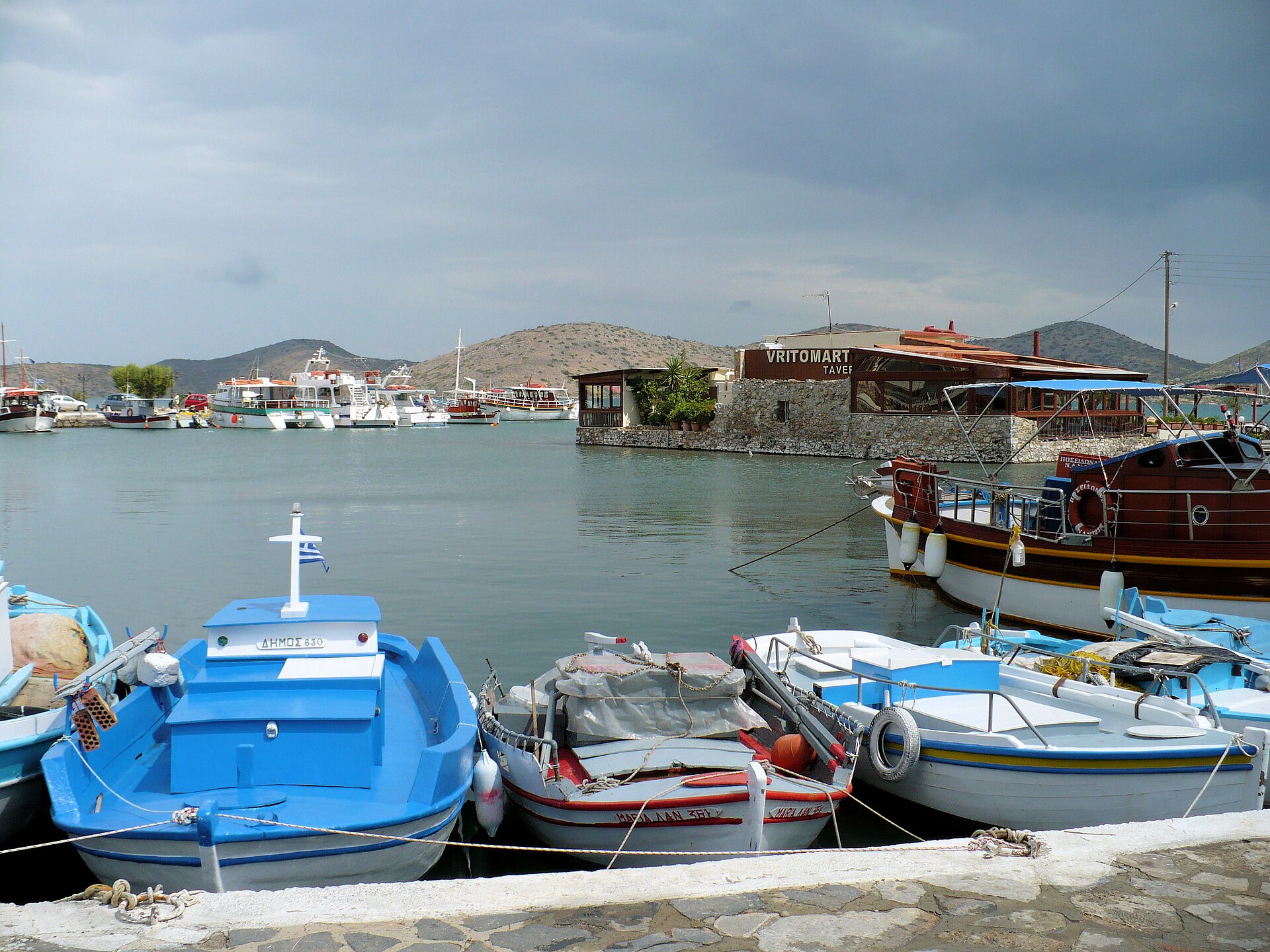
- Rent a small motorboat to independently explore the bay's hidden coves.
- Go snorkelling over the submerged ruins of ancient Olous during a calm morning at sea.
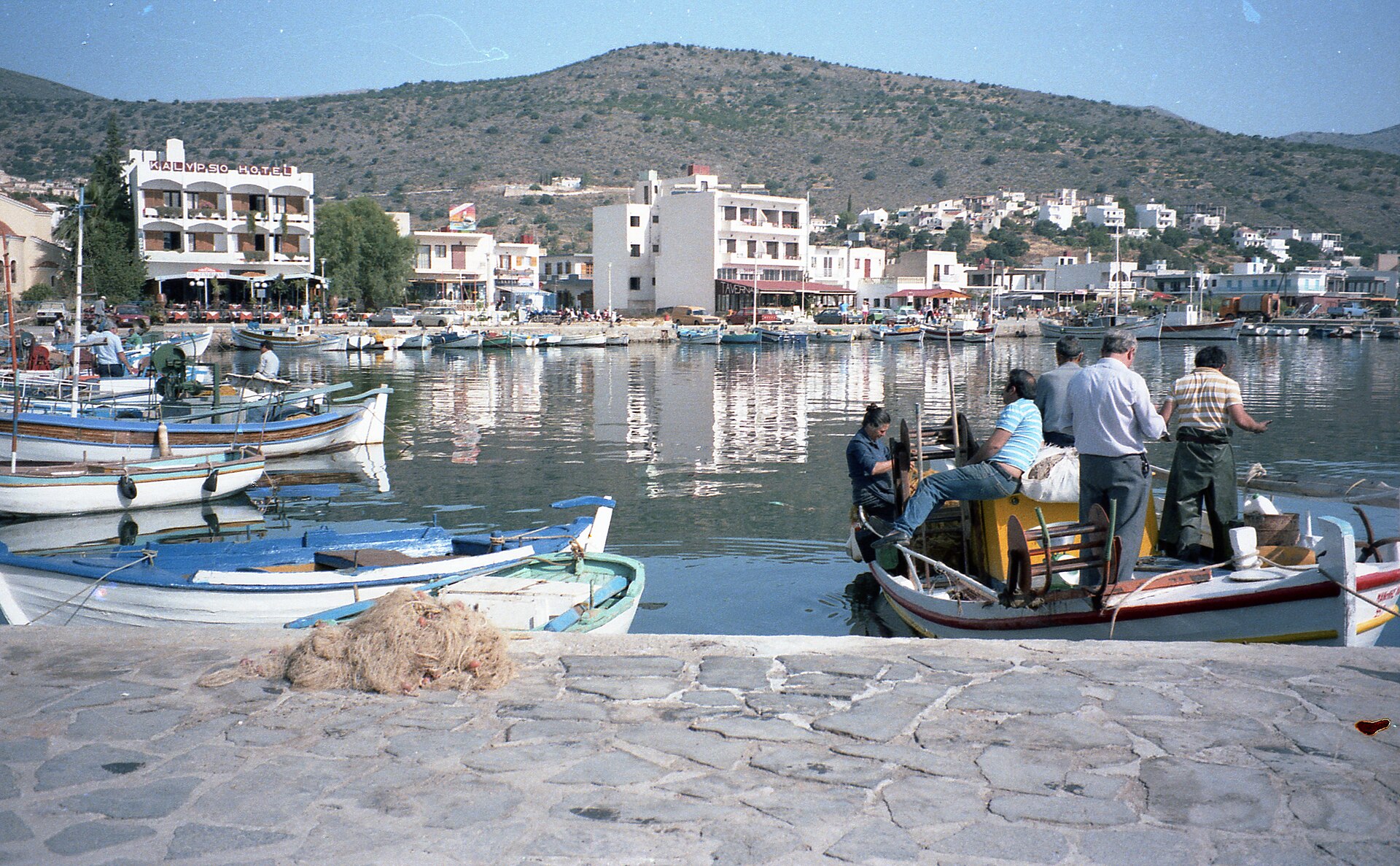
- Dine at one of the taverns in the port of Skhisma, tasting 'kakavia', the traditional fish soup of local fishermen.
- Walk the coastal path from Elounda to Plaka to admire the shifting light over the bay.
- Visit Spinalonga in the late afternoon, when the crowds of day-trippers thin out and the island regains its silence.
- Try the local 'Raki' paired with 'Dakos', barley bread topped with tomato, feta and extra virgin olive oil.
Local traditions and flavours
The culture of Elounda is deeply tied to the land and sea of Crete. The local gastronomy is an ode to the Mediterranean diet: the olive oil produced in the surrounding hills is considered among the finest on the island for its low acidity and fruity flavour. Markets and taverns never lack local cheeses such as 'mizithra' or 'graviera', often served with thyme honey. Religious festivals, such as the feast of Saints Constantine and Helen in May, are an opportunity to witness traditional dances and listen to the music of the Cretan 'lyra', a three-stringed instrument that accompanies poetic songs called 'mantinades'. It is in these moments that Greek hospitality, 'philoxenia', shows itself most strongly, welcoming the stranger as an honoured guest.
When to go and how to experience Elounda
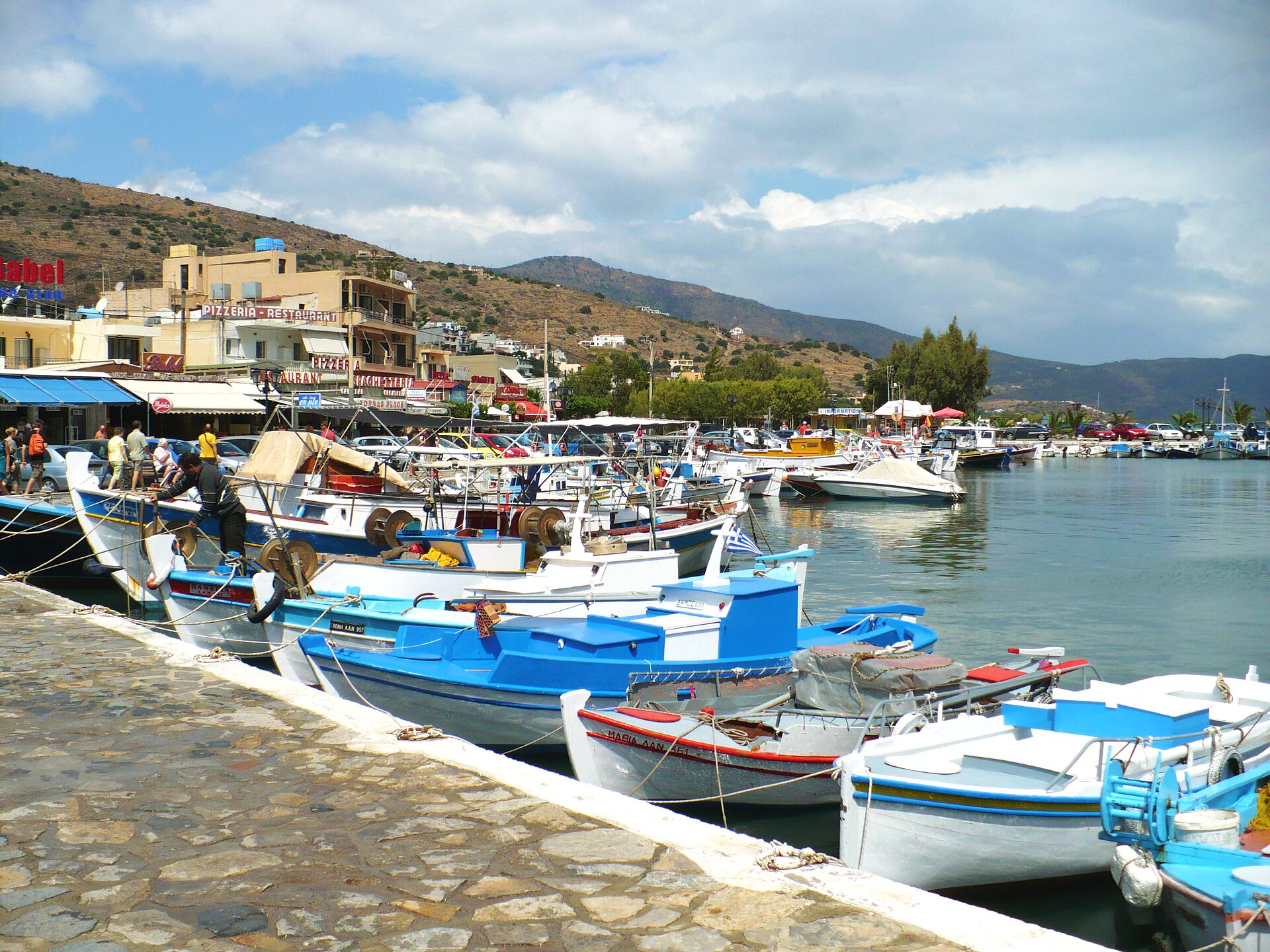
The ideal time to visit Skhisma Eloundas is from May to October. Spring (May-June) offers mild temperatures and nature in full bloom, ideal for hiking on the Kolokytha peninsula. Summer is perfect for those seeking beach life and lively evenings, although temperatures can become quite high. September and early October offer still-warm seas and a more relaxed atmosphere, with a golden light that makes the landscape even more photogenic. To fully experience the place, it is advisable to alternate moments of relaxation on the beaches or in top-level resorts with active exploration of the area, always seeking contact with local producers and the fishermen who bring the harbour to life at dawn.
FAQ
Come si raggiunge l'isola di Spinalonga?
È possibile vedere la città sommersa di Olous senza attrezzatura?
Elounda è adatta alle famiglie con bambini?
Dove si può parcheggiare a Skhisma?
Quanto tempo serve per visitare Spinalonga?
Getting there
- Aeroporto Internazionale di Heraklion (Nikos Kazantzakis) - 65 km
- Non ci sono linee ferroviarie a Creta.
- Da Heraklion, seguire la New National Road (E75) verso est in direzione Agios Nikolaos, quindi seguire le indicazioni per Elounda percorrendo la strada panoramica costiera.
- Il tragitto da Heraklion dura circa un'ora. Se non avete un'auto, ci sono bus regolari (KTEL) da Agios Nikolaos che impiegano circa 20 minuti.
Perfect for
Sede di alcuni dei resort più esclusivi al mondo, è la meta ideale per chi cerca privacy e servizi di altissimo livello.
Tra la città sommersa di Olous e la drammatica storia di Spinalonga, ogni angolo trasuda narrazioni millenarie.
Le acque cristalline del Golfo di Mirabello e la natura selvaggia della penisola di Kolokytha offrono scenari marini indimenticabili.
To see
