

Rethimno
Rethimno is the cultured and aristocratic soul of Crete, a place where time seems to have frozen in an eternal dialogue between Ve...
Updated 7 July 2026
This season · July · Summer
What to do in Rethimno now
The story
The story of Rethimno
A crossroads of civilizations: the history of Rethimno
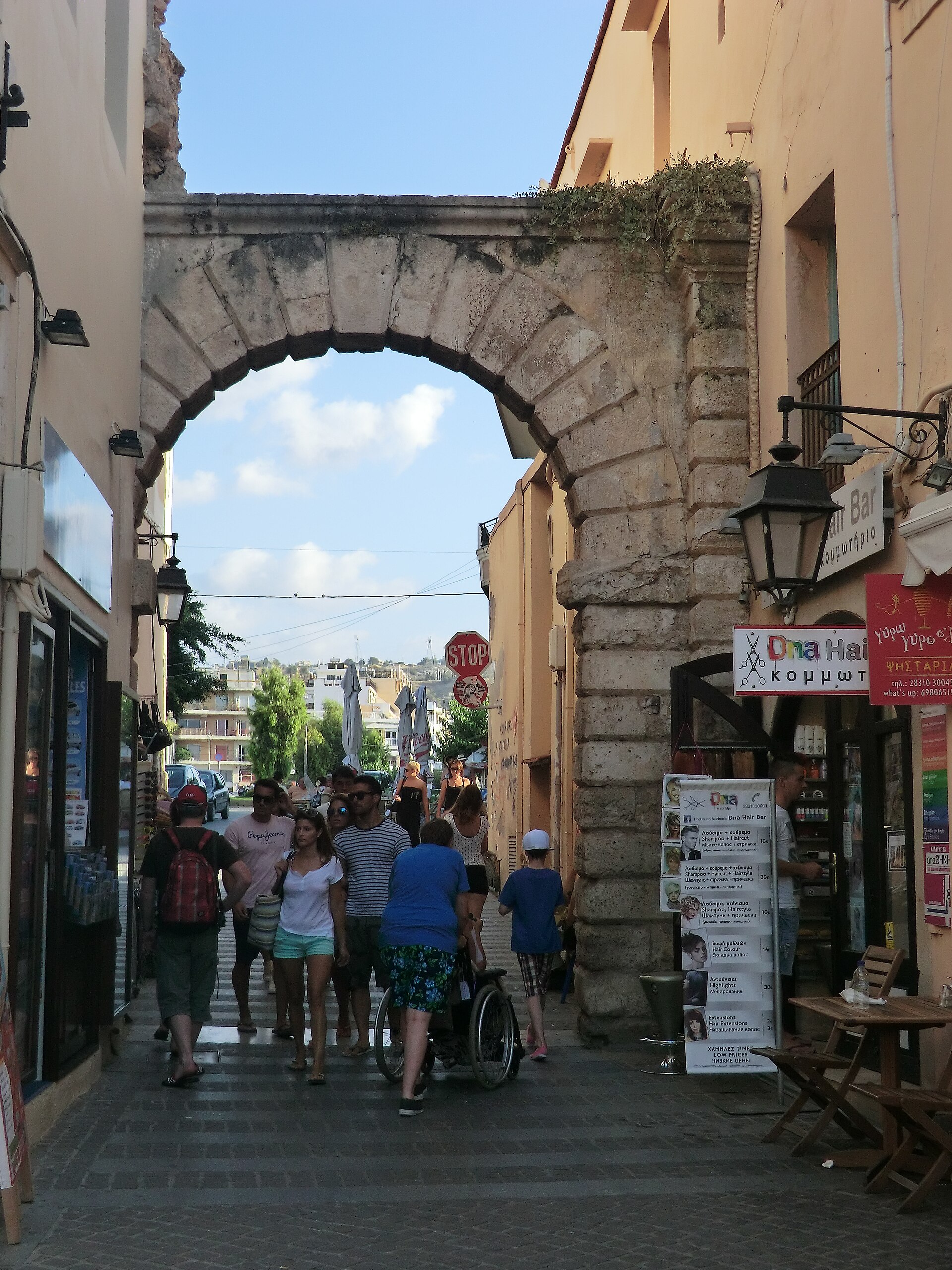
The roots of Rethimno sink into the Minoan era, when ancient Rithymna was a city-state of considerable importance, known for its own mint. However, the city experienced a period of relative decline during the Roman and Byzantine era, only to be reborn under the rule of the Serene Republic of Venice starting in 1204. The Venetians transformed it into a strategic commercial center, equipping it with imposing fortifications and refined architecture that still defines the profile of the settlement today. In 1646, after a long siege, the city fell into the hands of the Ottomans, who transformed churches into mosques and added minarets and wooden kiosks to the urban landscape, leaving an indelible Oriental imprint.
The 19th century was marked by struggles for independence from Turkish rule, a period of heroism culminating in the sacrifice of Arkadi Monastery, a universal symbol of Cretan resistance. After unification with Greece in 1913 and the dramatic events of World War II, which saw Rethimno as the site of the famous Battle of Crete, the city has managed to reinvent itself. Today it is a center of cultural excellence, guardian of centuries-old traditions but projected toward the future, where the conservation of architectural heritage is paired with an intellectual liveliness that makes it the spiritual capital of the island.
The Fortress: sentinel of the sea
Erected by the Venetians between 1573 and 1580 to protect the city from pirate raids and Ottoman threat, the Fortress (Fortress of Rethimno) rises on the Paleokastro hill. Designed by architect Michele Sanmicheli and based on designs by Sforza Pallavicini, its five-pointed star-shaped ground plan is one of the finest examples of military architecture of the era. Within its mighty walls, one walks among the remains of warehouses, powder magazines and barracks. The most evocative element is the Mosque of Sultan Ibrahim, originally the Venetian cathedral of San Nicola, characterized by an imposing dome that dominates the internal parade ground. From the ramparts, you enjoy a breathtaking view that embraces the entire old city and loses itself in the blue of the Sea of Crete.
The Rimondi Fountain: the stone heart of the city
Located in Piazza Platanou, in the center of the old town, the Rimondi Fountain is a small masterpiece of Venetian architecture dating to 1626. It was commissioned by rector Alvise Rimondi to guarantee water supply to the inhabitants. The structure consists of four Corinthian columns supporting a decorated cornice, among which three lion heads stand out from whose mouths fresh water flows. Among the columns are still visible the coats of arms of the Rimondi family and the Latin inscription 'Liberalitatis' and 'Fontes'. It is the historic gathering point for residents, a monument of Renaissance grace that continues to fulfill its original function, offering refreshment to passersby under the Cretan sun.
The Neratze Mosque and the charm of the Orient
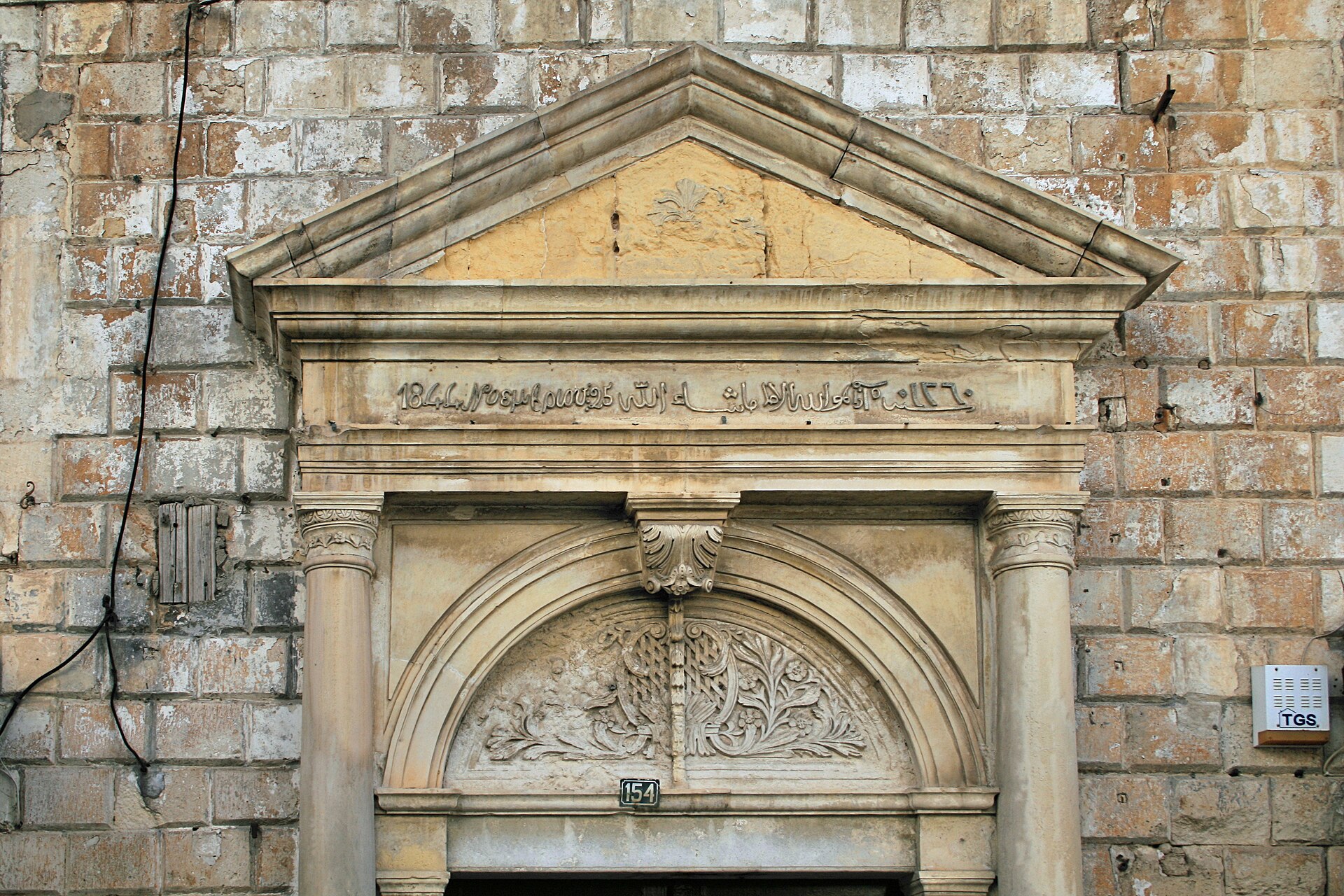
One of Rethimno's most iconic buildings is the Neratze Mosque, located near Martyrs' Square. Originally, during the Venetian period, this was the Catholic church dedicated to Santa Maria, annexed to an Augustinian convent. With the arrival of the Turks, the building was converted into a mosque and in 1890 the very tall minaret with two balconies was added, which today towers over the city's roofs like a stone lighthouse. Although no longer used for worship, the structure hosts concerts and exhibitions thanks to its exceptional acoustics. The three domes and the perfectly preserved Renaissance portal offer an immediate visual testimony to the cultural stratification that makes Rethimno so special.
The Venetian Loggia: elegance and power
The Loggia is perhaps the most elegant building in the city, once a gathering place for Venetian nobility who met here to discuss politics and business. Dating to the 16th century, it is a square-plan structure with broad semicircular arcades on each side, built in local limestone. During the Ottoman period it was transformed into a mosque, but today, after careful restoration, it houses a shop of official reproductions of archaeological finds from the Ministry of Culture. Its sober and well-proportioned architecture perfectly represents the spirit of the Serene Republic, bringing a touch of St. Mark's Square to the heart of the Eastern Mediterranean.
Arkadi Monastery: symbol of freedom
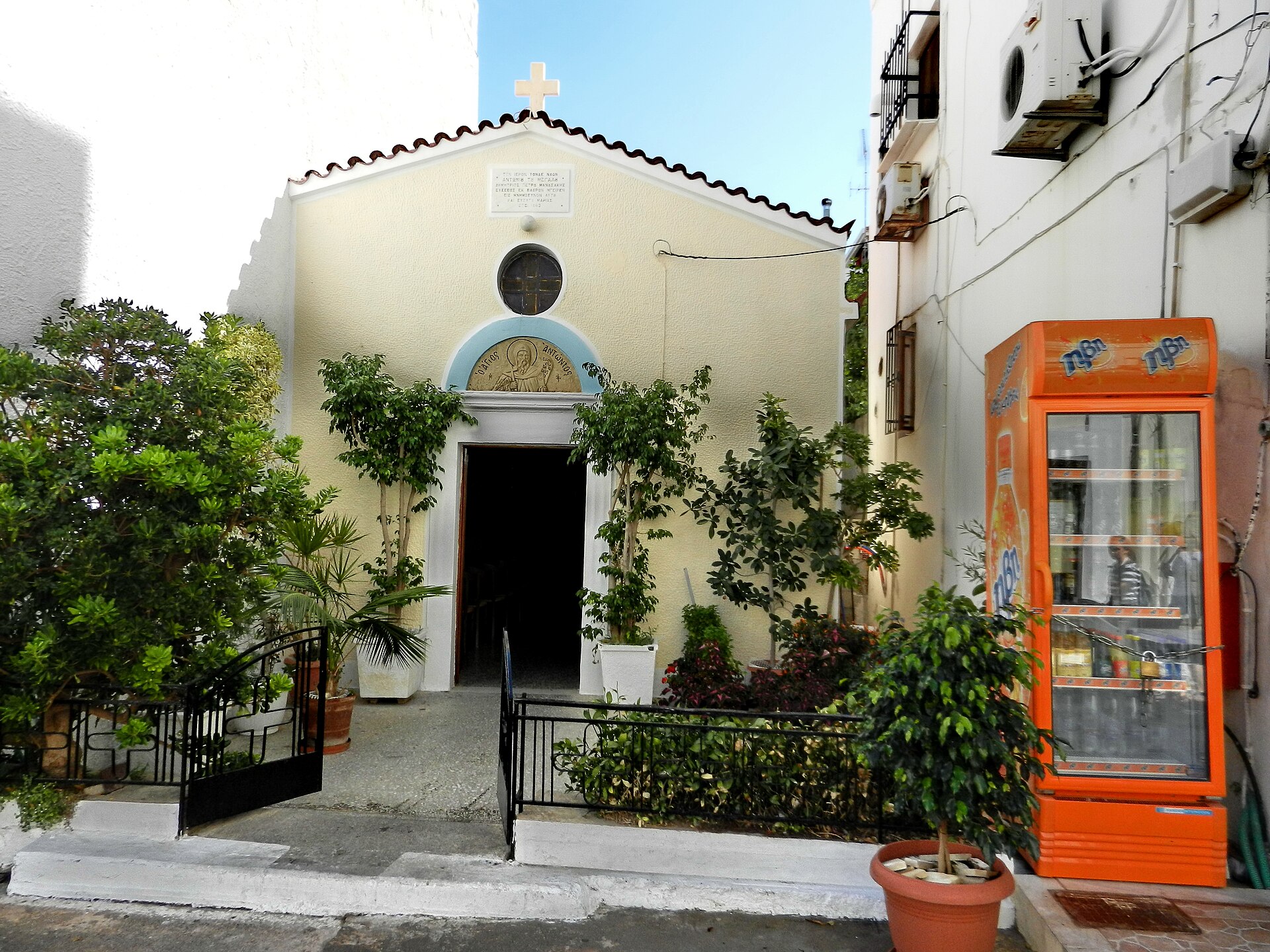
Located about 23 km from the city, on a plateau surrounded by olive groves and vineyards, Arkadi Monastery is the most sacred place for Cretans. Probably founded in the 5th century, the current church dates to the 16th century and features a stunning Venetian Baroque facade. Arkadi is, however, famous worldwide for the events of 1866: during a rebellion against the Turks, hundreds of rebels and civilians chose to blow themselves up in the powder magazine rather than surrender to the enemy. Today the monastery is a place of profound peace, where you can visit the museum that houses sacred relics and historical memorabilia, and walk through flowering courtyards that exude austere and moving spirituality.
The Venetian Port and the Lighthouse
Rethimno's ancient port is a miniature jewel. Its wharves are flanked by historic buildings that once served as customs warehouses and now house characteristic tavernas. At the end of the pier stands the lighthouse, rebuilt by the Egyptians during their brief rule over the island around 1830 on Venetian foundations. It is one of the most romantic spots in the city, ideal for a sunset stroll when the lights of the tavernas begin to reflect on the water and small fishing boats (kaiki) gently rock back and forth. Despite its tourist vocation, the port retains an authentic soul, especially in the early morning hours when fishermen land the day's catch.
Surroundings and landscape: between gorges and beaches
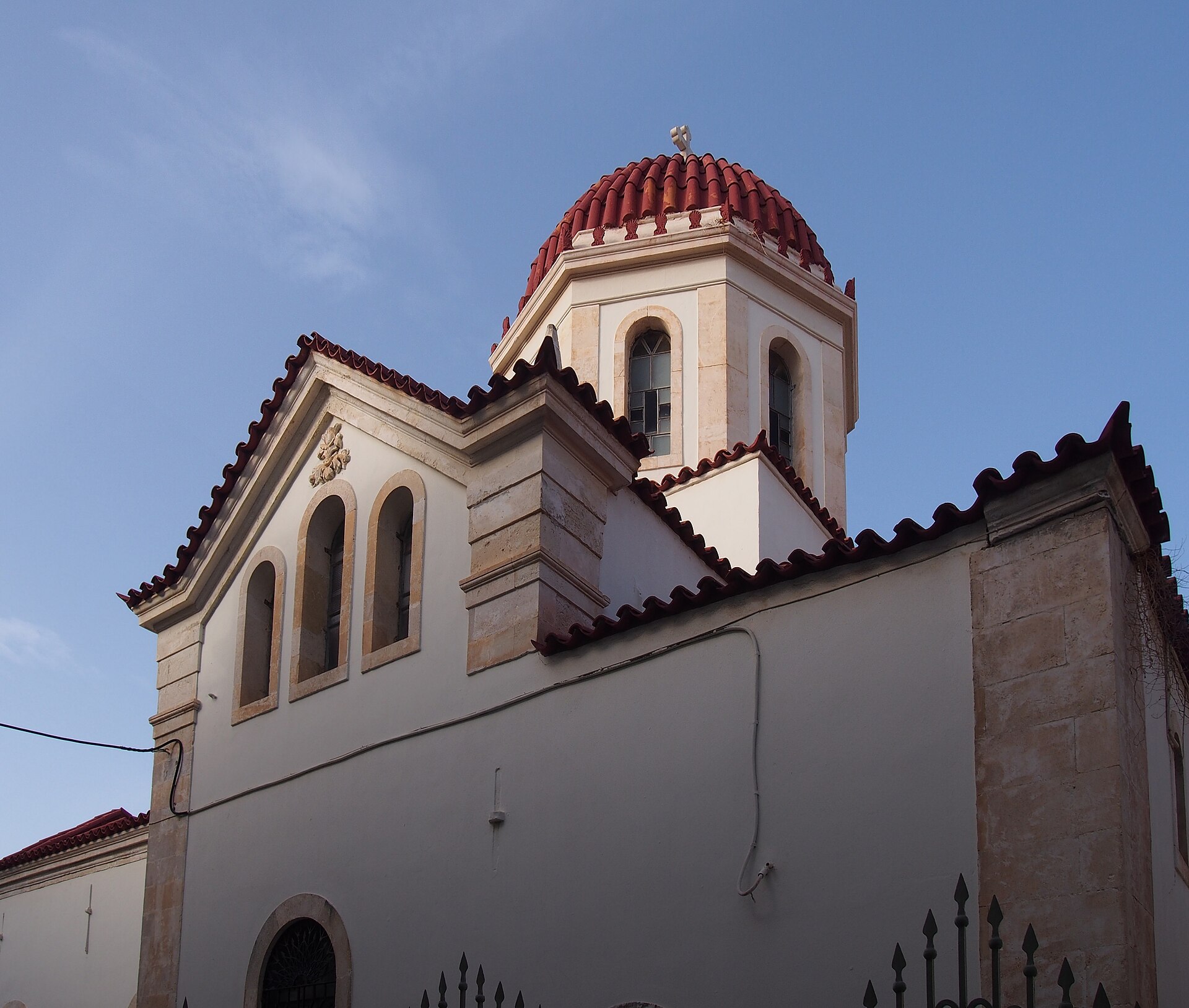
The territory of Rethimno offers extraordinary landscape variety. To the south, the Libyan coast offers gems like Preveli beach, where a river of fresh water flows into the sea through a picturesque natural palm grove. Hiking enthusiasts must not miss Kourtaliotiko Gorge, a wild canyon where wind blows through rocky walls creating sounds like clapping hands. Toward the interior, mountain villages like Spili, with its famous lion-head fountains, and Margarites, a renowned center for traditional pottery, offer a slice of the truest rural Crete, made of slow rhythms and generous hospitality among the slopes of Mount Ida.
Traditions and flavors: the Cretan diet
In Rethimno, gastronomy is a way of life. Local cuisine is based on the excellence of raw materials: extra virgin olive oil, wild herbs from the mountains, and artisanal cheeses like graviera. Don't miss 'dakos', a barley biscuit soaked in water and topped with fresh tomato, crumbled feta and oregano, or 'kalitsounia', small pastries filled with sweet cheese or herbs. The meal invariably concludes with a glass of raki (or tsikoudia), the local brandy that is a symbol of friendship and welcome. Popular culture is still very much alive, celebrated during Rethimno's Carnival, the most important in Crete, and in numerous summer festivals where the music of the Cretan lyre accompanies traditional dances until dawn.
Experiences not to miss
- Get lost without purpose in the alleys of the historic center early in the morning.
- Visit the traditional phyllo pasta artisan workshop in the historic center.
- Attend a concert of Cretan music under the stars in the Fortress.
- Take a swim in the crystal-clear waters of Preveli beach.
- Taste the local wines from the wineries in the Arkadi area.
- Watch the potters at work in the village of Margarites.
When to go and how to experience the city
The ideal period to visit Rethimno is from April to June and from September to October. In these months the weather is mild, perfect for excursions, and the city is not as crowded as in the peak summer. Spring, in particular, offers spectacular blooming in the interior. To fully experience the place, forget about the car: the historic center is almost entirely pedestrian and should be explored on foot. Stop at less touristy tavernas to watch the elderly play backgammon and let yourself be guided by the scents coming from bakeries. Rethimno requires slowness to be understood; it is a city that does not reveal itself immediately, but rewards those who know how to observe the details of its portals and the grace of its hidden gardens.
FAQ
Quanto tempo occorre per visitare Rethimno?
Dove è meglio parcheggiare?
È adatta alle famiglie con bambini?
Qual è il souvenir più autentico?
Getting there
- Chania (CHQ) - 65 km
- Heraklion (HER) - 80 km
- Non sono presenti linee ferroviarie sull'isola di Creta.
- Percorrere la National Road (E75) che attraversa tutta la costa nord di Creta; Rethimno è perfettamente collegata sia da Chania che da Heraklion.
- Gli autobus KTEL sono frequenti, puntuali ed economici, ideali per spostarsi tra le città principali senza noleggiare un'auto.
Perfect for
Un connubio perfetto tra rinascimento veneziano e fascino ottomano, visibile in ogni angolo della città vecchia.
Dalle lunghe spiagge attrezzate della città alle baie selvagge del sud, circondate da montagne e gole spettacolari.
La patria della dieta cretese, dove l'olio d'oliva e i prodotti della terra creano sapori indimenticabili e genuini.
To see
