

Perivolia
Nestled like a secret garden at the feet of the majestic Lefka Ori, the White Mountains, Perivolia is a gem of Cretan authenticity...
Updated 7 July 2026
This season · July · Summer
What to do in Perivolia now
The story
The story of Perivolia
A crossroads of history: from Venetian dominions to resistance
The history of Perivolia is inextricably linked to its strategic position and the fertility of its soil. During the period of Venetian dominion, the area became the preferred residence of local nobility, who built here the 'metochia', fortified agricultural complexes that served as both production centers and noble dwellings. With the arrival of the Ottomans in the seventeenth century, the village maintained its agricultural importance but also became a hotbed of patriotic fervor. Perivolia was not merely a passive spectator to history; during the Cretan revolution of the nineteenth century and, later, during Nazi occupation in World War II, its inhabitants and its rough terrain offered refuge and support to those fighting for freedom. This legacy of courage and resilience is still breathed today among its streets, where monuments to the fallen are not mere stones, but open chapters of a proud and indomitable collective memory.
The Church of Agios Polykarpos
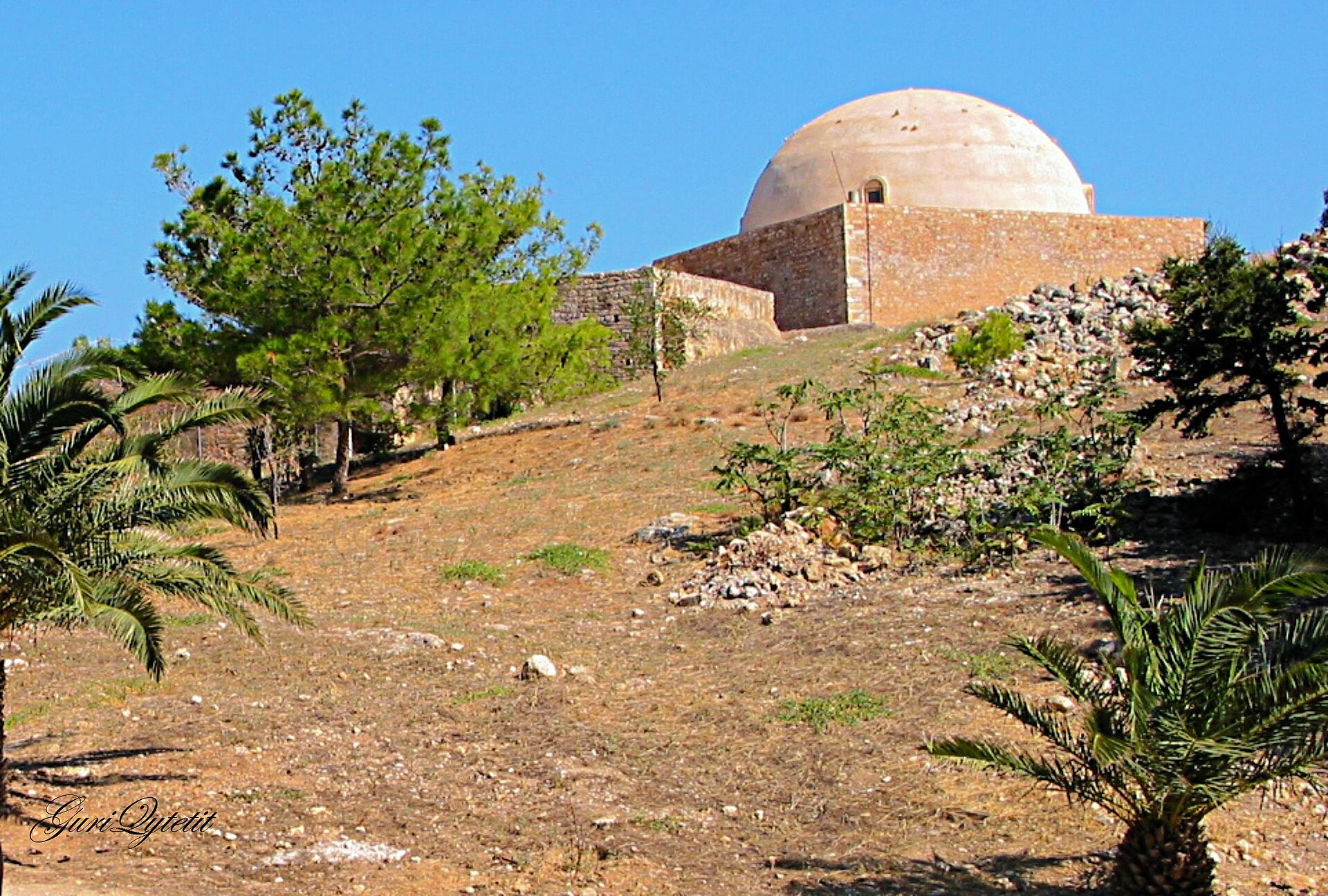
The spiritual heart of Perivolia beats around the Church of Agios Polykarpos, a building that strikes one with its harmonious architecture and the central role it plays in the community. Built in a position overlooking the settlement, the church is an excellent example of how Byzantine tradition has remained alive over time, integrating local decorative elements. Inside, the atmosphere is intimate and solemn, enriched by finely carved icons and light that filters softly, creating an environment of absolute peace. The feast of the patron saint is a moment of extraordinary popular participation, in which the sacred and the profane blend in celebrations that involve the entire village with traditional songs and communal banquets, offering the visitor an authentic glimpse of Cretan devotion, far from performances staged for tourists.
Venetian vestiges: the 'Metochia' and ancient dwellings
Exploring the less-traveled alleys of Perivolia, one encounters architectural structures that speak of the village's aristocratic past. These are the remains of Venetian 'metochia', ancient fortified farms that once managed the vast surrounding estates. These buildings are characterized by thick stone walls, round arches, and inner courtyards that served to protect crops and inhabitants from raids. Although many are today in ruins or integrated into modern dwellings, they retain a decadent and suggestive charm. Observing the details of the portals and the arrow slits, one can imagine life centuries ago, when Perivolia was the granary and garden of Chania's nobility, a place of delight and production where European architecture blended with the rural needs of the island.
The Monument to the Fallen and historical memory
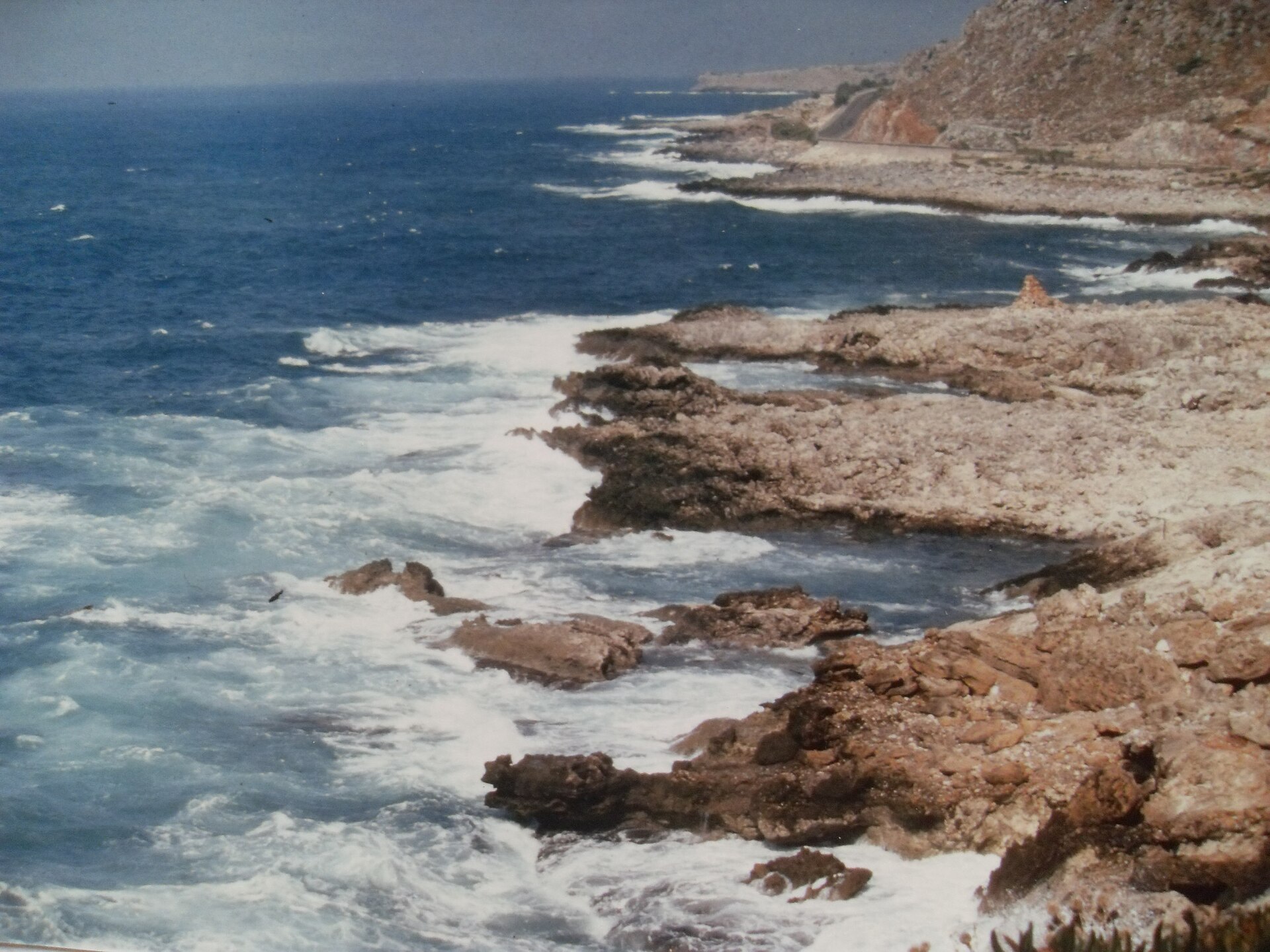
In the center of the village stands a sober yet powerful monument dedicated to those who fell in wars of liberation and resistance. This place is not just a geographical reference point, but a sanctuary of local memory. Perivolia paid a high price in blood during the Battle of Crete in 1941, being situated in a crucial passage zone for German troops heading toward the interior. The monument remembers the names of citizens who sacrificed their lives, underscoring the indissoluble bond between the community and the struggle for independence. For the visitor, stopping here means understanding the proud character of the Cretan people and the deep respect they nurture for their past, a fundamental element for deciphering the identity of this territory so harsh and yet so welcoming.
Landscape and Nature: between orchards and the Theriso Gorge
Nature in Perivolia is lush and overwhelming, thanks to the presence of underground springs that make the soil extraordinarily fertile. The landscape is dominated by a checkerboard of orange and lemon groves that in spring flood the air with the intoxicating fragrance of orange blossoms. Behind the village, the terrain rises steeply toward the slopes of the White Mountains, opening up to the spectacular Theriso Gorge. This gorge, about six kilometers long and passable even by car, offers a dramatic backdrop of vertical walls, caves, and dense riparian vegetation. Perivolia serves as the ideal threshold to this natural adventure: here the tamed agricultural landscape gives way to wild Crete, made of limestone rocks and eagles soaring in the clear sky, offering unforgettable trekking routes for those who love direct contact with the land.
Experiences not to miss in Perivolia
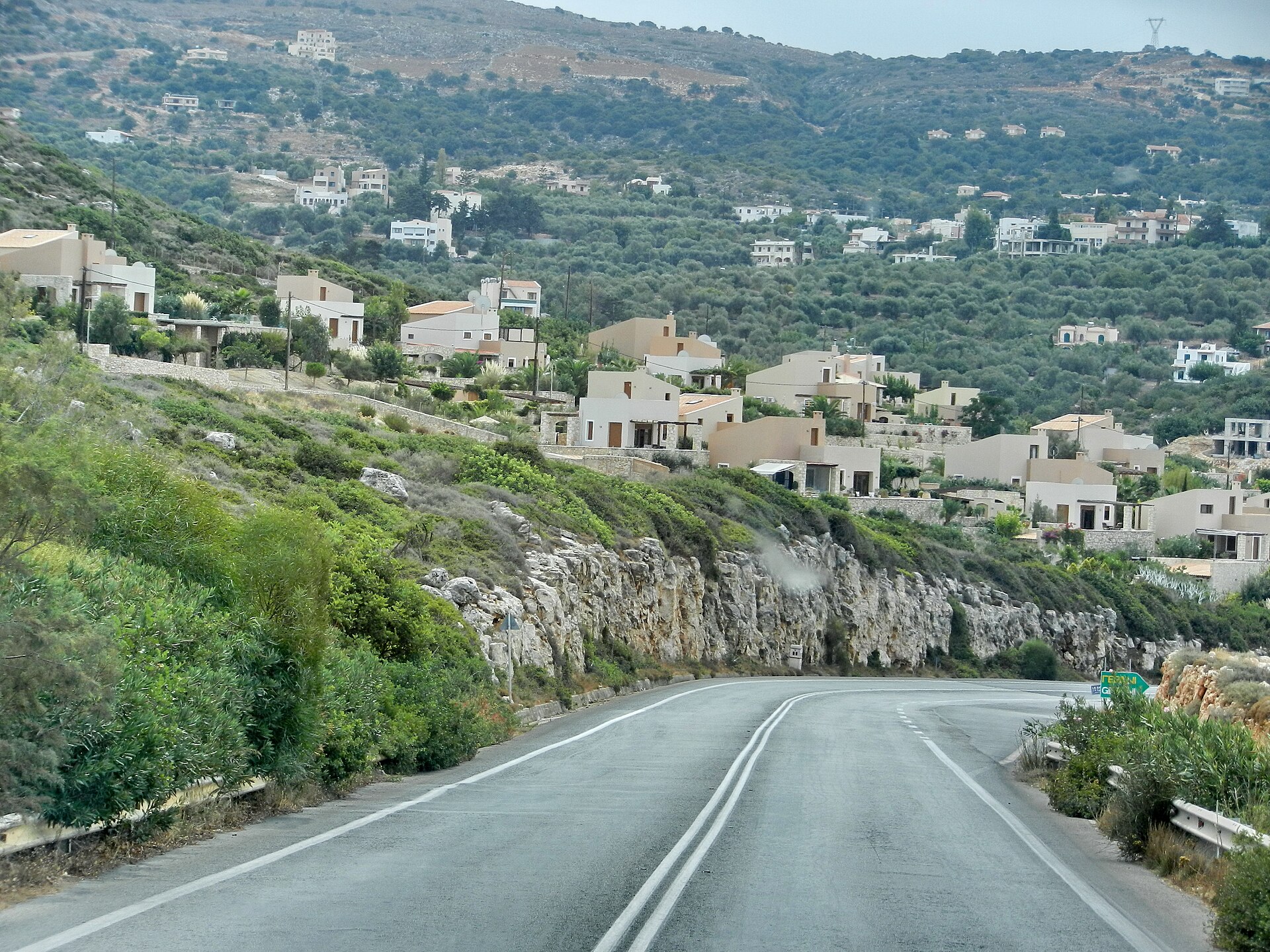
- Stroll through the citrus groves at sunset, when the fragrance of flowers becomes more intense.
- Taste the typical 'Antichristo', lamb cooked slowly over embers, in one of the local taverns.
- Walk the scenic road that connects Perivolia to the historic town of Theriso through the gorge.
- Visit the small artisan shops where olive oil is still produced using traditional methods.
- Participate in one of the summer religious festivals to experience the atmosphere of Cretan dances in the square.
- Explore the remains of ancient Venetian dwellings hidden among the gardens of the village.
Traditions and Flavors: the cuisine of the land
In Perivolia, gastronomy is not an accessory, but the fulcrum of social life. Being a center of agricultural production, ingredients arrive at the table almost at zero kilometers. The village taverns are renowned throughout the prefecture of Chania for the quality of their meats and garden produce. In addition to the celebrated lamb, one cannot forgo the 'kalitsounia', small pastries filled with wild herbs and mizithra cheese, or 'staka', a rich and savory cream. Local wine, often produced in small quantities by local families, accompanies long and convivial meals. Sitting at table here means participating in a ritual of sharing where food is a tribute to the land and hospitality manifests itself with a glass of raki offered always with a smile, sealing a bond between guest and territory that goes far beyond a simple tourist visit.
When to visit and how to experience the village
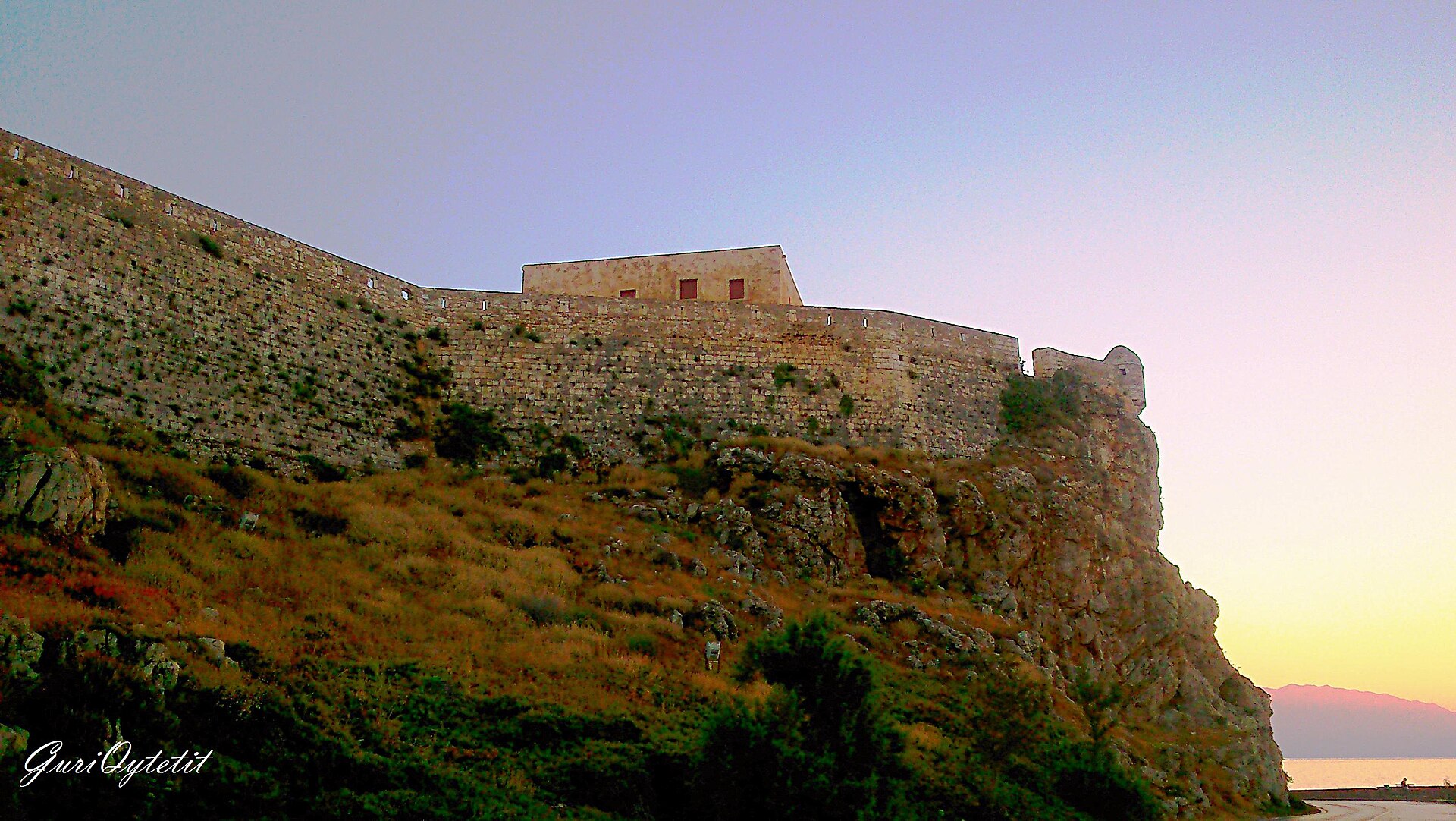
The best time to visit Perivolia is undoubtedly spring, between April and June, when the blooming of citrus trees transforms the village into an olfactory paradise and temperatures are ideal for excursions toward the mountains. Autumn also offers great suggestions, with the vintage and olive harvest animating the countryside. Summer, while hot, offers cool evenings thanks to the breeze descending from the White Mountains, making Perivolia a perfect refuge to escape the coastal heat. To fully experience the place, the advice is to move on foot through its hamlets, letting yourself be guided by curiosity and stopping to chat with the elderly sitting outside cafes; it is in these spontaneous exchanges that one grasps the deepest and most welcoming essence of this generous land.
FAQ
Quanto dista Perivolia dal centro di Chania?
È una località adatta alle famiglie?
Cosa si mangia di tipico a Perivolia?
È necessario noleggiare un'auto?
Ci sono spiagge vicine?
Getting there
- Aeroporto Internazionale di Chania 'Ioannis Daskalogiannis' (CHQ) - 18 km
- Non presenti (Creta non dispone di rete ferroviaria)
- Da Chania, seguire le indicazioni verso sud in direzione Theriso/Omalos. Perivolia è il primo centro abitato che si incontra lasciando la periferia della città.
- Utilizzate i bus blu della linea urbana di Chania che collegano frequentemente il centro città con la piazza principale di Perivolia.
Perfect for
Un paradiso per gli amanti della cucina rustica cretese, con taverne storiche che servono carni locali e prodotti dell'orto.
Punto di partenza privilegiato per esplorare i Monti Bianchi e la spettacolare Gola di Theriso.
Perfetto per chi cerca un'esperienza di vita quotidiana cretese, lontano dai circuiti turistici più affollati.
To see
Da vedere a Perivolia
Routes · Trovido Route
