

Malia
The name Malia immediately evokes two opposing images, and it is precisely in this contrast that the true identity of the place li...
Updated 8 July 2026
This season · July · Summer
What to do in Malia now
The story
The story of Malia
Origins and the name
The place name Malia (in Greek Μάλια) has uncertain, probably pre-Hellenic roots, and already appears in ancient sources linked to the myth of Sarpedon, brother of Minos, who according to tradition is said to have reigned over this part of the island after being driven out of Knossos. Beyond the legend, excavations have shown that the area was continuously inhabited from the Neolithic period onward, thanks to the favourable combination of a fertile coastal plain, freshwater springs and a sheltered natural landing place. This settlement continuity, remarkable for its length, makes Malia an important case study for understanding how Minoan communities chose and exploited the territory of northern Crete even before the rise of the great palaces.
The Minoan age and the rise of the palace
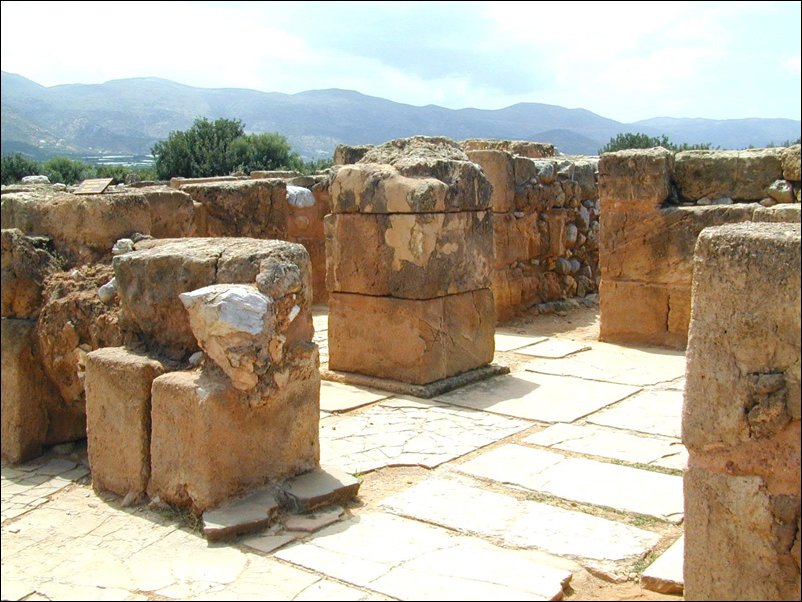
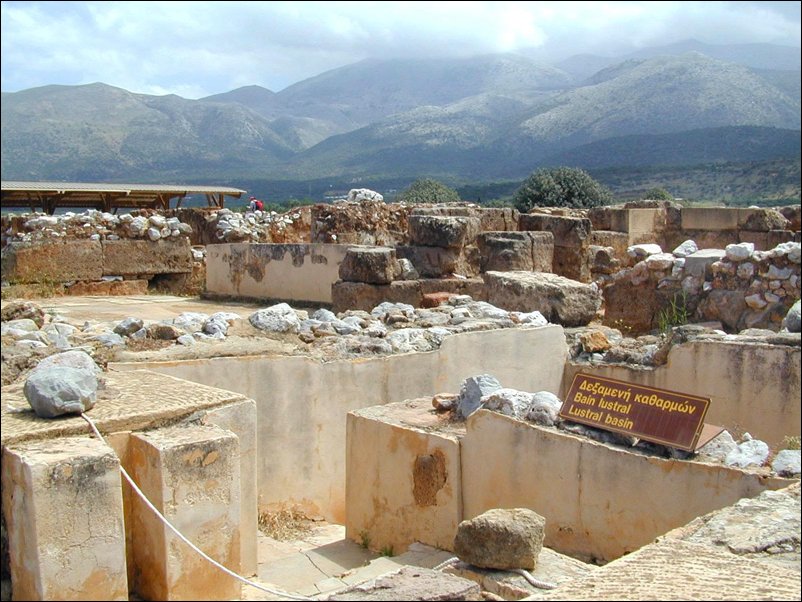
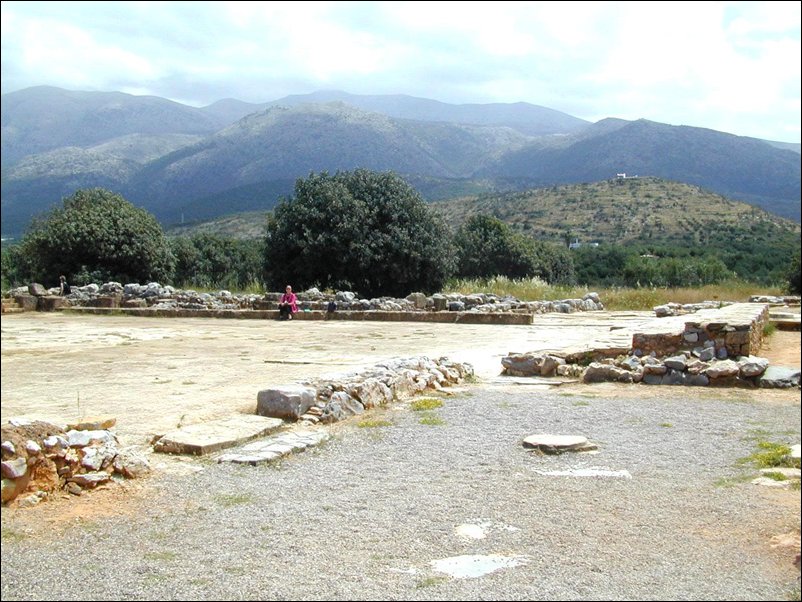
Around 1900 BC, one of the four great palaces of the Old Minoan period arose at Malia, alongside those of Knossos, Phaistos and Zakros: an administrative and religious structure that governed a vast agricultural district of the coastal plain. Destroyed by an earthquake around 1700 BC, it was rebuilt on an even larger scale during the Neopalatial period, before being definitively abandoned around 1450 BC, probably following the same wave of crisis that struck the entire Minoan civilisation after the eruption of Thera. Unlike Knossos, the palace of Malia was never reinterpreted in modern times with showy reconstructions: what can be seen today are the original foundations and walls, a fact that archaeologists appreciate for its authenticity but which requires visitors to make a little extra effort of imagination.
The palace archaeological site
The site, about three kilometres east of the modern town centre, can be explored on foot among courtyards, storerooms with enormous terracotta jars (pithoi) still in place, throne rooms and a ceremonial area with the famous Kernos, a large perforated stone disc perhaps used for ritual offerings. Among the most celebrated finds unearthed here is the gold double axe with a leopard's head, now kept in the Archaeological Museum of Heraklion, which has become one of the most recognisable symbols of Minoan art. Walking among these ruins, often far less crowded than Knossos, gives a sense of intimacy with the past that is easier to find in Malia than elsewhere.
The Chrysolakkos necropolis
Not far from the palace, toward the sea, lies Chrysolakkos, the "pit of gold": a monumental funerary complex of the Minoan elite, where in the nineteenth and early twentieth centuries extraordinary jewellery was found, including the very same double axe with the leopard's head. The site's name itself recalls the popular memory of hidden riches, fuelled for centuries by local farmers and fishermen well before scientific excavations confirmed the importance of the place. Today the area, less organised for visitors than the palace, remains a valuable piece for understanding the funerary rituals and social stratification of Minoan civilisation.
Foreign rule and later history
After the Minoan decline, the region followed the fate of Crete as a whole: Dorian and Hellenistic presence, Roman province, a long Byzantine rule, the Arab interlude of the ninth century with the nearby capital of Chandax (present-day Heraklion), followed by four and a half centuries of Venetian rule, during which the Malia plain was exploited chiefly for agriculture and the production of oil destined for the markets of Candia. With the Ottoman conquest of 1669, the island passed under Turkish control until autonomy at the end of the nineteenth century and finally union with Greece in 1913. The modern village of Malia, which grew up around a small community of fishermen and farmers, remained a marginal, agricultural place until, starting in the 1960s and 1970s, the opening to mass tourism radically changed its face.
The old town and the historic village
Behind the tourist strip survives the original core of Malia, a maze of narrow lanes, whitewashed stone houses, small churches and the central square with its traditional coffee houses (kafenia) where the village elders still play tavli in the shade of the plane trees. This is where authentic Crete can still be felt, far from the nightlife venues: grocery shops, bakeries turning out bread and paximadi, the parish church with its icons, and a pace of life that changes little from one summer to the next. It is always worth taking an evening stroll through this part of the village, perhaps before heading to the seafront, to grasp the contrast between Malia's two souls.
The seafront and the nightlife
The Malia strip, the main street running parallel to the beach, has for decades been one of Europe's hubs of youth nightlife, with clubs open until dawn, themed bar chains, ice cream parlours and souvenir shops open late into the night. In recent years the municipality has invested in a gradual repositioning toward a more mature, family-oriented tourism, with stricter controls on excess and an urban redevelopment of the waterfront, but the reputation as a destination for nightlife entertainment still remains an integral part of the place's identity, especially during July and August.
The beaches and the coastal landscape
Malia's main beach is a long arc of golden sand with a gently shelving, shallow seabed, ideal for swimming and for families with children, equipped with sun loungers, umbrellas and water sports in the central section, becoming quieter and more natural the further east one goes, toward the archaeological site. Beyond the built-up area, the coast grows wilder: coves accessible only on foot, dunes covered with Mediterranean vegetation and, a little further east, the start of the Chersonissos peninsula and the first hills that lead into the harsher landscape of Lasithi. Behind the village, meanwhile, opens the Malia plain, historically one of the most fertile areas of Crete, planted with olive groves, citrus orchards and vegetables, with irrigation channels that testify to intensive use of the land since ancient times.
The hinterland and surroundings
Those who move away from the coast find a hilly hinterland dotted with small farming villages, such as Stalida a little to the west or the more inland villages at the foot of Dikti, where olive oil, thyme honey and local wine are still produced. The proximity to the Dikti massif, the mountain that according to myth guards the birth cave of Zeus, also makes Malia a convenient starting point for excursions to the Lasithi Plateau, famous for its old windmills and terraced farming landscapes, about an hour's drive from the sea.
Traditions, cuisine and local flavours
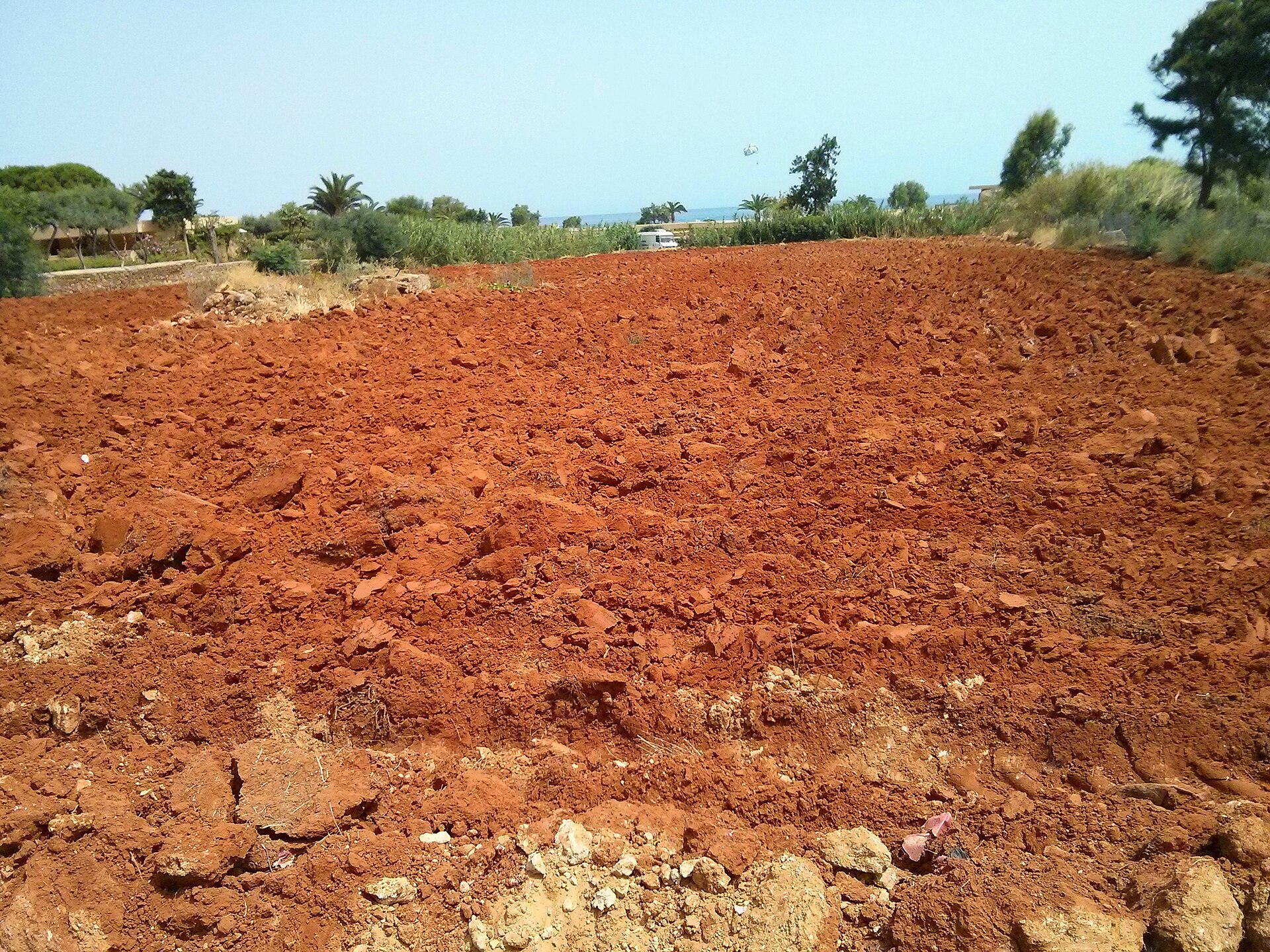
Despite the touristic vocation of the coastal strip, Malia's cuisine remains deeply Cretan: extra virgin olive oil from the local plain, cheeses such as graviera and mizithra, the barley bread paximadi at the base of the famous dakos, lamb and goat cooked in the oven or grilled, snails stewed in traditional peasant style, and honey-and-walnut sweets such as xerotigana and loukoumades. In the less touristy months, the kafenia of the old village remain the best place to taste authentic dishes, while the village's religious festivals, especially those linked to the patron saint, are still occasions for traditional music with Cretan lyra and laouto, dancing in the square and shared feasting.
When to go and how to experience Malia
July and August are the months of full-blown beach and nightlife tourism, with high temperatures, crowded beaches and clubs open until dawn: the ideal choice for those seeking exactly this kind of experience. May, June and September instead offer a more balanced compromise, with sea already warm, fewer crowds and the chance to devote time to the archaeological site and excursions into the hinterland without the record heat of high summer. Spring, with the green plain and poppies among the olive trees, is the best time for those who want to discover agricultural and historic Malia away from the nightlife season.
- Visit the archaeological site of the Minoan palace of Malia, less crowded than Knossos but just as significant
- Explore the Chrysolakkos funerary area and its history of discoveries and treasures
- Stroll through the old village among stone lanes, churches and traditional coffee houses
- Spend a day on the main beach, between golden sand and shallow water
- Experience an evening on the seafront strip, among bars and clubs open late
- Head up to the Lasithi Plateau for an excursion among windmills and farming landscapes
- Taste authentic Cretan cuisine in the kafenia away from the tourist area
- Go snorkelling in the wilder coves east of the town, toward the archaeological site
FAQ
Come si raggiunge Malia da Iraklio?
Quanto tempo serve per visitare il sito archeologico?
Malia è adatta alle famiglie con bambini?
Dove si parcheggia per visitare il centro e il sito archeologico?
Malia va bene anche per chi cerca vacanze tranquille?
Si possono portare animali domestici in spiaggia?
Getting there
- Aeroporto Internazionale di Iraklio Nikos Kazantzakis, circa 30 km
- Malia si raggiunge percorrendo la strada nazionale costiera che collega Iraklio a Agios Nikolaos, uscita diretta per il paese; il tragitto da Iraklio richiede circa 30-35 minuti in auto.
- In alta stagione conviene noleggiare un'auto per raggiungere comodamente sia il sito archeologico sia l'altopiano di Lasithi, evitando gli orari più caldi della giornata per gli spostamenti nell'entroterra.
Perfect for
Il palazzo minoico e la necropoli di Chrysolakkos raccontano quasi quattromila anni di storia cretese in poco spazio.
Spiagge di sabbia e fondali bassi, ideali sia per il relax che per gli sport acquatici estivi.
La strip di Malia resta una delle mete europee più frequentate per il divertimento serale d'estate.
La piana agricola e l'altopiano di Lasithi offrono escursioni tra ulivi, mulini a vento e paesaggi montani.
Il villaggio vecchio e i kafenia custodiscono ancora la cucina e le tradizioni autentiche di Creta rurale.
To see