

Koutsounari
Imagine a place where time seems to flow at the slow rhythm of the Libyan Sea's waves, a corner of southern Crete where the majest...
Updated 8 July 2026
This season · July · Summer
What to do in Koutsounari now
The story
The story of Koutsounari
Roots between the mountains and the sea: the history of Koutsounari
The history of Koutsounari is intrinsically linked to that of the village of Agios Ioannis above it. For centuries, local populations preferred to live on the heights of the Thripti mountains to escape the pirate raids that plagued the Cretan coasts and to find a milder climate during summer. Koutsounari originally began as a seasonal settlement: shepherds and farmers would come down here during winter to graze livestock and tend the olive groves of the coastal plain. Only after the Second World War, with the end of threats from the sea and the development of intensive greenhouse farming, did residents begin to settle permanently on the coast, giving rise to the vibrant community we know today.
The Great Beach of Koutsounari
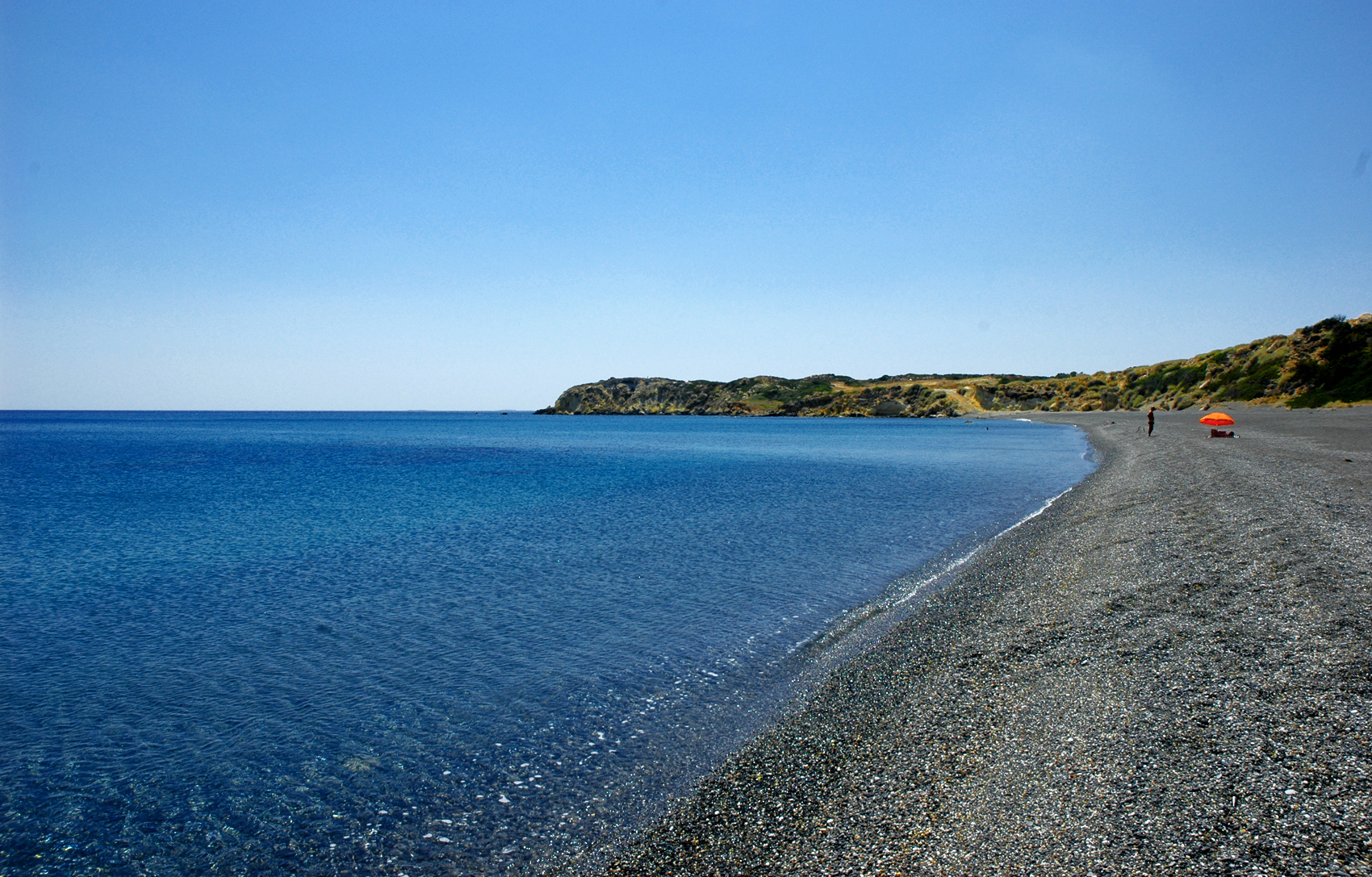
Also known as Long Beach or Agios Ioannis beach, this stretch of small grey pebbles and coarse sand runs for over five kilometres. Its distinctive feature lies in the extraordinary clarity of the water, which takes on emerald and turquoise hues thanks to the deep seabed. Along the shore, majestic tamarisk trees provide natural, free shade, a rare luxury on modern beaches. Despite the presence of stretches equipped with sunbeds and umbrellas, the beach is so vast that it always guarantees ample space for solitude and silence, making it one of the favourite destinations for those who love direct contact with nature without giving up the comfort of a typical taverna just steps from the water's edge.
The old village of Agios Ioannis
Climbing towards the mountain slopes, you reach Agios Ioannis, Koutsounari's 'mother' village. Once nearly completely abandoned, this village is now experiencing a revival thanks to the careful restoration of its traditional stone houses. Strolling through its narrow lanes is like stepping back in time: whitewashed façades, pots of geraniums and old wooden doors tell the story of a Crete from another era. From its privileged position, you can enjoy a breathtaking view spanning the entire bay of Ierapetra and the Libyan Sea, a panorama that turns warm, unforgettable colours at sunset. It is the ideal spot for dinner at one of the small taverns serving dishes cooked according to old family recipes.
The Mylonas Waterfall: a hidden oasis
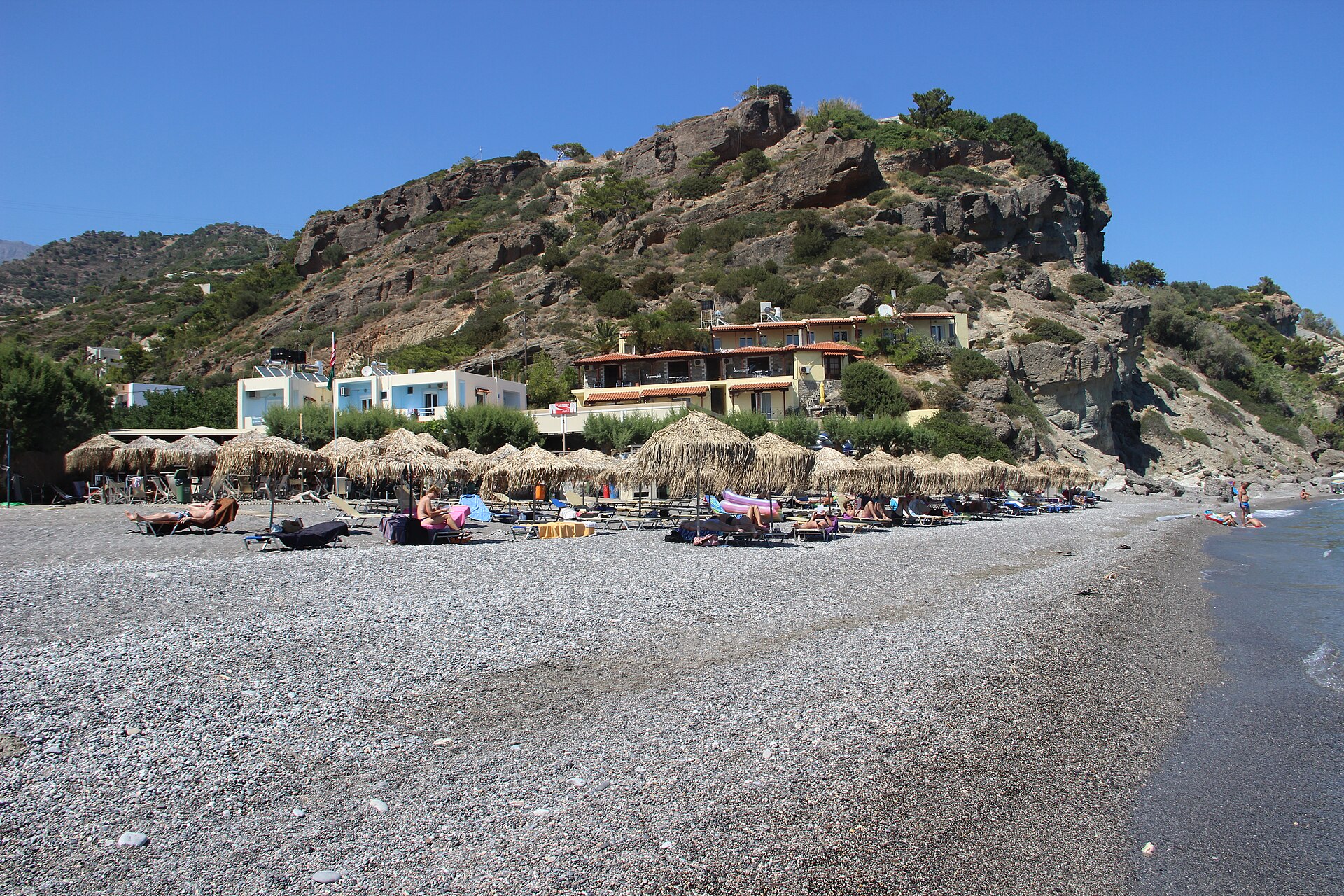
A short distance from Koutsounari lies one of the area's most fascinating natural secrets: the Mylonas waterfall. Reaching it requires walking a path of about twenty minutes that winds through Mediterranean pines and limestone rocks. The waterfall, about 15 metres high, creates a small natural pool at its base surrounded by lush vegetation that seems almost out of place in the arid landscape of southern Crete. Although the water flow may decrease during summer, the site retains a magnetic charm and offers a refreshing coolness. It is a must-see destination for lovers of light trekking and for those wishing to discover the wilder, lesser-known face of the island's interior.
Ierapetra and the Fortress of Kales
Just 9 kilometres away, Ierapetra is the region's nerve centre. Founded in Minoan times and fought over by Romans, Byzantines, Venetians and Ottomans, the town holds historical evidence of great significance. The landmark monument is the Fortress of Kales, built by the Venetians in the 13th century to protect the harbour. Its massive walls still look out over the sea today, offering an evocative route to explore. Also not to be missed is 'Napoleon's House', where the French commander is said to have stayed incognito for one night during his Egyptian campaign in 1798. Ierapetra's seafront, with its cafés and restaurants, is the perfect place to immerse yourself in local daily life.
Chrissi Island: an exotic paradise

Boats leave daily from Ierapetra for the island of Chrissi (or Gaidouronisi), a protected nature reserve located about 15 kilometres from the coast. Chrissi is famous for its beaches of extremely fine sand made up of shell fragments, which give the sea a Caribbean-like colour. The island is also home to a rare forest of Lebanon cedars, some of which are over 200 years old. It is an extremely fragile and precious ecosystem, where time seems to have stood still. Spending a day here means immersing yourself in crystal-clear waters and walking on golden dunes, an experience that perfectly complements a stay in Koutsounari, offering a unique colour contrast to the darker beaches of the mainland.
Landscape and Nature: among olive trees and mountains
The landscape around Koutsounari is a masterful example of Mediterranean contrasts. On one side, the Thripti mountains form an imposing barrier that shields the coast from northern winds, creating an exceptionally mild microclimate all year round. On the other, the coastal plains are dominated by centuries-old olive groves that produce a superior-quality oil, a staple of the Cretan diet. The interior is cut through by spectacular gorges, such as the Ha Gorge (visible from a distance), one of the narrowest and wildest in Europe. The local flora is rich in wild aromatic herbs: walking along the paths, it is not uncommon to come across bushes of oregano, sage and dittany, the latter a medicinal plant that grows only in Crete.
Culinary traditions and flavours of the south
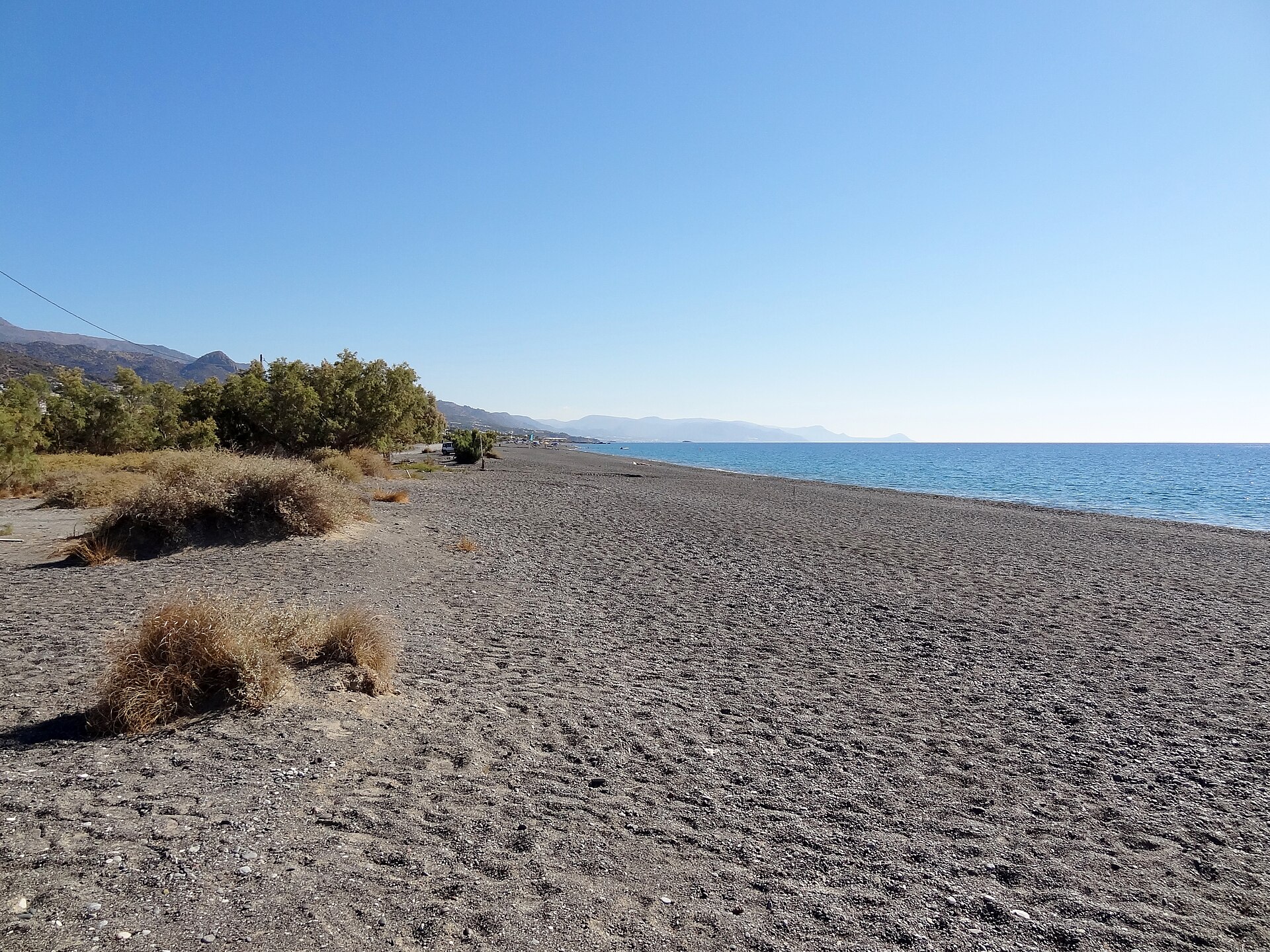
Koutsounari's cuisine reflects the generosity of its land. Here, the concept of 'zero food miles' is a daily reality: vegetables come from nearby gardens, fish is caught at dawn in the Libyan Sea, and cheese is made by shepherds from the Thripti mountains. A must-try is 'Dakos', a barley rusk topped with fresh tomato, olive oil, oregano and mizithra (a creamy local cheese). Other specialities include 'Kalitsounia', small sweet or savoury pastries filled with cheese or herbs, and rabbit stewed with rosemary. Every meal invariably ends with a small glass of 'Raki' (or Tsikoudia), the local spirit that symbolises Cretan friendship and conviviality.
- Go snorkelling in the crystal-clear waters of Long Beach to explore the rocky seabed.
- Walk the path leading to the Mylonas Waterfall early in the morning.
- Have dinner at a traditional tavern in Agios Ioannis while admiring the sunset over the sea.
- Visit Ierapetra's weekly market to buy spices, honey and local products.
- Take part in one of the 'Panigiria', the summer religious festivals with live music and traditional dancing.
- Explore mountain villages such as Orino and Schinokapsala by car to discover a more authentic Crete.
When to go and how to experience the place
Koutsounari enjoys one of the warmest and sunniest climates in all of Greece, making it an ideal destination for most of the year. Spring (April-May) is the magical time when nature bursts into multicoloured bloom and temperatures are perfect for trekking. Summer is hot but tempered by sea breezes, ideal for those seeking a purely beach-focused holiday. However, many consider autumn (September-October) to be the best period: the sea is very warm, the crowds thin out, and the atmosphere becomes even more relaxed. To fully experience the place, it is advisable to rent a car, essential for exploring the nearby bays and hilltop villages, and to let curiosity guide you, following the side roads that lead to unexpected discoveries.
FAQ
Qual è la spiaggia migliore per le famiglie?
È necessario noleggiare un'auto?
Quanto tempo occorre per visitare la zona?
Ci sono opzioni per vegetariani nella cucina locale?
Getting there
- Aeroporto di Heraklion (Nikos Kazantzakis) - 100 km
- Aeroporto di Sitia - 55 km
- Non sono presenti linee ferroviarie a Creta.
- Da Heraklion, seguire la strada statale E75/90 verso est in direzione Agios Nikolaos e poi Ierapetra. Da Ierapetra, proseguire sulla strada costiera verso est per circa 15 minuti.
- La strada da Heraklion è panoramica ma presenta diverse curve; calcolate circa un'ora e mezza di viaggio.
Perfect for
Ideale per chi cerca spiagge ampie, acque limpide e un'atmosfera tranquilla lontano dal turismo di massa.
Punto strategico per esplorare le montagne Thripti, le gole selvagge e le cascate nascoste dell'entroterra.
Perfetto per immergersi nell'autentica vita cretese, tra borghi in pietra e una gastronomia d'eccellenza.
To see
