

Khania
Overlooking the cobalt waters of the Cretan Sea, gazing toward the Aegean with the majestic White Mountains as a protective backdr...
Updated 7 July 2026
This season · July · Summer
What to do in Khania now
The story
The story of Khania
A history of dominations and rebirths
Chania's origins are rooted in myth and archaeology: it stands on the ruins of ancient Kydonia, one of the most important cities of Minoan civilization. After the decline of Cretan palaces and the Byzantine period, the decisive turning point came in 1204, when the Venetians took control of the island following the Fourth Crusade. Under the Serene Republic, the city became 'La Canea', a flourishing commercial and military center, equipped with imposing fortifications to resist pirate and Ottoman threats. In 1645, after a long siege, the city fell to the Turks, who transformed churches into mosques and impressed an Oriental imprint on its urban fabric. Only in 1913, after decades of struggle for independence and the period of International Protectorate, Chania and all of Crete were officially reunited with Greece, bringing with them an incredibly heterogeneous cultural heritage.
The Venetian Harbor and its iconic lighthouse
The Venetian Harbor is undoubtedly the symbolic image of Chania, built between 1320 and 1356 for commercial and defensive purposes. Its crescent-shaped quay is a succession of restored historic buildings now hosting cafés and restaurants, but it is the end of the pier that captivates the eye: here stands the Lighthouse (Pharos), one of the oldest structures of its kind in the world. Although the base is original Venetian, its current minaret-like form dates to the period of Egyptian occupation (19th century). Reachable by a scenic walk along the breakwater, the lighthouse offers an unparalleled view of the old town, especially at sunset, when the surrounding mountains tint with pink and the harbor lights begin to reflect on still water.
Firkas Fortress and the Naval Museum
Situated at the western entrance to the harbor, Firkas Fortress was built by the Venetians to protect the mouth of the bay. Its name derives from a Turkish term indicating a barracks or military division. Within its walls lies the spirit of Cretan resistance: it was here that on December 1st, 1913, the Greek flag was raised for the first time, symbolizing definitive union with the motherland. Today the fortress houses the Naval Museum of Crete, an essential stop for understanding the indissoluble bond between the island and the sea. The exhibitions span from models of ancient ships to relics of the Battle of Crete during World War II, offering an educational journey that interweaves naval engineering and war chronicles in an architecturally rigorous and fascinating setting.
The Mosque of the Janissaries (Giali Tzamisi)
Not far from the pier, the Mosque of the Janissaries attracts attention with its white domes and massive structure that seems to emerge directly from the quay. Built in 1645 immediately after the Ottoman conquest, it is the oldest Islamic building on the island. Dedicated to Küçük Hasan Pascià, the mosque ceased its religious functions in 1923, unfortunately losing its minaret during the bombings of the last century. Today, stripped of its sacred furnishings, it has become a dynamic exhibition space hosting art shows and local crafts. Its architecture, characterized by a large central dome surrounded by seven smaller domes, represents a rare example of Ottoman Baroque and stands as a silent witness to the long period of Turkish domination that shaped Chania's aesthetic.
The Kastelli Quarter and Minoan roots
Kastelli is the hill overlooking the harbor, the place where everything began. This quarter is the oldest nucleus of the city, inhabited continuously since the Neolithic. Archaeological excavations in the open air along Kanevaro Street have uncovered the remains of a magnificent Minoan residence, confirming that ancient Kydonia was more than mere legend. Walking through Kastelli's streets one perceives an almost tangible historical density: Byzantine walls intertwine with Venetian foundations, while the remains of the Rector's Palace recall the administrative importance of the zone under Venice. Despite serious damage during World War II, Kastelli retains an aristocratic and decadent atmosphere, offering from its highest points some of the most photographed vistas over the harbor and the Janissary Mosque.
Splantzia and the Church of San Nicola
The Splantzia quarter, located east of the harbor, was once the pulsing heart of the Muslim community. At the center of its main square, shaded by an ancient plane tree, stands the Church of San Nicola (Agios Nikolaos). This building is an architectural rarity and symbol of the city's forced religious coexistence: originally part of a Venetian Dominican monastery, it was transformed into a mosque by the Turks, who added a minaret. Today, returned to being an Orthodox church, it presents the extraordinary rarity of having both a Christian bell tower and a Muslim minaret (though truncated) rising simultaneously. Splantzia is today a bohemian quarter, rich in small cafés and artisanal shops where one can savor the most authentic daily life of Chania, far from the main tourist flows.
The Municipal Market (Agora)
Inaugurated in 1913 to celebrate Crete's union with Greece, Chania's Municipal Market is an imposing cross-shaped building inspired by the Marseille market. Located at the boundary between the old and modern city, the Agora is the temple of Cretan gastronomy. Beneath its high metal vaults, dozens of stalls display the best of local production: cheeses like graviera and mizithra, olives of every variety, wild herbs from the mountains, thyme honey, and the celebrated extra virgin olive oil. It is the ideal place to lose oneself among intense fragrances and to observe locals bargaining their daily shopping. Although currently undergoing significant restoration, the surrounding area continues to be the center of traditional commerce, keeping the mercantile soul of the city alive.
Nature and Landscape: from beaches to the White Mountains
The territory of Chania is a triumph of natural contrasts. Just steps from the center lies Nea Chora beach, beloved by residents, but by traveling just a few kilometers one encounters postcard-worthy scenes like the Balos lagoon or the pink sands of Elafonisi. However, the true character of this region is defined by the Lefka Ori, the White Mountains, which rise snow-capped into late spring. This limestone massif hosts the Samaria Gorge, one of Europe's longest canyons, a paradise for hikers wishing to immerse themselves in untamed nature among pine forests, wild goats (kri-kri), and vertical rocky walls. The interior is a succession of fertile plateaus, centuries-old olive groves, and small villages where time seems to have stopped, offering a silent counterpoint to the vitality of the coast.
Traditions and Flavors: the art of Cretan hospitality
Chania's culture is intrinsically tied to its table and the concept of 'philoxenia' (hospitality). The Cretan diet is not merely a dietary regime but a lifestyle based on fresh, seasonal ingredients. One cannot leave the city without having tried 'dakos', a barley rusk topped with fresh tomato, cheese, and oregano, or 'kalitsounia', small pastries sweet or savory filled with cheese and mint. The emblematic drink is 'tsikoudia' (or raki), a pure grape distillate that accompanies every social encounter. Popular traditions also revive through music, with the Cretan 'lyra' animating village festivals (panigiri), and in craftsmanship, especially in leather working on Skridlof street (the street of boots) and in the production of finely carved knives with poetic verses (mantinades).
Experiences not to miss
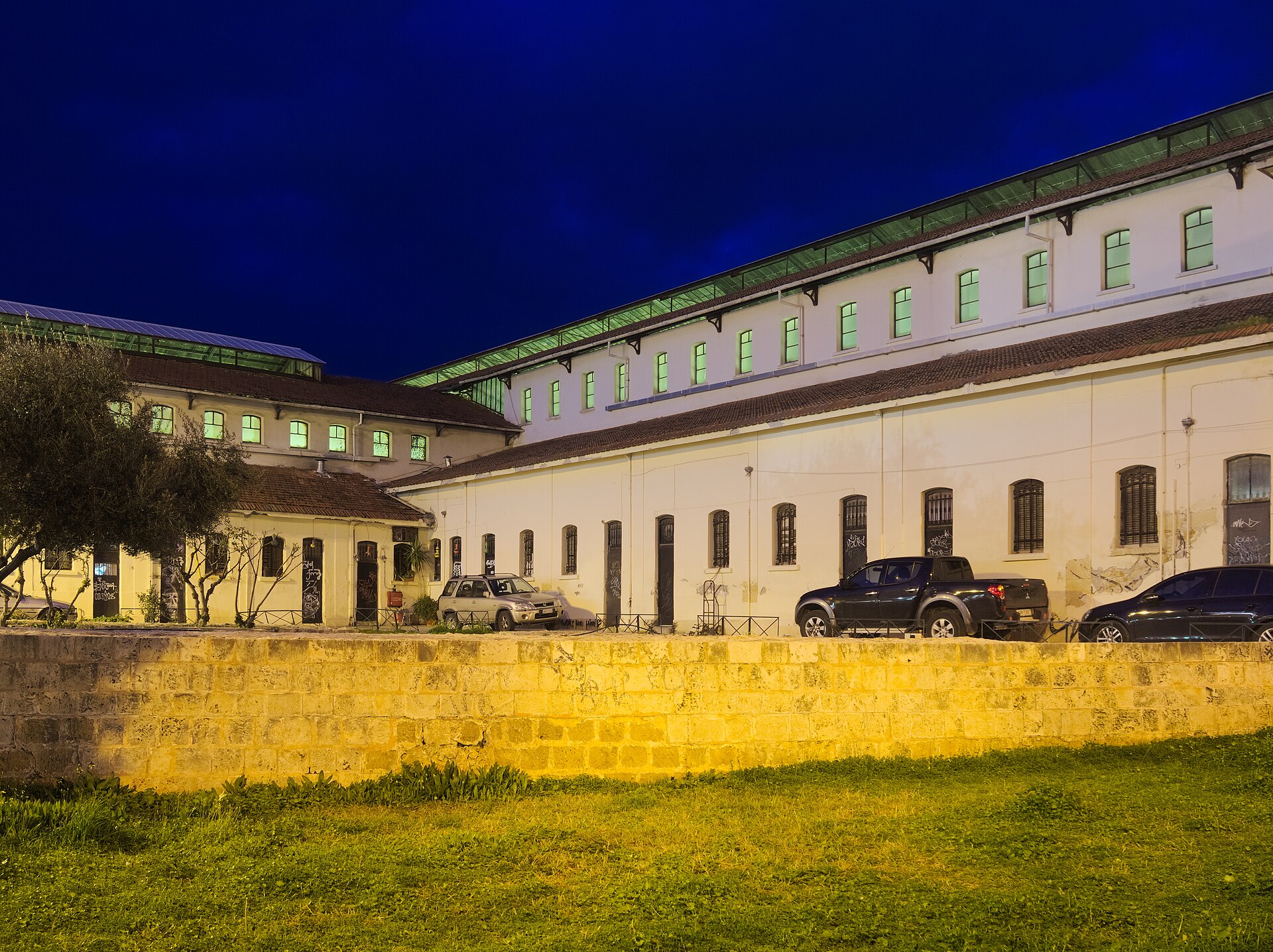
- Stroll through the Topanas quarter early in the morning, admiring the facades of Venetian palaces without the crowds.
- Savor a dinner of fresh fish in the taverns of the Nea Chora fishermen's quarter.
- Visit the Archaeological Museum of Chania, located in the striking modern building in the Halepa quarter.
- Explore the Jewish quarter (Evraiki) and visit the Etz Hayyim synagogue, the last testimony of the local Jewish community.
- Take an excursion to the Akrotiri peninsula to visit the monasteries of Agia Triada and Gouverneto.
- Lose yourself among the shops of knife-makers and leather workers to purchase an authentic artifact of Cretan tradition.
When to visit and how to experience the city
Chania is a destination that changes face with the seasons. Spring (April-May) is perhaps the magical moment: nature bursts with flowers, temperatures are mild, and one can enjoy the city without summer crowds. Summer is the season for the sea and nightlife, ideal for those seeking the energy of beaches and open-air venues, although heat can be intense in July and August. Autumn (September-October) bestows warm waters and golden light perfect for photography, plus the chance to witness grape harvest and raki distillation. To experience Chania as a local, avoid overly touristic restaurants on the harbor front and seek small taverns hidden in interior lanes, where the menu is handwritten and service is marked by the genuine courtesy of the Cretans.
FAQ
Quanto tempo occorre per visitare Chania?
È facile parcheggiare vicino al centro storico?
Chania è adatta alle famiglie con bambini?
Qual è il modo migliore per muoversi nei dintorni?
Getting there
- Aeroporto Internazionale di Chania 'Ioannis Daskalogiannis' (CHQ) - 14 km dal centro
- Da Heraklion si percorre la New National Road (E75) verso ovest per circa 140 km (2 ore e 15 minuti).
- Dall'aeroporto è disponibile un bus navetta frequente che porta direttamente alla stazione centrale dei bus in circa 25-30 minuti.
Perfect for
Un incredibile mix di influenze minoiche, veneziane e ottomane visibili in ogni angolo della città vecchia.
Patria della dieta cretese, offre prodotti d'eccellenza come olio d'oliva, formaggi locali e l'immancabile raki.
Base perfetta per raggiungere alcune delle spiagge più belle del mondo e per fare trekking nelle spettacolari Gole di Samaria.
To see
