

Kalives
Gently nestled at the mouth of the Gulf of Souda, Kalives reveals itself to the traveler as one of the most authentic gems of the...
Updated 7 July 2026
This season · July · Summer
What to do in Kalives now
The story
The story of Kalives
A crossroads of civilizations: the history of Kalives
The roots of Kalives run deep in myth and archaeology, closely linked to the nearby city-state of Aptera, one of the most powerful centers of Minoan and classical Crete. The name itself, which in Greek means 'huts', seems to derive from temporary accommodations built by farmers or, according to other theories, from fortified settlements established by Arab pirates during their occupation of the island in the ninth century. Over the centuries, the strategic position at the entrance to the bay made this area a crucial observation point for every ruler: from the Byzantines to the Venetians, until the Ottomans. Each era left a tangible imprint, transforming the territory into a historical palimpsest where defensive fortifications coexist with the rural architectures typical of the Apokoronas region.
Ancient Aptera: the giant above the hill
Located on the plateau overlooking Kalives, the archaeological site of Aptera is an essential stop to understand the historical importance of the region. Founded in the eighth century BC, the city dominated maritime commerce thanks to its control of the natural port below. Today, visitors can admire the imposing Cyclopean walls that surrounded the settlement, a magnificently preserved Greek theater, and especially the enormous three-aisled Roman cisterns, masterpieces of hydraulic engineering that still impress with their vastness and state of preservation. The site also offers one of the most spectacular panoramas in Crete, with a view that spans from the snow-capped peaks of the White Mountains to the deep waters of the Aegean Sea.
The Fortress of Itzedin and the Koules Suba
Not far from the settlement stand two testimonies of the Ottoman period that tell stories of defense and detention. The Koules of Suba is a Turkish fortress built to monitor movements in the bay and suppress local uprisings. A short distance below stands the Fortress of Itzedin, erected in 1872 by commander Reuf Pasha. The latter is particularly significant for modern Greek history: transformed into a political prison during the twentieth century, it housed numerous dissidents during periods of dictatorship. The austere architecture in dark stone and its position overlooking the sea bestow upon the place an aura of solemn melancholy, making it a monument to the island's collective memory.
The Church of Agia Paraskevi and the heart of the village
In the center of Kalives stands the majestic Church of Agia Paraskevi, a landmark not only spiritual but also architectural. Characterized by a large dome and interiors richly frescoed according to Orthodox tradition, the church dominates the main square of the village. Around it unfolds social life: tavernas in the shade of great plane trees offer shelter from the summer heat, while small shops of local craftsmanship display textiles and ceramics. The proximity of the church to the sea creates a unique bond, where religious celebrations, especially during the patronal feast on July 26, blend with the conviviality typical of summer evenings on the coast.
The Koumos: a work of art in stone
On the outskirts of the village stands one of the most singular and fascinating attractions: the Koumos. It is an architectural complex entirely constructed by hand by a local resident, who used thousands of dry stones to build buildings, mosaics, and sculptures reminiscent of the style of ancient Cretan shepherd huts (the mitata). This place is an ode to patience and popular creativity; every corner reveals surprising details, from mythological figures to carved animals, all perfectly integrated into the natural environment. Visiting the Koumos means entering a fantastic world that celebrates the inseparable bond between the Cretan and the raw material offered by his land.
The Xydas and Koiliaris rivers: water and life
What makes Kalives unique compared to other Cretan coastal locations is the presence of two rivers that flow directly onto the beach. The Xydas river runs through the center of the village, populated by ducks and fish, and its banks offer refreshing walks in the shade of centuries-old trees. A little further west is the Koiliaris river, of greater size, which originates from the springs of the White Mountains. These watercourses ensure mild temperatures even in the hottest months and sustain a lush ecosystem. In ancient times, the power of water was harnessed to drive numerous mills, whose remains are still visible in the surrounding landscape, testifying to a past of agricultural and proto-industrial activity.
The beaches: Kiani Akti and the central bay
The beaches of Kalives are renowned for the quality of their waters, often awarded the Blue Flag. The main beach, located right in front of the village, is a crescent of golden sand bathed by calm, shallow sea, ideal for families. Moving westward, one encounters Kiani Akti (the Azure Coast), a long expanse of sand less crowded and brushed by the cool waters of the Koiliaris river mingling with those of the sea. Along the shore stand tamarisks that offer natural shade, alternating with discreet establishments where one can enjoy a coffee or light meal just steps from the waterline, enjoying a privileged view of the islet of Kalami.
The Apokoronas territory and neighboring villages
Kalives is the gateway to the interior of Apokoronas, a region characterized by rolling hills and traditional villages worthy of a visit. A few kilometers away is Almyrida, once a fishing village and now a charming coastal resort, famous for its fish tavernas. Rising toward the hills, one encounters Gavalochori, with its folklore museum and Venetian wells, and Vamos, the historic capital of the area, renowned for its restored neoclassical architecture and commitment to rural tourism. Exploring these surroundings allows you to discover the most authentic Crete, made of silent squares, carpentry shops, and small producers of organic olive oil.
Gastronomic traditions and local flavors
Cuisine in Kalives is a celebration of the products of the Apokoronas land. Here the Cretan diet expresses itself at its best: locally produced extra virgin olive oil is the undisputed protagonist of every dish. Not to be missed is the 'dakos', a barley rusks topped with fresh tomato, mizithra cheese, and wild oregano. Thanks to the presence of rivers and mountain pastures, the area is also famous for its cheeses, such as aged graviera and artisanal yogurt served with thyme honey. In tavernas along the Xydas river or on the beach, you can taste dishes based on lamb, wild vegetables (horta), and the freshest fish, all accompanied by 'tsikoudia' (raki), the local distillate that seals every convivial meeting.
- Visit the Aptera archaeological site at sunset for an unforgettable view.
- Take a walk along the Xydas river to the old water mill.
- Explore the Koumos and admire the mastery of dry stone construction.
- Enjoy a dinner of the freshest fish at one of the seaside tavernas.
- Participate in the feast of Agia Paraskevi on July 26 to experience local culture.
- Hike the trails of the Apokoronas interior among olive groves and small villages.
When to visit and how to experience Kalives
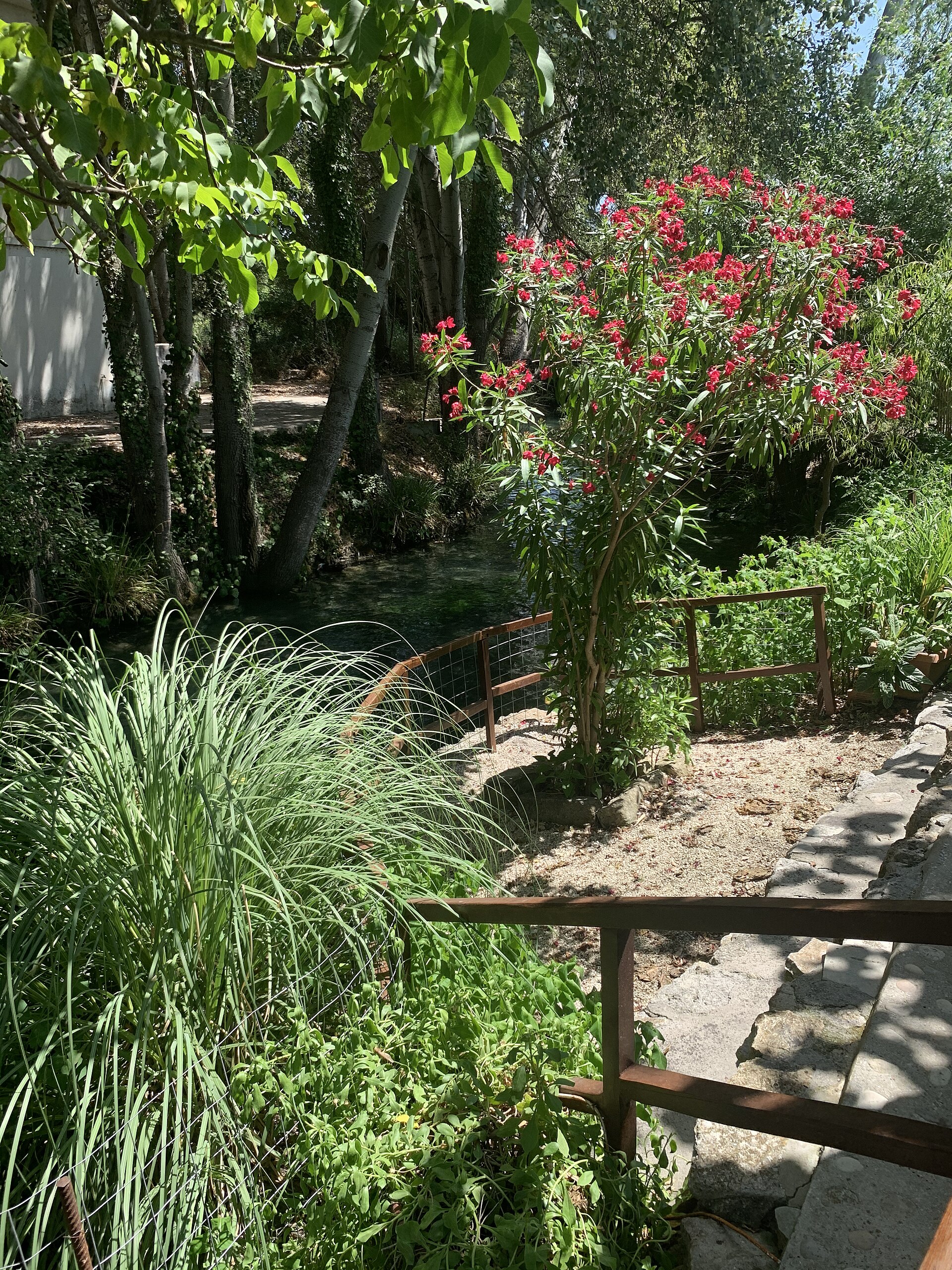
The best time to visit Kalives is from May to October. Spring (May and June) is ideal for nature lovers: the hills are in bloom, temperatures are perfect for hiking, and the village is peaceful. Summer is the time for the sea and liveliness, with beaches coming alive and evenings extending in open-air tavernas. September and October offer warm weather, a sea warmed by summer, and a more relaxed atmosphere, perfect for those seeking peace. To experience Kalives like a local, the advice is to frequent the weekly market in the surrounding area and allow yourself time for a Greek coffee prepared over coals in one of the historic cafes in the center.
FAQ
È una località adatta alle famiglie con bambini?
Quanto tempo occorre per visitare Kalives?
Si può parcheggiare facilmente?
È necessario noleggiare un'auto?
Getting there
- Aeroporto Internazionale di Chania (CHQ) - 25 km
- Non presenti (Creta non ha rete ferroviaria)
- Percorrere la New National Road (VOAK) in direzione Rethymno/Heraklion se si proviene da Chania, prendendo l'uscita per Kalives.
- Il tragitto dall'aeroporto dura circa 30 minuti; se arrivate via mare al porto di Souda, sarete a Kalives in soli 15 minuti.
Perfect for
Spiagge sicure, parchi gioco naturali lungo i fiumi e un'atmosfera rilassata la rendono perfetta per i bambini.
La vicinanza ad Aptera e alle fortezze ottomane offre un tuffo profondo nel passato millenario di Creta.
Un raro connubio tra mare, fiumi d'acqua dolce e la vicinanza alle imponenti Montagne Bianche.
To see
