

Ierapetra
Stretched along the southern coast of Crete, where the Libyan Sea laps sun-kissed shores for nearly the whole year, Ierapetra reve...
Updated 8 July 2026
This season · July · Summer
What to do in Ierapetra now
The story
The story of Ierapetra
The roots of Hierapytna: a history of pirates and empires
Ierapetra's origins go back to the Minoan period, but it was during the Hellenistic era that the city, then called Hierapytna, became one of the most influential powers in Crete. Known for its formidable fleet and, often, for the piracy its inhabitants practised in the eastern Mediterranean, the city carved out a leading role in maritime trade. With the Roman conquest in 67 BC, Hierapytna did not decline but prospered further, becoming a vital centre thanks to its strategic position. Under Byzantine, Venetian and finally Ottoman rule, the city changed face many times, yet always kept its calling as a southern outpost. Each domination layered new architecture and customs, making Ierapetra today a historical palimpsest where Venetian walls coexist with minarets and Byzantine churches.
The Fortress of Kales: sentinel over the Libyan Sea
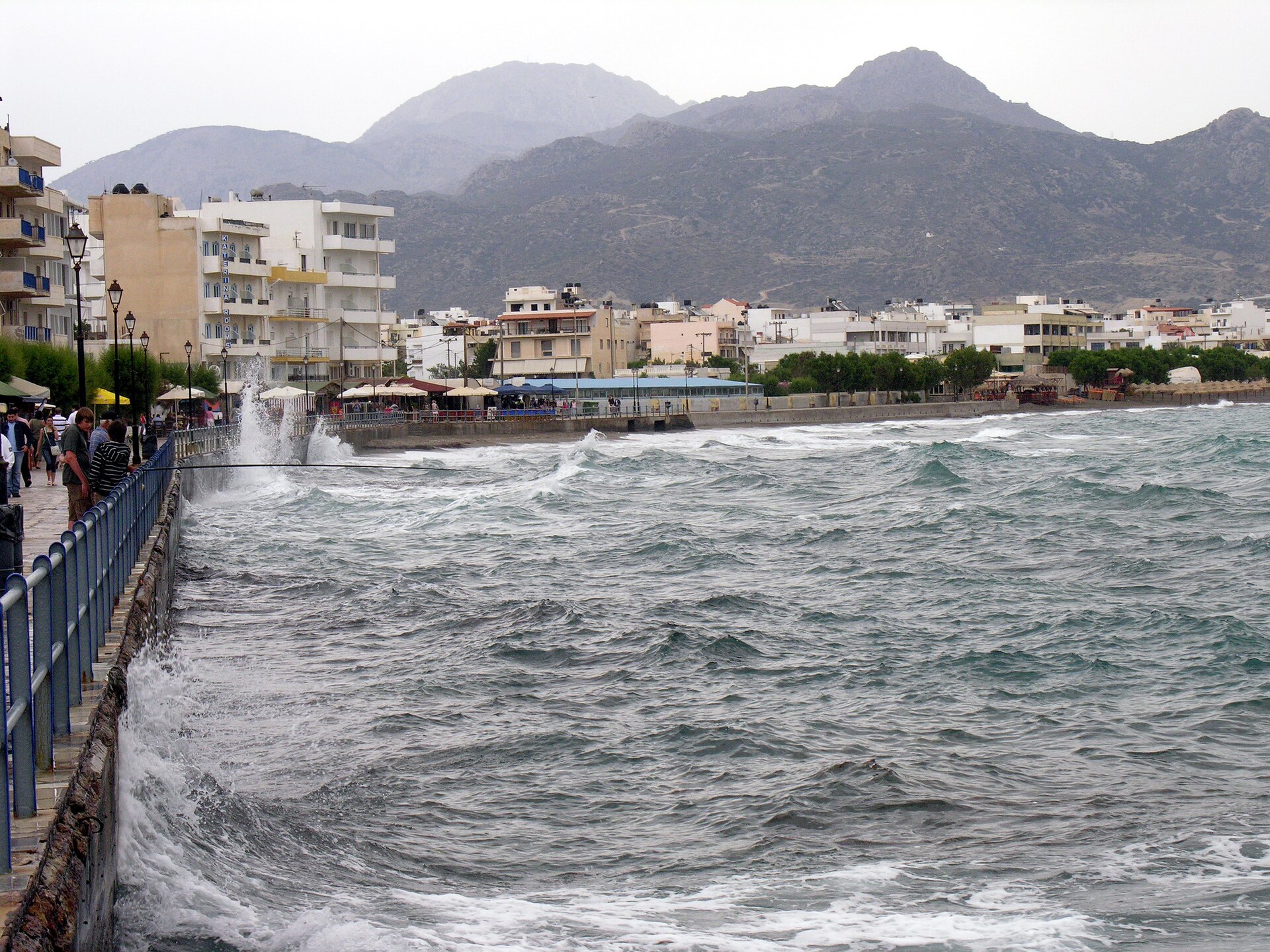
The city's undisputed symbol is the Kales Fortress, standing at the entrance to the old harbour. Originally built in the 13th century, legend has it that the Genoese Pescatore laid its foundations, although its present appearance is largely the work of the Venetians, who reinforced it in 1626 to protect the port from enemy raids and pirates. After Crete fell to the Turks in 1647, the fortress was further modified to meet new defensive needs. Today, its massive walls and corner towers provide a striking backdrop for cultural events and summer concerts. Walking along its ramparts offers a privileged view over the city and the endless blue of the sea, conjuring images of the vessels that once sailed these waters laden with spices and precious goods.
Kato Mera: the quiet charm of the old town
The Kato Mera quarter is the historic soul of Ierapetra, a maze of narrow alleys and low houses that preserve the atmosphere of centuries past. Here time seems to have stood still: whitewashed façades alternate with finely worked stone doorways, while hibiscus and bougainvillea flowers colour the hidden corners. Exploring Kato Mera means discovering small architectural treasures, such as the old Ottoman fountains and the modest fishermen's houses. It is the ideal place to wander aimlessly, guided by the scents of local cooking drifting from open windows and the sound of elderly neighbours chatting outside their doors. In this quarter you breathe the true Mediterranean essence, made of simplicity and a beauty that needs no artifice.
Napoleon's House: a legendary stopover
Among Ierapetra's historical curiosities stands out a small two-storey house in the old quarter, known as 'Napoleon's House'. According to local tradition, the French general stayed here incognito for one night in July 1798, during his expedition to Egypt. It is said that Bonaparte, after secretly landing in the harbour, was hosted by a local family unaware of his identity; only after his departure was a note of thanks found, signed by the future emperor. Although there is no certain documentary proof, the story is proudly preserved by the townspeople, and the recently restored building has become a must-see stop for anyone visiting the city, adding a veil of mystery and historical charm to the urban stroll.
The Mosque and the Ottoman Fountain
A testament to the long period of Turkish rule, Ierapetra's Mosque stands in the heart of the old town. Originally a church dedicated to Agios Ioannis, it was later converted into a place of Islamic worship with the addition of a minaret, of which only the base survives today. Facing the mosque stands the elegant Ottoman fountain, a hydraulic work decorated with inscriptions and floral motifs that once served for the faithful's ritual ablutions. These monuments tell of an era of coexistence and change, in which eastern traditions intertwined with local ones, leaving a visual legacy that enriches the city's profile and invites reflection on the complexity of Cretan identity.
The Archaeological Collection of Ierapetra
Housed in the former Ottoman School building (Mehtepi), the town's archaeological collection is a small treasure chest of finds spanning a period from the Minoan era to Roman times. The highlight of the exhibition is undoubtedly the splendid statue of Persephone, dating to the 2nd century AD, found in the city's surroundings and preserved in an extraordinary state of grace. Besides the sculpture, visitors can admire painted Minoan sarcophagi, ancient inscriptions, coins of Hierapytna and a wide range of ceramics that testify to the commercial and artistic importance of the centre in antiquity. It is an essential stop for understanding how this land was, for millennia, a workshop of culture and outstanding craftsmanship.
The Island of Chrissi: a paradise of golden sand
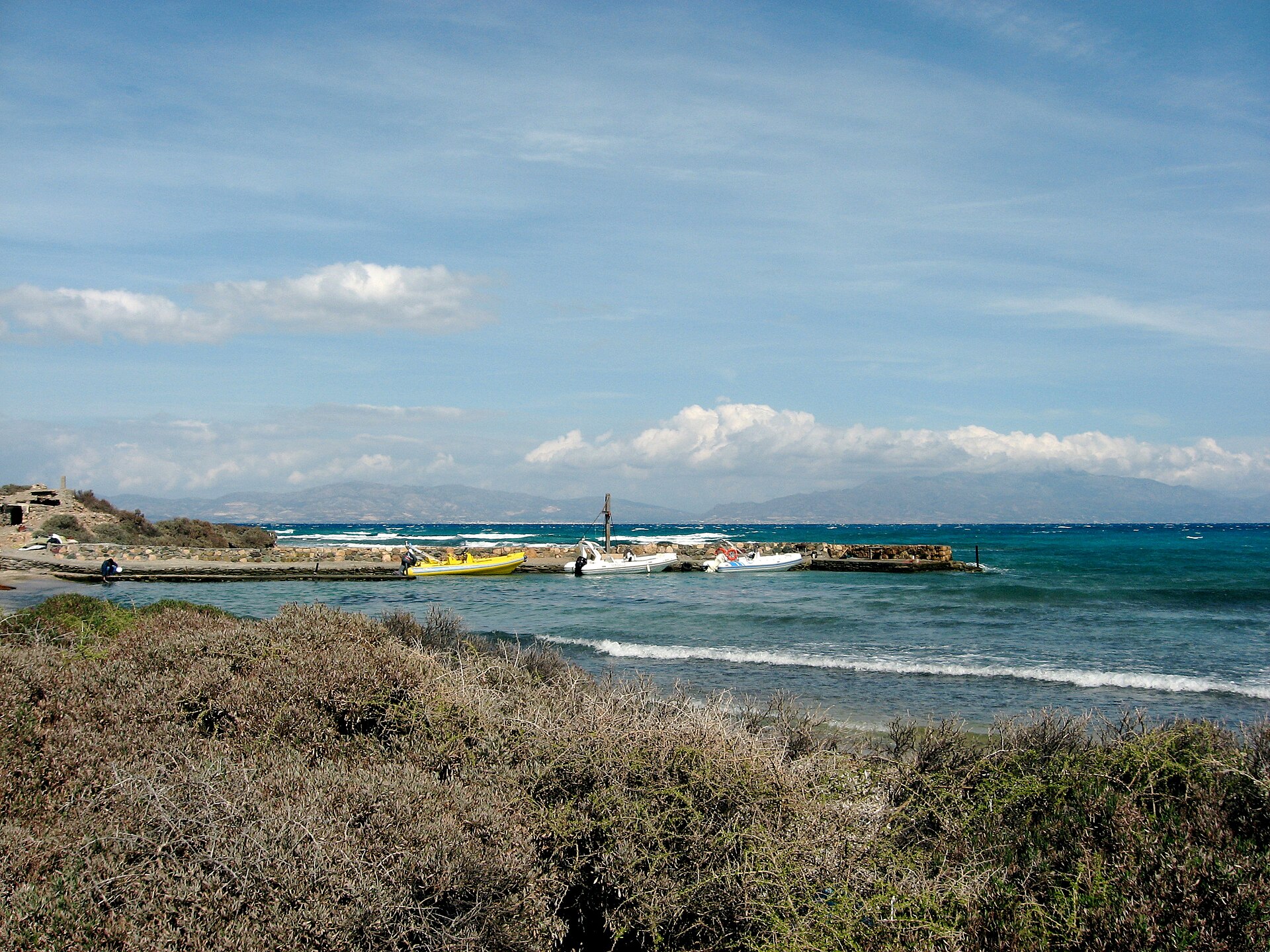
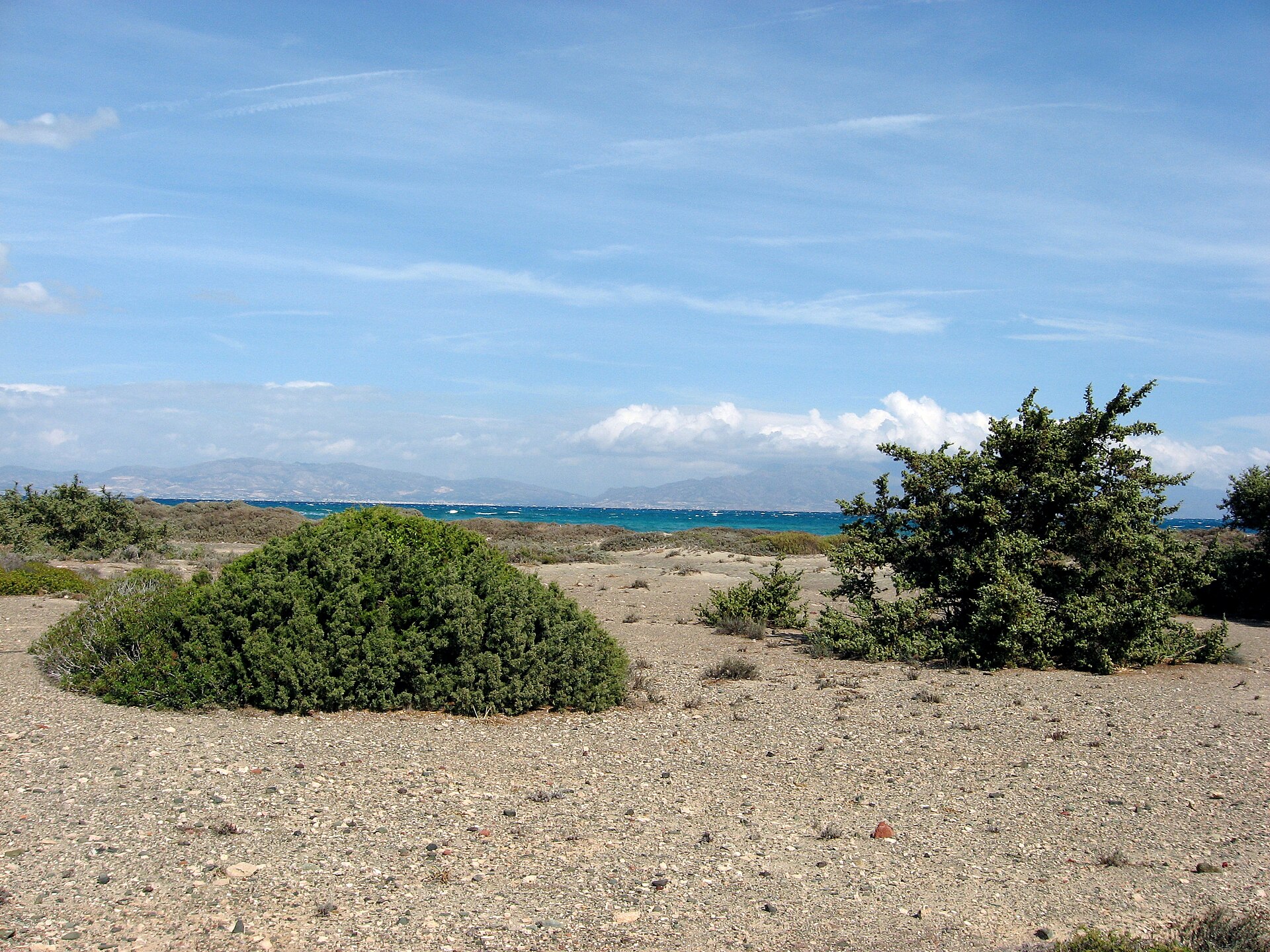
About 8 nautical miles south of Ierapetra lies the island of Chrissi, also known as Gaidouronisi. This uninhabited strip of land is a protected nature reserve, famous for its beaches of extremely fine sand made of shell fragments and for its turquoise waters that rival the Caribbean. The island is home to a rare forest of Lebanon cedars, some of which are over 200 years old. A boat trip to Chrissi is an unforgettable sensory experience: the shimmer of sunlight on the white sand, the resinous scent of the cedars and the chance to swim in crystal-clear water make this place a true earthly paradise. It is essential to respect the island's fragile ecosystem, keeping to marked trails and not removing shells or sand.
Nature and surroundings: between gorges and mountain villages
Ierapetra's hinterland offers scenes of dramatic beauty, where the mountains of the Thripti massif plunge towards the sea. Trekking enthusiasts should not miss the Ha Gorge, considered one of the most spectacular and narrowest in Europe, visible from the main road but accessible only to the most experienced. For a more relaxing experience, you can visit the villages of Kato Chorio and Episkopi, where life flows slowly among ancient churches and traditional kafenia. Not far away lies the Bramiana reservoir, an important wetland where numerous species of migratory birds can be spotted, representing a vital oasis of biodiversity for the region's ecological balance.
Traditions and flavours of the land of the sun
Ierapetra's cuisine is the triumph of the Cretan diet, based on the freshest, zero-mile ingredients. Thanks to the mild climate, the area produces an incredible variety of vegetables, but it is extra-virgin olive oil and wild herbs that make the difference. Not to be missed is 'Dakos', the typical Cretan rusk with tomato, feta and oregano, or 'Kalitsounia', small sweet or savoury pastries filled with mizithra cheese. In the seafront taverns you can enjoy grilled octopus or fresh fish, always accompanied by a glass of raki, the local spirit that symbolises Cretan hospitality. Religious festivals and summer fairs are the perfect occasion to listen to the music of the lyra and watch traditional dances, in an explosion of genuine conviviality.
- Admire the sunset from the walls of the Kales Fortress
- Explore the unspoiled beaches of the Island of Chrissi
- Visit the statue of Persephone in the Archaeological Collection
- Dine at a traditional taverna in the Kato Mera quarter
- Take a morning stroll along the Stratigou Samouil seafront
- Discover the story of the legendary Napoleon's House
FAQ
Qual è il periodo migliore per visitare Ierapetra?
Come si raggiunge l'isola di Chrissi?
Ierapetra è adatta alle famiglie?
Dove si può parcheggiare in città?
Getting there
- Aeroporto di Heraklion (HER) - 94 km
- Aeroporto di Sitia (JSH) - 60 km
- Non sono presenti linee ferroviarie a Creta.
- Da Heraklion si percorre la New National Road verso est fino ad Agios Nikolaos, poi si prosegue verso sud seguendo le indicazioni per Ierapetra (circa 1 ora e 30 minuti).
- Noleggiare un'auto è il modo migliore per esplorare anche le gole e i villaggi dell'entroterra, altrimenti i bus KTEL collegano regolarmente la città con Heraklion e Agios Nikolaos.
Perfect for
Con le sue spiagge Bandiera Blu e la vicinanza a Chrissi, è la meta ideale per chi cerca acque cristalline e sole garantito.
Dalle rovine minoiche alla fortezza veneziana, Ierapetra offre un viaggio affascinante attraverso millenni di dominazioni diverse.
Un paradiso per i buongustai che desiderano assaporare i prodotti genuini della terra cretese e la cucina mediterranea più autentica.
To see
