

Dharatsos
Nestled just a few kilometers west of vibrant Chania, Dharatsos (or Daratsos) represents one of the most authentic and versatile s...
Updated 7 July 2026
This season · July · Summer
What to do in Dharatsos now
The story
The story of Dharatsos
A story between land and sea
Dharatsos's origins are deeply interwoven with the historical events of nearby Chania, the ancient Kydonia. Although the settlement grew significantly in modern times, its roots sink into a rural past dominated by olive and grape cultivation. During the Venetian rule period, these lands were part of the vast agricultural hinterland that supplied the fortified city. Subsequently, under Ottoman dominion, the area maintained its agricultural vocation, while seeing the rise of small manor houses. A crucial chapter of local history is linked to the Second World War: Dharatsos and nearby Galatas were the theater of fierce battles during the Battle of Crete in 1941. The fierce resistance of locals and allied troops against the German parachute invasion is still remembered with pride today, profoundly marking the identity of this community that managed to rise from the ashes to become one of the most appreciated destinations on the island.
Pano Daratsos: the ancient heart on the hill
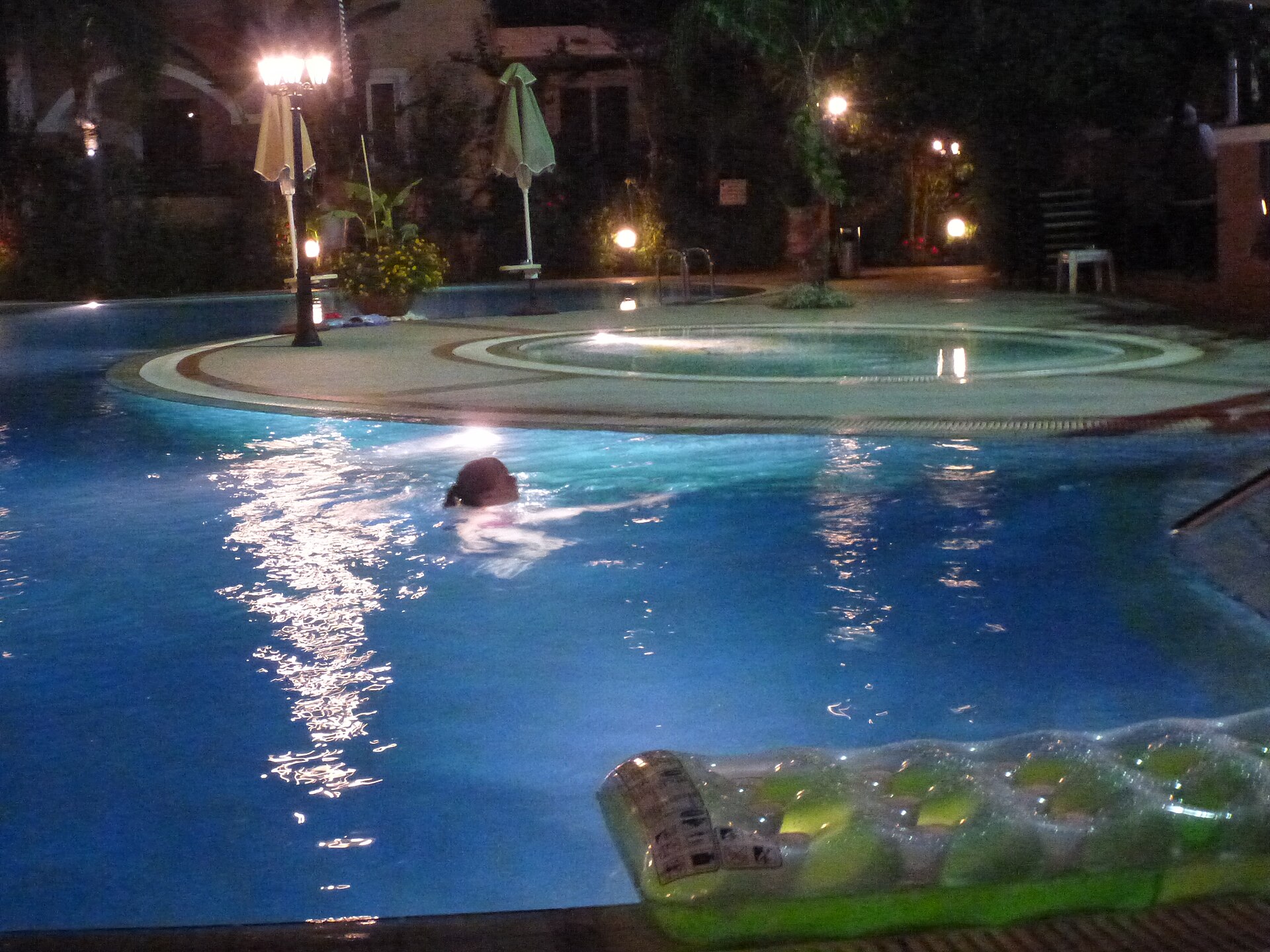
The upper part of the settlement, known as Pano Daratsos, preserves the charm of a traditional Cretan village. Situated on a height dominating the coastline, it offers breathtaking panoramic views spanning from the Aegean's blue to the imposing peaks of the White Mountains (Lefka Ori). Here, architecture is characterized by low stone houses, courtyards blooming with bougainvillea and narrow lanes that converge towards the main square. It is the place where social life still unfolds in kafeneia, where the elderly sip Greek coffee in the shade of plane trees. Strolling through Pano Daratsos means immersing oneself in an authentic atmosphere, far from the coastal bustle, where it is possible to discover small artisanal shops and breathe the essence of true Crete, inextricably tied to the cycles of the earth.
Kato Daratsos and the call of the coast
Descending towards the sea one encounters Kato Daratsos, the coastal zone that has experienced the most important tourism development. Despite the presence of hospitality structures, the area has managed to preserve ample green spaces and non-aggressive urbanization. This district is paradise for those who love the sea and sunset walks. The waterfront connects several sandy coves, interspersed with small rocky promontories and wooded areas. The peculiarity of Kato Daratsos lies in its ability to offer modern services, such as excellent taverns and discrete lounge bars, while maintaining direct contact with luxuriant nature. It is the ideal starting point for exploring surrounding beaches, moving comfortably on foot between one inlet and another.
The Agioi Apostoloi peninsula
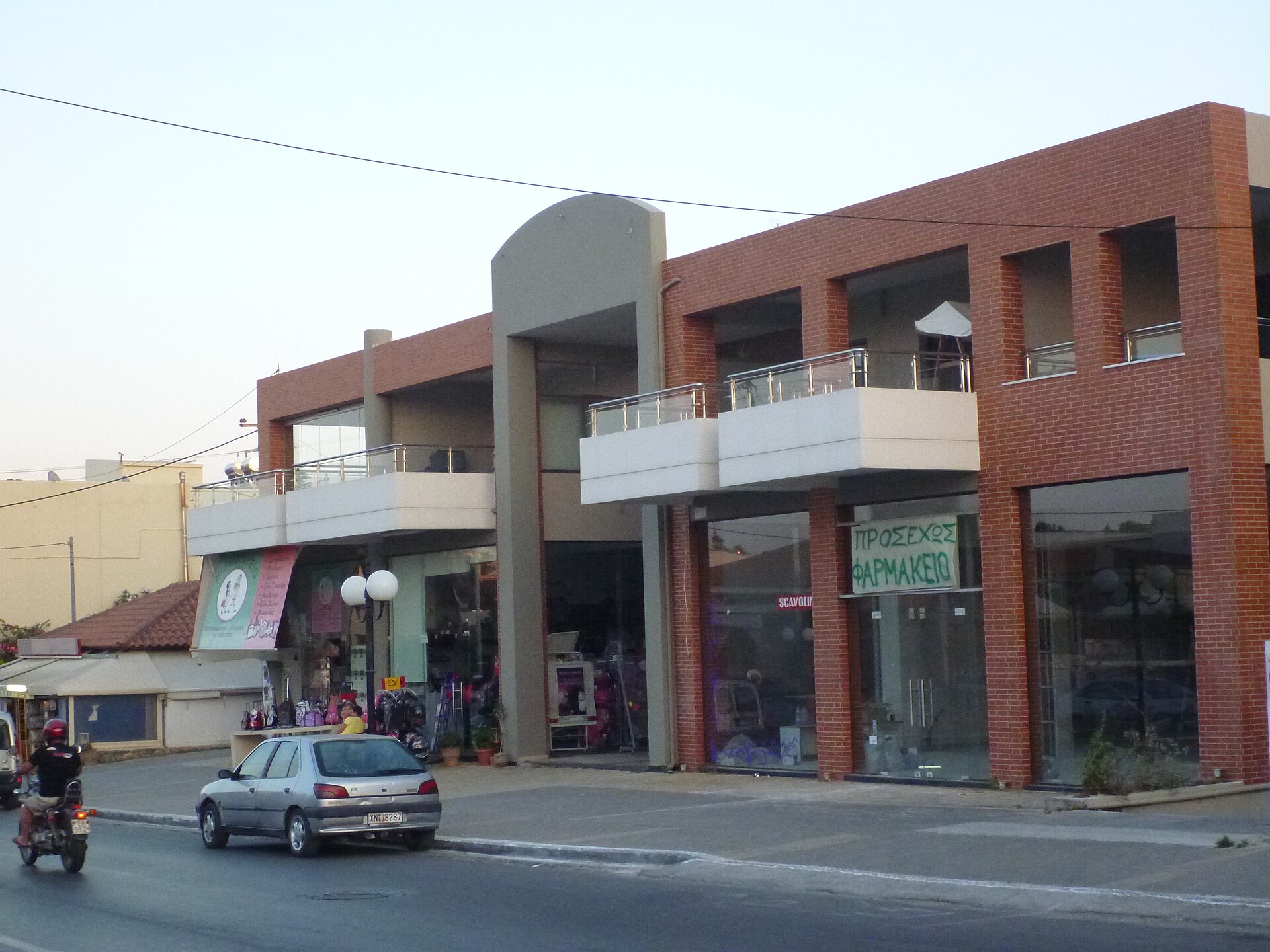
The true natural jewel of Dharatsos is the Agioi Apostoloi area. It is a protected zone characterized by three crescent-shaped sandy bays, sheltered from winds thanks to the natural terrain configuration. The waters here are almost always calm and crystalline, making them perfect for swimming and families with children. But Agioi Apostoloi is not just sea: the peninsula hosts a vast public park with pine and eucalyptus woods, traversed by trails used by locals for jogging and walks. This green lung separates the beaches from built-up areas, creating an oasis of coolness and silence. The beauty of the place is completed by the small chapel that stands on the promontory's point, an absolutely peaceful place where the whiteness of whitewash contrasts with the intense blue of the sky.
The Church of Agioi Apostoloi
Scenographically situated on the promontory dividing the bays, the small chapel dedicated to the Holy Apostles is the spiritual and iconographic symbol of the area. It is a simple building, typical of Greek religious architecture, with whitewashed walls and a small cupola. Its isolated position, surrounded by sea on three sides, makes it one of the preferred venues for celebrating weddings and baptisms, as well as a privileged observation point for admiring the sunset. The feast of the Holy Apostles, celebrated in late June, is a moment of great participation for the local community, with religious celebrations followed by moments of conviviality that reflect the profound bond between faith and territory.
Chryssi Akti: the Golden Beach
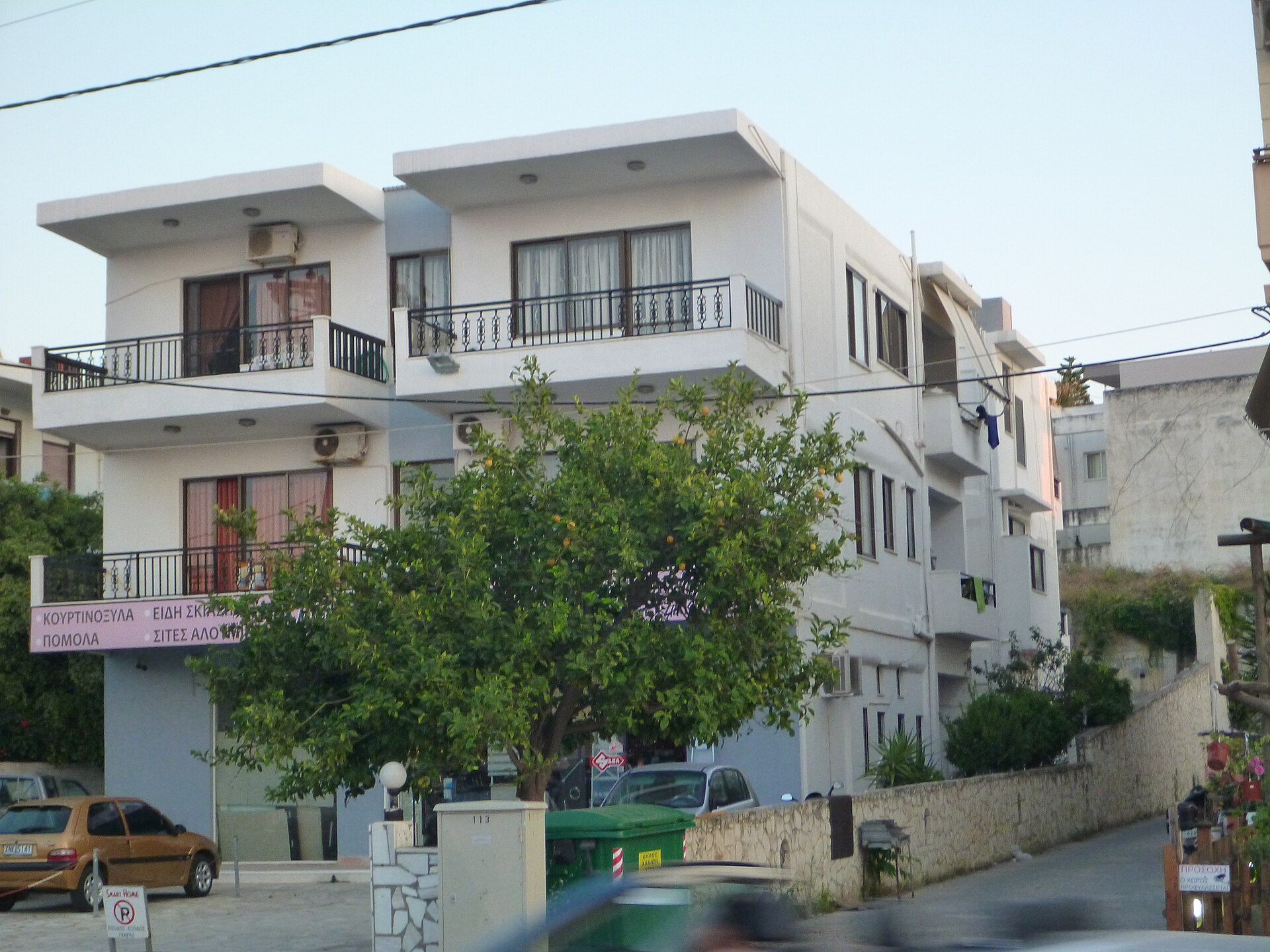
A short distance from Agioi Apostoloi extends Chryssi Akti, whose name literally means 'Golden Beach'. This long stretch of fine golden sand is renowned for its breadth and the quality of its waters, often awarded the Blue Flag. The beach is well-equipped but preserves free areas, ideal for those seeking more space. Thanks to its exposure, Chryssi Akti receives the sea breeze that mitigates summer heat, making it one of the most frequented destinations for both tourists and Chania residents. Behind the beach, small dunes and spontaneous vegetation create a natural filter with back structures, keeping the savage charm of the Cretan coastline intact.
Nature and Landscape: Chania's garden
The landscape of Dharatsos is a hymn to Mediterranean biodiversity. The interior is dominated by uninterrupted stretches of centuries-old olive groves, whose gnarled trunks tell stories of generations of farmers. In spring, the hills are colored with wild flowers, anemones and spontaneous orchids, offering ideal scenarios for light trekking and cycle tourism. The coast, on the other hand, presents varied morphology, where sandy beaches give way to sandstone cliffs sculpted by the sea. The presence of the Agioi Apostoloi pine park represents a precious exception on an island often barren, offering a humid and fragrant microclimate that attracts numerous species of migratory birds. This union between sea, wood and countryside makes Dharatsos a true garden at the city's gates.
Traditions and local flavors
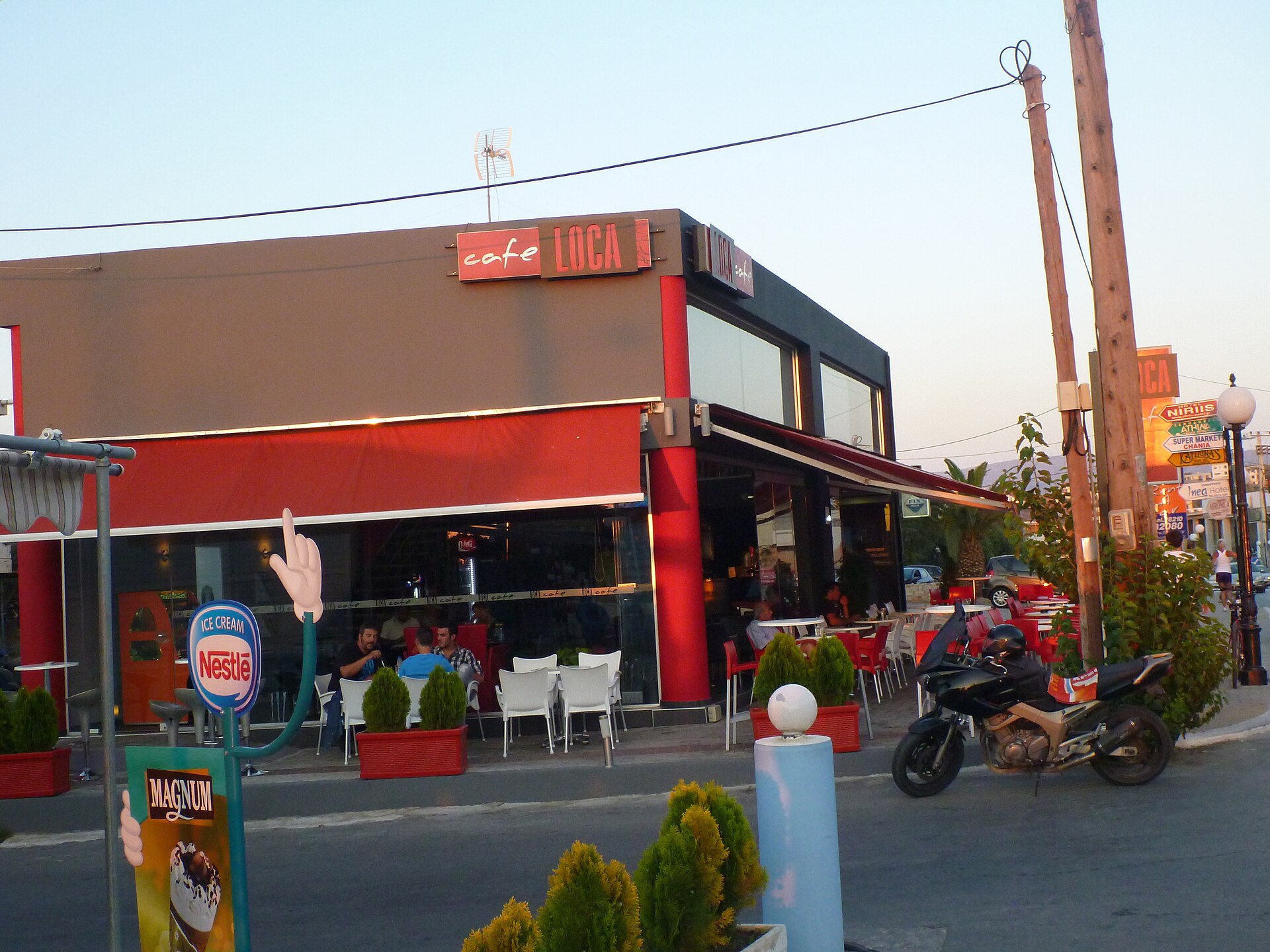
The gastronomic culture at Dharatsos follows the dictates of the famous Cretan diet. In local taverns, many of which are family-run, it is possible to taste dishes prepared with zero-kilometer ingredients. There are always 'kalitsounia', small sweet or savory pastries filled with mizithra cheese and wild herbs, nor 'dakos', the typical barley rusks seasoned with fresh tomato, local extra virgin olive oil and oregano. Proximity to the sea also ensures a constant supply of fresh fish, often grilled simply to enhance its flavor. Throughout the year, patron saint festivals and village celebrations in nearby villages offer the opportunity to listen to traditional music played with the Cretan lyre and witness typical dances, expressions of still very lively folklore.
- Taking a sunset swim in the sheltered bay of Agioi Apostoloi.
- Strolling through the alleys of Pano Daratsos to admire traditional architecture.
- Walking the trails of the coastal park among pines and eucalyptus.
- Tasting a lunch of mezédes in a tavern overlooking the sea.
- Visiting nearby Galatas to delve deeper into the Battle of Crete.
- Exploring the coastline on foot from Chryssi Akti to Kato Stalos.
When to go and how to experience the place
Dharatsos is an enjoyable destination for much of the year, but is at its best during the intermediate seasons. Spring (May and June) is perfect for those wishing to enjoy blooming nature and mild temperatures, ideal for excursions. Summer is the season of the sea, lively and sunny, although July and August can be very hot and crowded. September and October instead offer still-warm sea and a more relaxed atmosphere, ideal for those seeking tranquility. Living Dharatsos means adopting the Cretan lifestyle: waking early for a refreshing swim, allowing yourself a long siesta during the hottest hours and enjoying evenings outdoors, lulled by the sound of cicadas and the scent of the sea.
FAQ
Quanto dista Dharatsos da Chania?
Le spiagge sono adatte ai bambini?
È facile trovare parcheggio vicino alle spiagge?
Ci sono supermercati e servizi nella zona?
Si può raggiungere Chania a piedi?
Getting there
- Aeroporto Internazionale di Chania (CHQ) - 18 km
- Non sono presenti linee ferroviarie a Creta
- Percorrere la strada costiera o la New National Road (E65) uscendo allo svincolo per Galatas/Daratsos.
- I bus blu della linea urbana di Chania collegano il centro con Dharatsos ogni 15-20 minuti.
Perfect for
Spiagge sicure, parchi giochi e ampie zone pedonali la rendono perfetta per chi viaggia con bambini.
Lontana dal caos del centro cittadino, offre angoli di pace tra pinete e oliveti.
Ideale per il jogging mattutino nel parco e per snorkeling esplorativo lungo le scogliere.
To see