

Ayia Pelayia
Imagine a natural amphitheater of pale rock plunging into a sea of cobalt and turquoise hues, sheltered from the winds that often...
Updated 8 July 2026
This season · July · Summer
What to do in Ayia Pelayia now
The story
The story of Ayia Pelayia
Roots in myth: ancient Apollonia
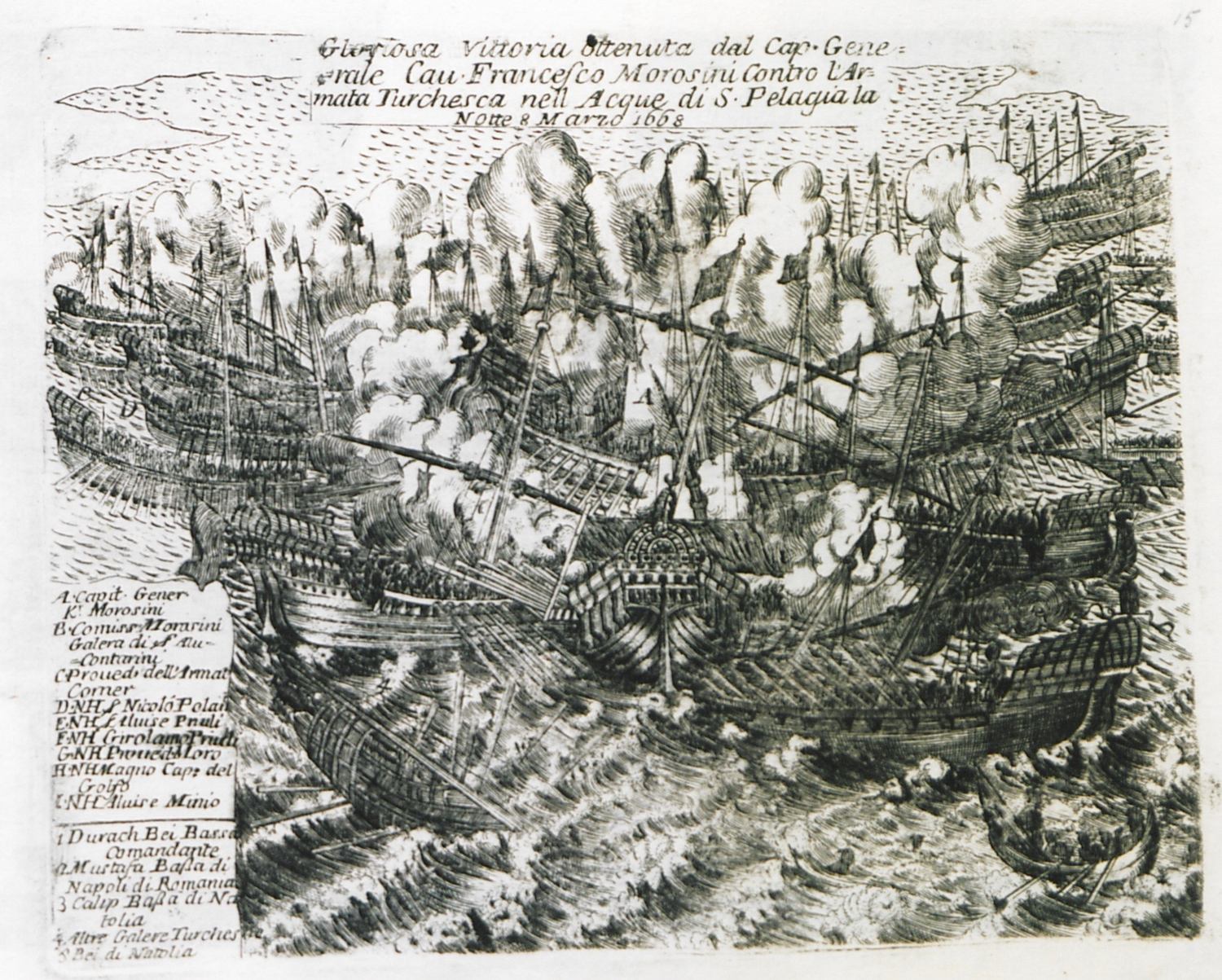
The history of Agia Pelagia is rooted in a glorious, distant past. Archaeological excavations have confirmed that ancient Apollonia, a Hellenistic city-state of considerable commercial and maritime importance, once stood in this very bay. Probably founded in the 4th century BC, Apollonia made use of the port's natural configuration, one of the few safe harbors on the island's northern coast. The city enjoyed a period of great splendor before being destroyed in 171 BC by the Cydonians. Today, the remains of this past resurface discreetly: walking toward the northern headland, one can make out the foundations of ancient dwellings and public buildings, testament to how, already millennia ago, people understood the strategic value and beauty of this natural harbor.
The Church of Agia Pelagia
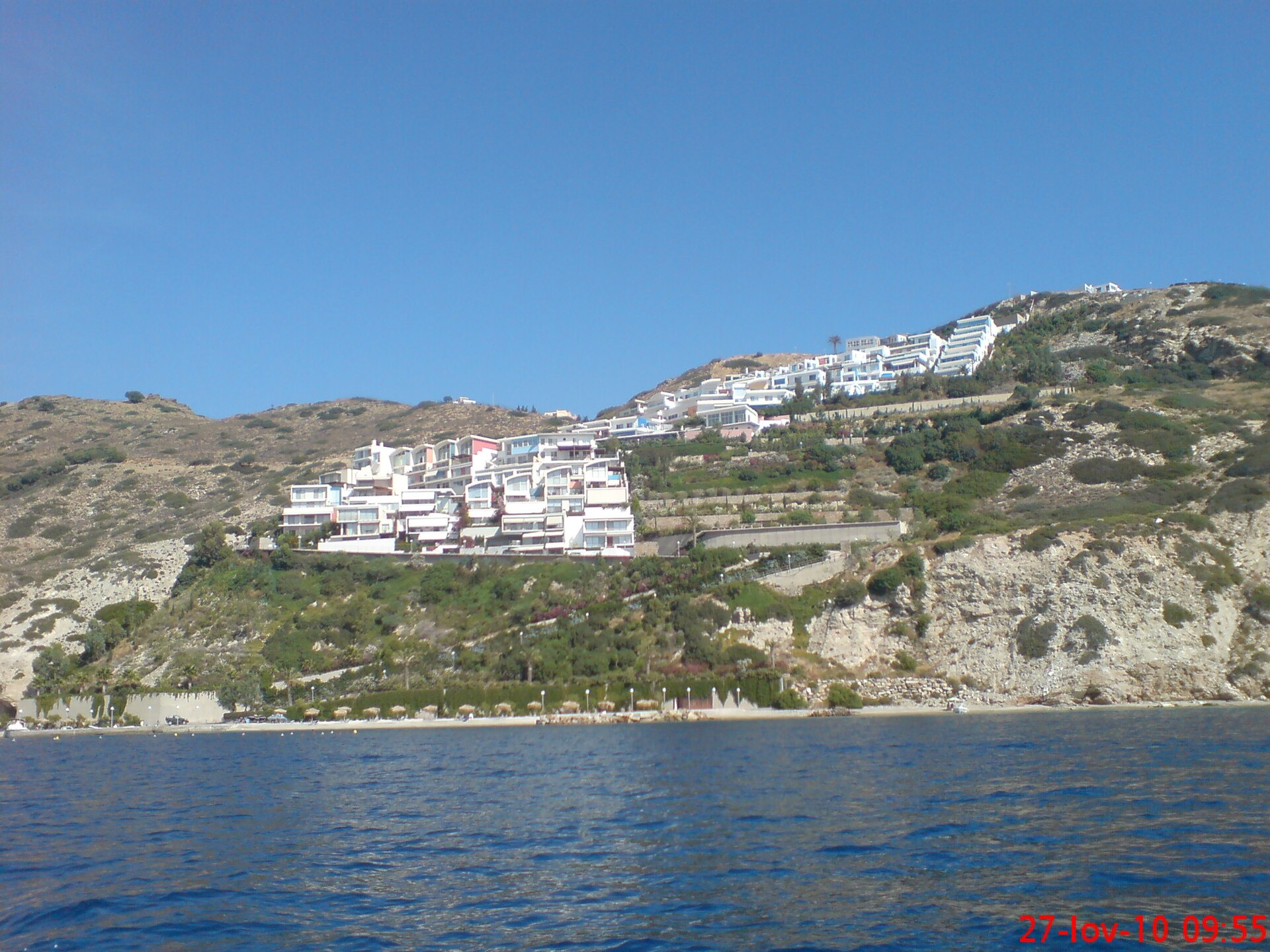
The spiritual heart of the village, and the origin of its modern name, lies in the Church of Agia Pelagia. Once part of a monastery dating back to the Venetian period (13th century), this small sacred building is an example of Cretan religious architecture blending Byzantine elements with Western influences. Under Venetian rule, the monastery was a much-frequented pilgrimage site, known for the feast held on October 8th. The church stands a short distance from the main beach and, despite its simplicity, exudes a stark charm. It is a place of silence that contrasts pleasantly with the lively seafront, reminding us of the monastic and rural origins of this stretch of coast before the advent of modern tourism.
The Prytaneion and the archaeological remains
One of the most interesting sites for archaeology enthusiasts is the Prytaneion, the ancient public building reserved for the magistrates of the city of Apollonia. Located near Kladissos beach, this complex reveals the sophistication of Hellenistic urban planning. Excavations have uncovered not only the bases of columns and the outlines of rooms, but also water cisterns and craft workshops. What makes these ruins special is their location: many structures sit literally just steps from the sea, offering a striking overlap between the monumentality of the past and the wild nature of the present. It is an invitation to imagine the daily life of an ancient port, amid trade in precious goods and religious rituals dedicated to the sea deities.
The main beach of Agia Pelagia
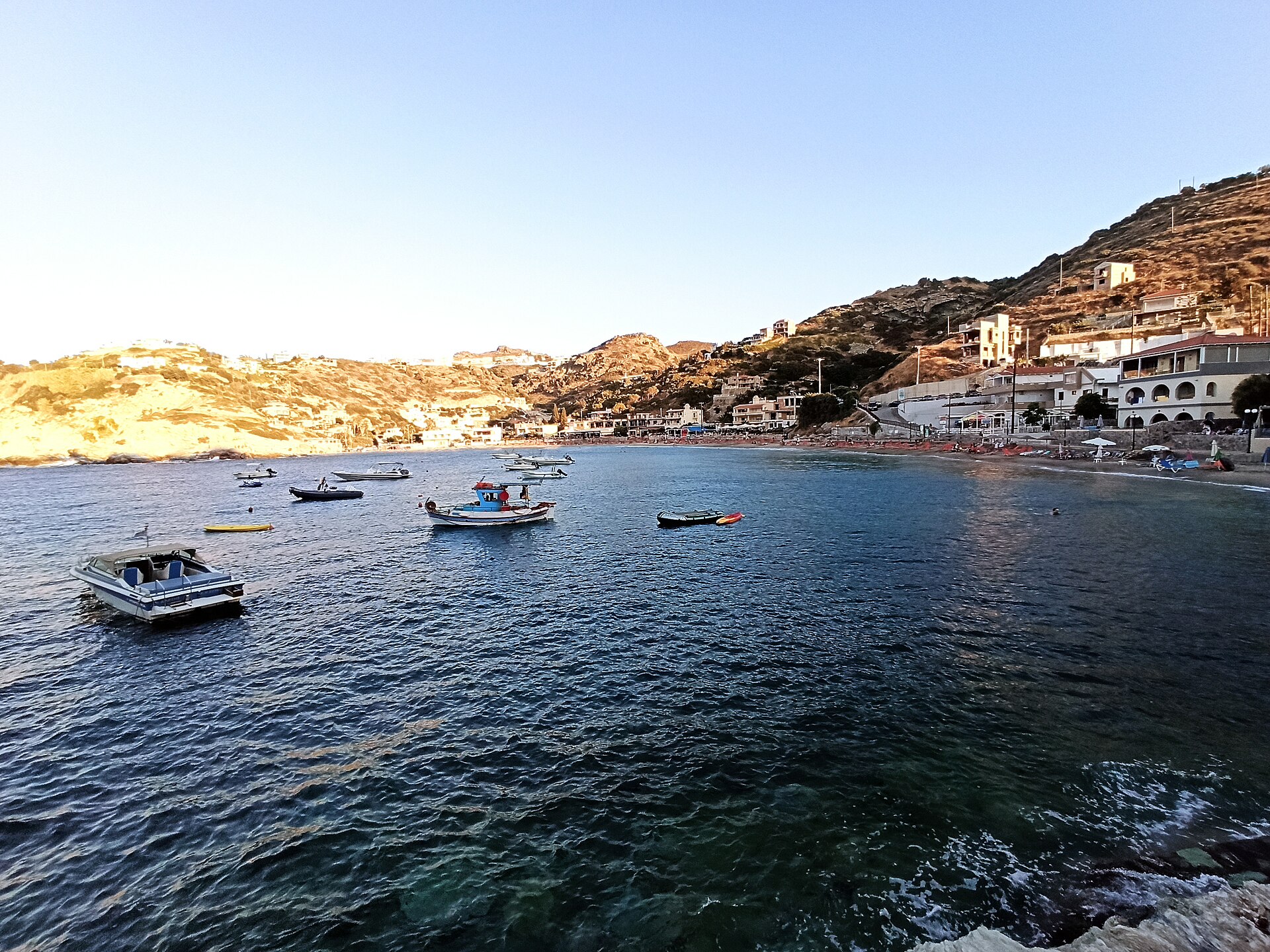
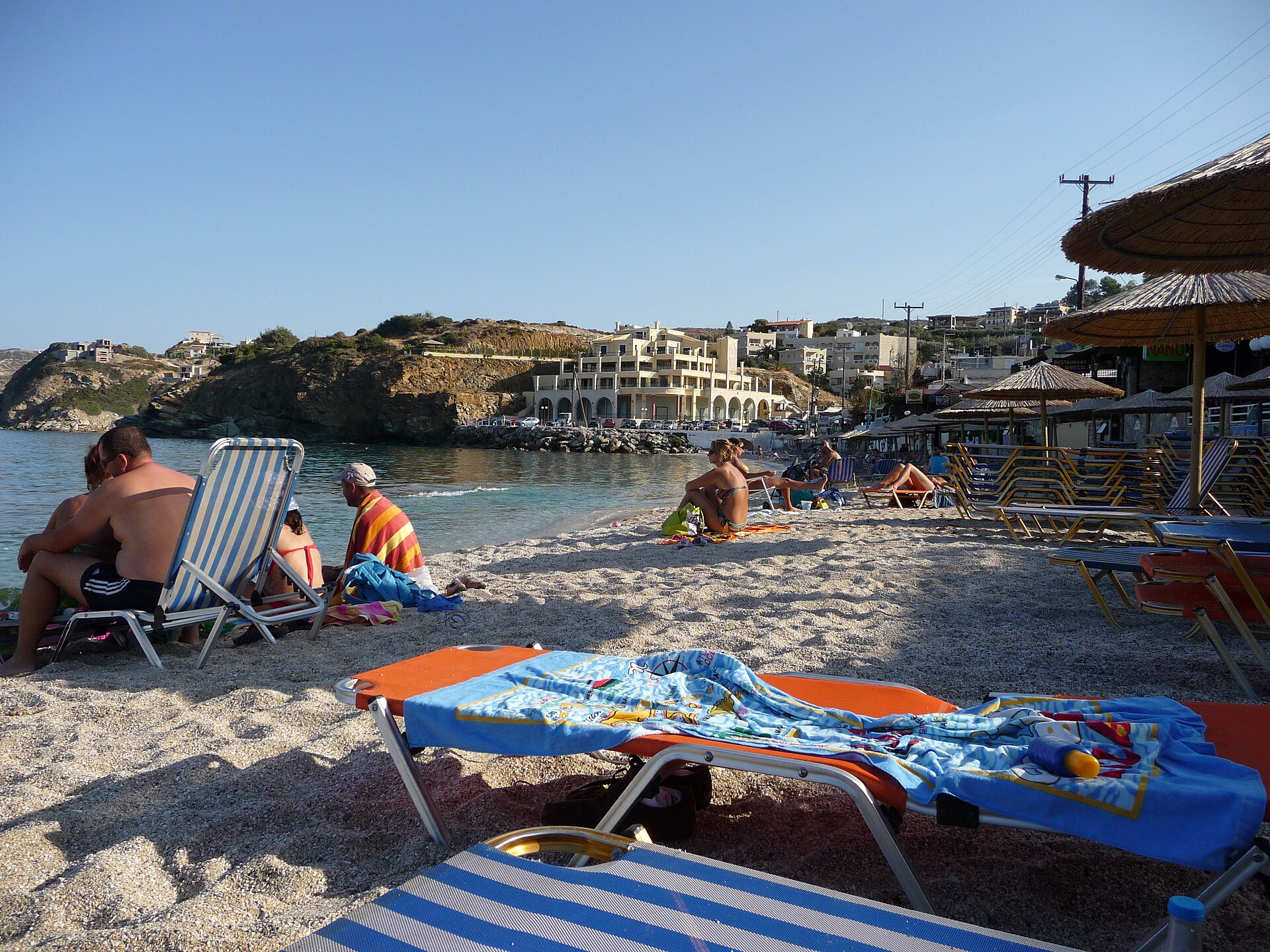
The central beach is the hub of village life. It is a narrow strip of golden sand and small pebbles stretching along the semicircular bay. What makes it special is the almost unreal clarity of the water, which shades gently into deep blue. Sheltered from the northern winds, the sea here is almost always calm, like a natural swimming pool, making it perfect for swimming and snorkeling. Along the shore, traditional taverns and small bars follow one another, where you can enjoy the day's catch while watching the boats bob lazily. Despite its popularity, the atmosphere remains that of an open-air living room, where sociability blends with seaside relaxation.
Psaromoura: the corner of quiet
Crossing the headland north of the main bay, you reach the small cove of Psaromoura. Smaller and more sheltered than the village beach, it is the favorite spot for locals and those seeking a less built-up setting. Surrounded by steep cliffs, Psaromoura offers a rocky seabed teeming with marine life, ideal for those who love exploring the underwater world with mask and snorkel. Here the landscape grows wilder: rocks shaped by erosion create natural pockets of shade, and the sound of the sea is the only soundtrack. It is the perfect place to wait for sunset, when the golden light strikes the stone walls, making the atmosphere almost magical.
Mononaftis: between legend and diving
At the northern edge of the area lies Mononaftis, a beach with an evocative name meaning 'the lone sailor.' Legend tells of a shipwrecked man who managed to save himself by clinging to the single rock that emerges in the middle of the bay. This beach is characterized by larger pebbles and a seabed that drops off quickly, making it one of the favorite spots for the area's diving centers. The underwater caves and rock formations surrounding Mononaftis are home to groupers, octopuses, and schools of colorful fish. Even for those who don't dive, the scenic beauty of the place, nestled between high rocky walls, is well worth a visit.
Surroundings: the villages of Achlada and Fodele
If the coast enchants, the hinterland of Agia Pelagia is no less impressive. A few kilometers away lies Achlada, an ancient rural village perched on a hillside offering breathtaking views over the bay below. Walking among its stone houses, some carefully restored, reveals the most authentic Crete, tied to the land and to shepherding. Not far away is Fodele, famous as the birthplace of the painter El Greco (Domenikos Theotokopoulos). Set in a lush valley of orange groves and centuries-old plane trees, Fodele is home to a museum dedicated to the artist and a splendid 11th-century Byzantine church, the Annunciation of the Virgin, said to have inspired the master's genius.
Landscape and Nature: the Mediterranean maquis
The area surrounding Agia Pelagia is a compendium of Cretan flora. The hills are covered in dense Mediterranean maquis dominated by mastic, myrtle, and heather. In spring, the area bursts into bloom with anemones and wild orchids. The coastal landscape features a series of smaller coves, accessible only on foot or by boat, offering refuge to various species of seabirds. This contrast between the sun-baked aridity of the rocks and the freshness of the water creates a unique visual ecosystem, where the colors of the earth blend with those of the sea in a chromatic harmony that has inspired poets and travelers for centuries.
Local traditions and flavors
The gastronomic culture of Agia Pelagia is deeply tied to the Cretan diet, considered one of the healthiest in the world. In local taverns, extra virgin olive oil produced in the nearby hills is the star ingredient. Not to be missed is 'Dakos,' a barley rusk topped with fresh tomato, mizithra cheese, and wild oregano. Being a coastal village, fresh fish takes center stage: red mullet, sea bream, and squid are cooked simply to bring out their marine flavor. All of this is often accompanied by a glass of 'Raki' (or Tsikoudia), the local spirit that symbolizes the island's hospitality. Sharing a dinner by the sea, feet almost in the water, is a ritual that lets you savor not just the food, but the very spirit of Cretan life.
Experiences not to be missed
- Rent a small boat to explore the sea caves and secret coves accessible only from the water.
- Go snorkeling in the clear waters of Psaromoura to spot the rich local marine life.
- Visit the village of Fodele in the shade of the plane trees, sipping a freshly squeezed orange juice.
- Stroll among the ruins of ancient Apollonia at sunset, when the light enhances the outlines of the ancient stones.
- Dine at one of the seafront taverns, trying specialties made with wild greens (horta) and grilled fish.
When to go and how to experience the village
The best time to visit Agia Pelagia is from May to October. Late spring offers mild temperatures and lush nature, ideal for excursions into the hinterland. July and August are the hottest and busiest months, but the sea breeze still makes the stay pleasant. September and October are perhaps the most evocative months: the sea is very warm after summer, the crowds thin out, and you can enjoy absolute peace. To make the most of the place, it's a good idea to wake up early to enjoy the bay in the silence of dawn, and to dedicate the central hours of the day to exploring the surroundings, then returning to the shore for a leisurely aperitivo as the sun disappears behind the hills.
FAQ
È una località adatta alle famiglie con bambini?
Quanto tempo serve per visitare Ayia Pelayia?
È facile parcheggiare?
Si possono fare escursioni in barca?
Getting there
- Aeroporto Internazionale di Heraklion 'Nikos Kazantzakis' (HER) - 25 km
- Non sono presenti linee ferroviarie a Creta.
- Percorrere la New National Road (EO90) verso ovest da Heraklion e prendere l'uscita segnalata per Agia Pelagia dopo circa 20 km.
- L'auto a noleggio è il mezzo migliore per esplorare i dintorni, ma esiste anche un servizio di autobus (KTEL) che collega regolarmente la località con Heraklion.
Perfect for
Perfetto per chi cerca una baia riparata, acque cristalline e la comodità di avere taverne e servizi a pochi passi dall'ombrellone.
Un luogo dove le rovine dell'antica Apollonia si fondono con il paesaggio costiero, offrendo spunti culturali unici.
Ottima destinazione per lo snorkeling e il diving, grazie ai fondali rocciosi e alle acque calme e trasparenti delle sue calette.
To see
