

Analipsi
Along the northern coast of Crete, where the deep blue of the Sea of Crete meets the silver of centuries-old olive groves, lies An...
Updated 8 July 2026
This season · July · Summer
What to do in Analipsi now
The story
The story of Analipsi
Historical roots: between land and sea
The history of Analipsi is closely tied to that of the Hersonissos region and the whole island of Crete, a crossroads of civilizations at the heart of the Mediterranean. Although it is known today as a tourist destination, its origins lie in a resilient agricultural past. During the Venetian period, this area was part of the vast agricultural estate that supplied the capital Candia (present-day Heraklion). The local inhabitants, devoted to growing olives and grapes, lived for centuries sheltered by the hills, seeking refuge from the pirate raids that plagued the coasts. Only in relatively recent times, with the pacification of the Mediterranean and the development of infrastructure, did the settlement push decisively toward the shoreline. This evolution created an interesting layering: on one hand, the farming traditions preserved in the old village, and on the other, the cosmopolitan openness of the seaside area, born of the economic boom of recent decades.
The Church of the Ascension: symbol of the village
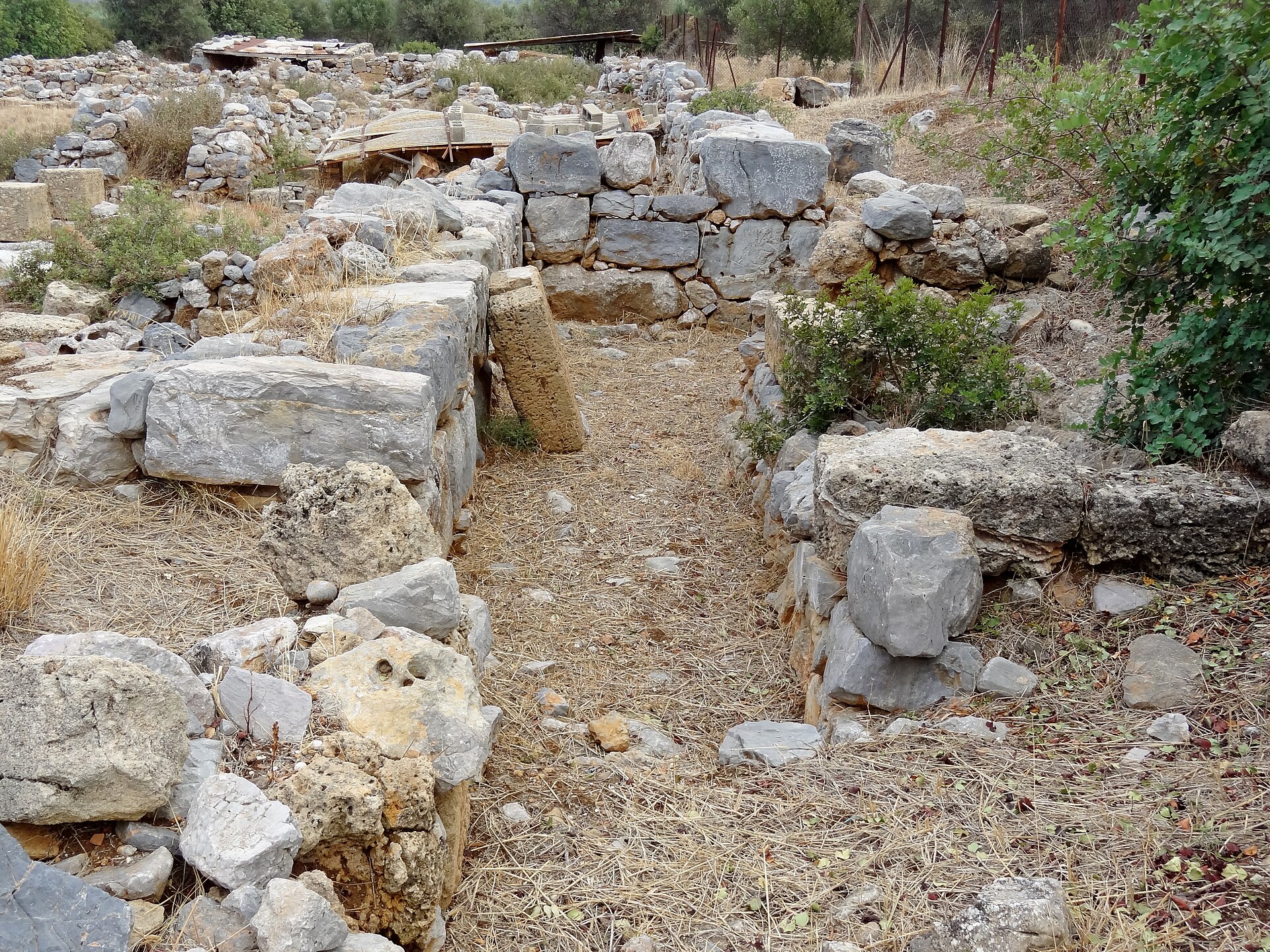
The most iconic and photographed landmark of Analipsi is undoubtedly the small church that stands almost right on the beach, dedicated precisely to the Ascension of Christ. Marked by the classic lines of Greek religious architecture, with dazzling white walls and a dome that echoes the color of the sky, this little church is not just a visual landmark, but the beating heart of the community. Every year, on the feast of the Ascension, the village comes alive with religious and civic celebrations that draw the faithful from across the region. Its position, exposed to the sea breeze and surrounded by stone paving that invites you to linger, makes it the ideal place to contemplate the sea in silence. Inside, the simplicity of the furnishings and the scent of incense offer a genuine experience of peace, far from the bustle of the organized beaches.
The old core: the charm of the traditional village
Leaving the coast and climbing slightly inland, you reach the historic heart of Analipsi. Here the architecture changes: modern buildings give way to low-roofed stone houses, narrow alleys and small squares shaded by large plane trees. It is in this area that you breathe the truest Crete. The village's main square is the center of social life, where the inhabitants gather in traditional 'kafeneia' to sip a Greek coffee or a glass of raki. Strolling through this area lets you notice details often overlooked by mass tourism, such as old carved wooden doors, pots of basil on windowsills, and lush vegetable gardens hidden behind boundary walls. It is the perfect place for a late dinner at a local tavern, savoring dishes prepared according to recipes handed down through generations.
The beach and coastline of Analipsi
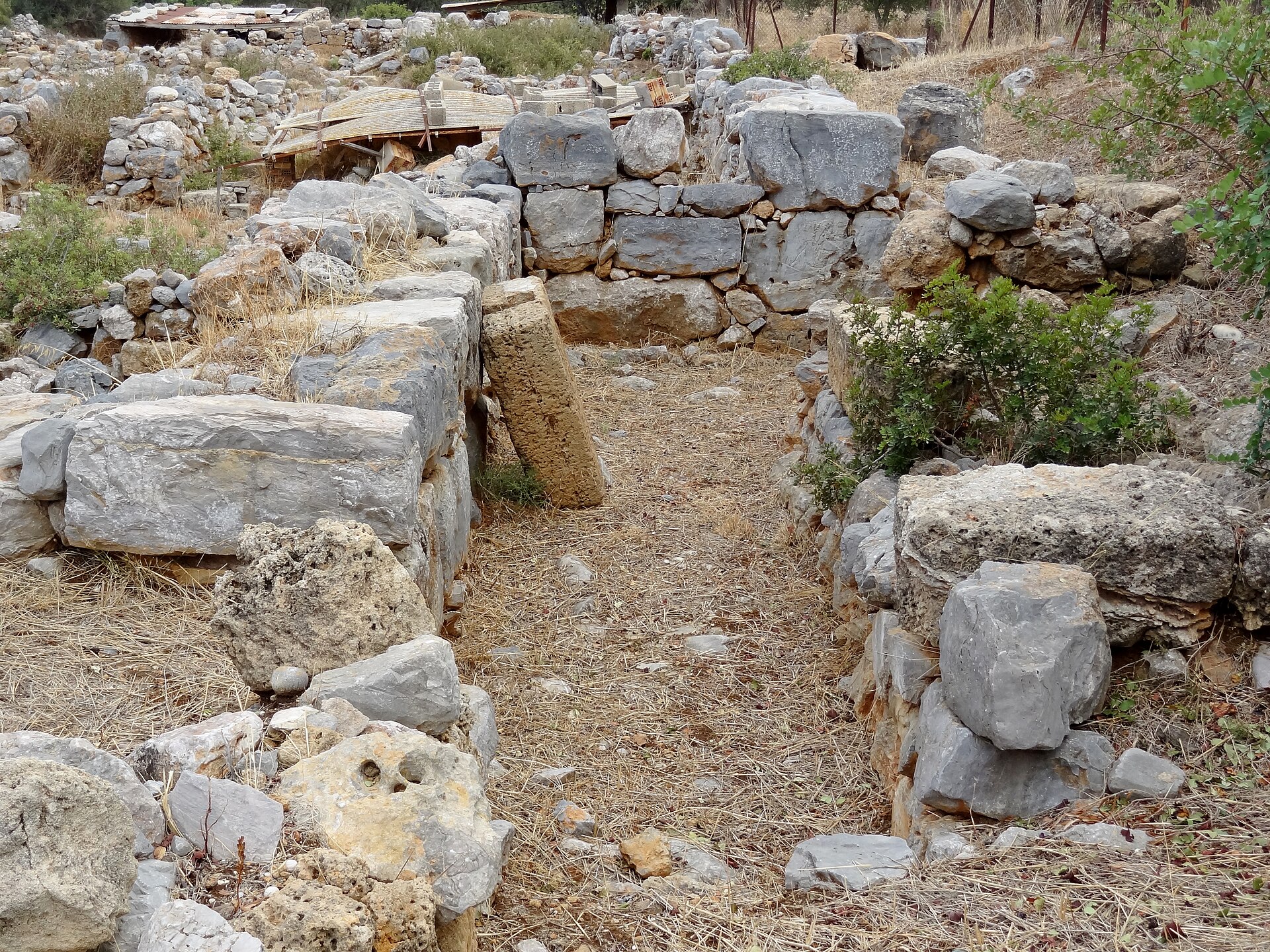
The Analipsi coastline stretches for several kilometers, alternating stretches of golden sand with more rocky, wild areas. Unlike the beaches of Hersonissos, here the spaces are wider and the atmosphere is decidedly more relaxed. The seabed slopes gently in many spots, making swimming safe even for families, while the cliffs at the edges offer interesting spots for snorkeling enthusiasts. Along the seafront promenade, small beach clubs coexist harmoniously with long stretches of free public beach. The distinctive feature of this coast is its exposure: the Meltemi winds that blow in summer can bring days of choppy sea, spectacular to watch and refreshing in the hottest hours, while on calm days the water takes on a crystalline clarity that invites long swims.
Activities and places not to miss
- A sunset walk along the coastal path connecting Analipsi to Anissaras.
- A visit to the Church of the Ascension to admire its typical architecture and sea views.
- A traditional dinner at a tavern in the old village to taste authentic Cretan food.
- A day trip to the Lassithi Plateau, easily reached by car.
- Exploring the rocky coves ideal for snorkeling in the eastern area.
- Taking part in the patron saint's festivities if visiting the village around Ascension time.
The surrounding landscape: between sea and hinterland
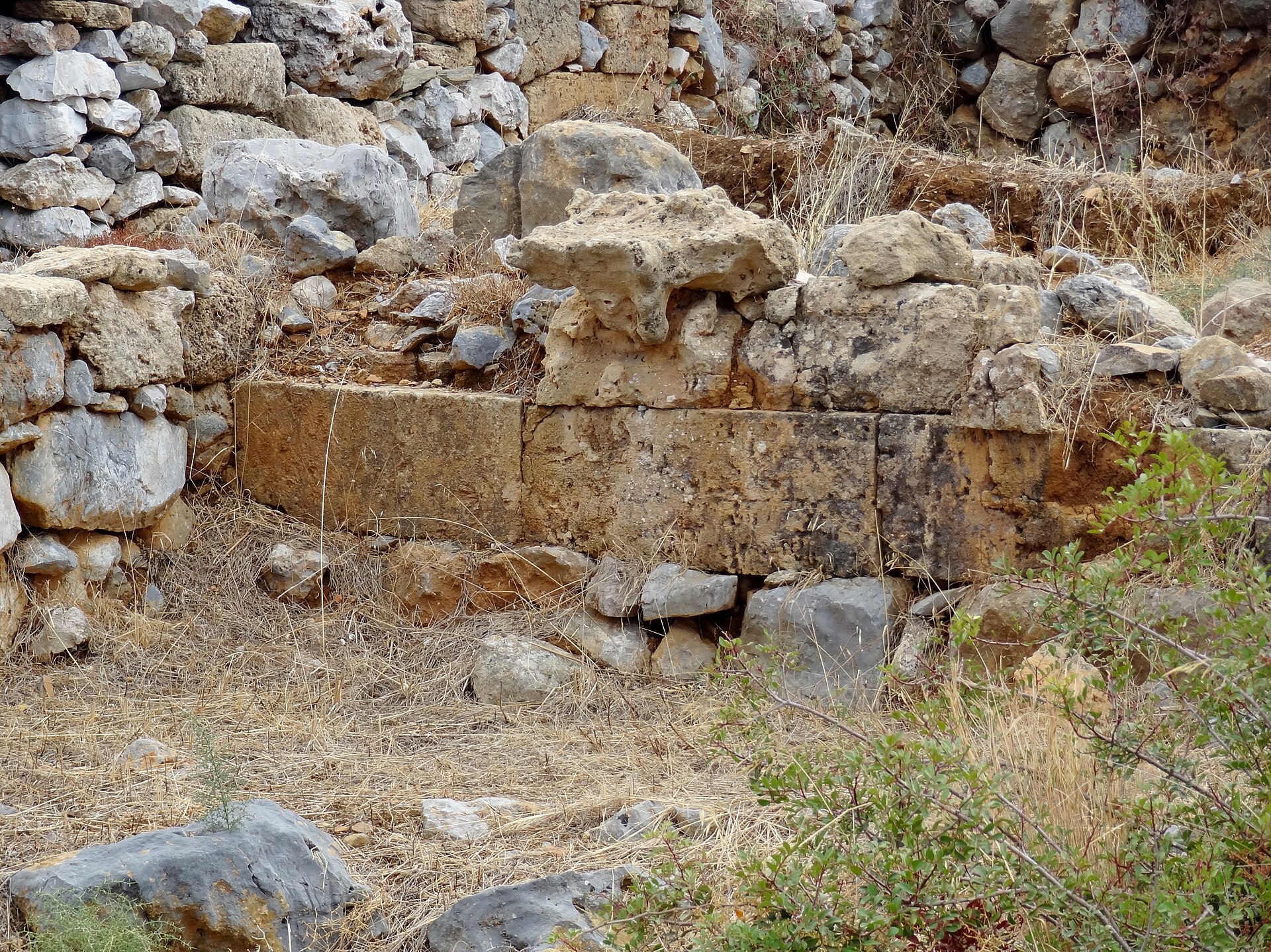
The area surrounding Analipsi is a perfect example of the Cretan Mediterranean landscape. Behind the town rise gentle hills densely planted with olive groves, which still today form a vital economic resource for local families. These fields are crossed by a network of dirt paths, ideal for light trekking or mountain biking, offering extraordinary panoramic points that take in the entire coastline. The proximity of the Dikti mountains also makes it possible to reach striking mountain scenery in a short time, where the vegetation grows thicker and the air fresher. This contrast between the blue of the sea and the silvery green of the olive trees is the visual element that defines Analipsi's identity, turning every walk into a full sensory experience amid the scents of the Mediterranean scrubland.
Surroundings: Hersonissos and the site of Knossos
Analipsi's strategic location makes it the ideal base for exploring the main attractions of central Crete. Just five kilometers away lies Hersonissos, known for its lively nightlife, water parks and numerous shopping opportunities, offering an energetic counterpoint to Analipsi's tranquility. For history lovers, the Palace of Knossos can be reached in under half an hour by car: the heart of Minoan civilization, with its frescoes and the myth of the Minotaur, is an essential stop. No less fascinating is the Heraklion Archaeological Museum, one of the most important in the world for ancient art. Exploring the surroundings also means discovering traditional villages such as Koutouloufari or Piskopiano, where rural architecture has been skillfully restored to offer top-level gastronomic experiences.
Authentic flavors and food culture
Eating in Analipsi is an act of cultural discovery. Local cuisine rests on the pillars of the Cretan diet: home-produced extra virgin olive oil, wild herbs, fresh cheeses such as mizithra, and slow-cooked meats. Not to be missed is 'Dakos', a barley rusk moistened with water and topped with fresh tomato, cheese and oregano. In the village taverns, fish is often the star, caught daily and simply grilled. Another specialty worth trying is 'Chochlioi Boubouristi', snails fried with rosemary and vinegar, a dish that captures the island's most ancient flavors. Every meal invariably ends with raki, the local spirit offered as a sign of welcome and friendship, often accompanied by fresh fruit or honey sweets such as baklava.
When to go and how to experience the place
The best time to visit Analipsi is from May to October. Late spring (May and June) is ideal for those who want to enjoy nature in bloom and mild temperatures, perfect for excursions inland. July and August are the hottest and busiest months, but the sea breeze keeps the climate pleasant and the village's evening life reaches its peak. September and October instead offer a sea that is still warm and a rejuvenating calm, with the chance to watch the olive harvest if you venture into late autumn. To make the most of Analipsi, it's a good idea to rent a car to explore the surroundings freely, but to devote at least a full day to village life, getting around solely on foot between the beach and the streets of the old center.
FAQ
Com'è il mare ad Analipsi?
È una località adatta alle famiglie?
Quanto dista dall'aeroporto di Heraklion?
Si può girare a piedi?
Ci sono parcheggi disponibili?
Getting there
- Aeroporto Internazionale di Heraklion 'Nikos Kazantzakis' (HER) - 20 km
- Non sono presenti linee ferroviarie a Creta.
- Percorrere la strada statale E75 (National Road) in direzione est da Heraklion, prendendo l'uscita per Analipsi/Hersonissos.
- I bus della linea KTEL collegano Heraklion ad Analipsi con frequenza regolare, ma un'auto a noleggio garantisce molta più autonomia.
Perfect for
Perfetto per chi cerca spiagge ampie e un'atmosfera meno caotica rispetto alle grandi località turistiche.
Un paradiso per gli amanti della cucina greca autentica, con taverne che utilizzano prodotti a chilometro zero.
Base eccellente per visitare Cnosso, Heraklion e l'altopiano di Lassithi in giornata.
To see
Da vedere a Analipsi
Routes · Trovido Route
