

Naousa
Nestled along the northern coast of the island of Paros, Naousa emerges as one of the most brilliant gems of the Cyclades, a place...
Updated 7 July 2026
This season · July · Summer
What to do in Naousa now
The story
The story of Naousa
A story between trade routes and pirate raids
Naousa's history is inextricably linked to its strategic position in the Aegean Sea. Although the area was inhabited since antiquity, as evidenced by the remains of a Mycenaean settlement on the Koukounaries hill, the village experienced its greatest splendor during Venetian rule. Under the Duchy of Naxos, Naousa became a crucial commercial port, protected by imposing fortifications to counter the constant threat of piracy. In 1537, the town endured the devastating assault of pirate Barbarossa, marking the beginning of Ottoman dominance, although Venetian cultural and architectural influence remained deeply imprinted on the urban fabric. A lesser-known yet fascinating chapter concerns the brief Russian occupation in the late 18th century, during the Russo-Turkish War, when Naousa Bay became the base for the Russian Imperial Fleet in the Aegean. This stratification of events forged a resilient and proud character, still visible today in the care with which inhabitants preserve their traditions.
The Venetian Castle: sentinel over the sea
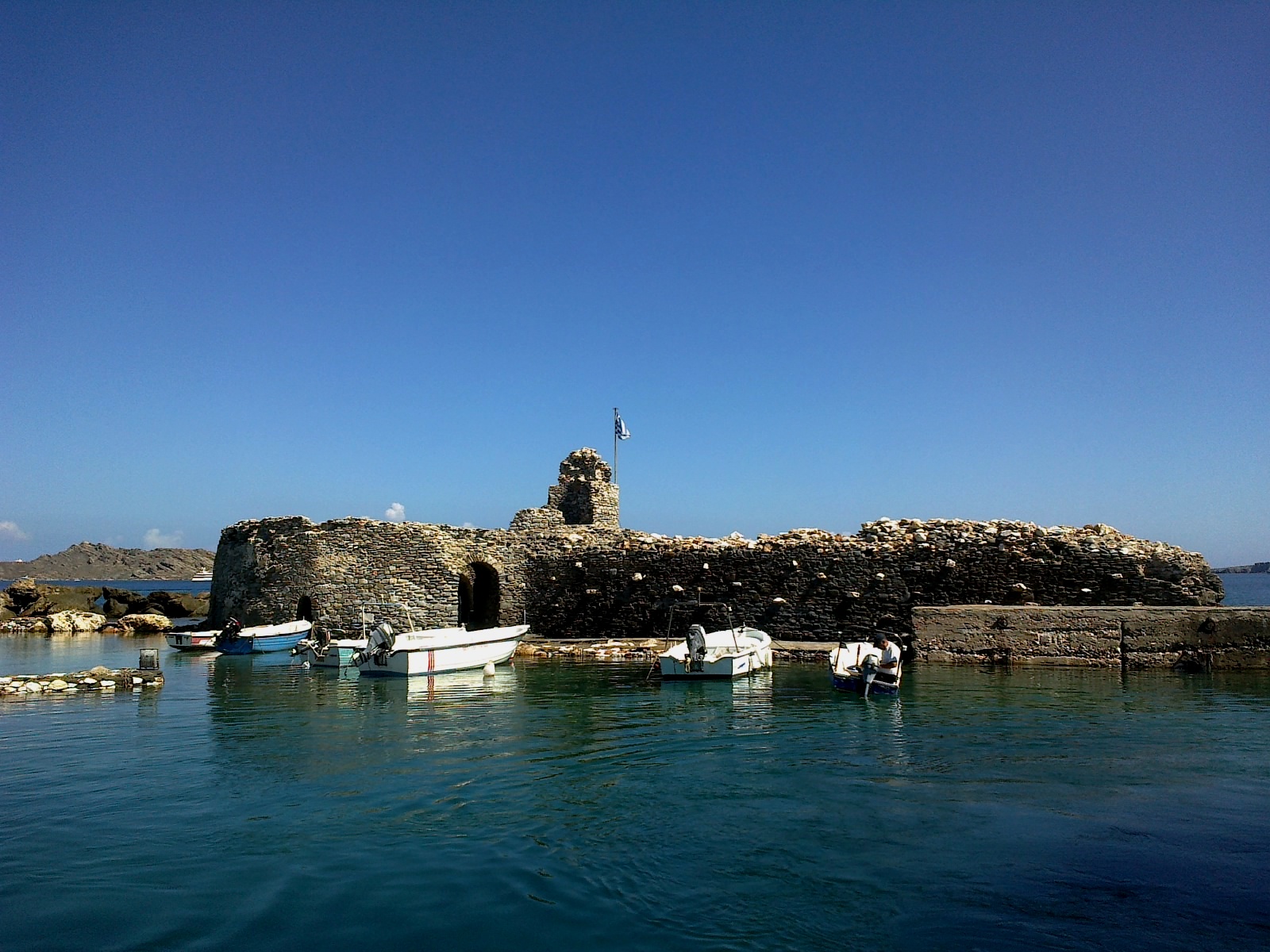
The Kastelli, or Venetian Castle, is the iconic symbol of Naousa's harbor and one of the most evocative historical testimonies of the entire island. Built in the 15th century by the Sommaripa family, lords of Paros, this fortification served as a watchtower and primary defense against enemy incursions. Today, what remains is a circular structure partially submerged in water, connected to the mainland by a thin stone jetty often battered by waves. Despite marine erosion, the castle retains a magnetic charm, especially at sunset, when its stones glow orange and gold. It is a place that invites contemplation, reminding us of the era when Naousa was a military stronghold of primary importance in the eastern Mediterranean.
The Church of Agios Nikolaos: protector of seafarers
Located right at the entrance of the old harbor, the small Church of Agios Nikolaos represents the indissoluble spiritual bond between the local community and the sea. Saint Nicholas is indeed the patron of sailors and fishermen, and this immaculate chapel has been the place where protection has been invoked for centuries before setting out to sea. Architecturally simple, with its azure dome reflecting the color of the sky, the church houses votive icons and model ships offered by the faithful as thanksgiving for escaped dangers. Its position, almost at water's edge, makes it one of the most photographed subjects, serving as a visual compass for anyone venturing into the heart of the village.
Kimisis tis Theotokou: the spiritual beacon on the hill
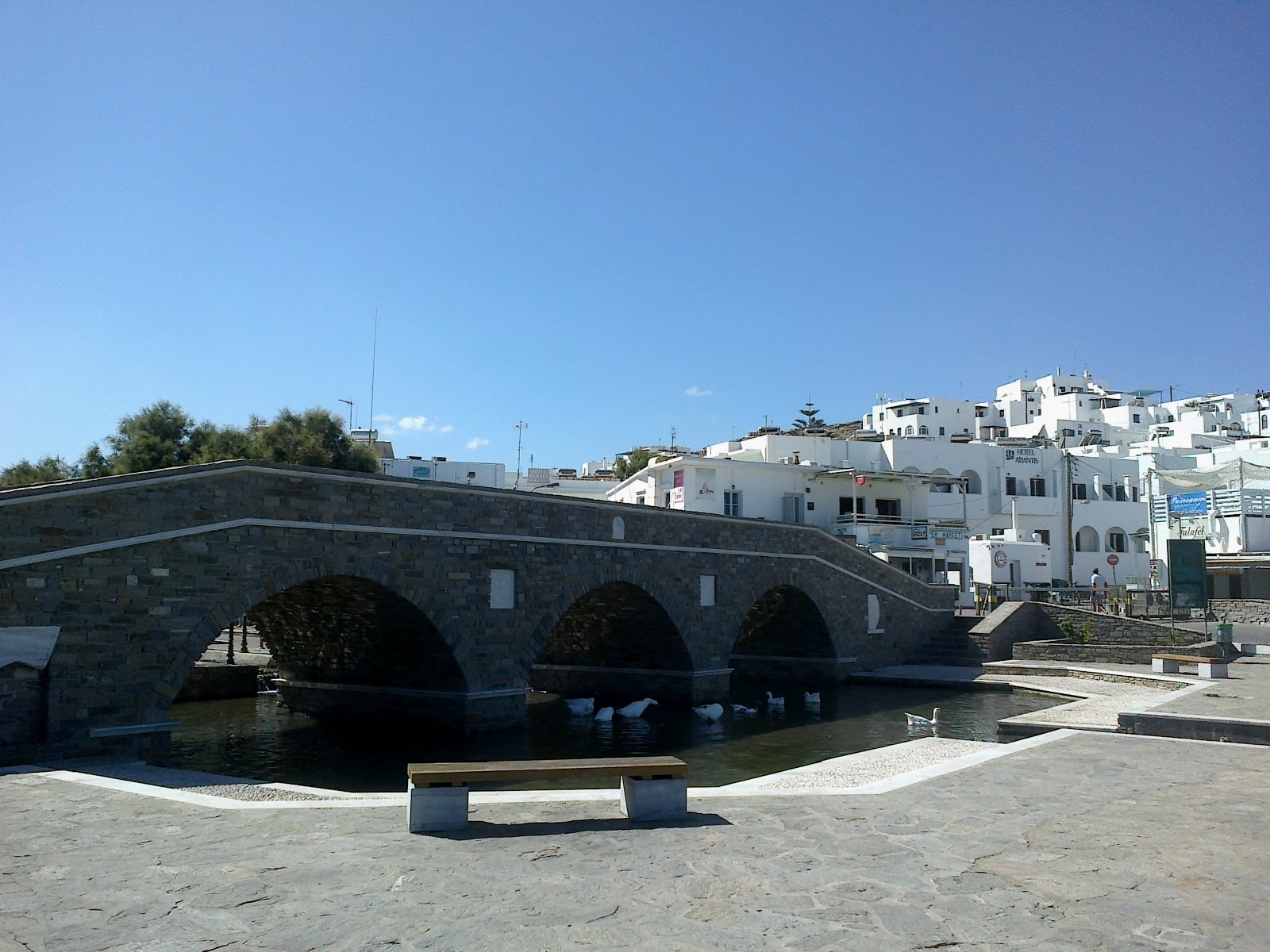
Dominating the settlement from a hilltop, the Church of Kimisis tis Theotokou (Dormition of the Virgin) is Naousa's main church and a reference point visible from much of the bay. Built in Byzantine style with imposing white volumes, the church stands out for its soaring bell tower and large dome. The interior is richly decorated with frescoes and a finely crafted wooden iconostasis. Climbing up to the church is not only an act of devotion but an opportunity to enjoy a spectacular panoramic view of the intricate roofline of Naousa and the infinite blue of the Aegean. During religious festivals, the square in front comes alive with celebrations that involve the entire community in a collective ritual of faith and belonging.
The Wine and Folklore Museum
To understand the rural soul of Paros, a visit to the Wine Museum, often associated with the historic Moraitis winery, is essential. Naousa boasts a millennial wine-making tradition, thanks to fertile soil and favorable climate that allow the cultivation of indigenous grape varieties such as Monemvasia and Mandilaria. The museum displays ancient wine-making tools, century-old barrels and objects of peasant daily life, telling how wine has been the main economic resource alongside fishing for centuries. Participating in a tasting here means savoring the island's history, discovering complex aromas that speak of sun and wind, in an environment that still retains the warmth of old Aegean homes.
Kolymbithres Beach: natural granite sculptures
A short distance from the center of Naousa lies Kolymbithres, one of the most extraordinary and peculiar beaches in all the Cyclades. What makes this place unique are the enormous gray granite rock formations that, shaped for millennia by wind and waves, have assumed bizarre and smooth forms, creating small sandy inlets resembling natural pools (from which the name 'Kolymbithres,' meaning basins). The water is crystalline and shallow, an almost unreal turquoise that contrasts with the lunar gray of the rocks. It is an almost surreal landscape, where nature has delighted in playing with shapes, offering swimmers corners of privacy between the boulders and perfect scenarios for underwater exploration.
The Paros Environmental and Cultural Park
Located on the peninsula of Agios Ioannis Detis, facing Naousa, the Paros Park is a virtuous example of natural conservation and cultural promotion. This protected area of about 80 hectares offers a network of hiking trails that wind through wild rock formations, solitary lighthouses and hidden coves like that of Monastiri. The park is not just nature: it hosts an open-air amphitheater that during summer becomes the stage for concerts and theatrical performances under the stars, and a small museum dedicated to the historical cartography of the area. It is the ideal place for those seeking an escape from the vibrancy of the harbor, immersing themselves in an unspoiled landscape where the scent of wild thyme and the sound of cicadas reign supreme.
Culinary traditions: the taste of sea and land
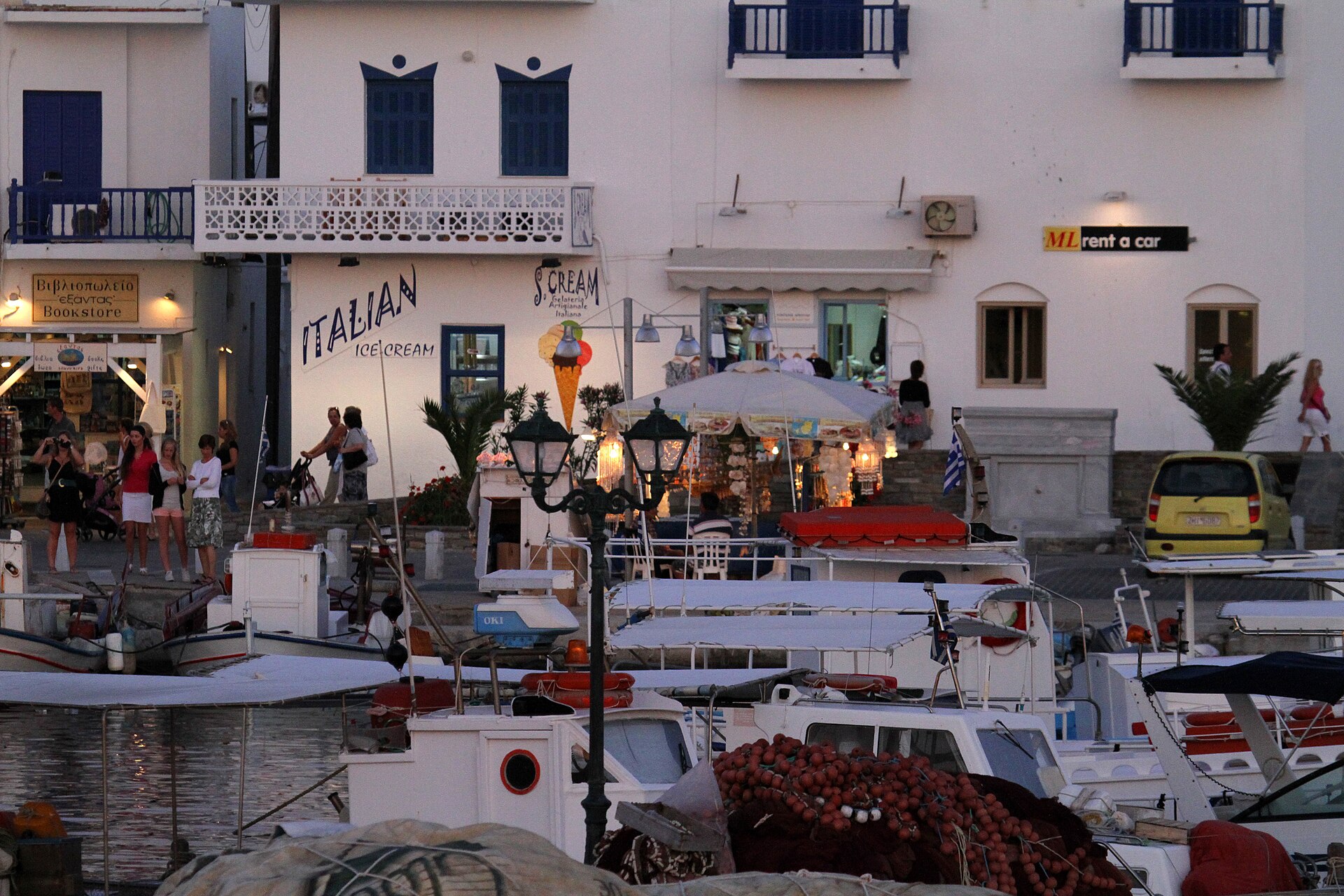
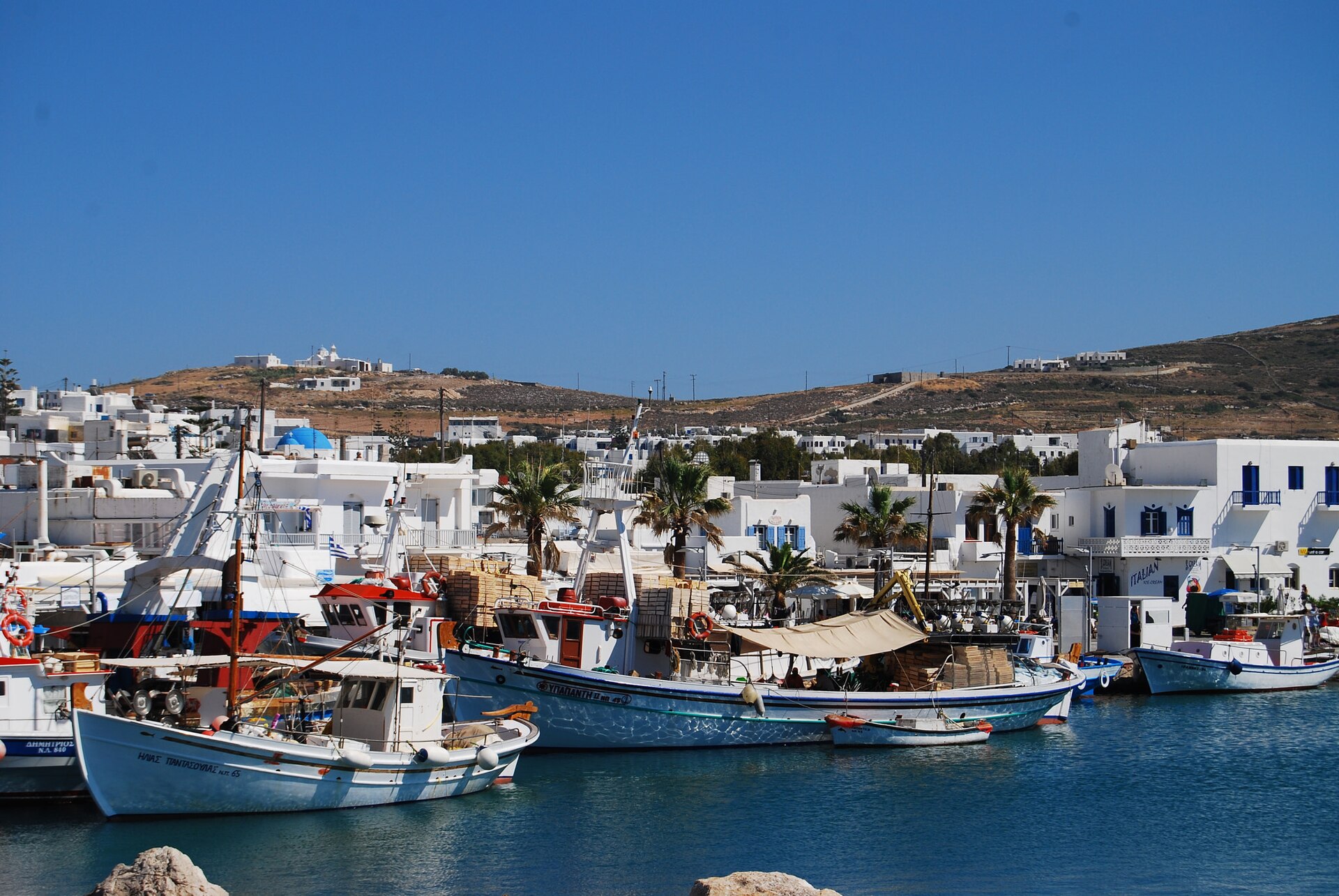
The cuisine of Naousa is a triumph of simplicity and freshness. The emblematic dish is undoubtedly 'Gouna,' mackerel or horse mackerel that is opened, salted and left to dry in the sun for hours before being grilled: an ancient technique that enhances its saltiness. Walking around the harbor, it's common to see octopi hanging on lines, an iconic image that precedes their slow cooking over embers. But Naousa also offers the flavors of the land, such as local cheeses (mizithra and ladotyri) and famous herb savory pies. The meal often concludes with a glass of Suma, a local distillate similar to grappa, produced by fermenting grape pomace, accompanying moments of conviviality and celebration.
- Watch the sunset from the Venetian Castle jetty.
- Dine on fresh fish at the restaurants of the old harbor.
- Take a boat excursion to the beaches of Laggeri and Santa Maria.
- Attend the Night of the Corsairs on August 23rd, with historical reenactments and fireworks.
- Taste local wines at the Moraitis winery.
- Get lost in the alleyways of the old quarter early in the morning, before the crowds arrive.
When to visit and how to experience Naousa
The best time to visit Naousa depends on the type of experience desired. Late spring (May and June) and early autumn (September and October) are ideal for those seeking tranquility, mild temperatures and the ability to enjoy the village's beauty without the summer crowds. In these months, the light is particularly clear, perfect for photography. July and August are the months of maximum liveliness, when Naousa transforms into the social center of the island, with venues open until dawn and contagious energy. To experience the place as a local, dedicate mornings to less crowded beaches, reserve afternoons for rest or museum visits, and let the evening unfold slowly between an aperitif at the harbor and dinner under the stars.
FAQ
Dove posso parcheggiare a Naousa?
È adatta alle famiglie con bambini?
Come ci si sposta verso le spiagge?
Quanto tempo serve per visitarla?
Naousa è molto costosa?
Getting there
- Aeroporto di Paros (PAS) - 20 km
- Non presenti sull'isola
- Da Parikia (porto principale), seguire le indicazioni per Naousa procedendo verso nord per circa 15-20 minuti.
- In estate il traffico verso Naousa può essere intenso; il servizio bus locale (KTEL) è frequente, puntuale e molto economico.
Perfect for
Un paradiso per gli amanti del pesce fresco e della cucina mediterranea d'autore.
Offre una vita notturna elegante, con cocktail bar raffinati incastonati tra le rocce e il mare.
Le baie riparate e i centri benessere degli hotel boutique la rendono perfetta per una fuga rigenerante.
Ogni angolo, dal castello veneziano alle bouganville, è uno scatto perfetto per catturare l'estetica cicladica.
To see
