

Dhrios
Nestled along the southeastern coast of the island of Paros, Dhrios (or Drios) reveals itself to the traveler as an unexpected oas...
Updated 7 July 2026
This season · July · Summer
What to do in Dhrios now
The story
The story of Dhrios
Historical roots: between ancient ships and pirates
The history of Dhrios is rooted in classical antiquity, when its strategic position and protection from northern winds made it a maritime center of primary importance. The name itself seems to derive from the presence of oaks or, according to other interpretations, from the abundance of water that characterizes the area. During the Hellenistic and Roman periods, the port of Dhrios served as a crucial stopover for fleets transiting through the heart of the Aegean. As the centuries passed and Byzantine rule arrived, the settlement maintained its role as a coastal watchtower, though it had to constantly contend with the threat of pirate raids that plagued the Cyclades. Under Venetian control, Dhrios became part of the Duchy of the Archipelago, a period that left traces in the agricultural organization of the surrounding territory. The resilience of its inhabitants allowed the village to survive even the long centuries of Ottoman domination, maintaining intact the traditions linked to fishing and cultivation of the land, which still today define the identity of the place.
The Ancient Neosoikoi: shelters for ships
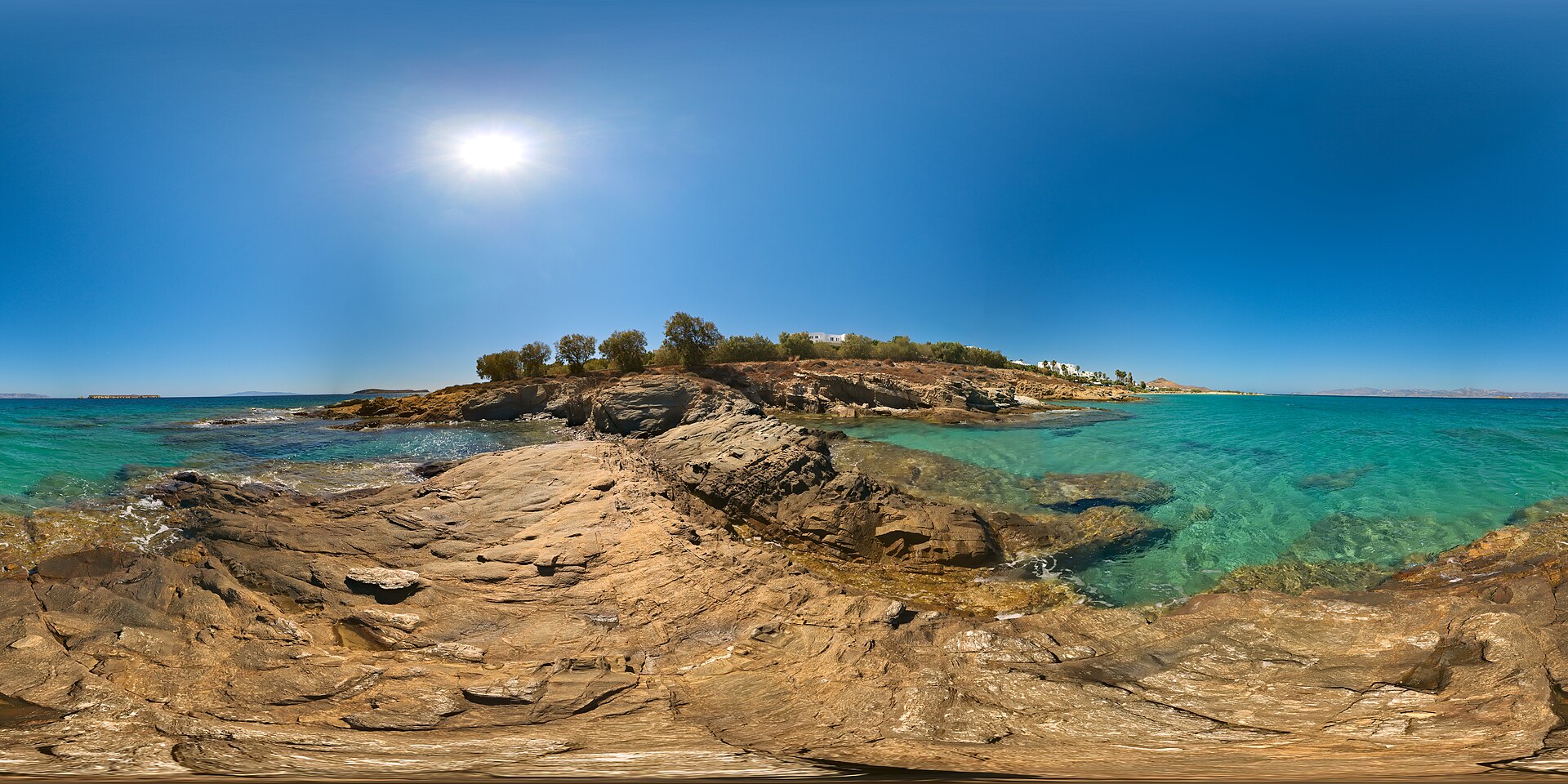
The most fascinating and historically significant monument of Dhrios is represented by the remains of the ancient 'neosoikoi', that is, the shelters for ships carved directly into the rock along the coast. These structures, dating from the Classical and Hellenistic periods, testify to the military and commercial importance of the site. These are parallel grooves and slipways that were used to haul triremes and other vessels on shore for maintenance or to protect them during winter. Observing these millennia-old traces today, partially submerged or lapped by crystalline waters, offers a tangible perspective on the engineering mastery of Paros's ancient inhabitants. Their presence makes Dhrios beach an open-air museum, where archaeology merges with the natural landscape, reminding us that these same shores were once teeming with sailors, carpenters and merchants who made the island's fortune through the trade of the celebrated Parian marble.
Dhrios beach: a refuge of peace
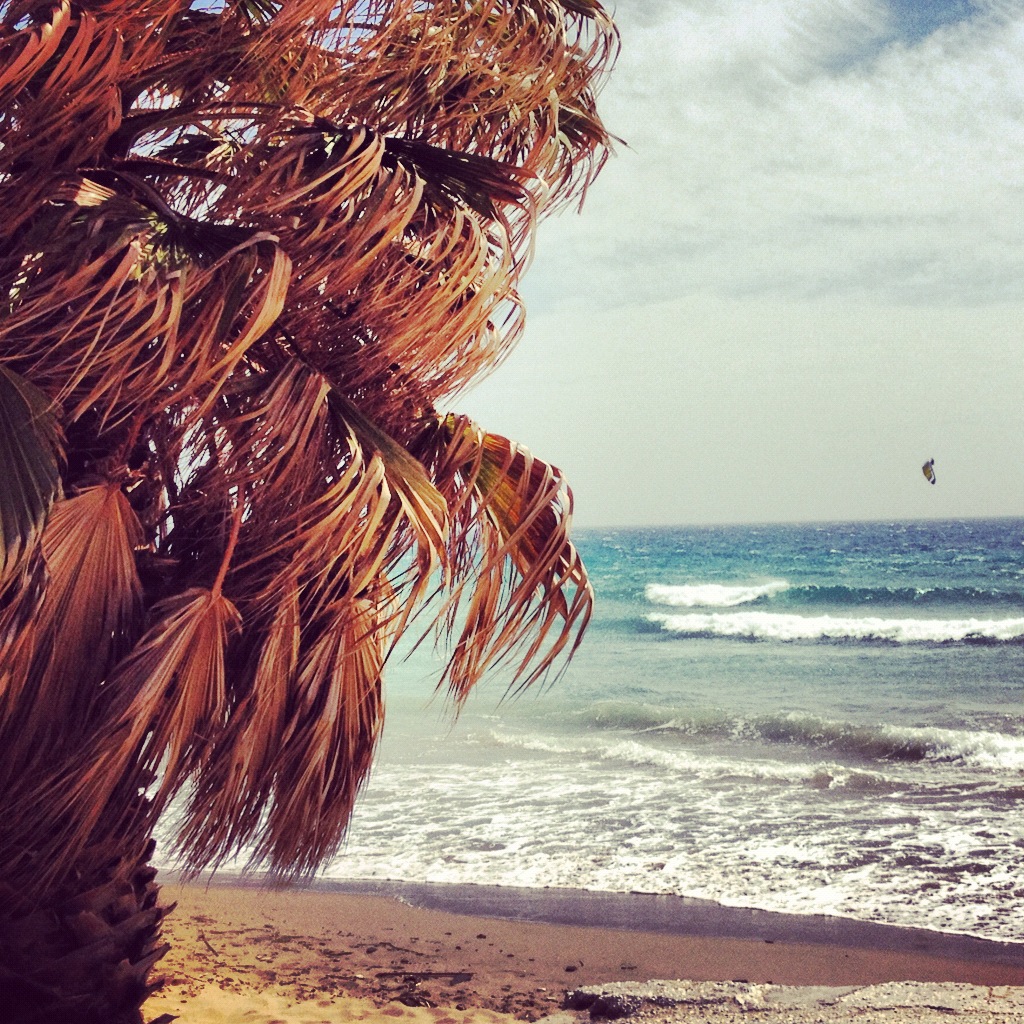
The main beach of the village is a small jewel of white pebbles and golden sand, framed by an unbroken row of tamarisks offering natural and refreshing shade during the hottest hours of the day. Unlike large equipped beaches, the atmosphere here remains intimate and silent. The waters are of extraordinary transparency, with hues ranging from turquoise to emerald, ideal for snorkeling thanks to the rocky seabeds rich in marine life found at the edges of the bay. Along the shoreline there are some traditional tavernas where you can enjoy local dishes with your feet almost in the water. It is the perfect place for those who love to read a book cradled by the sound of the surf or for those who want an early morning swim in complete solitude, admiring the sunrise over the nearby island of Naxos, visible right across.
Chrissi Akti: the call of gold and wind
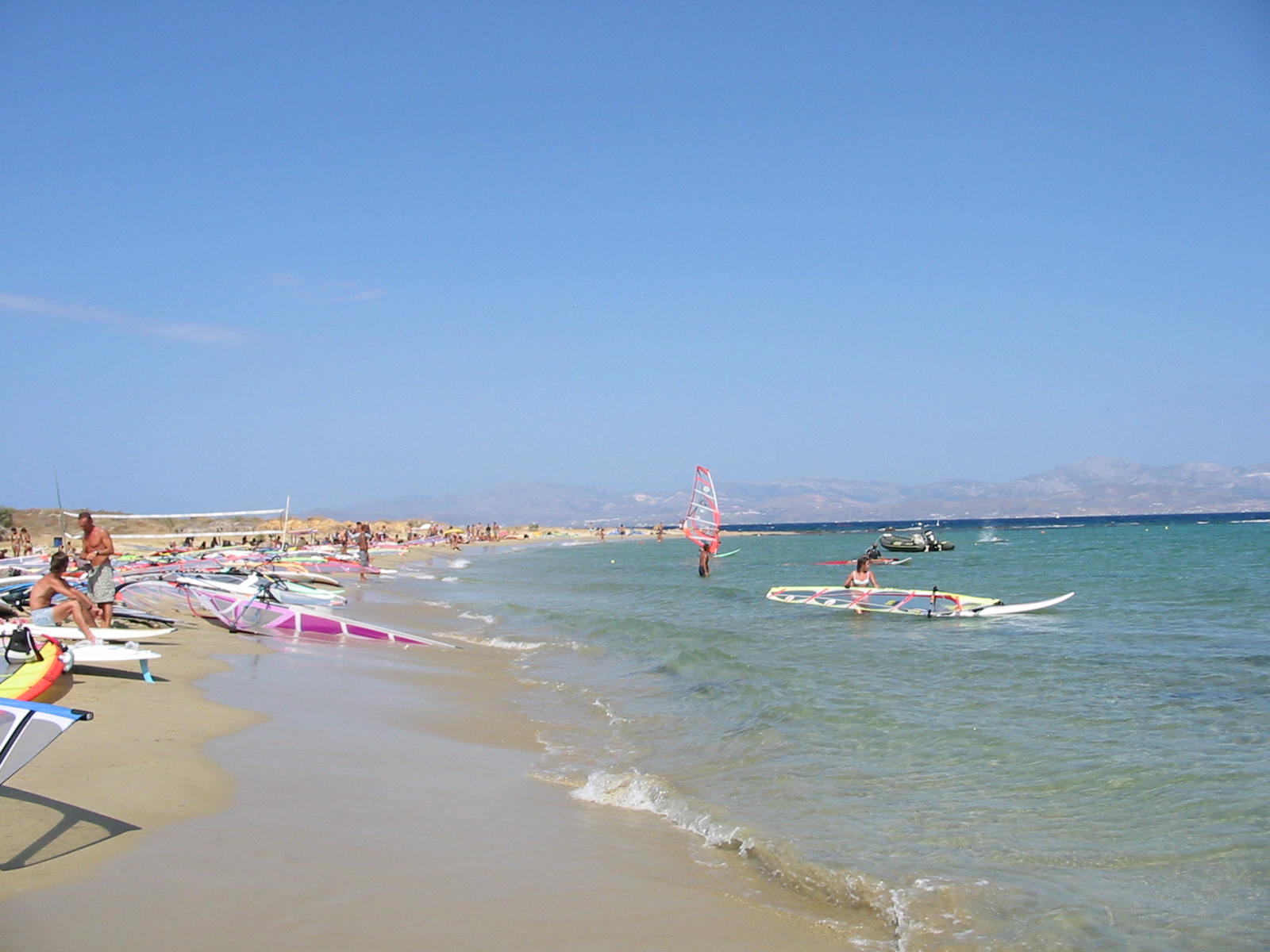
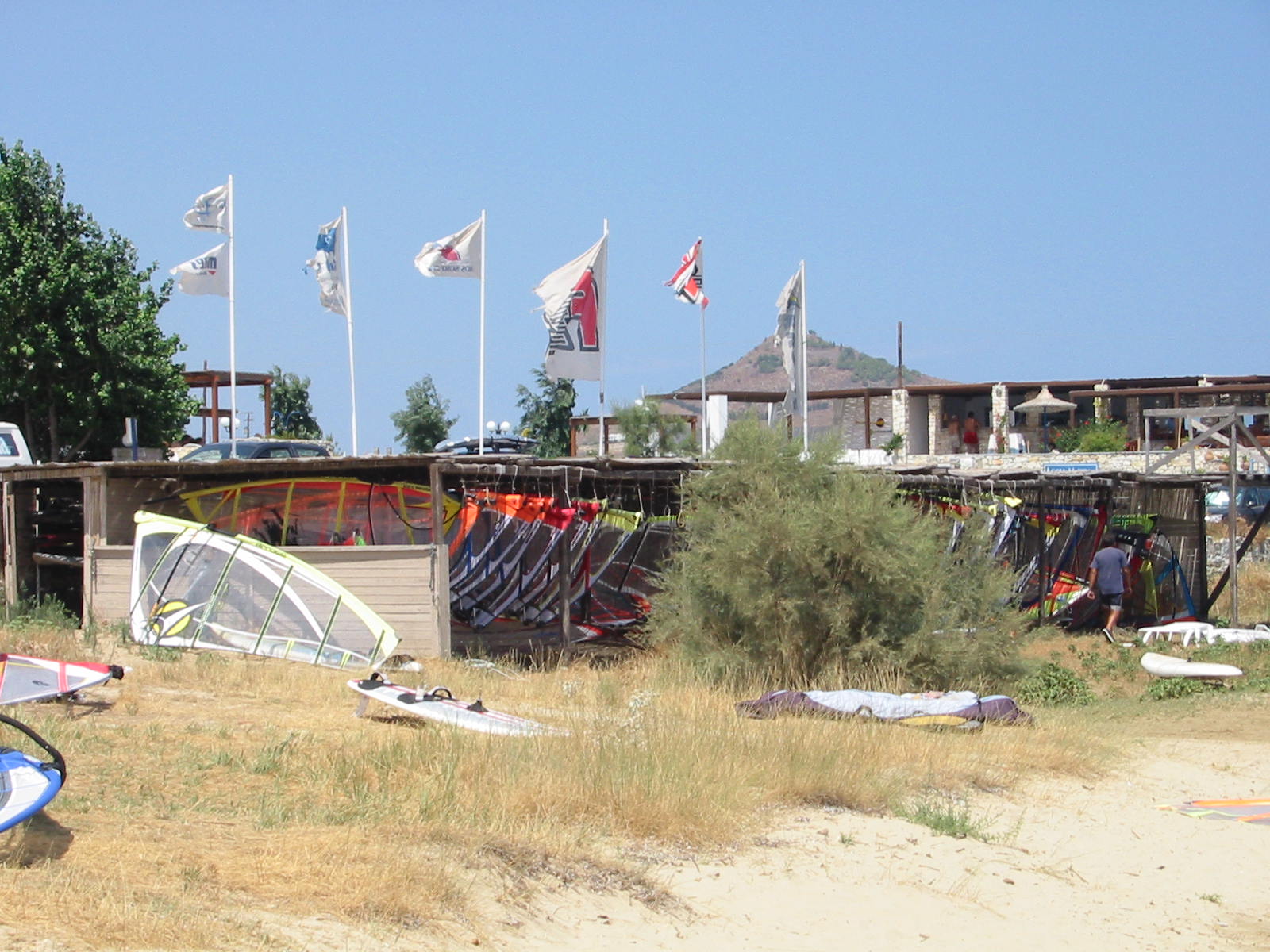
A very short distance from Dhrios extends Chrissi Akti, universally known as Golden Beach. This expanse of finest sand, which glistens in the sun thanks to the presence of tiny mica crystals, is considered one of the most beautiful beaches in all of Greece. Beyond its aesthetic beauty, Golden Beach is a paradise for windsurfing and kitesurfing enthusiasts: the wind conditions, particularly the Meltemi that blows steadily in summer, make it the site of international competitions. Despite its fame, the beach is so vast as to offer space for everyone, from equipped areas with loungers and trendy beach bars to freer and wilder zones. Walking along the shoreline of Chrissi Akti at sunset, when the sand takes on warm and amber tones, is an experience that remains impressed in the memory of every traveler.
Aspro Chorio: the charm of the white village
Moving slightly inland from Dhrios, one encounters the hamlet of Aspro Chorio, whose name literally means 'White Village'. This small settlement is the epitome of the purest Cycladic architecture: a maze of narrow alleys, cubic whitewashed houses with colored doors and windows, and balconies overflowing with flowering bougainvillea. Aspro Chorio offers a snapshot of authentic rural life, where it is still common to see the elderly sitting outside their homes chatting or small vegetable gardens cultivated with dedication. The elevated position of the village affords breathtaking panoramic views of the Naxos Channel and nearby islands. A visit here allows you to appreciate the contrast between the vitality of the coast and the contemplative serenity of the hills, offering rare angles for photography and a peace difficult to find elsewhere.
The landscape: the green exception of the Cyclades
What makes the Dhrios territory unique within the context of Paros is its surprising underground hydrology. While the rest of the island often presents a barren appearance, here the land is generous and fertile. Walking through the surroundings of the village, one discovers the 'pervolia', the traditional gardens where inhabitants cultivate citrus fruits, figs, pomegranates and vegetables of all kinds. This abundance of water has favored the growth of lush vegetation that creates a pleasant microclimate even in the height of summer. Towards the interior, the landscape transforms into gentle hills dotted with dry stone walls and small votive chapels, while along the coast alternate low cliffs and hidden coves like that of Lolantonis, reachable with a pleasant walk among paths fragrant with thyme and wild oregano.
Traditions and flavors: the table of Dhrios
The gastronomic culture of Dhrios reflects the village's dual soul, linked to both sea and land. In local tavernas, fresh fish is the undisputed protagonist, often prepared according to centuries-old recipes: not to be missed is the 'gouna', mackerel dried in the sun and then grilled, with an intense and savory flavor. But the local cuisine also celebrates the produce of nearby gardens, such as delicious tomato fritters (tomatokeftedes) or 'revithada', a chickpea soup cooked slowly in wood-fired ovens in terracotta vessels. Everything is accompanied by local Parian wine, often produced artisanally by families in the area, and invariably concludes with a glass of 'souma', the island's traditional brandy. Participating in a village festival, such as that of Agios Panteleimon in late July, means immersing oneself in folk dances and communal banquets that strengthen the deep bond between the population and their roots.
- Explore the remains of ancient neosoikoi on the shore at sunset.
- Walk the coastal path connecting Dhrios to Golden Beach and Lolantonis.
- Taste traditional gouna in one of the tavernas overlooking the sea.
- Visit the village of Aspro Chorio to admire authentic Cycladic architecture.
- Rent a kayak to explore the sea caves and isolated coves of the southern coast.
- Take a windsurfing lesson in the international waters of Chrissi Akti.
When to go and how to experience the place
The best time to visit Dhrios depends on the type of experience desired. For those seeking the sea and water sports, the months of July and August are ideal, although they are the most crowded; during this period the Meltemi refreshes the air and fills the sails of surfers. However, to capture the most authentic and tranquil essence of the village, the months of May, June and September offer mild temperatures, warm waters and absolute quiet. In spring, Dhrios bursts into spectacular bloom, making hiking excursions inland a true pleasure for the senses. Living in Dhrios means abandoning frenzy: it is a place that invites you to wake up early to see fishermen returning to port, to spend slow afternoons in the shade of tamarisks and to enjoy silent evenings under a starry sky of incredible clarity, far from the light pollution of major centers.
FAQ
Dhrios è adatta alle famiglie con bambini?
Quanto dista Dhrios dal porto principale di Parikia?
È necessario noleggiare un'auto per soggiornare qui?
Ci sono servizi come supermercati e farmacie?
Getting there
- Aeroporto Nazionale di Paros (PAS) - 15 km
- Non presenti sull'isola
- Da Parikia seguire le indicazioni per Marpissa e poi proseguire verso sud per Dhrios. La strada è asfaltata e ben segnalata.
- In estate, gli autobus locali (KTEL) collegano regolarmente Dhrios con Parikia e Naoussa, ma controllate sempre gli orari aggiornati.
Perfect for
Perfetto per chi cerca una vacanza lenta, lontano dal caos, immerso nel verde e nel silenzio.
La vicinanza a Golden Beach la rende una base strategica per windsurfisti e amanti della vela.
Un luogo unico per toccare con mano le antiche strutture portuali greche direttamente sulla spiaggia.
To see
