

Ayiassos
Along the southwestern coast of Naxos, the largest and most fertile island of the Cyclades, unfolds a stretch of land where the ca...
Updated 7 July 2026
This season · July · Summer
What to do in Ayiassos now
The story
The story of Ayiassos
The Historical Roots of a Silent Outpost
The history of Ayiassos is intrinsically linked to that of Naxos, an island that witnessed the flourishing of Cycladic civilization before becoming a Byzantine possession and subsequently the heart of the Duchy of the Archipelago under the Venetian rule of the Sanudo family. While Chora developed as a political and commercial center, Ayiassos remained a predominantly agricultural and pastoral area, protected by its remote position. During the Venetian period (1207-1566), the area was dotted with watchtowers, necessary to scan the horizon and defend the hinterland from pirate raids that plagued maritime routes. This heritage of the frontier forged a resilient and proud character in the local inhabitants, who have preserved over time a visceral bond with the land and sea, keeping alive traditions that elsewhere have disappeared under the pressure of modernity.
The Beach of Ayiassos: An Embrace of Sand and Light
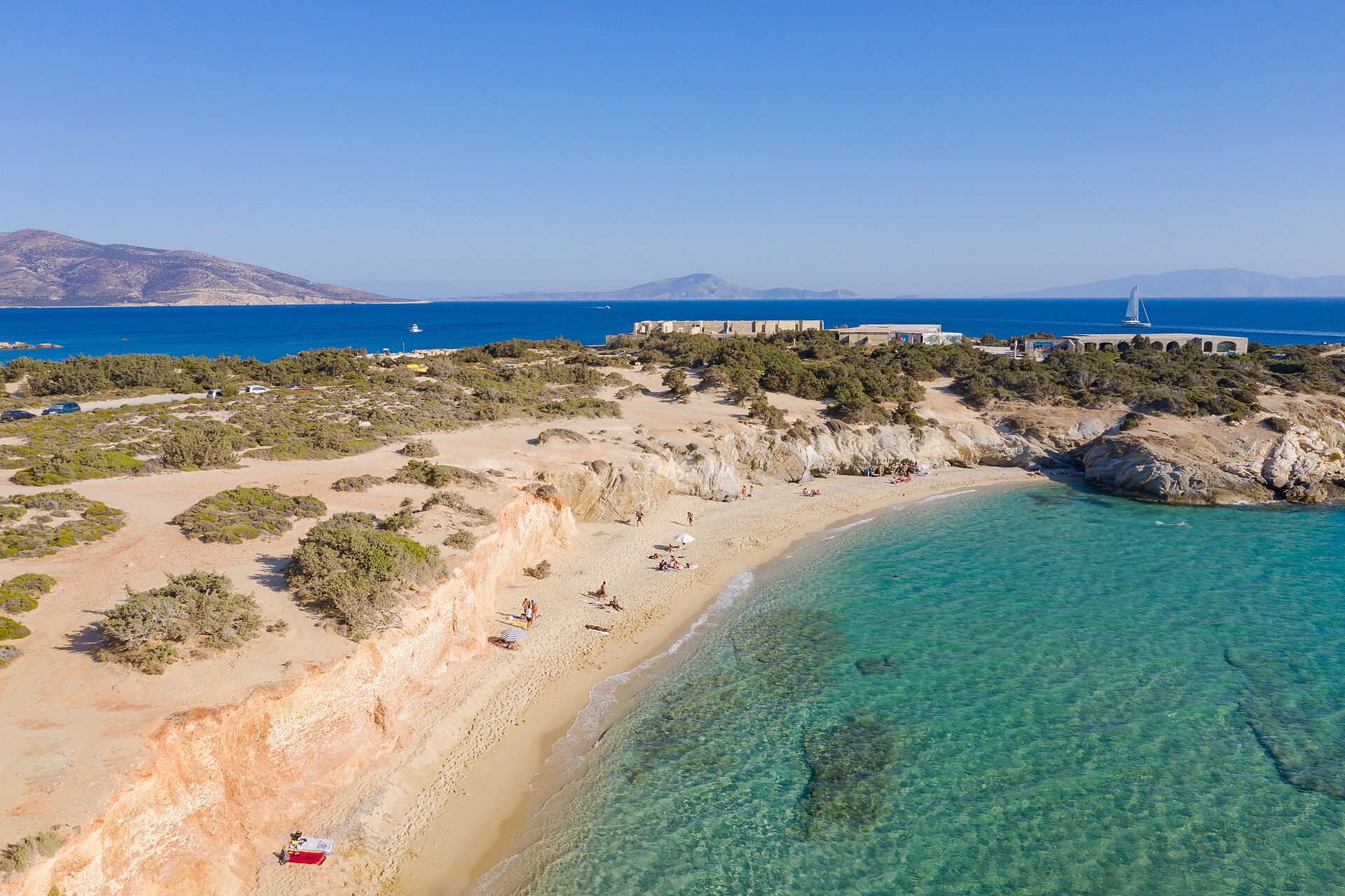
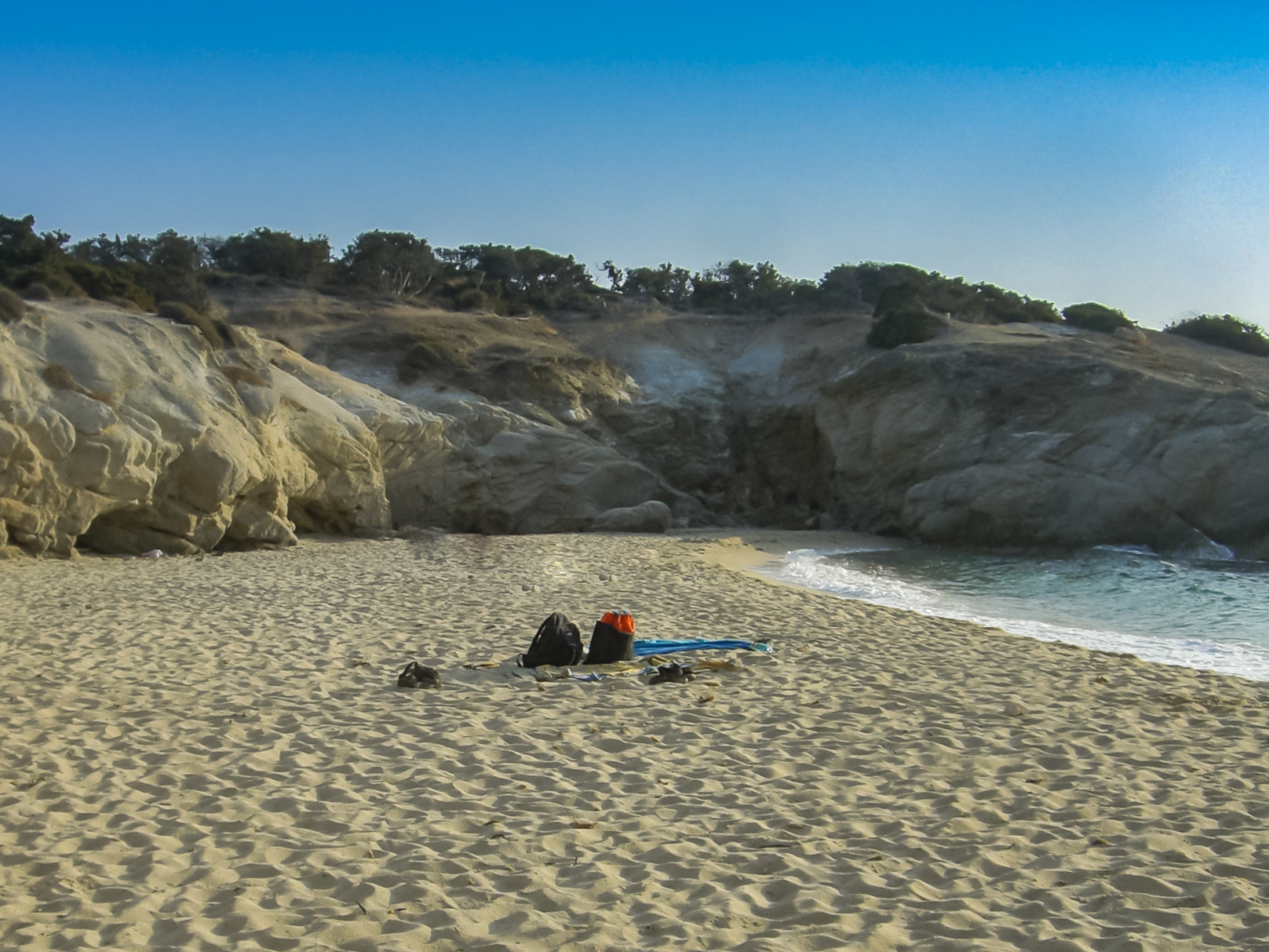
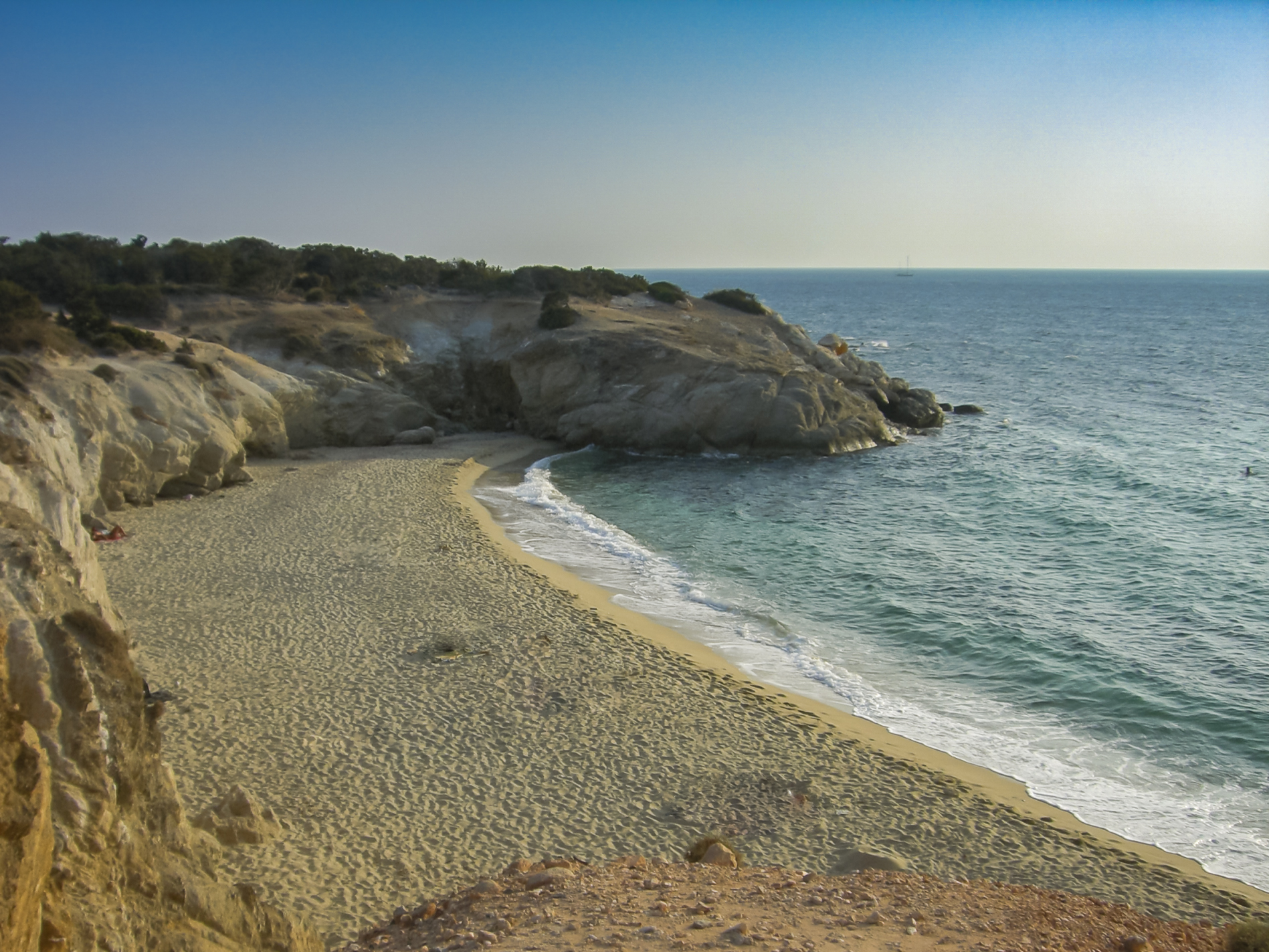
The pulsating heart of the locality is undoubtedly its beach, one of the longest and most unspoiled on the island. Extending for over 750 meters, this sheltered bay is distinguished by its shallow sandy bottom that slopes gently, making it a natural swimming pool ideal for those seeking total relaxation. Unlike the more famous beaches in the north, Ayiassos retains a wild aspect; here you will not find neat rows of commercial sunbeds, but wide open spaces where the sound of waves is the only soundtrack. The sand, fine and pale golden in color, shines under the Cycladic sun, while the water takes on hues ranging from crystalline turquoise to deep cobalt blue. It is the perfect place for long sunset walks, when the sky tinges pink and the atmosphere becomes almost mystical.
Pyrgos Sofroni: The Stone Sentinel
Not far from the shore, rises one of the most significant architectural testimonies of the area: the Sofroni Tower (Pyrgos Sofroni). This is a fortified structure dating back to the Venetian era, conceived as a noble residence and, at the same time, as a defensive bulwark. These towers, typical of the Naxos landscape, were built with thick walls of local stone to resist attacks by Saracen pirates. Pyrgos Sofroni, despite its state of partial ruin, emanates an austere and majestic charm, allowing one to imagine the lives of feudal lords of the era who from here controlled their lands and the surrounding sea. Its presence adds a profound historical dimension to the natural landscape, reminding us that Ayiassos is not only nature, but a place where man struggled for centuries to guard the territory.
The Small Church of Agia Paraskevi
Guardian of local spirituality, the small church of Agia Paraskevi stands a short distance from the beach. This religious building, characterized by the typical simple white forms of the Cyclades, represents a point of reference for the community during religious festivities. The saint, protector of sight, is greatly venerated in Naxos, and the chapel of Ayiassos is a destination for local pilgrimages, especially during the patronal feast celebrated on July 26. The interior is austere, with wooden icons and the scent of incense welcoming visitors in search of a moment of reflection. The position of the church, slightly elevated above the sea, offers a panoramic view of the bay, uniting religious devotion with contemplation of natural beauty.
The Ecosystem of Wetland Areas and Biodiversity
Behind the beach of Ayiassos extends an area of considerable ecological value: a small wetland or seasonal lagoon that forms during the winter months. This micro-habitat is essential for the rest of migratory birds that travel routes between Africa and Europe. During spring, it is not uncommon to spot herons or other rare bird species that find refuge among reeds and low vegetation. This delicate natural balance is protected and represents an irresistible call for birdwatchers and nature photography enthusiasts. The presence of fresh water near the sea also favors peculiar flora, with wild flowering that colors the beach hinterland in less warm months, making the landscape dynamic and continuously evolving depending on the seasons.
The Surroundings: The Cedar Forest of Alyko
A few kilometers north of Ayiassos is one of the natural wonders of Naxos: the cedar forest of Alyko. This is a protected area where centuries-old Phoenician junipers grow, their roots intertwined among white sand dunes creating an almost exotic setting. Walking among these trees contorted by wind is a unique sensory experience, enriched by the resinous scent of wood and salt. Inside the forest are also the ruins of an hotel never completed, now become an open-air art gallery thanks to murals by famous international street artists. This contrast between abandoned architecture and the vigorous power of nature makes Alyko a must-visit for those staying in Ayiassos, offering sheltered coves and crystal-clear waters of rare beauty.
Flavors of Land and Sea: Naxian Cuisine
Gastronomy in Ayiassos reflects the agricultural richness of Naxos, renowned throughout Greece for the quality of its products. In the few but excellent local tavernas, it is possible to taste dishes prepared with local ingredients. Must-try are the famous Naxos potatoes, celebrated for their sweet flavor, and local cheeses such as Graviera Naxou (PDO) or Arseniko, a matured cheese with a decisive taste. Fish, caught daily in the waters of the bay, is served grilled with a drizzle of olive oil and lemon. A meal in Ayiassos often concludes with a glass of Kitron, the typical liqueur of the island obtained from cedar leaves, an aromatic distillate that encapsulates the very essence of the Aegean.
Experiences Not to Miss
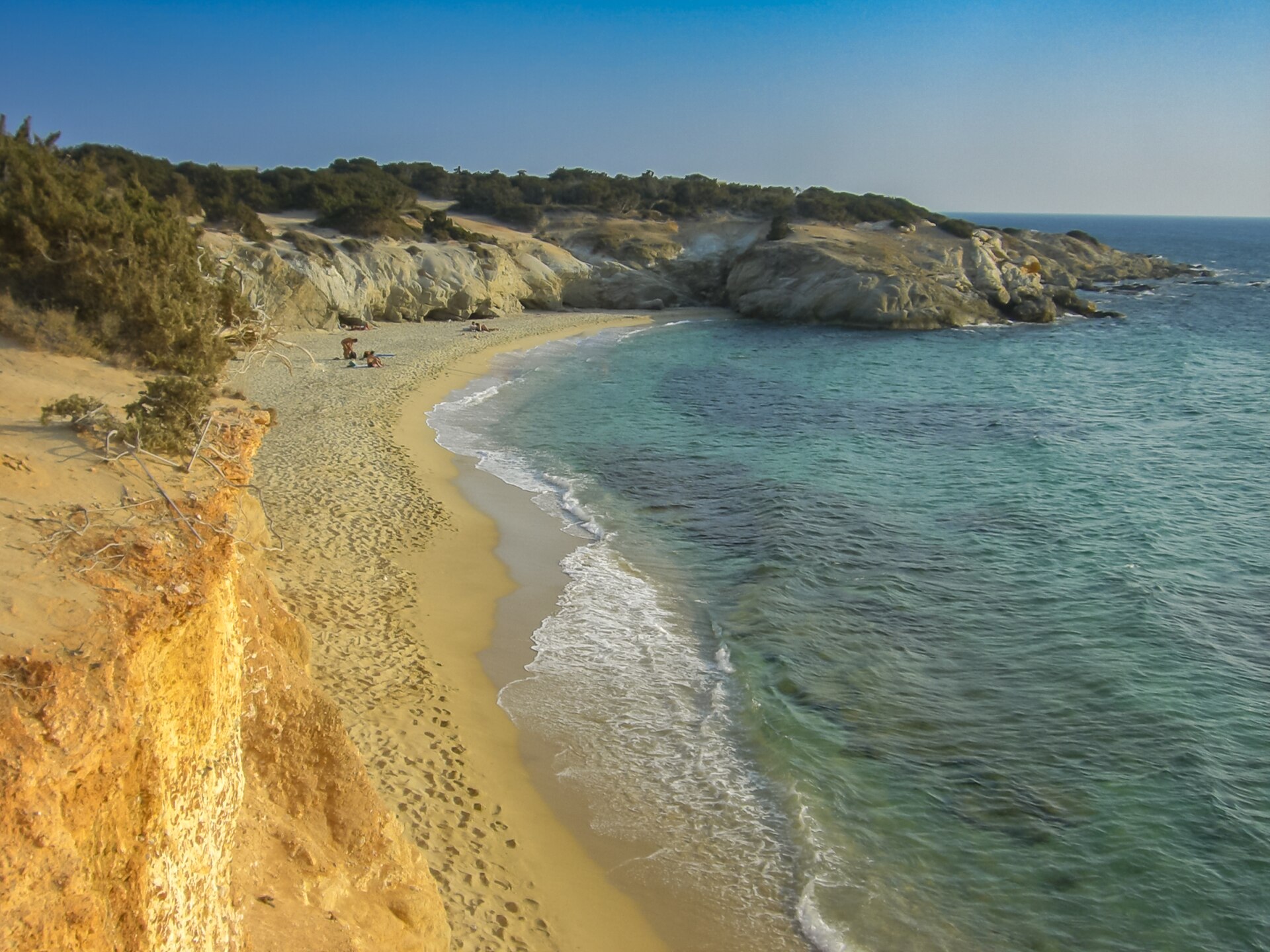
- Snorkeling along the cliffs at the ends of the bay to observe the rich marine fauna.
- Hiking excursion towards the nearby Kalados beach to admire wild panoramas.
- Sunset dinner in a beachside taverna, savoring rooster in wine sauce (kokoras krasatos).
- Exploration of the Alyko dunes and its incredible murals among the cedars.
- Morning walk towards Sofroni Tower to enjoy glancing light on ancient stones.
When to Go and How to Experience the Place
Ayiassos is a destination that shows its best from June to September, but for those seeking absolute solitude, the months of May and October offer mild temperatures and an almost unreal peace. During summer, the Meltemi wind blows with less intensity compared to the northern coast, making the bay of Ayiassos often calmer and more swimmable. It is important to remember that this locality does not have large infrastructures: there are no ATMs or large supermarkets, which contributes to keeping its rustic charm intact. To fully experience the location, it is advisable to rent your own vehicle and let curiosity guide you, exploring the dirt roads that lead to hidden coves or inland villages like Sangri, where time seems to have stopped in the last century.
FAQ
È necessario noleggiare un'auto per raggiungere Ayiassos?
La spiaggia è attrezzata con lettini e ombrelloni?
È una meta adatta alle famiglie con bambini?
Quanto dista Ayiassos dalla Chora di Naxos?
Getting there
- Aeroporto Nazionale di Naxos (JNX) - 18 km
- Non presenti sull'isola
- Da Naxos Chora, seguire le indicazioni per Glinado, poi procedere verso Sangri e infine seguire i cartelli per Ayiassos. La strada è asfaltata ma presenta tratti stretti e tortuosi.
- Fate rifornimento di carburante alla Chora o nei villaggi vicini, poiché non ci sono distributori nelle immediate vicinanze della spiaggia.
Perfect for
Perfetto per chi vuole fuggire dal caos e ritrovare il contatto con la natura in una delle zone meno affollate delle Cicladi.
Ideale per gli amanti del birdwatching, dello snorkeling e delle passeggiate tra dune e foreste di cedri secolari.
Un paradiso per i buongustai che desiderano assaggiare i prodotti genuini della terra di Naxos, dalle patate ai formaggi d'alpeggio.
To see
