

Voula
Along the ribbon of asphalt that caresses the Saronic Gulf, where the deep blue of the sea meets the silvery green of Aleppo pines...
Updated 7 July 2026
This season · July · Summer
What to do in Voula now
The story
The story of Voula
Deep roots: from the ancient deme of Halai Aixonides
The history of Voula does not begin with 20th-century urban development, but has its roots in classical antiquity. In this area stood the ancient deme of Halai Aixonides, one of the most significant settlements in Cleisthenes' territorial organization. The name itself, "Halai", refers to the salt pans that once characterized the coast, suggesting an economy inextricably linked to sea resources and salt extraction. During the classical era, the area was renowned not only for its productive activities but also as a place of residence for Athenian citizens seeking the sea breeze. Traces of this past have re-emerged during excavations for the construction of the modern city, revealing necropolises, foundations of public buildings, and sanctuaries that bear witness to the continuous habitation of this privileged strip of land.
The archaeological area of the ancient deme
One of the most fascinating, albeit discreet, sites is the archaeological complex located near Zephyrou Street. Here, the remains of the ancient settlement of Halai Aixonides offer a unique glimpse into the daily life of coastal Attica. Excavations have brought to light portions of an ancient theater and foundations of dwellings, demonstrating the high level of urban planning already in the 4th century BC. What makes this place special is its integration into the modern fabric: it is not an isolated museum, but a fragment of history that dialogues with current streets. Walking among these stones, one can perceive the strategic importance Voula held in Athens' defensive and commercial system, serving as a maritime outpost and a center for artisanal production, particularly for processing fish products and salt.
The Church of Agios Nikolaos: sentinel of the sea
At the heart of Voula's spiritual and social life stands the majestic Church of Agios Nikolaos, dedicated to the patron saint of sailors. This building is not only a religious landmark but an architectural symbol that dominates the urban landscape with its revisited Byzantine elegance. Built to accommodate the growing community during the 20th century, the church is distinguished by the meticulous care of its interior frescoes and its spacious churchyard, which becomes the city's nerve center during Easter festivities and the saint's feast day in December. Its location, a short distance from the coast, is not accidental: it serves as a spiritual lighthouse for those who live by the sea, reflecting the deep connection between the Orthodox faith and the Greek maritime tradition that still permeates the daily lives of Voula's inhabitants.
The Platia: the pulsating heart of social life
Voula's main square is much more than a simple open space; it is the stage where the daily ritual of the "volta," the Greek stroll, is performed. Surrounded by centuries-old plane trees and pines that offer natural coolness even on the hottest days, the square hosts a selection of historic cafes, artisan pastry shops, and modern bistros. It is here that one grasps the true essence of the place: the murmur of conversations blending with the clinking of spoons on frappé glasses. The square's design reflects the "garden city" ideal that guided Voula's development in the 1950s and 60s, creating a welcoming environment where generations meet. For visitors, sitting at a table in the Platia is the best way to observe the relaxed yet sophisticated lifestyle of local residents.
The beaches and the coast: the blue within reach
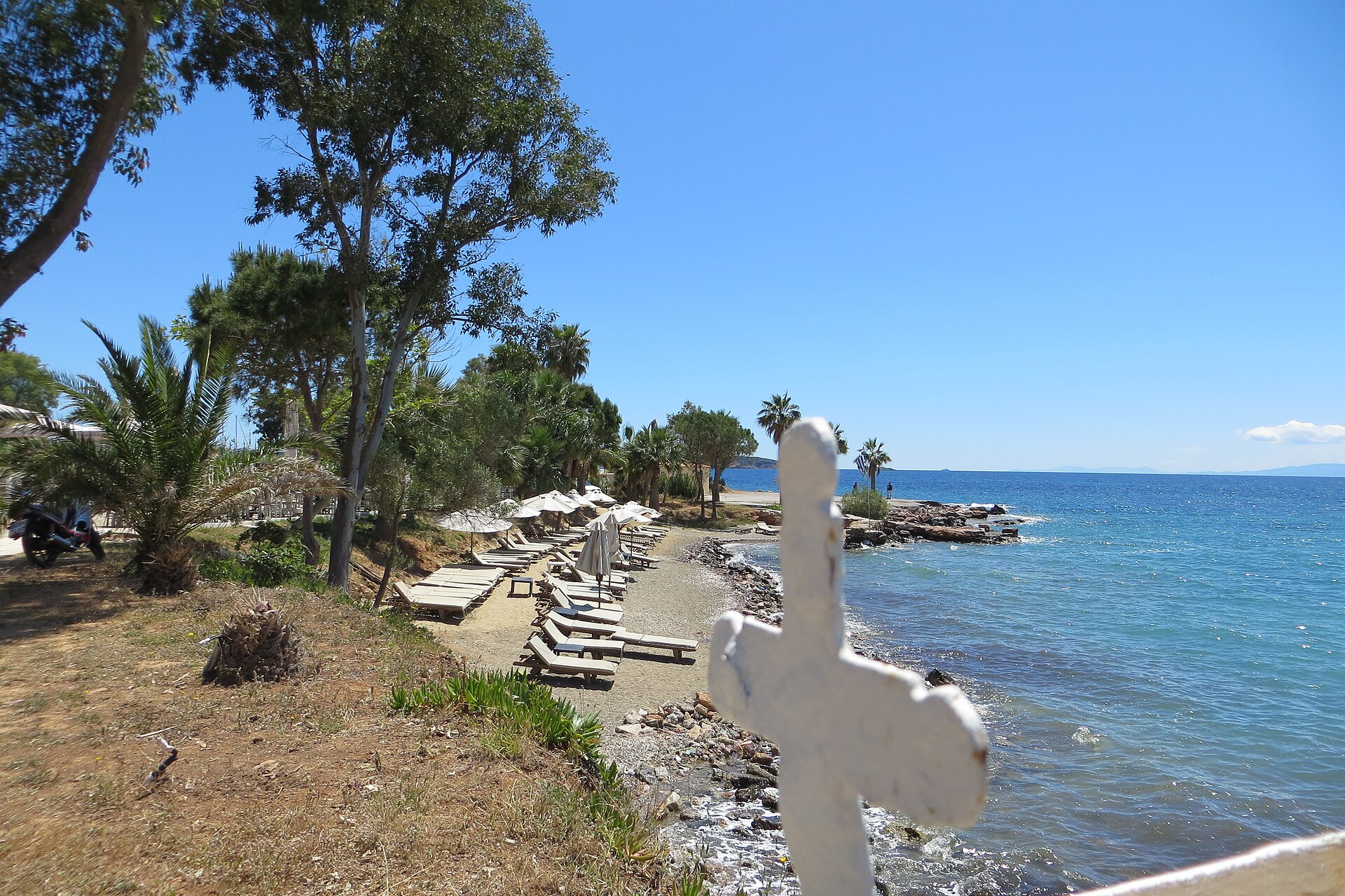
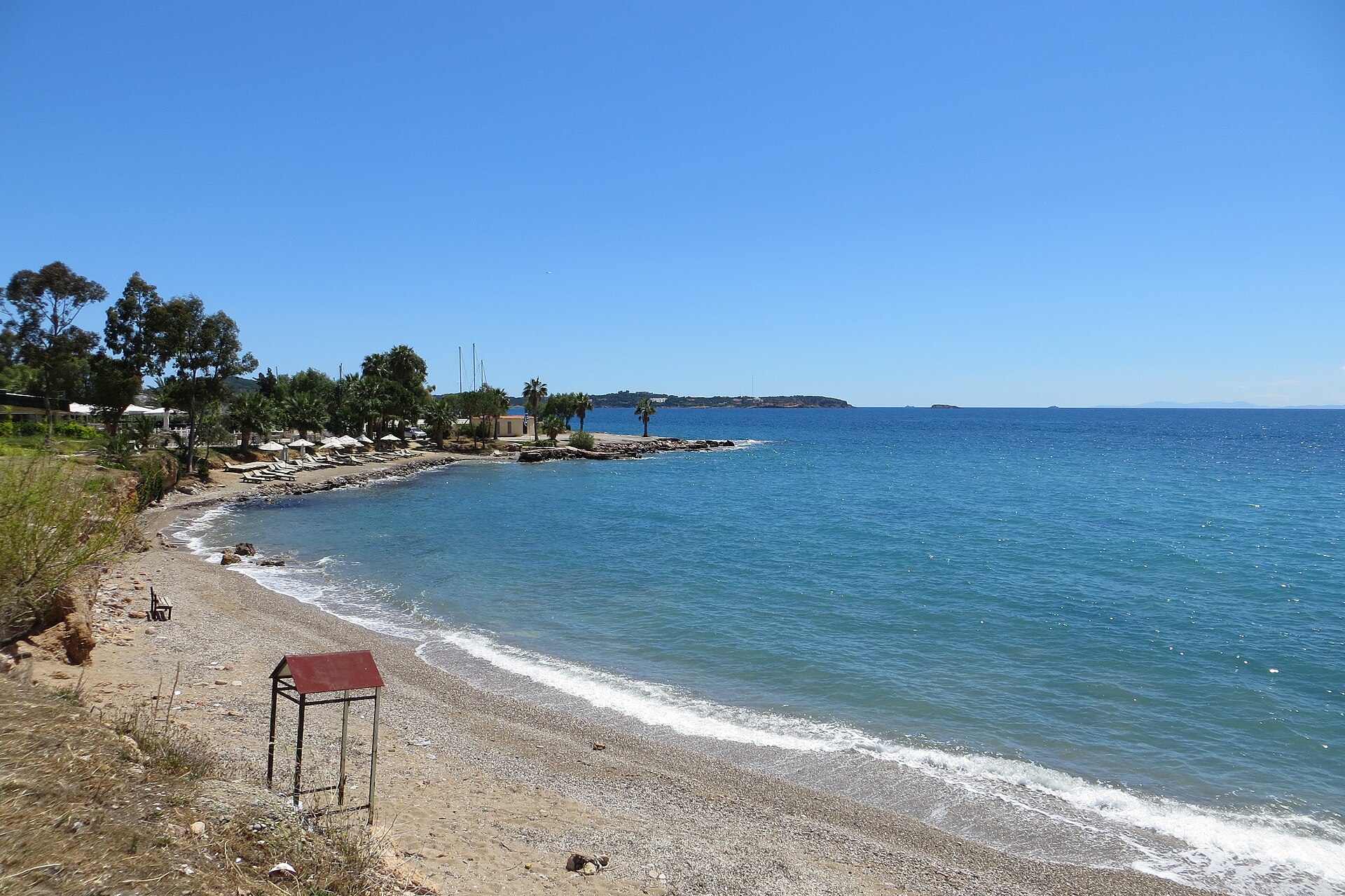
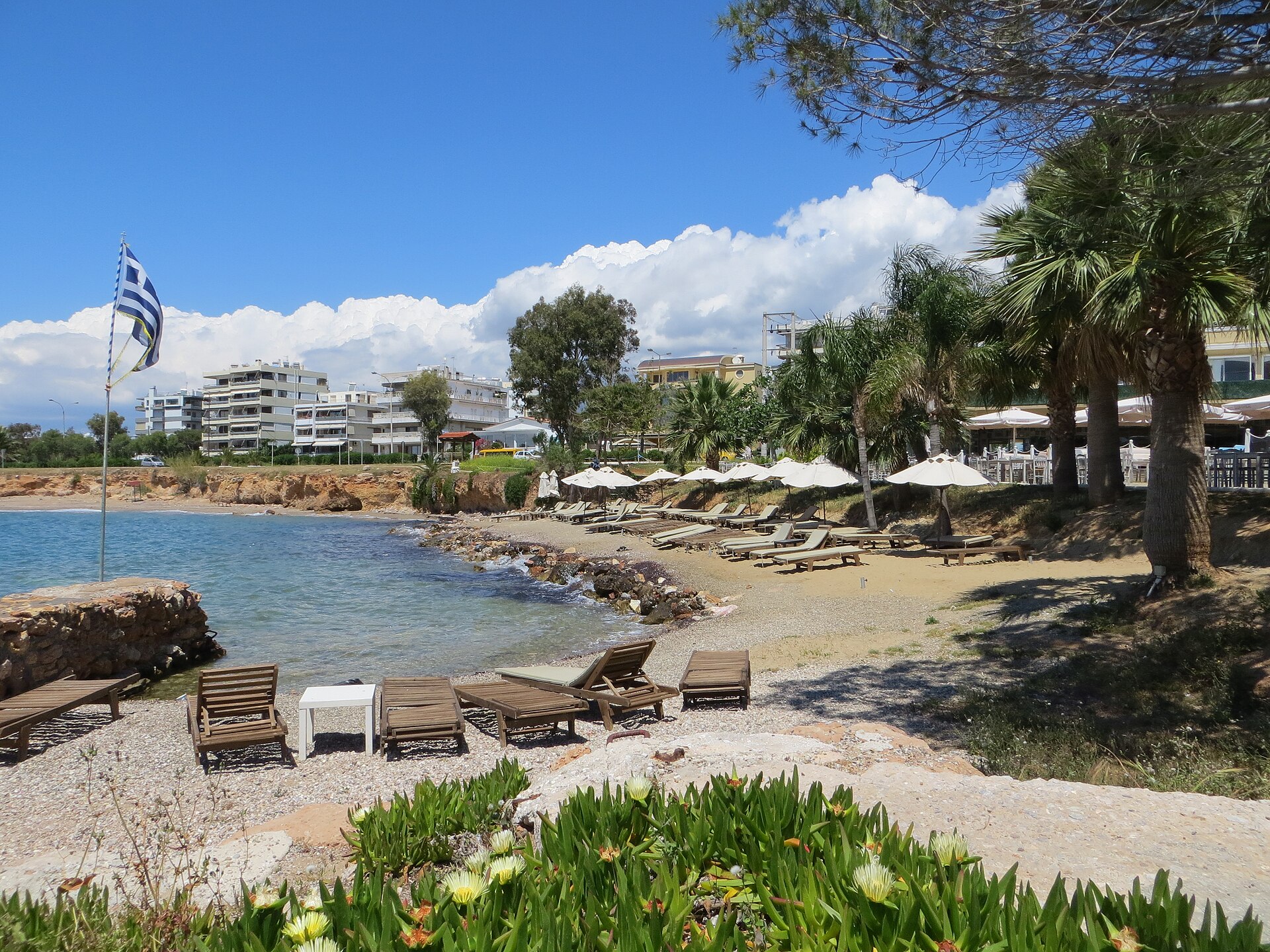
Voula's coastline is famous for its state-of-the-art beach facilities, particularly A' Plage Voulas. This beach is not just a stretch of sand, but a fully equipped coastal park that has redefined the concept of summer leisure. With its clear waters, which have repeatedly earned the Blue Flag, the coast offers areas dedicated to water sports, relaxation zones with designer sunbeds, and meticulously maintained green spaces. What makes Voula's sea special is its accessibility combined with the quality of services: here one can go from the city center to a refreshing dip in the Saronic in just a few minutes. The promenade, ideal for jogging or a leisurely sunset stroll, visually connects Voula to nearby Glyfada and Vouliagmeni, creating a continuum of scenic beauty that is the hallmark of the Riviera.
The landscape between sea and hill
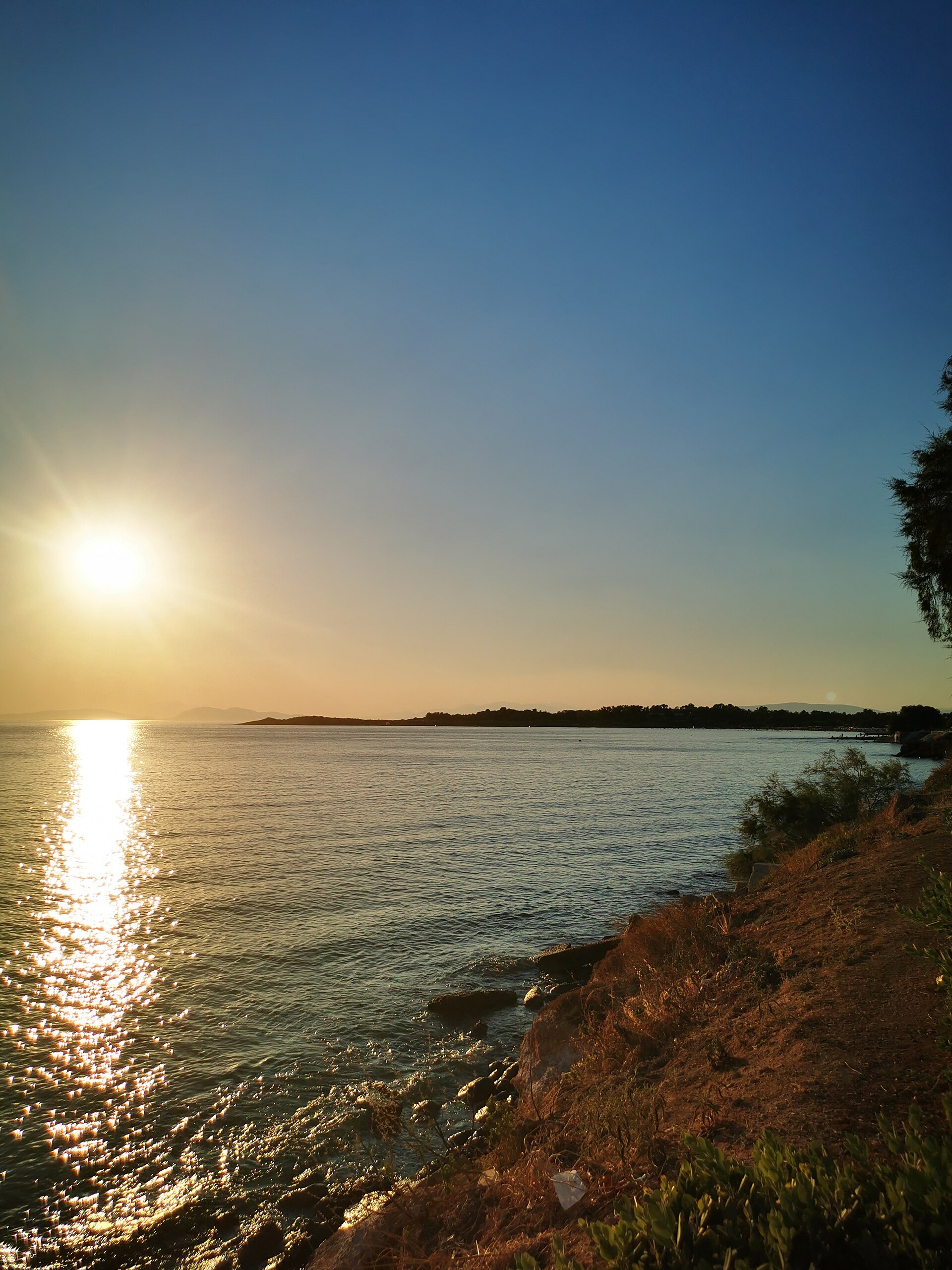
Geographically, Voula enjoys a privileged position, nestled between the southern slopes of Mount Hymettus and the waters of the gulf. This particular microclimate ensures summers that are slightly cooler than central Athens and mild winters. The landscape is characterized by lush Mediterranean vegetation, where maquis shrubland blends with meticulously maintained private gardens. Ascending to the higher areas of the municipality, the view opens up to a breathtaking panorama encompassing the islands of Aegina and Salamis, offering sunsets that paint the sky with shades of purple and orange. The presence of small parks and tree-lined avenues helps maintain that character of a green oasis that makes Voula one of the most sought-after residential areas in all of Attica, a place where nature has not been sacrificed to concrete but has become an integral part of it.
Traditions and flavors of the Riviera
Voula's gastronomic culture is a hymn to the freshness of the Mediterranean. Although the town hosts high-level international restaurants, the heart of its offerings lies in the fish taverns and modern psarotavernes that reinterpret tradition. Fresh fish, brought in every morning by local fishermen, is the undisputed protagonist: from grilled red mullet to octopus stewed in wine. However, inland flavors are also present, with excellent grilled meats that recall Attica's pastoral tradition. An unmissable experience is tasting the typical sweets in the square's pastry shops, where galaktoboureko (semolina custard pastry) is still prepared according to handed-down recipes. The food culture here is an act of sharing, a moment of pause that celebrates the quality of raw ingredients and the pleasure of conviviality.
- Sunset stroll along the pier of A' Plage to admire the colors of the Saronic.
- Exploration of the remains of the ancient deme of Halai Aixonides among the residential streets.
- Morning coffee in the main square (Platia) to immerse oneself in local life.
- Tasting of very fresh fish in one of the taverns overlooking the sea.
- Hike towards the slopes of Hymettus to enjoy the panoramic view of the entire coast.
- Visit the Church of Agios Nikolaos to admire the architecture and contemporary sacred art.
When to go and how to experience Voula
The ideal period to visit Voula is from May to October, when the climate allows full enjoyment of outdoor life and the beaches. However, spring and autumn offer a particular charm: temperatures are perfect for walks and the light is clear, ideal for photography. Experiencing Voula means adopting the local rhythm: a slow morning dedicated to the sea or reading in a park, a late lunch based on mezzedes, and a relaxing afternoon before going out for dinner. Even in winter, Voula maintains a magical atmosphere, with the often choppy sea offering evocative scenery and cafes becoming cozy refuges. It is a destination that never closes for the season, but changes its attire to always offer a reason of interest to those who know how to look beyond the seaside surface.
FAQ
Quanto dista Voula dal centro di Atene?
Le spiagge di Voula sono adatte ai bambini?
È facile trovare parcheggio?
Voula è una destinazione costosa?
Getting there
- Aeroporto Internazionale di Atene Eleftherios Venizelos (circa 20 km)
- Linea del Tram T7 (capolinea Asklipiio Voulas) che collega la costa al centro di Atene (Syntagma).
- Percorrere la Leoforos Poseidonos (viale costiero) in direzione sud da Atene, o la Leoforos Vouliagmenis per un tragitto più interno e veloce.
- Il tram è il modo più panoramico per arrivare, offrendo una vista costante sul mare durante il tragitto.
Perfect for
Spiagge Bandiera Blu con servizi eccellenti, ideali per chi cerca comodità e acque pulite a due passi dalla città.
Un'atmosfera elegante e tranquilla, perfetta per chi vuole vivere la Grecia autentica lontano dal caos turistico di massa.
Un paradiso per gli amanti del pesce fresco e della cucina mediterranea moderna in una cornice sofisticata.
To see
